Porneia
- 144pages
- 6 heures de lecture
Internationally recognized for his works in telepresence and bioart, Kac presents here, translated into English for the first time, his early political poems and performance texts from his early career in Brazil.


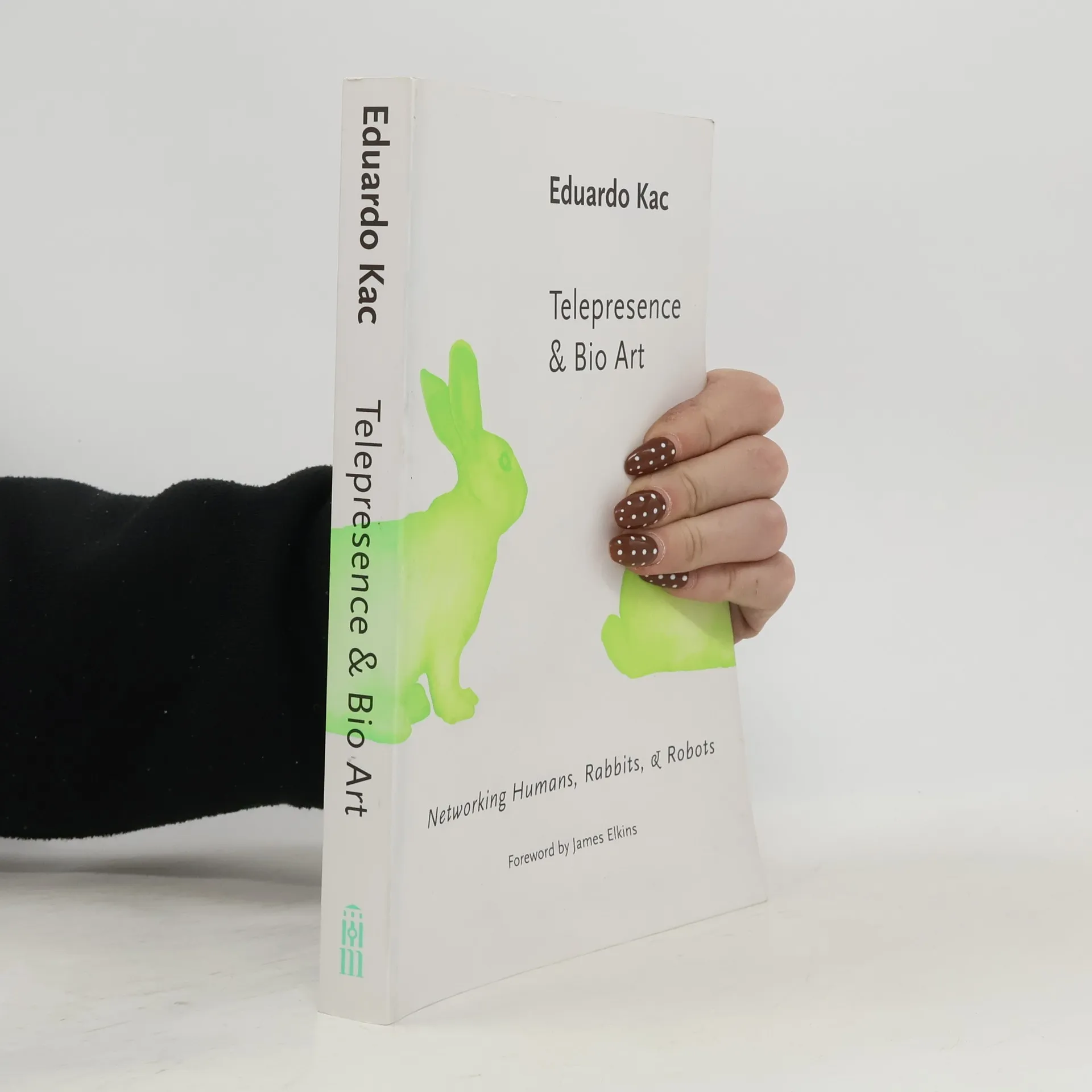

Internationally recognized for his works in telepresence and bioart, Kac presents here, translated into English for the first time, his early political poems and performance texts from his early career in Brazil.
Eduardo Kac's work signifies a pivotal moment in our understanding of creativity. He challenges conventional views, infusing the creative process with a new significance while redefining the artist-inventor's role with a social and ethical responsibility. Kac's innovative approach to presenting the body as a medium for artificial memory and site-specific art raises critical questions about memory in digital culture and the ethical dilemmas of bioengineering and tracking technology. For nearly two decades, Kac has been at the forefront of media art, pioneering early online artworks and evolving new forms that incorporate telecommunications and robotics. The rise of telepresence, or telerobotics, in the 1990s marked a significant shift in media art, leading Kac to explore biology and biotechnology. This book is the first comprehensive account of the evolution of bio art and Kac's aesthetic journey, highlighting his creation of the "artist's gene" and the controversial genetically engineered rabbit, Alba. Covering a wide array of topics in media art, including telecommunications, interactive systems, and the intersection of electronic art and biotechnology, this book is essential for anyone interested in contemporary art.