
Bookbot

Tony Judt

    2 janvier 1948 – 6 août 2010

    Tony Judt fut un historien et un intellectuel de premier plan dont l'œuvre s'est profondément penchée sur l'histoire moderne de l'Europe. Son écriture se caractérisait par une analyse pointue des forces politiques et sociales qui ont façonné le continent, ainsi que par sa capacité à relier les événements passés aux défis actuels. Judt a exploré les complexités de l'identité européenne, du nationalisme et du développement de l'après-guerre avec un style clair et incisif. Son érudition encourage les lecteurs à réfléchir à la trajectoire de l'Europe et aux questions durables de justice sociale et de vie politique.

    Tony Judt
    Reappraisals
    The Memory Chalet
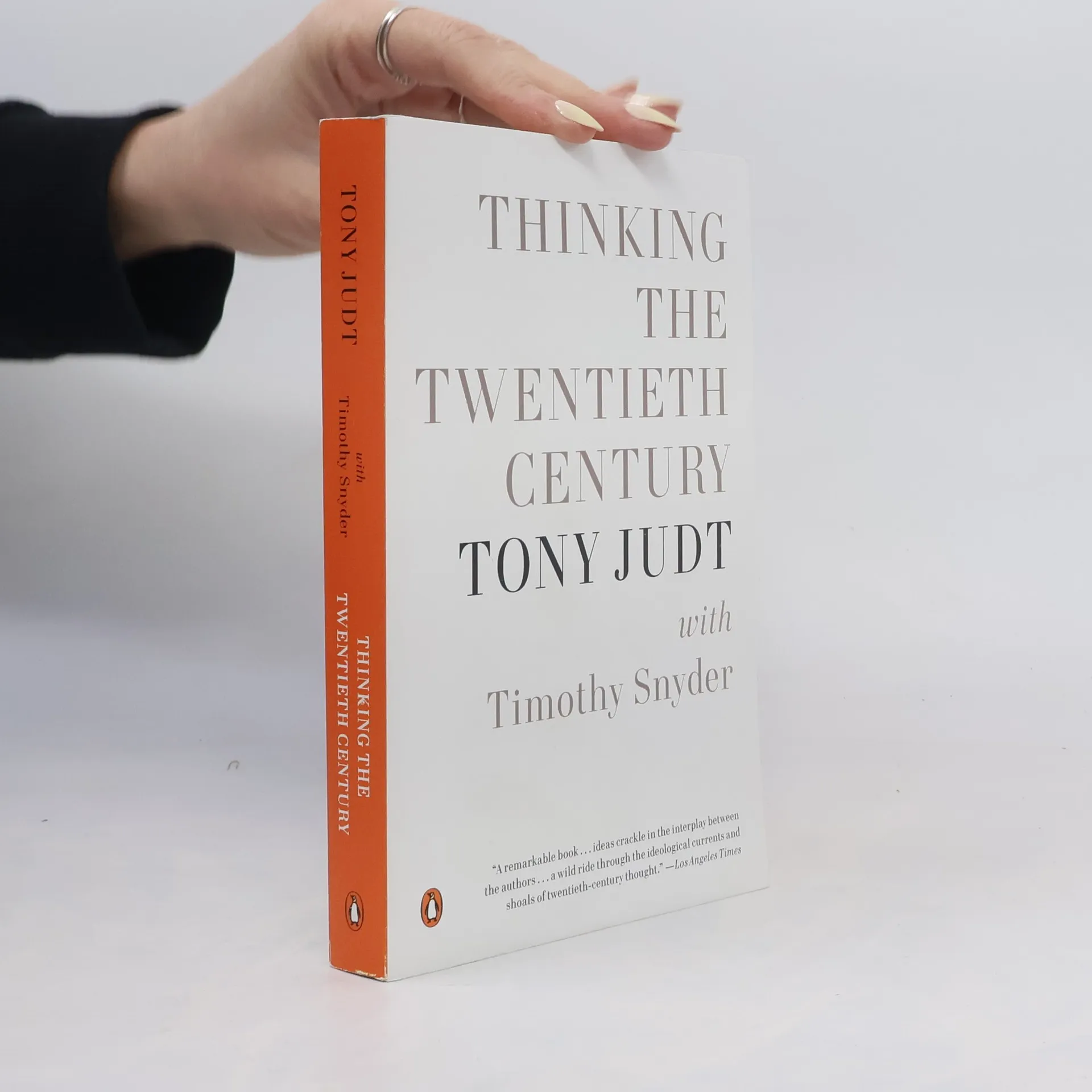
    Thinking the twentieth century
    Postwar. A history of Europe since 1945
    Le marxisme et la gauche française
    Retour sur le XXème siècle
    • Retour sur le XXème siècle

      • 618pages
      • 22 heures de lecture

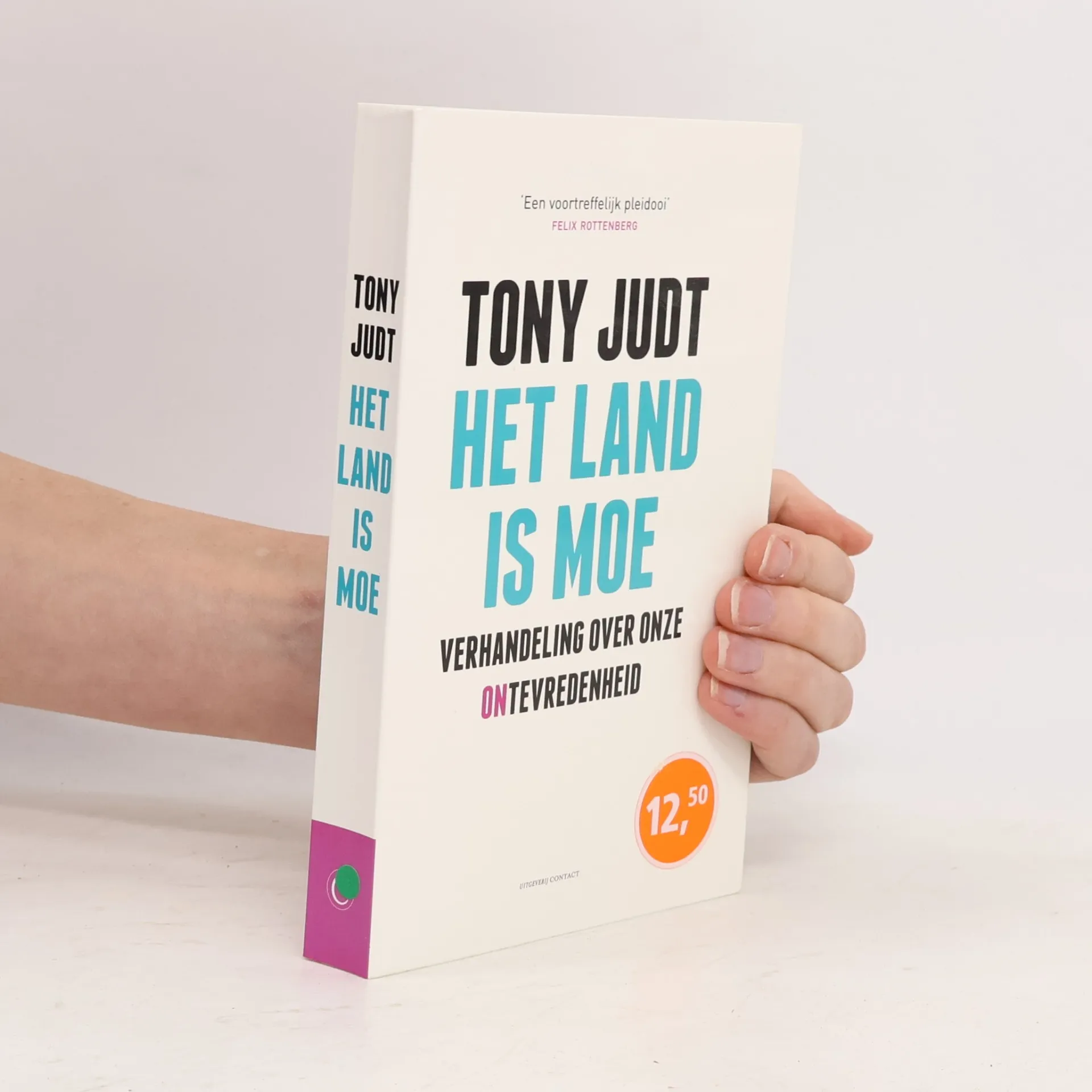
      Pour en finir avec l'ère de l'oubli De nos jours, les bouleversements géopolitiques sont si brusques que nous les oublions avant d'avoir pu les comprendre. C'est comme si un siècle de débats, de politique internationale, d'affaires sociales et d'enthousiasme collectif n'avait jamais existé. Nous ne savons plus d'où nous venons. Si cette ignorance croissante de notre passé est regrettable, notre hantise du futur s'avère pire encore. Nous ne parvenons plus à nous inscrire dans une tradition. Nous négligeons le rôle des idées et la responsabilité des intellectuels.Dans, Retour sur le XXe siècle , Tony Judt ressuscite les principaux courants fondateurs du monde moderne (le communisme, marxisme, capitalisme) et combat cette ère de l'oubli. Il nous rappelle à quel point les idées sont déterminantes : pour notre ancrage dans le présent et notre projection dans l'avenir. Il dénonce cette volonté active d'oublier, plutôt que de se souvenir, de nier la continuité pour proclamer à chaque occasion la nouveauté.D'un souffle rare, cet essai est ponctué d'analyses éblouissantes qui nous entrainent dans un voyage unique, par sa richesse et sa profondeur, à travers notre passé.
      Retour sur le XXème siècle
    • Postwar. A history of Europe since 1945

      • 960pages
      • 34 heures de lecture
      4,4(11163)Évaluer

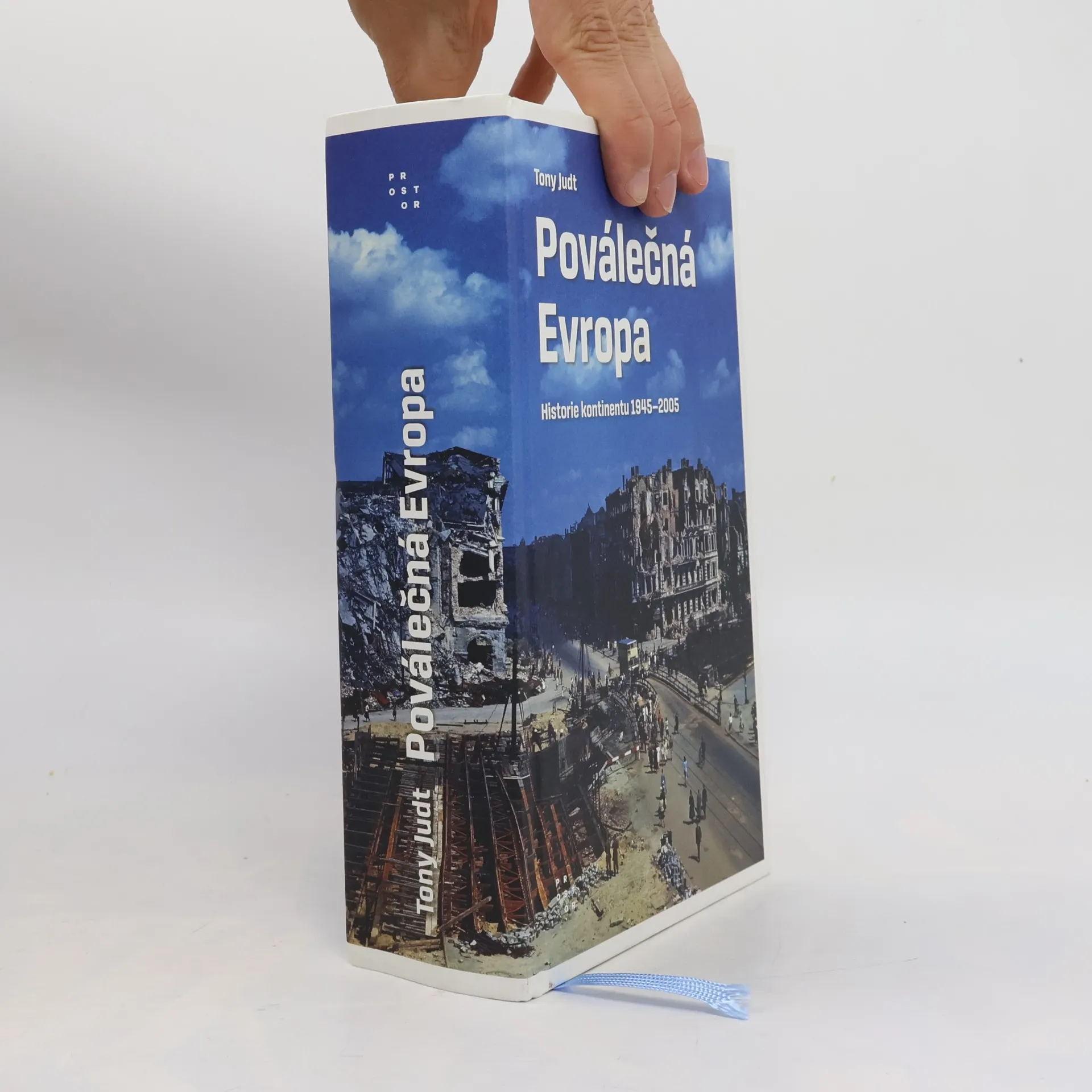
      Finalist for the Pulitzer Prize • Winner of the Council on Foreign Relations Arthur Ross Book Award • One of the New York Times’s 100 Best Books of the 21st Century “Impressive . . . Mr. Judt writes with enormous authority.” —The Wall Street Journal “Magisterial . . . It is, without a doubt, the most comprehensive, authoritative, and yes, readable postwar history.” —The Boston Globe Almost a decade in the making, this much-anticipated grand history of postwar Europe from one of the world's most esteemed historians and intellectuals is a singular achievement. Postwar is the first modern history that covers all of Europe, both east and west, drawing on research in six languages to sweep readers through thirty-four nations and sixty years of political and cultural change-all in one integrated, enthralling narrative. Both intellectually ambitious and compelling to read, thrilling in its scope and delightful in its small details, Postwar is a rare joy.

      Postwar. A history of Europe since 1945
    • Thinking the twentieth century

      • 432pages
      • 16 heures de lecture
      4,3(41)Évaluer

      Thinking the Twentieth Century maps the issues and concerns of a turbulent age onto a life of intellectual conflict and engagement. Tony Judt presents the triumphs and the failures of prominent intellectuals, adeptly explaining both their ideas and the risks of their political commitments.--[book jacket].

      Thinking the twentieth century
    • The Memory Chalet by Tony Judt is a unique memoir that intertwines personal experiences with historical reflections. Through essays on topics like public civility and radical politics, Judt shares his journey from postwar London to New York, all while facing the challenges of a debilitating illness.

      The Memory Chalet
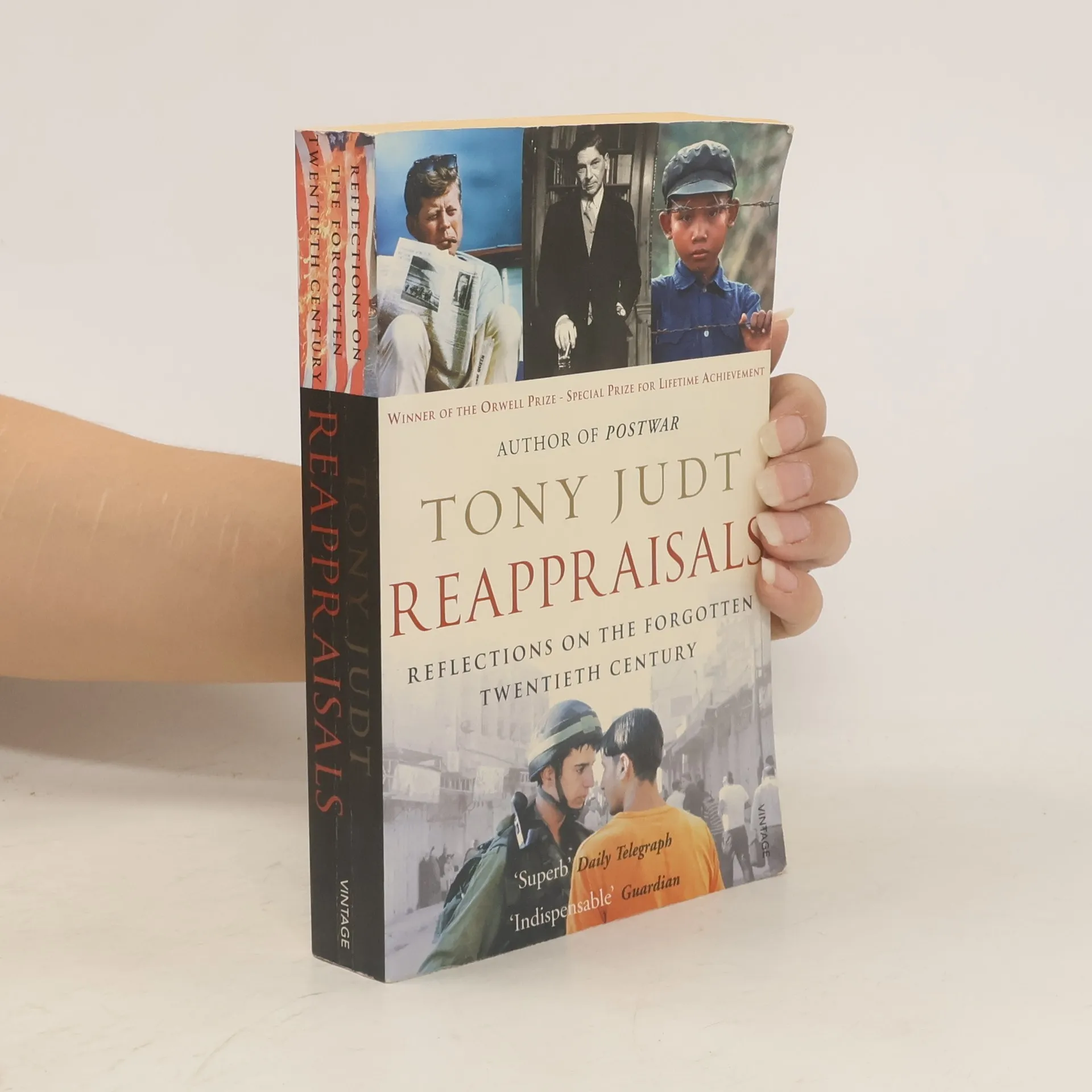
    • “Exhilarating . . . brave and forthright.” —The New York Times Book Review “Perhaps the greatest single collection of thinking on the political, diplomatic, social, and cultural history of the past century.” —Forbes We have entered an age of forgetting. Our world, we insist, is unprecedented, wholly new. The past has nothing to teach us. Drawing provocative connections between a dazzling range of subjects, from Jewish intellectuals and the challenge of evil in the recent European past to the interpretation of the Cold War and the displacement of history by heritage, the late historian Tony Judt takes us beyond what we think we know of the past to explain how we came to know it, showing how much of our history has been sacrificed in the triumph of myth—making over understanding and denial over memory. Reappraisals offers a much-needed road map back to the historical sense we urgently need. Judt's book, Ill Fares the Land, republished in 2021 featuring a new preface by bestselling author of Between the World and Me and The Water Dancer, Ta-Nehisi Coates.

      Reappraisals
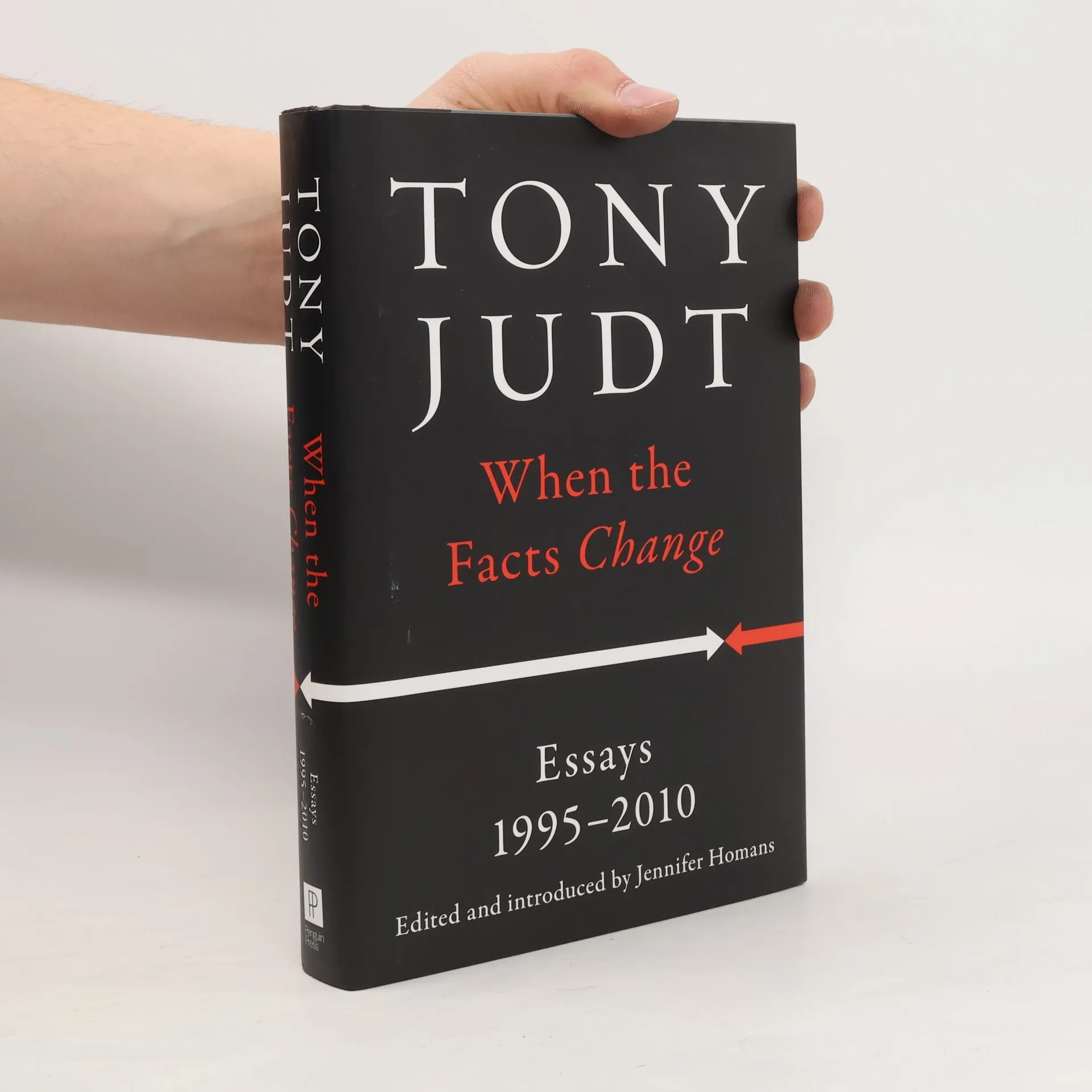
    • When The Facts Change. Essays 1995-2010

      • 386pages
      • 14 heures de lecture
      4,2(377)Évaluer

      "In an age in which the lack of independent public intellectuals has often been sorely lamented, the historian Tony Judt played a rare and valuable role, bringing together history and current events, Europe and America, what was and what is with what should be. In When the Facts Change, Tony Judt's widow and fellow historian Jennifer Homans has assembled an essential collection of the most important and influential pieces written in the last fifteen years of Judt's life, the years in which he found his voice in the public sphere. Included are seminal essays on the full range of Judt's concerns, including Europe as an idea and in reality, before 1989 and thereafter; Israel, the Holocaust and the Jews; American hyperpower and the world after 9/11; and issues of social inclusion and social justice in an age of increasing inequality. Judt was at once most at home and in a state of what he called internal exile from his native England, from Europe, and from America, and he finally settled in New York--between them all. He was a historian of the twentieth century acutely aware of the dangers of ethnic exceptionalism, and if he was shaped by anything, it was the Jewish past and his own secularism. His essays on Israel ignited a firestorm debate for their forthright criticisms of Israeli government polices relating to the Palestinians and the occupied territories. Those crucial pieces are published here in book form for the first time, including an essay, never previously published, called 'What Is to Be Done?' These pieces are suffused with a deep compassion for the Israeli dilemma, a compassion that instilled in Judt a sense of responsibility to speak out and try to find a better path, away from what he saw as a road to ruin. When the Facts Change also contains Judt's homages to the culture heroes who were some of his greatest inspirations: Amos Elon, Francois Furet, Leszek Kolakowski, and perhaps above all Albert Camus, who never accepted the complacent view that the problem of evil couldn't lie within us as well as outside us. Included here too is a magnificent two-part essay on the social and political importance of railway travel to our modern conception of a good society; as well as the urgent text of 'What Is Living and What Is Dead in Social Democracy, ' the final public speech of his life, delivered from a wheelchair after he had been stricken with a terrible illness; and a tender and wise dialogue with his then-teenage son, Daniel, about the different outlooks and burdens of their two generations. To read When the Facts Change is to miss Tony Judt's voice terribly, but to cherish it for what it was, and still is: a wise, human, deeply informed view on our most pressing concerns, delivered in good faith."-- Provided by publisher

      When The Facts Change. Essays 1995-2010
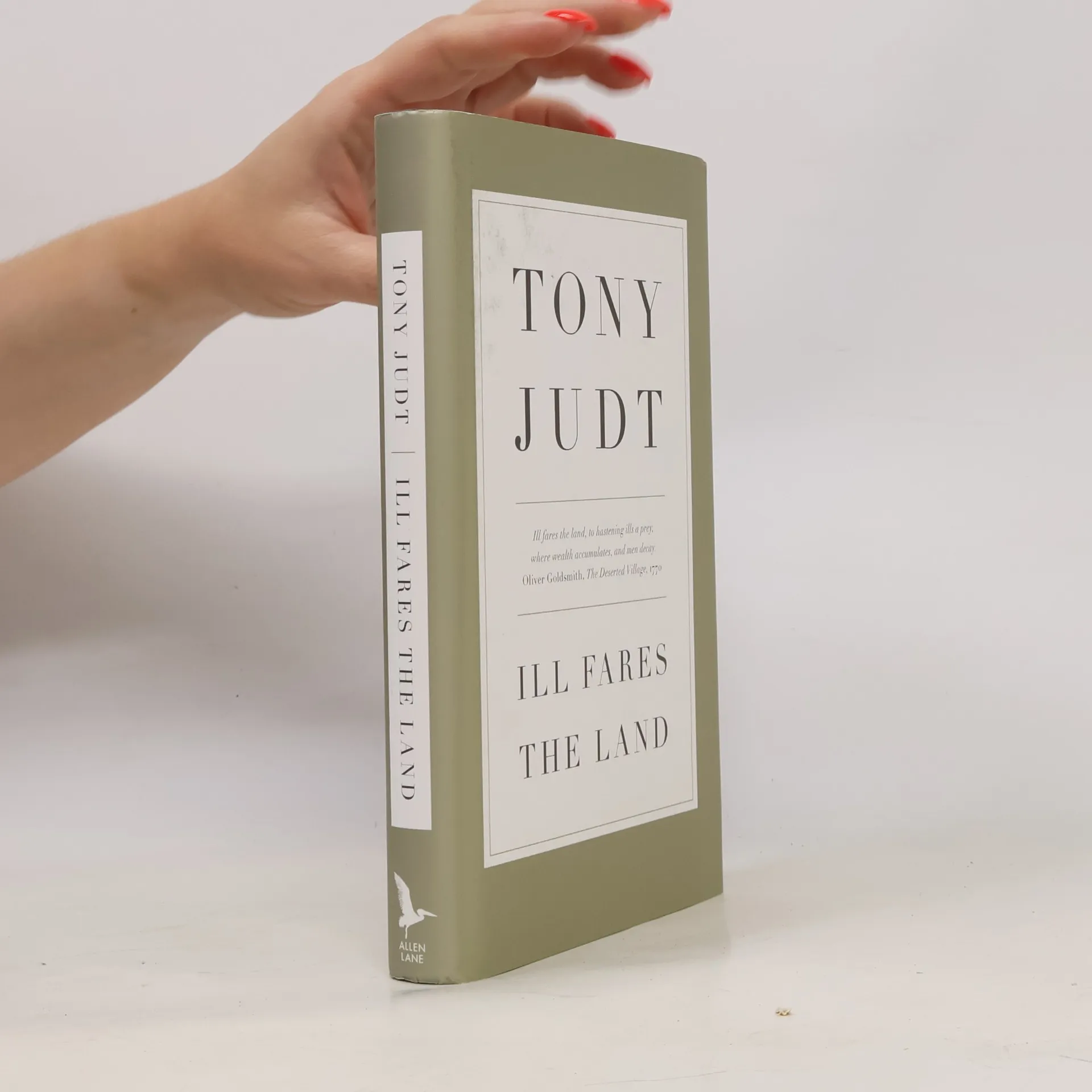
    • Ill Fares The Land

      • 256pages
      • 9 heures de lecture
      4,1(2968)Évaluer

      If we are to replace fear with confidence then we need a different story to tell, about state and society alike: a story that carries moral and political conviction. This book provides that story.

      Ill Fares The Land
    • Argues that we have entered an 'age of forgetting', where we have set aside our immediate past before we could even begin to make sense of it. It examines the tragedy of twentieth-century Europe by way of thought-provoking pieces on Hannah Arendt, Edward Said, Albert Camus and Henry Kissinger amongst others.

      Reappraisals : Reflections on the Forgotten Twentieth Century
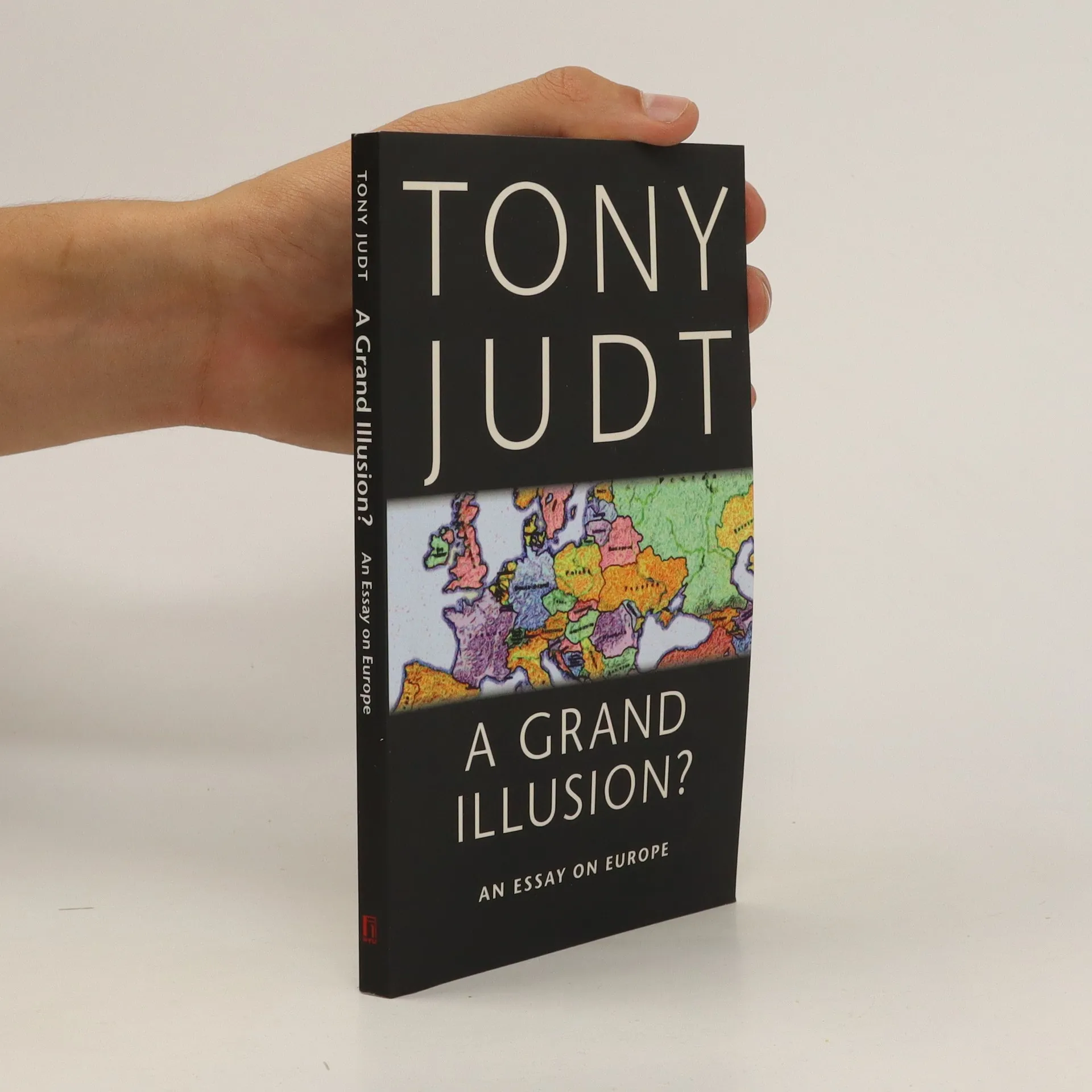
    • A grand illusion? : an essay on Europe

      • 149pages
      • 6 heures de lecture
      3,8(21)Évaluer

      “I am enthusiastically European; no informed person could seriously wish to return to the embattled, mutually antagonistic circle of suspicious and introverted nations that was the European continent in the quite recent past. But it is one thing to think an outcome desirable, quite another to suppose it is possible. It is my contention that a truly united Europe is sufficiently unlikely for it to be unwise and self-defeating to insist upon it. I am thus, I suppose, a Euro-pessimist.” —Tony Judt

      A grand illusion? : an essay on Europe