John M. Simmons est un auteur primé dont les œuvres s'inspirent de profondes expériences personnelles liées à l'adoption d'enfants en provenance de Russie. Son écriture explore les défis et les joies de la parentalité, notamment en ce qui concerne les enfants ayant des besoins particuliers, offrant aux lecteurs un aperçu perspicace de la force des liens familiaux. Après une carrière réussie dans l'industrie de haute technologie, Simmons se consacre désormais à l'écriture et à la défense des orphelins, utilisant sa voix pour promouvoir d'importantes causes sociales.
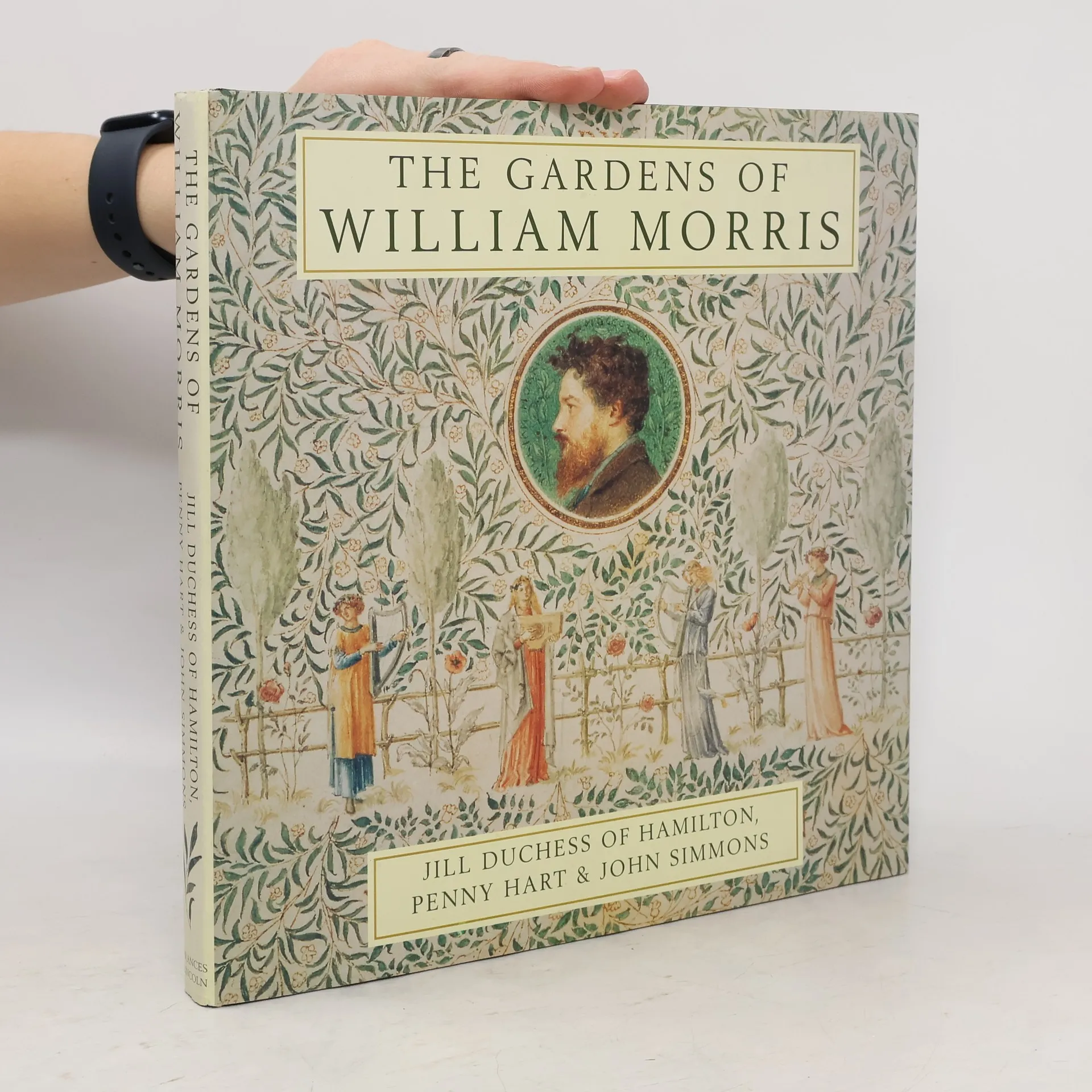
William Morris, designer, poet, socialist - nature lover. This volume focuses on Morris's vision of the garden, uncovering the principles which had such a profound effect on garden designers such as Gertrude Jekyll and William Robinson.
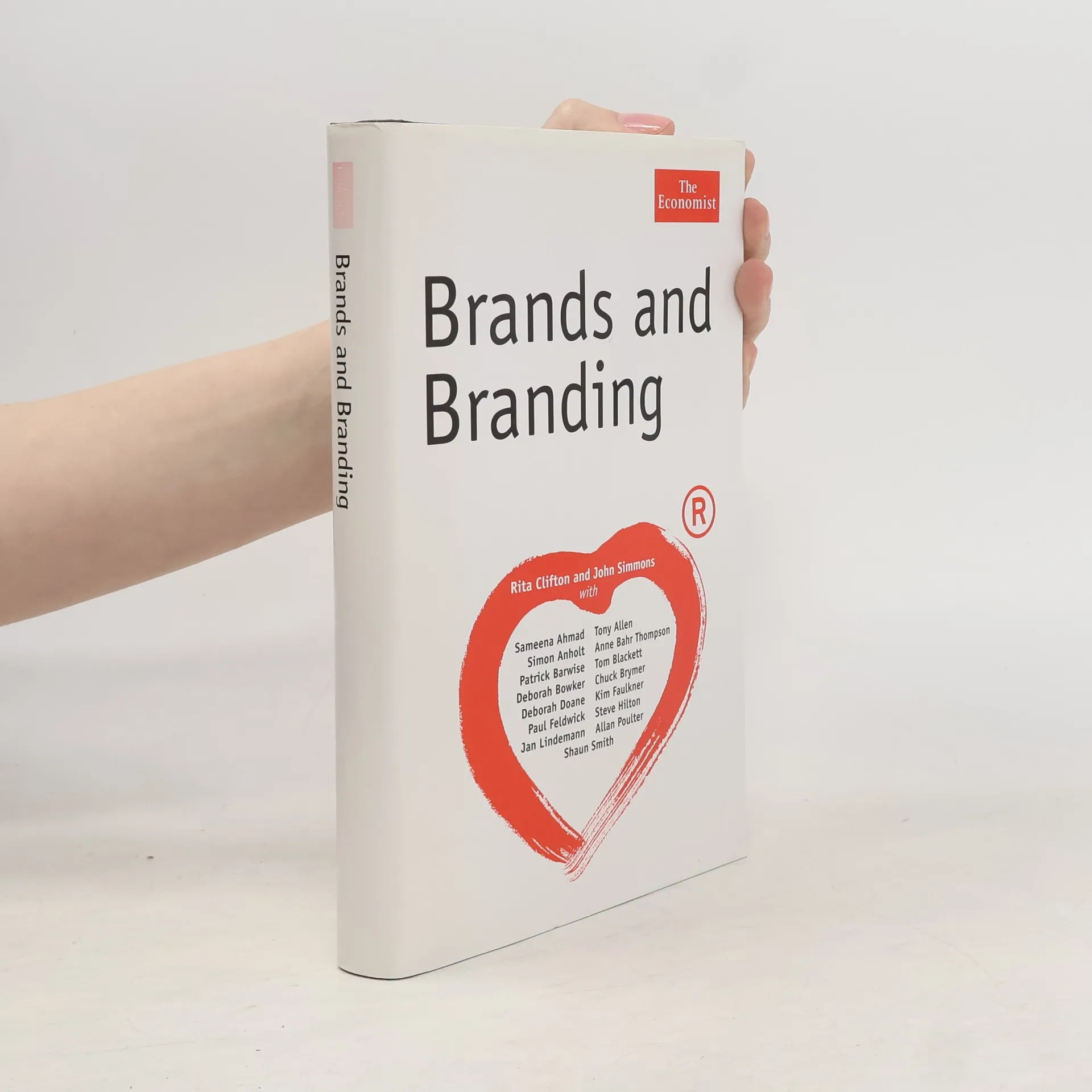
Although the balance sheet may not even put a value on it, a company's brand, or its portfolio of brands, is its most valuable asset. For some companies the brand can account for as much as 70 percent of its market value. This book argues that because of this and because of the power of not-for-profit brands like the Red Cross or Oxfam, all organizations should make the brand their central organizing principle, guiding every decision and every action. As well as making the case for brands and examining the argument of the antiglobalization movement that big brands are bullies which do harm, "Brands and Branding" provides a review of best practices in branding, covering everything from brand positioning to brand protection, visual and verbal identity to brand communications. Finally, the third part of the book looks at trends in branding and the future for brands. Written by seventeen experts in the field, "Brands and Branding" sets out to provide a better understanding of the role and importance of brands, as well as a wealth of insights into how one builds and sustains a successful brand..