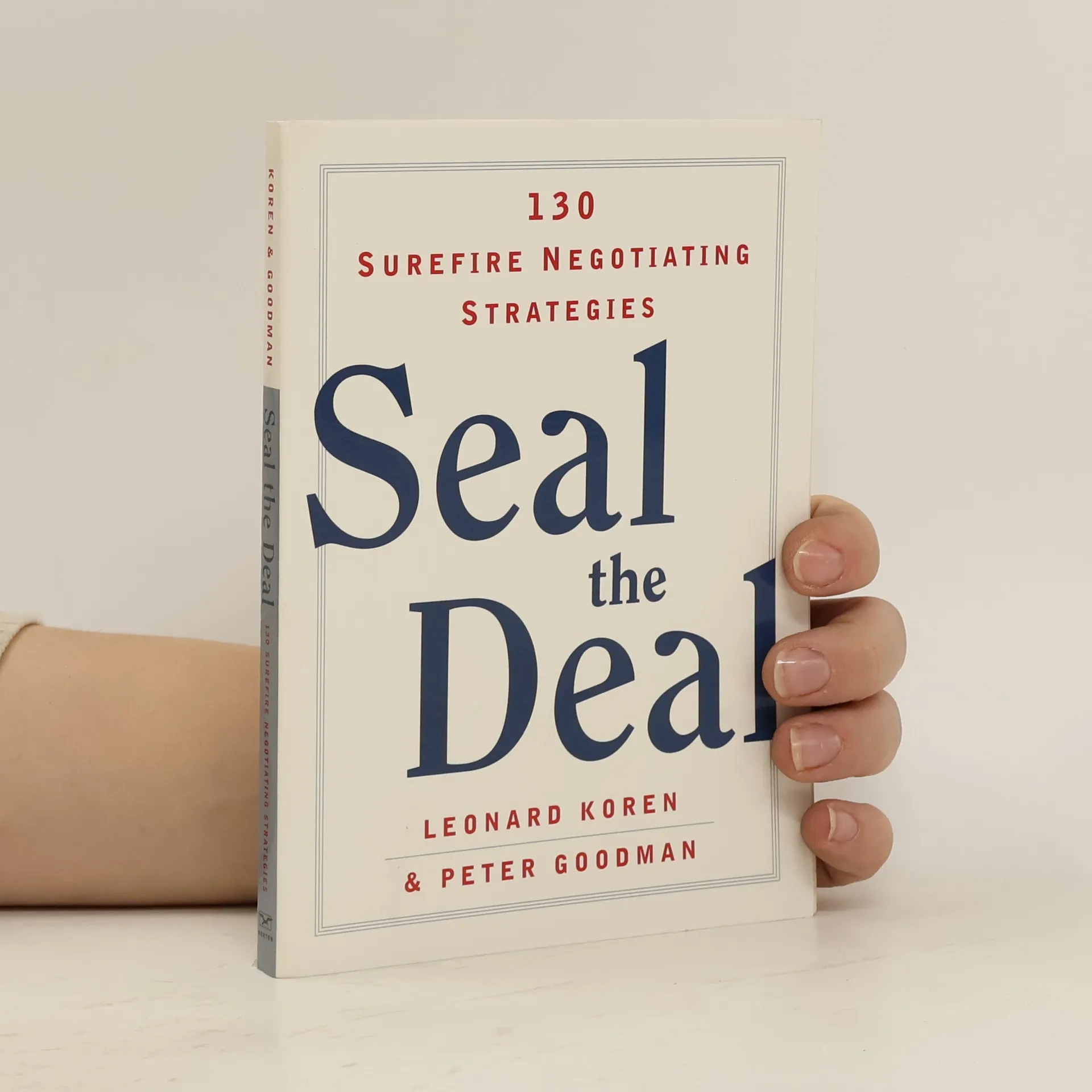
An indispensable tool for anyone who ever has to negotiate, haggle, or bargain, Seal the Deal teaches you the real art of the deal in only one hour. These 130 proven negotiating tips, tactics, and strategies work equally well in a rug bazaar, a car showroom, a lawyer's office, or a corporate boardroom. You'll learn when to cooperate, when to flee, when to parry and stall for time—and when to attack.This book is designed for fast reference and maximum utility, with tactics keyed by graphics that indicate friendly, neutral, or hardball. It moves from overall negotiating psychology to maneuvers suited for short, protracted, stalled, and professional negotiations, to countering an opponent's dirty tricks.Once you've used Seal the Deal, you'll wonder how you ever got along without it. Originally published as The Haggler's Handbook.
From the New York Times global economics correspondent, a rollicking and revelatory exposé of the global billionaire class who increasingly control the world.
Focusing on the evolution of corporate communication, this book explores how strategic practices have adapted to meet the challenges of a rapidly changing business environment. It examines the integration of new technologies, the importance of stakeholder engagement, and the shifting dynamics of corporate reputation management. Through case studies and theoretical insights, it offers a comprehensive framework for understanding the role of communication in organizational success and underscores the necessity for companies to transform their communication strategies to remain competitive.
A historical account of espionage during the Cold War, including famous spies such as Aldrich Ames, covert missions, and technologies that influenced the course of the conflict.
A historical account of espionage during World War II, including famous spies such as Mata Hari, covert missions, and technologies that influenced the course of the conflict.
"A tale that will change how you look at the world." —Mark LeibovichPart Michael Lewis, part The Way Things Work: From the New York Times’s Global Economics Correspondent, an extraordinary journey revealing the worldwide supply chain—exposing both the fascinating pathways of manufacturing and transportation that bring products to your doorstep, and the ruthless business logic that has left local communities at the mercy of a complex and fragile network for their basic necessities.?One of Foreign Policy's "Most Anticipated Books of 2024"How does the wealthiest country on earth run out of protective gear in the middle of a public health catastrophe? How do its parents find themselves unable to locate crucially needed infant formula? How do its largest companies spend billions of dollars making cars that no one can drive for a lack of chips?The last few years have radically highlighted the intricacy and fragility of the global supply chain. Enormous ships were stuck at sea, warehouses overflowed, and delivery trucks stalled. The result was a scarcity of everything from breakfast cereal to medical devices, from frivolous goods to lifesaving necessities. And while the scale of the pandemic shock was unprecedented, it underscored the troubling reality that the system was fundamentally at risk of descending into chaos all along. And it still is. Sabotaged by financial interests, loss of transparency in markets, and worsening working conditions for the people tasked with keeping the gears turning, our global supply chain has become perpetually on the brink of collapse.In How the World Ran Out of Everything, award-winning journalist Peter S. Goodman reveals the fascinating innerworkings of our supply chain and the factors that have led to its constant, dangerous vulnerability. His reporting takes readers deep into the elaborate system, showcasing the triumphs and struggles of the human players who operate it—from factories in Asia and an almond grower in Northern California, to a group of striking railroad workers in Texas, to a truck driver who Goodman accompanies across hundreds of miles of the Great Plains. Through their stories, Goodman weaves a powerful argument for reforming a supply chain to become truly reliable and resilient, demanding a radical redrawing of the bargain between labor and shareholders, and deeper attention paid to how we get the things we need.From one of the most respected economic journalists working today, How the World Ran Out of Everything is a fiercely smart, deeply informative look at how our supply chain operates, and why its reform is crucial—not only to avoid dysfunction in our day to day lives, but to protect the fate of our global fortunes.