
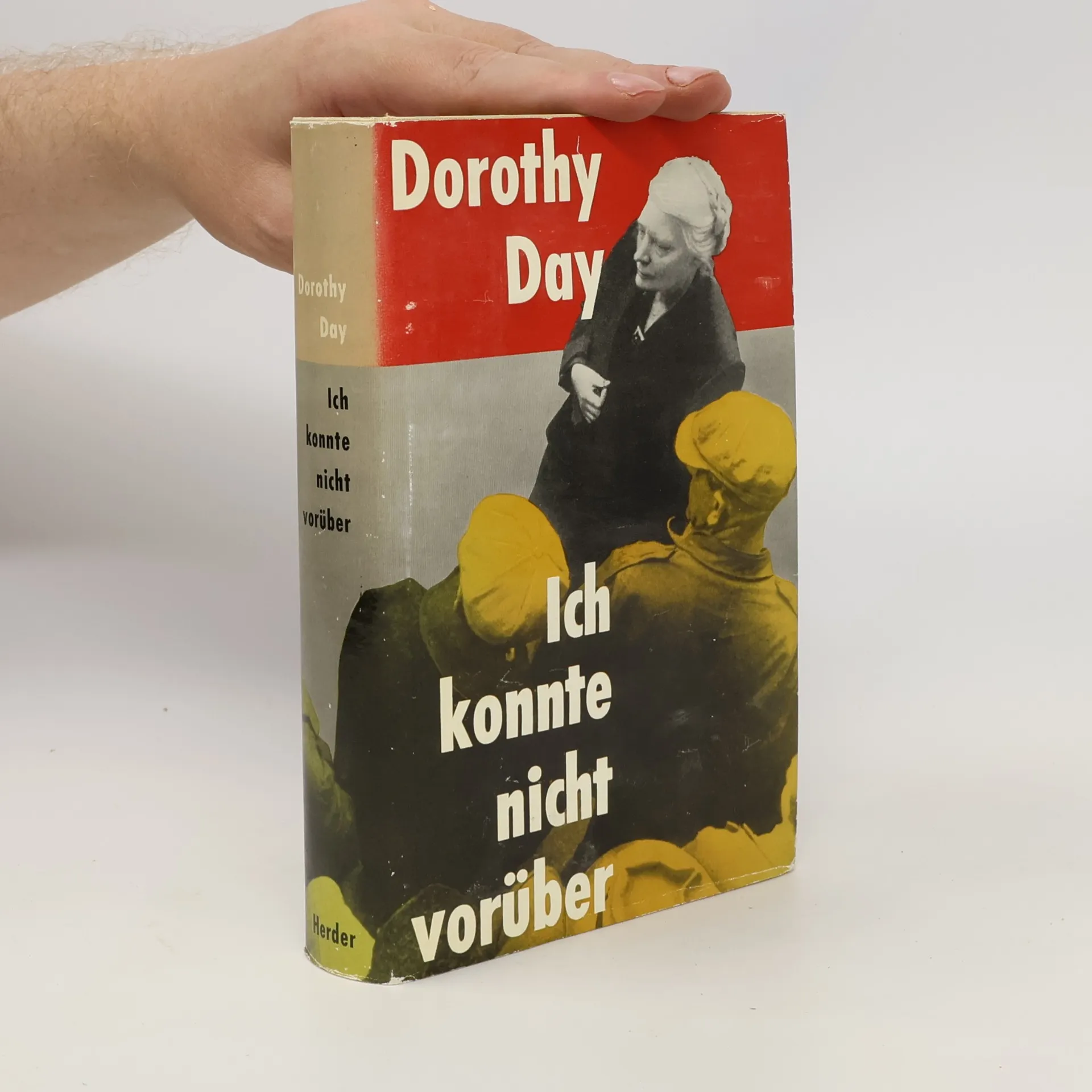

Dorothy Day était une journaliste et activiste sociale américaine, devenue une fervente catholique convertie. Dans les années 1930, elle a cofondé le mouvement Catholic Worker avec Peter Maurin. Ce mouvement pacifiste et non violent continue de combiner l'aide directe aux pauvres et aux sans-abri avec l'action directe non violente en leur nom, s'établissant comme une figure vénérée au sein de la communauté catholique américaine.
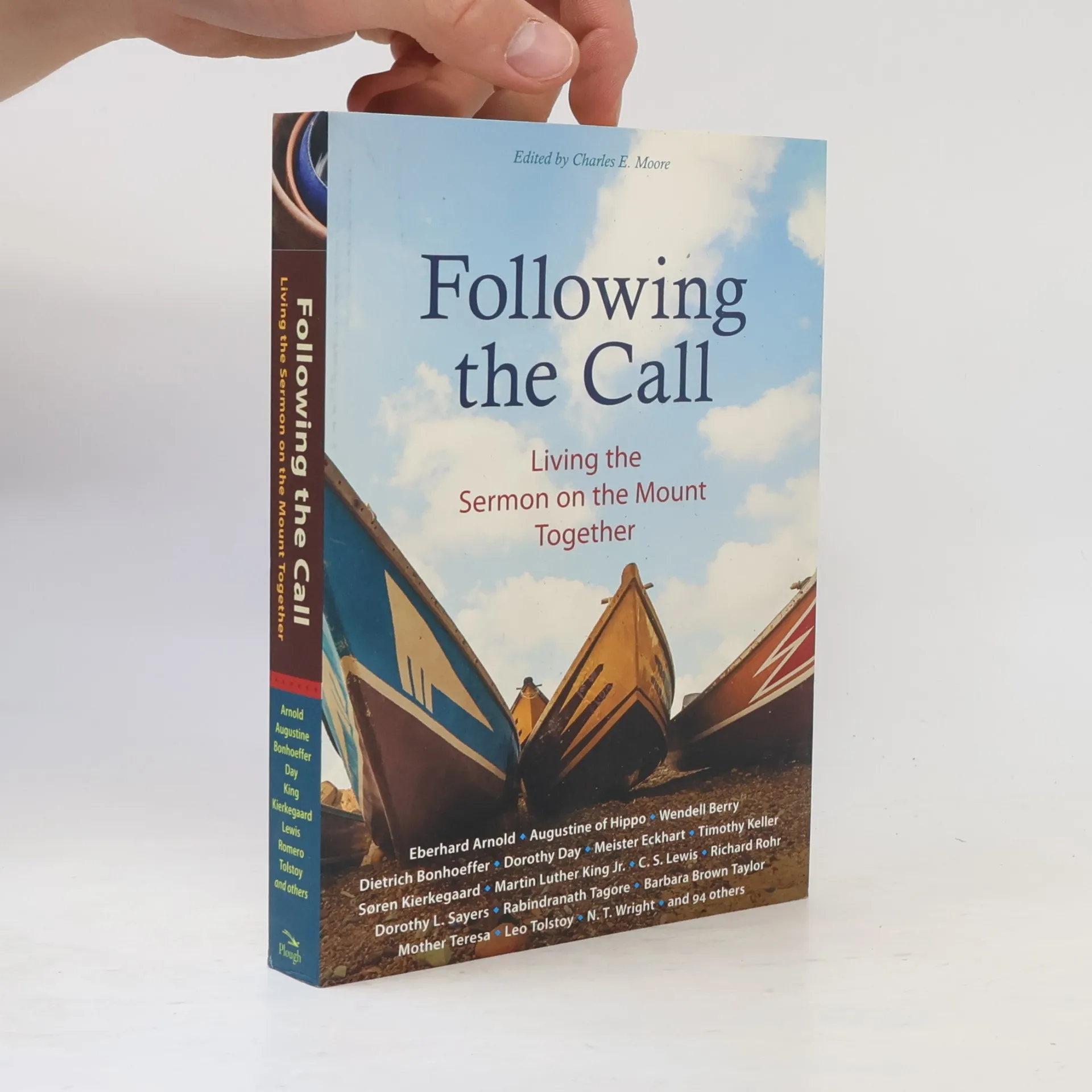
Fifty-two readings to spark weekly group discussion on putting Jesus’ most central teachings into practice. Jesus’ most famous teaching, the Sermon on the Mount, possesses an irresistible quality . Who hasn’t felt stirred and unsettled after reading these words, which get to the root of the human condition?This follow-up to the acclaimed collection Called to The Life Jesus Wants for His People taps an even broader array of sources, bringing together prophetic voices from every era and a range of traditions to consider the repercussions of these essential words.More than a commentary or devotional , this book is designed to be read together with others, to inspire communities of faith to discuss what it might look like to put Jesus’ teachings into practice today.
"Lightning and forest fires could strike terror in primitive humans, yet they also cherished fire as a life-giving gift from the gods"-- Provided by publisher
Dorothy Day's unpretentious account of the life of St. Thérèse of Lisieux sheds light on the depth of Day's Catholic spirituality and illustrates why Thérèse's simplicity and humility are so vital for today. Whether you are called to the active life like Day or a more hidden existence like Thérèse, you will discover that these paths have much in common and can lead you to a love that has the power to transform you in ways that are unexpected and consequential. Now back in print, this short biography of St. Thérèse of Lisieux by Dorothy Day expresses the surprising yet profound connection between Day--the founder of the Catholic Worker movement who was praised by Pope Francis for her passion for justice and dedication to her faith--and the beloved saint best known for her Little Way. When Day first read St. Thérèse's autobiography, The Story of a Soul in 1928, she called it "pious pap." At the time, Day--a social activist who had been living a bohemian lifestyle--had only recently been baptized a Catholic. Some twenty-five years later, Day's perspective on Thérèse had so completely changed that she was inspired to write this biography. She did not find it an easy task: "Every time I sit down to write that book on the Little Flower I am blocked. . . . I am faced with the humiliating fact that I can write only about myself, a damning fact." But she persisted, and despite numerous rejections eventually found a publisher for it in 1960. She wrote in the Preface: "In these days of fear and trembling of what man has wrought on earth in destructiveness and hate, Thérèse is the saint we need." Written originally for nonbelievers or those unaware of Thérèse, the book reflects how Day came to appreciate Thérèse's Little Way, not as an abstract concept, but as a spirituality that she had already been living. The Catholic Worker, which she cofounded with Peter Maurin, was dedicated to feeding the hungry and sheltering the homeless. Day's life, like Thérèse's, was filled with all the humble, self-effacing jobs that were a part of this work. She found in Thérèse a kindred spirit, one who saw these simple hidden tasks as the way to heaven. "We want to grow in love but do not know how. Love is a science, a knowledge, and we lack it," Day wrote. Just as Day had a conversion of heart about the Little Way, you, too, can be changed by Thérèse's simple, yet profound spirituality.
Exploring the intersection of faith and contemporary social issues, this book delves into Christian living from a Catholic perspective. It offers meditative insights that encourage readers to reflect on their beliefs and the challenges faced in today's society. With a focus on practical application, it aims to inspire a deeper understanding of how faith can inform and transform personal and communal life. The thoughtful design complements the profound themes presented throughout the work.
Dorothy Day's early years were marked by a bohemian lifestyle in New York City's Lower West Side during the late 1910s and early 1920s. As an editor for radical socialist publications such as The Liberator and The Masses, she actively participated in various leftist movements, including the Silent Sentinels' 1917 protest for women's suffrage outside the White House. Her youthful activism laid the groundwork for her later contributions to religious peace activism and the founding of the Catholic Worker movement.