

Bookbot

Sulmaan Wasif Khan

    Sulmaan Wasif Khan écrit à l'intersection des relations internationales et de l'histoire environnementale. Son travail explore souvent comment les facteurs écologiques, tels que les courants d'eau et océaniques, façonnent les dynamiques géopolitiques et les sociétés humaines. Il examine ces relations complexes en se concentrant sur le contexte historique et l'interconnexion des systèmes mondiaux. Khan apporte une perspective unique pour comprendre les forces qui influencent la politique étrangère et les affaires internationales.

    The Struggle for Taiwan
    Muslim, Trader, Nomad, Spy
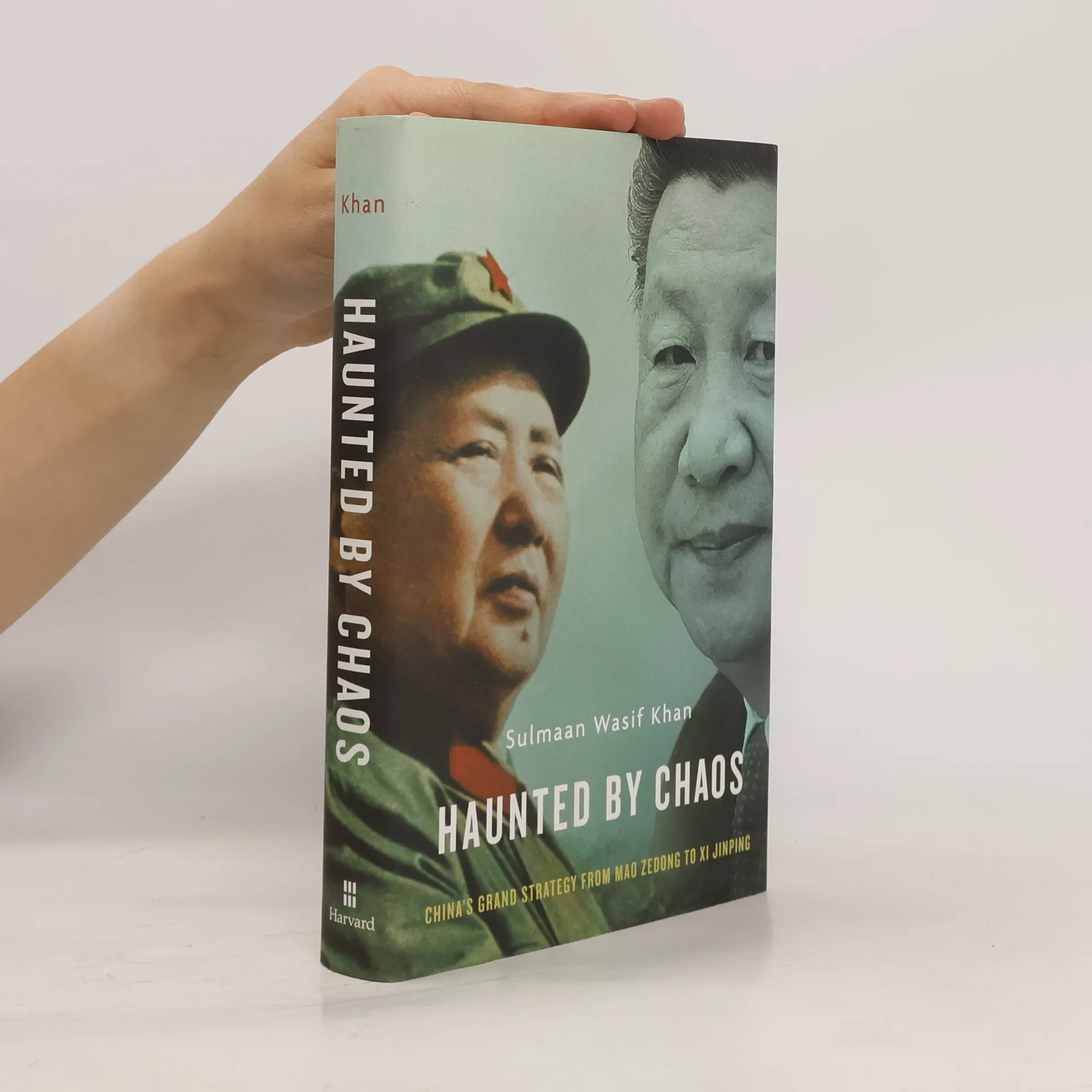
    Haunted by Chaos
    • Haunted by Chaos

      • 336pages
      • 12 heures de lecture
      3,3(19)Évaluer

      Before the Communists came to power, China lay broken. Today it is a global force, but its leaders are haunted by the past. Sulmaan Wasif Khan chronicles the grand strategies that have sought to protect China from aggression and ensure it would never again experience the powerlessness of the late Qing and Republican eras.

      Haunted by Chaos
    • Muslim, Trader, Nomad, Spy

      China's Cold War and the People of the Tibetan Borderlands

      • 216pages
      • 8 heures de lecture

      The narrative explores Cold War China through diverse perspectives, ranging from diplomats in capital cities to nomadic communities in remote mountain villages. It highlights the significant impact of the Tibetan crisis on the region, offering a unique view of the era that contrasts political power with the lives of those navigating contested borders in search of resources. This multifaceted examination sheds light on the complexities of identity and survival during a tumultuous period in history.

      Muslim, Trader, Nomad, Spy
    • A concise, definitive history of the duel between the US and China over the fate of Taiwan As tensions over Taiwan escalate, the United States and China stand on the brink of a catastrophic war. Resolving the impasse demands we understand how it began. In 1943, America declared that Japanese-held Taiwan would return to China at the conclusion of World War II. The Chinese civil war led to a change of plans. The Communist Party came to power in China and the defeated Nationalist leader, Chiang Kai-shek, fled to Taiwan, where he was afforded US protection. The specter of conflict has loomed ever since. In The Struggle for Taiwan , Sulmaan Wasif Khan offers the first comprehensive history of the triangular relationship between the United States, China, and Taiwan, exploring America’s ambivalent commitment to Taiwan’s defense, China’s bitterness about the separation, and Taiwan’s impressive transformation into a flourishing democracy. War is not inevitable, Khan shows, but to avoid it, decision-makers must heed the lessons of the past. From the White Terror to the Taiwan Straits Crises, from the normalization of Sino-American relations to Trump-era rising tensions, The Struggle for Taiwan charts the paths to our present predicament to show what futures might be possible.  

      The Struggle for Taiwan