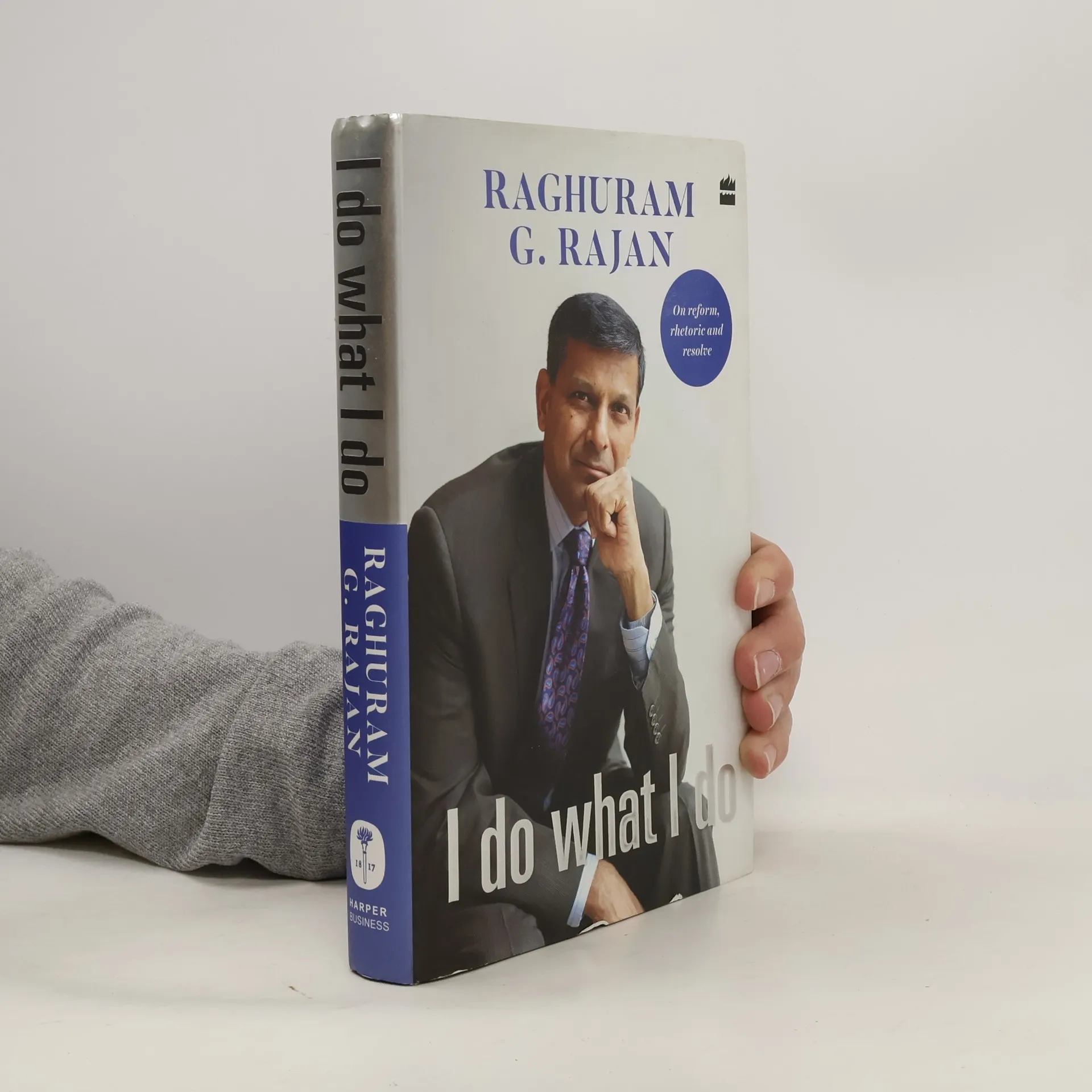
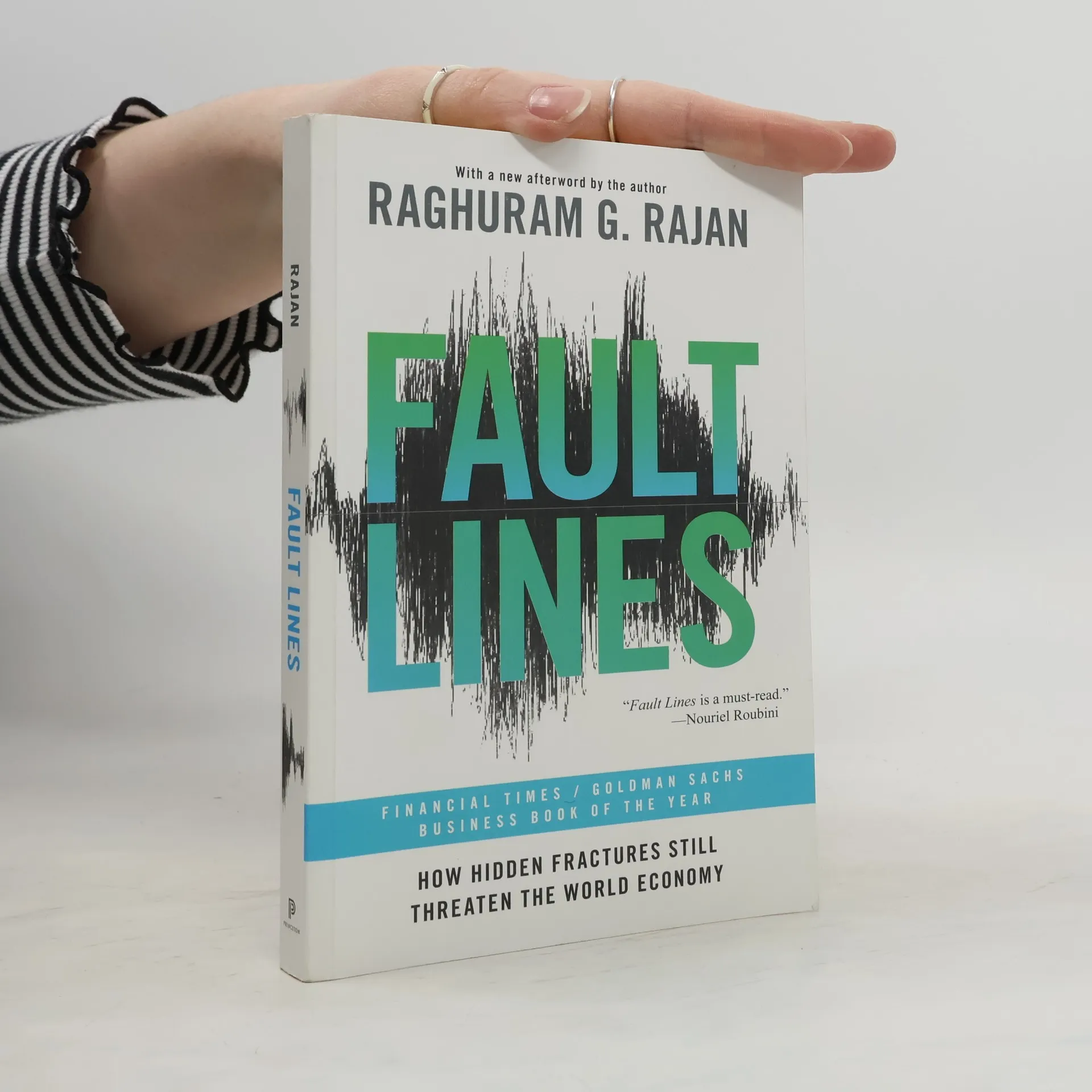
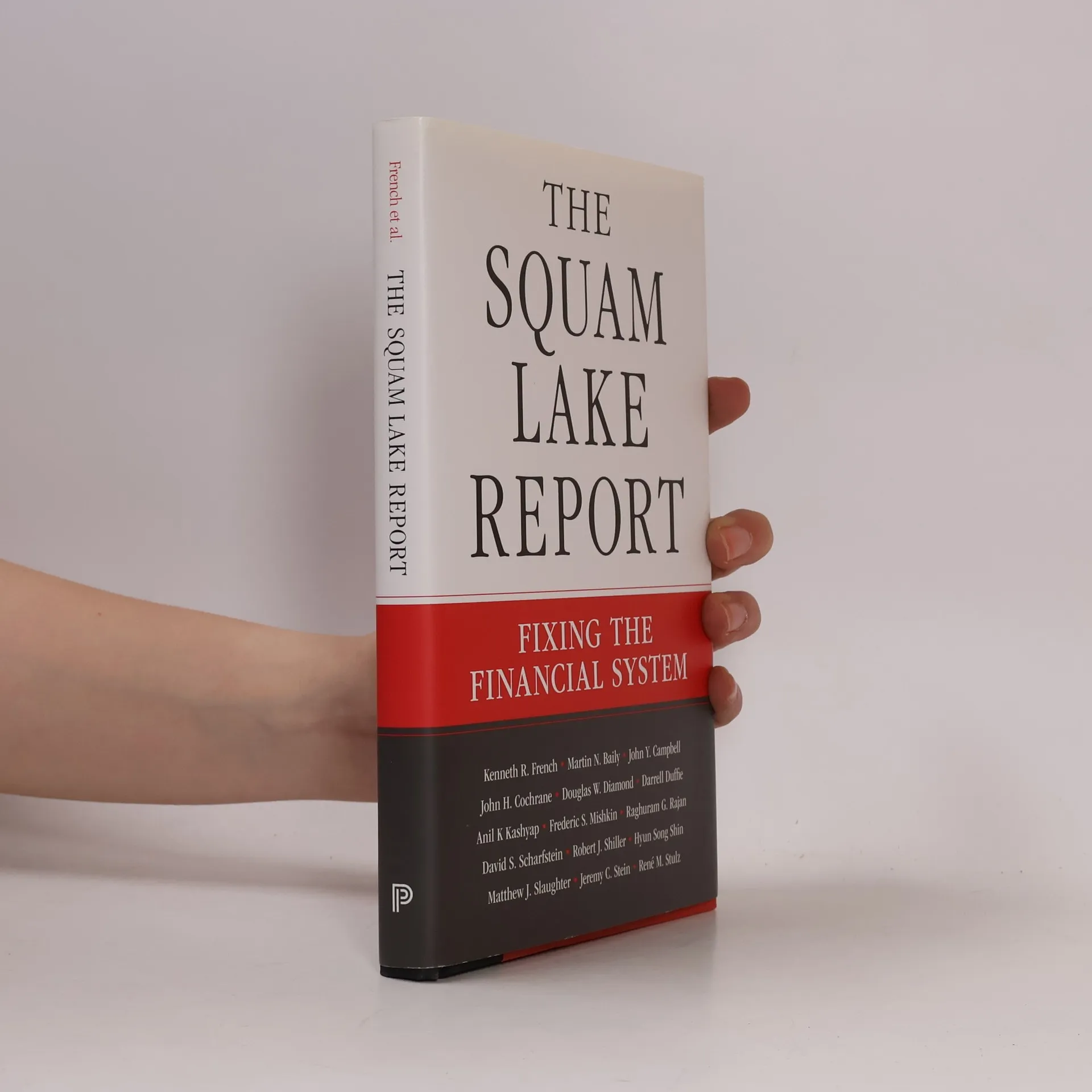
Raghuram Rajan est un économiste indien de classe mondiale dont l'œuvre explore des questions cruciales de l'économie mondiale. À travers ses analyses et ses publications, il cherche à éclairer les complexités des systèmes financiers et leur impact sociétal. Son écriture se caractérise par une profonde compréhension des principes économiques et de leurs applications pratiques. Rajan apporte une perspective unique au discours économique, s'adressant aussi bien aux universitaires qu'à un lectorat plus large.
As the world struggles to recover from the financial crisis, it's tempting to blame what happened on just a few greedy bankers who took irrational risks and left the rest of us to foot the bill. This book argues that serious flaws in the economy are also to blame, and warns that a potentially more devastating crisis awaits us if they aren't fixed.
Where is India going today? Is it surging forward, having just overtaken the United Kingdom to become the fifth-largest economy in the world? Or is it flailing, unable to provide jobs for the millions joining the labour force? What should India do to secure a better future?
Where is India headed today? It has recently overtaken the UK to become the fifth-largest economy, yet it struggles to create jobs for the millions entering the labor force. The country stands at a crossroads, with a growth rate that, while respectable among large nations, remains insufficient for the youth's employment needs. Challenges such as fierce competition in low-skilled manufacturing, rising global protectionism, and increasing automation complicate matters further. Divisive majoritarianism exacerbates the situation. India has deviated from the conventional development trajectory—moving from agriculture to low-skilled manufacturing, then high-skilled manufacturing, and finally to services—by skipping key stages. Instead of attempting to revert to outdated paths, India must forge a unique route. The authors argue for accelerating economic development through investments in human capital, expanding high-skilled services and innovative manufacturing, and fostering a culture of creativity. They advocate for governance reforms to strengthen democratic institutions and enhance decentralization. While acknowledging the successes of the Indian establishment, the authors candidly address its shortcomings and urge the nation to embrace future possibilities. This insightful work, rich with examples and compelling arguments, is essential for anyone invested in India's future.
From one of the most important economic thinkers of our time, a brilliant and
far-seeing analysis of the current populist backlash against globalization and
how revitalising community can save liberal market democracy.
"A brief book by an eminent researcher and former central banker urging central bankers to exercise caution and prudence, and to consider that they may not have every answer, when facing economic problems"-- Provided by publisher
In the fall of 2008, fifteen leading economists gathered at Squam Lake, New Hampshire, to devise a long-term plan for financial regulation reform. The resulting insights form a unified, nonpartisan strategy aimed at addressing the issues plaguing global financial markets. Unlike the ideologically driven proposals that have dominated discussions, this report presents a clear action plan designed to transform financial regulation for future generations.
The authors highlight the ongoing conflict between financial institutions and society, offering transparent solutions to bridge this divide. They identify critical gaps in the current regulatory framework concerning complex financial entities, retirement savings, and credit default swaps. Innovative ideas for new financial instruments are proposed to recapitalize banks without imposing costs on taxpayers. To mitigate the risk of large bank failures, the report advocates for higher capital requirements and the establishment of a systemic regulator within the central bank.
By analyzing the failures of the financial system and recommending necessary reforms, this report combines extensive academic, private sector, and public policy expertise. Its urgent recommendations aim to enhance the financial well-being of all, making it essential reading for anyone concerned about the health of the global economy.
Warum wir in einer globalisierten Welt lokale Gemeinschaften brauchen
560pages
20 heures de lecture
Die Globalisierung, die Finanzkrise und die digitale Transformation haben die drei Säulen, auf denen die Gesellschaft ruht – der Staat, die Märkte und die Gemeinschaft – ins Ungleichgewicht gebracht. Nur eine kleine Elite scheint von den neuen Paradigmen zu profitieren; die bürgerliche Mitte kämpft um den Erhalt ihres Status und die Schwächsten sind abgehängt. Zur Wiederherstellung des Gleichgewichts müssen alle Säulen wieder auf eine Ebene gehoben werden. Die Lösung liegt in der Stärkung lokaler, inklusiver Gemeinden als notwendigem Gegengewicht zu einem starken Staat und globalen Wettbewerbsmärkten. Raghuram G. Rajan, ehemaliger IWF-Chefökonom und Ex-Gouverneur der indischen Zentralbank schreibt über eine der größten Herausforderungen unserer Zeit. Eine brillante und weitsichtige Analyse der aktuellen Gegenreaktion auf die Globalisierung von einem der wichtigsten Ökonomen unserer Zeit.