Possible
- 368pages
- 13 heures de lecture
"A book introducing a new approach to tough negotiations"--


William L. Ury est une figure de proue dans le domaine de la négociation et de la résolution des conflits, co-fondateur du Programme de Négociation de Harvard. Son travail explore l'art de dire « non » de manière constructive, visant un accord mutuel plutôt que la confrontation. Fort de ses connaissances en anthropologie sociale, Ury apporte une compréhension approfondie de l'interaction humaine aux dynamiques complexes de négociation et de médiation à l'échelle mondiale.


"A book introducing a new approach to tough negotiations"--
Lose weight by eating more of what you love Dr William Li's first book, Eat to Beat Disease, showed us how eating the right foods can reduce the risk of chronic diseases, while also extending our lifespan and improving our overall health. Building on this groundbreaking work, Dr Li now brings us Eat to Beat Your Diet, a revolutionary, science-based approach to weight loss. Eating more of the right foods and adopting a "MediterAsian" diet (combining the best of Mediterranean and Asian diets) can promote fat loss and improve our metabolism in just a few weeks. Rooted in new science, Eat to Beat Your Diet offers a simple plan providing leading research on how supplements, sleep and exercise can help us defend the body against excess fat. With clear lists of fat-fighting foods and recipes, including a 2-week-long detox and 4-week weight-loss protocol, this book empowers readers to lose 10-20 pounds healthily - all while enhancing enjoyment of food.
Die unschlagbare Methode für schwierige Verhandlungen - Vom Autor des Harvard-Konzepts
Wenn ein »Nein« unausweichlich wird und Ihre Verhandlung trotzdem nicht scheitern darf – die notwendige Ergänzung zum Weltbestseller »Das Harvard-Konzept« Nicht jede Verhandlung kann oder soll eine Einigung erzielen, nicht jede wird den Interessen aller Beteiligten gerecht, und nicht jede lässt beide Seiten gleichermaßen zufrieden zurück. Manchmal braucht es eine Grenze, eine Absage, ein »Nein«. Dass ein klares »Nein« keine gescheiterte Verhandlung bedeutet, sondern dass sich ein »Nein« in einem positiven Sinne vorbringen lässt, davon handelt dieser bahnbrechende Verhandlungsratgeber vom Autor des »Harvard-Konzepts«. Wie das »Harvard-Konzept« vermittelt auch dieses Buch die Techniken, Tipps und Kniffe, die uns selbst in schwierigen Verhandlungen glänzend bestehen lassen. Die überarbeitete Neuausgabe des Verhandlungsklassikers »Nein sagen und trotzdem erfolgreich verhandeln« mit einem aktuellen Vorwort exklusiv für die deutsche Ausgabe.
The investigative journalist documents the 2015 poisoning murder of chiropractic therapist Mary Yoder and the community-dividing investigation that implicated members of the victim's own family
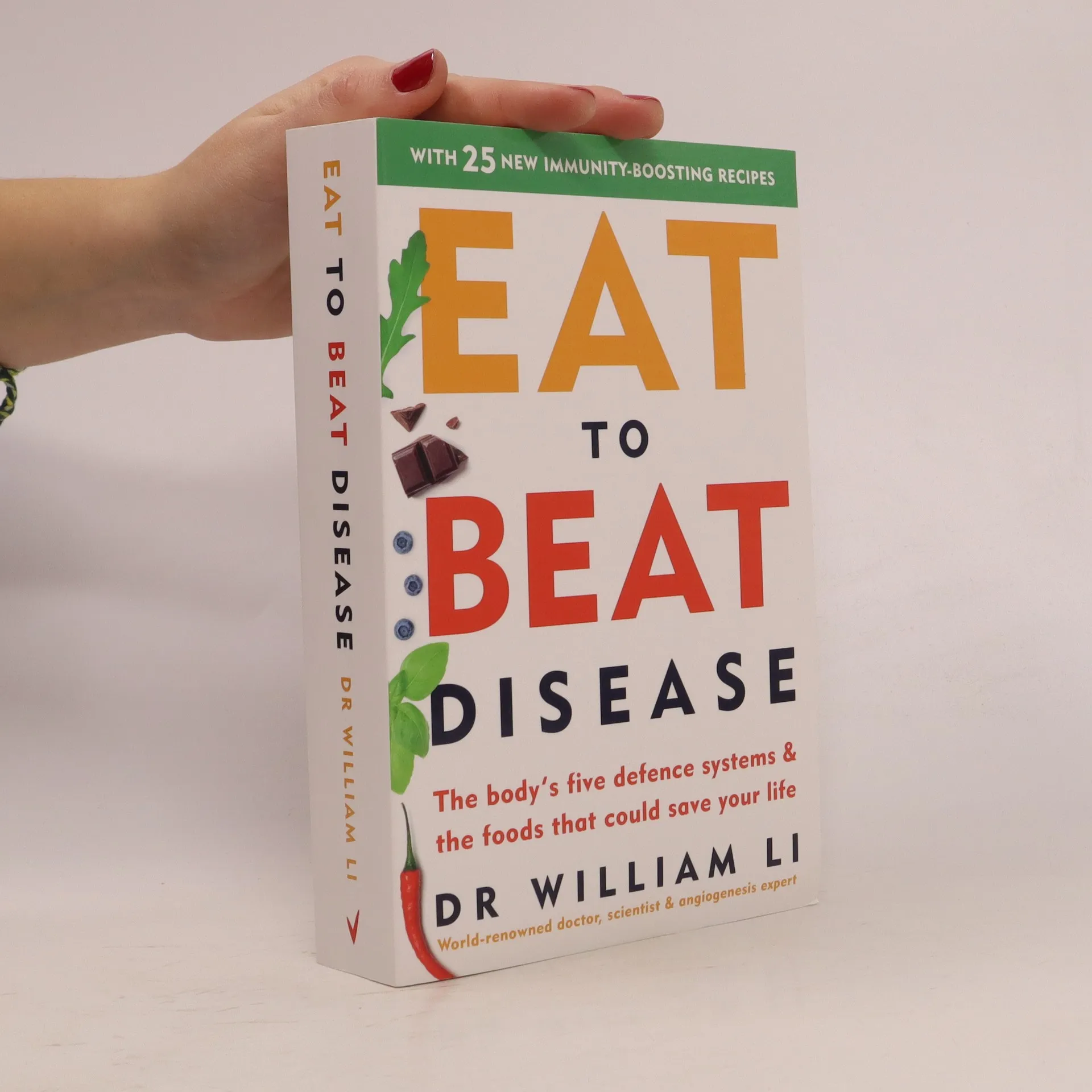
Discover how to prevent and reverse disease through dietary changes, grounded in the science of Precision Nutrition and the body's five natural defense systems: Angiogenesis, Cell Regeneration, Gut Microbiota, DNA Modification/protection, and the Immune System. Dr. William Li, a pioneering medical doctor and scientist, demonstrates that making the right food choices can trigger these systems, proving that food can be more effective than drugs. Drawing on over 20 years of research, this guide presents the science behind Dr. Li's findings and outlines the foods essential for optimal health and disease prevention. The book includes a clear eating plan to incorporate beneficial foods into your daily diet, targeted information for preventing and reversing specific diseases like cancer, diabetes, stroke, and heart disease, and at-a-glance food lists featuring surprising options such as cheese, beer, red wine, chocolate, red meat, and Prosciutto. It also offers advice on the best cooking methods for certain foods and presents the science behind Dr. Li's work, exploring the future of medicine. By dispelling uncertainties and guilt around food choices, this resource empowers you to take control of your health and confidently make informed dietary decisions.
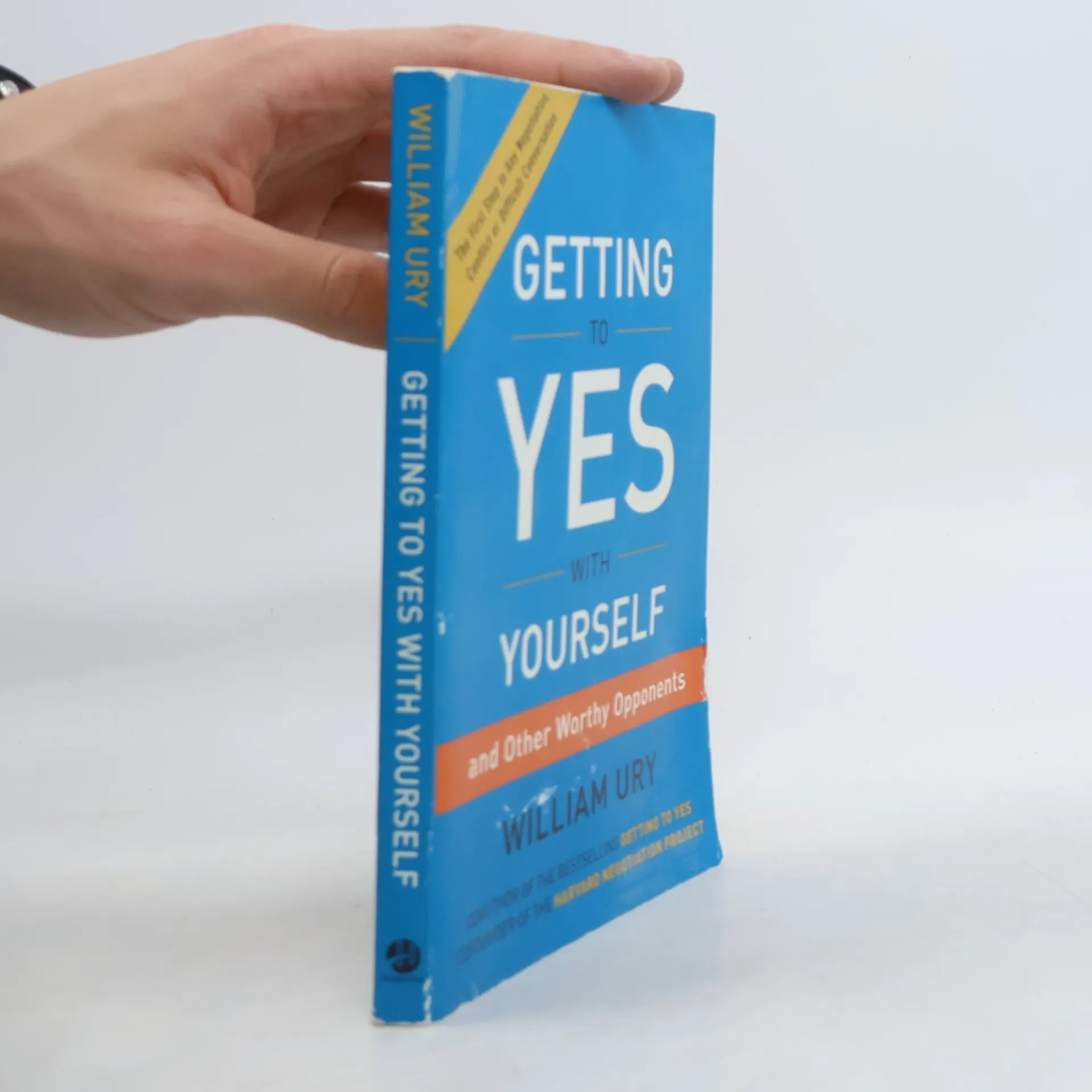
William Ury, coauthor of the classic bestseller on negotiation Getting to Yes , has taught tens of thousands of people from all walks of life—managers, salespeople, students, parents, lawyers, and diplomats—how to become better negotiators. Over the years, Ury has discovered that the greatest obstacle to successful agreements and satisfying relationships is not the other side, as difficult as they can be. The biggest obstacle is actually ourselves—our natural tendency to react in ways that do not serve our true interests. But this obstacle can also become our biggest opportunity, Ury argues. If we learn to understand and influence ourselves first, we lay the groundwork for understanding and influencing others. In this indispensable prequel to Getting to Yes , Ury draws deeply on his personal and professional experience negotiating conflicts around the world to present a practical method to help you get to yes with yourself first , dra-matically improving your ability to get to yes with others. Extraordinarily useful and elegantly simple, Getting to Yes with Yourself is an essential guide to achieving the inner satisfaction that will, in turn, make your life better, your relationships healthier, your family happier, your work more productive, and the world around you more peaceful.
Life is a series of negotiations, whether or not you think of yourself as a negotiator. This title reveals, the important negotiations - the ones that determine the impact of our actions and the quality of our lives - are those we have with ourselves.
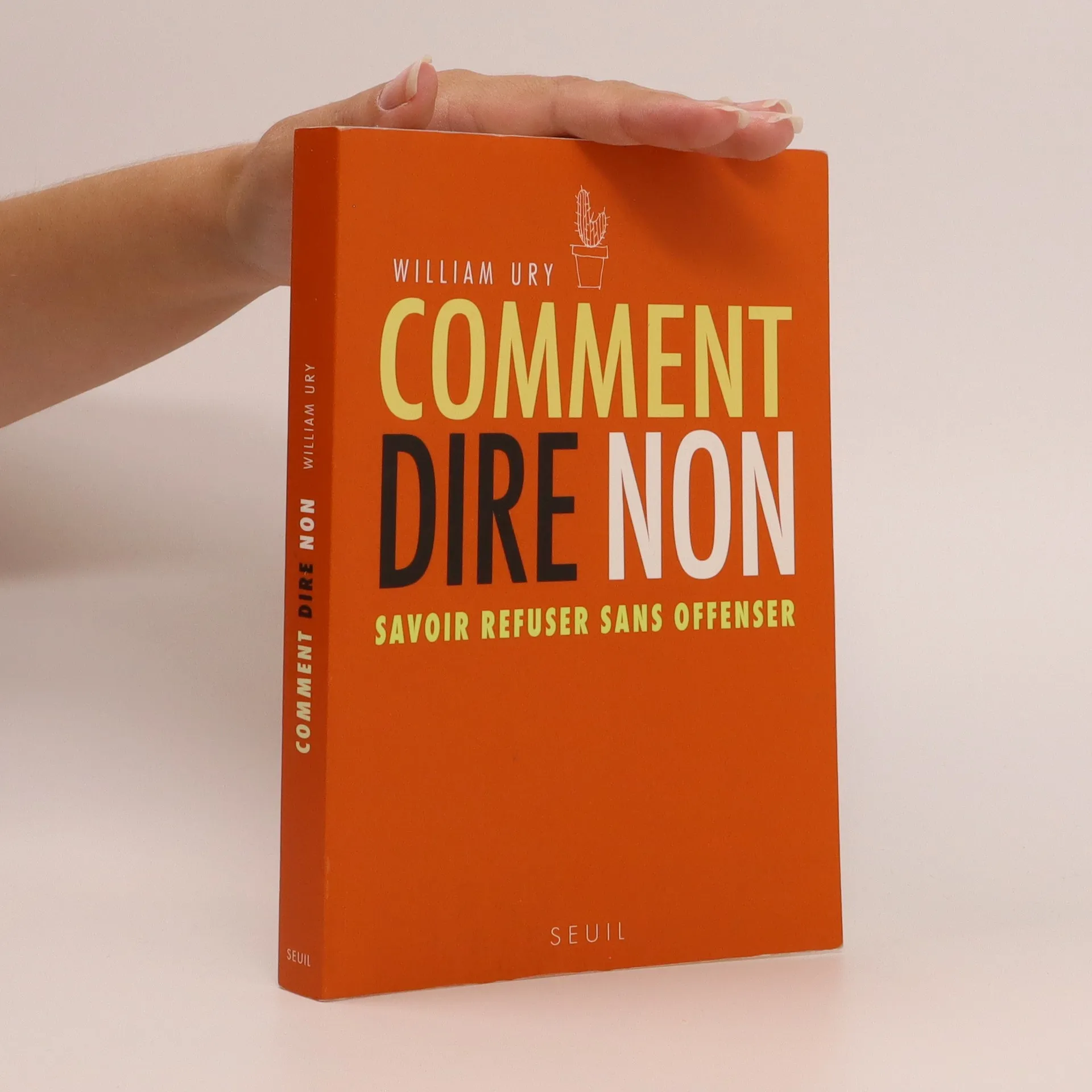
Comment dire " non " à la belle-mère qui veut s'installer dans l'appartement d'en face, au patron qui vous confie une mission pendant le week-end où vous deviez fêter votre anniversaire de mariage, aux voisins qui comptent sur vous pour une réunion de quartier ? William Ury décortique la tension que nous éprouvons chaque jour entre notre désir de dire non, pour affirmer notre préférence, et notre peur de détruire la relation. Trop souvent, quand nous osons exprimer un refus, nous disons " non " d'une façon agressive voire blessante qui détériore ou détruit les liens. Plus souvent encore, nous nous résignons à dire "oui" pour éviter le conflit, mais accumulons une frustration qui mine tout autant la relation. L'auteur nous offre ici une troisième voie : celle du "non positif", celui qui permet de refuser sans offenser, de s'affirmer sans compromettre nos relations. Comme dans chacun de ses ouvrages précédents, il nous fournit une méthode vraiment opérationnelle illustrée par des dizaines de situations réelles concernant tous les types de relations (amoureuses, familiales, professionnelles, politiques, commerciales, voisinage, etc.).
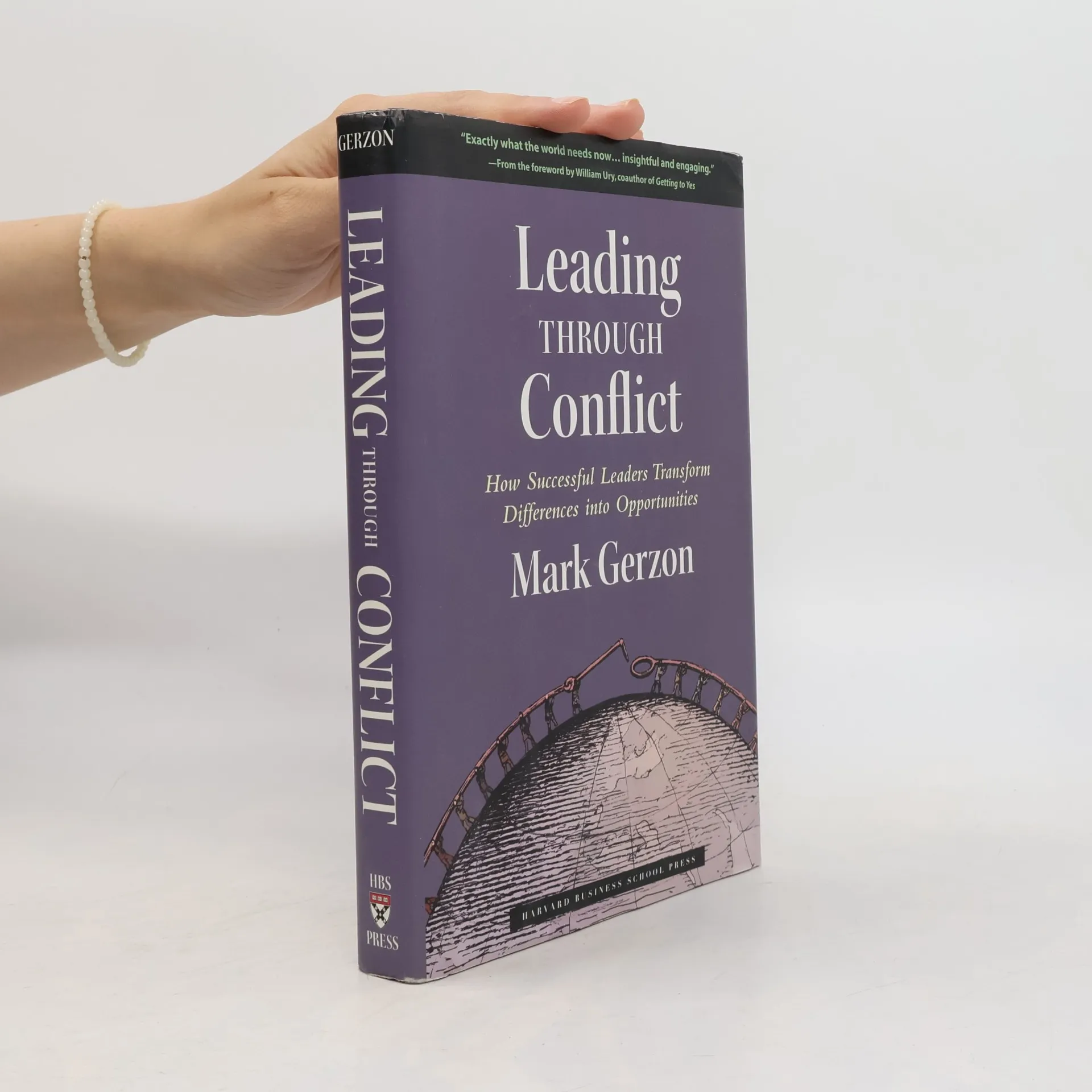
How Successful Leaders Transform Differences into Opportunities
As our world grows smaller, opportunities for conflict multiply. Ethnic, religious, political, and personal differences drive people apart—with potentially disastrous consequences—and it's the task of perceptive leaders to bring them together again World-renowned mediation expert Mark Gerzon argues that leaders have failed to rise to this challenge. Our organisations, schools, and governments remain filled with divisive dictators and everyday managers, instead of what he calls mediators—leaders who transform conflict so that everyone can move forward together. Through absorbing examples drawn from decades of work with organisational, political, and global conflicts of all kinds, Leading Through Conflict provides a powerful new framework for the leader as mediator, and outlines eight specific tools these leaders use to transform seemingly intractable differences into progress on deep-seated problems. Both practical and passionate, this book makes the tools of cross-border leaders accessible to anyone who wants to help create healthier companies, communities, and countries.
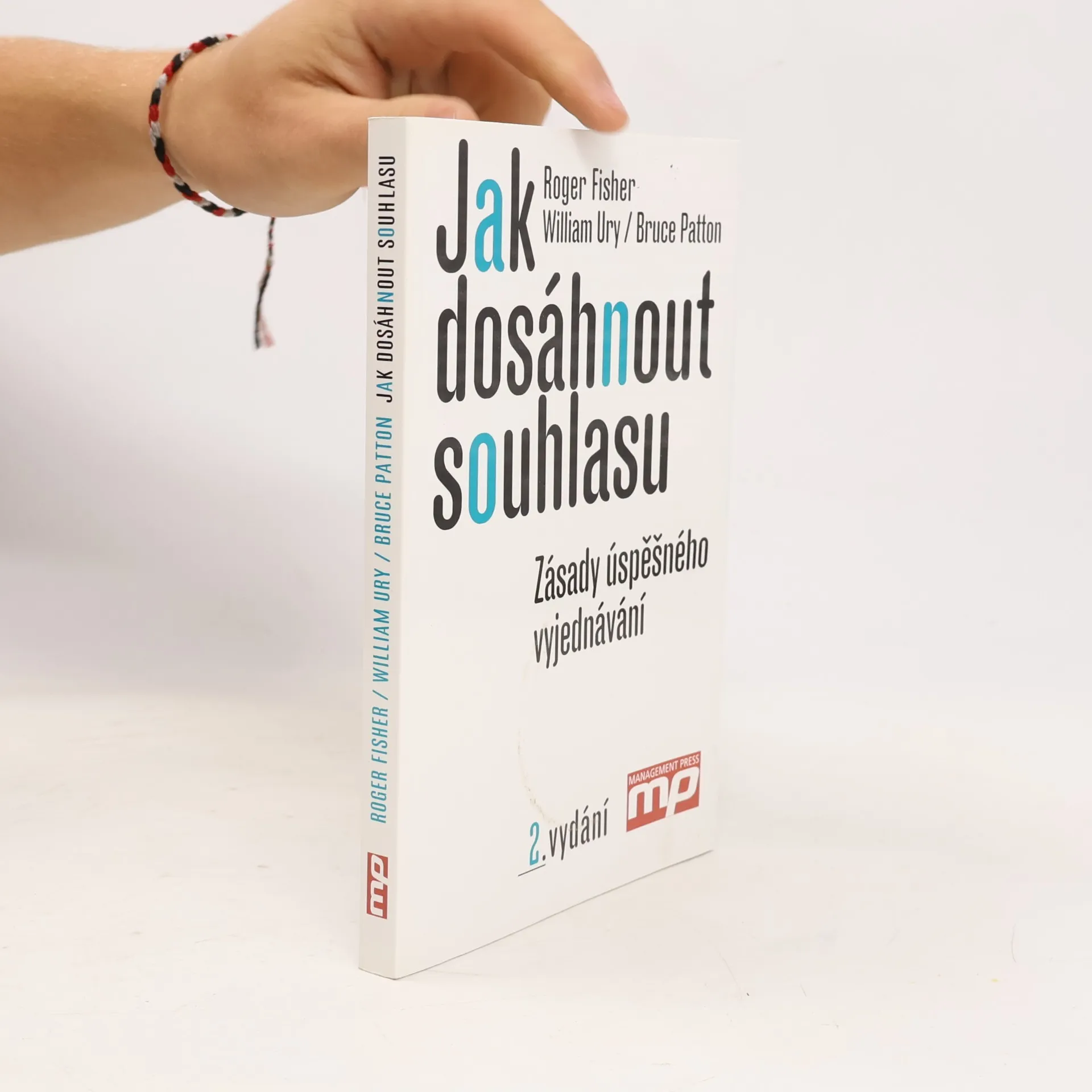
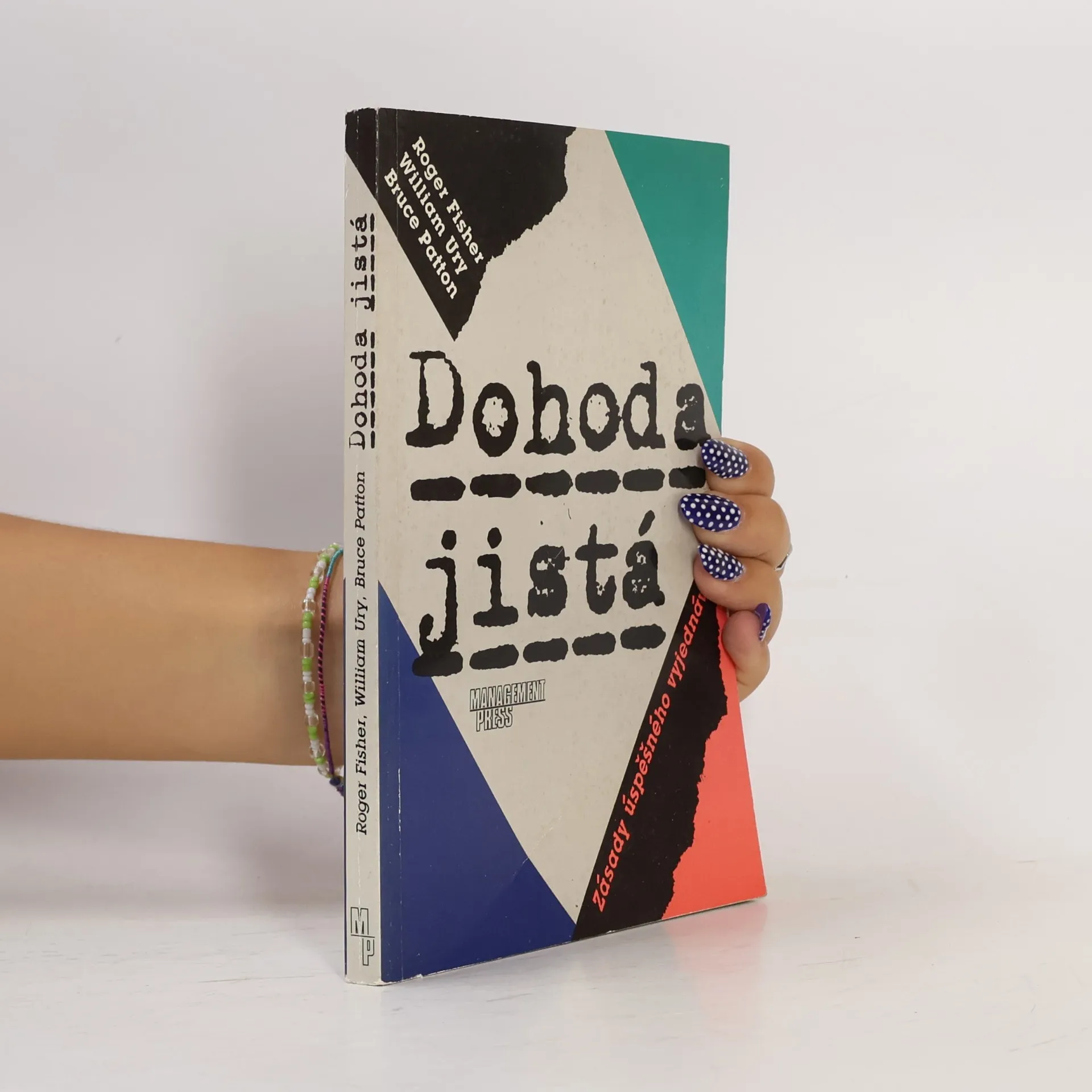
Vyjednávání je každodenní součástí našich životů, ať už v práci, podnikání, politice, sportu nebo rodině. Je to klíčový prostředek, jak získat to, co chceme, a zahrnuje komunikaci, která umožňuje dosáhnout dohody, i když máme odlišné zájmy. Dobré vyjednávání však není snadné; často používáme metody, které komplikují dosažení našich cílů, což vede k frustraci a napětí. Principiální vyjednávání se zaměřuje na podstatu věci, ale zároveň respektuje lidi. Nepoužívá triky ani přetvářku a ukazuje, jak čestně dosáhnout toho, co nám náleží. Tento přístup je vhodný pro různé situace, od kolektivního vyjednávání po okamžité jednání. Je efektivní i v případě, kdy je druhá strana zkušenější nebo vyjednává agresivně. Metoda pomáhá prosazovat vlastní zájmy, řešit konflikty a dosahovat přijatelných výsledků, i když tradiční vyjednávací techniky selhávají. Kniha obsahuje množství příkladů, návodů a rad, které usnadňují vyjednávání, a to i v obtížných situacích, jako je vyrovnání se se silnější stranou nebo nečestnými praktikami. Pomůže vám dosáhnout věcné dohody, rozumných výsledků a zachovat si důstojnost.
The book introduces the concept of "The Third Side," a strategy for conflict resolution that emphasizes the roles individuals can play to prevent destructive fights. Drawing on two decades of experience in various conflicts, William Ury outlines ten practical roles for people in everyday situations, such as managers, teachers, and parents. He argues that fighting is not inherent to human nature, supported by his anthropological insights and experiences with diverse groups. This approach aims to transform conflicts into opportunities for cooperation and creativity.
Bestseller amerických autorů seznamuje s metodami vyjednávání, jež umožňují efektivně prosazovat vlastní zájmy, řešit konfliktní situace a dosáhnout přijatelného výsledku i tam, kde klasické poziční vyjednávání není účinné.
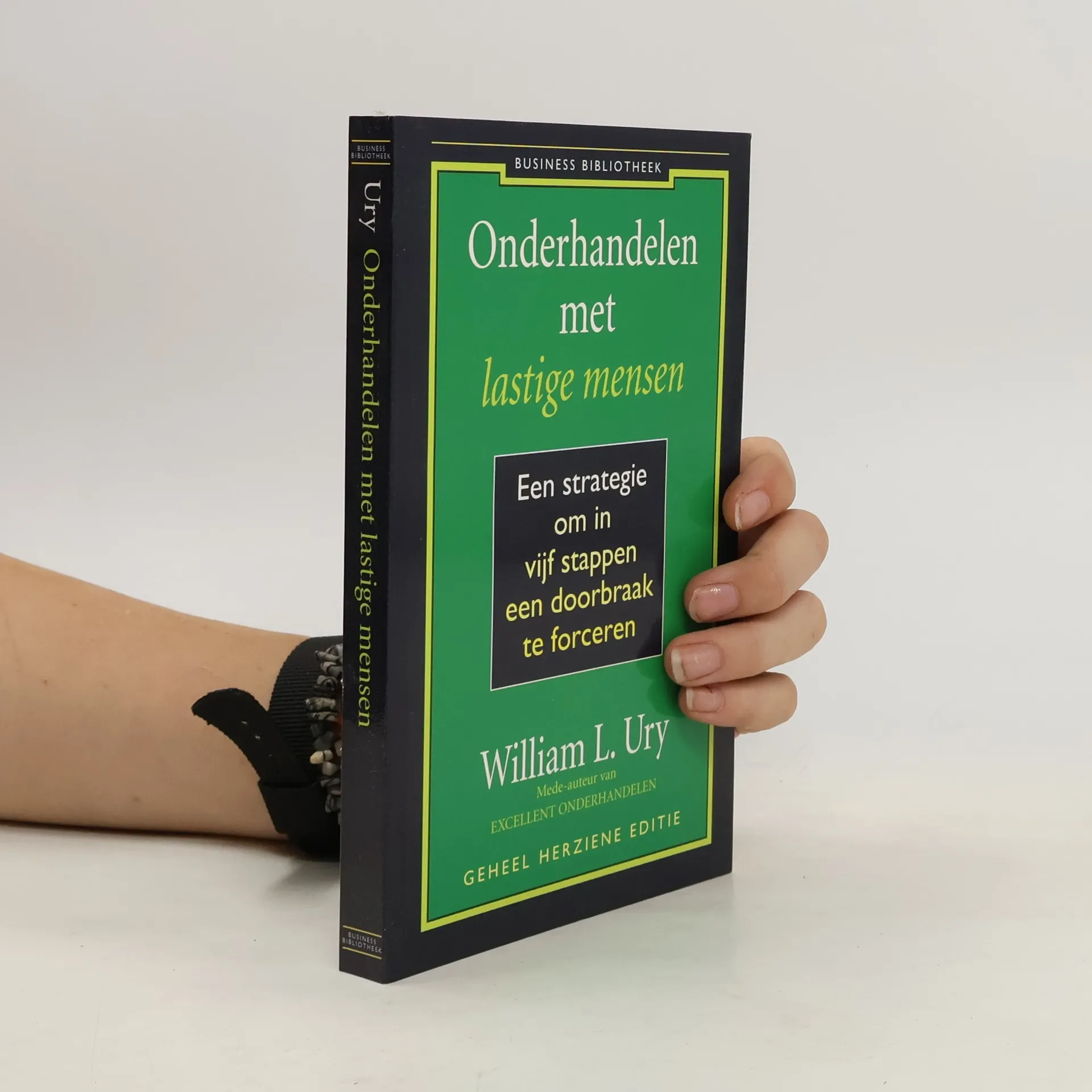
" En 1981, Roger Fisher et moi-même avons écrit Comment réussir une négociation. Ce livre a eu un grand succès et continue à en avoir, mais de nombreux lecteurs ont voulu en savoir encore plus : comment traiter avec quelqu'un qui refuse d'écouter, qui se met en colère, qui veut à tout prix imposer son point de vue, etc., bref qui refuse de négocier ? Parvenir à dépasser le refus de négocier demande en effet davantage que les habituelles capacités de négociation. J'ai voulu, ici, revenir sur ces points en expliquant comment transformer les techniques d'une négociation réussie dans les situations difficiles en une méthode universelle : la stratégie du contournement. Les deux livres sont à la fois complémentaires et indépendants : si Comment réussir une négociation proposait un pas de danse, ce livre-ci explique comment apprendre à danser à un partenaire de prime abord récalcitrant... ". William Ury. " Que faire si malgré tous vos efforts l'autre s'obstine et vous oppose un "Non"? Ce livre propose une démarche pratique en 5 étapes pour amener les plus difficiles à vous dire " Oui ". Michel Ghazal.
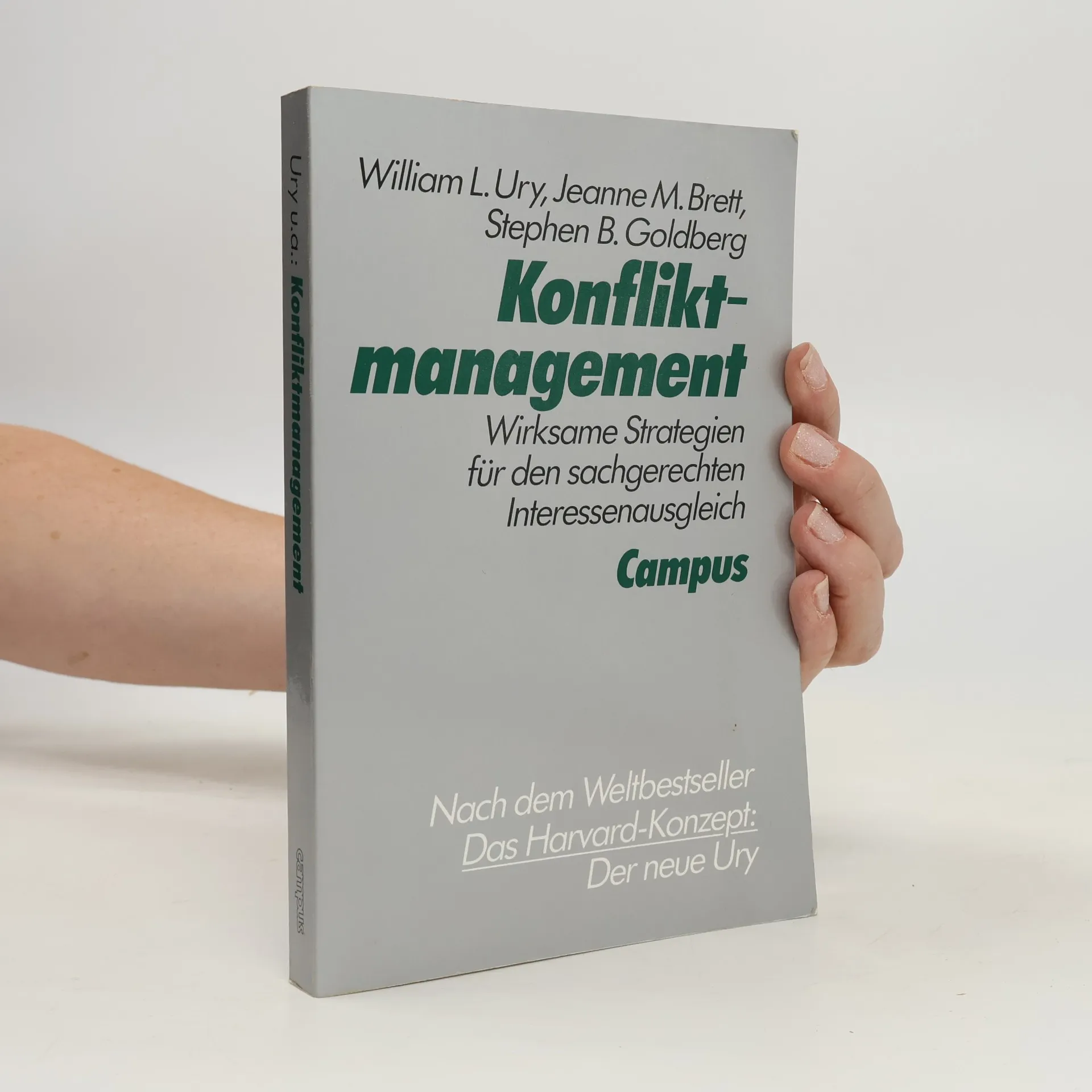
Risiko- und Konfliktmanagement heißt die neue Dimension zukünftiger Unternehmensführung. William Ury und seine Mitarbeiter beschreiben mit vielen praktischen Beispielen innovative Strategien zum erfolgreichen Interessenausgleich. Unentbehrlich beim Verhandeln und bei allen Personalfragen
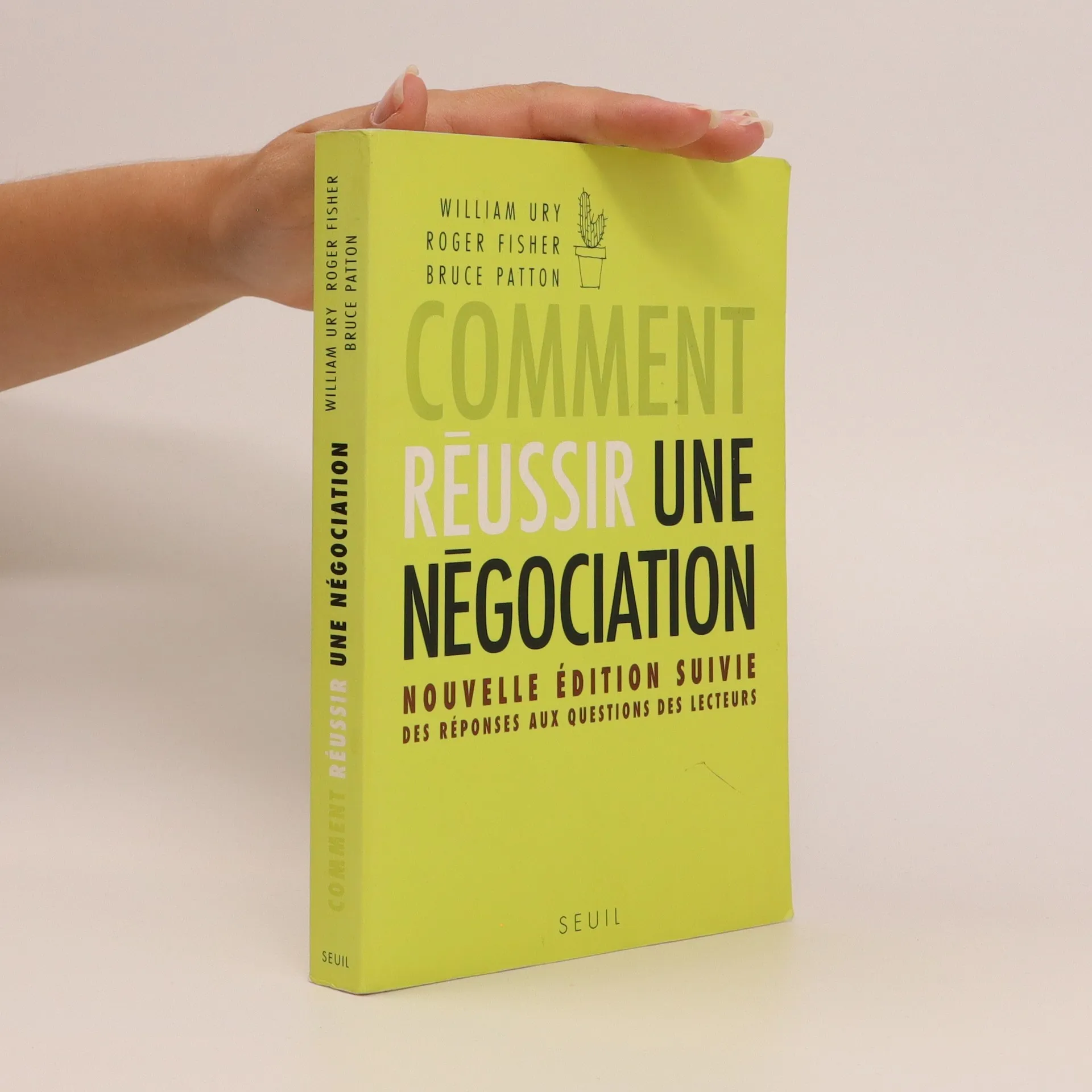
"Quelque soit le domaine - famille, travail, relations internationales - et que nous en soyons conscients ou non, nous devons négocier. Or, trop souvent encore, les différends sont "réglés" à l'issue d'une épreuve de force. Résultat, en instaurant un vainqueur et un vaincu, on crée des risques de nouveaux conflits : l'actualité nous en apporte tous les jours des exemples criants. Cette nouvelle édition est complétée par des réponses détaillées aux dix questions le plus souvent posées, comme : la manière de négocier fait-elle réellement la différence face à une partie adverse plus puissante? Que faire si les personnes elles-mêmes constituent le problème? Comment adapter son approche en fonction de la personnalité, du sexe, de l'environnement culturel de l'autre partie?"--Éditeur.