The Short and Tragic Life of Robert Peace
- 432pages
- 16 heures de lecture
A celebrated account of a young African-American who escaped Newark, NJ, to attend Yale, but still faced the dangers of the streets when he returned


Jeff Hobbs est un écrivain dont l'œuvre explore les complexités de la vie moderne et de la condition humaine. Sa prose est reconnue pour ses observations pointues et ses explorations perspicaces des dynamiques sociales. Hobbs a un talent pour tisser des récits captivants qui résonnent auprès des lecteurs, offrant une perspective unique sur le monde qui nous entoure.

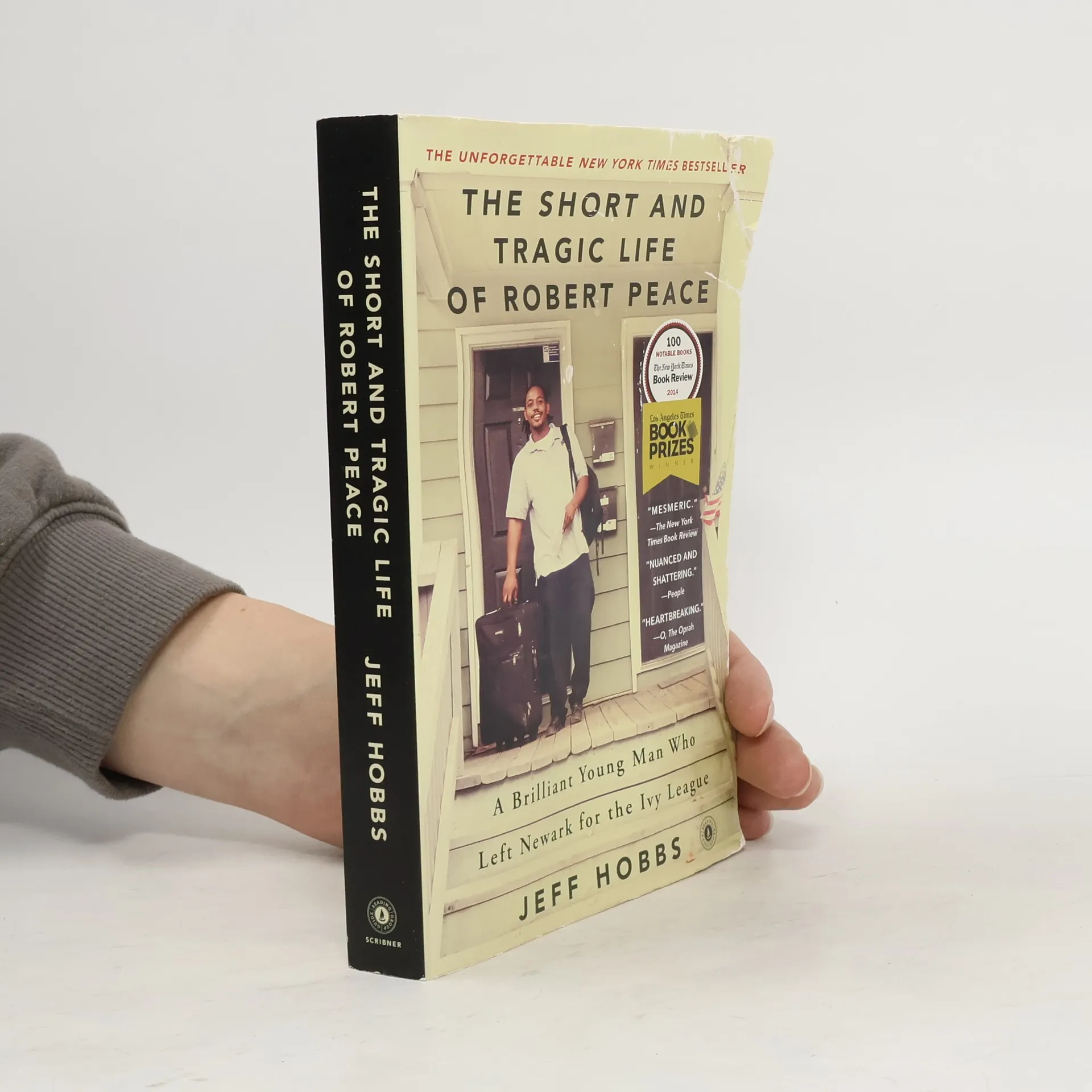
A celebrated account of a young African-American who escaped Newark, NJ, to attend Yale, but still faced the dangers of the streets when he returned
From the bestselling author of The Short and Tragic Life of Robert Peace comes an eye-opening exploration of the often-misunderstood juvenile justice system and its young inhabitants—individuals filled with earnestness, disappointment, hope, and resilience. For many youth, a mistake made at thirteen or fourteen, often influenced by external factors and an immature brain, can lead to lifelong repercussions, complicating high school, college aspirations, and the pursuit of a middle-class life. The author challenges preconceived notions about the juvenile justice system, emphasizing that no one so young should be deemed irredeemable. With sensitivity and heart, he portrays teenagers in juvenile hall and the educators striving to guide them back into society. Through the story of a bright young man in detention contemplating the costs of college acceptance, a dedicated English teacher grappling with the futility of her work, and a boy involved in a media-labeled hate crime seeking redemption in a skills class, the narrative reveals the struggles of these individuals. The book raises profound questions about society's response to youth who have erred, blending personal stories with broader discussions on race, class, prison reform, and the notion of fate.