
Bookbot

Edmund Augustine

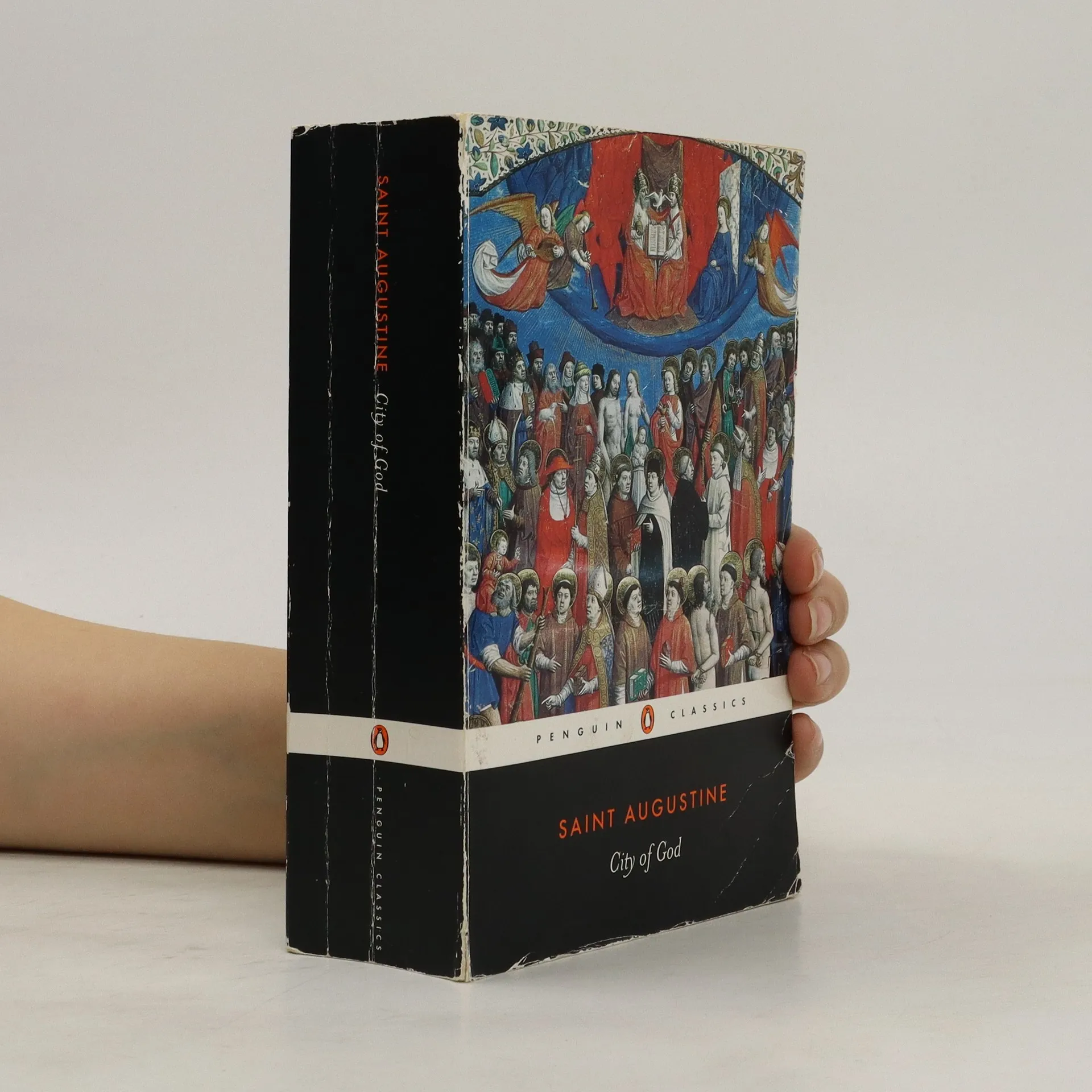
    City of God
    On Christian Teaching
    • On Christian Teaching

      • 168pages
      • 6 heures de lecture

      "'There are certain rules for interpreting the scriptures which, as I am well aware, can usefully be passed on to those with an appetite for such study...' Augustine wrote On Christian Teaching (De Doctrina Christiana) at the same time as Confessions, to enable Christian students to interpret the Bible themselves and to help them communicate clearly to others. In so doing he provides an outline of Christian theology, a detailed discussion of ethical problems, and a fascinating early contribution to sign theory. He also makes a systematic attempt to determine what elements of traditional, 'pagan' education are permissible for a Christian, and suggests ways in which Ciceronian rhetorical principles may help in communicating the faith. This translation gives a close but stylish representation of Augustine's thought and expression. Roger Green's introduction describes the aims and circumstances of the work, and outlines its influence on major figures in the Middle Ages and the Renaissance." -- Provided by the Publisher

      On Christian Teaching
      4,1
    • City of God

      • 590pages
      • 21 heures de lecture

      Augustinus (354–430 CE), son of a pagan, Patricius of Tagaste in North Africa, and his Christian wife Monica, while studying in Africa to become a rhetorician, plunged into a turmoil of philosophical and psychological doubts in search of truth, joining for a time the Manichaean society. He became a teacher of grammar at Tagaste, and lived much under the influence of his mother and his friend Alypius. About 383 he went to Rome and soon after to Milan as a teacher of rhetoric, being now attracted by the philosophy of the Sceptics and of the Neo-Platonists. His studies of Paul's letters with Alypius and the preaching of Bishop Ambrose led in 386 to his rejection of all sensual habits and to his famous conversion from mixed beliefs to Christianity. He returned to Tagaste and there founded a religious community. In 395 or 396 he became Bishop of Hippo, and was henceforth engrossed with duties, writing and controversy. He died at Hippo during the successful siege by the Vandals.From Augustine's large output the Loeb Classical Library offers that great autobiography the Confessions (in two volumes); On the City of God (seven volumes), which unfolds God's action in the progress of the world's history, and propounds the superiority of Christian beliefs over pagan in adversity; and a selection of Letters which are important for the study of ecclesiastical history and Augustine's relations with other theologians.

      City of God
      3,9