Brian O'Doherty est un critique d'art, écrivain, artiste et universitaire irlandais. Son œuvre explore principalement l'intersection de l'art et de la science, utilisant son style unique pour plonger dans la psyché humaine et les structures sociales. L'écriture d'O'Doherty est réputée pour sa profondeur intellectuelle et son inventivité formelle, mettant les lecteurs au défi de remettre en question leur perception de la réalité. Son influence sur l'art et la littérature contemporains est indéniable.
"Inside the White Cube" regroupe quatre essais de Brian O'Doherty, essentiels pour critiques et conservateurs. Il explore l'impact du "cube blanc" sur l'art contemporain et la perception du spectateur. Cette série "Lectures Maison Rouge" propose des textes artistiques interrogeant la muséologie et la création artistique. Troisième édition.
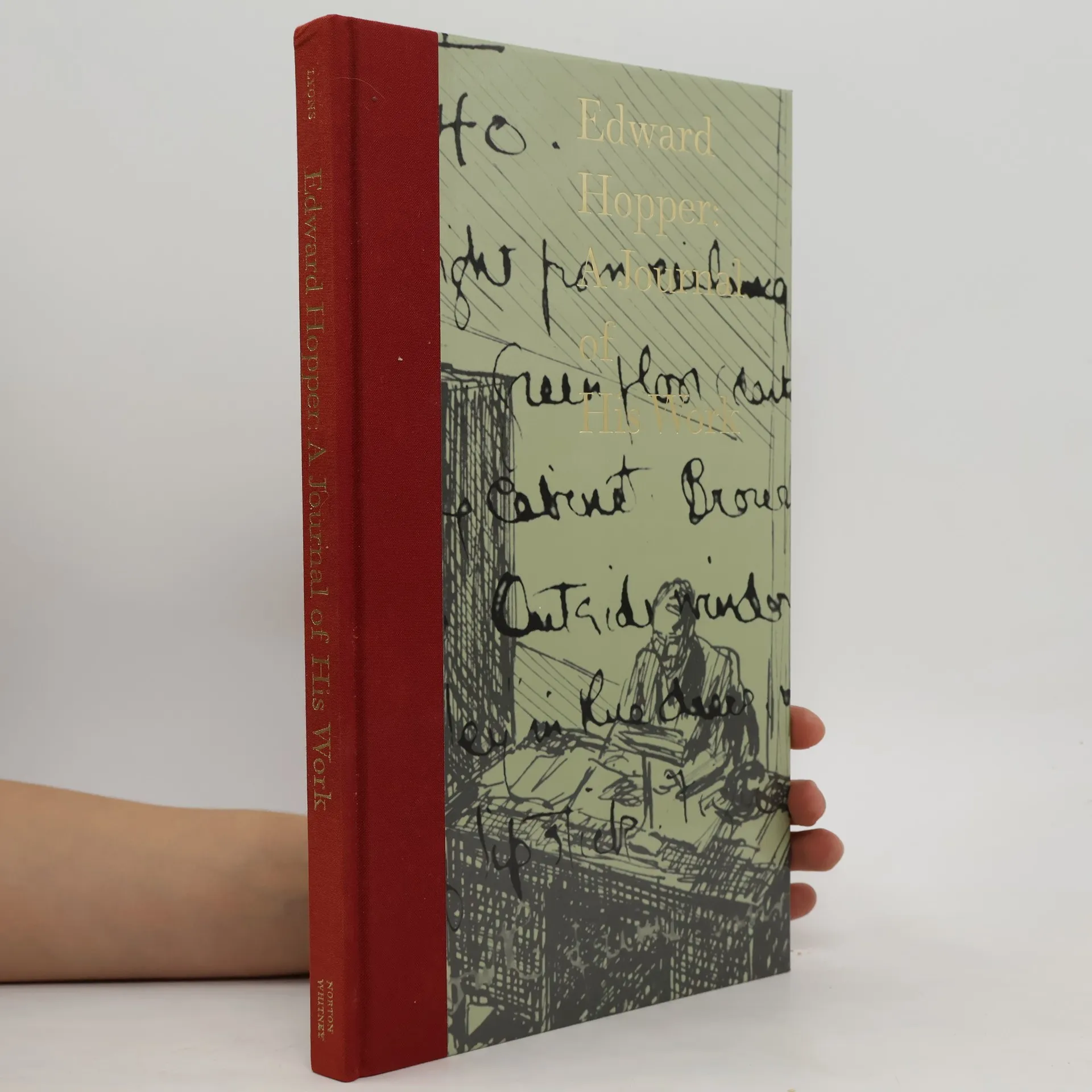
A unique book of facsimile pages culled from Hopper's personal ledger books. Edward Hopper, with the help of his wife, Jo, kept scrupulously detailed notes of all his artwork and business transactions in five accountants' ledger books. Here, in a selection of facsimile pages, we see the artist as businessman, recording everything from exhibitions and reviews to sales, commissions, and resales of his varied works.Hopper sketched most of his paintings and prints in these pages, in either pen and ink or pencil. Occasionally he added a printed reproduction as they became available. In addition to all business transactions associated with the work, Jo Hopper wrote descriptions of the colors and materials used, the subject matter, as well as personal anecdotes. In this intriguing volume, we are given a rare glimpse of this often-unseen aspect of an artist's life. We can see clearly the Hoppers' necessity and penchant for methodical record keeping and how they were able to achieve financial security through the artist's work.
"In the 1950s, comics meant POW! BAM! superheroes, family-friendly gags, and Sunday funnies, but in the 1960s, inspired by these strips and the satire of MAD magazine, a new generation of creators set out to subvert the medium, and with it, American culture. Their "comix," spelled that way to distinguish the work from their dime-store contemporaries, presented tales of taboo sex, casual drug use, and a transgressive view of society. Embraced by hippies and legions of future creatives, this subgenre of comic books and strips was printed on out-of-date machinery, published in zines and underground newspapers, and distributed in head shops, in porno stores, and on street corners. Comix often ran afoul of the law, but that would not stop them from casting cultural ripples for decades to come, eventually moving the entire comics form beyond the gutter and into fine-art galleries."-- Amazon.com
This narrative history delves into the Underground Comix movement of the 1960s, ’70s, and ’80s, which transformed the comic landscape. Author Brian Doherty explores the outlaw world of Underground Comix, produced in lofts on outdated machinery and disseminated through handbound zines and underground newspapers. These comix, deliberately spelled to differentiate from mainstream superhero comics, tackled themes of illicit sex, drug use, and a countercultural critique of American society, resonating with hippies, artists, and future creatives.
Doherty weaves together the stories of notable figures like Harvey Kurtzman, R. Crumb, Trina Robbins, Spain Rodriguez, and Art Spiegelman, providing a comprehensive account of local scenes in cities such as New York, San Francisco, Los Angeles, Cleveland, and Chicago. The narrative covers their origins, successes—including Spiegelman’s Pulitzer Prize-winning *Maus* and Robbins’s *Wimmen’s Comix*—as well as personal tragedies like S. Clay Wilson’s alcohol-related decline and Crumb’s struggles with success and controversial imagery. This essential exploration highlights the legacy of these creators and the impact of Underground Comix on perceptions of war, race, sex, gender, and artistic expression, marking a significant chapter in American art history.
Concerned with the complex and sophisticated relationship between economics,
social context, and aesthetics as represented in the contested space of the
art gallery, the author raises the question of how artists must construe their
work in relation to the gallery space and system. schovat popis
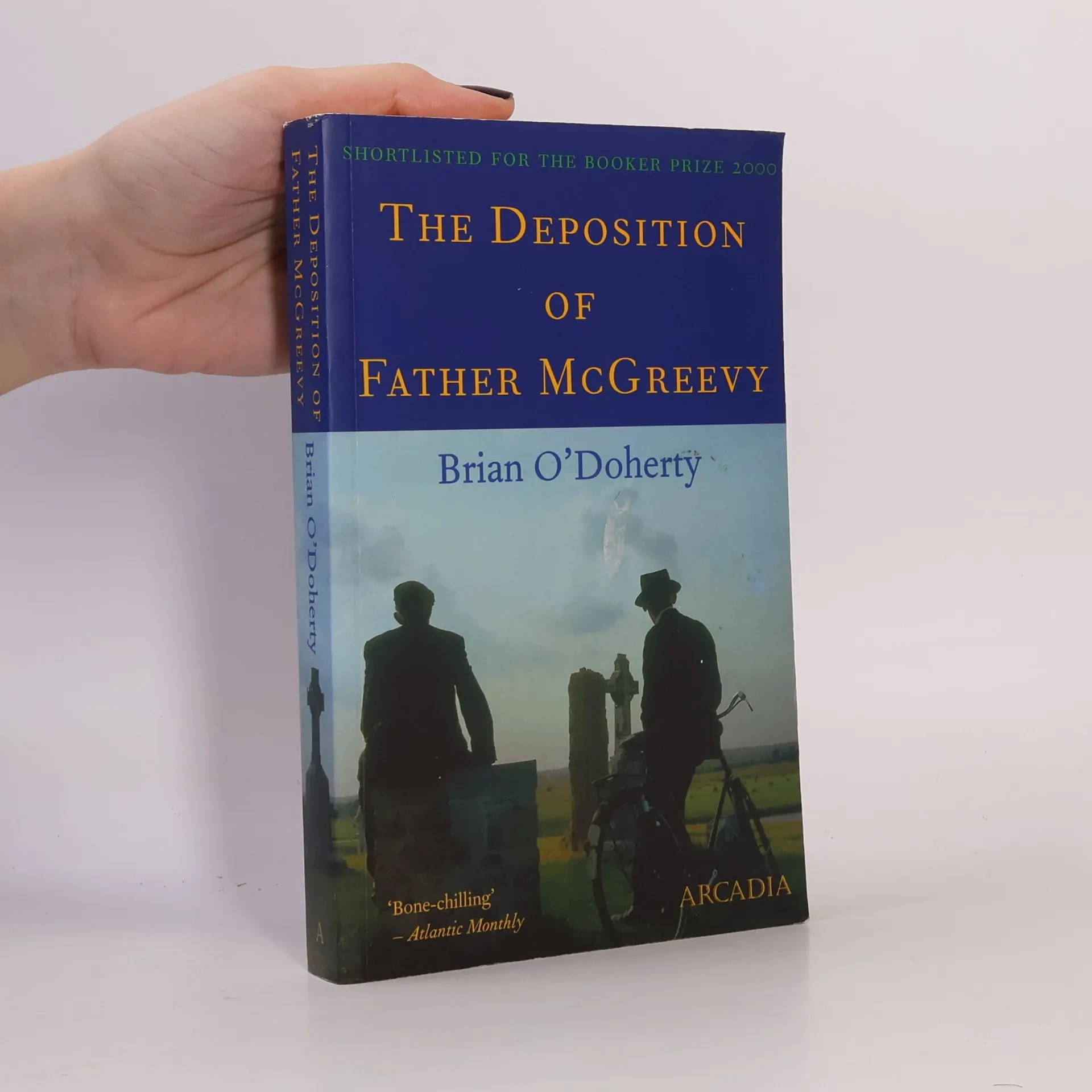
Set in the 1950s, the story follows editor William Maginn as he investigates the mysterious decline of his birthplace in County Kerry. His journey reveals a haunting narrative about the village's destruction and the loss of a way of life that upheld Ireland's ancient traditions. Central to this tale is the tragic fate of the village's women, who all die under mysterious circumstances, intertwining themes of nostalgia, cultural heritage, and the impact of change on a community.
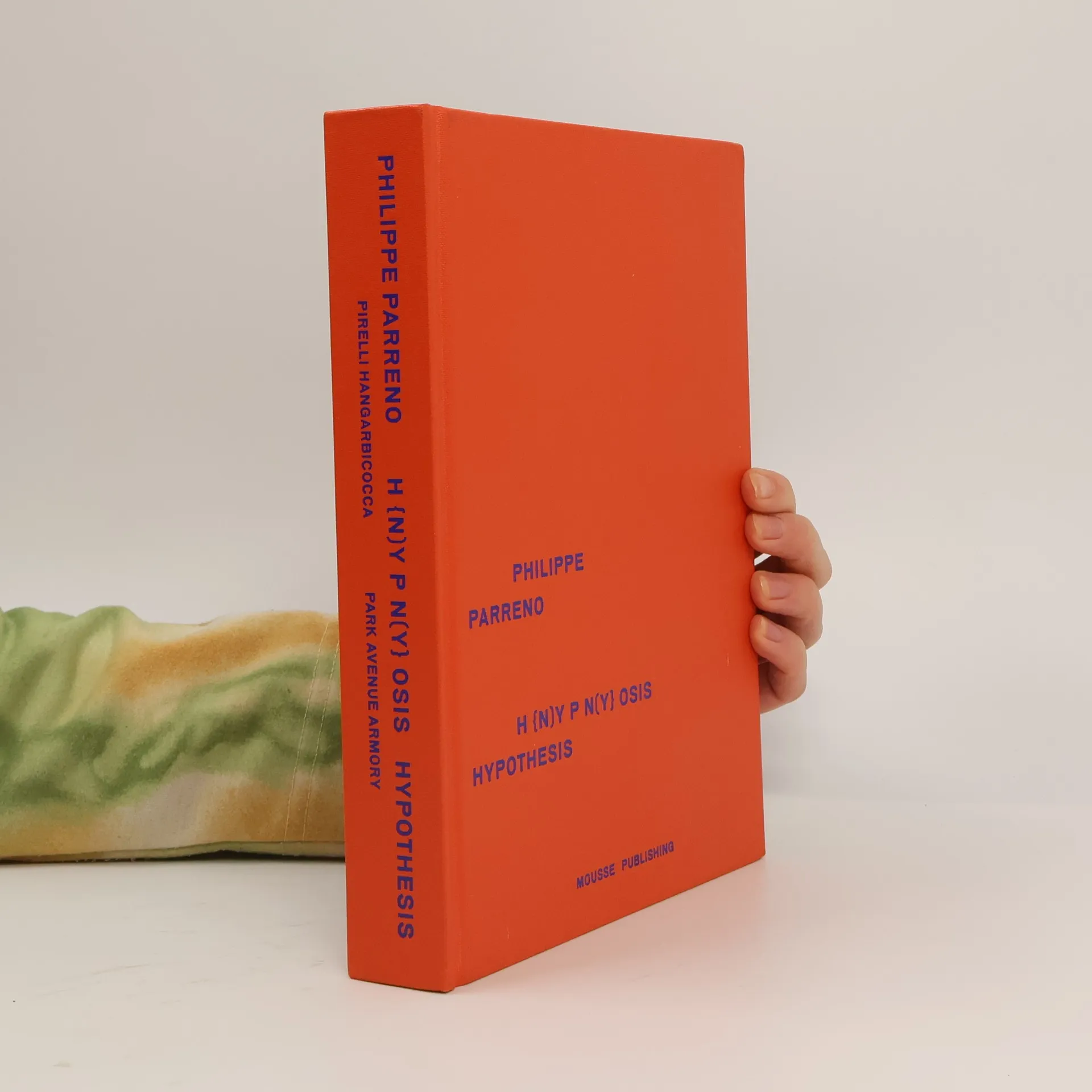
Philippe Parreno (born 1964) is interested more in the dynamics of how a work of art is shown to the public than in its actual production, and in his films, installations, performances and texts, he subverts the codes normally applied to exhibition spaces. By placing the construction of the exhibition at the heart of his process, the French artist redefines the exhibition experience as a coherent object rather than a collection of individual works. “The exhibition is conceived as a scripted space,” he writes, “like an automaton, producing different temporalities, a rhythm, an itinerary, and a duration. The visitor is guided through the spaces by the appearance and orchestration of sounds and images ... a mental choreography.”Published to accompany his 2015 exhibitions in New York and Milan, Hypnosis Hypothesis offers a rich critical overview of Parreno's work, featuring essays by Cyril Béghin, Molly Nesbit, Brian O’Doherty and Adam Thirlwell, and interviews with exhibition curators Hans Ulrich Obrist and Andrea Lissoni. The monograph provides invaluable new research on one of the most influential and charismatic figures on the contemporary art scene.
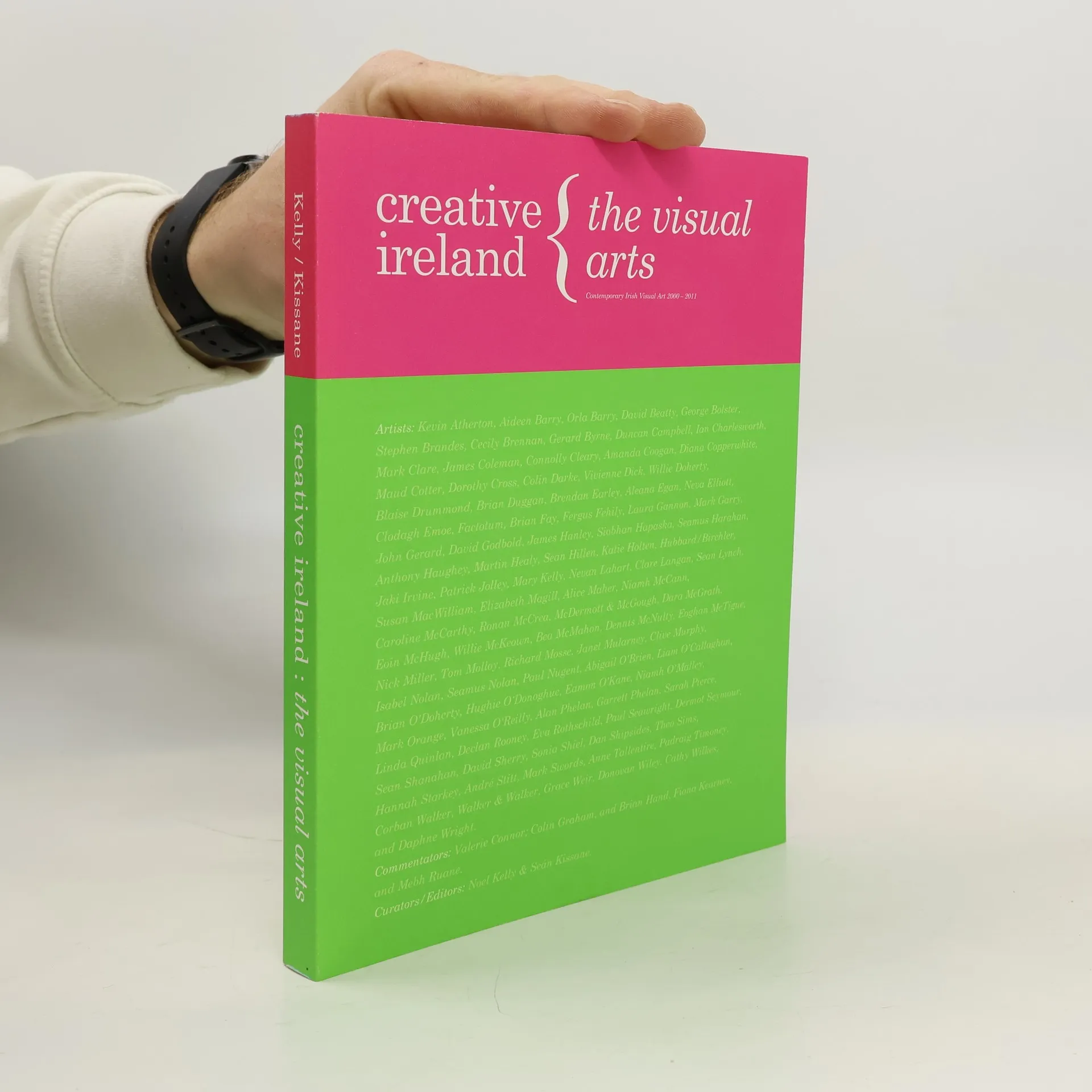
The Visual Arts, Contemporary Visual Arts in Ireland 2000-2011
244pages
9 heures de lecture
100 Irish Artists, 100 Colour Plates. 6 Commentaries from respected writers such as: Mebh Ruane, Colin Graham, Valerie Connor, Fiona Kearney, Brian Hand and Noel Kelly - Creative Ireland: The Visual Arts will fast become the most desirable visual arts book this season. Creative Ireland: The Visual Arts presents an attractive record of the early 21st century contemporary visual arts in Ireland with 100 artists who have been selected for their specific contribution to the contemporary arts in the first years of the 21st Century. Aimed at a general audience, as well as the art connoisseur and enthusiast, each artist is profiled with an iconic example of their practice shown in full colour. The texts are engaging as they explain Ireland within the context of the early 21st century, and the impact that this has had socially, economically and culturally. The book is in an attractive format, and is priced at a level that makes it affordable.