Alain Danielou Ordre des livres (chronologique)
4 octobre 1907 – 27 janvier 1994
Alain Daniélou était un érudit britanno-français dédié à l'étude et à la traduction de textes indiens. Son œuvre se caractérise par une profonde compréhension de la philosophie, de la théologie et de la musique hindoues. Il chercha à jeter un pont entre la pensée occidentale et orientale, et ses traductions sont appréciées pour leur précision et leur qualité littéraire. Son héritage continue d'inspirer les lecteurs en quête d'une appréciation plus profonde de la culture et de la spiritualité indiennes.
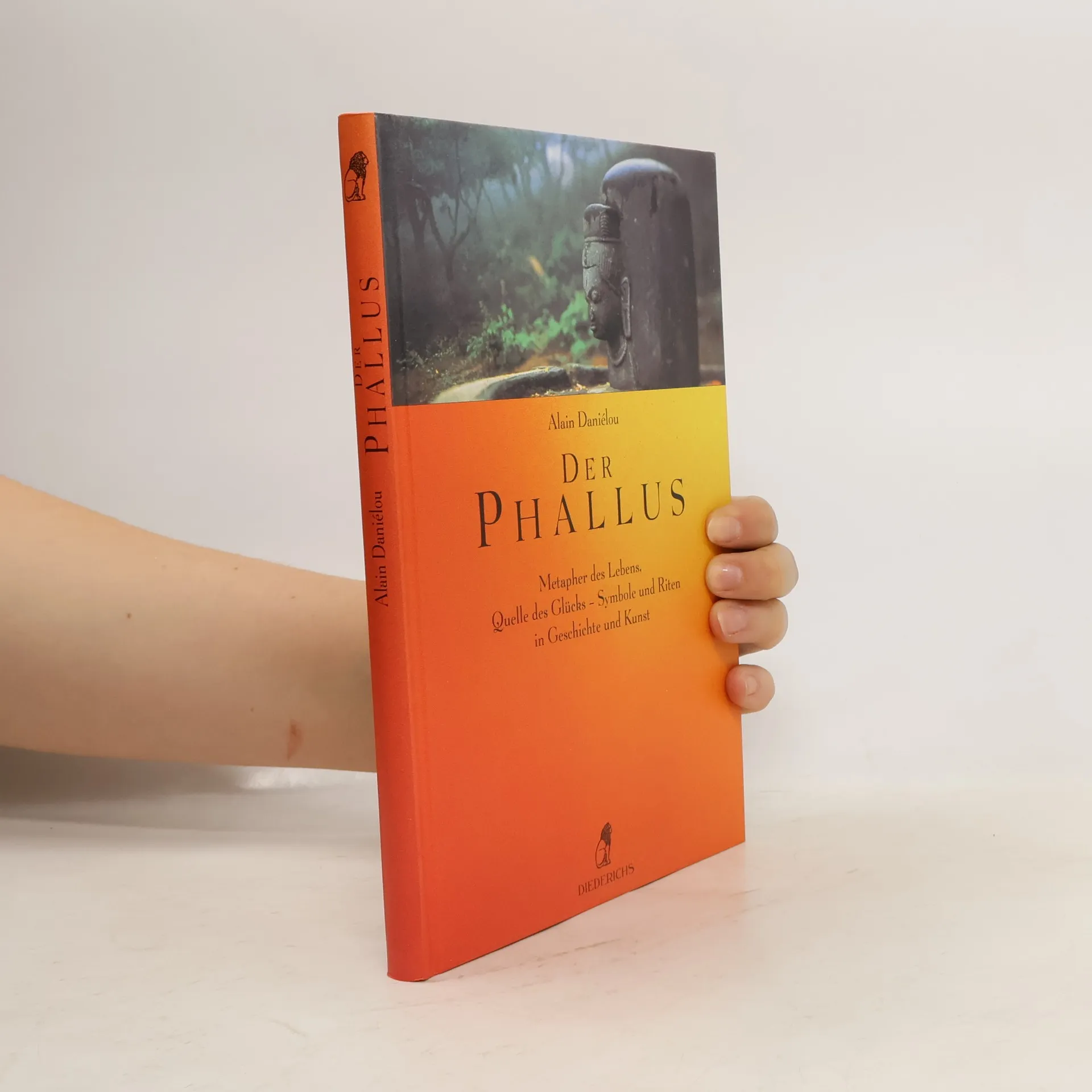

Der Phallus
- 130pages
- 5 heures de lecture
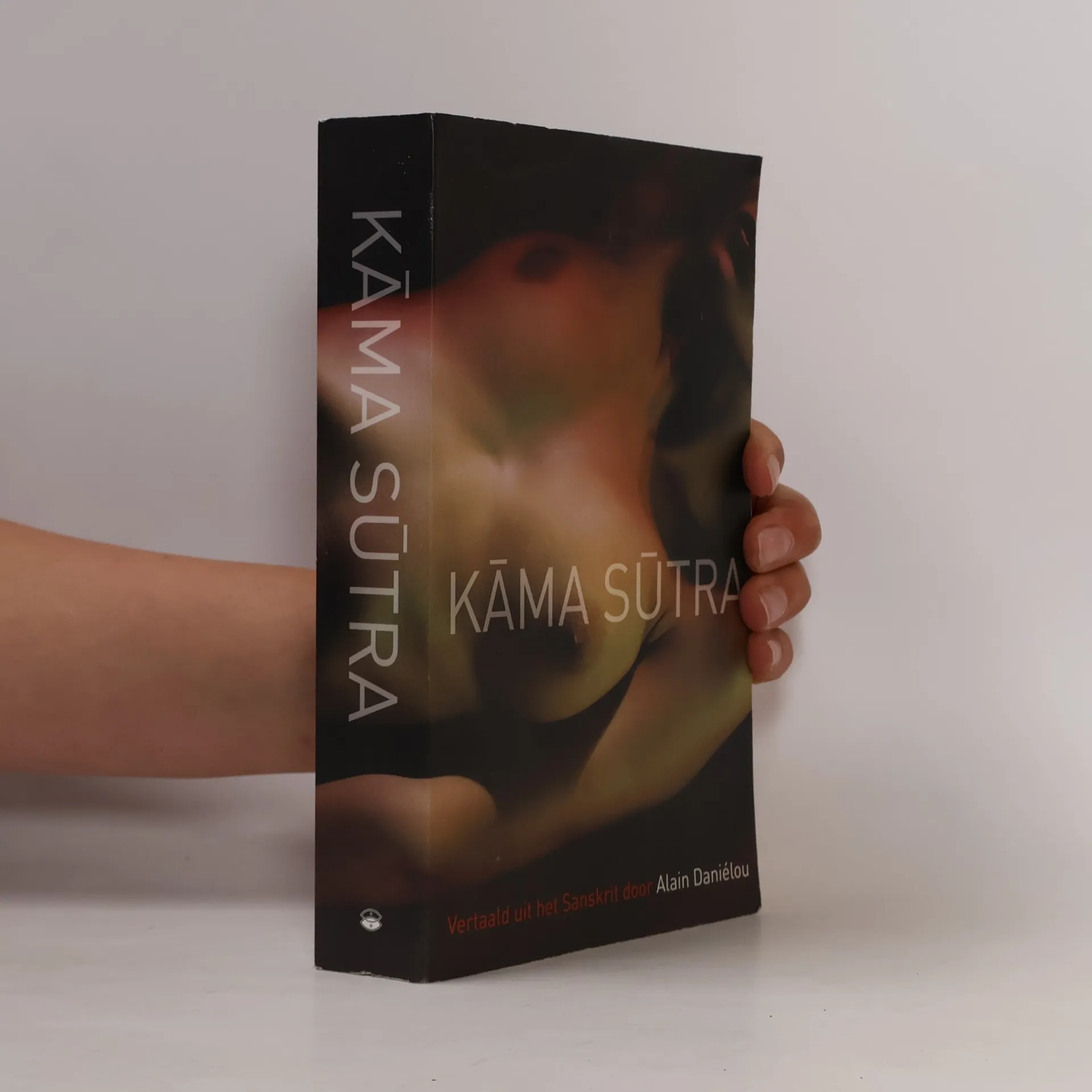
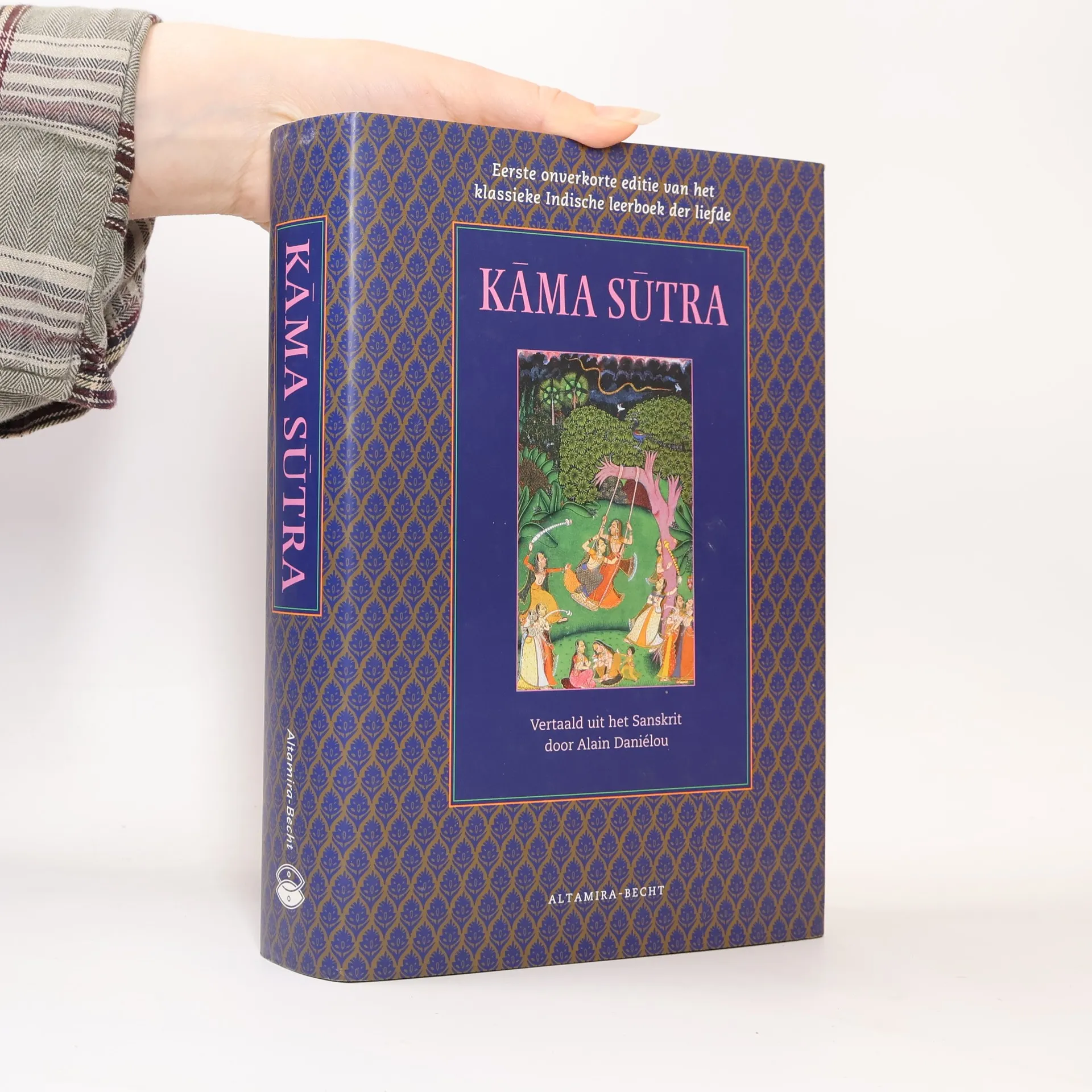
Kama Sutra / druk 2
de eerste onverkorte moderne vertaling van de klassieke Indische tekst van Vatsyayana, alsmede van het Sanskrit-commentaar Jayamangala van Yashodhara en uittreksels uit het Hindi-commentaar van Devadatta Shastri
- 544pages
- 20 heures de lecture
Hindoeïstisch standaardwerk uit de 4e eeuw over de kunst van de liefde.
Music and the Power of Sound: The Influence of Tuning and Interval on Consciousness
- 192pages
- 7 heures de lecture
Music has always been esteemed for its power to speak directly to our higher consciousness, a power founded in the purity of simple harmonic ratios. In this book, Alain Danielou traces the development of musical scales and tuning from their origins in both China and India, through their merging in ancient Greece, and on to the development of the Western traditions of modal and polyphonic music. Understanding these potent harmonic relationships offers a way for today's musicians to transcend the limitations of overly rationalistic music by drawing on its metaphysical roots.
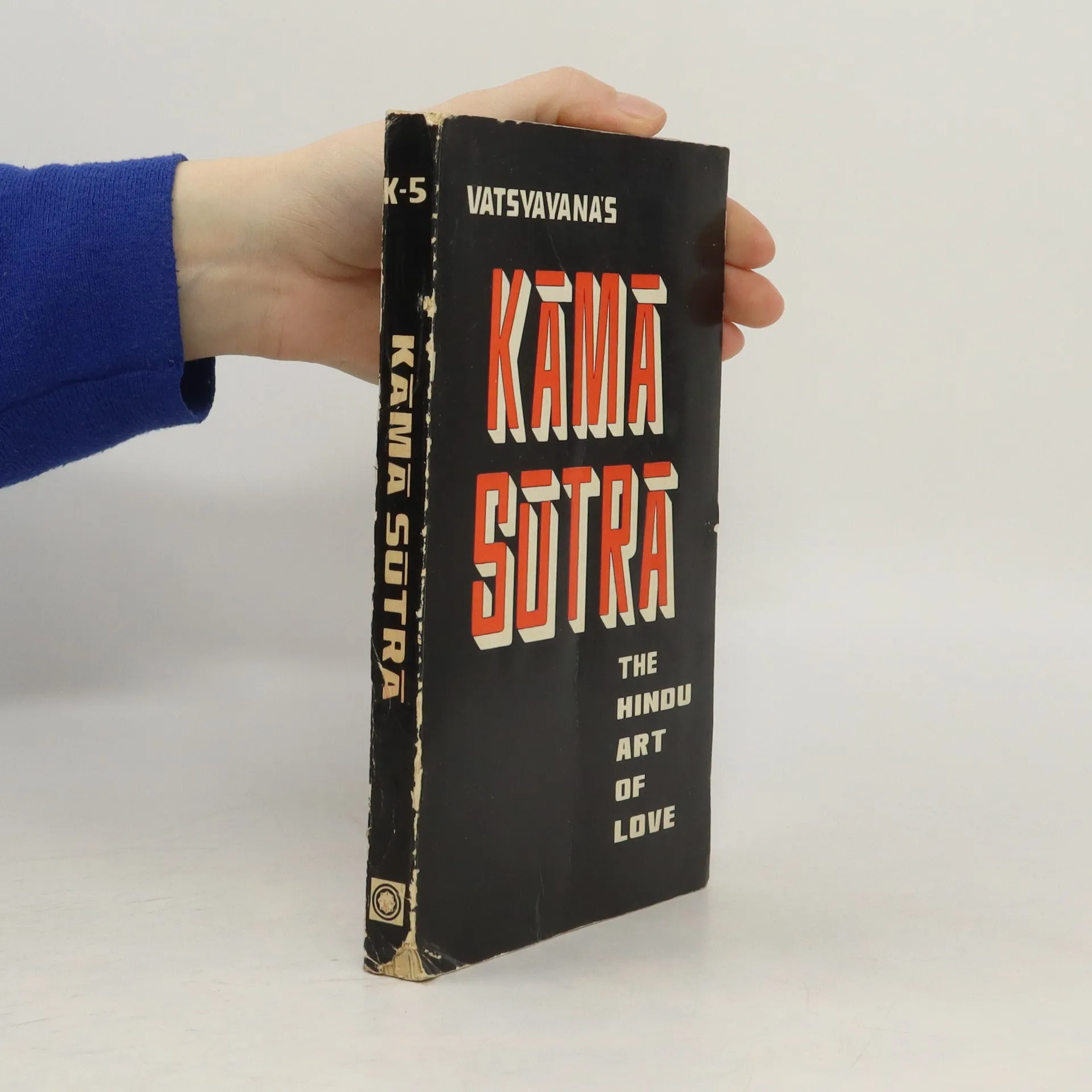
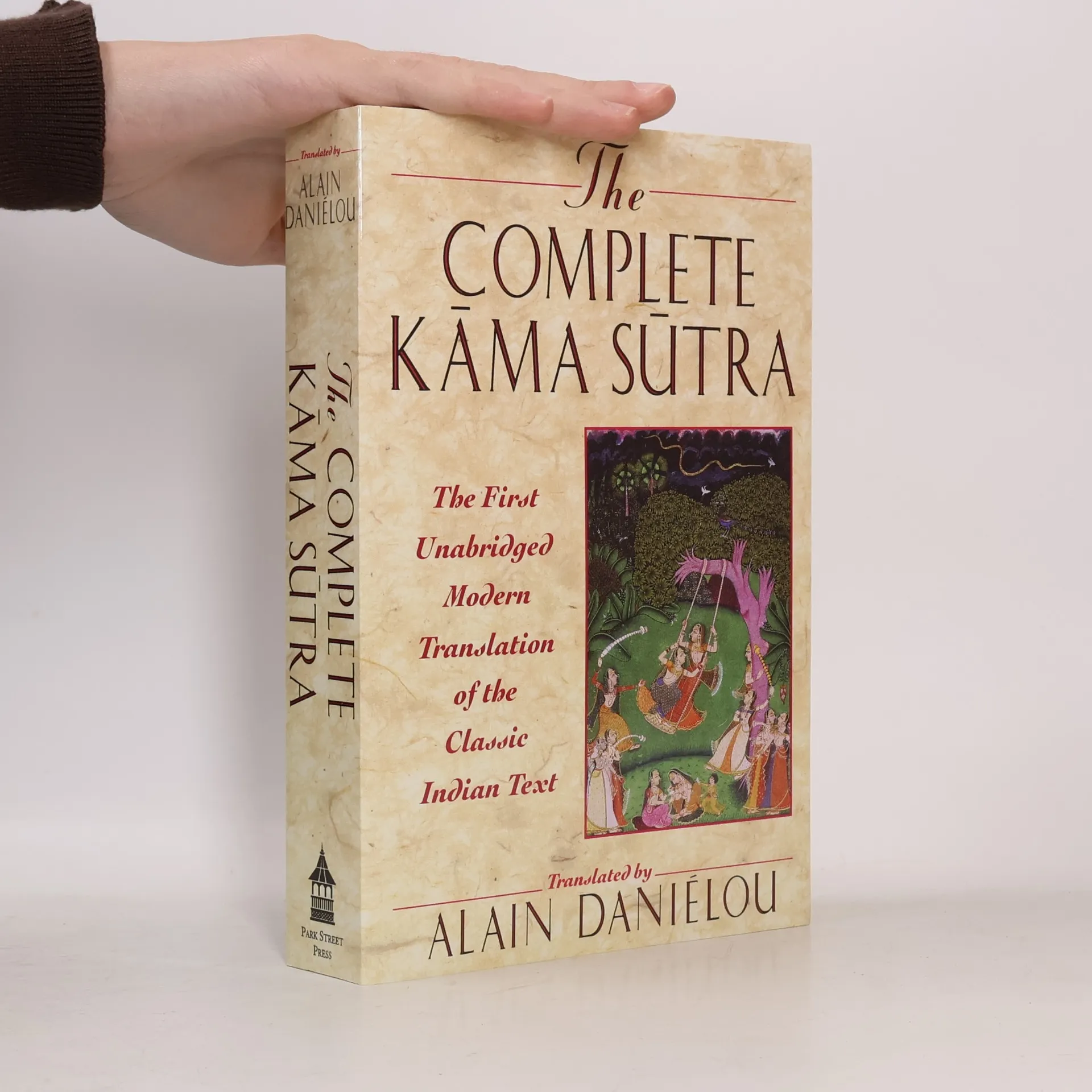
The Complete Kama Sutra
The First Unabridged Modern Translation of the Classic Indian Text
- 576pages
- 21 heures de lecture
The world's oldest and most widely read guide to the pleasures and techniques of sex, the Kama Sutra was compiled in the fourth century A.D. by a Brahmin and religious scholar name Vatsyayana, who worked from texts dating back to the fourth century B.C. Until the present, the only English translation of his Hindu love classic was that of the famous English explorer Sir Richard Burton, published in 1883. Unlike Burton's version, Alain Daniélou's new translation preserves the numbered verse divisions of the original and includes two essential commentaries: the Fayamangala commentary, written in Sanskrit by Yashodhara during the Middle Ages, and a modern Hindi commentary by Devadatta Shastri. Whereas Burton's Victorian reluctance to translate certain terms obscured our understanding of the philosophy and techniques of the Kama Sutra, Daniélou has preserved the full explicitness of the original, dealing with everything from the art of scratching to relations with the wives of others. Realistic and pragmatic in its approach, the Kama Sutra deals without ambiguity or hypocrisy with all aspects of sexual life--including marriage, adultery, prostitution, group sex, sadomasochism, male and female homosexuality, and transvestism. The text paints a fascinating portrait of an India whose openness to sexuality gave rise to a highly developed expression of the erotic.
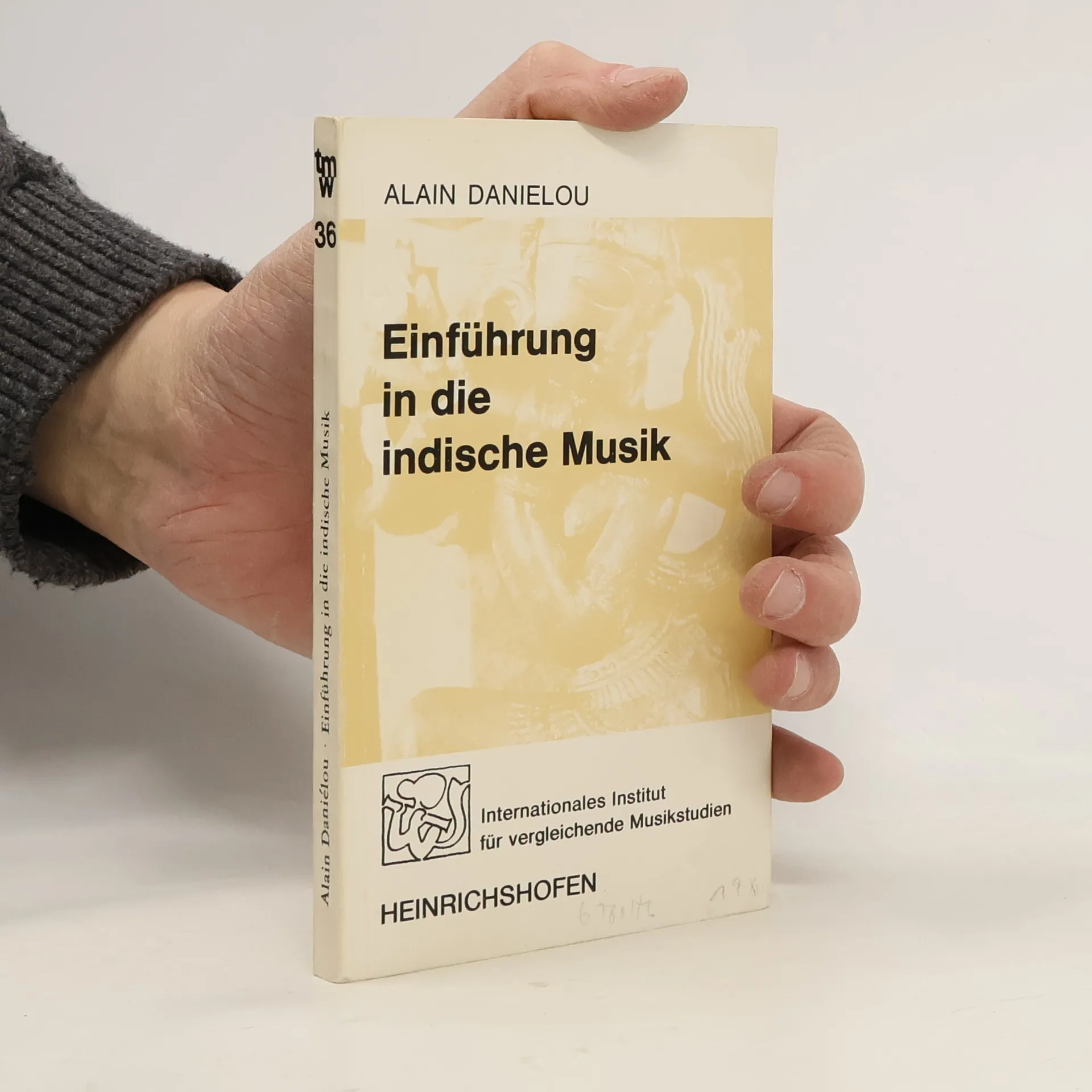
Einführung in die indische Musik
- 199pages
- 7 heures de lecture
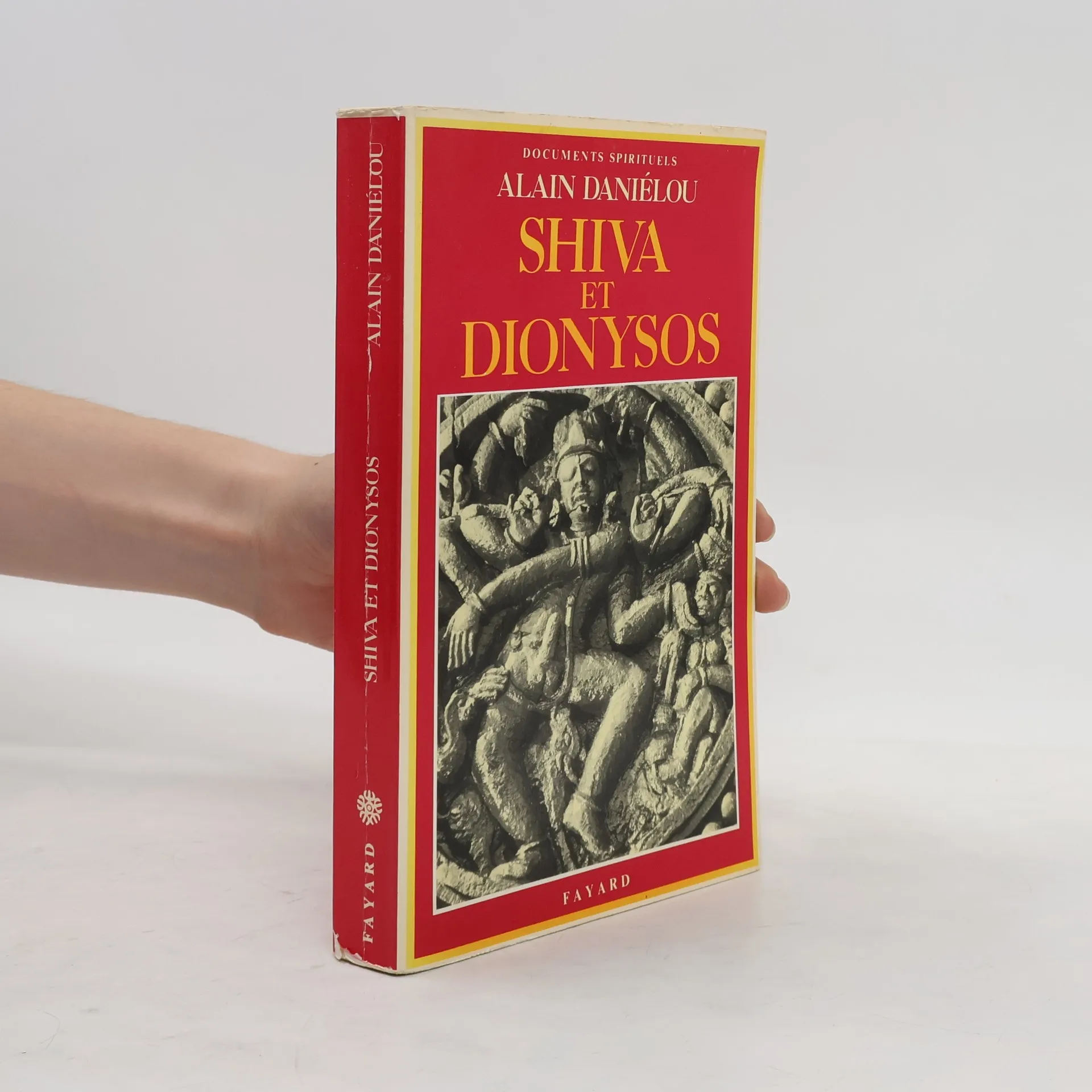
Shivä et Dionysos. Mythes et Rites d'une Religion Préaryenne
- 332pages
- 12 heures de lecture
Pour Alain Daniélou, l'Occident a perdu sa propre tradition et éloigné l'homme de la nature et du divin. Il nous fait découvrir ici que les rites et les croyances du monde occidental ancien sont très proches du Shivaïsme et très aisément expliqués à l'aide des textes et des rites préservés dans l'Inde. Ce sont les religions relativement récentes du monde aryen et sémitique, Judaïsme, Christianisme, Islam et Communisme qui ont éloigné l'homme du reste de la création et de l'expérience religieuse et mystique multimillénaire dont la tradition s'est préservée dans l'Inde jusqu'à nos jours et que l'Occident, s'il veut survivre, devra retrouver.L'auteur1935-1948, études de sanskrit, philosophie, théologie, musique dans les écoles traditionnelles hindoues à Bénarès; 1948-1954, professeur à l'université hindoue de Bénarès; 1954-1956, directeur de la bibliothèque de manuscrits et des éditions sanskrites d'Adyar à Madras; 1956-1963, membre de l'Institut français d'indologie et de l'Ecole française d'Extrême-Orient; 1963-1977, directeur de l'Institut international d'études comparatives de la musique à Berlin et Venise.