
Bookbot

Campbell Craig

    Campbell Craig est Professeur de politique internationale à l'Aberystwyth University. Son expertise se concentre sur l'histoire de la Guerre Froide et nucléaire, les relations étrangères des États-Unis et la politique internationale contemporaine. Il mène actuellement des recherches sur le marxisme et la guerre moderne au XXe siècle, le réalisme classique et un projet plus vaste sur la révolution nucléaire comme théorie.

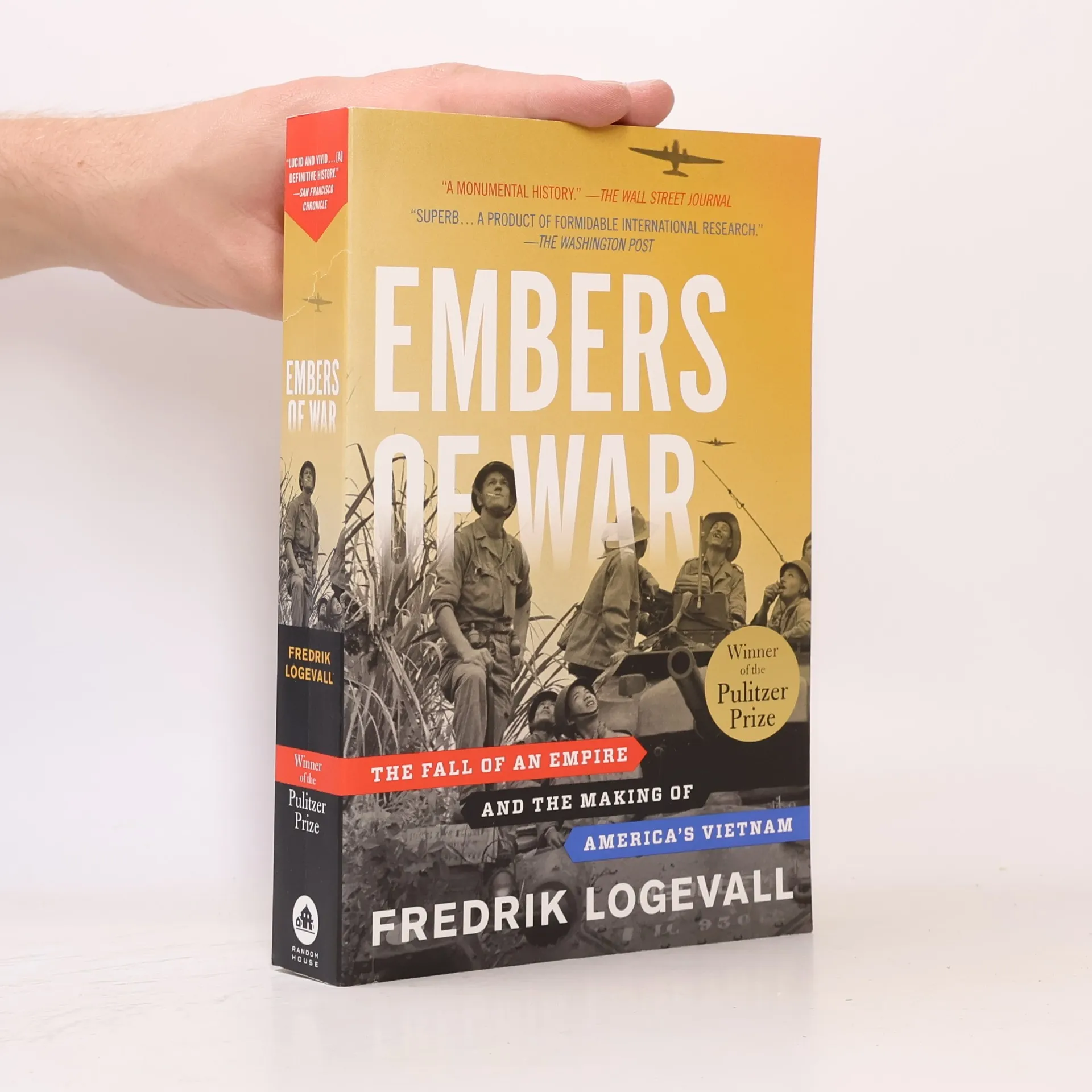
    Embers of War
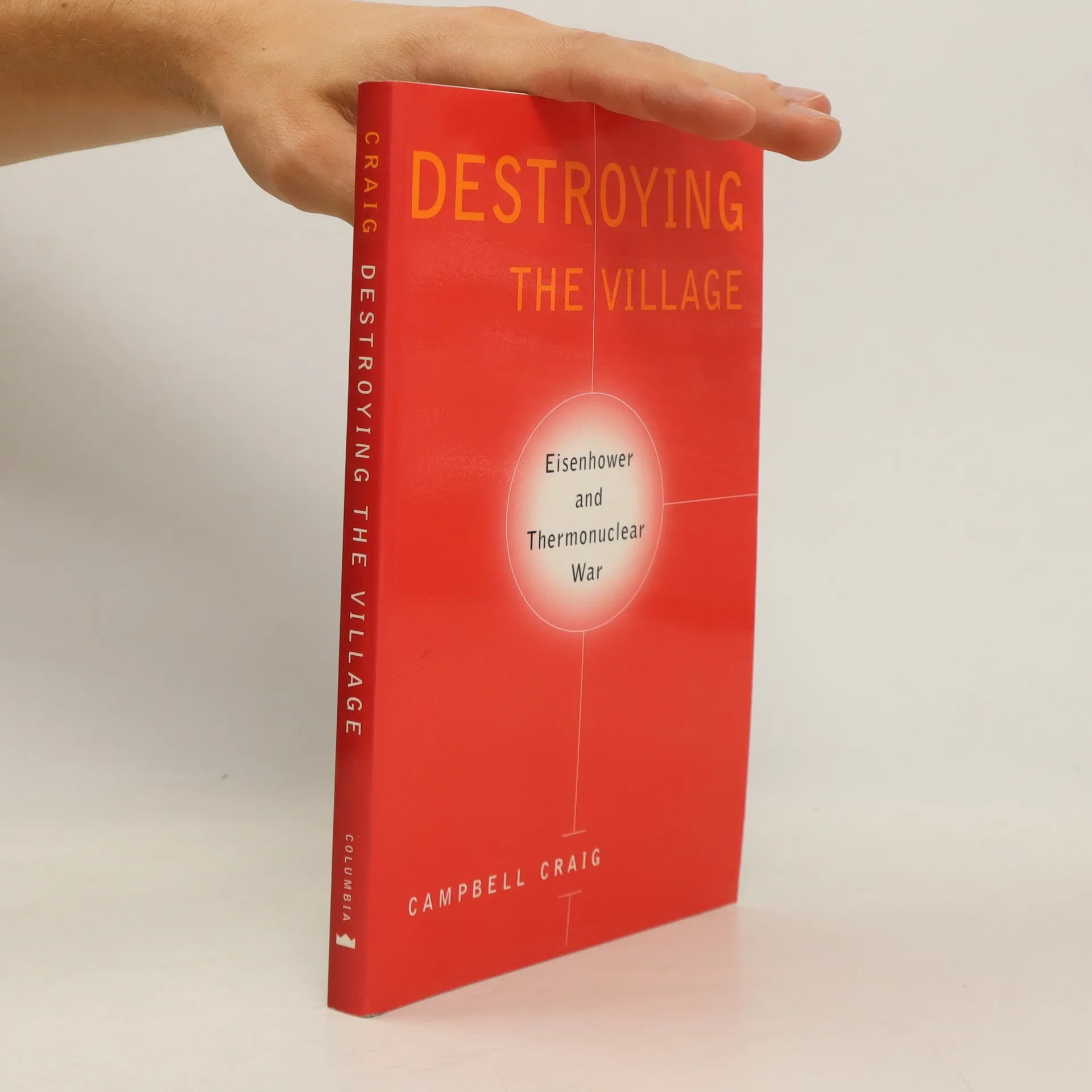
    Destroying the Village
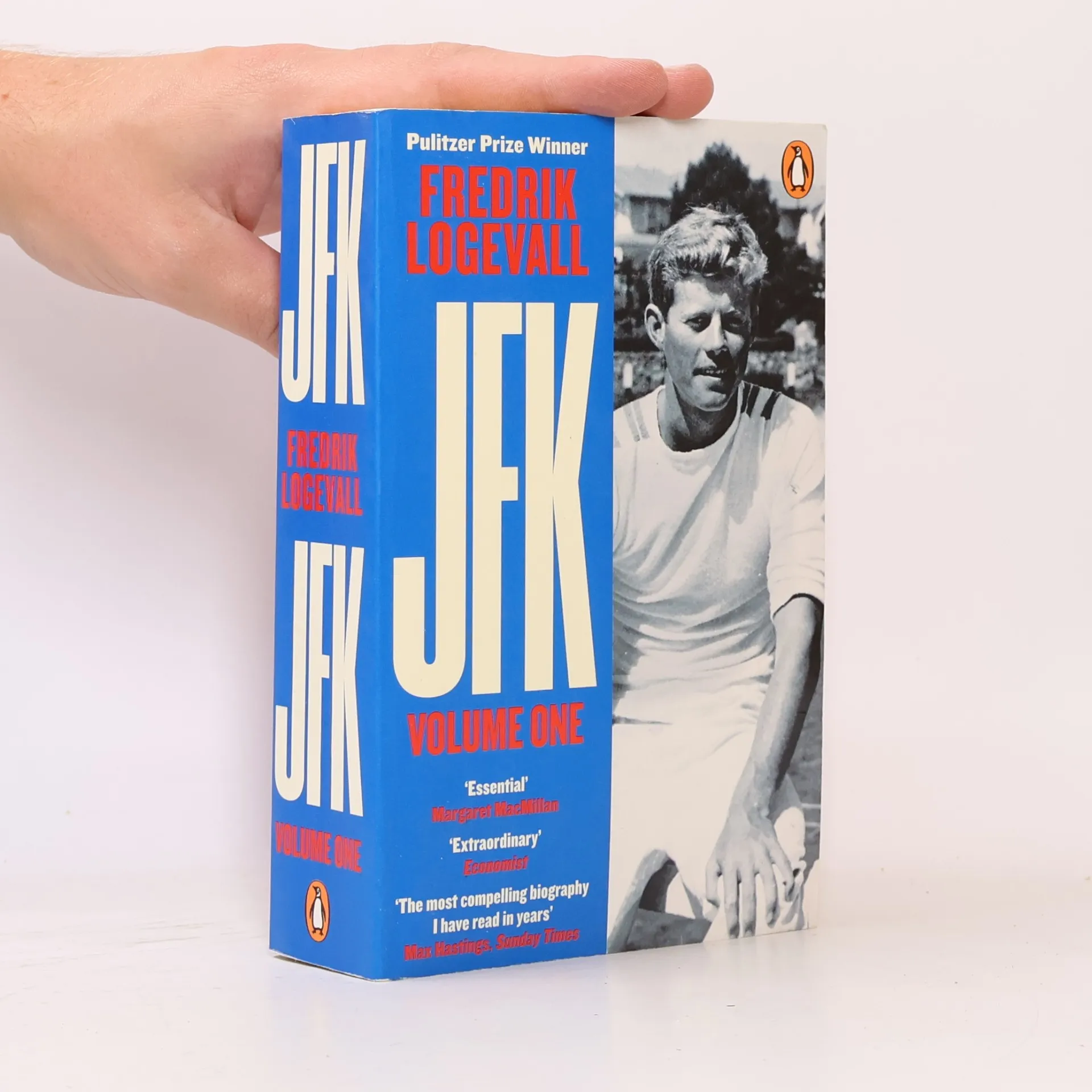
    JFK
    • JFK

      Volume 1: 1917-1956

      This biography offers a compelling and meticulously researched portrait of John F. Kennedy, capturing both the man and the era he influenced. Pulitzer Prize-winning historian Fredrik Logevall delves into previously unseen materials to present a nuanced view of the thirty-fifth president, whose political ambition was evident from an early age. By 1963, Kennedy had risen to lead the world's greatest power, becoming one of the most mythologized figures in modern history. This first volume spans his first thirty-nine years, exploring his early relationships, heroic World War II experiences, and his captivating romance with Jackie Kennedy. Logevall's narrative combines authority with a novelistic sensibility, immersing readers in the pivotal moments of Kennedy's life. Critics praise this work as a definitive biography, highlighting its engaging portrayal of a remarkable figure who continues to inspire globally. This riveting study not only chronicles Kennedy's journey but also provides a candid history of America's mid-century rise, making it a powerful and provocative read. The anticipation for the second volume is palpable, as readers are eager to see how Logevall will continue to unfold the life of this iconic leader.

      JFK2020
      4,6
    • Embers of War

      • 864pages
      • 31 heures de lecture

      This monumental history asks the simple question: How did we end up in a war in Vietnam? Fredrik Logevall traces the forty-year path that led us from World War I to the first American casualties in 1959This monumental history asks the simple question: How did we end up in a war in Vietnam?

      Embers of War2013
    • In the early days of the Cold War, thermonuclear conflict was everywhere an imminent threat. With the realization that mutual destruction was the likely result of a nuclear war, US policy makers were forced to articulate a coherent stance on what they would do if the United States went to war with the USSR. The paradox of defeat or mutual annihilation was one that plagued American policy makers and scholars, whatever their stated position.

      Destroying the Village1998
      3,7