
Bookbot

Lieven de Cauter

    Lieven De Cauter est un philosophe, écrivain, poète et professeur flamand. Son œuvre explore un large éventail de sujets culturels et philosophiques, se concentrant souvent sur des questions sociétales et artistiques plus profondes. De Cauter examine la pensée moderne et son impact sur la société contemporaine à travers des essais perspicaces et des œuvres littéraires. Son style d'écriture distinctif est reconnu pour sa profondeur intellectuelle et sa capacité à relier diverses disciplines.

    Ending the Anthropocene: Essays on Activism in the Age of Collapse
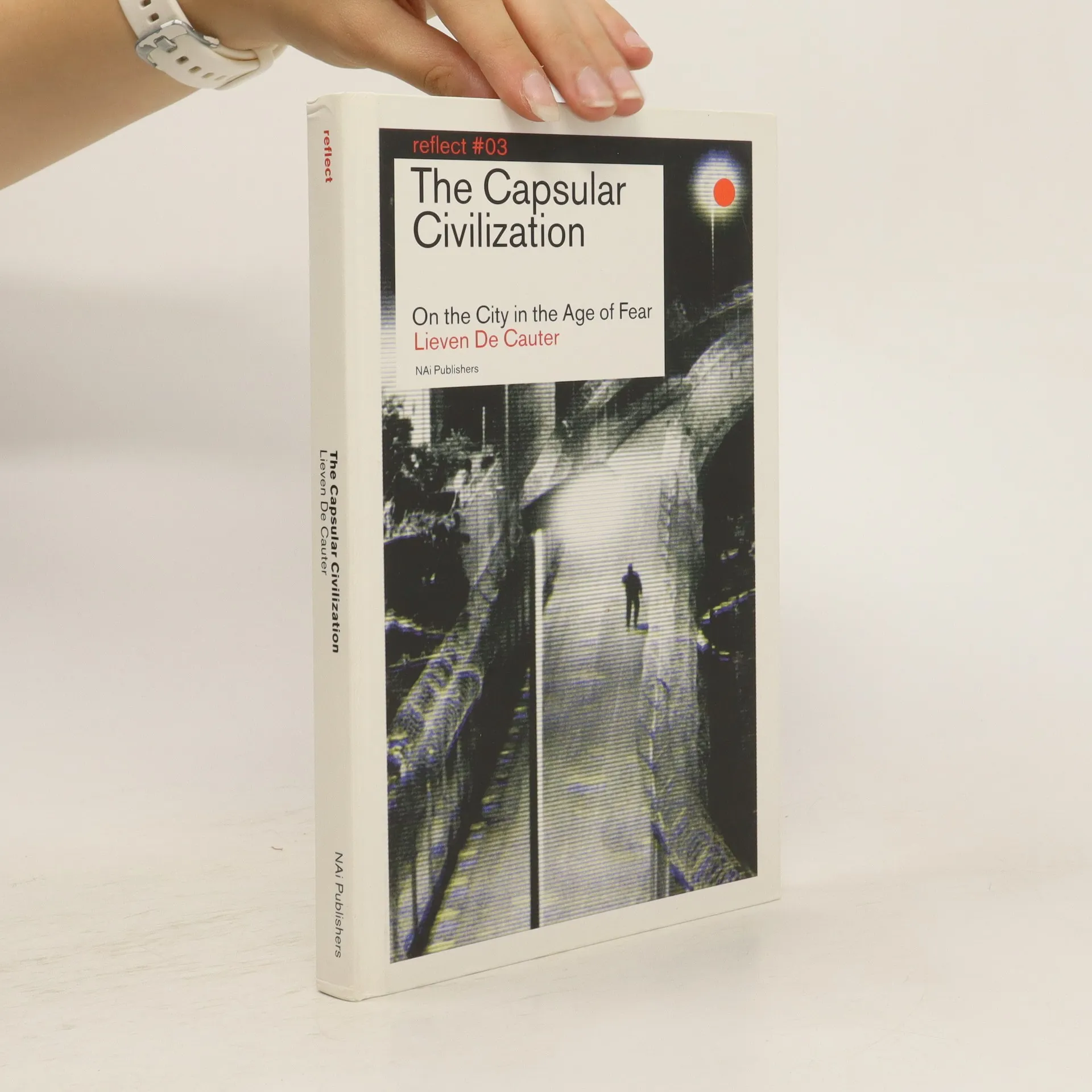
    The Capsular Civilization
    • The Capsular Civilization

      • 208pages
      • 8 heures de lecture
      3,5(22)Évaluer

      Particularly since September 11, the War on Terrorism and the war in Iraq, it has been almost impossible to dissociate architecture from its social context. Add to this the massive influence of capitalism on architecture, disturbing demographic developments and associated political, social, and ecological catastrophes, and the result is a robotic snapshot of a society dominated by fear, exclusion and simulation. Lieven De Cauter, a leading theoretician on the subject of capsularisation, has worked over the past six years on the essays and articles contained in this book, and has documented and analyzed our changing societies before and after 9/11. For the first time, the link between the global economy, demographic changes, world terror and the role played by the United States under the Bush admisinstration, are examined in detail in a single publication. De Cauter sketches a realistic and alarming account of the new world order that is an everyday concern for the architects and planners of the contemporary city as well as for its inhabitants and users.

      The Capsular Civilization
    • In this thought-provoking work, activist philosopher Lieven De Cauter explores the necessity of ending the Anthropocene, the era marked by humanity's profound impact on Earth, to prevent collapse. He posits that the downfall of our growth-driven system may be essential for the biosphere's survival. Through case studies of urban activism and reflections on civic action and social movements, De Cauter transitions from the despair of impending climate disaster to more optimistic developments, such as the revival of the commons. He emphasizes this often-overlooked concept as a potential foundation for a new worldview and political approach. This perspective allows for a re-examination of identity and heterotopia, envisioning spaces that embrace otherness. The collection also addresses the corona crisis, highlighting the renewed relevance of biopolitics—state care for the population's well-being—in the context of pandemics. Blending philosophical essays with accessible newspaper articles, the book embodies the author's belief in "pessimism in theory, optimism in practice." While the exact start of the Anthropocene remains debated, De Cauter argues that it is crucial to bring this era to an end.

      Ending the Anthropocene: Essays on Activism in the Age of Collapse