

Bookbot

Daniela Hermes-Keil

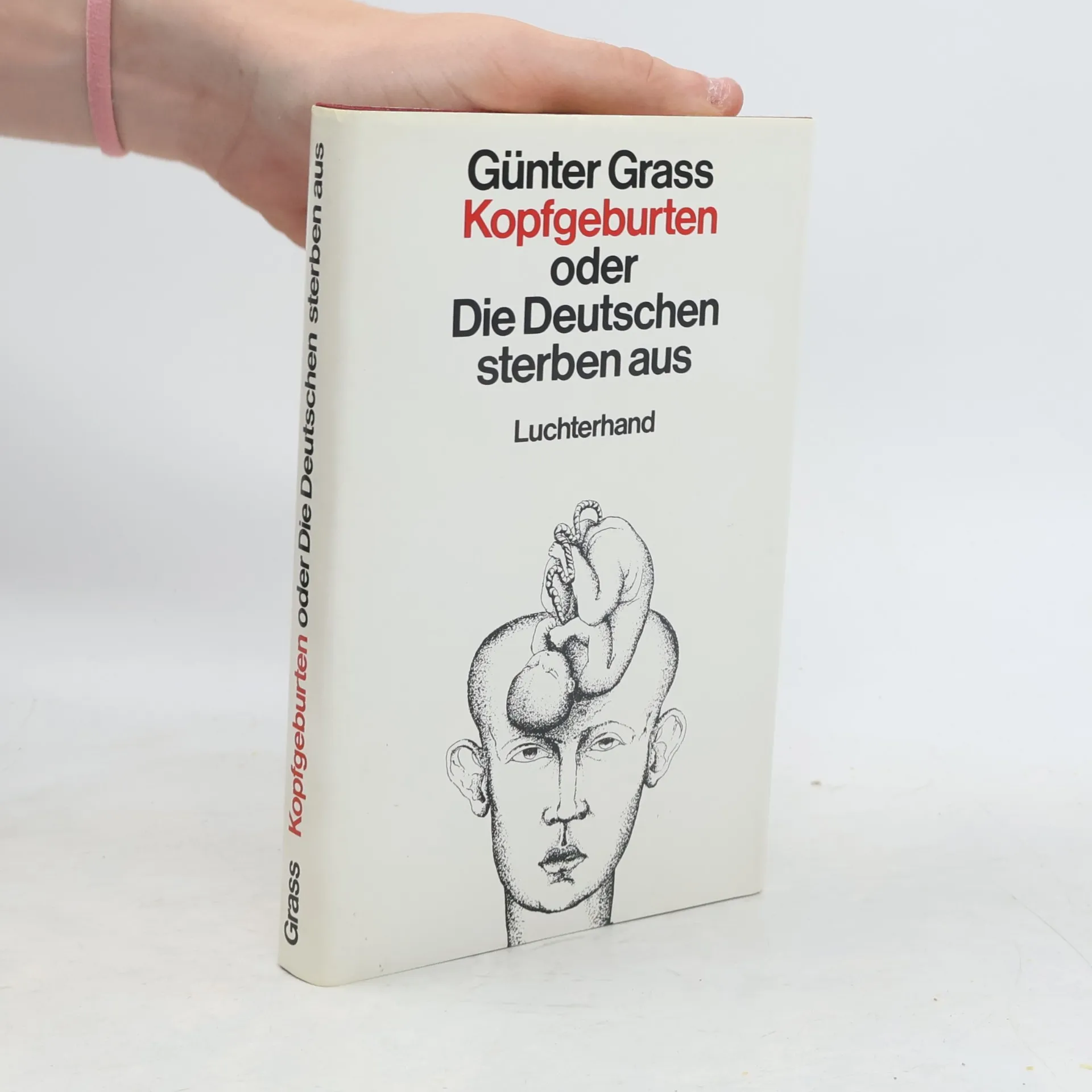
    Kopfgeburten, oder, Die Deutschen sterben aus
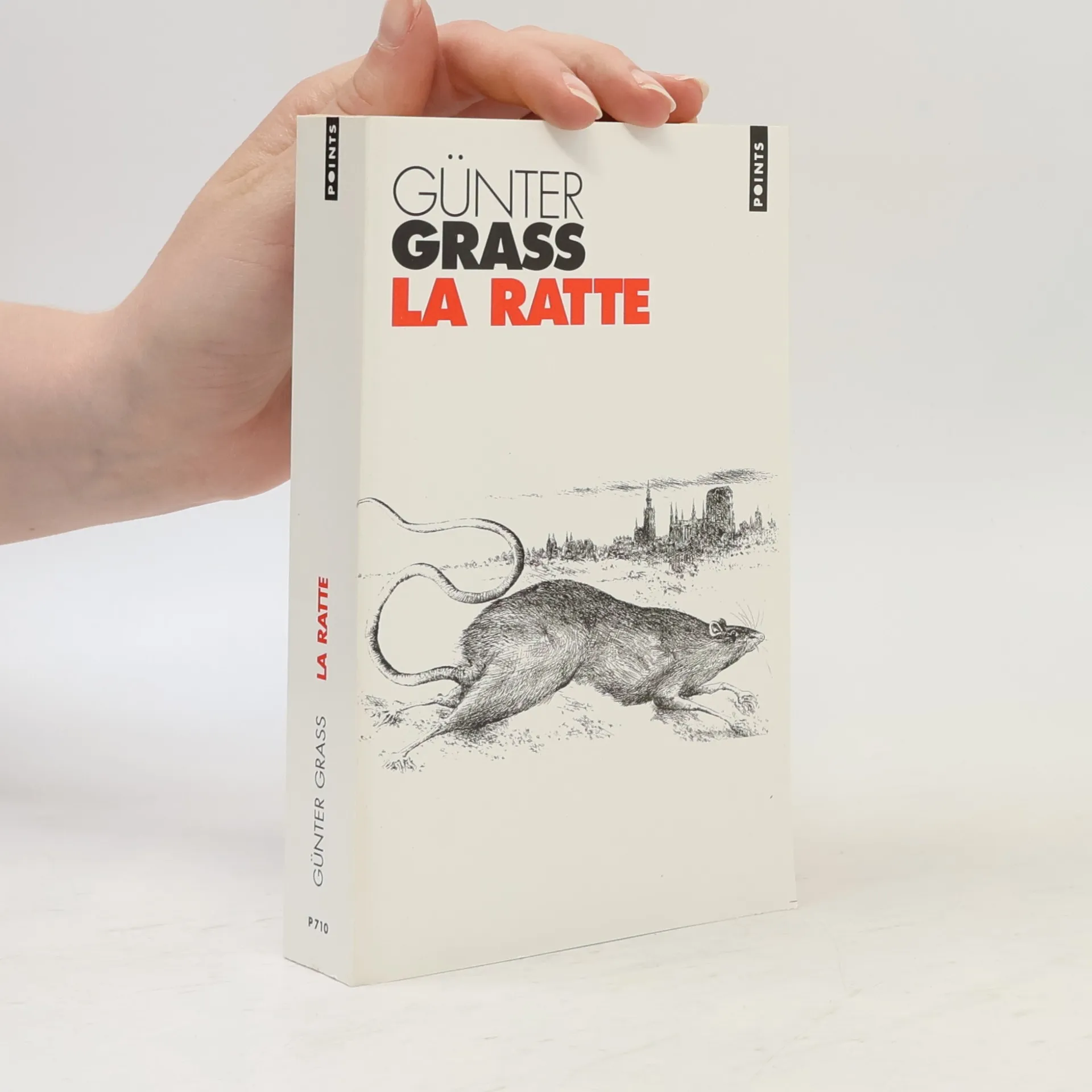
    La Ratte
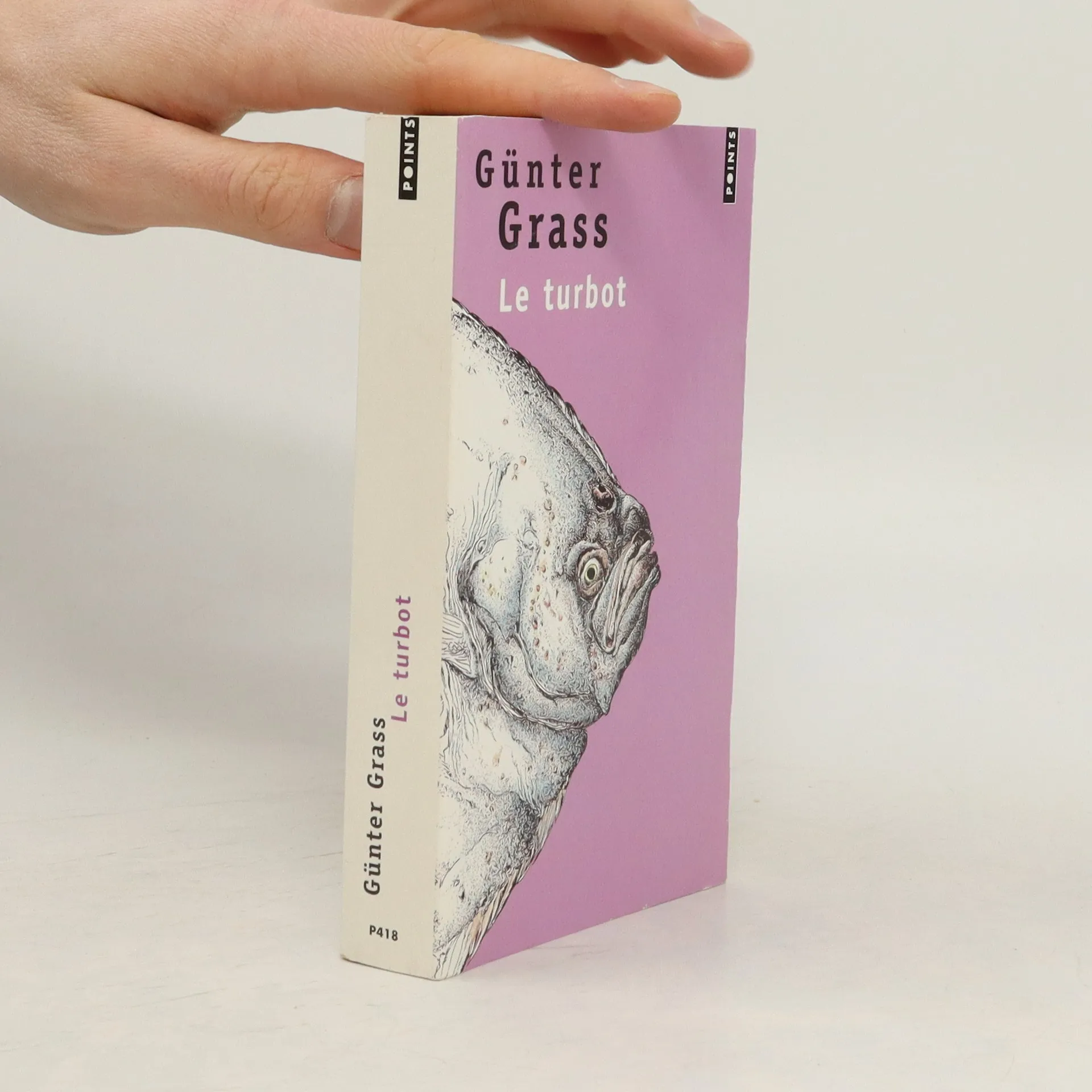
    Le turbot
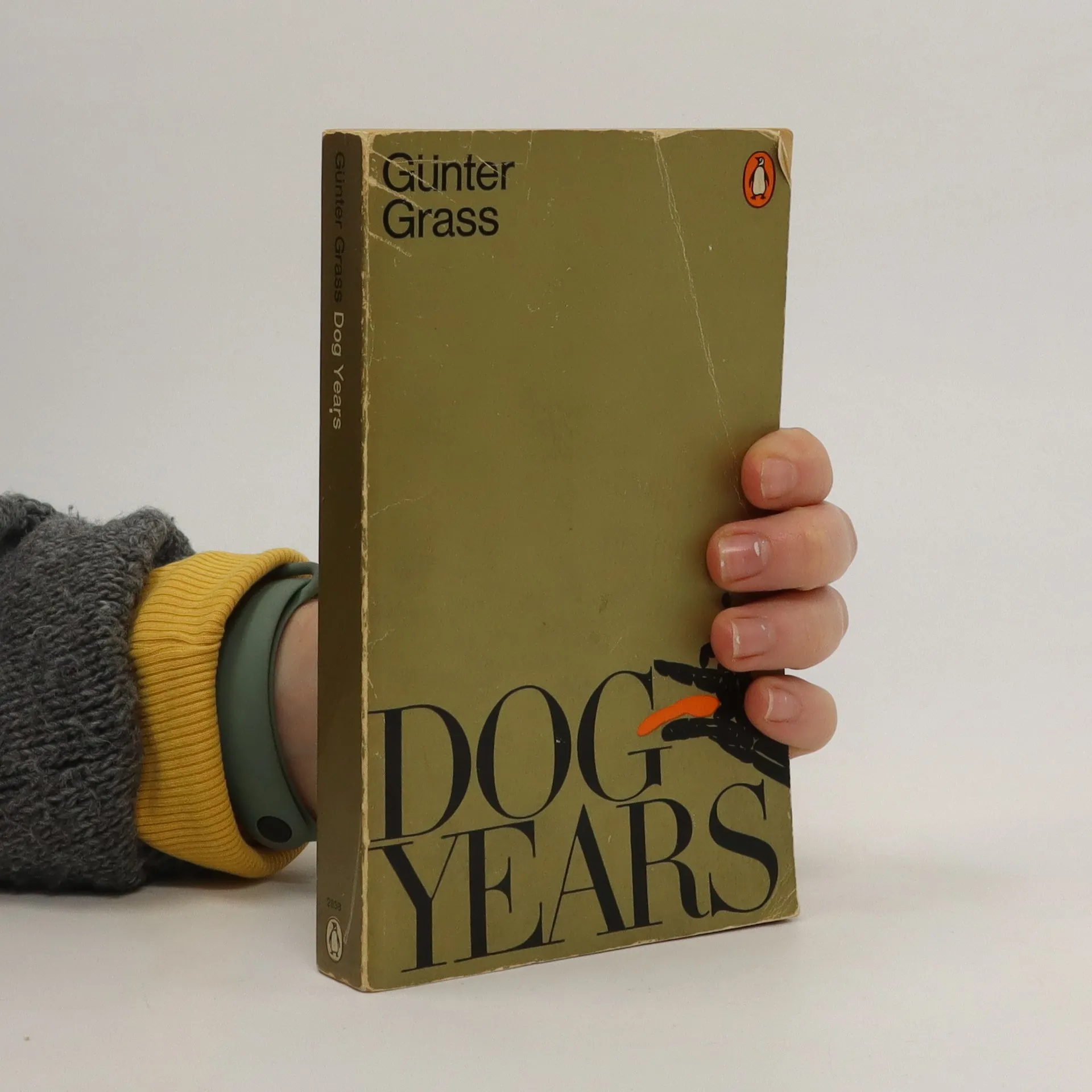
    Dog years
    Gedichte und Kurzprosa
    Xamarin Mobile Application Development
    • Xamarin Mobile Application Development

      Cross-Platform C# and Xamarin.Forms Fundamentals

      • 436pages
      • 16 heures de lecture

      Focusing on Xamarin.Forms, this guide provides a practical approach to developing cross-platform mobile applications for Android, iOS, and Windows Phone using C# and .NET. It covers the essentials of building both business and consumer apps, making it a valuable resource for developers looking to create applications for Google Play and the iTunes App Store. The book serves as a comprehensive reference for leveraging Xamarin's capabilities in mobile app development.
      Xamarin Mobile Application Development
      3,6
    • Günter Grass wurde am 16. Oktober 1927 in Danzig geboren, absolvierte nach der Entlassung aus amerikanischer Kriegsgefangenschaft eine Steinmetzlehre, studierte dann Grafik und Bildhauerei in Düsseldorf und Berlin. 1956 erschien der erste Gedichtband mit Zeichnungen, 1959 der erste Roman "Die Blechtrommel". 1999 wurde ihm der Nobelpreis für Literatur verliehen. Grass lebt in der Nähe von Lübeck.

      Gedichte und Kurzprosa
      4,5
    • In this vast novel, packed with incident, Gunter Grass traces the dark labyrinth of the German mentality as it developed during the rise, fall, and aftermath of the Third Reich.

      Dog years
      4,0
    • Le turbot

      • 623pages
      • 22 heures de lecture

      Inspiré d'un conte populaire allemand, " Le Turbot " est une longue histoire de l'art culinaire, une fable dont le héros, immortel comme le poisson qu'il pêcha un jour dans l'embouchure de la Vistule, raconte ses neuf vies, sa traversée des siècles en compagnie de neuf redoutables femmes. Neuf cuisinières prennent vie afin d'incarner chaque époque, chaque étape de l'histoire culinaire : Ava, la mère originelle, Dorothée, Gret la grosse, Amanda la Prussienne et bien d'autres, jusqu'à Ilsebill qui l'écoute aujourd'hui. Amant, gâte-sauce, évêque ou époux, jamais le héros ne parviendra à échapper à leur emprise...

      Le turbot
      3,9
    • La Ratte

      • 512pages
      • 18 heures de lecture

      Ce roman, dont l'action se situe dans les années 80, traite de la double menace de la prolifération du nucléaire et de la destruction de l'environnement. L'auteur y mêle humour et faconde au fil de plusieurs récits s'interpénétrant. Un personnage est au cœur de cette trame romanesque : une ratte - ou femelle du rat -, apparue en rêve au narrateur, qui raconte comment l'humanité suicidaire, sachant qu'elle court à sa perte mais espérant un miracle in extremis, ne semble rien faire de sérieux pour éviter une catastrophe. Dans les ruines de Dantzig, le narrateur et les rats qui l'entourent survivront-ils au cataclysme ? En bref, quand Günter Grass se pique de nous relater la " fin de l'humain ", il réinvente la fable jusqu'aux dimensions de l'épopée.

      La Ratte
      3,2
    • Zur Klärung ihres Problems äKind ja - Kind neinä angesichts einer Zukunft mit Kernkraft, Strauss, Rentnerberg und weltweiter Überbevölkerung schickt Grass ein Itzehoer Studienratsehepaar auf eine Ostasienreise

      Kopfgeburten, oder, Die Deutschen sterben aus
      3,0
    • The plot of the novel, set primarily in 1967, revolves around high school student Scherbaum, who plans to publicly set his dachshund on fire in front of the Kempinski hotel in Berlin to shock a consumer society he believes has dulled its conscience. His teacher Starusch, the narrator and the author's alter ego, attempts to dissuade Scherbaum, although he fundamentally sympathizes with his views. The grotesque and humorous narrative structure unfolds through Starusch's painful dental therapy, during which he recalls personal failures and memories of war and the economic miracle. These reminiscences reveal critical issues in German society during the Adenauer era, including unpunished war criminals. Among the characters is General Schörner, known for his cruelty in the war's final days. Grass, as one of the first leftist intellectuals, provides an ironic and balanced analysis of the mentalities and ideologies that led to the radical "student movement" of 1968, acknowledging its motivations and goals while distancing himself from the means that often resulted in blind terrorism.

      Local Anesthetic
      3,0
    • Enthält u.a. "Literatur und Politik", "Was Erfurt außerdem bedeutet", "Jungbürgerrede: Über Erwachsene und Verwachsene".

      Essays und Reden II. 1970-1979