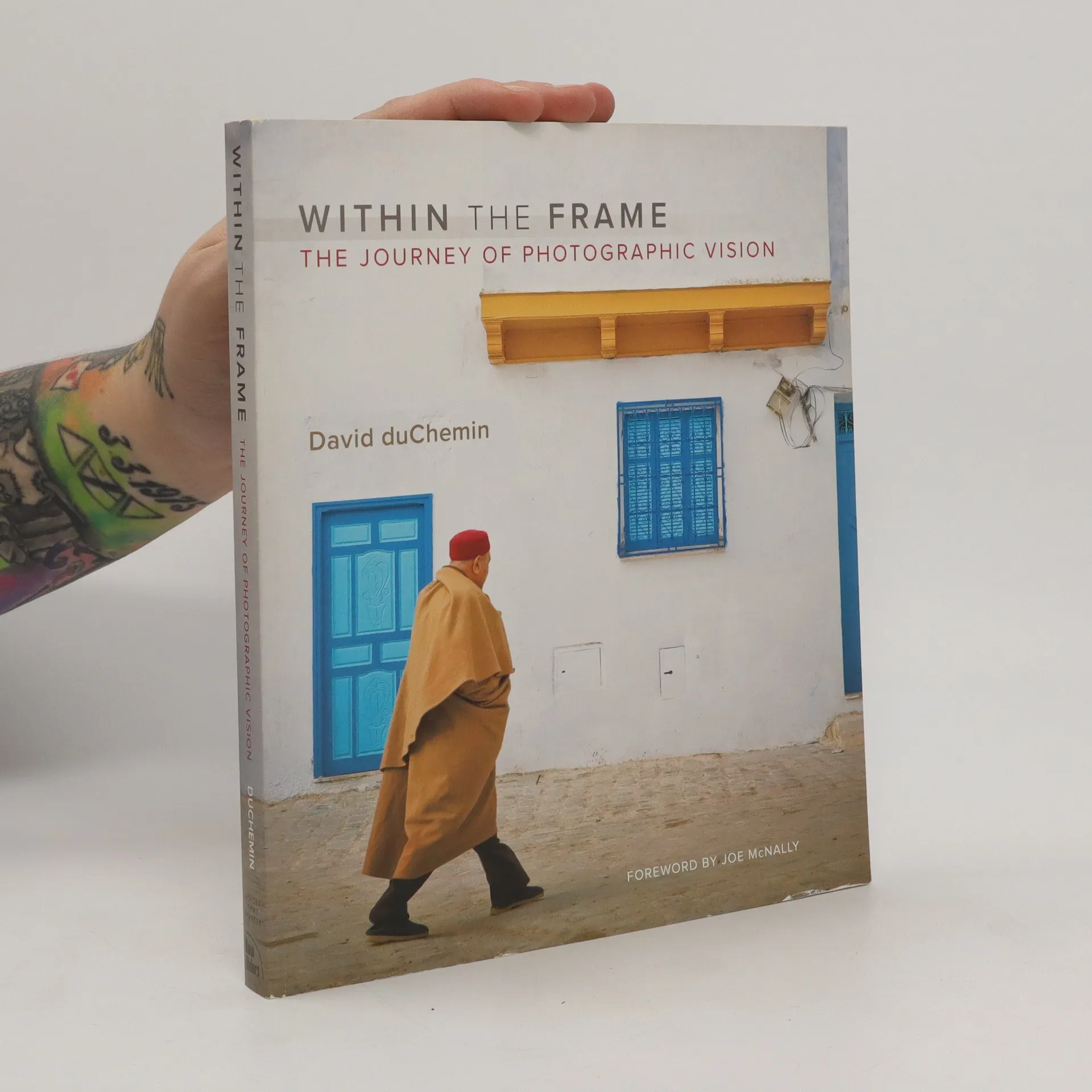
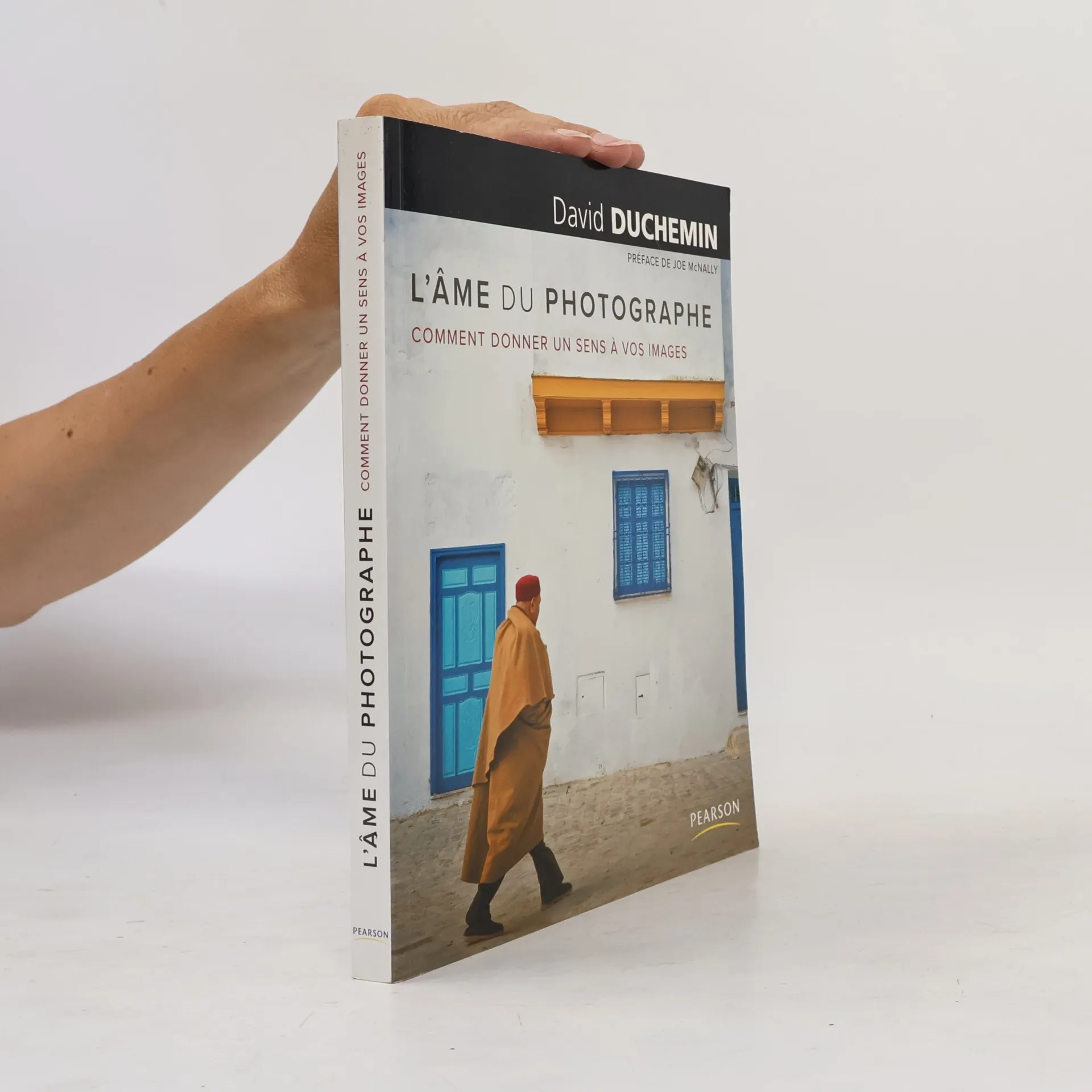
When viewing a photograph, conversations often begin and end with simple statements like, “I like it,” without delving into the crucial follow-up question, “Why?” Photographers frequently struggle to articulate their thoughts about images because they lack an understanding of how to analyze them. If we don’t grasp the “visual language”—how an image is constructed and why it works—can we truly create photographs that communicate our vision effectively? While vision is important, expression is the ultimate goal of photography. To express ourselves fully, we must learn the grammar and vocabulary of visual language. This book focuses on mastering this language to articulate why and how a photograph succeeds, enabling photographers to consciously apply it in their work. By breaking down visual language into two main components—“elements” as vocabulary and “decisions” as grammar—David duChemin makes complex concepts accessible and practical for photographers. Elements include lines, curves, light, color, and contrast, while decisions involve framing, perspective, and focus. Every component within the frame carries meaning, requiring deliberate choices. In the latter half, duChemin illustrates this methodology through 20 of his own images, analyzing how intentional choices contribute to their success.
Joe McNally Livres
Joe McNally est un photographe célébré, réputé pour ses portraits saisissants et sa narration visuelle dynamique. Après avoir perfectionné son art en tant que photographe de presse à New York, il a largement contribué à des publications majeures telles que Time, National Geographic et Sports Illustrated. L'approche distinctive de McNally réside dans sa capacité à capturer l'essence de ses sujets, en utilisant des techniques innovantes et un sens aigu de la composition. Il partage généreusement ses vastes connaissances et sa passion à travers des ateliers, formant des photographes en herbe.

LIFE Magazine photographer Joe McNally showcases 150 striking photographs captured with a unique 12-foot by 12-foot Polaroid camera. This collection highlights the (mostly) anonymous heroes of Ground Zero, presenting their stories in larger-than-life images.
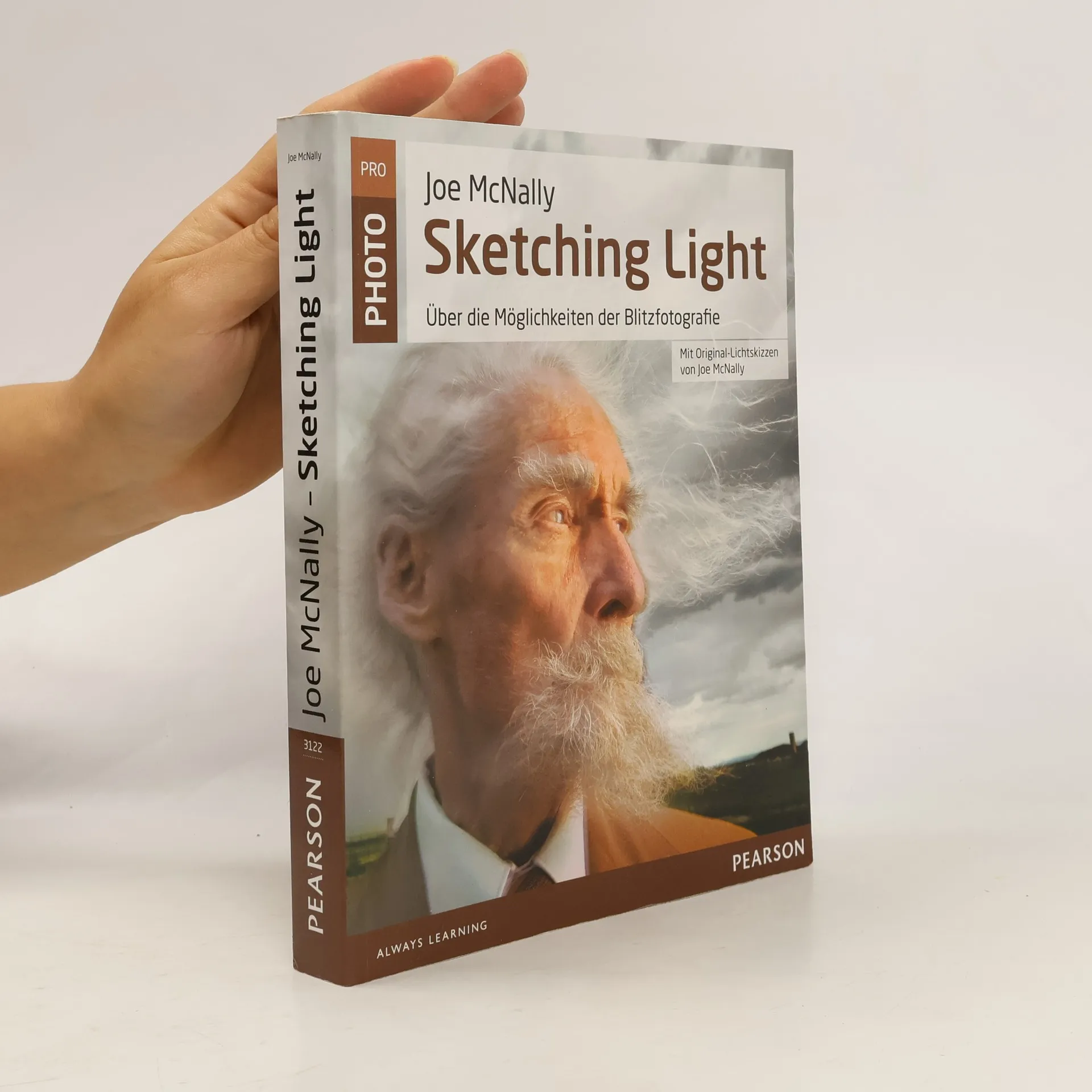
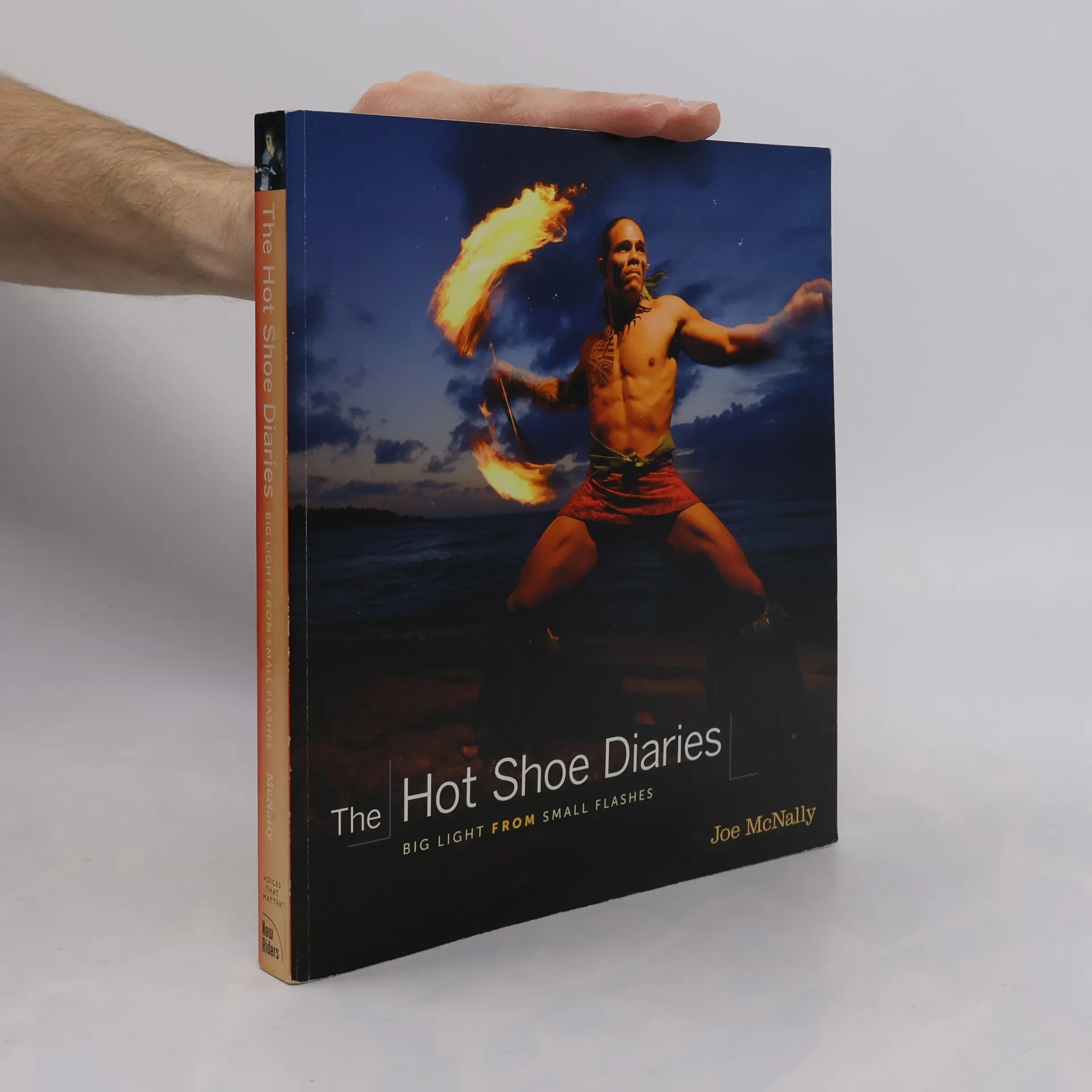
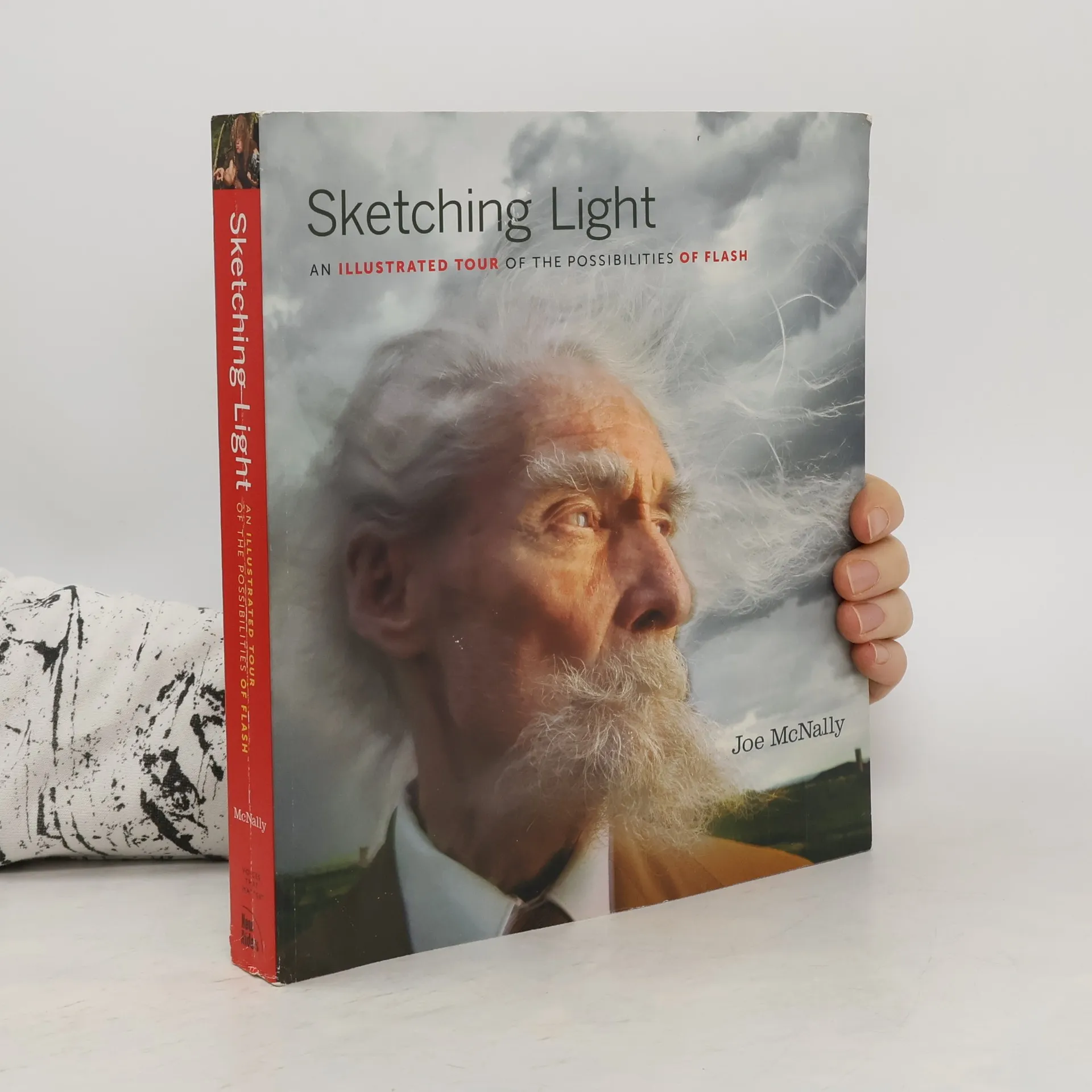
Sketching light : an illustrated tour of the possibilities of flash
- 417pages
- 15 heures de lecture
Examines how to best work with artificial light when taking photos, covering all types of flash technology, techniques, and lighting styles.
The author describes the techniques he uses with small flashes to achieve correct lighting for dynamic photographs.
Within the frame : the journey of photographic vision
- 254pages
- 9 heures de lecture
In this personal book full of real-world wisdom and incredible images, duChemin shows budding photographers both the how and the why of finding, chasing, and expressing their vision with a camera. He covers how to tell stories, and the technology and tools available in order to tell those narratives.
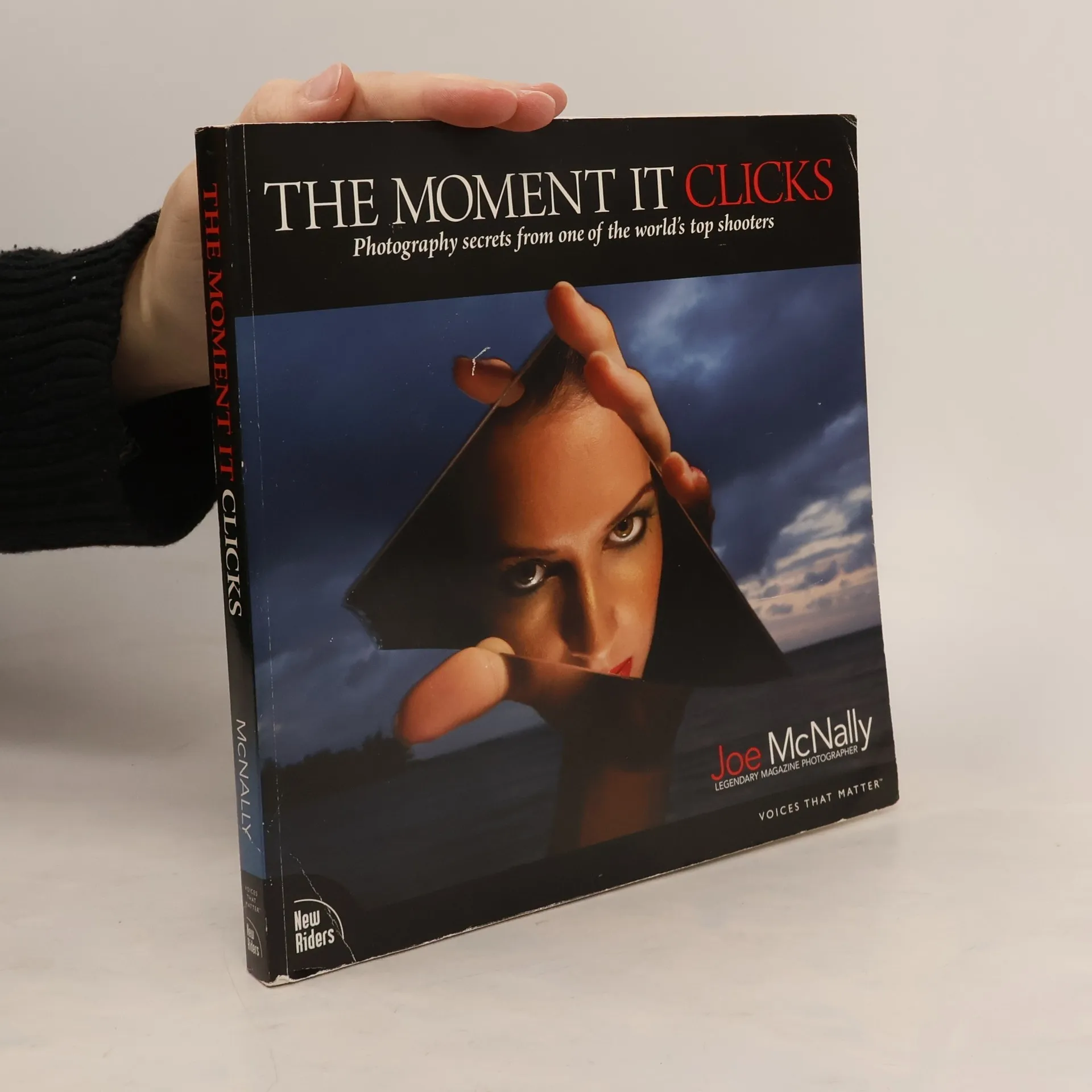
The Moment It Clicks
Photography Secrets from One of the World's Top Shooters
- 256pages
- 9 heures de lecture
Provides information on the techniques and equipment necessary to take great digital photographs.
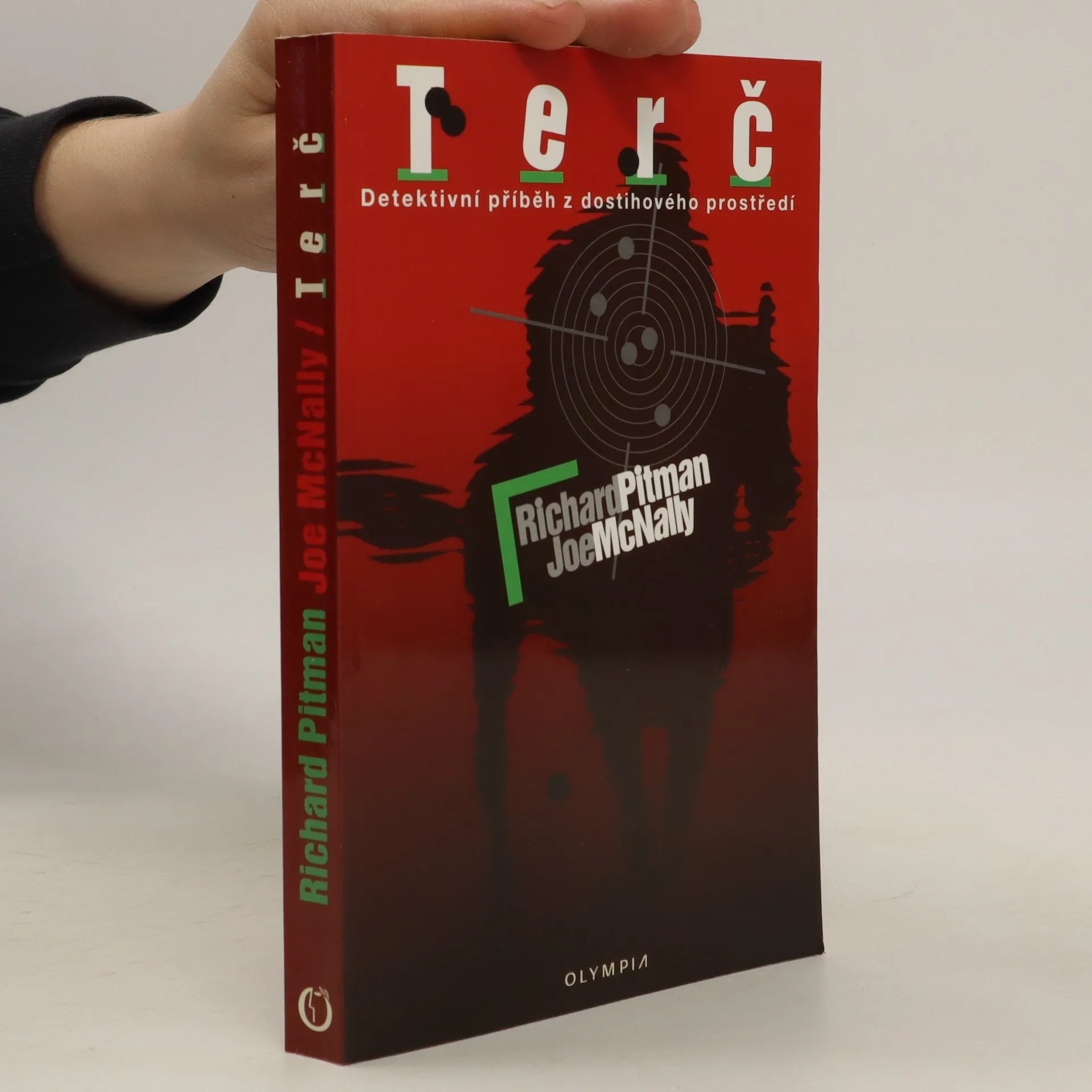
Při pátrání, které má očistit přítelovu památku a pomoci jeho rodině z tíživé finanční situace, přichází hrdina na stopu rozsáhlému pojišťovacímu podvodu, nemá ovšem pro své domněnky žádné důkazy. Dramatická honba za pachatelem dalších rafinovaných zločinů, které se úzce dotýkají i jeho dalších přátel, vede žokeje až na Barbados, kde se střetne se svým protivníkem tváří v tvář a kde najde i odpověď na otázku motivu všech zločinů.
Gordický uzel
- 228pages
- 8 heures de lecture
Další detektivní příběh z dostihového prostředí, tentokrát však bez Eddieho Malloyho, žokeje a amatérského detektiva. Román je psán z perspektivy profesionálních vyšetřovatelů Bezpečnostní služby Jockey Clubu. Možná se v něm zrodil hrdina nové série. Jmenuje se Frankie Houlihan, býval knězem, ale zamiloval se a vyměnil své poslání za nebezpečné povolání. Setkává se v něm s dopováním, únosy koní, nedovolenými pokusy i s vraždami. Barvitost jeho osudu zřejmě zaujme i ty nedostihové příznivce dobrých detektivek.
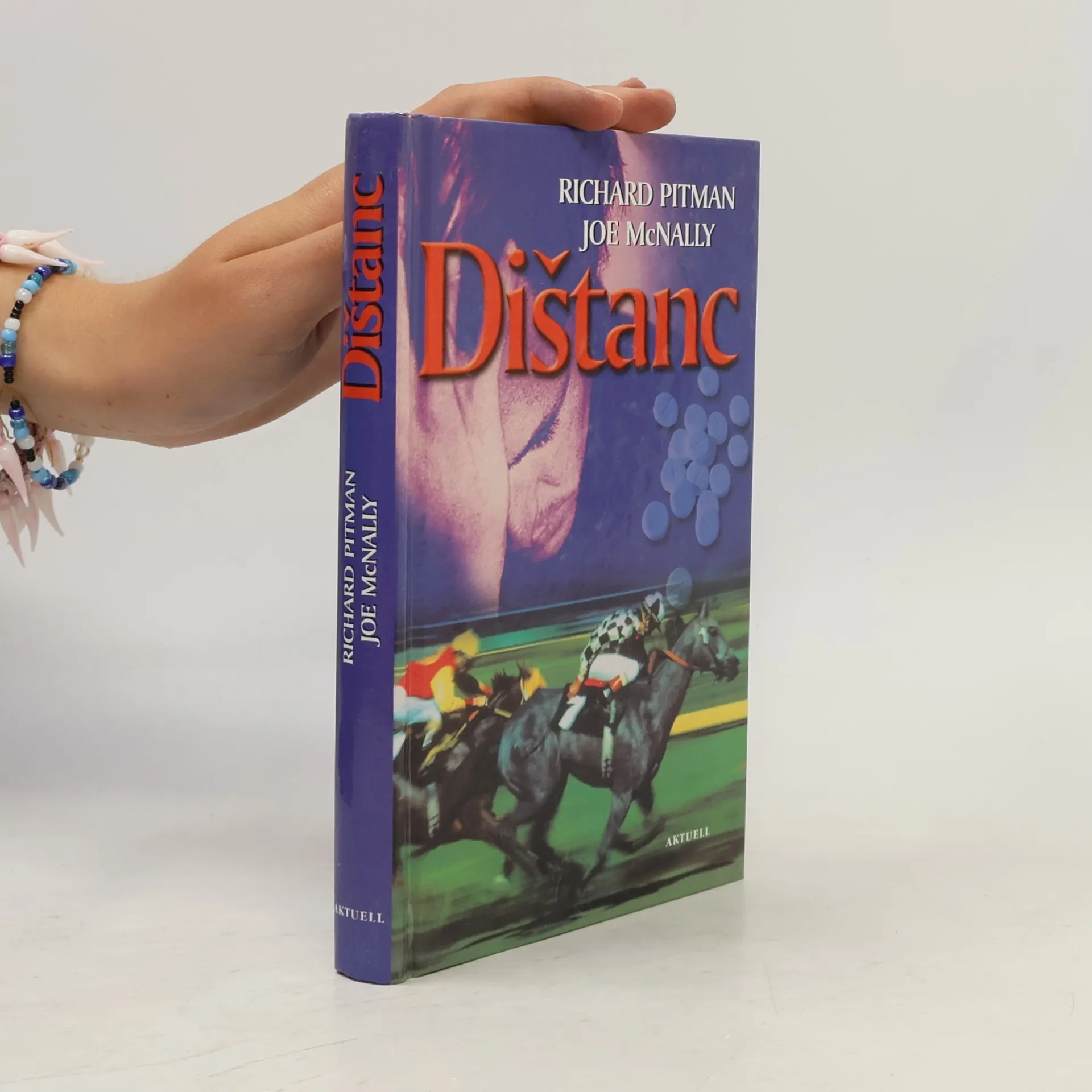
Hrdinou je žokej, který se po pětileté distanci vrací na závodiště, aby vzápětí upadl do rafinovaně skloubené pasti, jež ho bezprostředně ohrožuje. V zájmu své bezpečnosti i své další kariéry se musí proti své vůli, s nedůvěřivou policií v zádech, pustit do pátrání po člověku, který na závodištích rozsévá smrt. Detektivní thriller z dostihového prostředí rozehrává dramatické pátrání po pachateli zdánlivě nelogických vražd žokejů
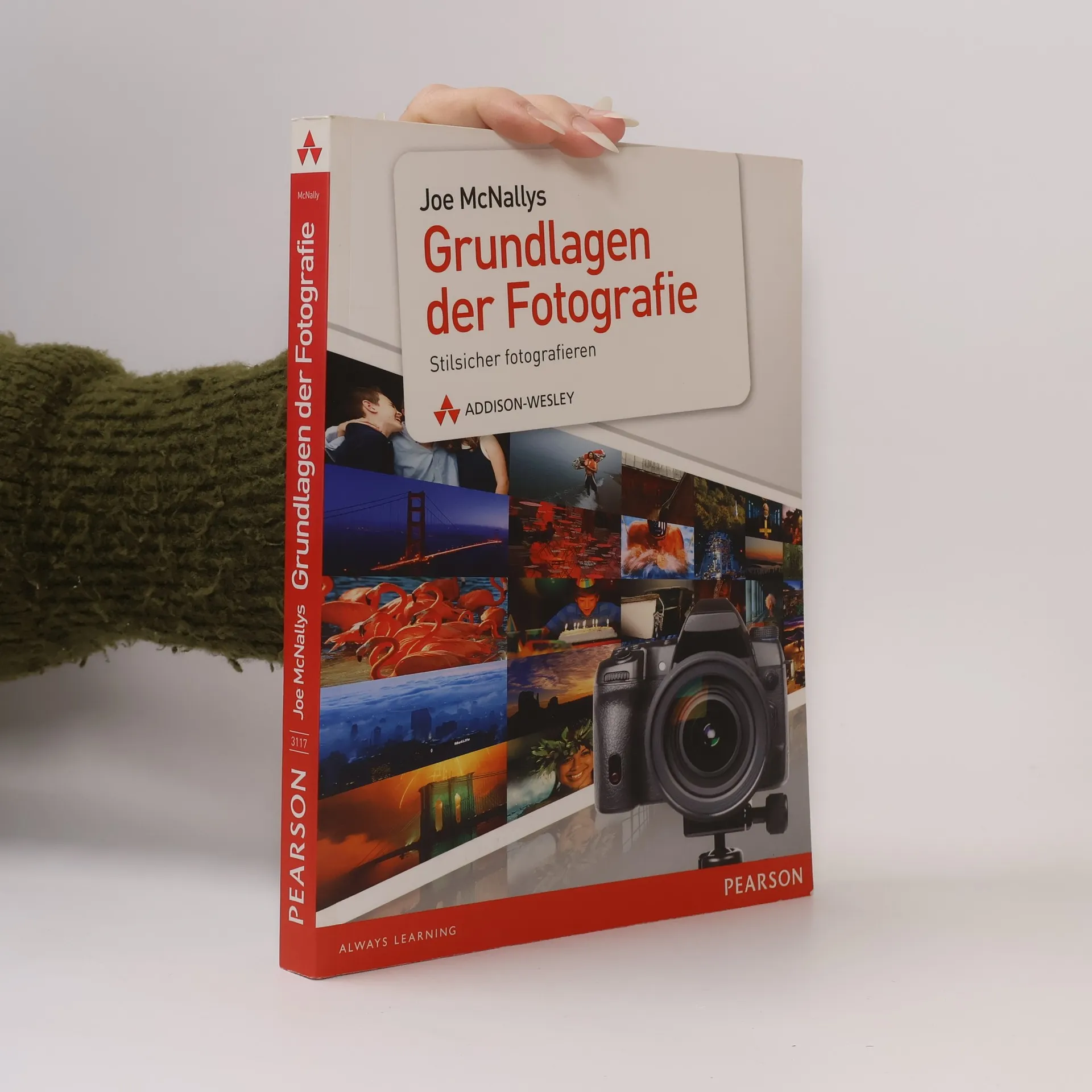
Abermals teilt der international bekannte Fotograf Joe McNally seinen reichen Erfahrungsschatz und zeigt mittels Lichtskizzen und Behind-the-Scene-Fotografien, wie er seine Aufnahmen auslichtet. Dabei spielt es keine Rolle, ob mit viel oder mit wenig Equipment, kleinem oder großem Blitz fotografiert wird. McNally zeigt Möglichkeiten für beide Szenarios. Gewinner des Deutschen Fotobuchpreises 2013
Dištanc
- 237pages
- 9 heures de lecture
Napínavý príbeh džokeja-šampióna, nespravodlivo obvinného z účasti na dopingovej afére.
Hrdinou je žokej, který se po pětileté distanci vrací na závodiště, aby vzápětí upadl do rafinovaně skloubené pasti, jež ho bezprostředně ohrožuje. V zájmu své bezpečnosti i své další kariéry se musí proti své vůli, s nedůvěřivou policií v zádech, pustit do pátrání po člověku,který na závodištích rozsévá smrt. Detektivní thriller z dostihového prostředí rozehrává dramatické pátrání po pachateli zdánlivě nelogických vražd žokejů
Joe McNally vertrat immer die Meinung, dass jeder ein besseres Foto machen kann, eines, das nicht sofort in den Papierkorb wandern muss – mit etwas Vorbereitung und Sorgfalt, mit Enthusiasmus und Mut. Das war früher so und hat sich im digitalen Zeitalter nicht geändert. Ihre fantastische neue Kamera, nagelneu aus dem Karton, kann tatsächlich ziemlich alles. Joe erläutert in seinem Buch, wie Sie sich ihre Funktionen am besten zunutze macht und wann es angebracht ist, die Kamera an die Grenzen zu treiben oder gar auszutricksen – um DIE Aufnahme zu schaffen, die in die Familienchronik eingeht, die man so weit vergrößert, wie es die Technik zulässt, und die für die nächsten Jahre über dem Sofa in der guten Stube hängt. Wie es der erfahrene LIFE-Fotograf und Bildredakteur John Loengard in seiner Einleitung zu diesem Buch ausdrückt: Es gibt solche Kameras und solche, und alle haben gewisse Tricks auf Lager. Und dann ist da die Fotografie. Andere Bücher geben Ihnen vielleicht schrittweise Anleitungen, wie Sie zu einer einigermaßen gut belichteten Aufnahme kommen, aber Joe McNally und die LIFE-Redakteure zeigen Ihnen obendrein auch noch, wie ein gutes Foto entsteht. In seinem detaillierten, freundlichen, unterhaltsamen, mit Anekdoten versetzten und zuweilen ausgelassenen Stil lesen Sie genau das in diesem Buch.
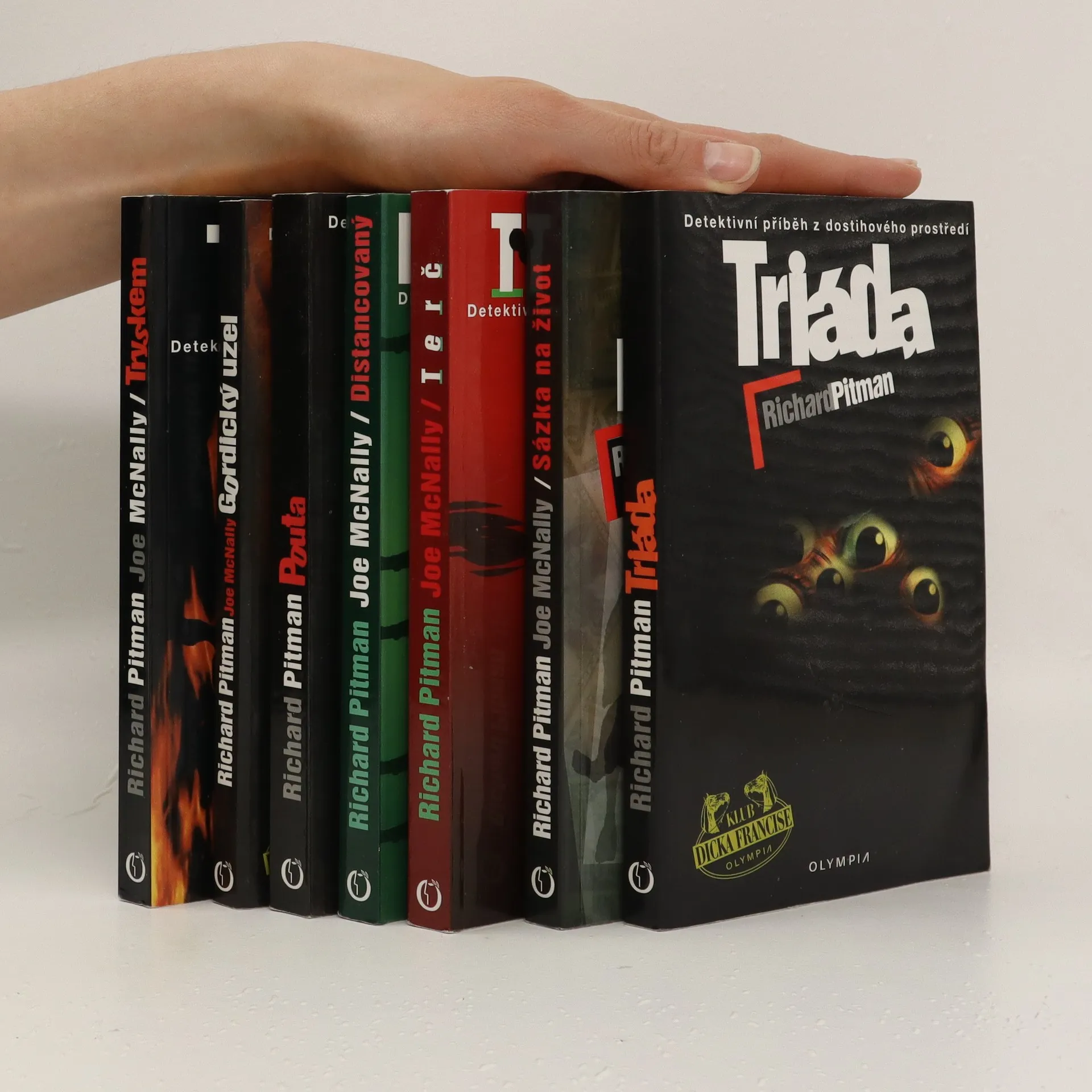
7x Richard Pitman
- 7volumes