

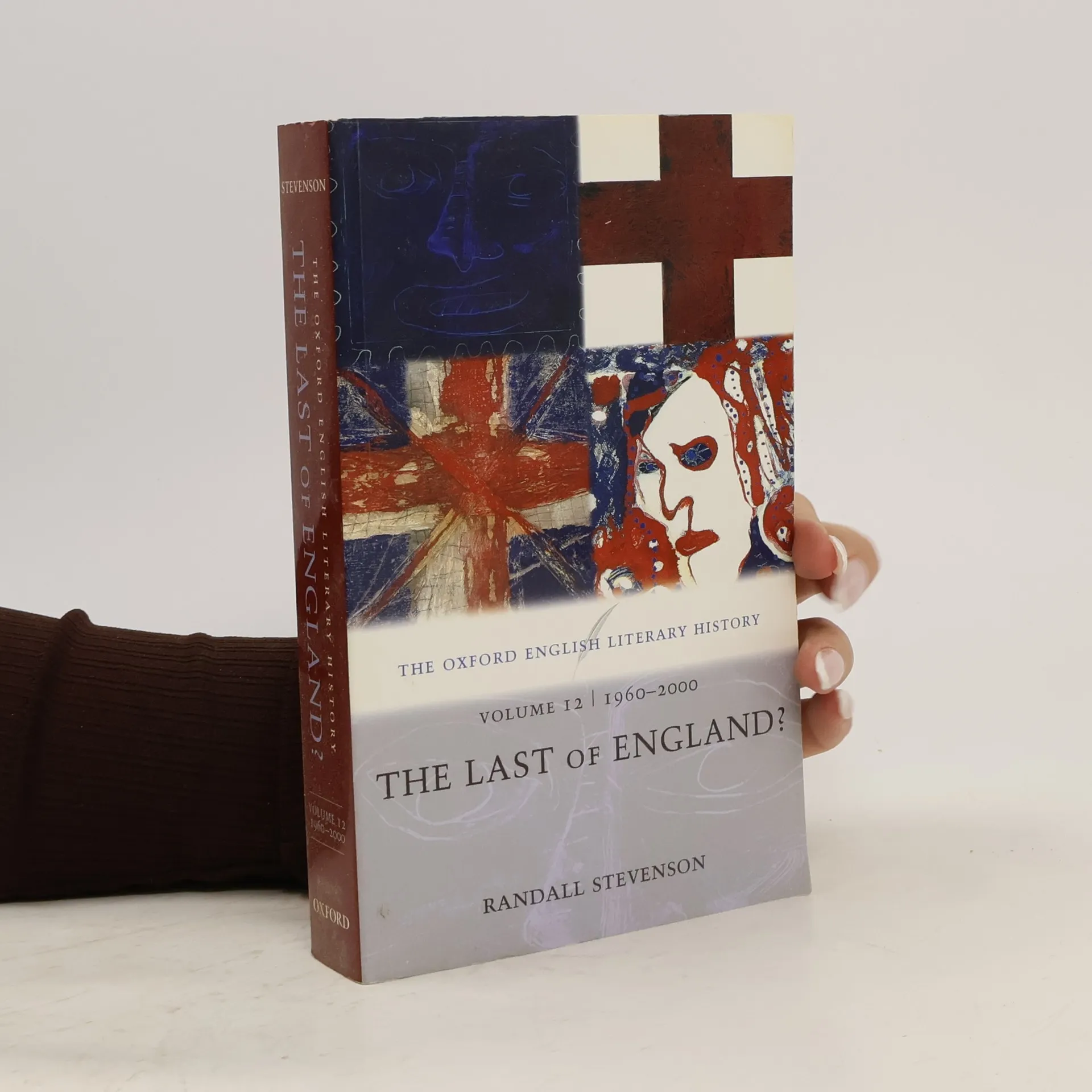
Charting the evolution of literature since 1960, this volume examines the interplay between historical, social, and intellectual forces shaping literary change. It explores themes such as the impact of war, the decline of class influence, gender relations, and the rise of minority cultures, all contributing to the democratization of contemporary life. With clarity and engagement, it offers a comprehensive overview of an era that readers are beginning to understand, establishing a foundation for future discussions on late twentieth-century literature.
Randall Stevenson Livres

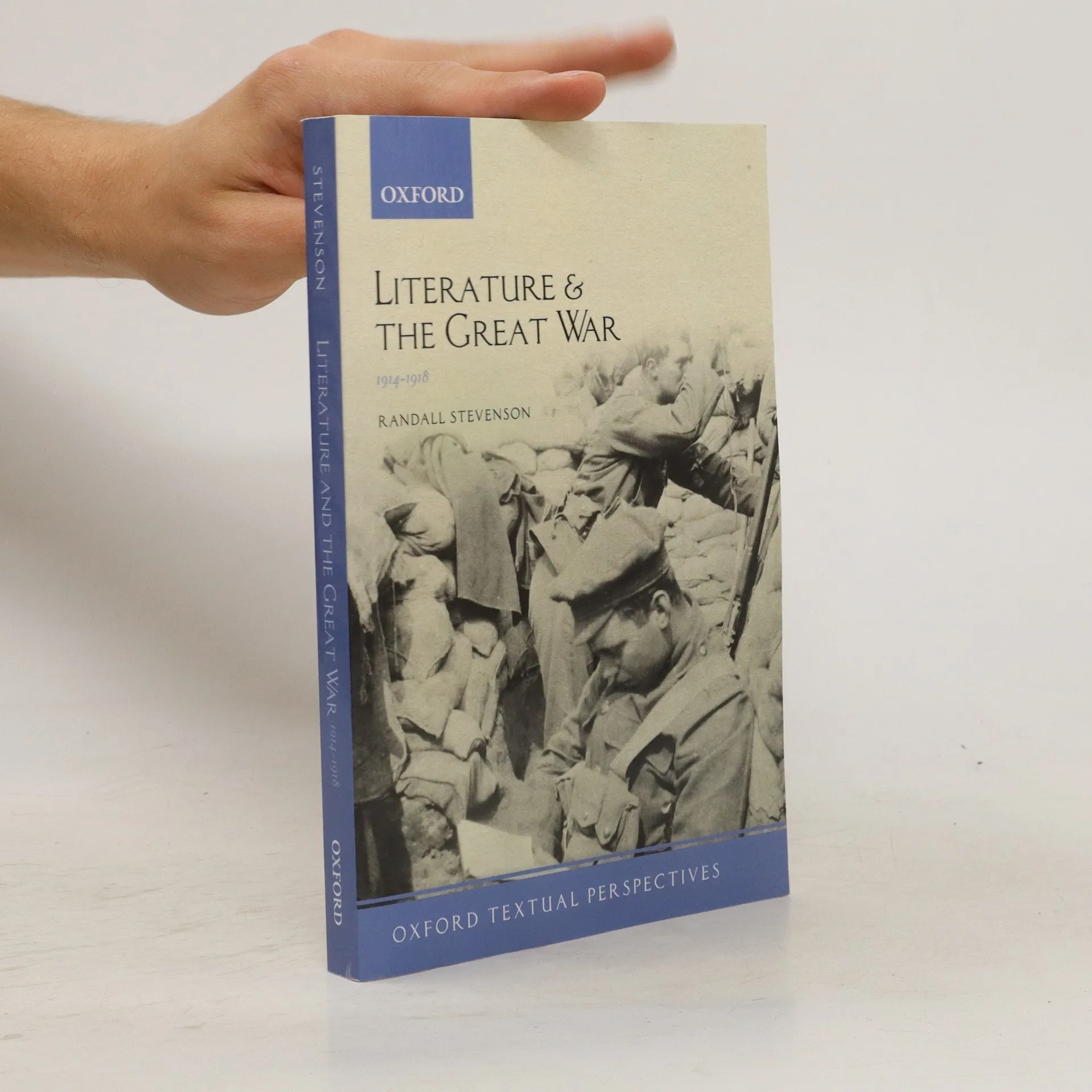
Literature and the Great War offers a fresh, challenging interpretation of the literature of the period, reappraising the settled assumptions through which war writing has come to be read in recent years.
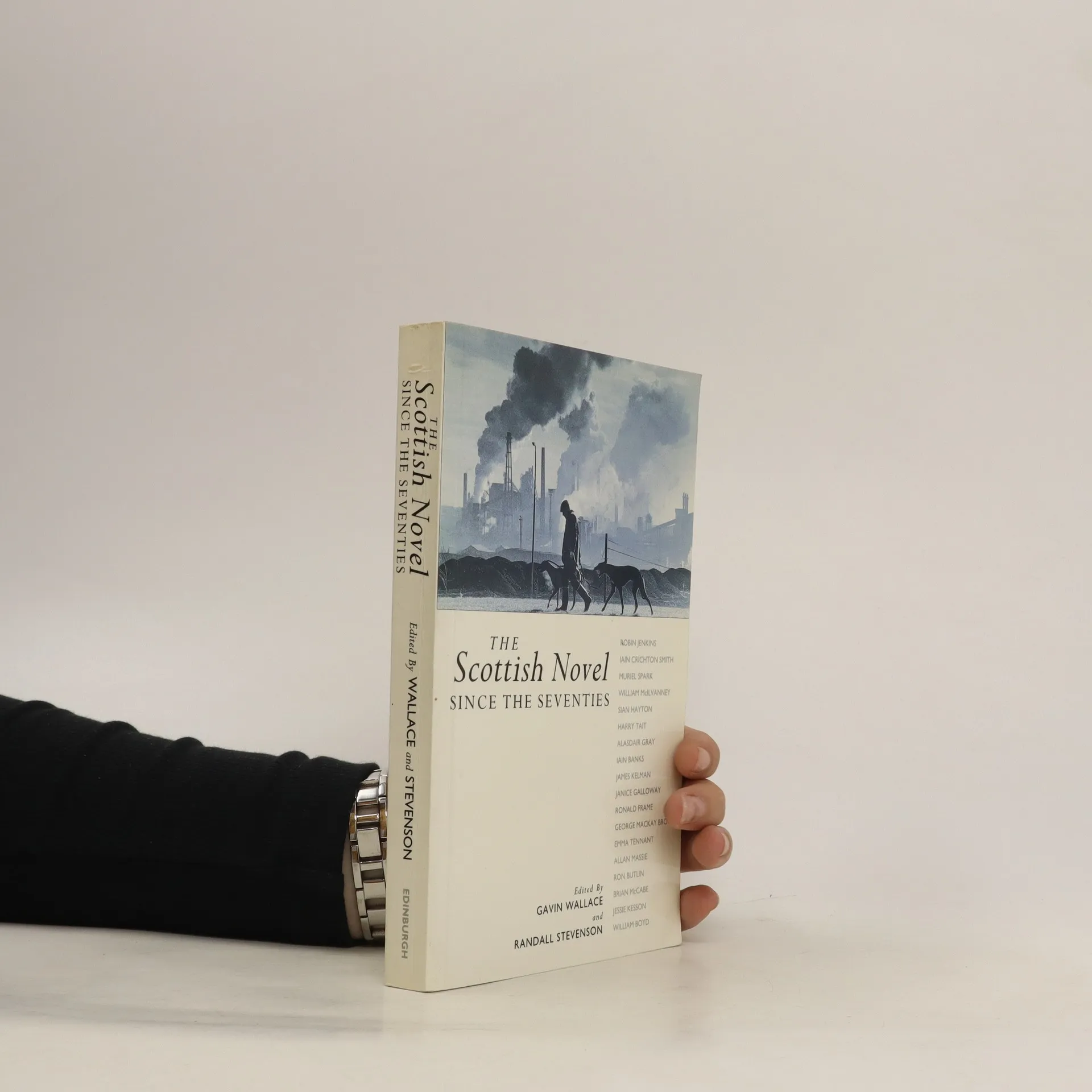
The Scottish Novel Since the Seventies
- 256pages
- 9 heures de lecture
The last two decades have seen a new renaissance in Scottish literary culture in which the Scottish novel has attained new heights of maturity, confidence and challenge. The Scottish Novel since the Seventies is the first major critical reassessment of the developments in this period.Ranging from the work of longer-established authors such as Robin Jenkins, Muriel Spark and William McIlvanney to the more recent experiments of Alasdair Gray, James Kelman and Janice Galloway, it provides a new critical focus on the intriguing relationship between continuity and innovation which characterises the novel's response to the complex changes in Scottish culture and society during the past twenty years. The contributors assess the work of an extensive number of writers in the context of a correspondingly wide range of issues: gender, postmodernism, political identity, archaism and myth, and the theme of disintegration. There are also chapters on the continuing growth of the 'Glasgow novel' and film adaptations.
Le paradoxe amoureux
- 275pages
- 10 heures de lecture
Inventer l’amour, émanciper des tutelles religieuses et politiques, instaurer le mariage d’inclination et mettre fin au servage des femmes ont été les grands projets des réformateurs depuis le 18ème siècle. Après près de trois siècles, chacun peut désormais aimer librement. Cependant, cette conquête soulève une question : comment concilier l’amour, qui unit, avec la liberté, qui sépare ? Cette contradiction rend les romances contemporaines à la fois passionnées et fragiles. Bien que la passion et la fidélité soient valorisées, l'idéal amoureux se heurte à la réalité de deux individus qui refusent de sacrifier leur bonheur personnel, préférant parfois mettre fin à leur union plutôt que de vivre dans la routine. Deux idéologies émergent pour tenter de résoudre ce dilemme : l'une, progressiste, souhaite abolir la fidélité et le couple, tandis que l'autre, conservatrice, prône le retour à un mariage traditionnel et à une monogamie indissoluble. Pourtant, l'amour, obstiné, résiste aux tentatives de le corriger. Cet essai explore les transformations du mariage et de l’érotisme, révélant la persistance du sentiment face aux contraintes. Bien qu'il y ait eu des avancées dans la condition des hommes et des femmes, l'amour demeure un domaine complexe, sans véritable progrès, une réalité du troisième millénaire.