Iskusstva moderna
- 425pages
- 15 heures de lecture



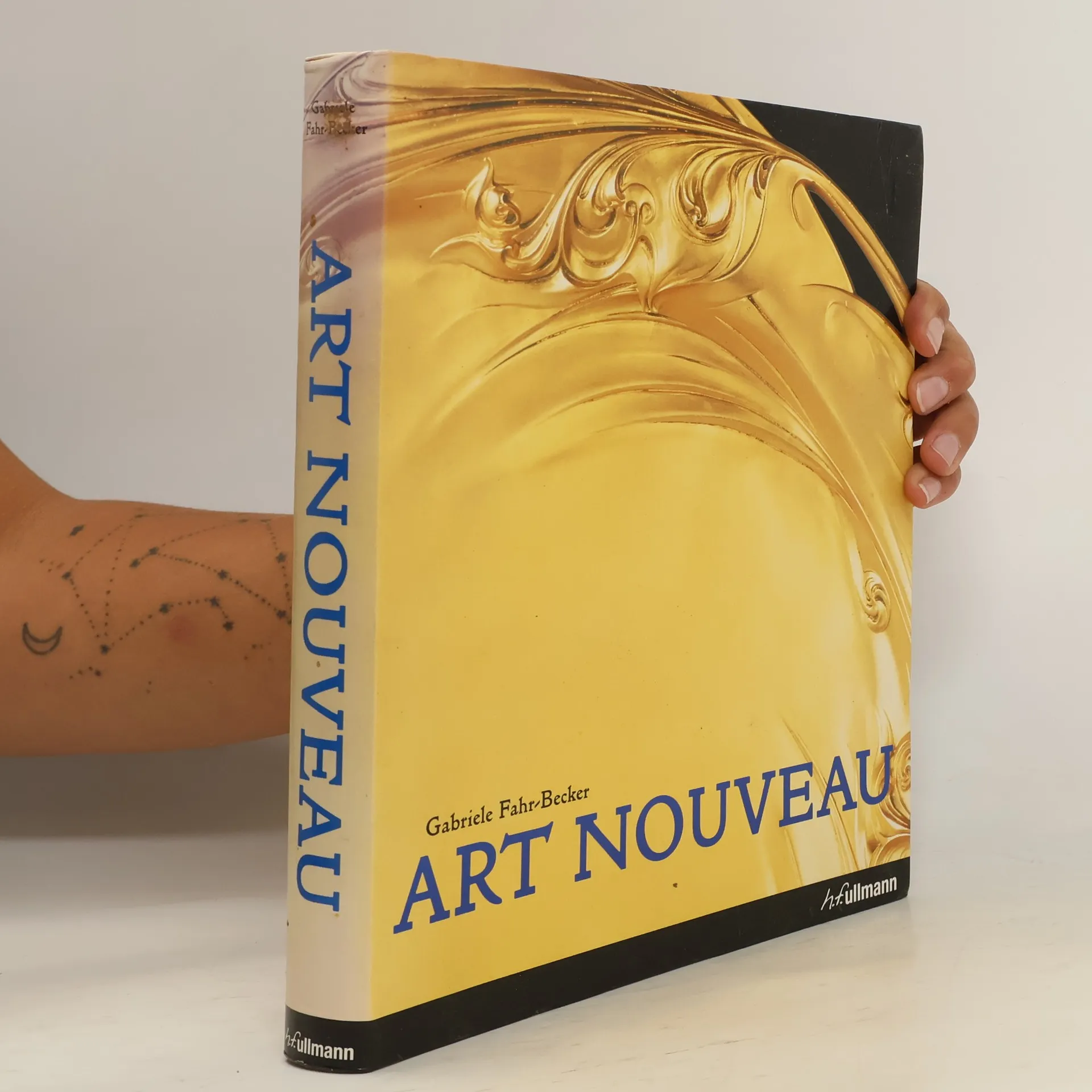
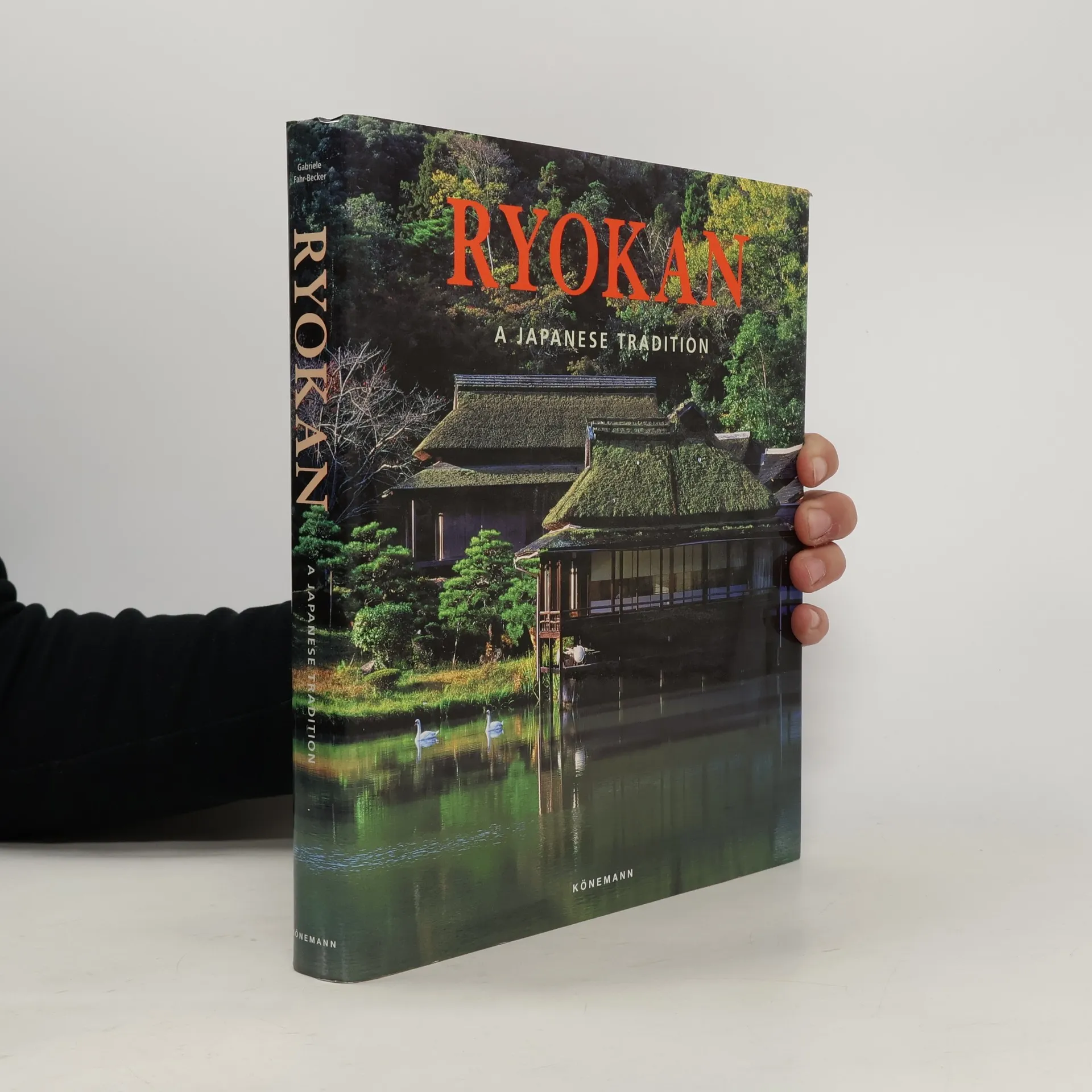
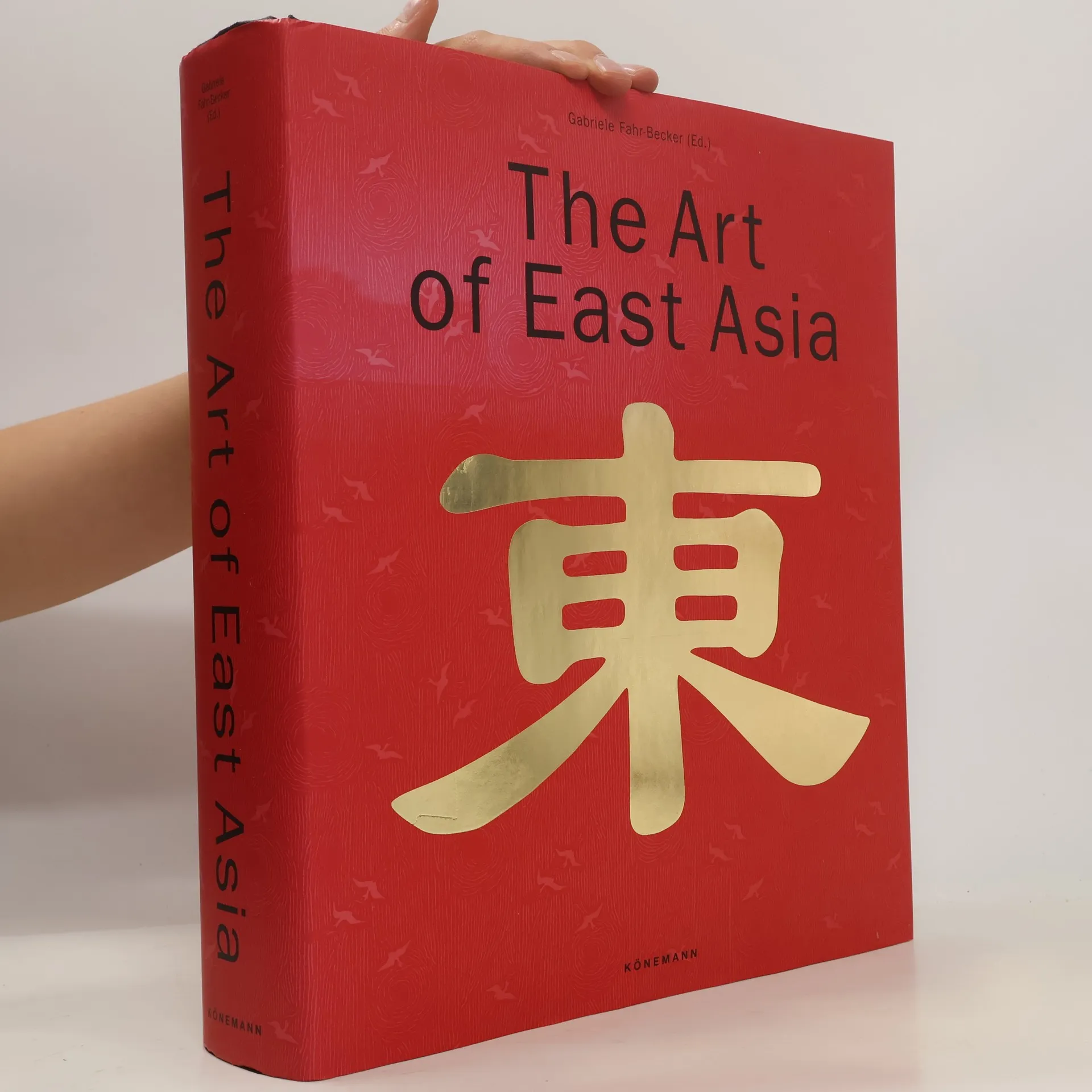
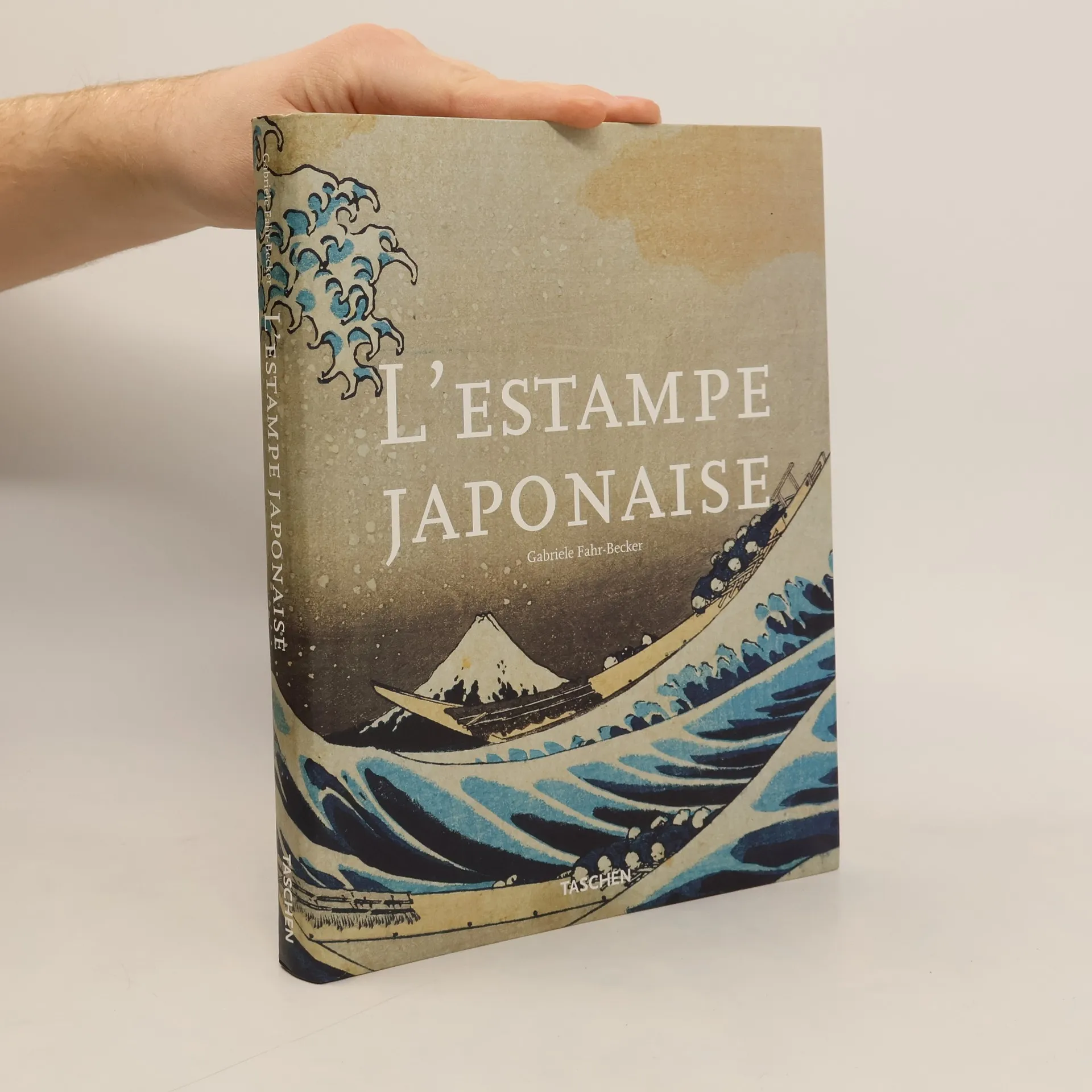
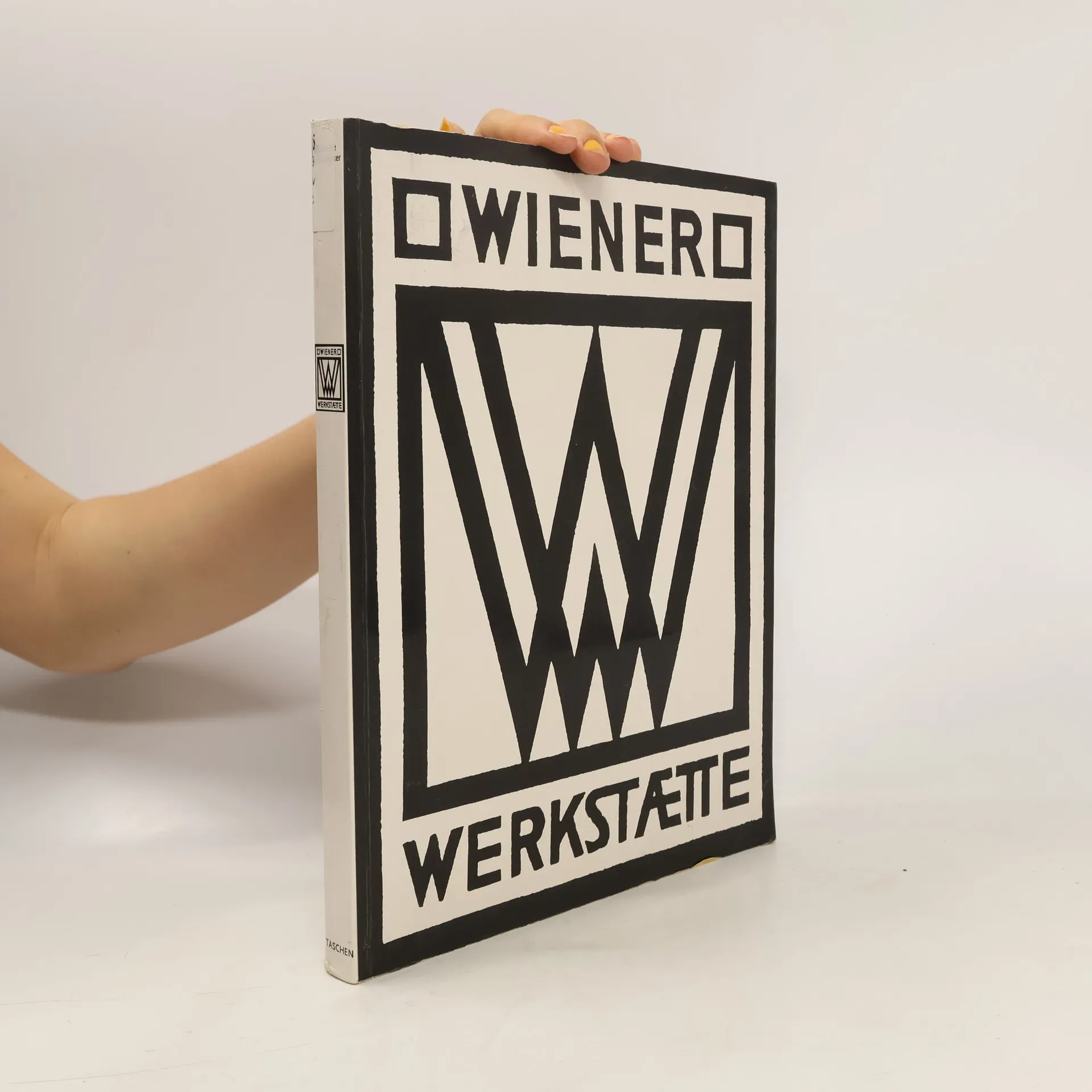
Book has a slightly shaken spine, faint rubbing and smudging to covers, light bumps to edges and tips of corners, soft creasing to the top/bottom of spine...otherwise book is in very good condition. Pages are clean, crisp and bright with glossy images and sturdy binding. Dust jacket has light rubbing to covers, surface-level impressions, light creasing to the top/bottom of spine, soft wear to corners and edges....otherwise dust jacket is in very good condition. Shape is crisp, coloring is bright; now protected in an archival cover to prevent further wear. A handsome copy.
This is an introduction to the representational culture of Japan, China, Korea and Southeast Asia. From architecture - sacred and secular, to painting, crafts and dance these volumes piece together a colourful mosaic of human expression.
Les "images du monde flottant", connues sous le nom d'Ukiyo-e, étaient principalement des gravures sur bois produites au XVIIe siècle au Japon, à Edo, l'actuel Tokyo. Pour les rendre accessibles à un large public, une grande variété de motifs et de styles était proposée : vues de lieux célèbres, illustrations historiques, paysages, fleurs, animaux, ainsi que des représentations de maisons de plaisir et de théâtres. Pour répondre à la question du moment et des conditions de création de ces gravures sur bois japonaises spécifiques du "monde flottant", l'accent est d'abord mis sur les paysages, qui ont vu le jour au début du Moyen Âge japonais, durant la 'période des provinces en guerre'.
With this volume, Gabriele Fahr-Becker delivers a complex portrait of the Art Nouveau phenomenon in all of its fantastic variety. It features different national variations of Art Nouveau in Scotland, England, France, Germany, Austria, the United States and other countries. It offers a comprehensive portrayal of famous individual artists including Louis Comfort Tiffany, Edward Munch, and Rene Lalique. It contains biographies of the most significant artists, and an extensive glossary. The unity of art and life was the expressed goal of the Art Nouveau movement, the prelude to modernity. On the basis of shared ideas its adherents strove for a homogenous style, which nonetheless took on manifold variations in its expression. Dr. Gabriele Fahr-Becker pursues this will to style in architecture, interior decor, furniture design, silver and goldsmithery, ceramics and glasswork, graphic arts and painting. The author leads her readers through the diverse national variations of Art Nouveau in Europe and the United States. Artists and their contemporaries explain the significance of the literary and philosophical as well as cultural and political background by means of many theories and writings. The countless permutations of Art Nouveau are woven into a complex and yet distinctive picture of this artistic movement at the turn of the twentieth century.