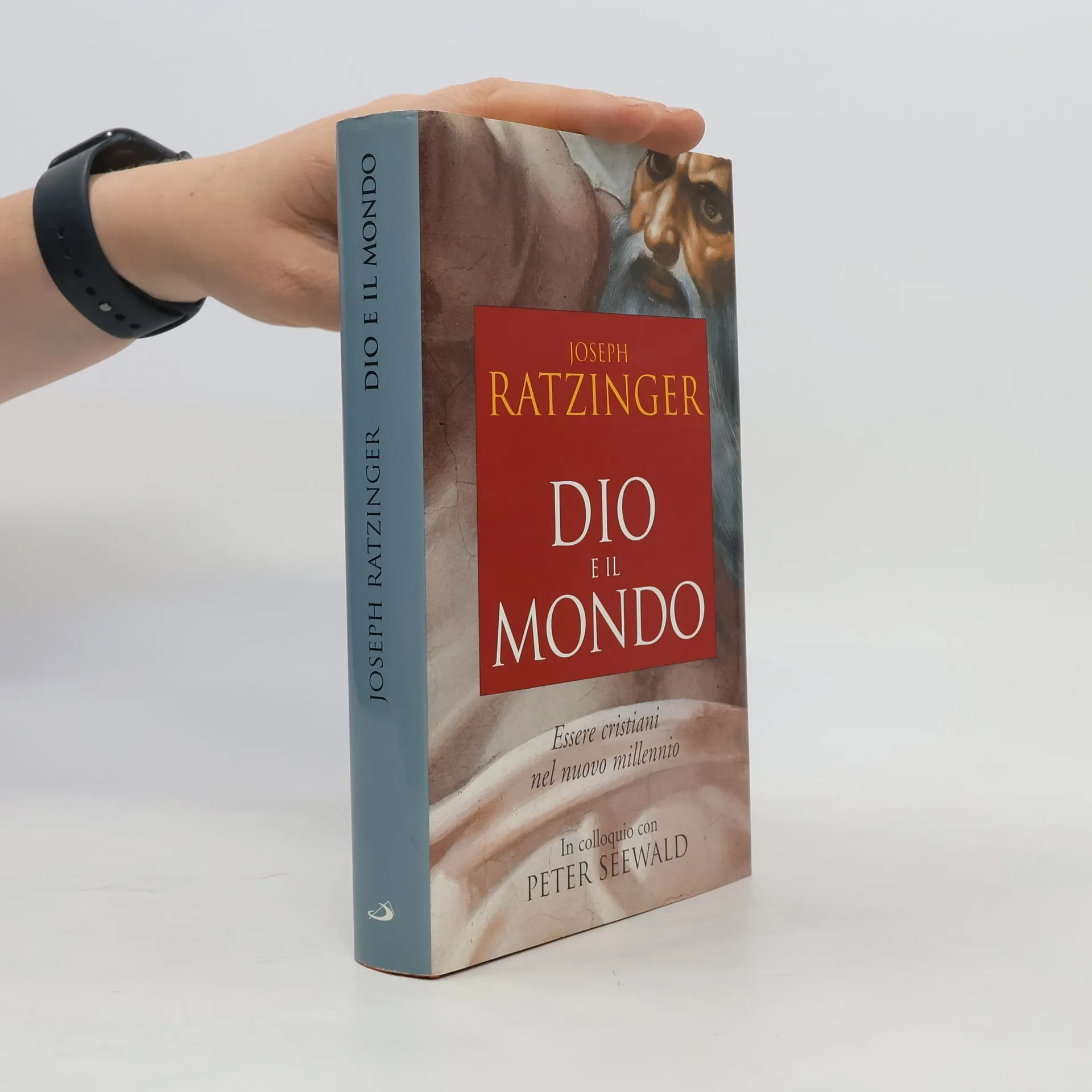
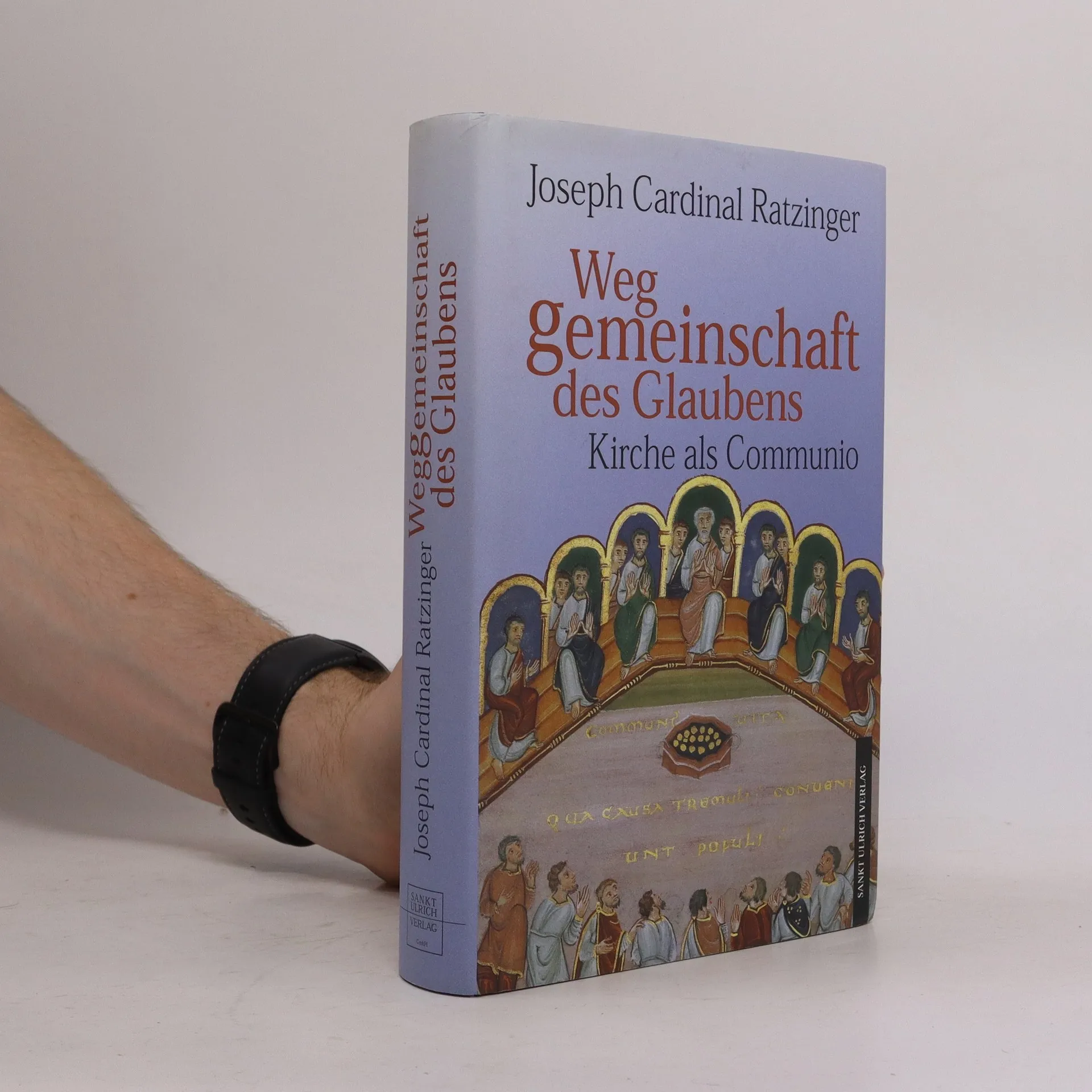
"Telle est la grande question qui nous accompagnera tout au long de ce livre : qu'est-ce que Jésus a vraiment apporté, s'il n'a pas apporté la paix dans le monde, le bien-être pour tous, un monde meilleur ? Qu'a-t-il apporté ? La réponse est très simple : Dieu. Il a apporté Dieu. Il a apporté le Dieu dont la face s'est lentement et progressivement dévoilée depuis Abraham jusqu'à la littérature sapientielle, en passant par Moïse et les prophètes - le Dieu qui n'avait montré son vrai visage qu'en Israël, et qui avait été honoré dans le monde des gentils sous des avatars obscurs - c'est ce Dieu, le Dieu d'Abraham, d'Isaac et de Jacob, le Dieu véritable qu'il a apporté aux peuples de la terre. Il a apporté Dieu : dès lors, nous connaissons sa face, dès lors nous pouvons l'invoquer. Dès lors, nous connaissons le chemin que, comme hommes, nous devons prendre dans ce monde. Jésus a apporté Dieu et avec lui la vérité sur notre origine et notre destinée : la foi, l'espérance et l'amour."
Joseph Ratzinger Livres
- Benedikt XVI.


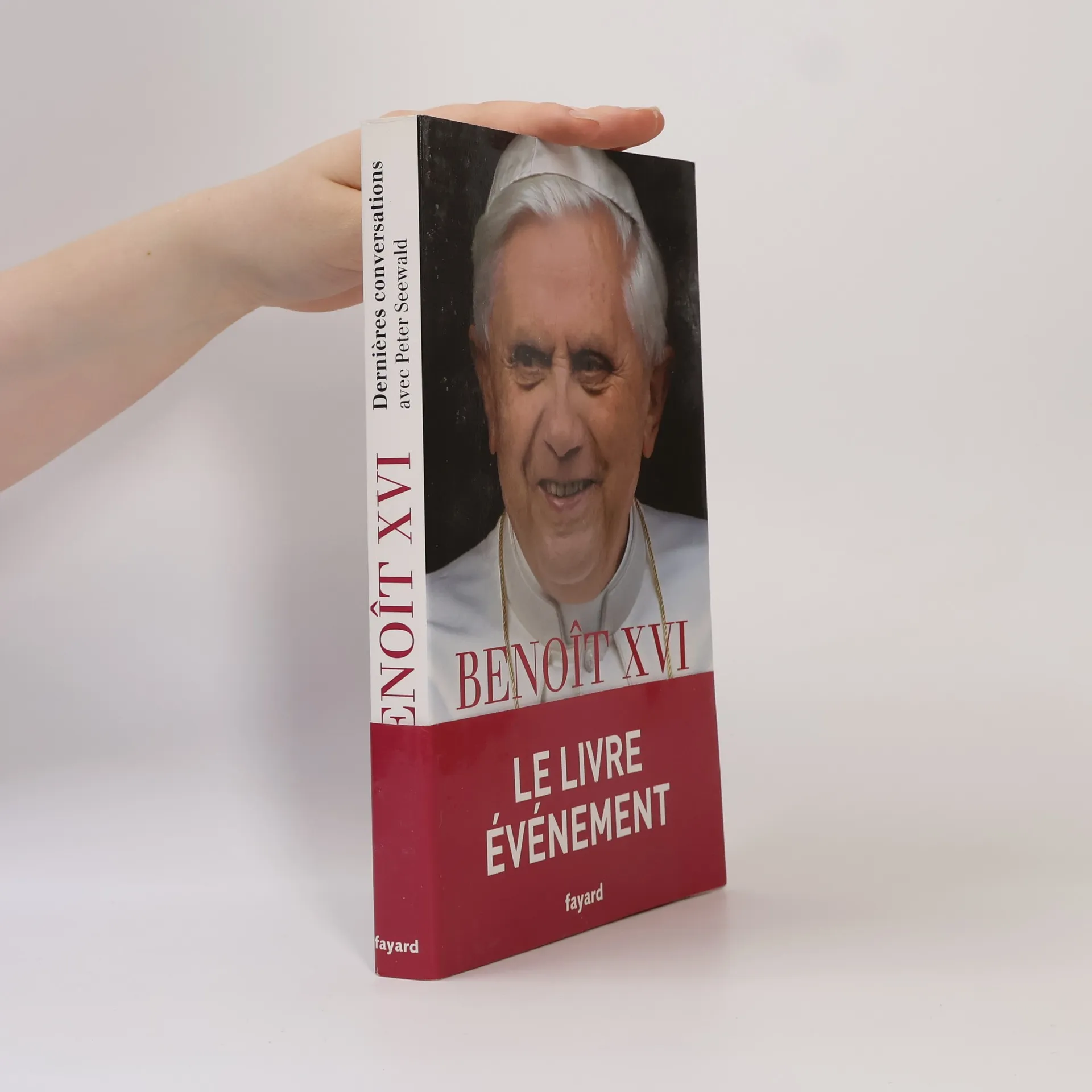
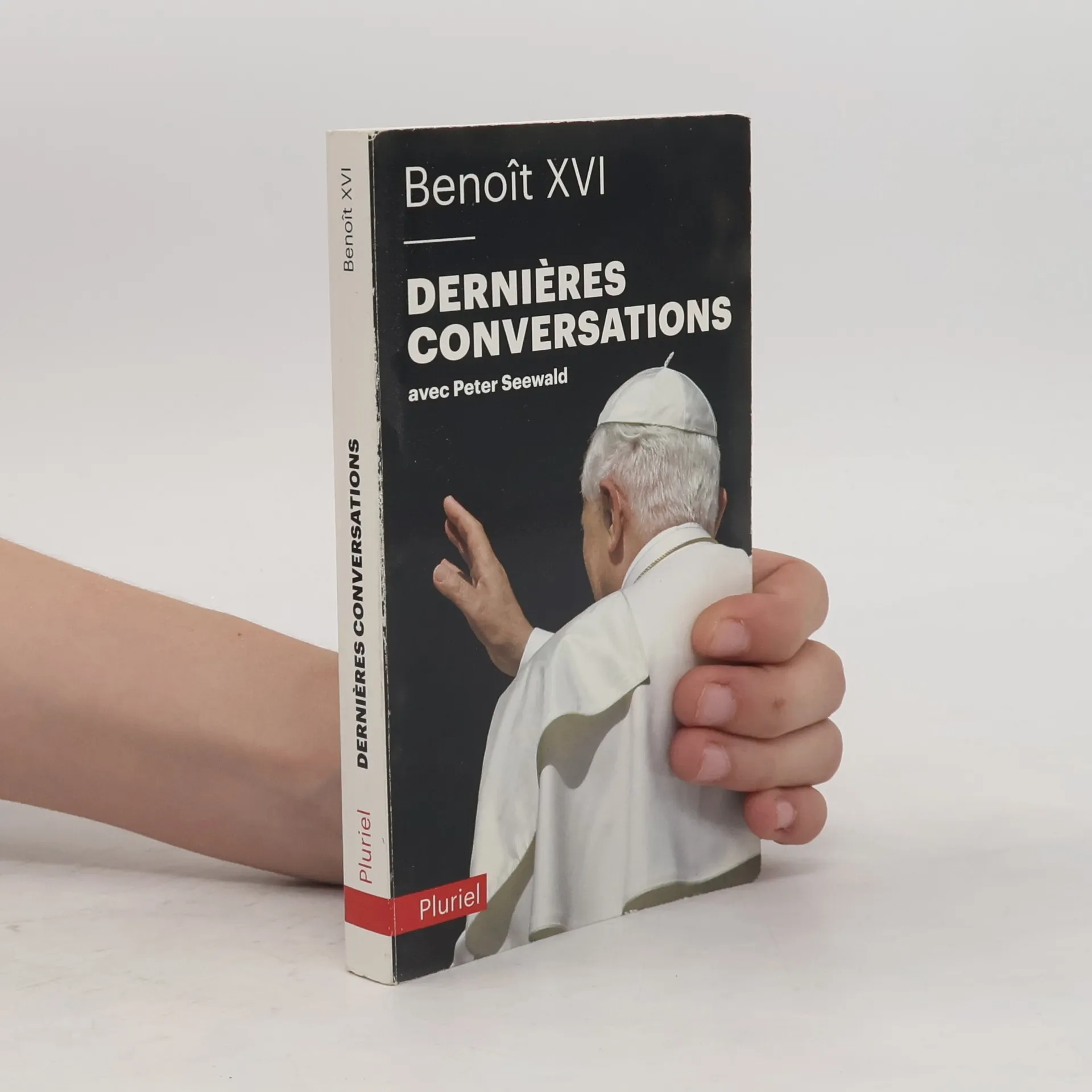
C est un événement : Benoît XVI rompt le silence. Pour la première fois en 2000 ans d histoire de la chrétienté, un pape dresse le bilan de son action au Saint-Siège.Peter Seewald, journaliste spécialiste de ces questions, à qui Benoît XVI s était confié dans Le Sel de la terre et Lumière du monde, a mené de nombreux entretiens avec le pape émérite entre novembre 2012 et mai 2016. Dans ces conversations inédites, Benoît XVI évoque en toute franchise les raisons de sa renonciation, les moments forts de son pontifi cat, la personnalité de son successeur, le pape François, et n omet aucun sujet polémique, y compris le scandale de Vatileaks et la difficulté à réformer la Curie.Jamais auparavant il n avait abordé de manière si personnelle la question de sa foi, les défis actuels du christianisme et le futur de l Église. Son parcours sert de toile de fond à ces Dernières conversations, dans lesquelles le pape allemand, un des principaux théologiens de notre temps, livre son message aux fidèles et au monde.
Lumière du monde
Le pape, l'Église et les signes des temps - Un entretien avec Peter Seewald
- 300pages
- 11 heures de lecture
Quinze ans apres un premier entretien en 1995, Joseph Ratzinger, elu pape en 2005, repond personnellement aux questions importantes du debut de son pontificat. Il aborde la crise integriste, le scandale des pretres pedophiles, l'ordination des femmes, le celibat des pretres, les divisions des eglises chretiennes, etc.
L'Interprétation de la Bible dans l'Église
- 160pages
- 6 heures de lecture
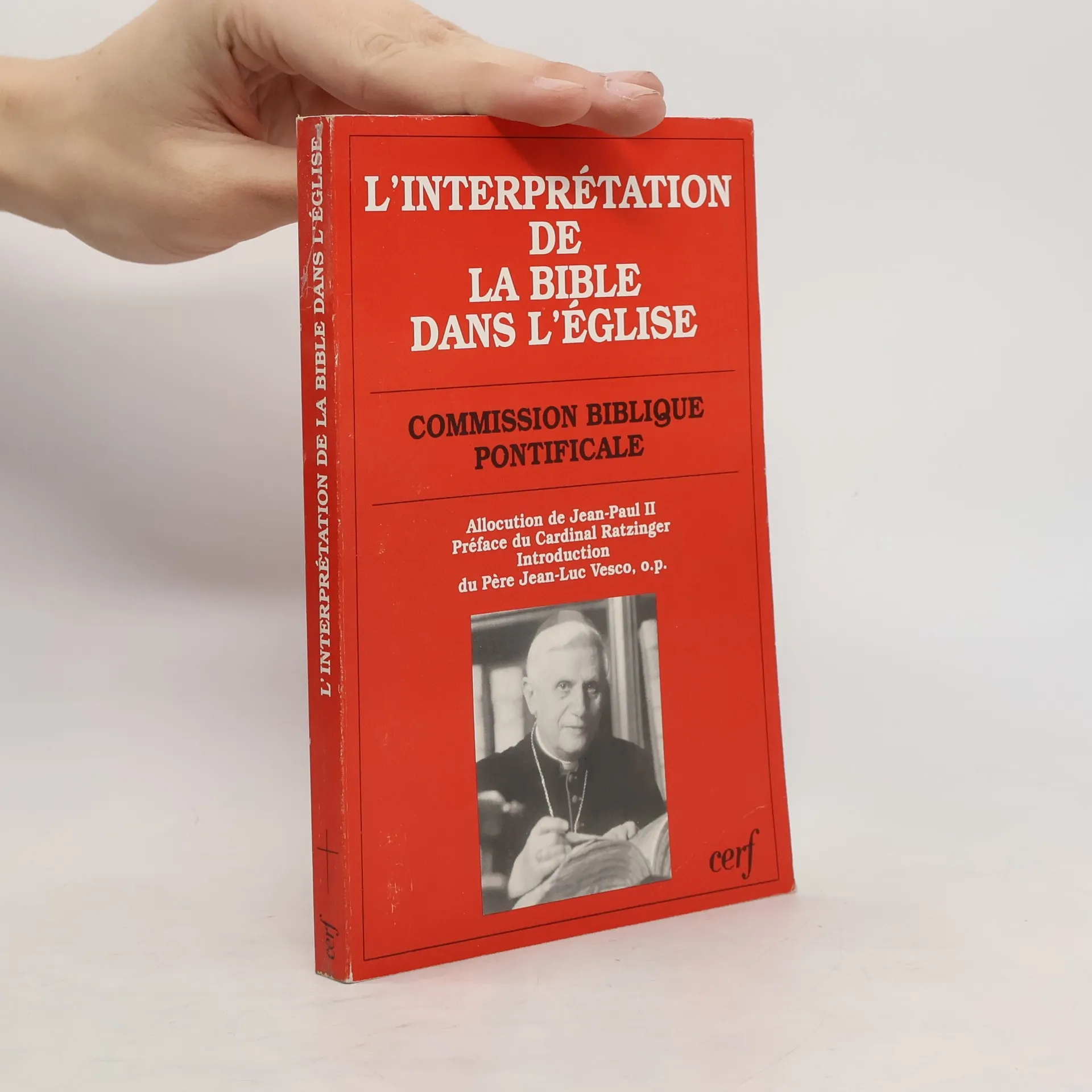
129 pp. Allocution de Jean-Paul II. Préface du Cardinal Ratzinger. Introduction du Père Jean-Luc Vesco. Le dos est insolé
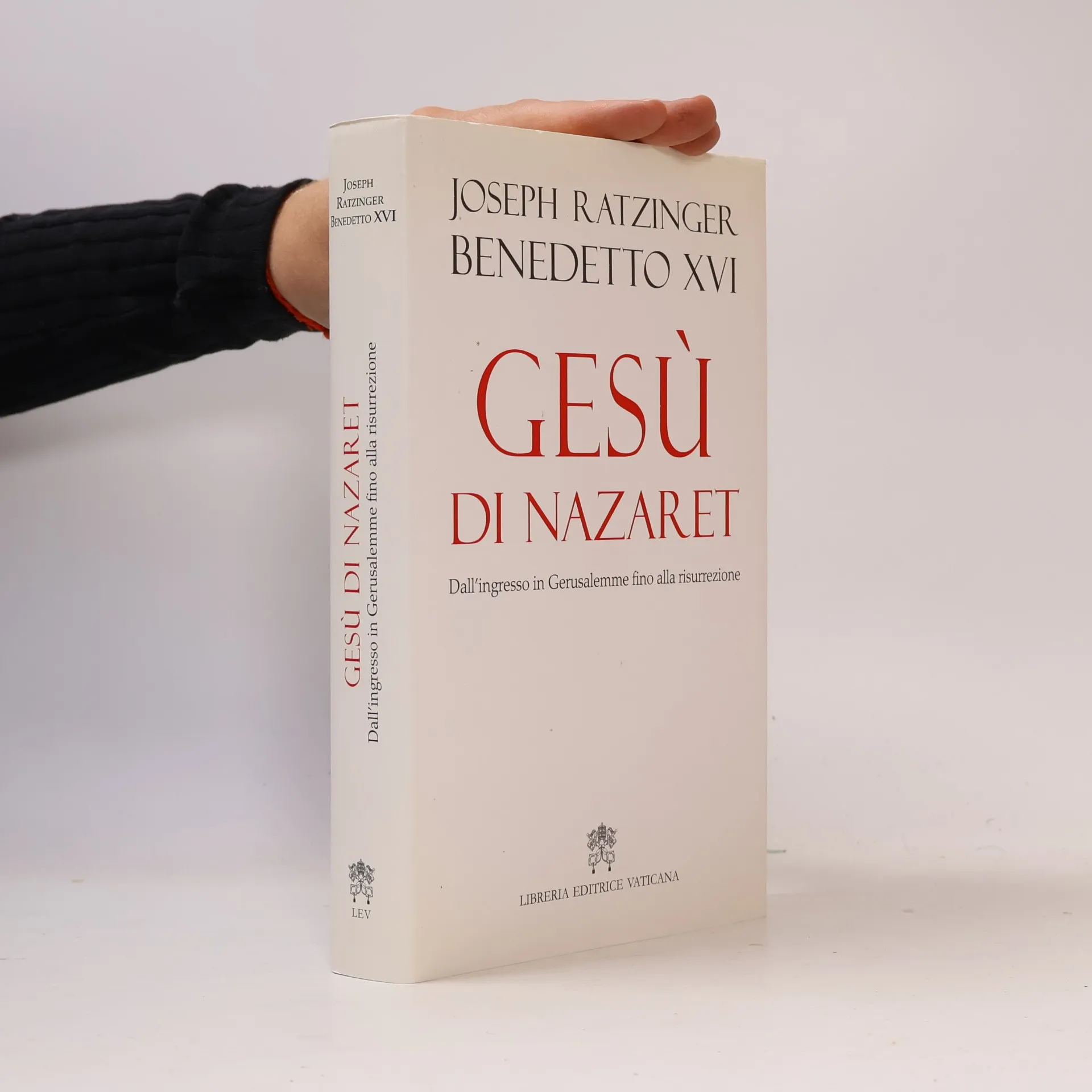
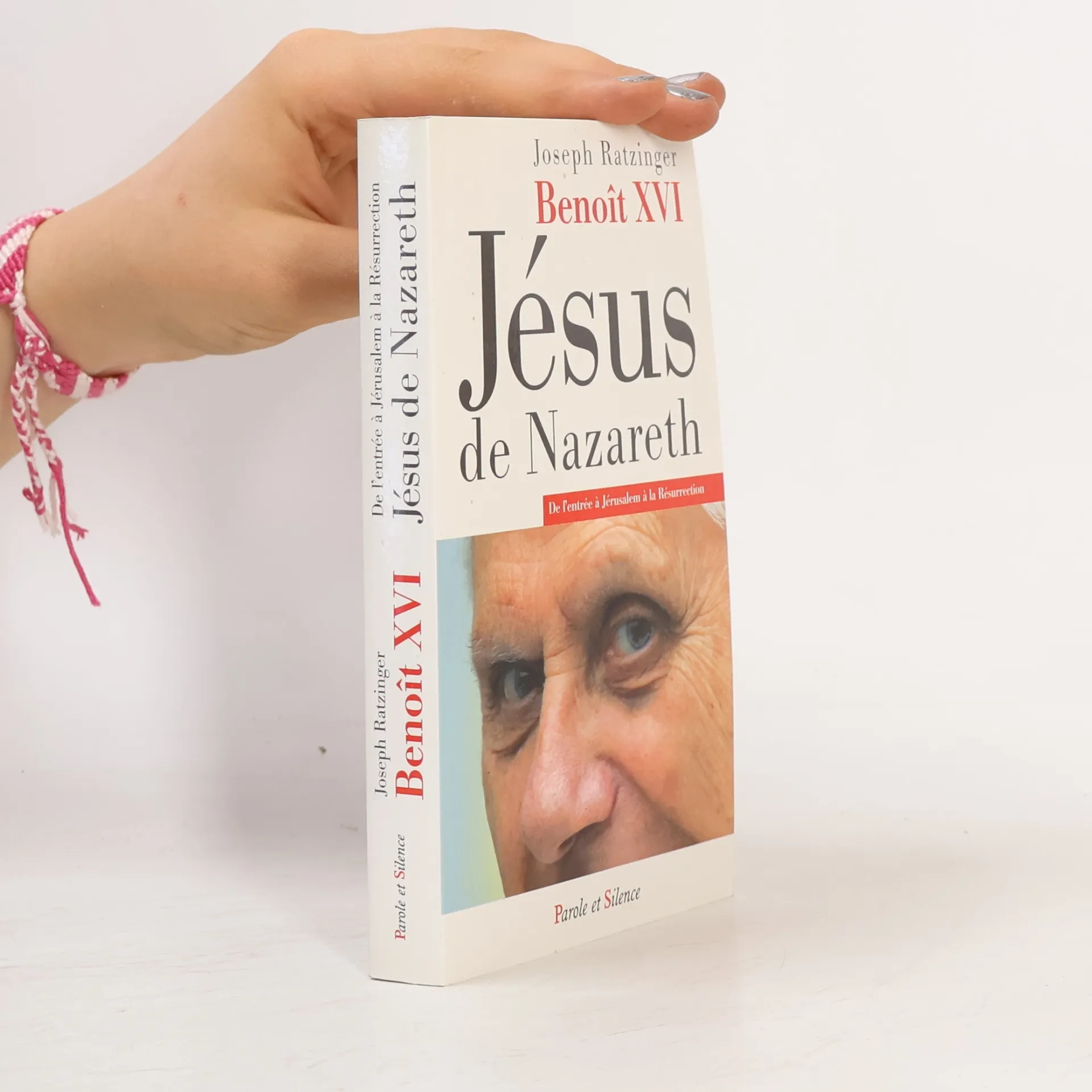
R320098051. JESUS DE NAZARETH - de l'entre Jerusalem la rsurrection.. 2012. In-12. Broch. Bon tat, Couv. convenable, Dos satisfaisant, Intrieur frais. 360 pages.. . . . Classification Dewey : 232-Jsus Christ
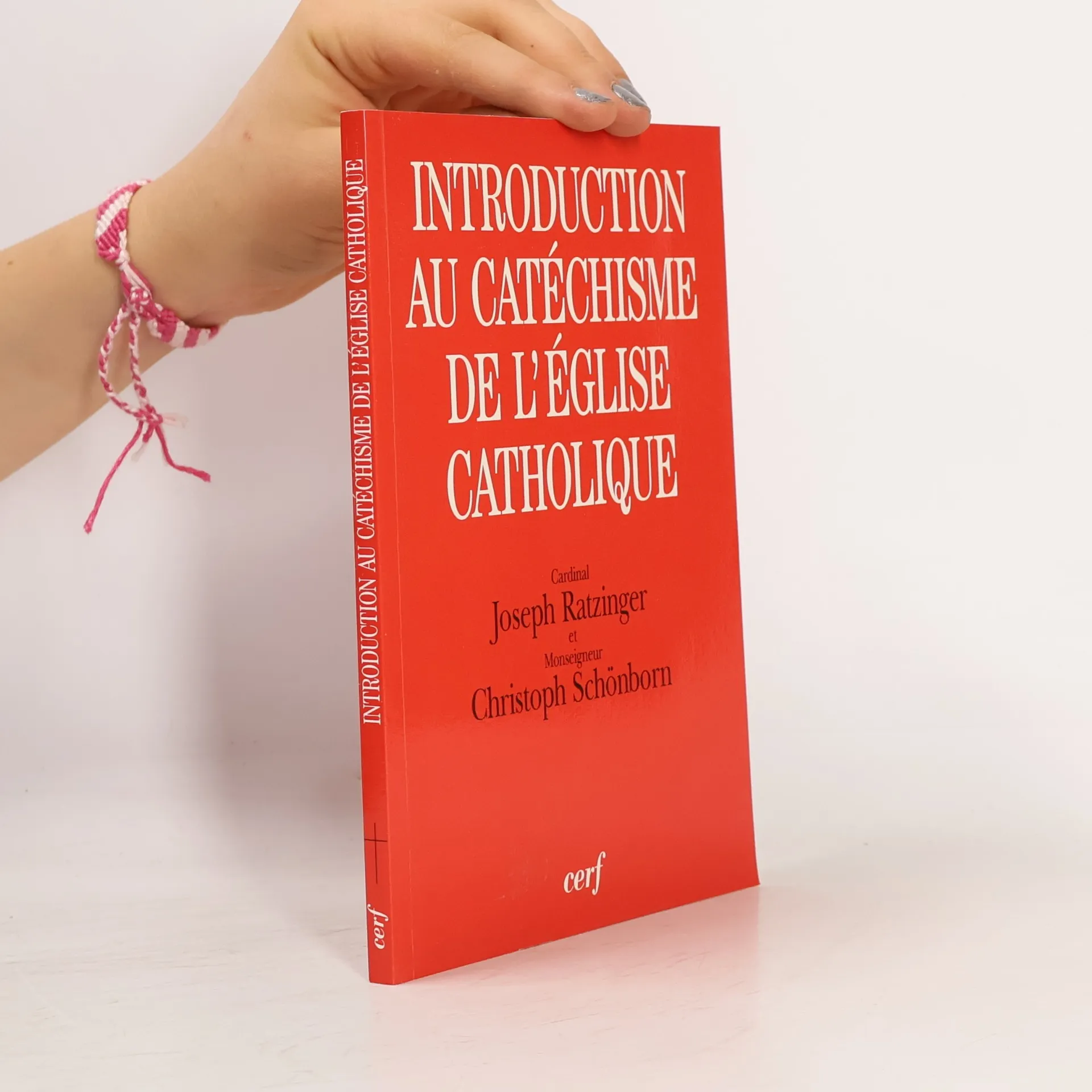
Petite introduction au « Catéchisme de l'Église Catholique »
- 98pages
- 4 heures de lecture
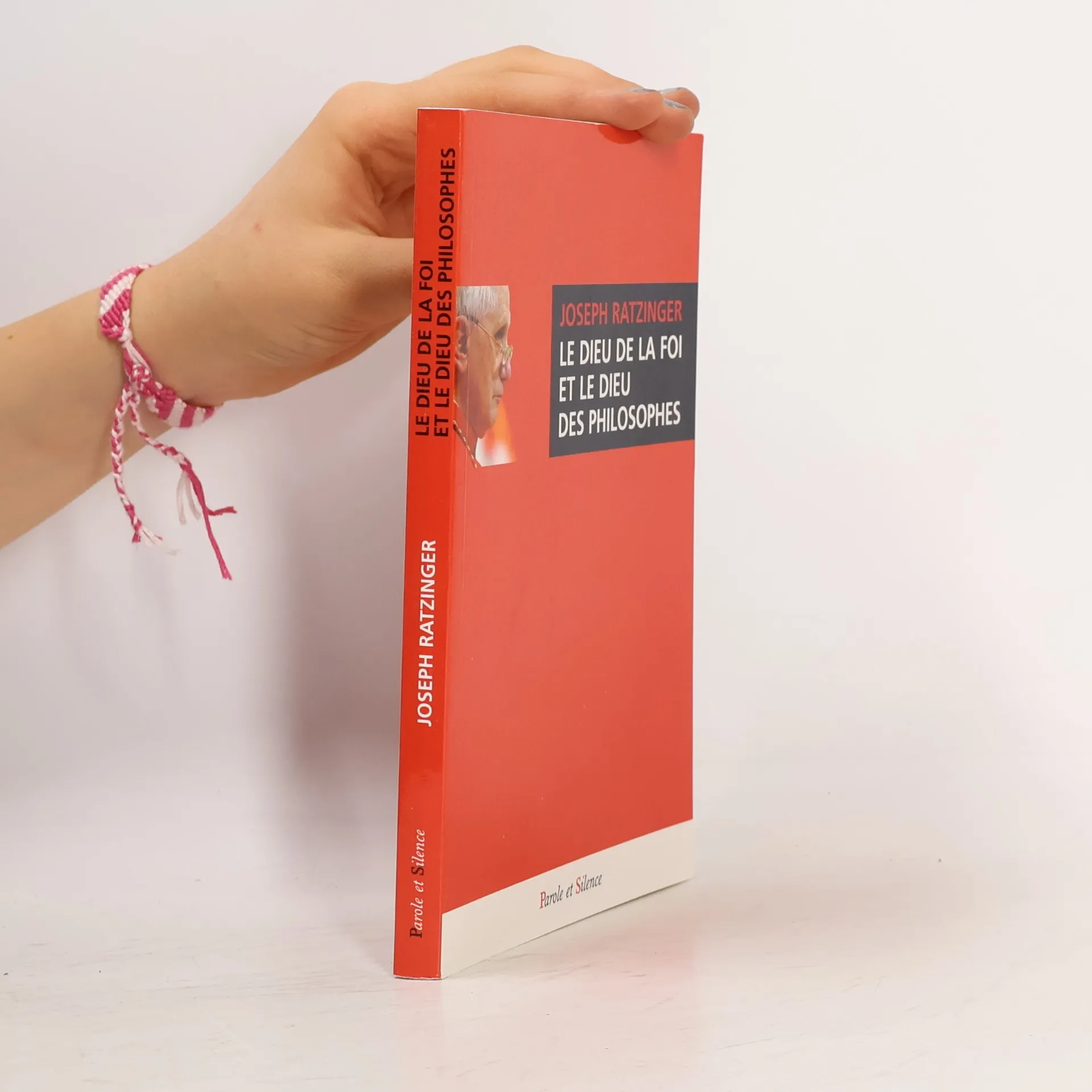
Le dieu de la foi et le dieu des philosophes
Suivi de trois essais sur Saint Augustin
- 160pages
- 6 heures de lecture
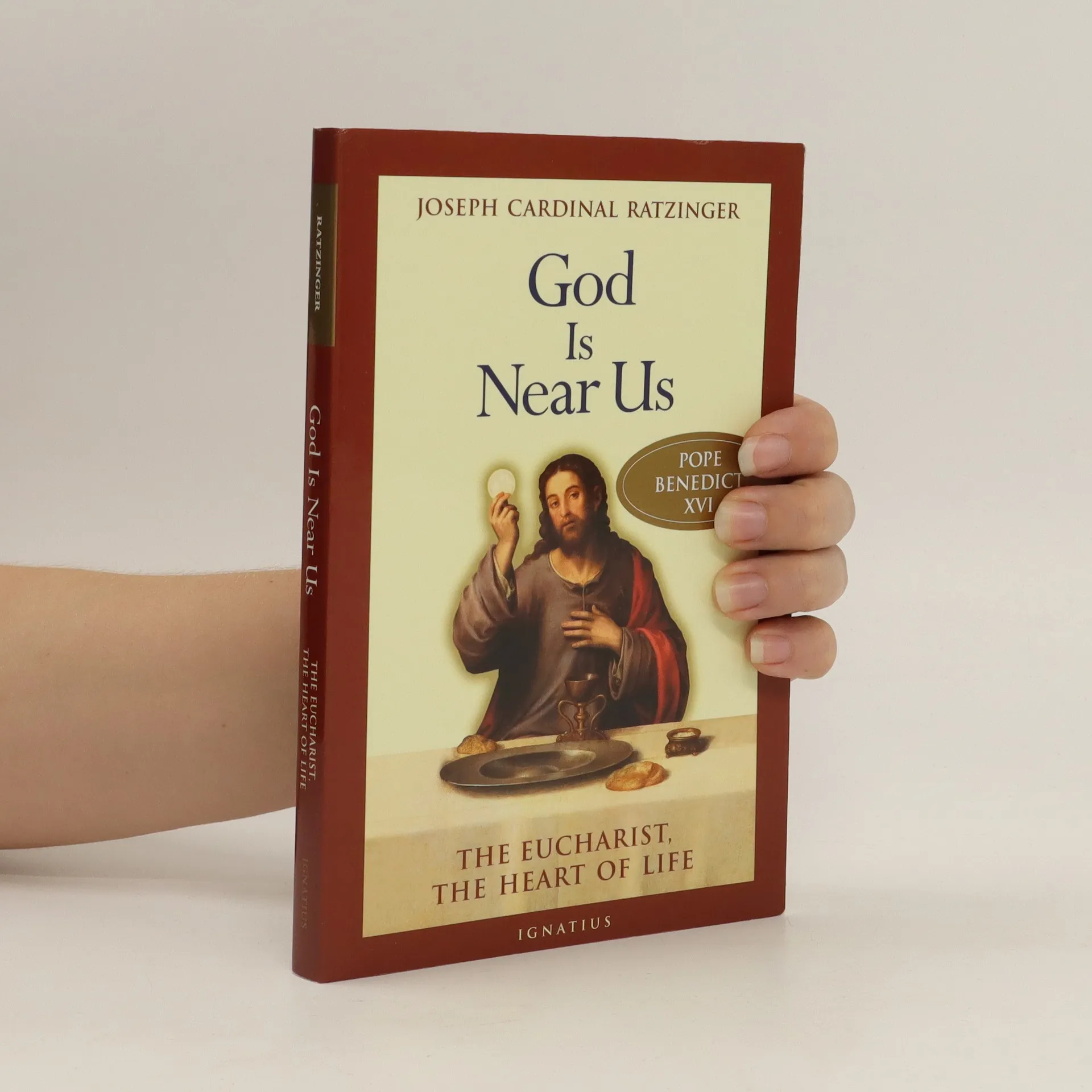
God is near us : the Eucharist, the heart of life
- 160pages
- 6 heures de lecture
According to the Second Vatican Council, "We ought to try to discover a new reverence for the Eucharistic mystery." This statement emphasizes that the significance of the Eucharist transcends our actions; our efforts serve the greater act that precedes our own. The liturgy is both the pinnacle of the Church's activity and the source of its power. This profound understanding of the Eucharist is explored in depth by Cardinal Ratzinger in a collection of previously unpublished texts. As the Prefect of the Congregation for the Doctrine of the Faith, Ratzinger, an esteemed scholar, guides readers into the core of the Christian faith and its central mystery. He examines the biblical, historical, and theological aspects of the Eucharist while highlighting the importance of personal devotion and adoration of the Blessed Sacrament. Ratzinger asserts that the transformation of the world on a social level is rooted in the celebration of the Eucharist. He illustrates how the omnipotent God and Creator draws near to us in the Holy Eucharist, which he describes as the Heart of Life. This exploration invites readers to deepen their understanding and appreciation of this sacred mystery.
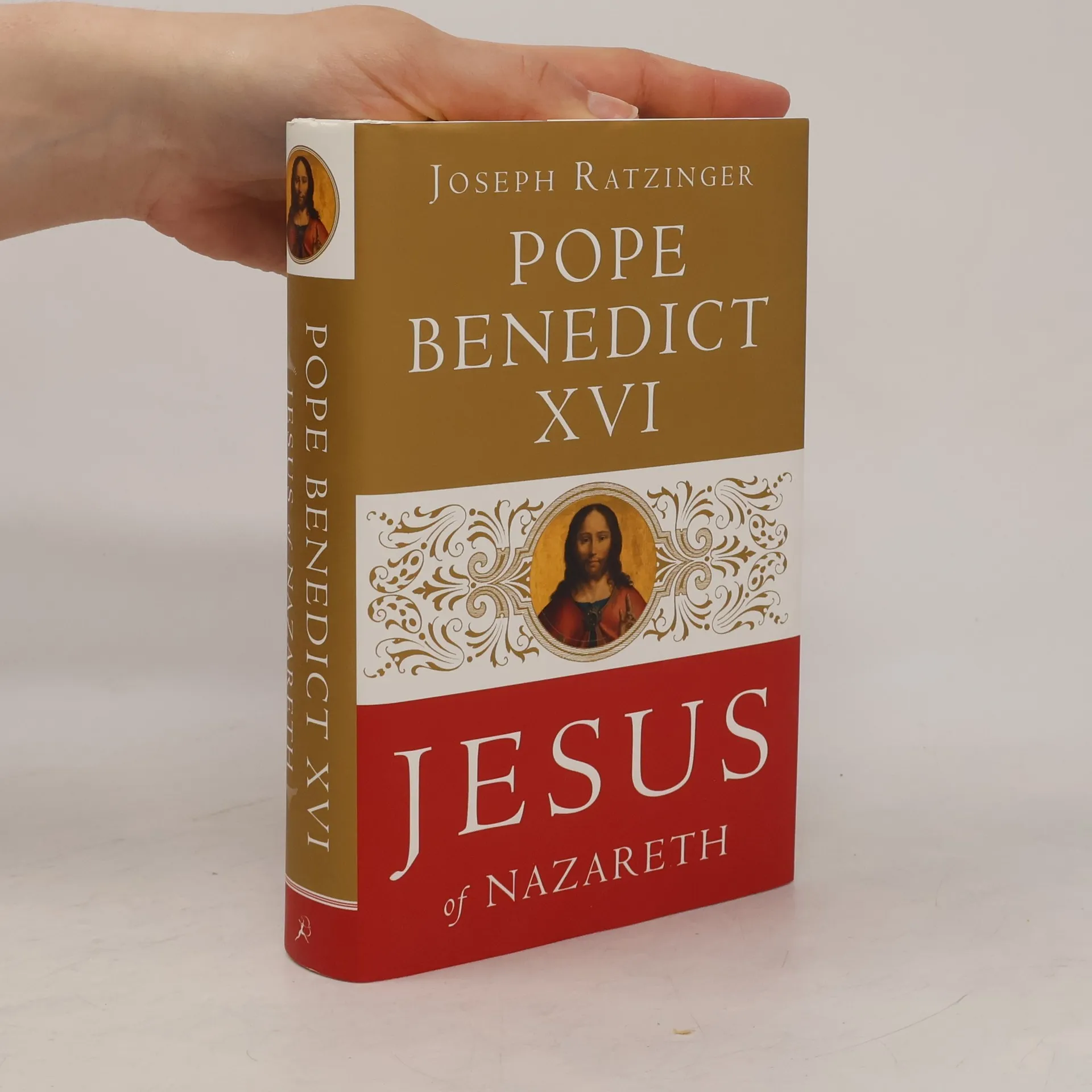
Jesus of Nazareth
- 256pages
- 9 heures de lecture
The New York Times bestselling final volume in the Pope’s Jesus of Nazareth series, detailing how the stories of Jesus’ infancy and childhood are as relevant today as they were two thousand years ago. In 2007, Joseph Ratzinger published his first book as Pope Benedict XVI in order “to make known the figure and message of Jesus.” Now, the Pope focuses exclusively on the Gospel accounts of Jesus’ life as a child. The root of these stories is the experience of hope found in the birth of Jesus and the affirmations of surrender and service embodied in his parents, Joseph and Mary. This is a story of longing and seeking, as demonstrated by the Magi searching for the redemption offered by the birth of a new king. It is a story of sacrifice and trusting completely in the wisdom of God as seen in the faith of Simeon, the just and devout man of Jerusalem, when he is in the presence of the Christ child. Ultimately, Jesus’ life and message is a story for today, one that speaks to the restlessness of the human heart searching for the sole truth which alone leads to profound joy.
Considered by Ratzinger devotees as his greatest work on the Liturgy, this profound and beautifully written treatment of the great prayer of the Church will help readers rediscover the Liturgy in all its hidden spiritual wealth and transcendent grandeur as the very center of our Christian life. In his own foreward to the book, Cardinal Ratzinger compares this work to a much earlier classic of the same title by Romano Guardini because Ratzinger feels that his insights here are similar with what Guardini achieved in his time regarding a renewed understanding of the Liturgy. My purpose here is to assist this renewal of understanding of the Liturgy. Its basic intentions coincide with what Guardini wanted to achieve. The only difference is that I have had to translate what Guardini did at the end of the First World War, in a totally different historical situation, into the context of our present-day questions, hopes and dangers. Like Guardini, I am not attempting to involve myself with scholarly discussion and research. I am simply offering an aid to the understanding of the faith and to the right way to give the faith its central form of expression in the Liturgy.
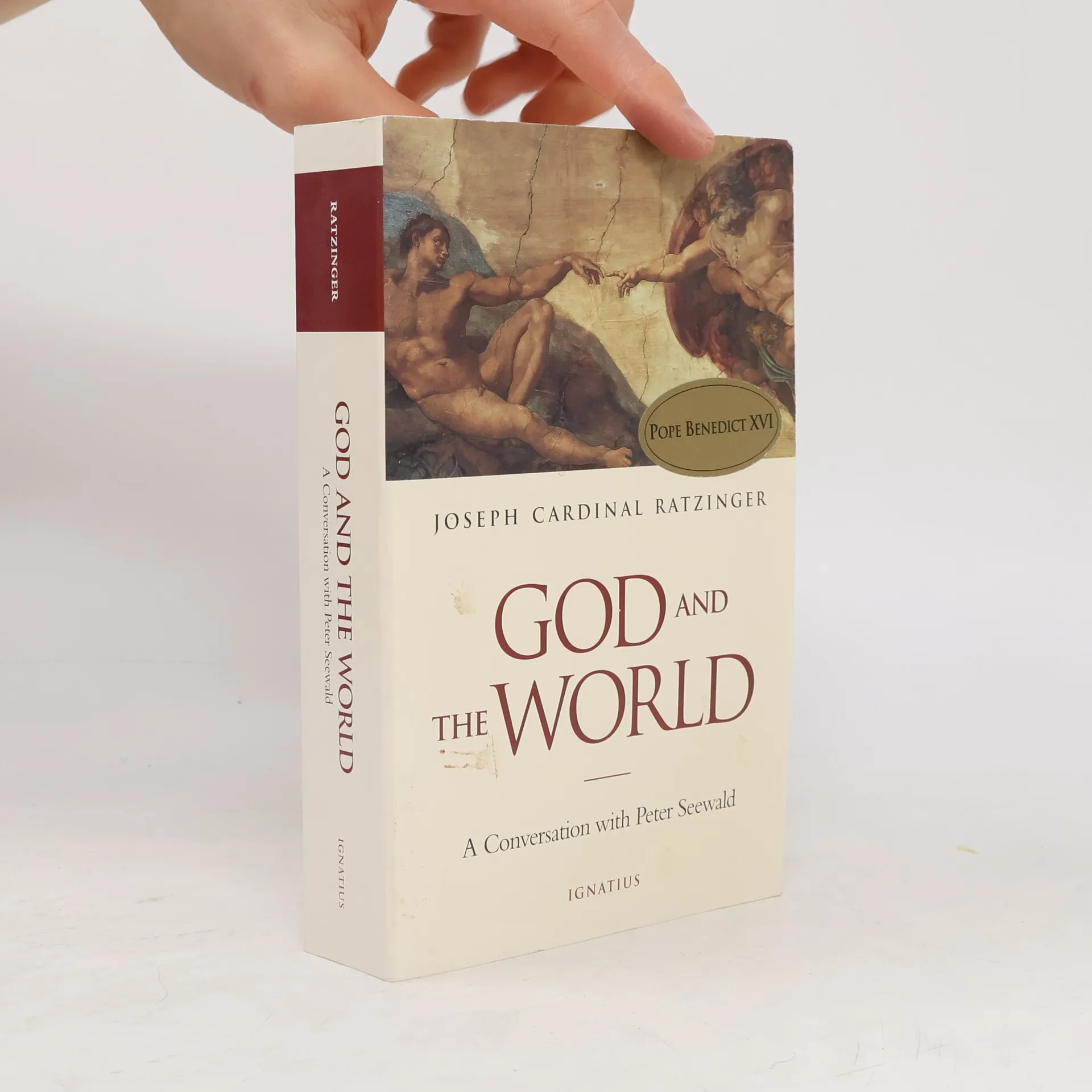
During his years as Prefect of the Congregation for the Doctrine of the Faith, well-known Vatican prelate Joseph Cardinal Ratzinger has given three in-depth interviews. The first two interviews have become best selling The Ratzinger Report and Salt of the Earth . Because of the tremendous reception those books received, the Cardinal agreed to do another interview with journalist Peter Seewald, who had done the very popular Salt of the Earth interview. This third in-depth interview addresses deep questions of faith and the living of that faith in the modern world.The interview took place over three full days spent at the Benedictine Abbey of Monte Cassino in a setting of the silence, prayer, and hospitality of the monks. For this meeting with the highly regarded Churchman, theologian, and author, the seasoned journalist, who had fallen away from the faith but eventually returned to the Church, once again provided a very stimulating, well-prepared series of wide-ranging questions on profound issues. The Cardinal responds with candor, frankness and deep insight, giving answers that are sometimes surprising and always thought provoking.
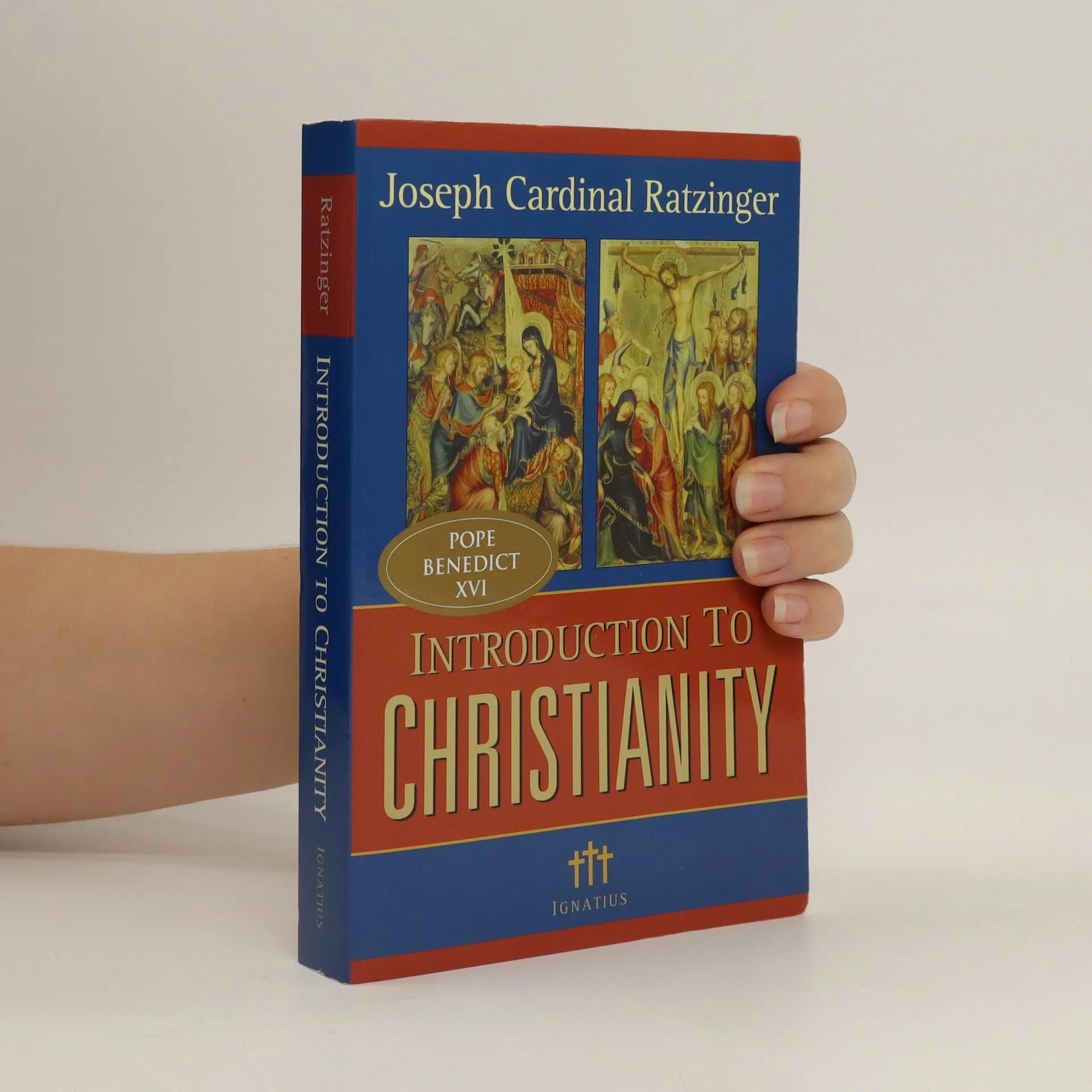
Introduction to Christianity
- 300pages
- 11 heures de lecture
Provides an elucidation of the Apostles' Creed, examining the theological and practical significance of each line and exploring such fundamental questions to Christianity as belief, faith, and the nature of Christ and of the Trinity.
Ho voluto presentare il Gesù dei Vangeli come il Gesù reale, il "Gesù storico" in senso autentico. Sono convinto che questa figura sia molto più logica e storicamente comprensibile rispetto alle ricostruzioni degli ultimi decenni. Questo Gesù - quello dei Vangeli - appare come una figura storicamente sensata e convincente. Solo un evento straordinario, in cui la figura e le parole di Gesù superarono le speranze dell'epoca, può spiegare la sua crocifissione e la sua efficacia. Già vent'anni dopo la sua morte, nel grande inno a Cristo della Lettera ai Filippesi (2,6-11), troviamo una cristologia che afferma che Gesù era uguale a Dio, ma si spogliò, si fece uomo e si umiliò fino alla morte sulla croce, ricevendo l'omaggio del creato, come proclamato nel profeta Isaia (45,23). La ricerca critica si interroga su cosa sia accaduto in quei vent'anni dalla crocifissione. Come si è sviluppata questa cristologia? Come mai gruppi sconosciuti furono così creativi e riuscirono a imporsi? Non è più logico pensare che la grandezza si collochi all'inizio e che la figura di Gesù abbia infranto tutte le categorie disponibili, potendo essere compresa solo a partire dal mistero di Dio?
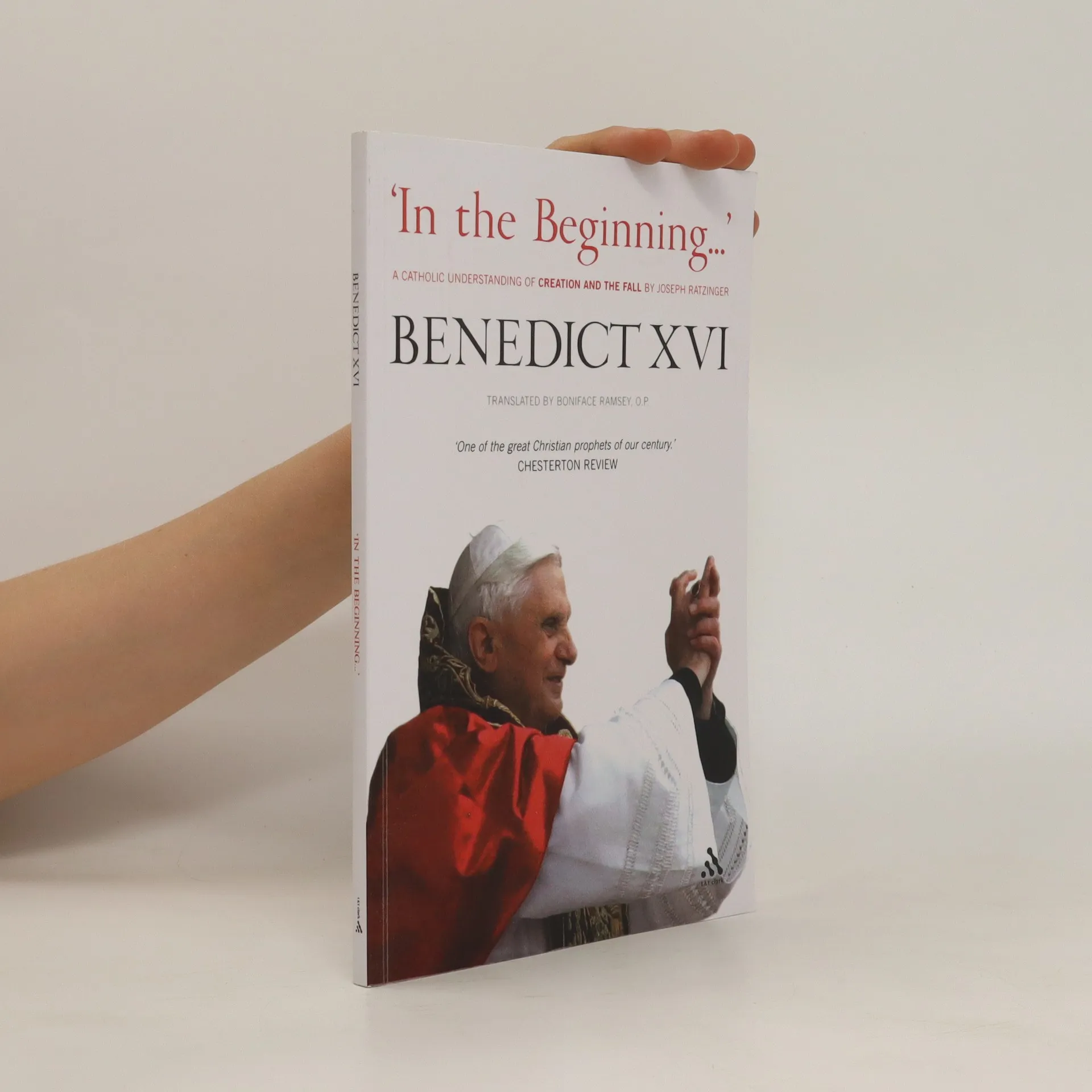
These five superb homilles by the newly elected Pope, Benedict XVI, provide a clear and biblically based explanation of the first few chapters of the Bible. Reissued with a new cover and ISBN to celebrate Joseph Ratzinger's election. While the stories of the creation of the world and the fall of humankind have often given rise to conflict - fundamentalists twist them into science and history while rationalists approach them by 'divorcing God from creation' - the Pope presents the Catholic middle ground in explaining the vitality of these early Old Testament writings. Beginning each homily with the selected text from Genesis, the Pope discusses, in turn, God the creator, the meaning of the biblical creation accounts, the creation of human beings, sin and salvation, and the consequences of faith in creation. In the Beginning presents a compelling account of the value of creation for our times.
Presents a balanced perspective of the doctrine at the center of Christian belief - the Church's faith in eternal life. This work brings together recent emphasis on the theology of hope for the future with more traditional elements of the doctrine. It also includes a preface by Joseph Ratzinger/Pope Benedict XVI.
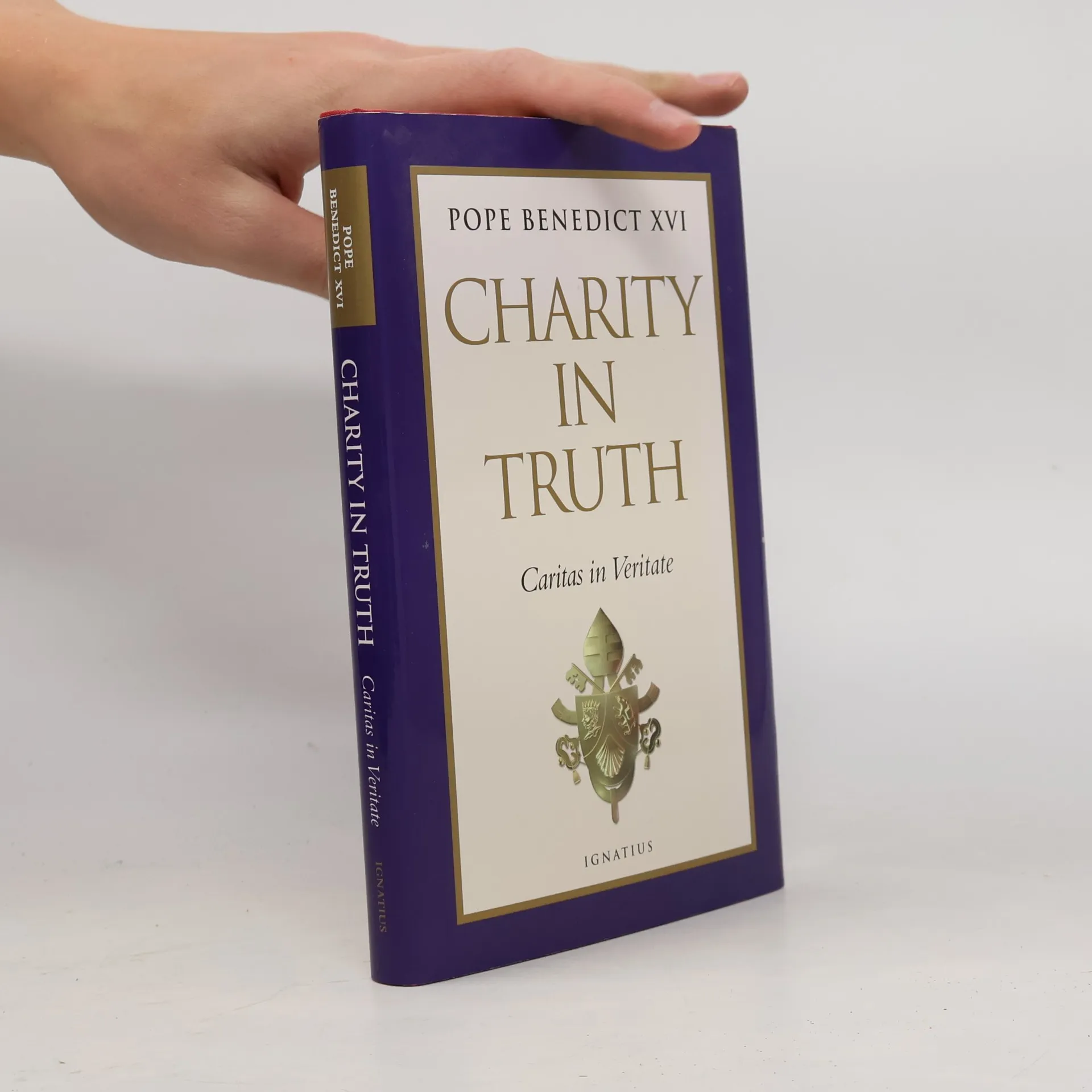
Benedict XVI offers a comprehensive exploration of social issues in Charity in Truth, addressing topics from profit and environmentalism to government roles in the economy and the necessity of moral transformation. He emphasizes the need for discernment, urging that faith and reason must refine our ideas to avoid extreme views. While the encyclical is often seen as a treatise on social justice, it prioritizes "charity" and "truth" as fundamental principles. Charity is central to the Church's social doctrine; without truth and love for what is true, social conscience deteriorates, leading to actions that serve private interests. Benedict advocates for "integral human development," which encompasses the spiritual dimension and the perspective of eternal life, arguing that neglecting these aspects stifles human progress. He stresses the importance of "openness to life," warning that disrespect for life undermines societal conscience and environmental ecology. Economic decisions carry moral weight, and he critiques both unrestrained capitalism and socialism. Instead, he proposes a balance of market logic and political oversight, emphasizing the need for generosity and gratuitousness among citizens. Benedict also cautions against viewing technology as a panacea without moral consideration, asserting that humans must embrace responsibility in addressing social challenges. He calls for a humble yet confident approach, believing tha
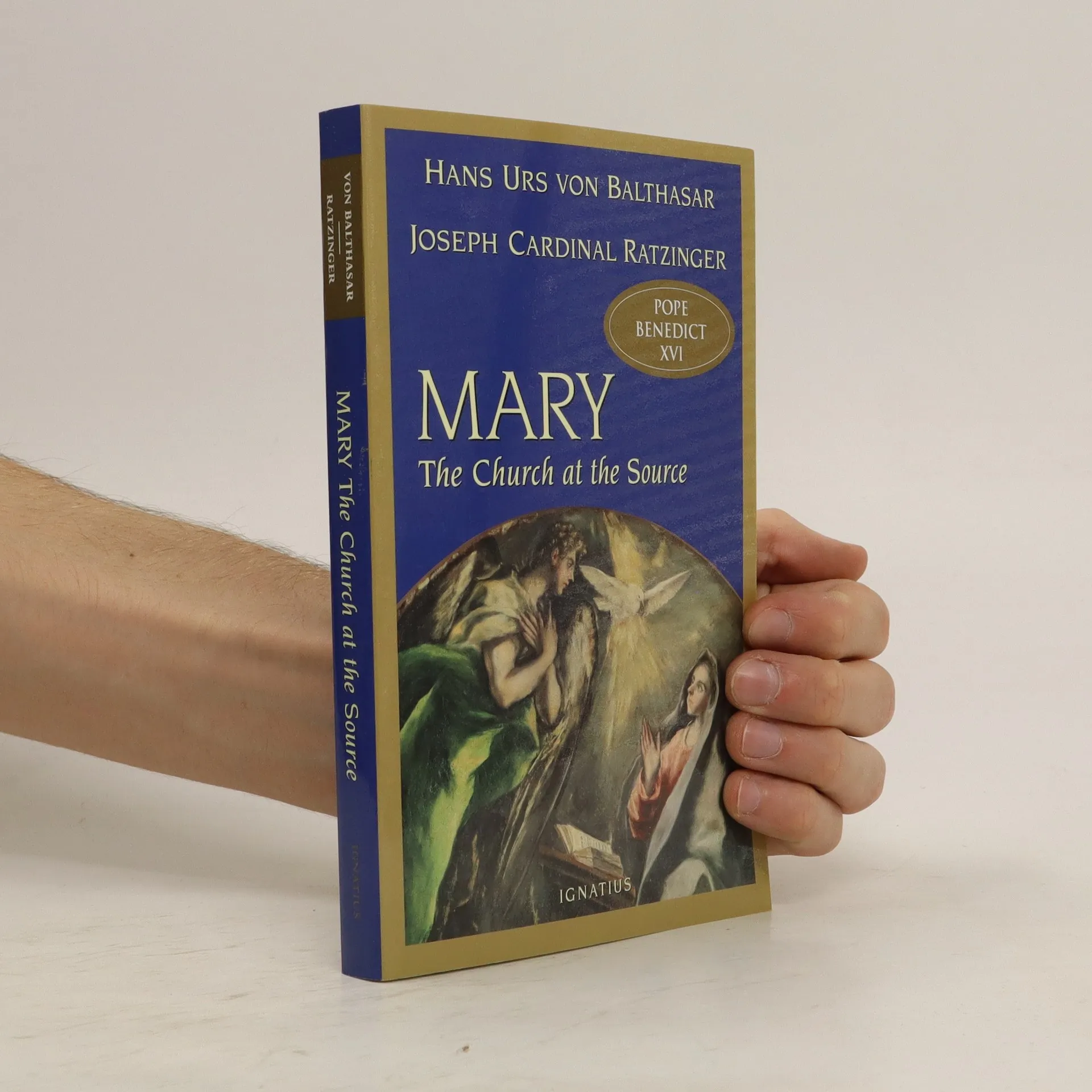
Two great theologians endeavor to recover the centrality of Marian doctrine and devotion for the contemporary Church, offering a spiritually rich approach to Mariology that brings into new relief the Marian contours of ecclesial faith. Ratzinger and von Balthasar show that Mary is both the embodiment of the Church, and the mother who co-operates in giving birth to the Church in the souls of believers. At once profound and yet readily accessible, The Church at the Source offers a theologically balanced and biblically grounded presentation of traditional and contemporary thought on Marian doctrine and spirituality.
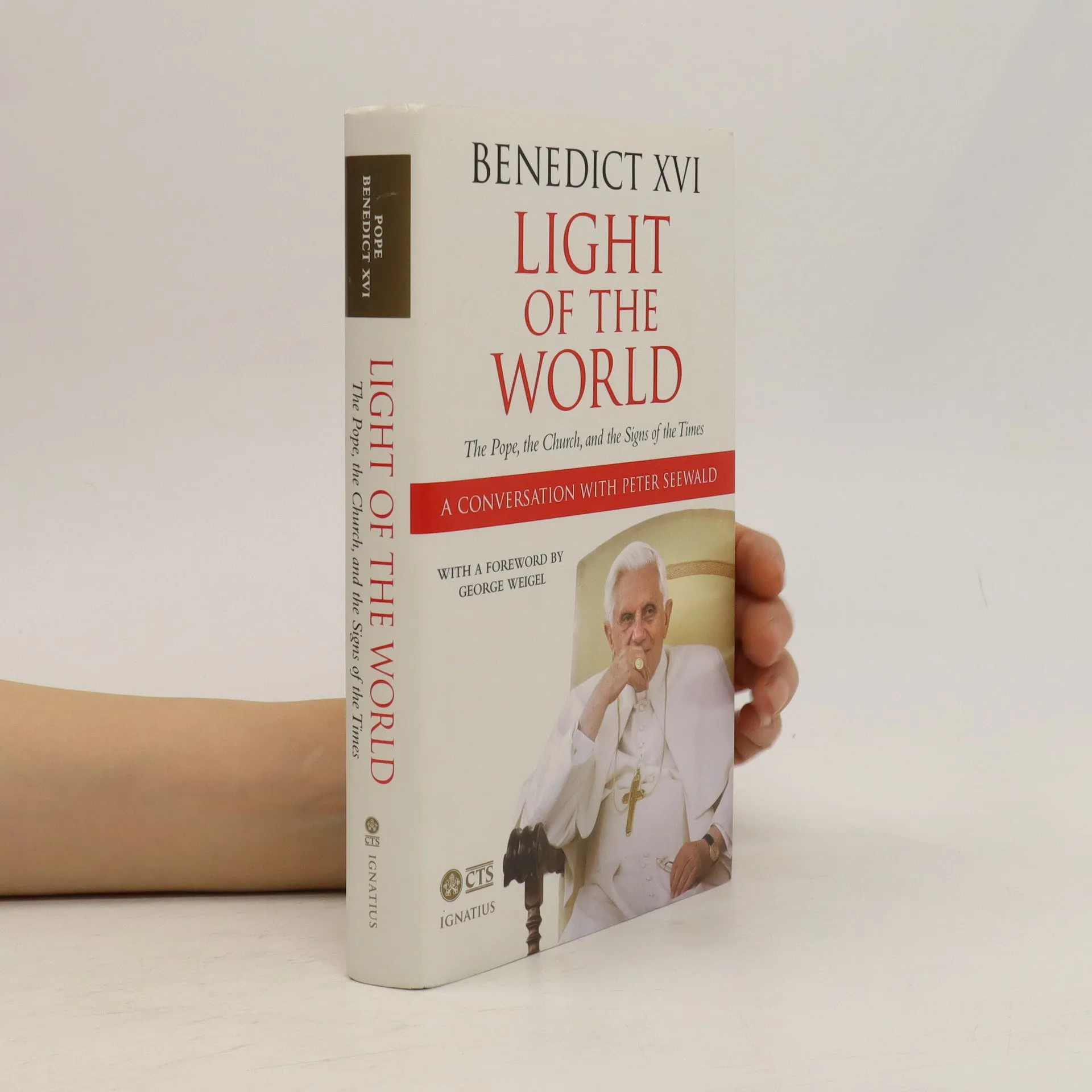
Light of the World
- 240pages
- 9 heures de lecture
Popes do not usually grant book-length interviews to journalists. And never before has a pope given as in-depth and extensive an interview as this one, answering so many direct questions on so many personal and controversial topics. Five years after his election, Pope Benedict XVI openly discusses the criticisms of his pontificate, the crisis in the Church brought on by the clergy sexual abuse scandal, the need for Church reform, the problems of uniting faith and reason today, as well as contemporary issues such as abortion, climate change, same-sex unions, the global economic crisis, and the new atheism. He also examines the quest for unity among Christians, the relations with Islam, the message of Fatima, and the prospects for peace. An unabashed follower of Jesus Christ, Benedict addresses the Church's drive for a new evangelization and the challenges it involves
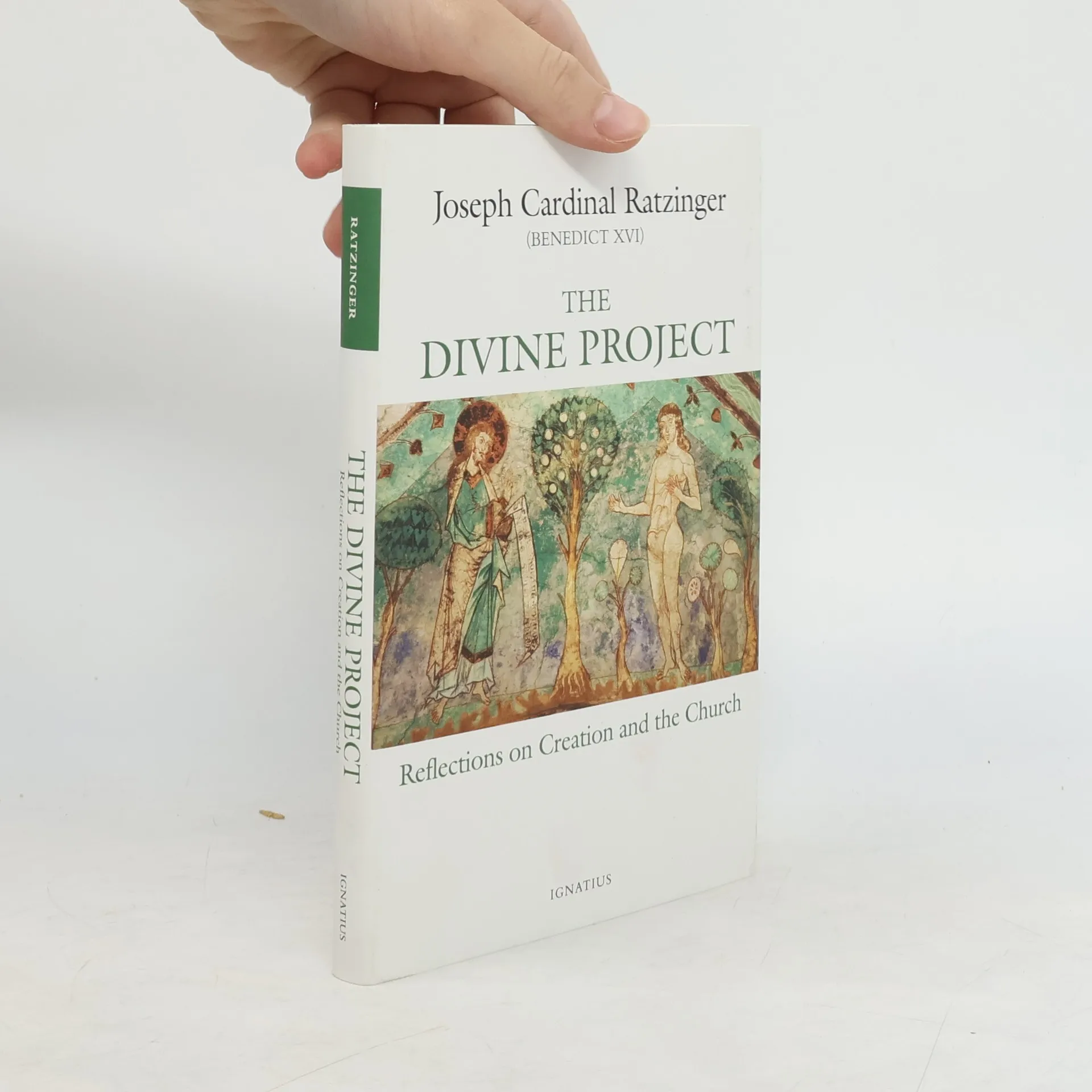
A study of God the creator and of man as this creator's masterpiece. -- Book flap.
The Other Side of Never: Dark Tales from the World of Peter & Wendy
- 384pages
- 14 heures de lecture
Dark tales inspired by J. M. Barrie's classic stories of Neverland, Captain Hook, Tinkerbell, and of course Peter Pan, from some the masters of science- fiction, horror and fantasy including A. C. Wise, Claire North, Lavie Tidhar and more.
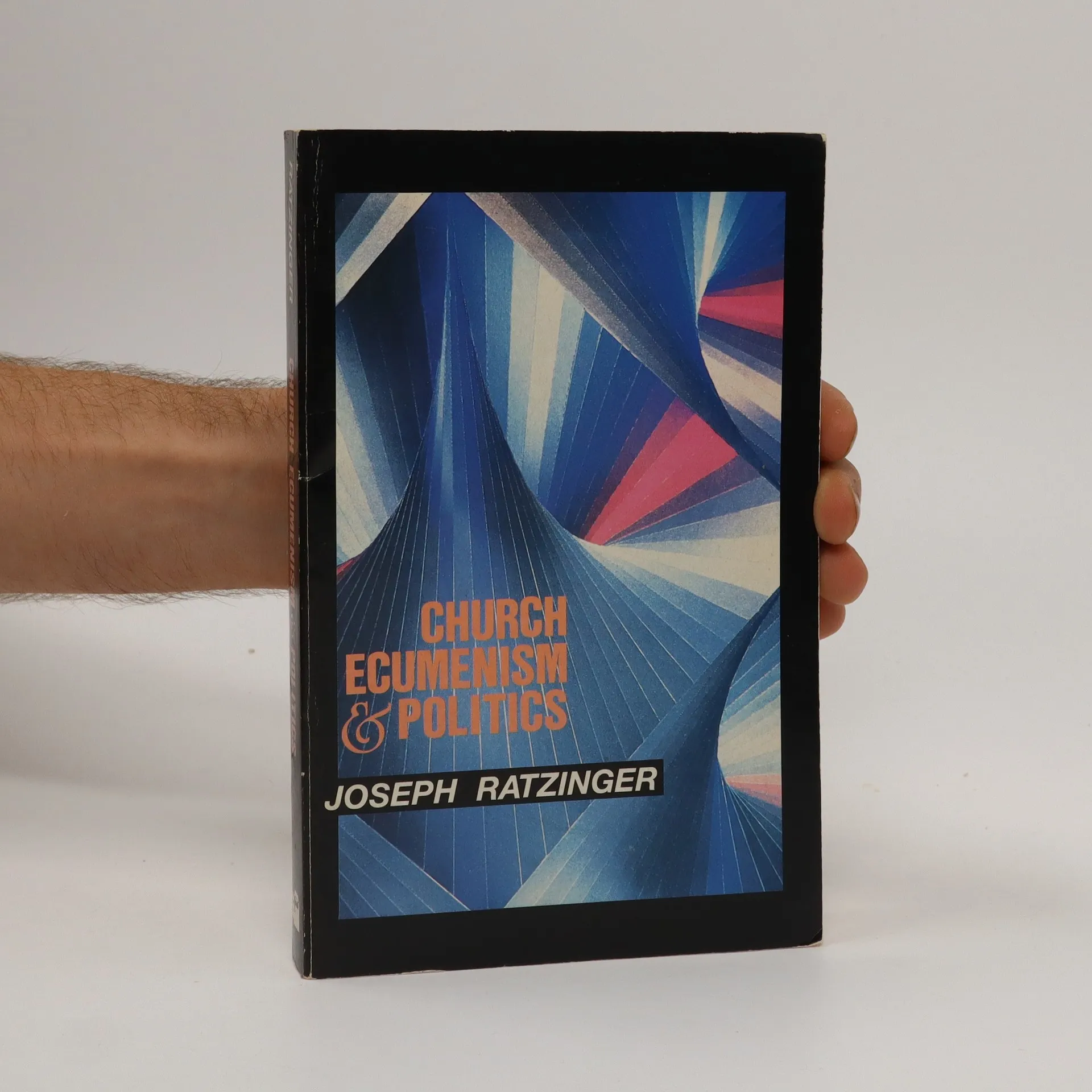
Church, ecumenism and politics : new essays in ecclesiology
- 278pages
- 10 heures de lecture
This work features the most discussed topics of the life of the Church, treated with unique frankness and depth by the Church’s spiritual and theological leader. In this collection of essays, theologian Joseph Ratzinger tackles three major issues in the Church today—the nature of the Church, the pursuit of Christian unity, and the relationship of Christianity to secular/political power. The first part of the book explores Vatican II's teaching on the Church, what it means to call the Church "the People of God", the role of the Pope, and the Synod of Bishops. In part two, Ratzinger assesses the ecumenical movement—its achievements, problems, and principles for authentic progress toward Christian unity. In the third part of the work, Ratzinger discusses both fundamental questions and particular issues concerning the Church, the state, and human fulfillment in the Age to come. What does the Bible say about faith and politics? How should the Church work in pluralistic societies? What are the problems with Liberation Theology? How should we understand freedom in the Church and in society? Beneath a penetrating analysis on these important topics by this brilliant teacher and writer is revealed the passion of a great spiritual leader. The result is an exciting and stimulating work, which can be provoking, but never boring.
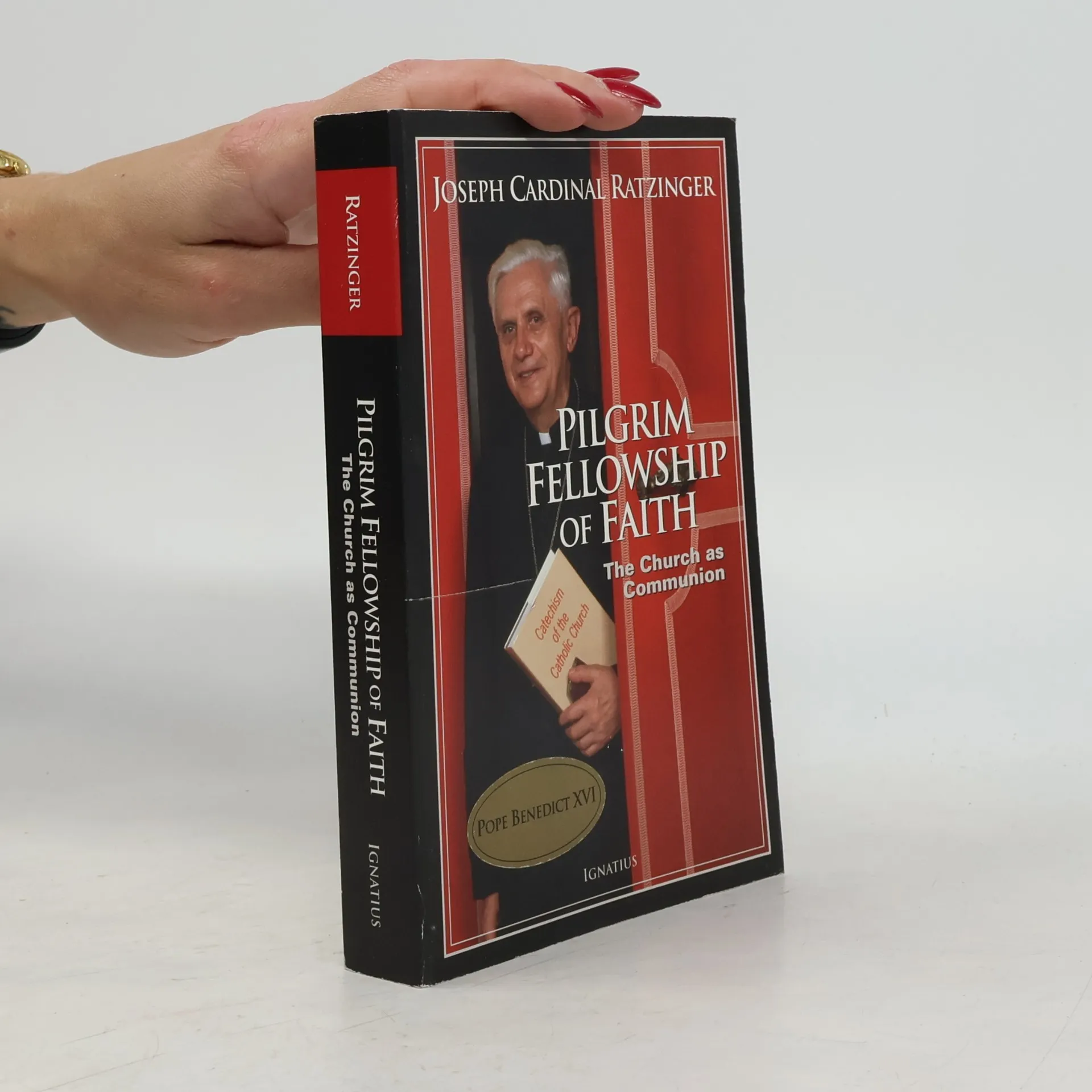
Pilgrim Fellowship of Faith
- 381pages
- 14 heures de lecture
Joseph Ratzinger, now Pope Benedict XVI, has been the most visible member of the Catholic clergy in the world second only to Pope John Paul II. His status as the head of the Congregation for the Doctrine of the Faith made him one of the most discussed churchmen in recent history.On the occasion of Ratzingers's seventy-fifth birthday, his former students selected essays, lectures, letters, and conferences that Ratzinger has written in recent years― writing that they feel best represents his position on issues of theology, the modern world, secularism, non-Christian religious, and other key topics of the Catholic Church. This book, characterized by Ratzinger's concisely reasoned style, is an invaluable resource to those who wish to understand the modern Church and the thinking of Pope Benedict XVI, as well as a treasured volume for those who are students of Ratzinger's theology.
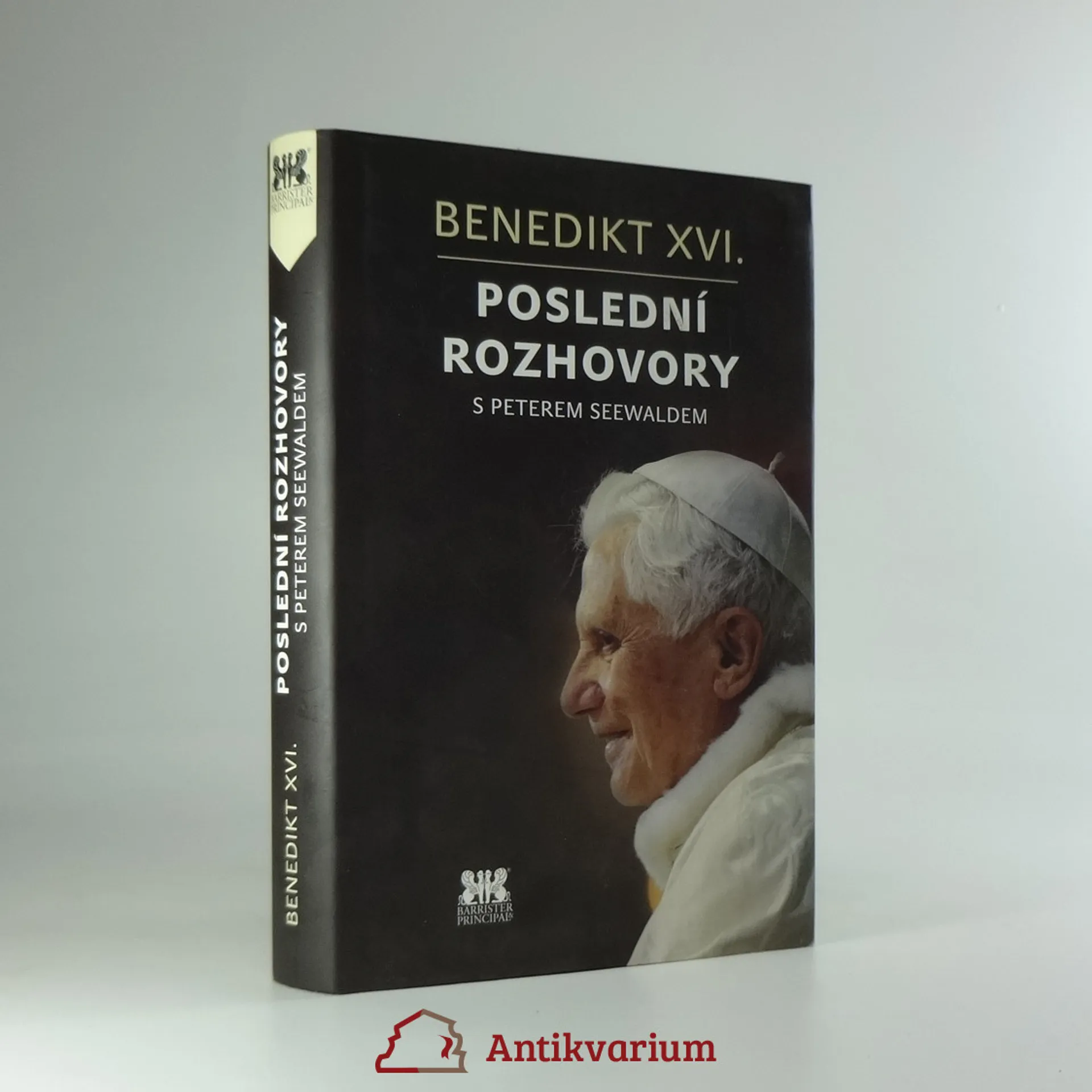
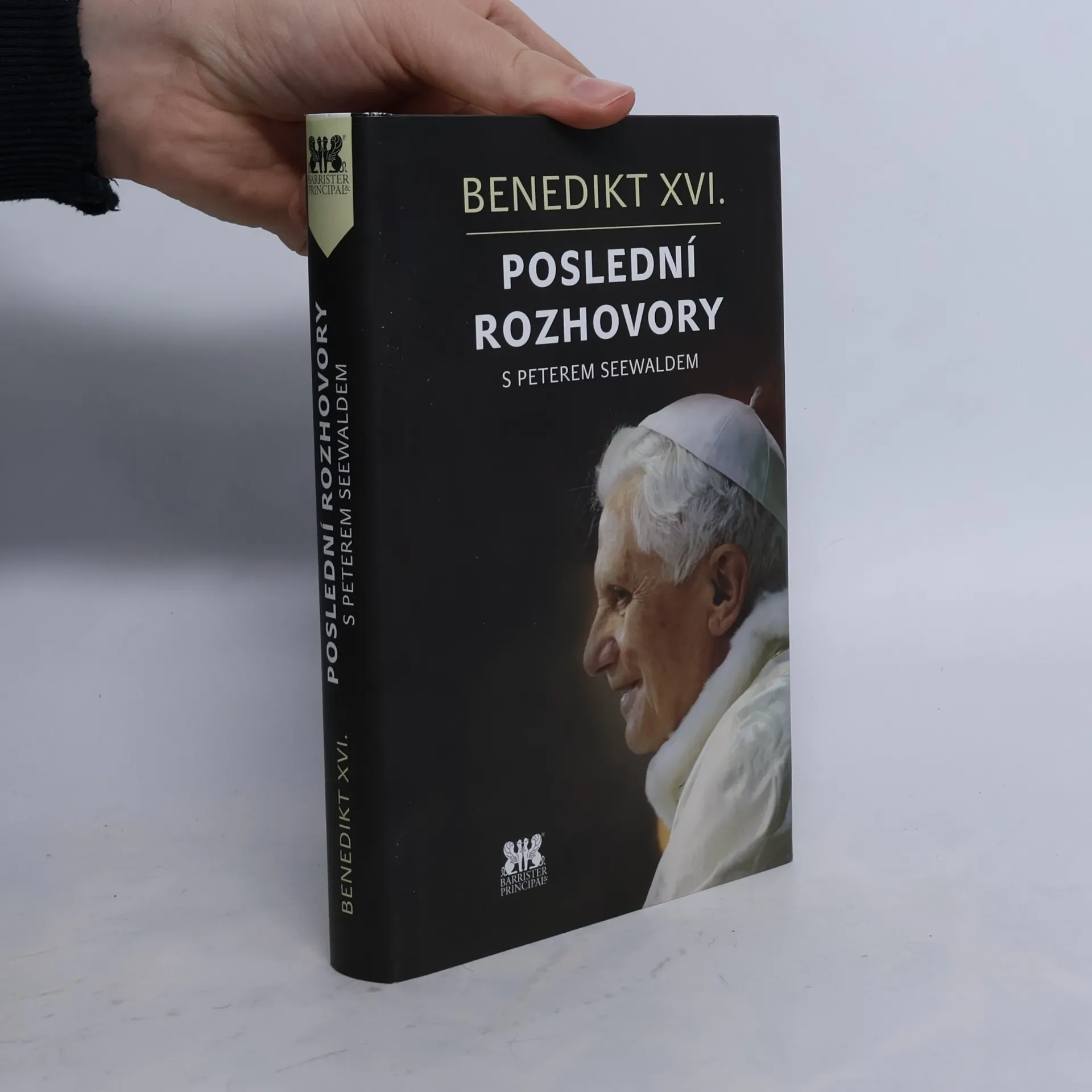
Poslední rozhovory s Peterem Seewaldem
- 240pages
- 9 heures de lecture
Poprvé v historii křesťanství se papež zabývá bilančním hodnocením svého úřadu. V rozhovorech s novinářem Peterem Seewaldem, které proběhly těsně před a po jeho odstoupení, se otevírá pohled na Benediktovo pontifikát. Papež mluví otevřeně o pozadí své překvapivé demise a zaměřuje se na obnovení víry jako klíčové téma svého působení, ale také na problematické otázky, jako jsou vztahy s židovskou a muslimskou komunitou, aféra Vatileaks či situace s Piovým bratrstvem. Nikdy předtím se takto nezabýval svým přístupem k víře, aktuálními výzvami pro křesťanství a budoucností církve. Osobní charakter knihy doplňují jeho vzpomínky na rodinu, blízké spolupracovníky a významné životní události. Po předchozích rozhovorech, jako jsou Sůl země, Bůh a svět a Světlo světa, se Poslední rozhovory stávají skutečným odkazem tohoto významného papeže a jednoho z nejvýznamnějších myslitelů a teologů naší doby. Benedikt XVI. (narozen 1927 jako Joseph Ratzinger) byl profesorem teologie, arcibiskupem a papežem od roku 2005 do 2013. Peter Seewald (narozen 1954) je německý novinář, známý svými čtyřmi knihami rozhovorů s Benediktem XVI.
Cirkevní otcovia : od Klementa Rímskeho po svätého Augustína
- 230pages
- 9 heures de lecture
Kniha je zbierkou katechéz, ktoré Svätý Otec Benedikt XVI. venoval najvýznamnejším cirkevným spisovateľom prvých štyroch storočí kresťanstva, počnúc Klementom Rímskym (ktorý zomrel okolo roku 100) až po svätého Augustína (zomrel v r. 430). Títo autori sa zvyčajne označujú titulom cirkevní otcovia.
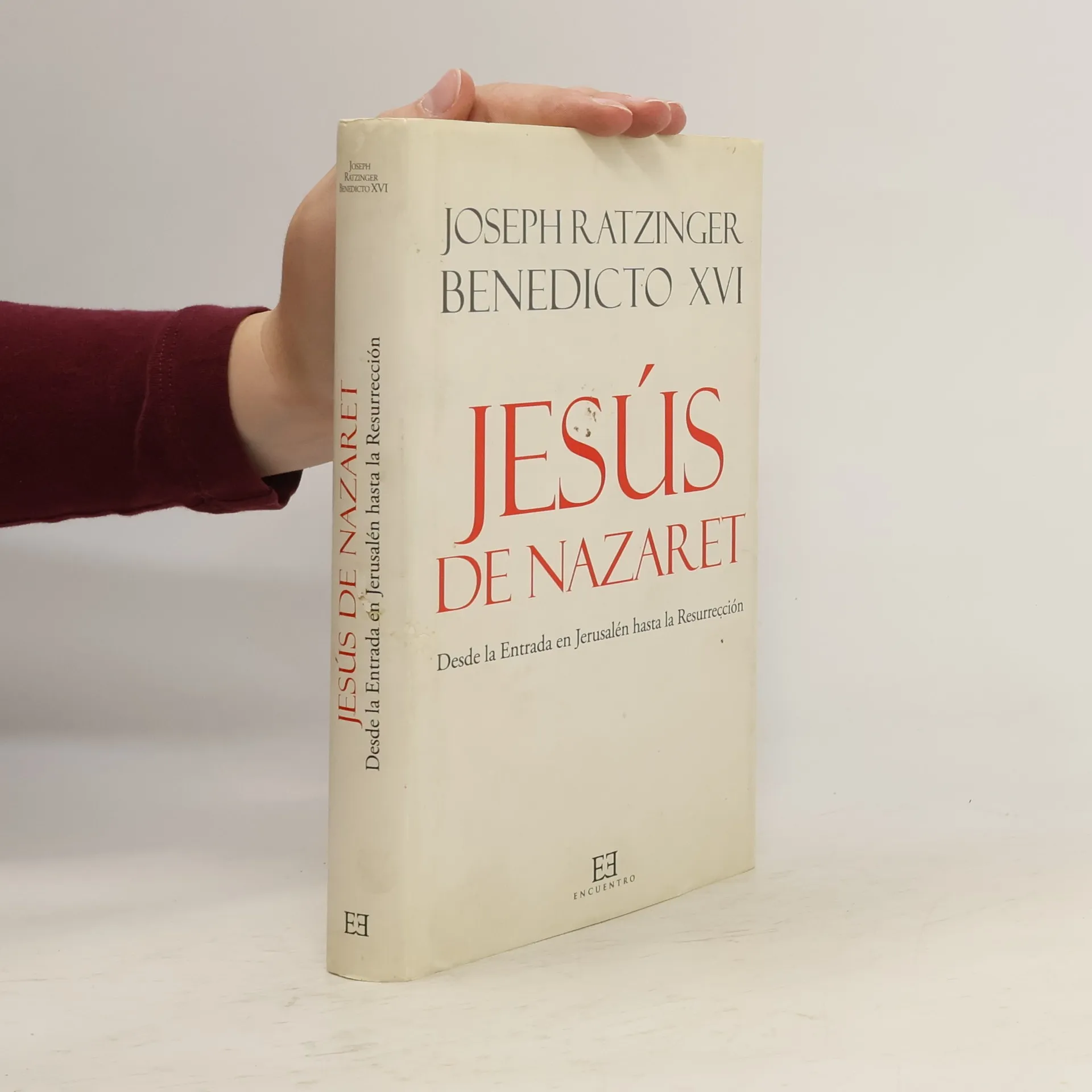
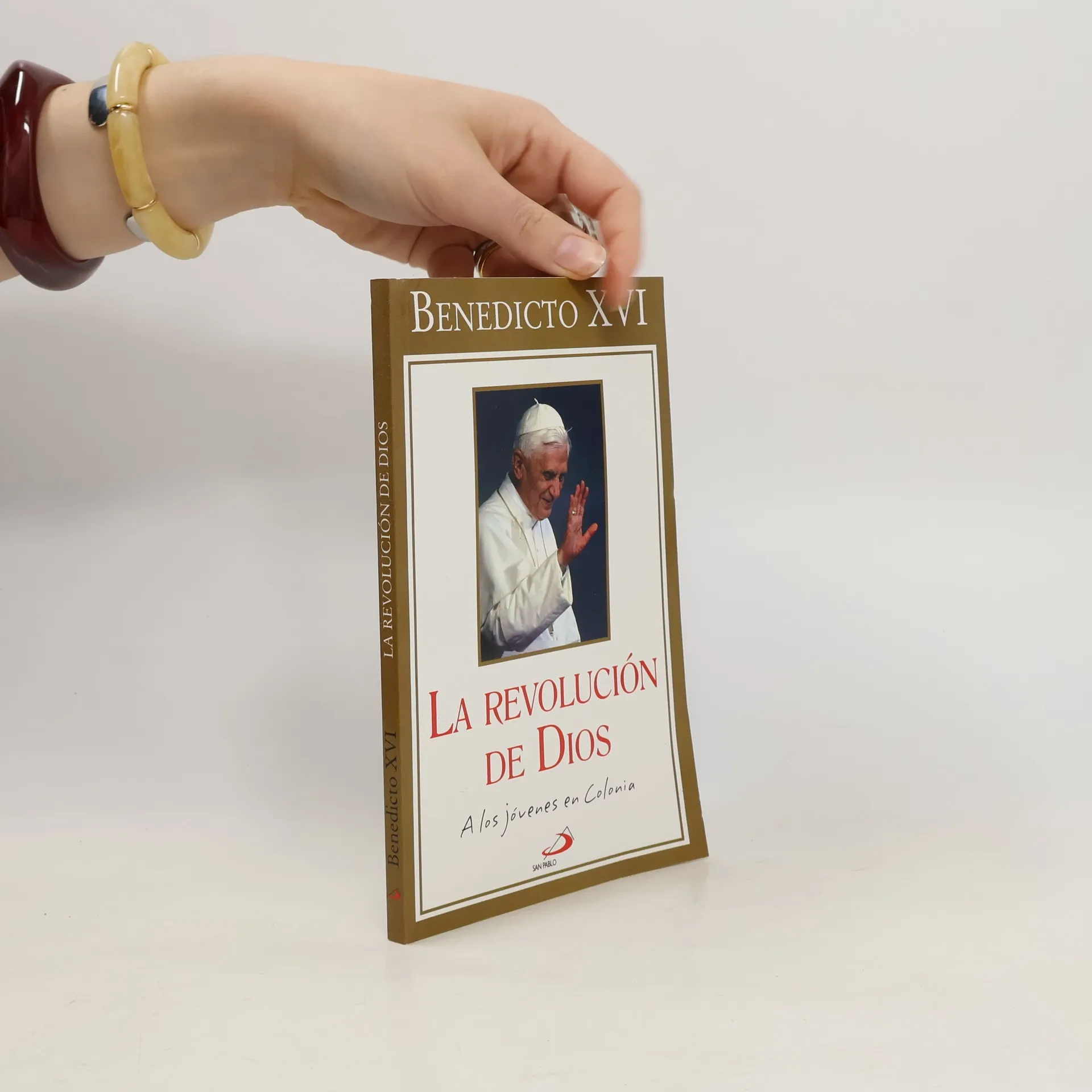
«En el gesto de las manos que bendicen se expresa la relación duradera de Jesús con sus discípulos, con el mundo. En su ascensión Él viene para elevarnos por encima de nosotros mismos y abrir el mundo a Dios. Por eso, los discípulos pudieron alegrarse cuando volvieron de Betania a casa. Por la fe sabemos que Jesús, al bendecir, tiene sus manos extendidas sobre nosotros. Esta es la razón permanente de la alegría cristiana». Joseph Ratzinger / Benedicto XVI
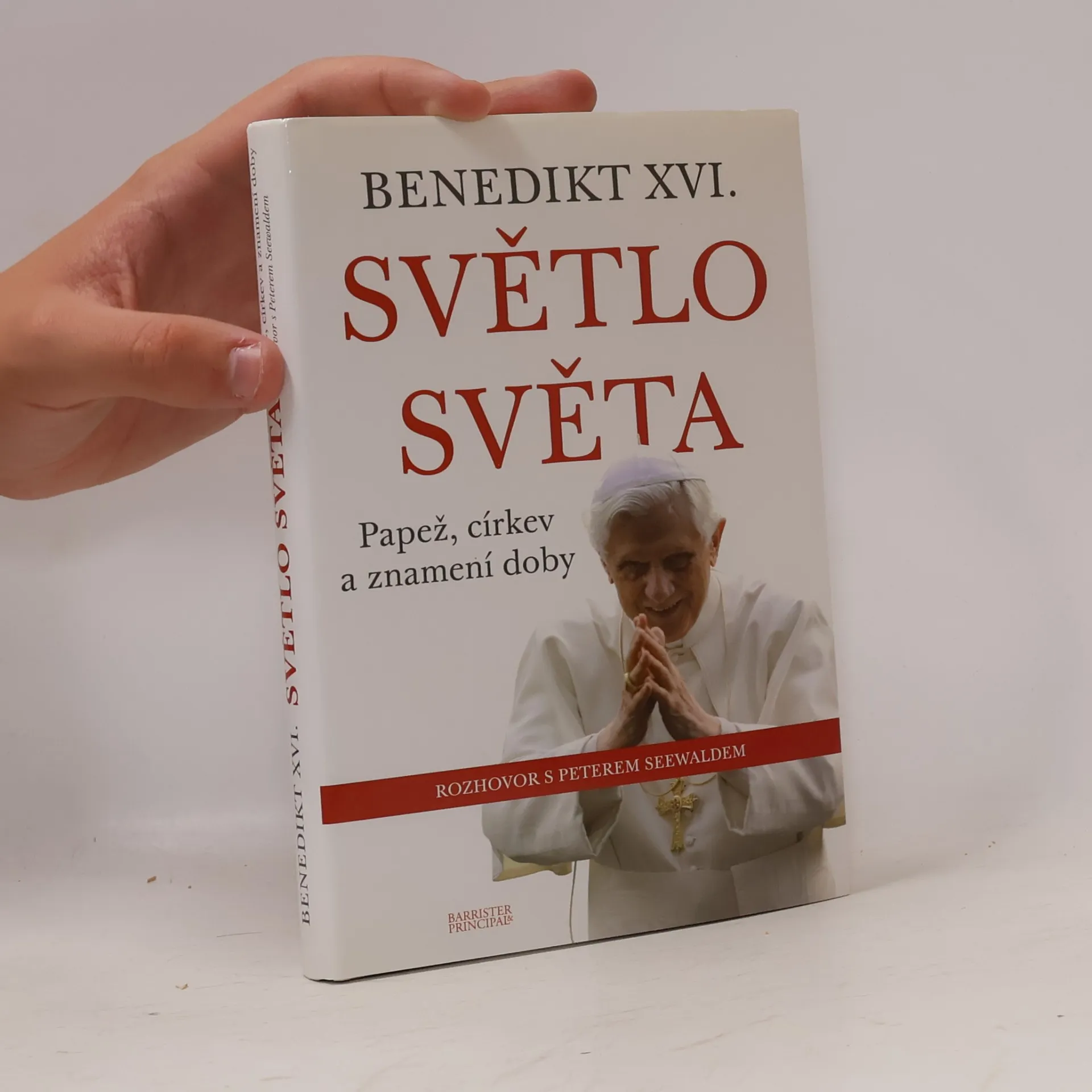
Světlo světa. Papež, církev a znamení doby
- 204pages
- 8 heures de lecture
Jak vidí Benedikt XVI. sebe a svůj pontifikát, čeho chce dosáhnout? Jak se vyjádří k sexuálním skandálům v církvi? K Williamsonovu případu? Jak hodnotí změny po církevních reformách? Stav ekumeny? Vztahy se židy a muslimy? Co říká hlava 1, 2 miliardy katolíků proměnám západní společnosti, kde je víra lhostejná stále většímu počtu lidí? Co křesťanství nabízí v moderním světě? Jsou v krizích této doby skryty i dosud neodhalené šance pro církev, pro svět, pro každého z nás? Po úspěšných knihách rozhovorů Sůl země (česky vyšlo jako Křesťanství na přelomu tisíciletí) a Bůh a svět vychází třetí kniha v této sérii, kde Joseph Ratzinger odpovídá poprvé jako papež. A to otevřeně, nevyhýbá se žádné otázce – způsobem, který je v církevních dějinách zcela ojedinělý.
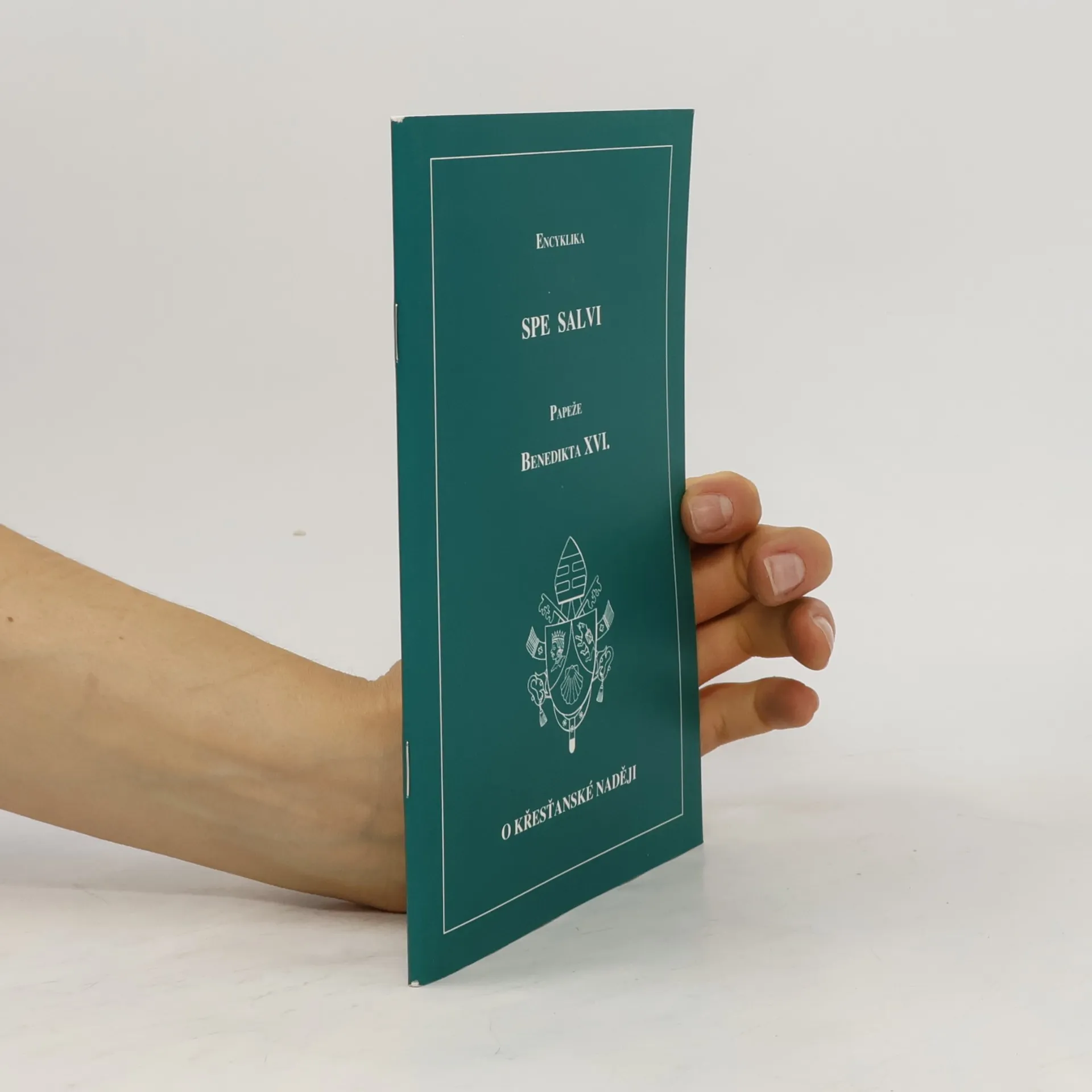
Spe salvi
- 63pages
- 3 heures de lecture
Encyklika papeže Benedikta XVI. o křesťanské naději. „SPE SALVI facti sumus“ (Řím 8,24) – ,,V naději jsme spaseni,“ říká sv. Pavel nejen Římanům, ale také nám. To jsou první slova nové encykliky papeže Benedikta XVI. Již název naznačuje, že jejím tématem je naděje. List o rozsahu 50 článků lze rozdělit do dvou částí: v první nalezneme malé, ucelené pojednání o křesťanské naději, ve druhé se papež zamýšlí nad „místy“ současného života, kde se člověk naději nejen učí, ale také ji hned uplatňuje.
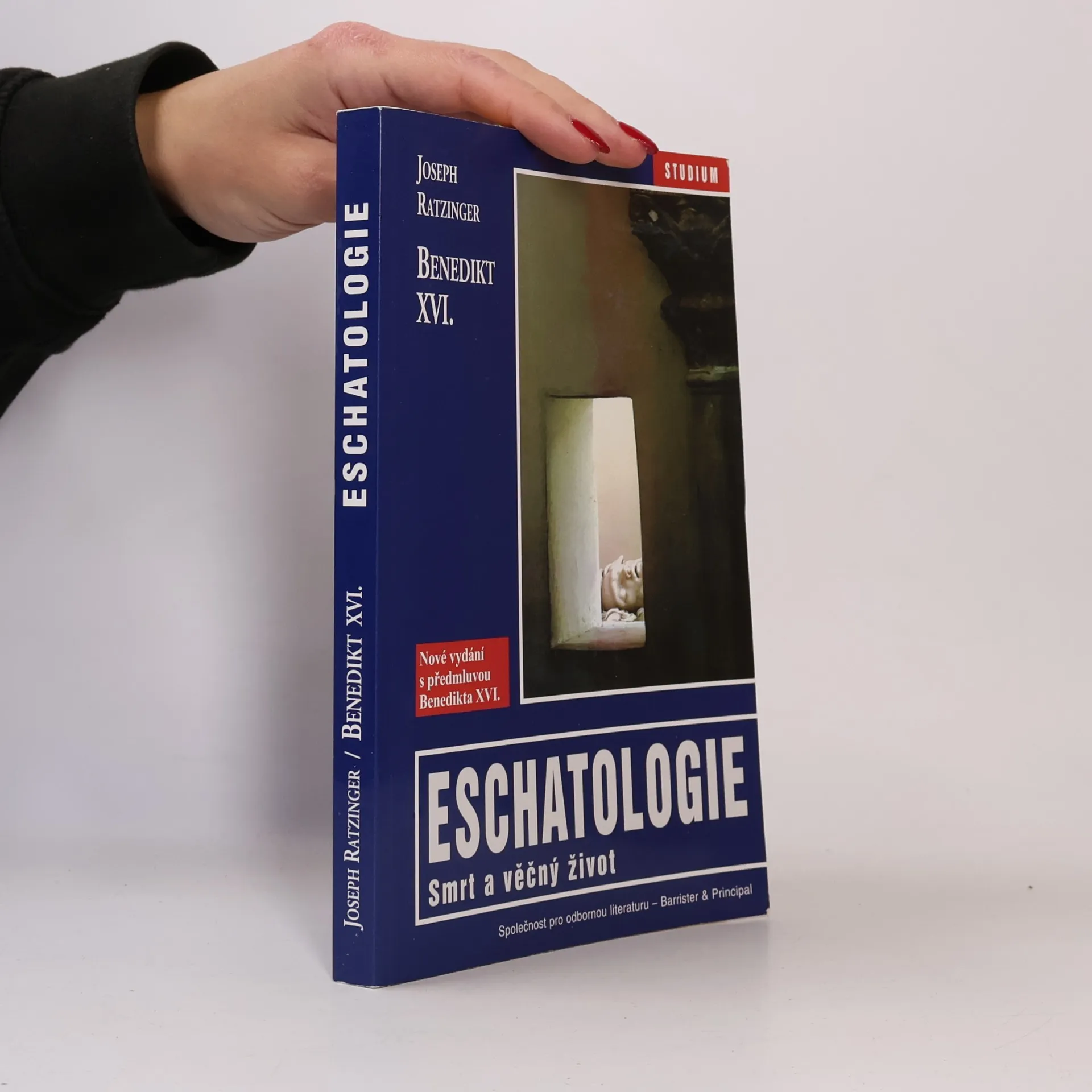
Eschatologie: Smrt a věčný život
- 195pages
- 7 heures de lecture
Pod pojmem eschatologie (řecké slovo éschatos znamená poslední) rozumíme učení o ,,posledních věcech“ či výpovědi víry o konečném údělu jednotlivého člověka a také o Bohem způsobené obnově lidstva a celého vesmíru. Joseph Ratzinger, dnes papež Benedikt XVI., pojednává v této knize, která tvoří součást Malé katolické dogmatiky, o duši, smrti, očistci, vzkříšení, věčném životěa obnově kosmu na základě hluboké analýzy Starého i Nového zákona a především bohaté křesťanské tradice. Čtenář může právem očekávat nejen přesvědčivou interpretaci starších církevních formulací, ale i břitkou polemiku s eschatologickými koncepcemi dvacátého století. Autor zde důkladně rozvedl intuice svého učitele Hanse Urs von Balthasara, který prohlásil: ,,Eschatologie je větrná korouhvička v teologii naší doby. Od ní vystupují ony bouře, které plodně ohrožují velkou oblast teologie: mohou utlouci kroupami, nebo občerstvit
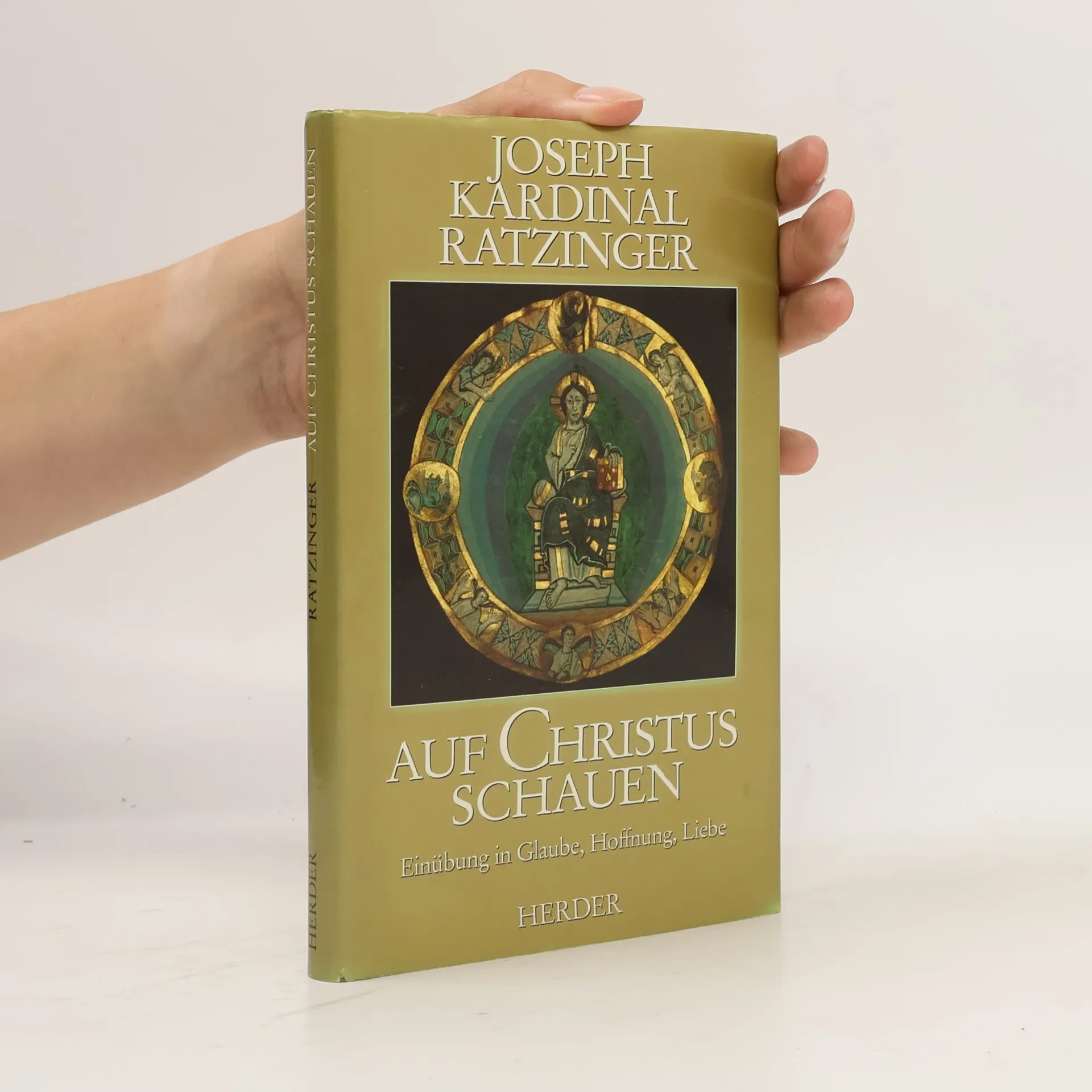
Auf Christus schauen
- 128pages
- 5 heures de lecture
Joseph Ratzinger, geb. 1927, in Marktl am Inn; Studium der katholischen Theologie und Philosophie an der Philosophisch-theologischen Hochschule Freising und an der Universität in München; Priesterweihe 1951, 1953 Promotion zum Dr. theol., 1957 Habilitation, theologische Professuren in Freising, Bonn, Münster, Tübingen und Regensburg, Konzilsberater des Erzbischofs von Köln, Josef Kardinal Frings, Peritus, 1977-1982 Erzbischof von München und Freising, 1977-2005 Kardinal, 1981-2005 Präfekt der Glaubenskongregation, Präsident der Päpstlichen Bibelkommission und der Internationalen Theologenkommission, 2002-2005 Dekan des Kardinalskollegiums, 2005-2013 Papst Benedikt XVI., Autor des Weltbestsellers „Jesus von Nazareth".
Európa
- 133pages
- 5 heures de lecture
Ako vznikla Európa a aké sú jej hranice? Kto má právo nazývať sa Európanom a vstúpiť do novej Európy? Z týchto otázok je zrejmý dôvod naliehania na duchovné korene Európy, na morálny základ politiky Európskej únie, na zodpovednosť za mier v únii a vo svete. Inak prevažuje výlučne ekonomické zmýšľanie, vnútorná príležitostná politika, premenlivá zahraničná politika. Rozsahom malá kniha kladie ťažké otázky, ktoré sa stávajú ešte naliehavejšími po posledných dramatických udalostiach vo svete. Od odpovedí na tieto otázky závisí, ako hovorí Joseph Ratzinger, prítomnosť i budúcnosť Európy....
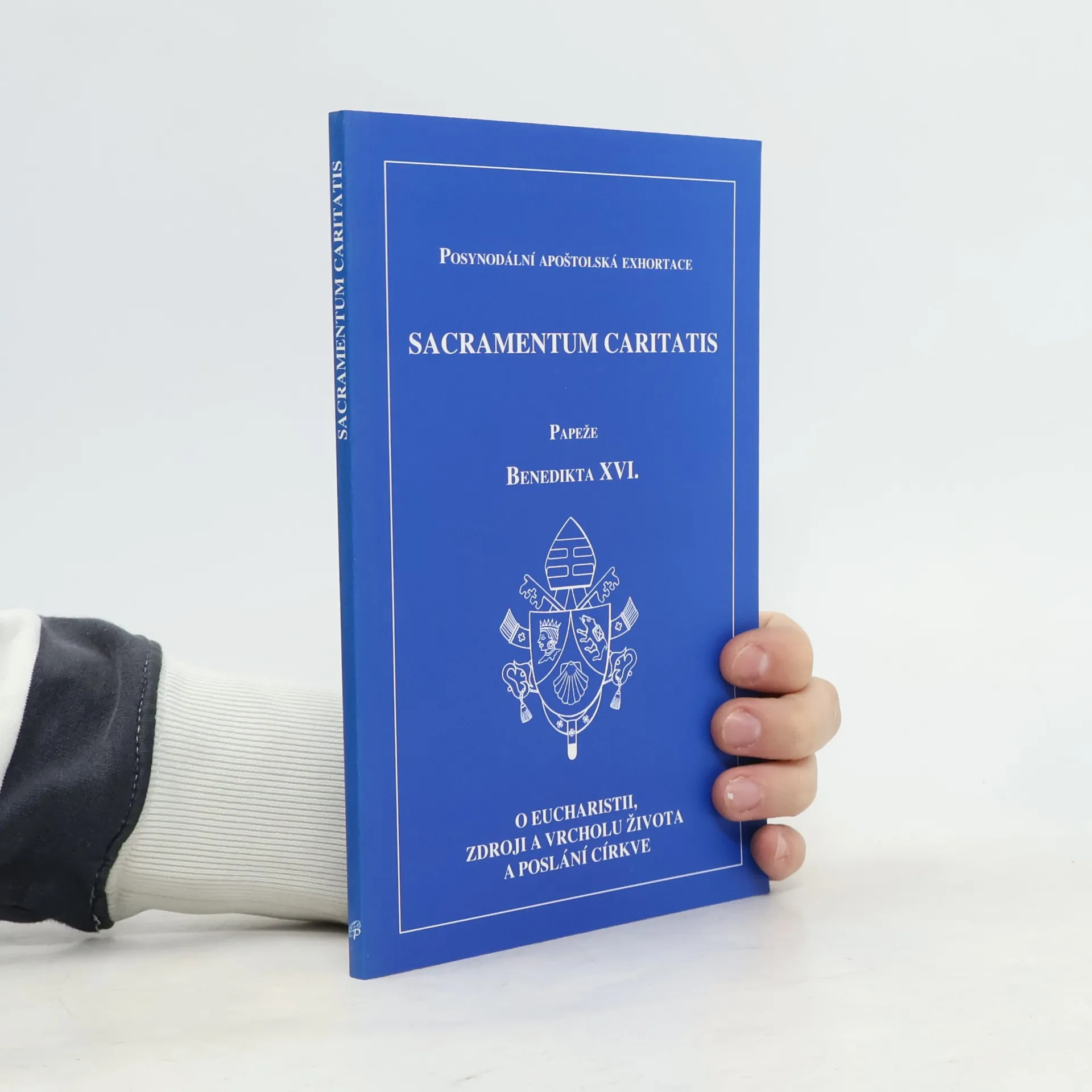
Sacramentum caritatis - (Svátost lásky)
- 110pages
- 4 heures de lecture
Posynodální apoštolská exhortace Sacramentum caritatis (Svátost lásky) o eucharistii. Pojednává o ní jako o tajemství víry, o jejím liturgickém slavení a úctě.
Doba, v níž žijeme, je dobou velkých nebezpečí i velkých příležitostí pro člověka, ale i velké odpovědnosti. Jeho možnosti a schopnost disponovat světem dospěly tak daleko, že jeho destruktivní moc svými rozměry nahání hrůzu. Stejně zneklidňující jsou možnosti „auto-manipulace“, kterou člověk nabyl. Nerovné rozdělení darů země, rostoucí chudoba, vykořisťování zdrojů země, hlad, nemoci, které ohrožují celý svět, střety kultur – to vše ukazuje, že růstu možností člověka neodpovídá rovnoměrný rozvoj jeho mravní energie. Tento letmý pohled na světovou situaci nás vede k zamyšlení nad současným stavem křesťanství, a proto také nad základy Evropy; oné Evropy, která kdysi byla křesťanským světadílem.
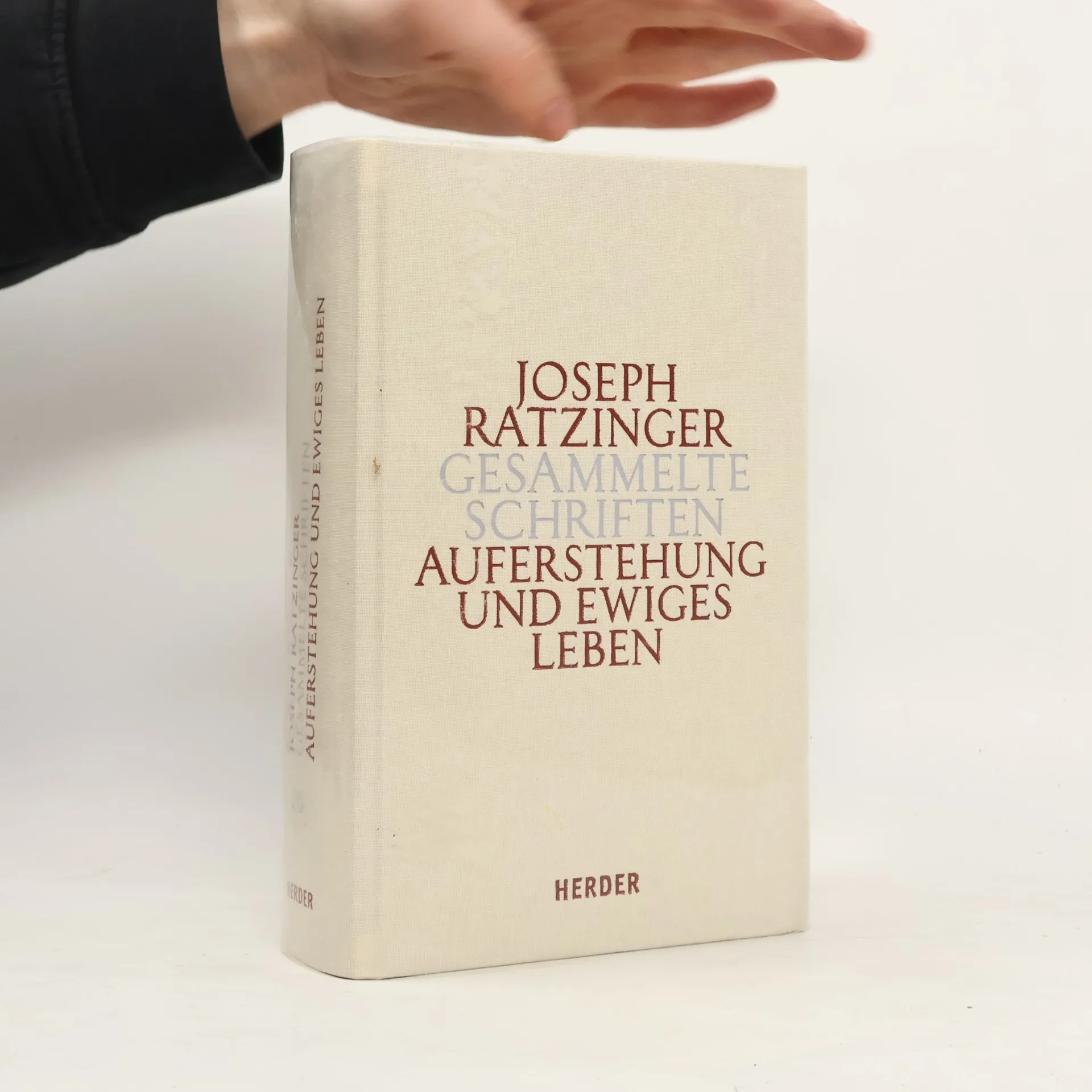
Gesammelte Schriften Band 10. Auferstehung und Ewiges Leben
Beiträge zur Eschatologie und zur Theologie der Hoffnung
- 761pages
- 27 heures de lecture
Rare Book
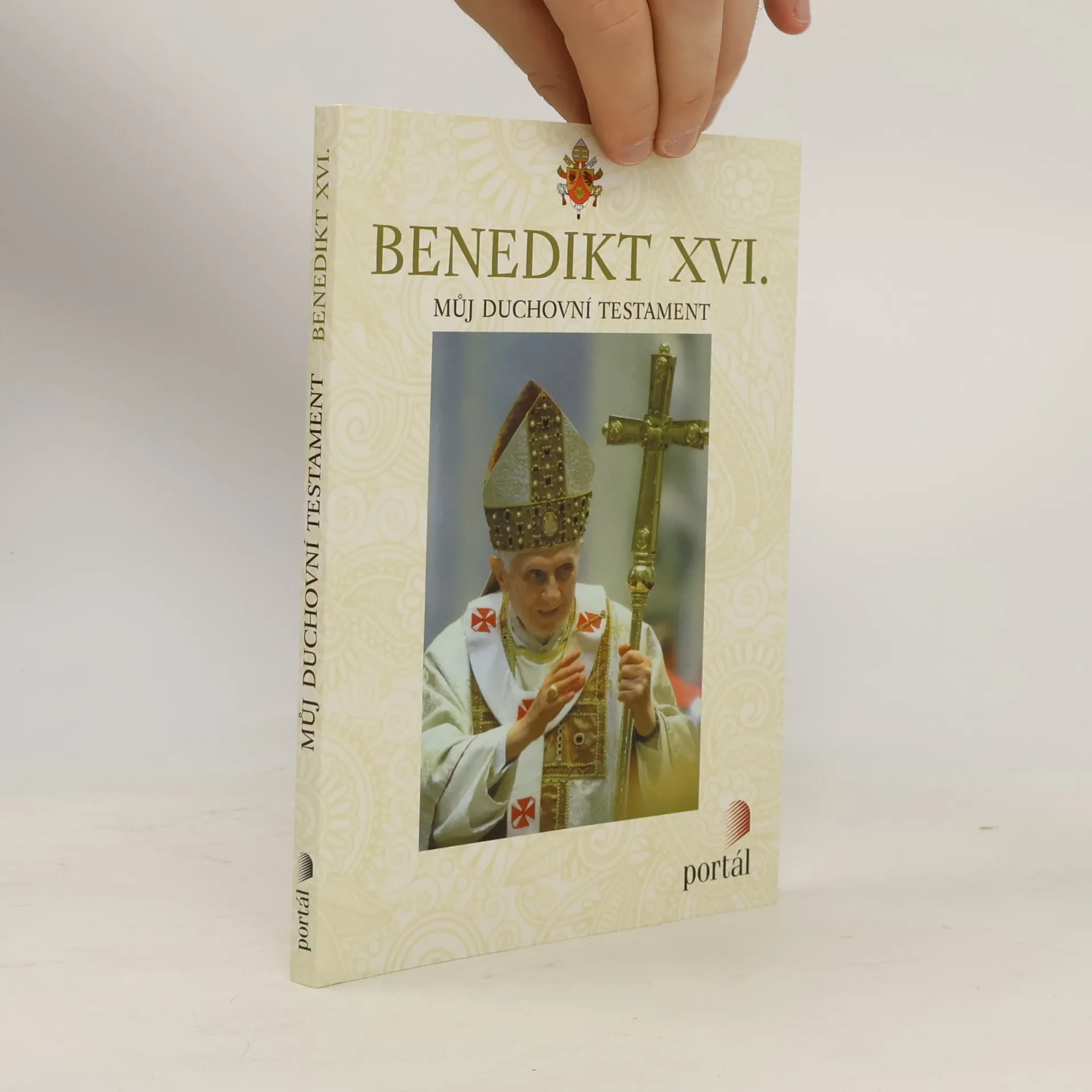
Ve chvíli, kdy Benedikt XVI. opouští svůj úřad, zůstává v těch, kteří se v posledních letech sytili jeho slovem, pocit vděku. Velký duchovní odkaz nelze samozřejmě shrnout na několika stranách, avšak tato knížka – malé poděkování za pontifikát, který zanechává trvalou stopu – může posloužit k načrtnutí vnitřní linie jeho díla. Ústředním motivem je téma víry, protože ona byla pulzujícím srdcem celého učitelského úřadu Benedikta XVI. Nad textem jeho testamentu si uvědomujeme, nakolik je každý člověk v křesťanském životě vlastně na začátku a jak moc má zapotřebí stále znovu se učit tomu, na co pozapomněl, nebo znovu vdechnout život tomu, co bylo zhašeno nebo vyhaslo, či dokonce znovu získat to, co bylo opuštěno nebo odloženo.
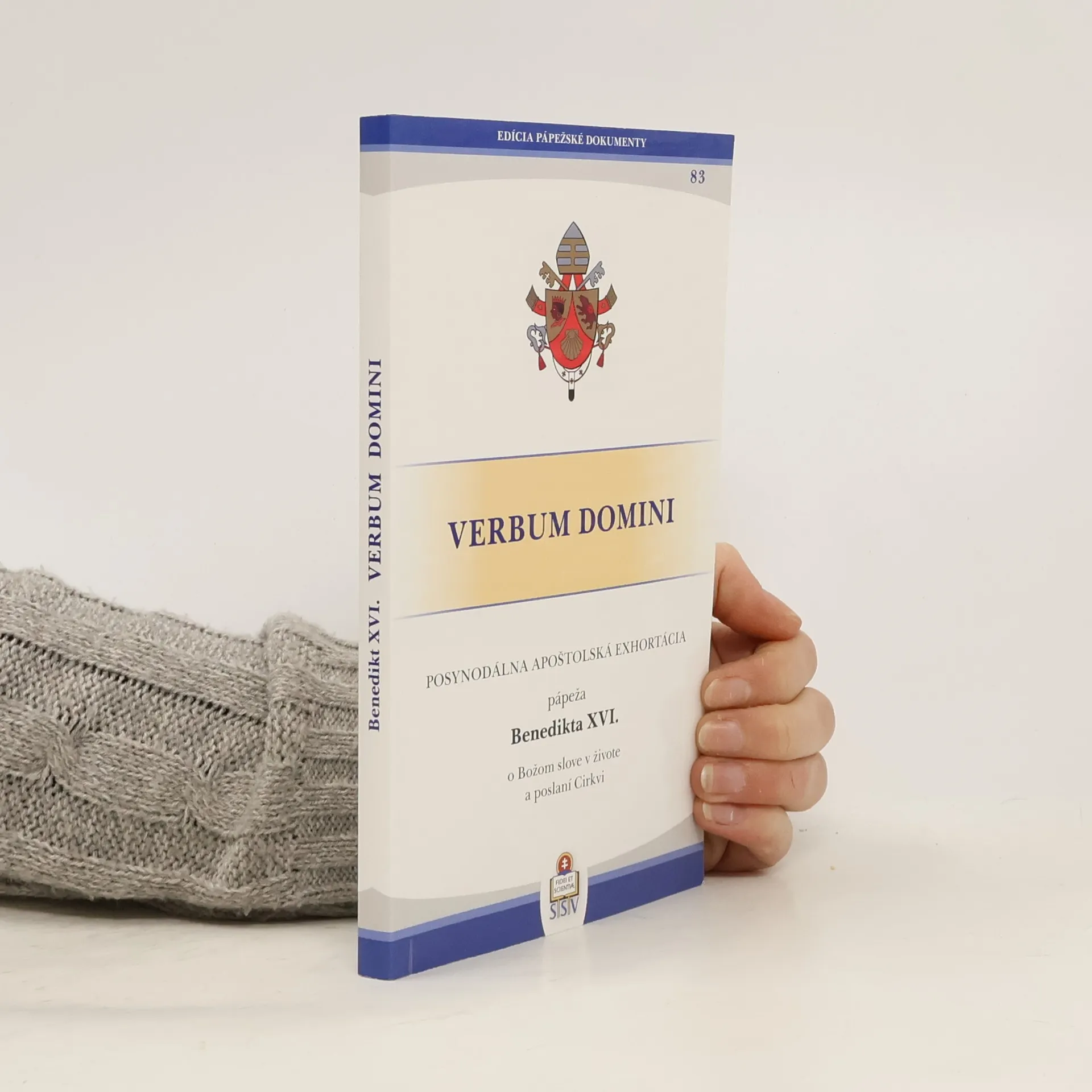
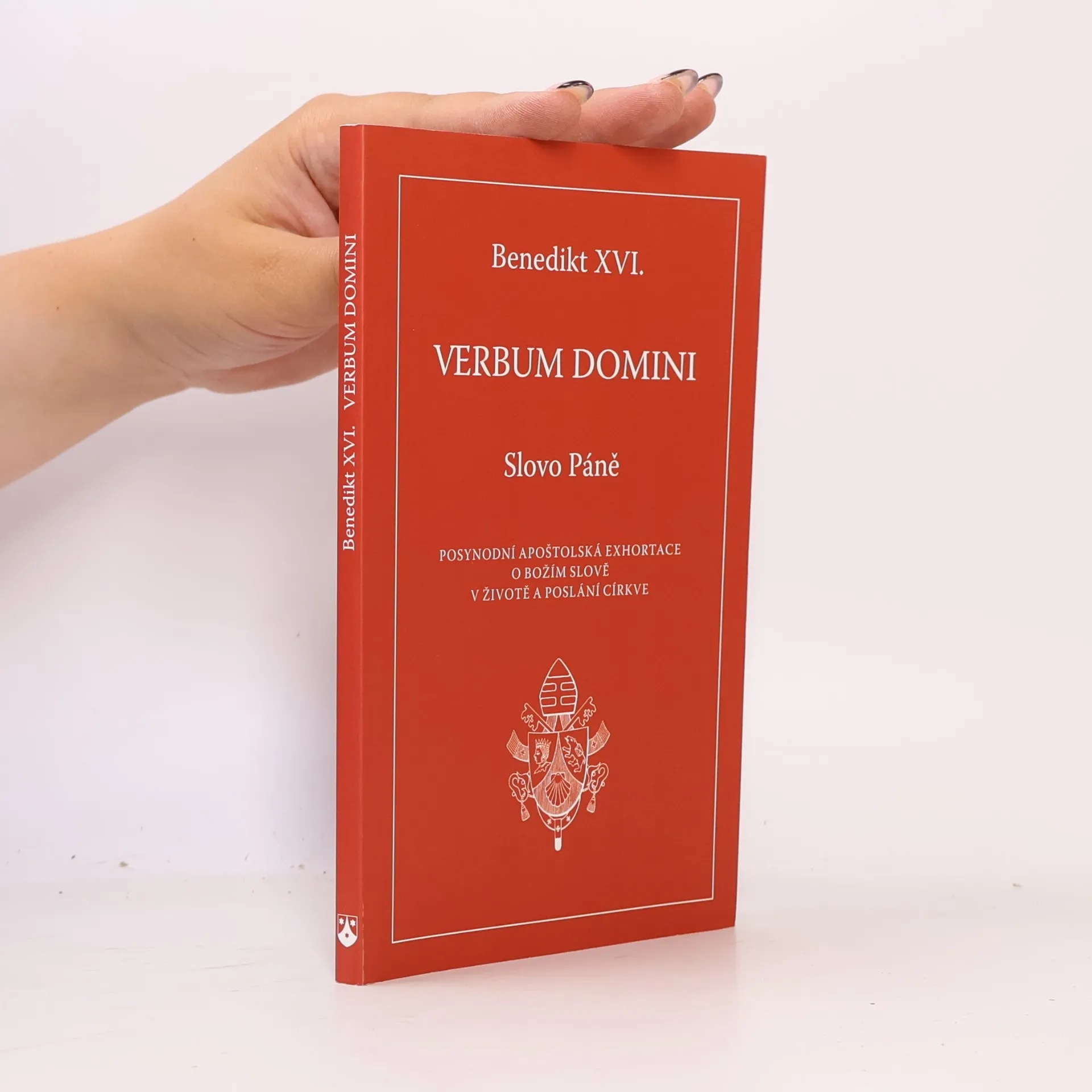
Verbum Domini
- 168pages
- 6 heures de lecture
Posynodálna apoštolská exhortácia pápeža Benedikta XVI. o Božom slove v živote a poslaní cirkvi.
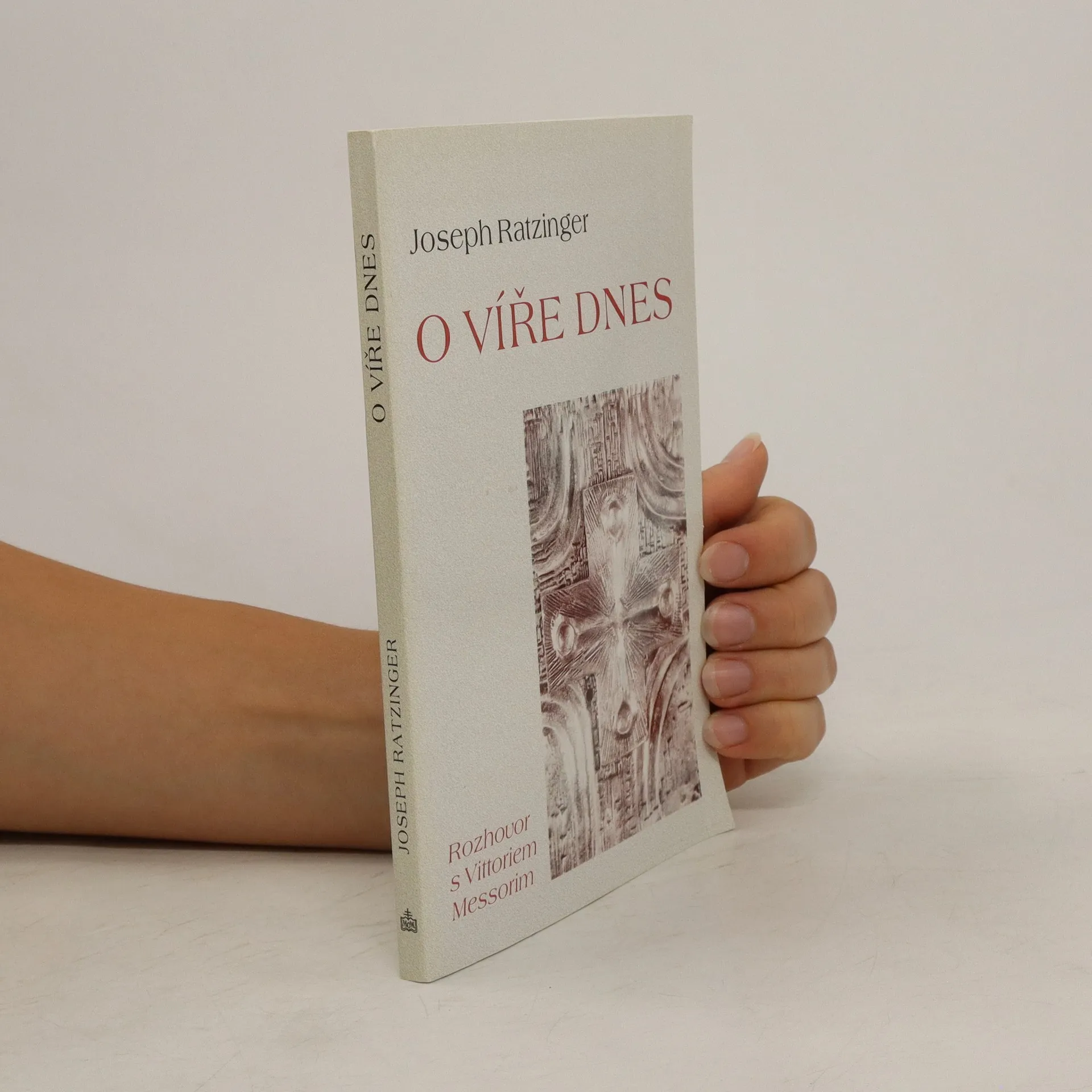
O víře dnes: Rozhovor s Vittoriem Messorim
- 159pages
- 6 heures de lecture
Ještě jako prefekt Kongregace pro nauku víry vedl J. Ratzinger rozhovor s novinářem Vittoriem Messorim, ve kterém odpovídal na aktuální otázky doby. Zcela jasná stanoviska jsou odrazem pevné víry, která se opírá o živého Krista a tradici katolické církve, jak je zachycena v učení učitelského úřadu církve.
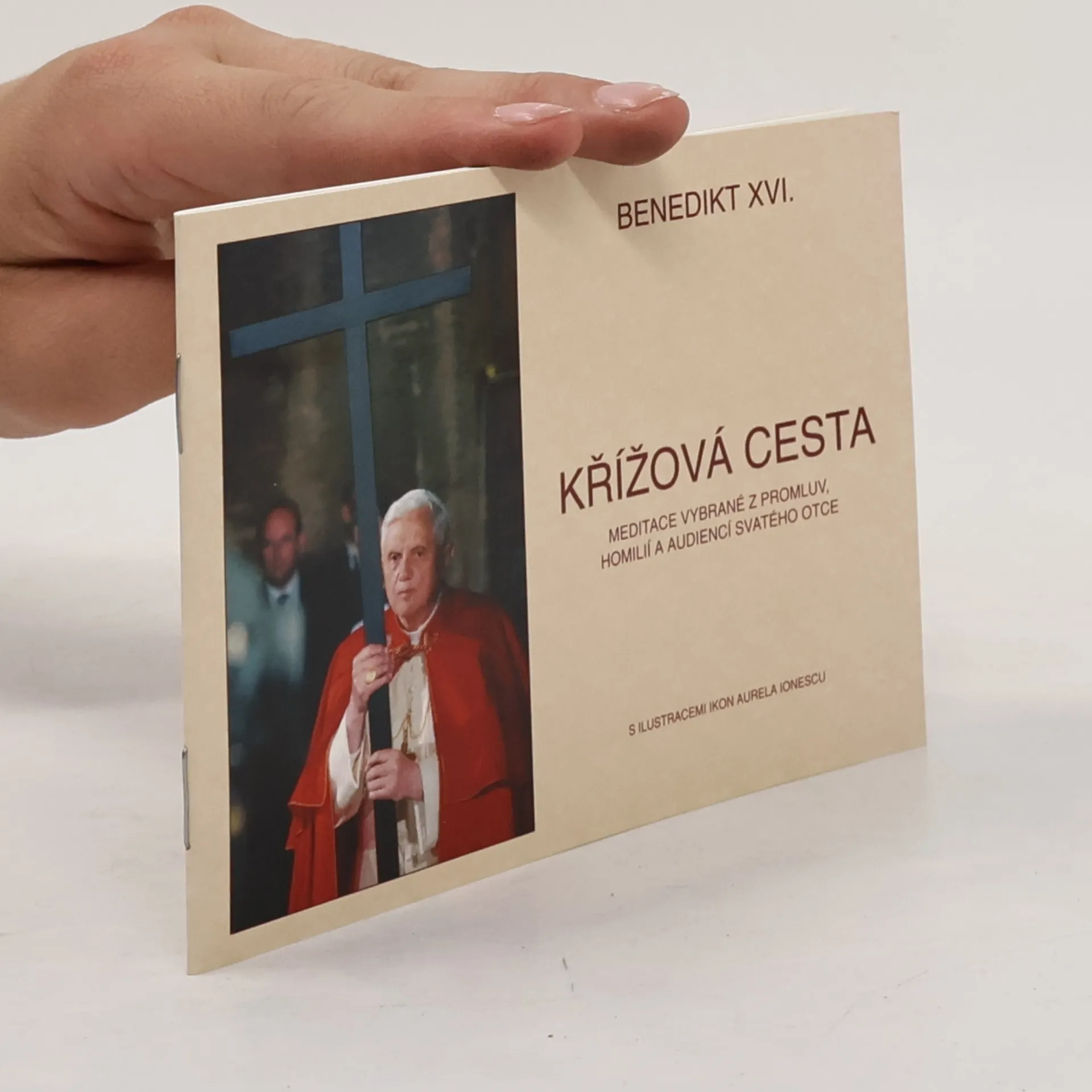
Meditace vybrané z promluv, homilií a audiencí Svatého otce.
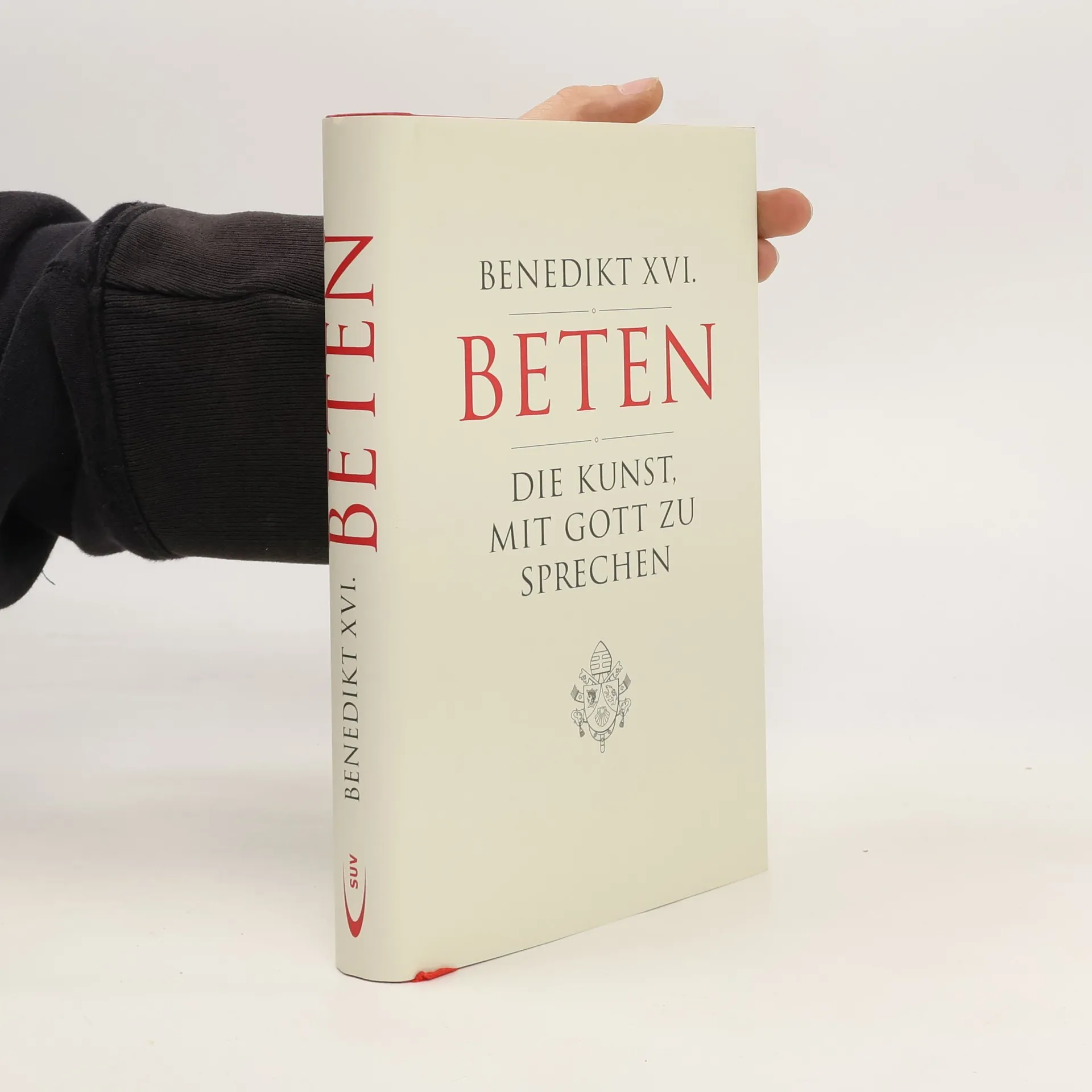
Beten
- 256pages
- 9 heures de lecture
Katechesen von Papst Benedikt XVI. zum Thema Gebet gehalten vom 4. Mai 2011 bis 3. Oktober 2012
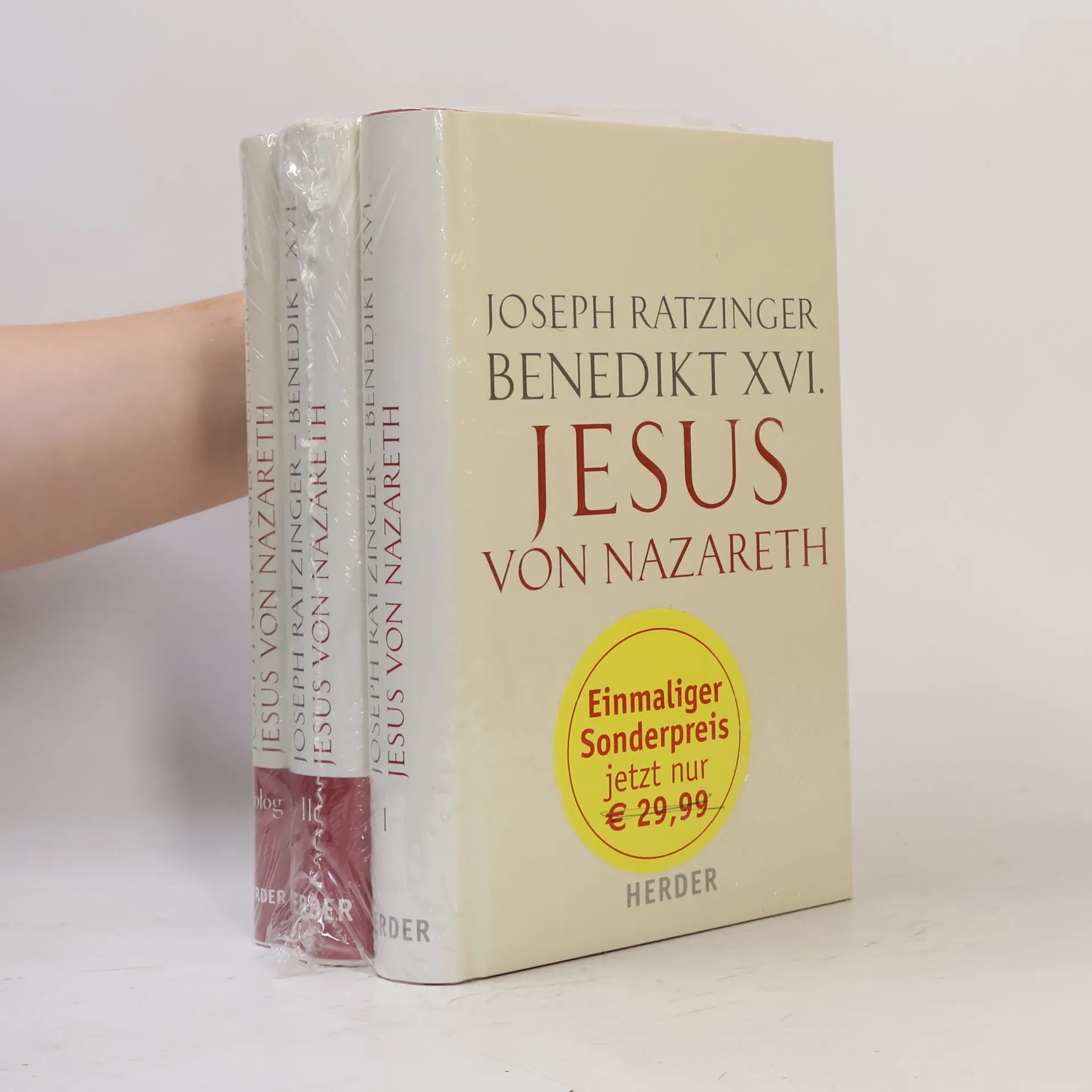
Jesus von Nazareth
3 Bde., Ausgabe gebunden mit Schutzumschlag
Zu diesem Werk bin ich lange innerlich unterwegs gewesen. Joseph Ratzinger/Benedikt XVI. Das Werk "Jesus von Nazareth" hat auf der ganzen Welt Millionen Menschen zur Auseinandersetzung mit ihrem Glauben gebracht. Niemals zuvor hat ein Papst so sehr Einblick in sein eigenes Suchen nach Gott gegeben. Er lasst auf bewegende Weise teilhaben an seiner begrundeten Uberzeugung: Die Botschaft der Evangelien von Jesus als dem Sohn Gottes, von Auferstehung und Erlosung ist verlasslich. Diese Ausgabe enthalt alle drei Bande: Prolog (Die Kindheitsgeschichten), Band I (Von der Taufe im Jordan bis zur Verklarung) und Band II (Vom Einzug in Jerusalem bis zur Auferstehung).
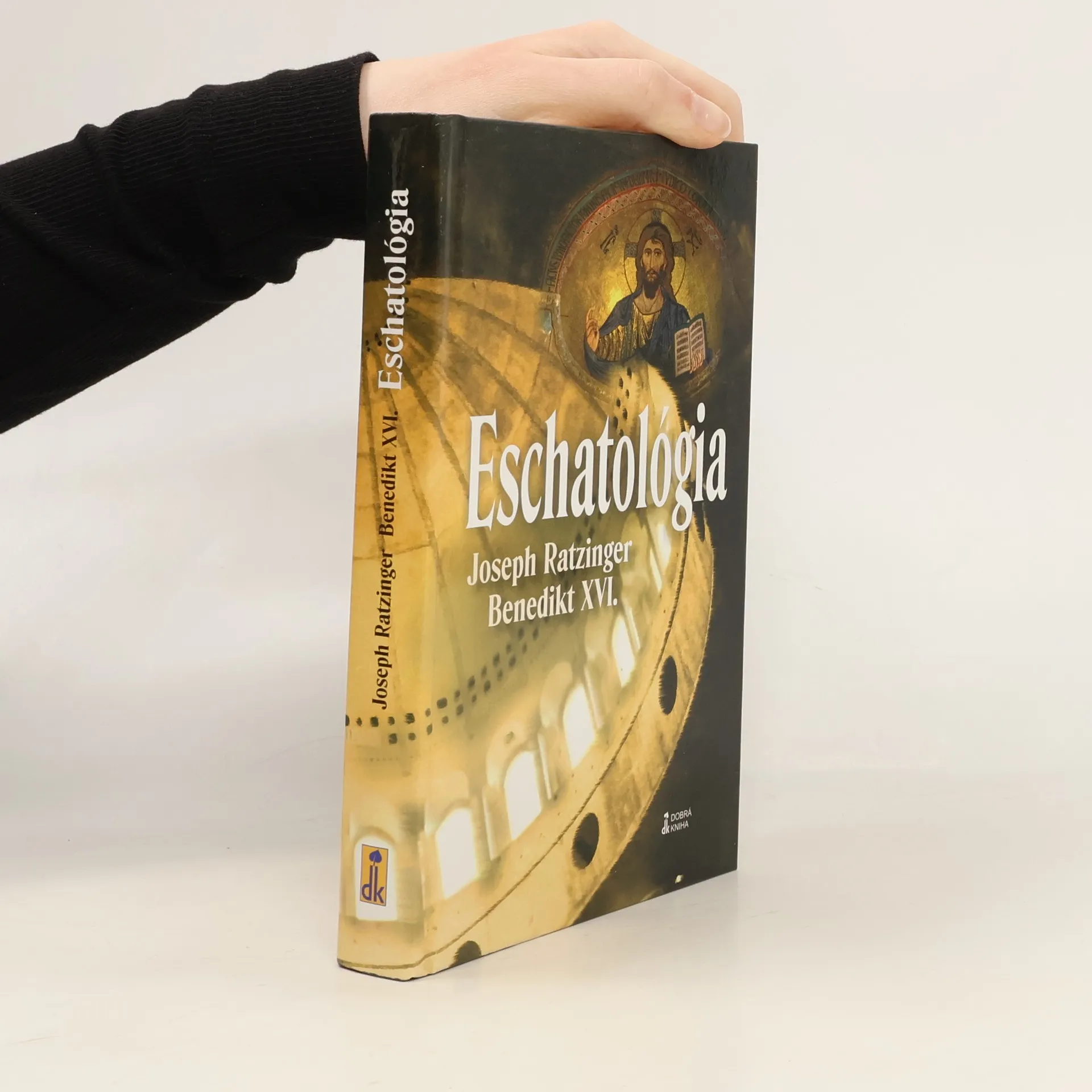
Eschatológia
- 264pages
- 10 heures de lecture
Smrť a večný život Eschatológia ako teologická disciplína si dlhé roky pokojne hovela na konci systematickej teológie, veď ide predsa o traktát o „posledných veciach“.
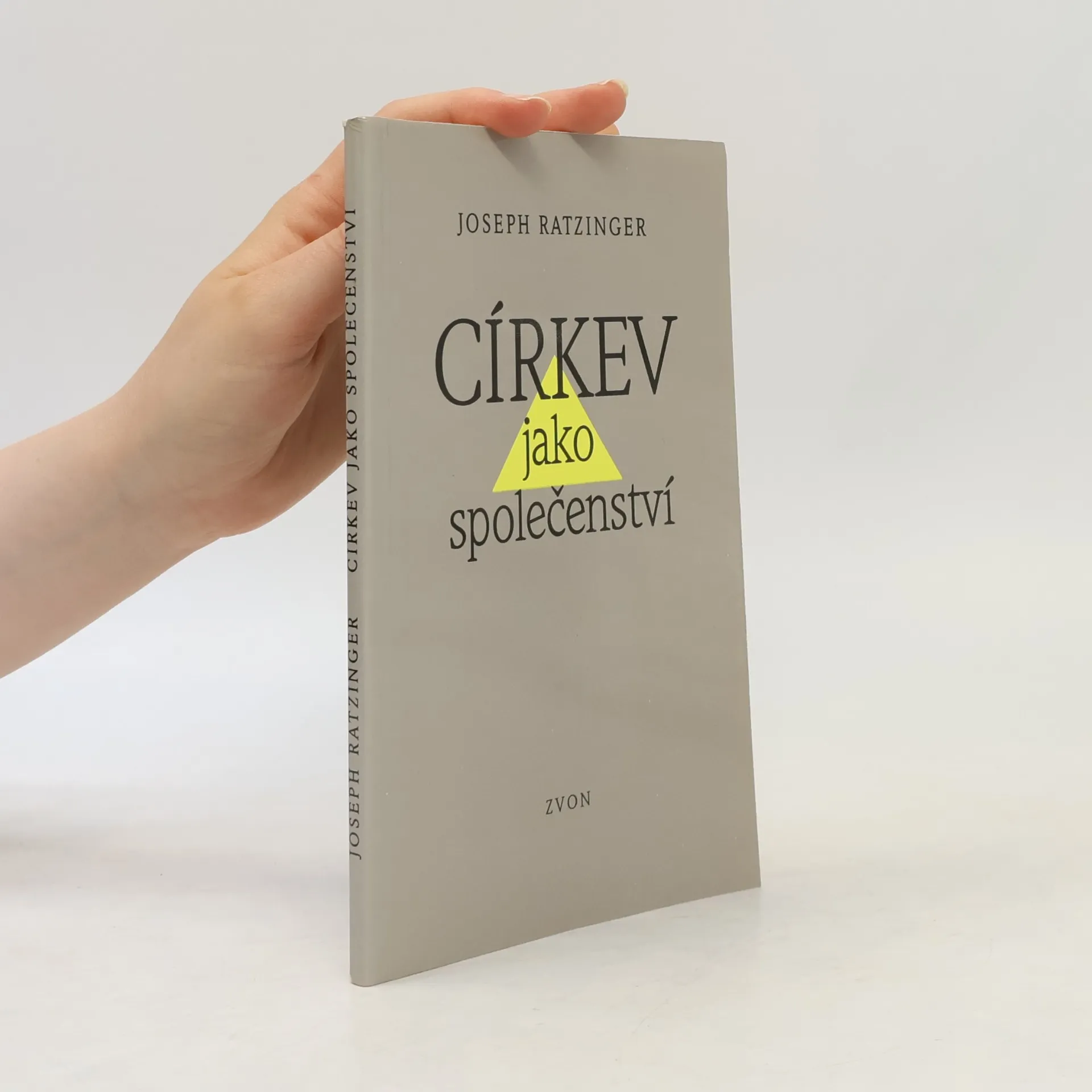
Církev jako společenství
- 113pages
- 4 heures de lecture
Otázky o církvi se dnes do značné míry soustřeďují na to, jak je ji možno jinak a lépe realizovat. Když někdo zamýšlí vylepšit nějaký nástroj, musí nejprve vypátrat jeho konstrukci. Tím spíše chce-li uzdravit určitý organismus, musí zkoumat jeho vnitřní výstavbu. Nemá-li konání být zaslepené a vést k destruktivním výsledkům, musí si napřed položit otázku, čím tento organismus je. I v současné době musí vůle k jednání ve věcech církve být trpělivá a nejprve se ptát, čím církev je, odkud pochází a k čemu je určena. Tato útlá knížka se pokouší nabídnout něco jako základní příručku katolického učení o církvi.
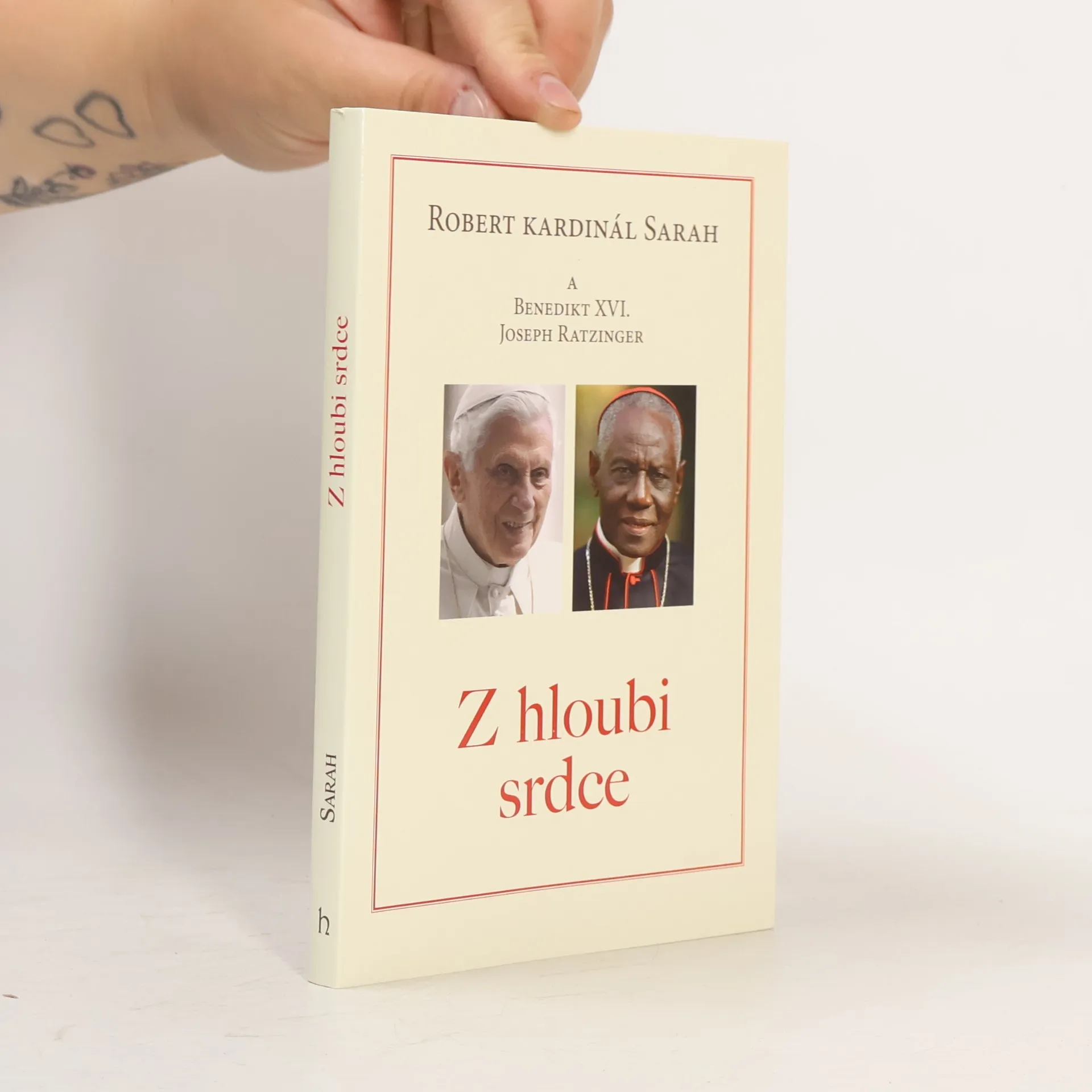
Vzrušené diskuse, které v posledních měsících probíhají v církvi, přivedly Benedikta XVI. a kardinála Roberta Saraha k přesvědčení, že se musejí vyjádřit. Emeritní papež po své abdikaci v únoru 2013 promlouvá jen vzácně. Chráněn zdmi kláštera Mater Ecclesiae ve vatikánských zahradách se věnuje modlitbě v tichu. Společně s kardinálem Sarahem, svým velkým přítelem, se výjimečně rozhodl napsat esej k otázce, která je pro církev tou nejobtížnější: budoucnost kněží, správná definice kněžství a úcta k celibátu. Ve dvaadevadesáti letech tak Benedikt XVI. podepsal jeden ze svých nejvýznamnějších textů. S neobyčejnou intelektuální, kulturní i teologickou hloubkou jde přímo k jádru problému: „V pozadí vážné situace, v níž se dnes kněžství nalézá, nacházíme metodologickou vadu v přijímání Písma jakožto Božího slova.“ Na jeho neúprosnou analýzu odpovídá text kardinála Roberta Saraha. Jeho výklad se vyznačuje důrazem, radikálností a moudrostí, jež jsou mu vlastní. Nacházíme zde odvážnou reflexi jednoho z nejvýznamnějších prelátů církve.
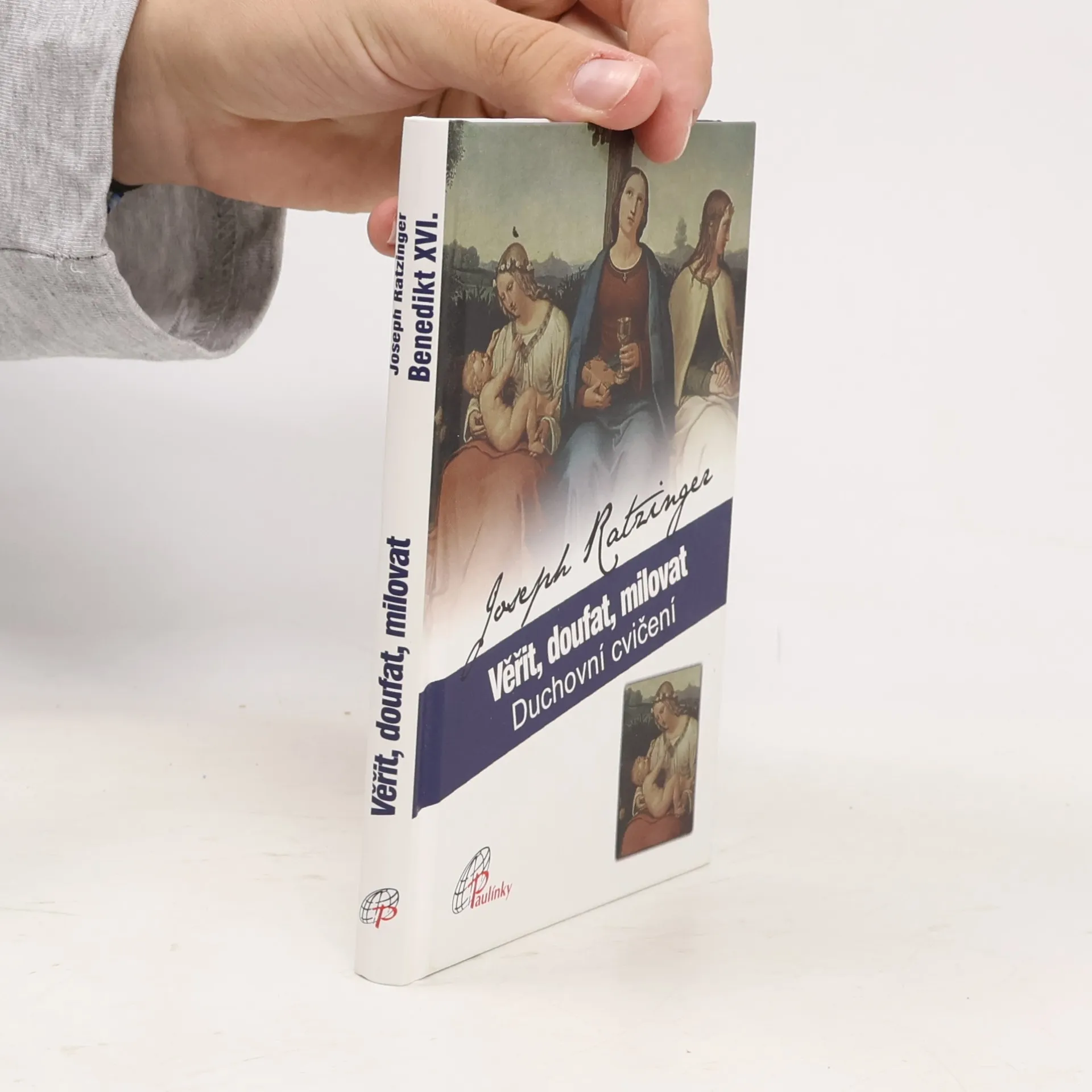
Věřit, doufat, milovat – Duchovní cvičení
- 135pages
- 5 heures de lecture
Otázka Boha není pro člověka teoretickým problémem, ale vrcholně praktickou záležitostí, která se projevuje ve všech oblastech našeho života. Proto ani v úvahách této knihy nejde o promýšlení teorií, ale o pozvání k „duchovním cvičením“ života víry. Jelikož ale křesťanský život není nějakým zvláštním uměním vedle ostatních jiných umění, nýbrž opravdově prožívaným lidským životem, mohli bychom také říci, že jde o „cvičení“ v umění správného života, umění být člověkem.
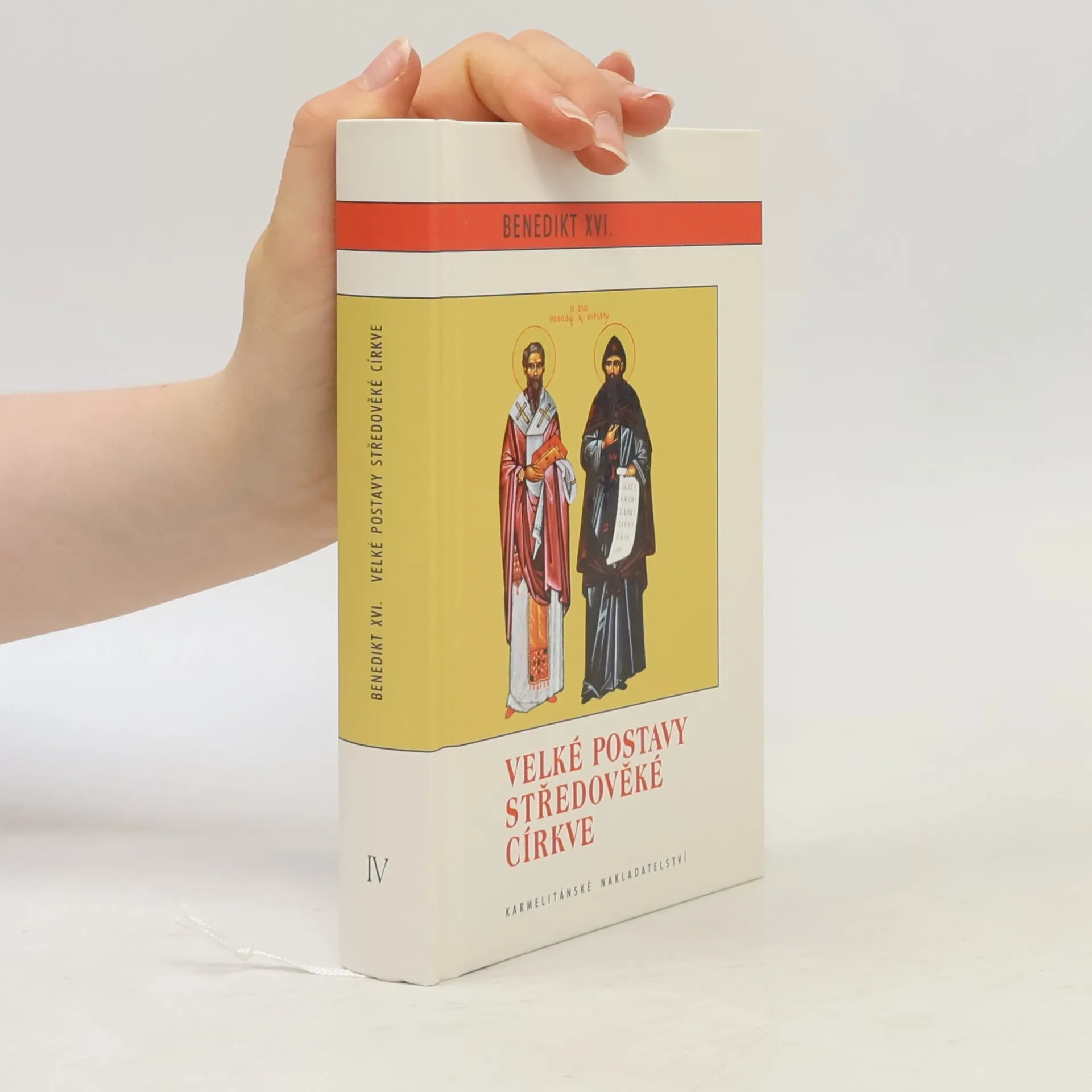
Velké postavy středověké církve
- 414pages
- 15 heures de lecture
V dalším svazku promluv Benedikta XVI. z generálních audiencí dostáváme do rukou portréty nejvýznamnějších postav středověké církve. V první části se papež zabývá zakladatelskými postavami západní a východní církve do doby, než se obě části křesťanstva rozdělily, zabývá se např. i Cyrilem a Metodějem. V druhé části ukazuje na klíčových postavách i silné stránky církve té doby: rozkvět mnišství, vzdělanosti, kultury, myšlení a teologie (např. Anselm z Canterbury, Bernard z Clairvaux, clunyjská reforma, zrod univerzit, románské a gotické umění). Třetí okruh tvoří významné postavy františkánského a dominikánského řádu (mj. František z Assisi, Dominik Guzmán, Bonaventura, Albert Veliký, Tomáš Akvinský). Ve čtvrté části se Benedikt XV. věnuje svatým ženám středověku, jejichž přínos pro církev byl nepřehlédnutelný (Hildegarda z Bingenu, Alžběta Uherská, Kateřina Sienská, Juliána z Norwiche nebo Klára z Assisi, která si dopisovala s naší Anežkou Přemyslovnou). Papežovy katecheze zaujmou čtenáře šíří pohledu a schopností autora vyzdvihnout to, v čem postavy světců mohou inspirovat současnou církev a společnost.
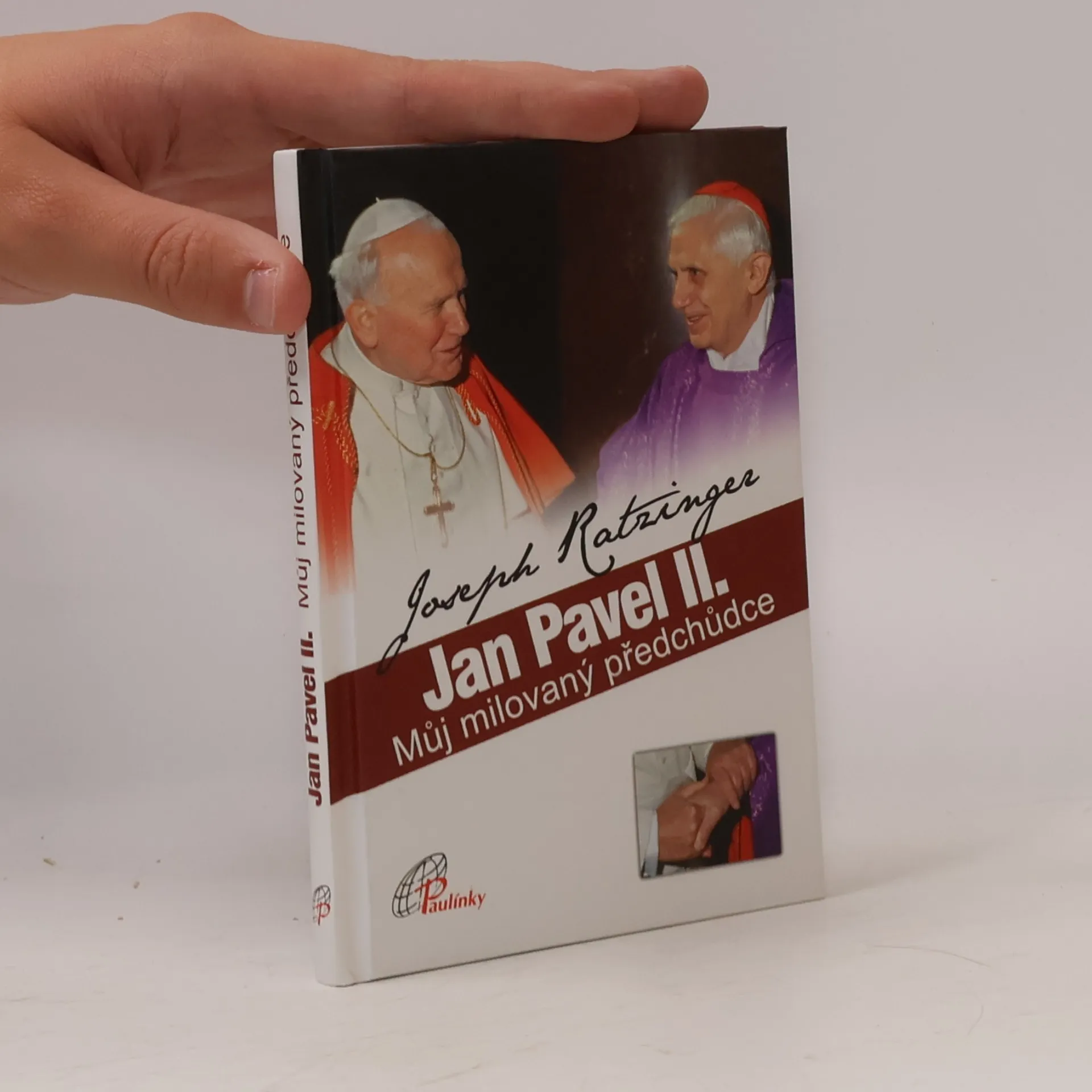
Jan Pavel II. - můj milovaný předchůdce
- 117pages
- 5 heures de lecture
Benedikt XVI. nenapsal dějiny pontifikátu Jana Pavla II. ani studii o myšlení svého předchůdce. Nový papež se prostě a zároveň odvážně zařadil mezi zástupy věřících a obdivovatelů, kteří touží vyjádřit Janu Pavlu II. svou úctu a lásku. První čtyři kapitoly přinášejí texty bývalého prefekta Kongregace pro nauku víry, další čtyři tvoří promluvy, které pronesl po svém zvolení na Petrův stolec. Z celé publikace vyzařuje pevné a hluboké přátelství mezi dvěma papeži, v dějinách papežství zcela neobvyklé. „Síla Wojtyłovy víry se potkala s racionalitou dělníka na vinici Páně, která je připravena obhájit důvody křesťanské naděje.“
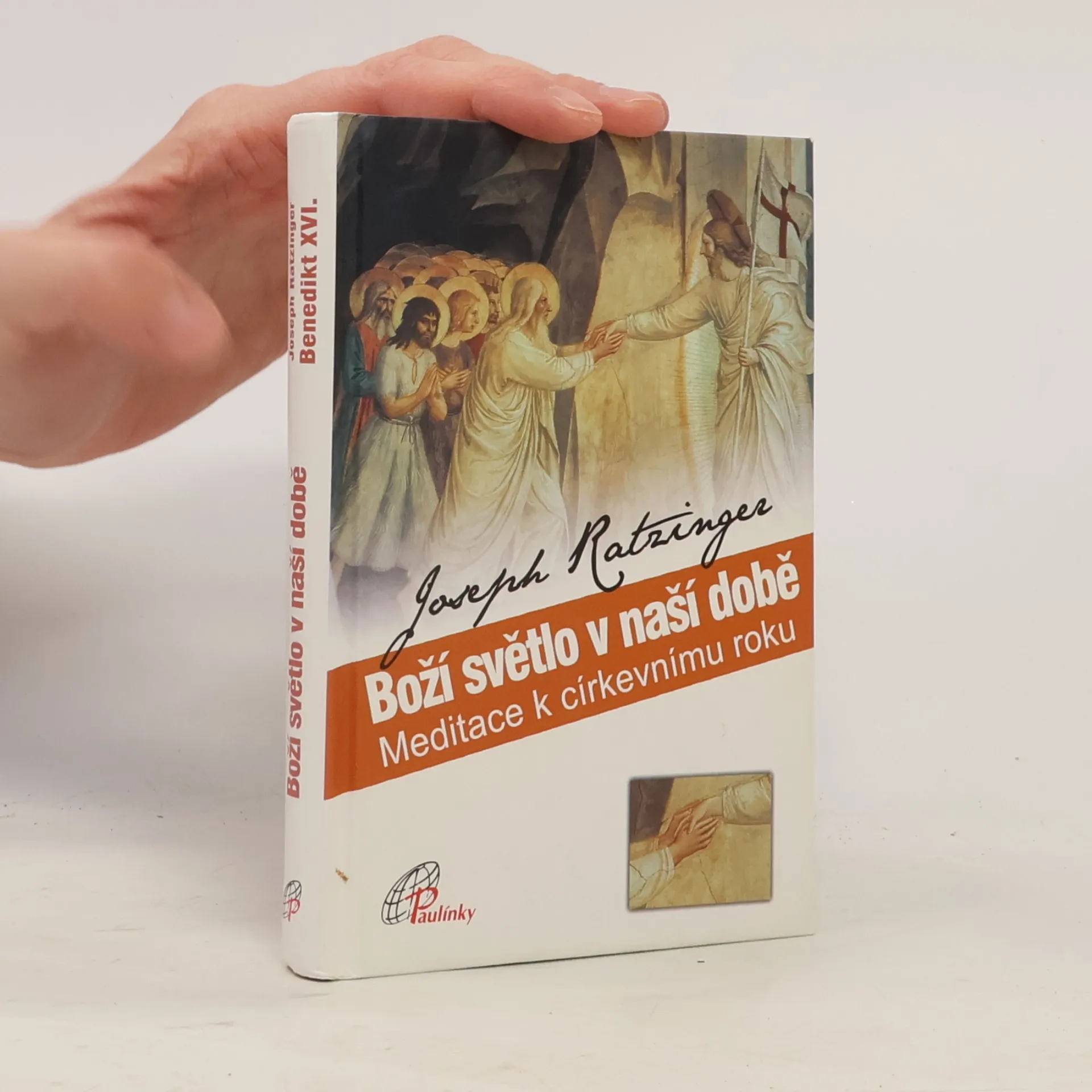
Boží světlo v naší době : meditace k církevnímu roku
- 255pages
- 9 heures de lecture
Meditace k církevnímu roku. Pozvání k prožívání slavností a svátků, tak jak následují v liturgickém roce, spolu s papežem, jenž s myšlenkovou hloubkou a širokým kulturním rozhledem, které jsou mu vlastní, uvažuje o jejich významu v životě moderního člověka. Současný papež se zastavuje u jednotlivých hlavních svátků i osobností církevních dějin a dívá se na ně z tradičního pohledu, zkoumá však také jejich nové aktuální významy. Jsou zde zařazeny i pasáže věnované třeba době dovolených či sportu.
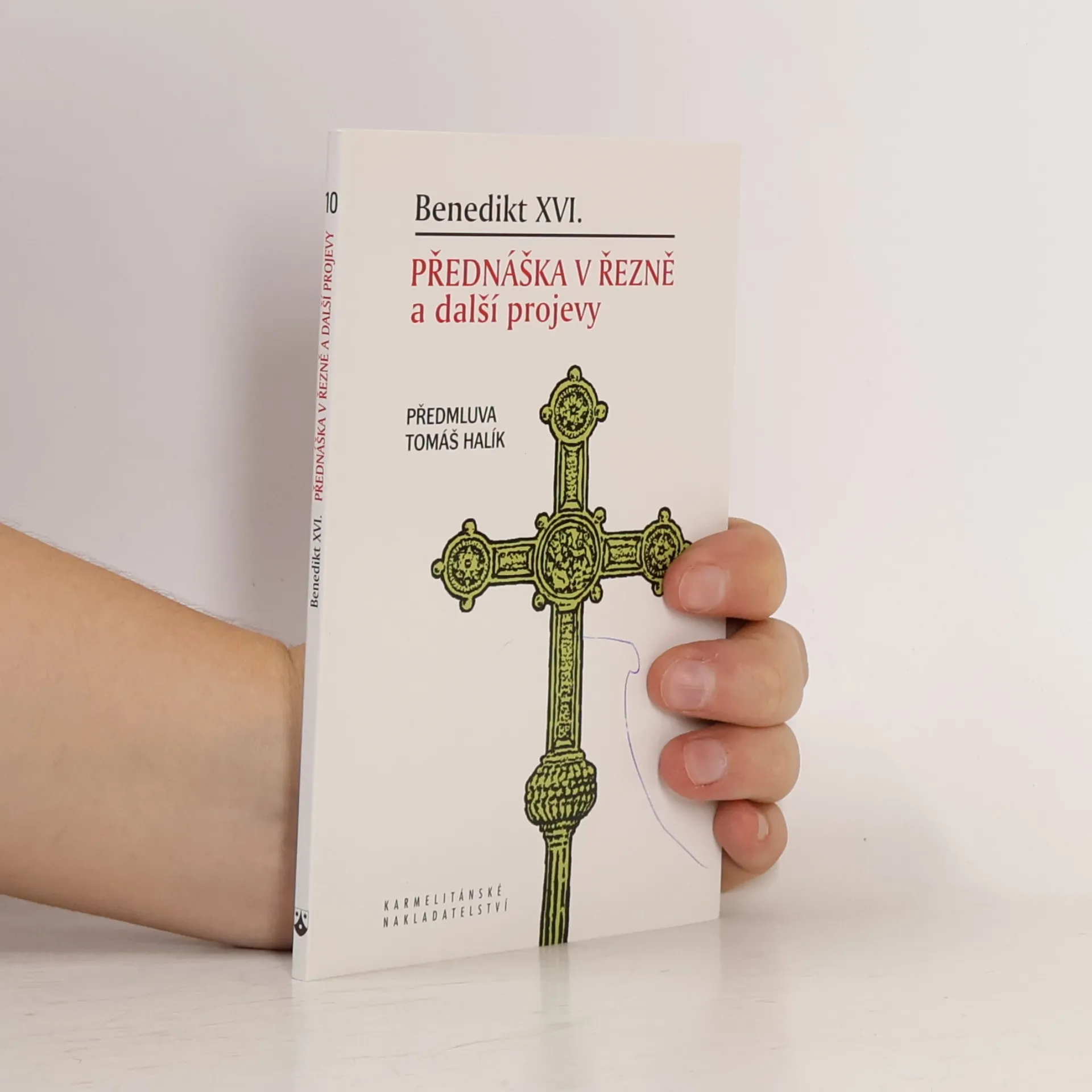
Přednáška v Řezně a další projevy
- 87pages
- 4 heures de lecture
Předmluva Tomáše Halíka. „Máme před sebou soubor textů, které vyjadřují jednu dimenzi papežova poselství: jeho politickou teologii a teologii dialogu kultur a náboženství, zejména dialogu mezi křesťanskou vírou a sekulární racionalitou. Zdá se, že toto téma se zejména v posledních letech dostává do popředí jeho učení a zároveň je tím, co právem budí zájem o jeho myšlenky i daleko za viditelnými hranicemi katolické církve. Právě těmito myšlenkami se Benedikt XVI. snaží plnit úkol papežské služby světu, jak jej vyjádřil ve svém projevu v Praze: být hlasem etického uvažování lidstva.“ Tomáš Halík Knížka zahrnuje: Přednášku „Víra, rozum a univerzita“ na Univerzitě v Řeznu, přednášku „Počátky západní teologie a kořeny evropské kultury“ v pařížské College des Bernardines, projev ve Vladislavském sále na Pražském hradě, projevy před poslanci britského a německého parlamentu, promluvy v jeruzalémském památníku Jad Vašem a na newyorském Ground Zero, odpověď na novinářskou otázku cestou do Portugalska.
Dokument vznikl na základě jednání biskupské synody v Římě v říjnu 2008. První část textu se mj. zabývá výrokem, že křesťanství je náboženstvím knihy. V srdci církve ovšem neleží vytištěná kniha, ale živé Slovo, vtělený Boží Syn Ježíš Kristus. Papež podrobně probírá studium a výklad Bible v církvi a v rámci živé tradice. V druhé části dokumentu se zaobírá biblickou pastorací, místem, jež má Boží slovo v liturgii a v životě církve. Podrobněji zpracovává téma homilie a zdůrazňuje potřebnost její přípravy od kazatele. V třetí části se papež obrací na všechny věřící a zdůrazňuje misijní poslání církve: hlásat Boží slovo v současném světě. Exhortace se inspiruje spisy apoštola Jana, především prologem k jeho evangeliu. Z církevních dokumentů hojně cituje konstituci Druhého vatikánského koncilu o Božím zjevení Dei Verbum. Dokument využívá i zásadních přínosů Papežské biblické komise, vědeckého grémia Svatého stolce, jehož činnost zaštiťoval dlouhá léta právě Joseph Ratzinger. Verbum Domini konečně vybízí k osobní i společné modlitbě nad Božím slovem. Není lepší cesty, jak hlouběji poznat Krista, než pozorná „posvátná četba“ Písma.
Ježiš Nazaretský I, II, Prológ (box)
- 852pages
- 30 heures de lecture
Balenie obsahuje: Ježiš Nazaretský – Od krstu v Jordáne po premenenie (1. diel) Ježiš Nazaretský – Od vstupu do Jeruzalema po zmŕtvychvstanie (2. diel) Ježiš Nazaretský – Prológ, Ježišovo detstvo (3. diel) „V týchto knihách chcem Ježiša evanjelií predstaviť ako skutočného Ježiša, ako ,historického Ježiša‘ v pravom zmysle slova. Som presvedčený a pevne dúfam, že aj čitateľ uvidí, že takáto postava je oveľa logickejšia a aj z historického hľadiska oveľa zrozumiteľnejšia než rekonštrukcie, s ktorými sme mali do činenia v posledných desaťročiach. Domnievam sa, že práve tento Ježiš – Ježiš evanjelií – je historicky zmysluplnou a hodnovernou postavou. Iba ak sa stalo niečo neobyčajné, ak Ježišova postava a jeho slová radikálne prekročili všetky dobové nádeje a očakávania, iba tak sa dá vysvetliť jeho ukrižovanie a iba tak sa dá vysvetliť jeho účinkovanie…“
Quali sono le domande dell'uomo di oggi sulla fede? Due su tutte: dov'è Dio? Com'è e che cosa vuole? Il card. Joseph Ratzinger delinea un nuovo rapporto, questa volta incentrato sulle questioni interne della fede cristiana, spaziando tra i problemi più scottanti e centrali del credo cristiano: l'immagine di Dio, la crisi della fede, Dio e la ragione, Dio si - Chiesa no?; uomini e donne, il peccato originale, l'anima, la libertà; l'antica alleanza, il libro dei libri, le quattro leggi, i dieci comandamenti; Gesù Cristo, il più importante momento della storia; la croce, la risurrezione e il futuro dell'uomo. Il libro, scritto in forma di intervista con linguaggio piano e comprensibile per tutti, offre un quadro completo e attualissimo sui contenuti della fede cristiana per l'uomo di oggi. Joseph Ratzinger è nato nel 1927 a Marktl am Inn, un paesino della Baviera. Dopo gli studi teologici e l'ordinazione sacerdotale insegnò teologia nelle università di Monaco di Baviera, Bonn, Münster, Tübingen, Regensburg. Fu consigliere del cardinale Frings durante il concilio Vaticano II. Arcivescovo di Monaco di Baviera dal 1977, nel 1981 fu nominato prefetto della Congregazione per la Dottrina della Fede.
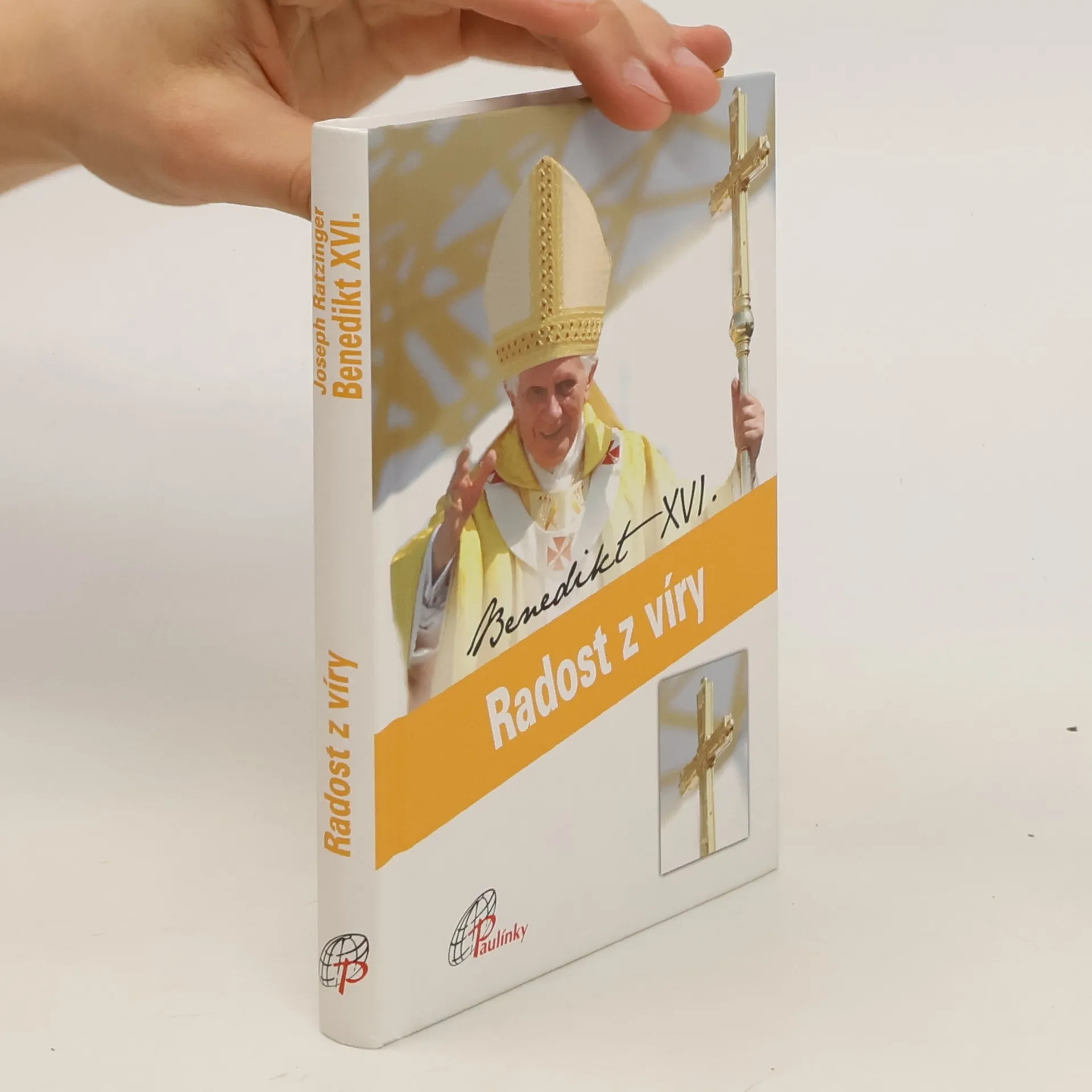
Benedikt XVI. k nám nadále promlouvá jako papež, kterému na srdci ležela víra každého křesťana. V této knize, která čerpá z jeho homilií, katechezí a promluv, vysvětluje a osvětluje základní pilíře křesťanské víry. Jeho hluboká a zároveň prostá slova podněcují k promýšlení křesťanských pravd, ale také k hrdosti na to, že patříme mezi křesťany. Prohloubené znalosti pak vedou k radostnému prožívání své víry a inspirují k důvěrné modlitbě.
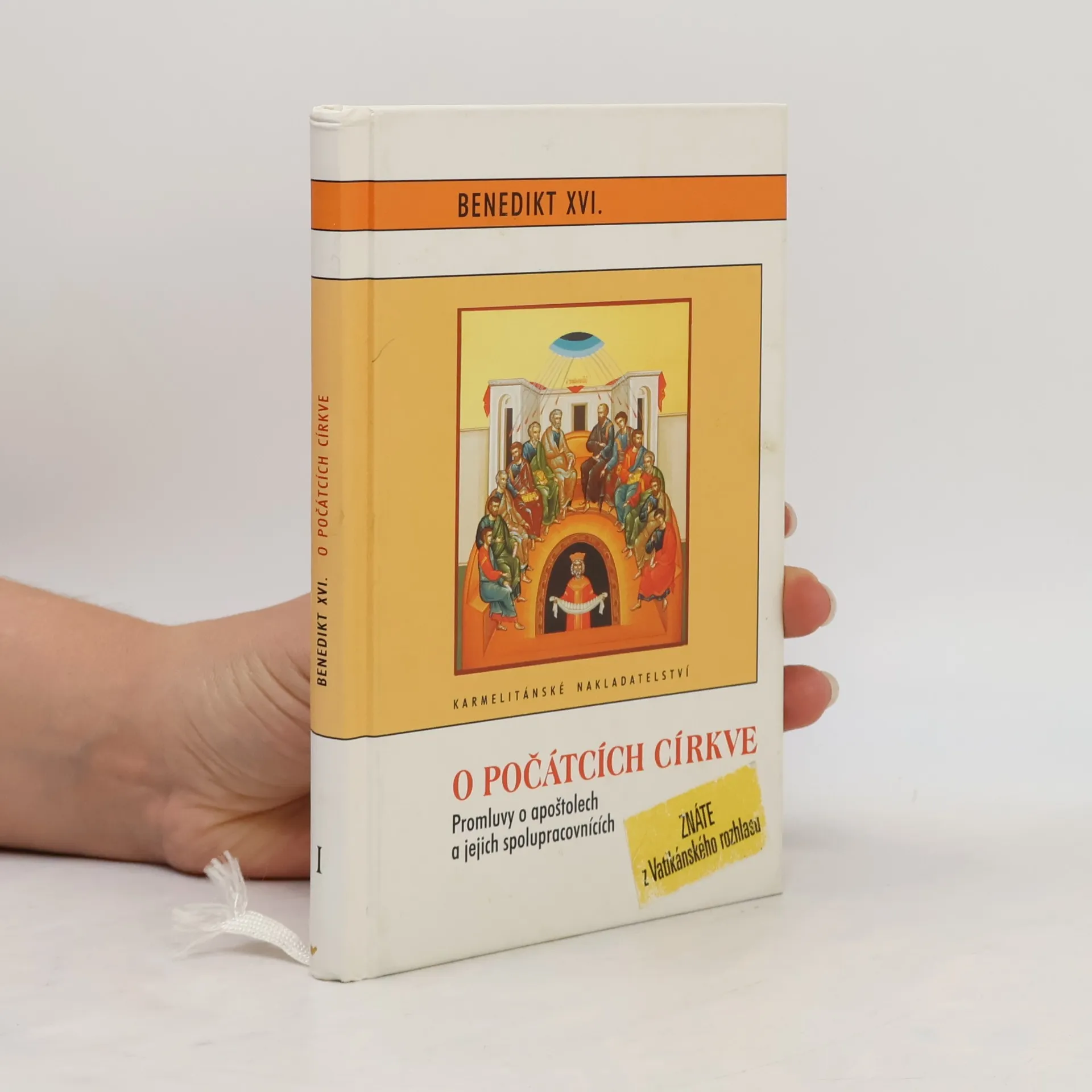
O počátcích církve
- 173pages
- 7 heures de lecture
Benedikt XVI. ve svých pravidelných středečních katechezích nazval putováním za svědky rodícího se křesťanství. Promluvy jsou rozděleny do tří částí. První se zaměřuje na založení a povahu církve, vyvolení apoštolů a význam apoštolské tradice. Následují portréty Kristových apoštolů a úvahy o apoštolu Pavlovi a dalších klíčových postavách rané církve. Autor se soustředí na úzký vztah Krista a církve, přičemž se vyrovnává s názorem, že křesťanství je pouze individuální záležitostí. Benedikt XVI. zkoumá příčiny takového myšlení a zdůrazňuje, že Ježíš Kristus je přítomen v církvi navzdory lidským nedostatkům. Hlavní část knihy se věnuje jednotlivým apoštolům a jejich dílu, jak je zachyceno v Bibli a dalších pramenech, a klade otázku, jak můžeme v 21. století následovat Kristovy apoštoly. Text je rozdělen do kapitol, které pokrývají základy církve, jednotlivé apoštoly, jejich úlohu a další významné postavy, jako jsou Pavel, Timotej, Titus a další, včetně žen v evangeliu.
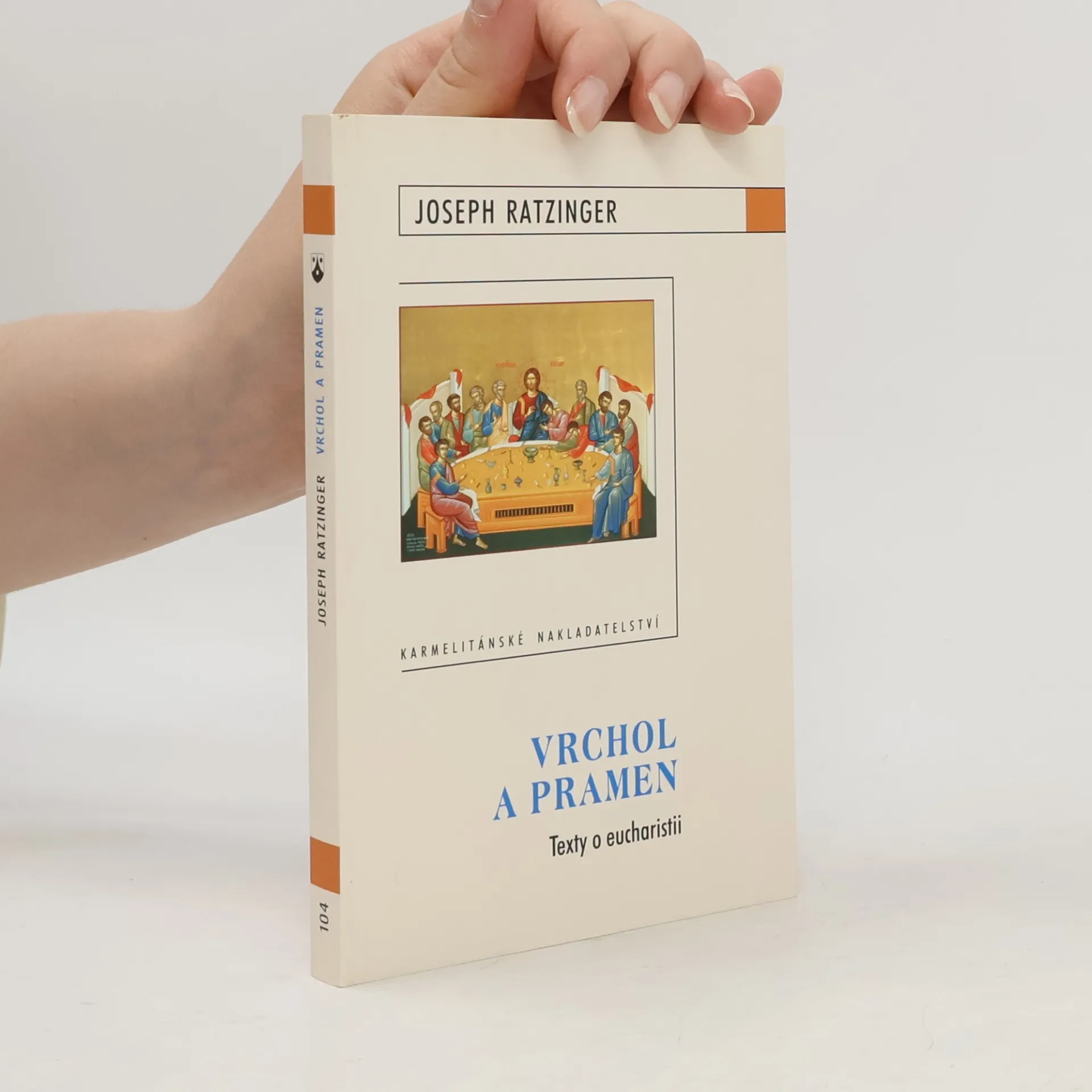
Vrchol a pramen
- 151pages
- 6 heures de lecture
Tématem knihy je tajemství eucharistie, liturgické slavení, které Druhý vatikánský koncil nazývá pramenem a vrcholem života církve: „Liturgie je vrchol, k němuž směřuje činnost církve, a zároveň zdroj, z něhož vyvěrá veškerá její síla“ (konstituce Sacrosanctum Concilium, 10). Publikace je sestavena z promluv a článků Josepha Ratzingera o eucharistii, které vznikaly v průběhu mnoha let. Reflektují tedy jeho teologické zrání v tomto tématu, počínaje obdobím, kdy byl mnichovským arcibiskupem, až po nedávnou dobu. Prismatem eucharistie nahlíží autor podstatu křesťanské víry a církev jako společenství. Život křesťanů totiž nelze redukovat jen na zvýšené mravní úsilí či dodržování předpisů. Církev ví, že v eucharistii se sebedarováním Krista zpřítomňuje jeho pravá oběť. Společenství, které slaví eucharistii, se modlí, abychom se stali tím, čím nemůžeme být vlastními silami – duchovní obětí, která se líbí Bohu.
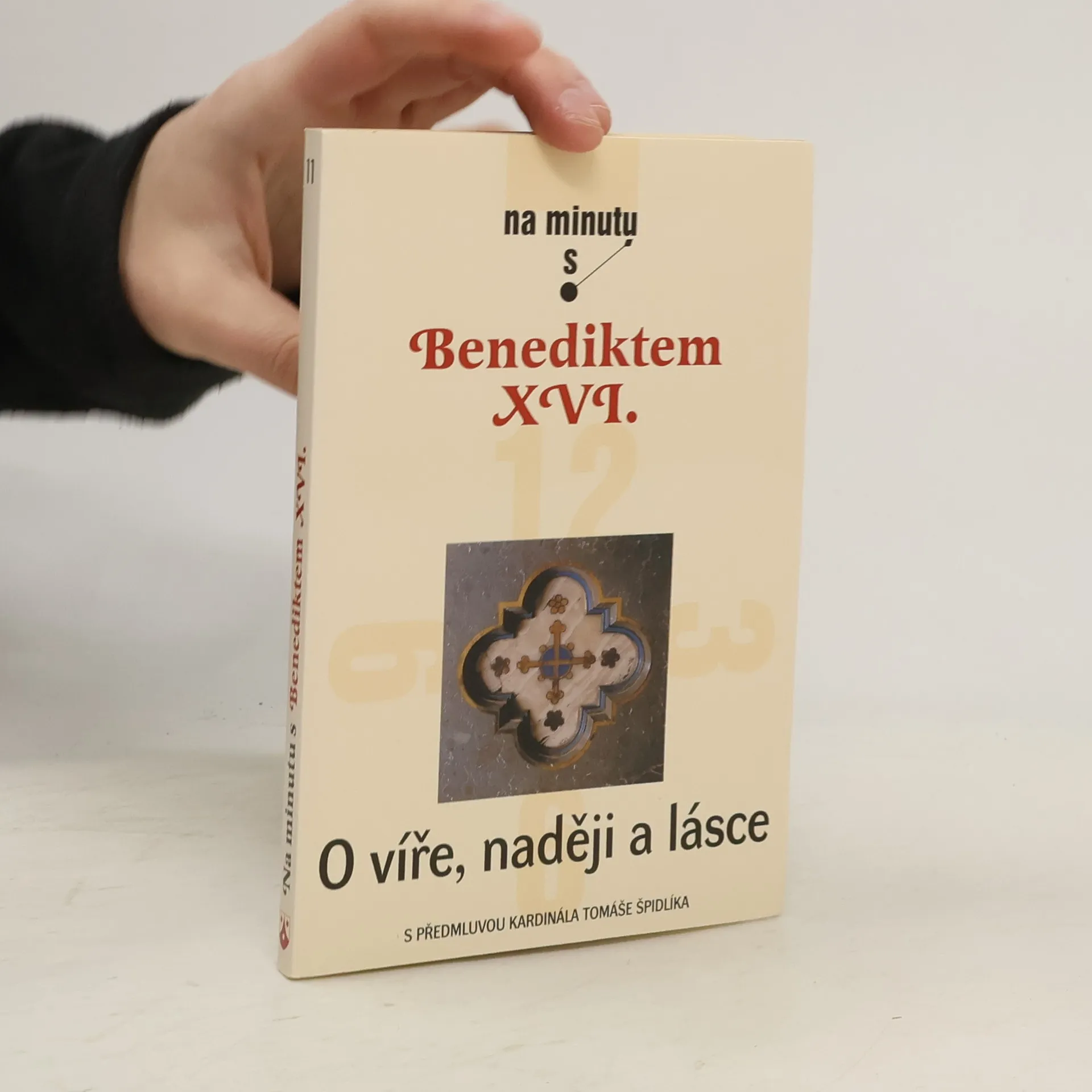
O víře, naději a lásce
- 111pages
- 4 heures de lecture
S předmluvou kardinála Tomáše Špidlíka. Od svého zvolení papežem v dubnu 2005 promlouvá Benedikt XVI. při mnoha příležitostech na veřejnosti. Tato knížka přináší pestrý výběr z jeho kázání při velkých liturgických svátcích, z promluv před modlitbou Anděl Páně i z projevů, které pronesl jako významná autorita veřejného života na zahraničních cestách. Jako pastýř Božího lidu se tu zamýšlí zejména nad vírou, nadějí a láskou, jež jsou základem křesťanského života a umožňují nám žít v důvěrném společenství s Bohem-Láskou i v pokoji mezi sebou. Výbor, sahající až po Světové setkání mládeže v Sydney v roce 2008, sestavil se zvláštním ohledem na české a moravské čtenáře Milan Glaser, vedoucí české redakce Vatikánského rozhlasu. Vyhledal texty zvlášť pronikavé a objevné, často s překvapivou pointou, které čtenáře duchovně osvěží a posílí – o přátelství s Ježíšem, o síle modlitby a vnitřní moci pravdy, o plnosti života v lásce i utrpení, o naději a Božím čekání, o plodném vztahu víry a rozumu ...
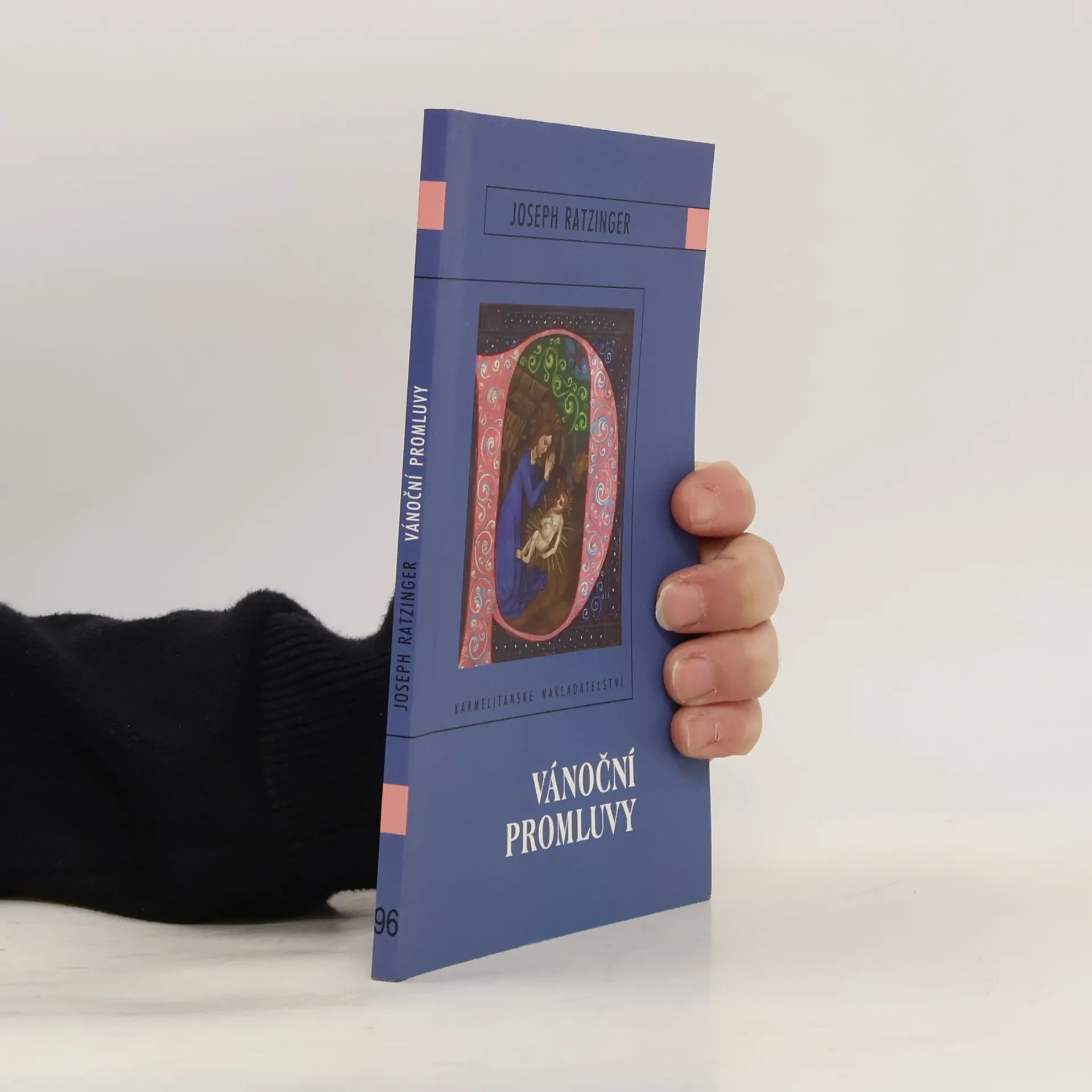
Vánoční promluvy
- 69pages
- 3 heures de lecture
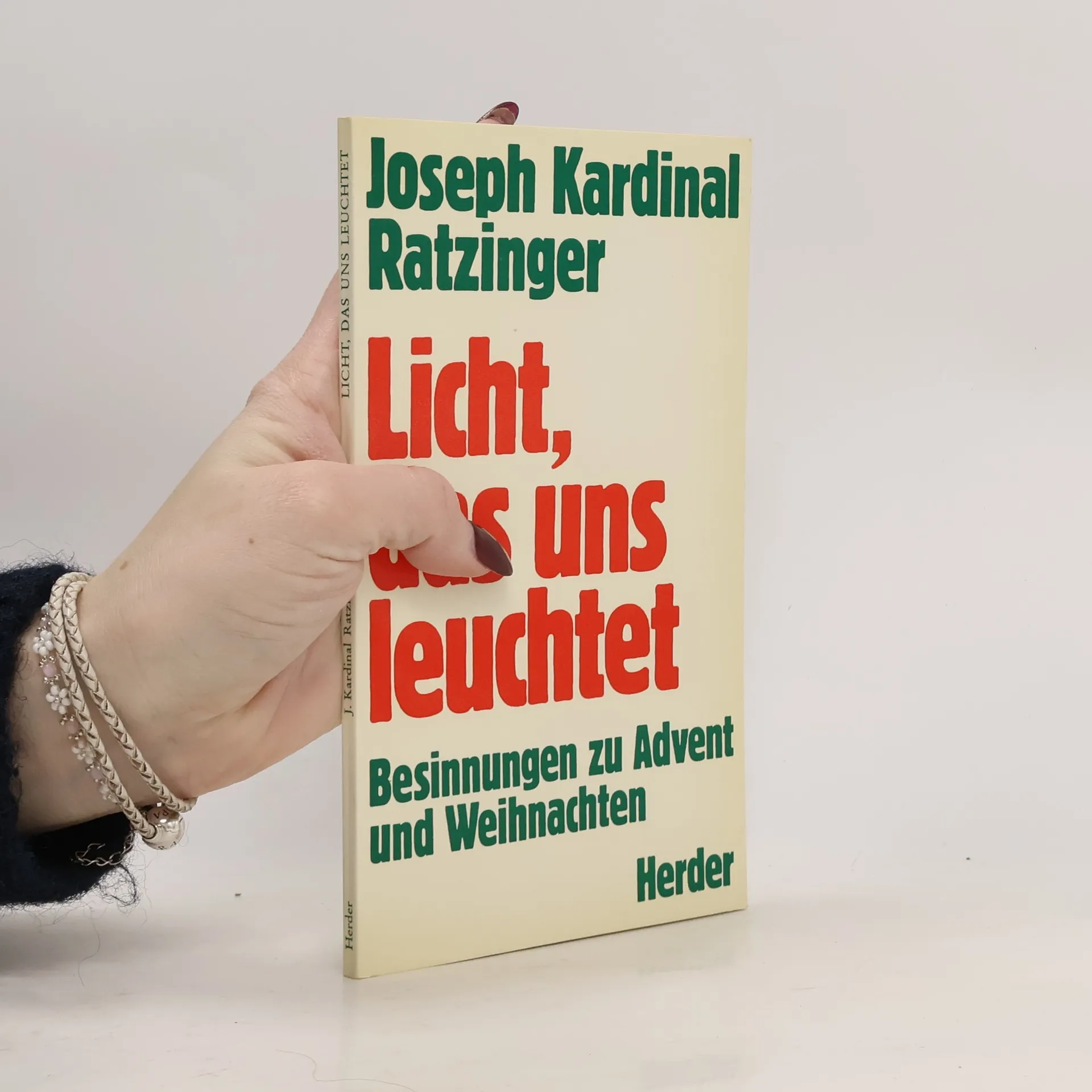
Kniha obsahuje devět vánočních promluv kardinála Ratzingera, nynějšího papeže Benedikta XVI., z let 1977 až 1994. Jde o myšlenkově i duchovně bohaté homilie, zaměřené na dobu od narození Ježíše Krista až po jeho křest. Vyzařuje z nich veliká radost z toho, že sám nekonečný a všemohoucí Bůh se stal člověkem, jedním z nás, neopomíjejí však ani některé aktuální problémy současnosti, jakými jsou například konzumní způsob života, uprchlíci, bezdomovci nebo vztah k nenarozenému životu.
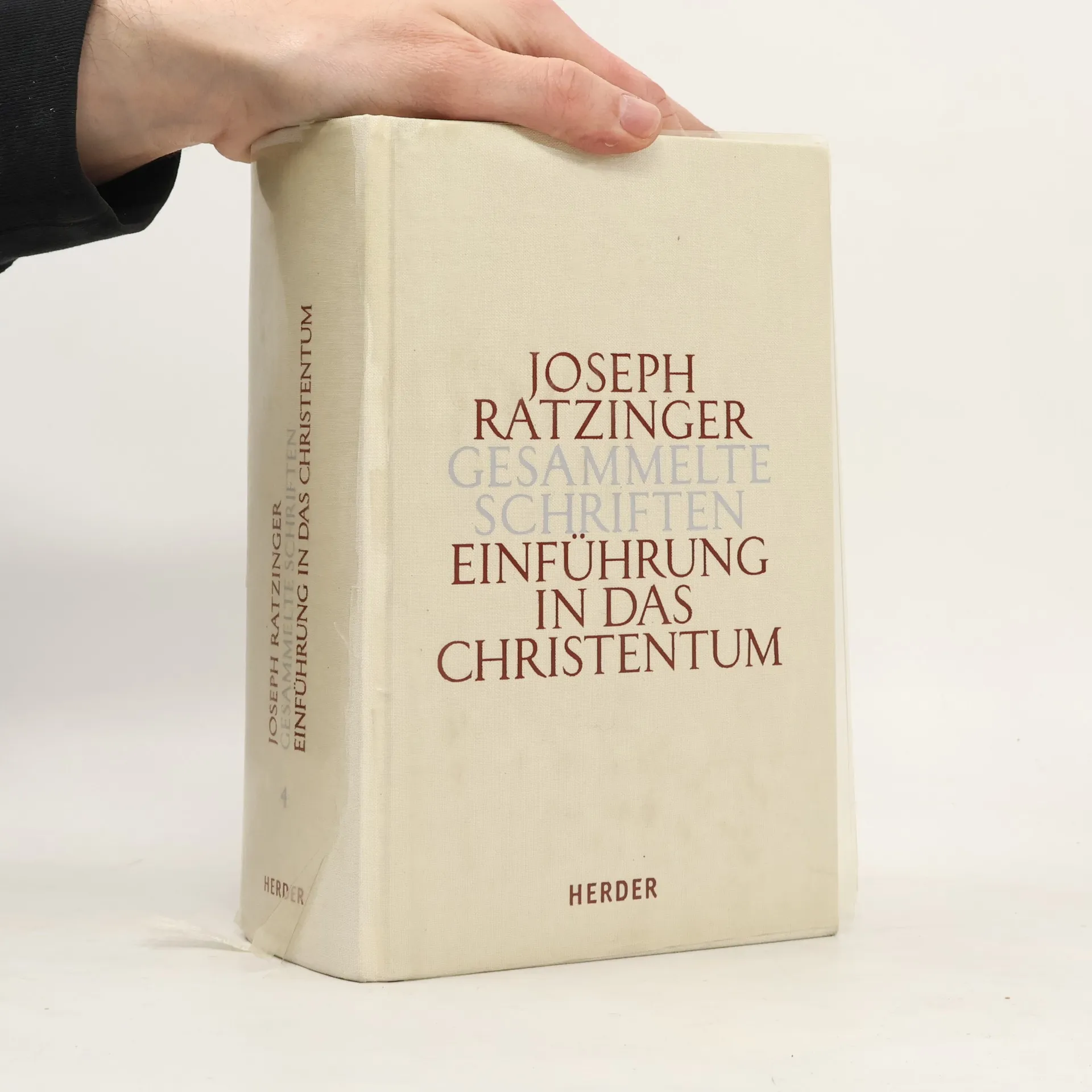
Gesammelte Schriften - 4: Einführung in das Christentum. Bekenntnis - Taufe - Nachfolge
- 976pages
- 35 heures de lecture
Joseph Ratzingers „Einführung in das Christentum“ von 1968 ist eines der einflussreichsten Werke der modernen Theologie. Der Band behandelt Themen wie Taufe, Umkehr, Nachfolge und Ehe und bietet Einblicke in die Moraltheologie sowie die aktuellen Diskussionen zum Naturrecht seit Benedikts XVI. Besuch in Deutschland 2011.
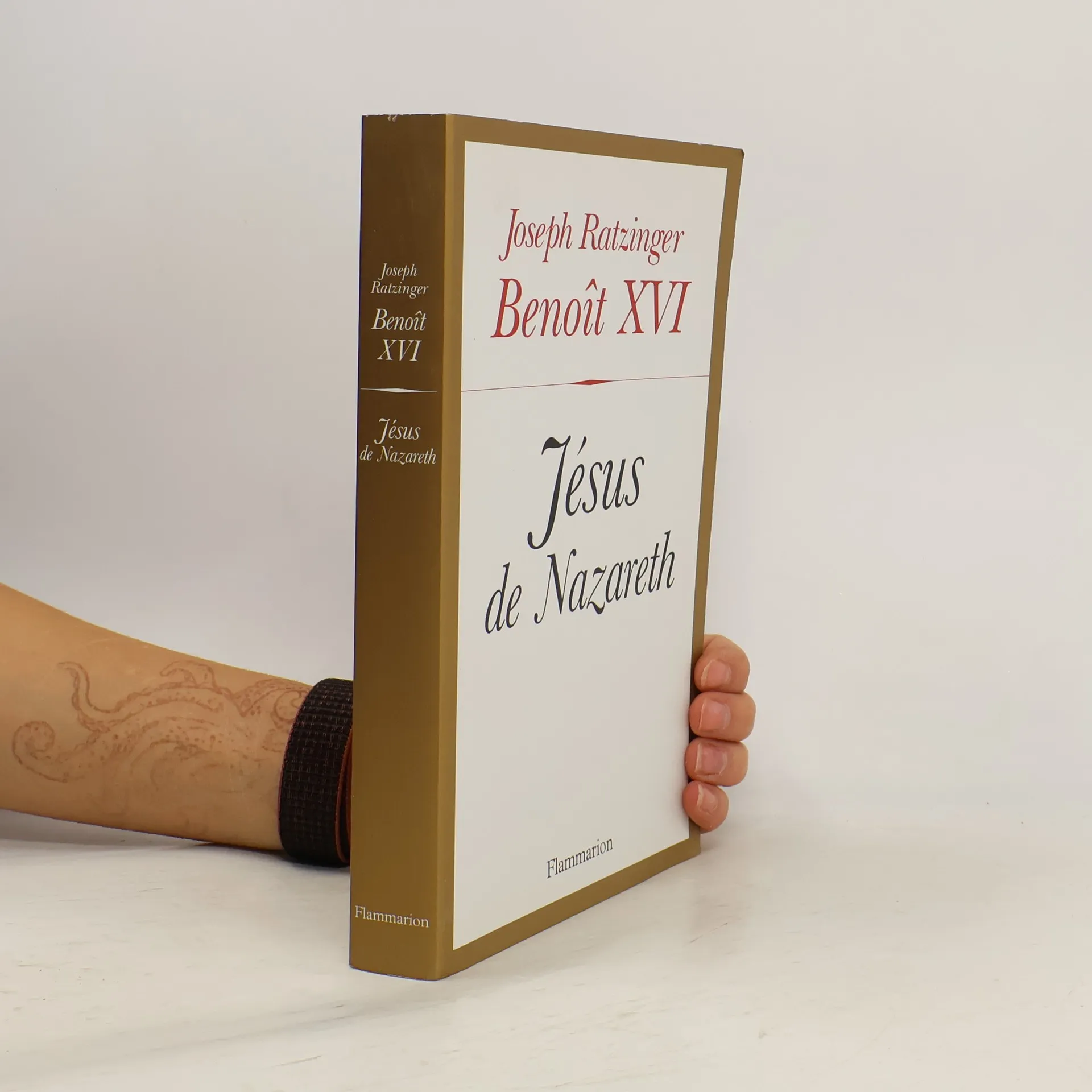
Nell’ultimo libro di Joseph Ratzinger, ora Papa Benedetto XVI, si narra la seconda parte della vita di Gesù di Nazareth, dall’ingresso a Gerusalemme alla Risurrezione. Non è un'opera ufficiale da Pontefice, poiché redatta prima del suo pontificato, ma il lavoro di un uomo di fede e studioso di Cristo, che esplora la vita di Gesù con passione e precisione storica, scientifica e teologica. Ratzinger racconta la figura di un uomo che da duemila anni rappresenta la speranza per milioni di persone, offrendo loro un modello da seguire e uno scopo per affrontare le sfide quotidiane, facendo del bene agli altri. Il testo riflette sulla ricerca di una Verità ultima come salvezza universale. Con trecentoottanta pagine, l'autore cerca di descrivere al meglio Gesù, seguendone le orme, le parole e le opere, rivelando la sua umanità e divinità. Importanti riflessioni si intrecciano nel racconto, dalla fine del Tempio alla figura complessa di Giuda, fino all’ultima cena e alla Pasqua. Si affrontano anche le implicazioni della perenne accusa di deicidio verso il popolo ebraico. I nove capitoli trattano temi fondamentali della fede cristiano-cattolica, come la Passione, la morte e la Risurrezione, invitando lettori di ogni origine a scoprire e comprendere meglio Cristo, affinché la figura di Gesù rimanga viva e accessibile nei cuori di chi crede.
Libro usado en buenas condiciones, por su antiguedad podria contener señales normales de uso
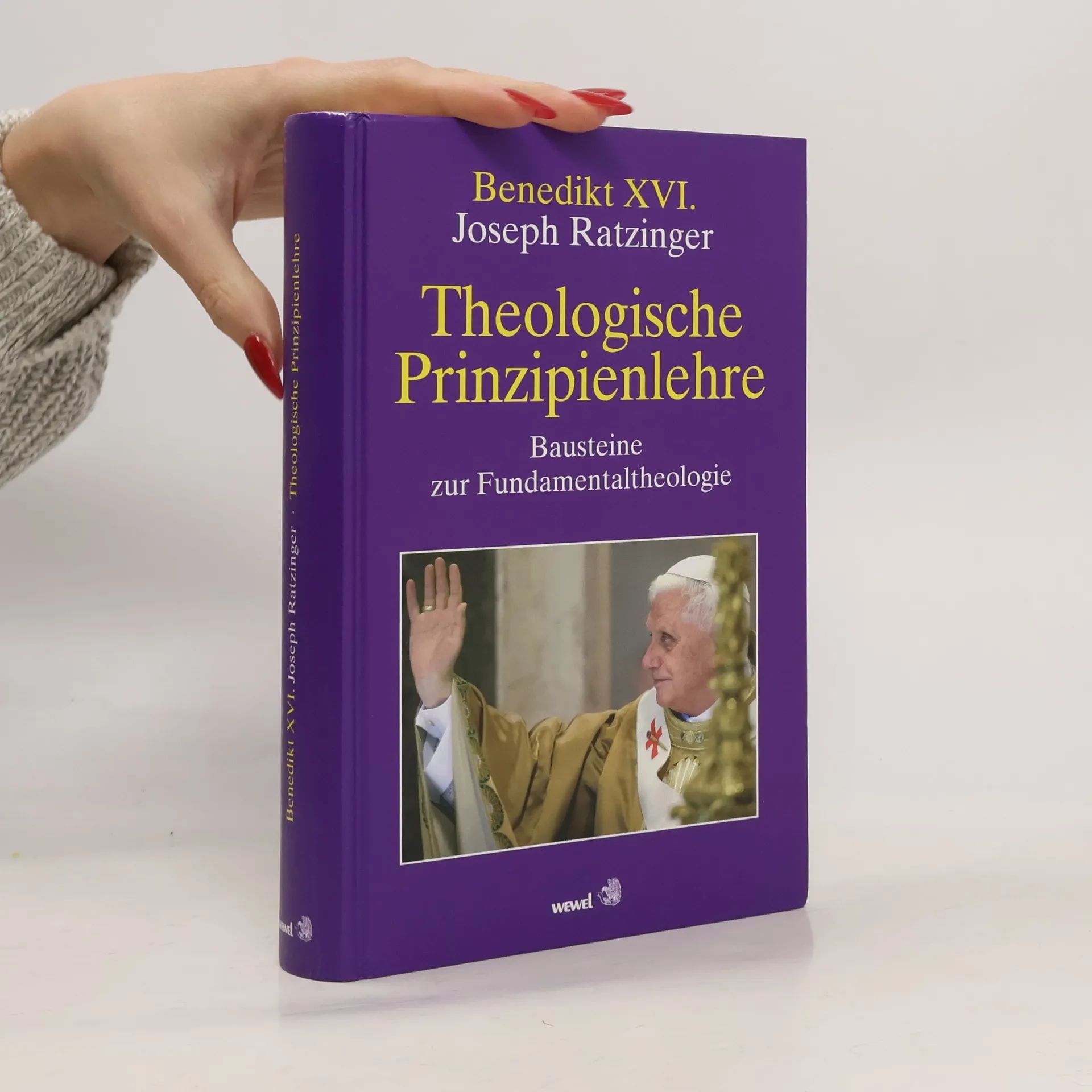
Theologische Prinzipienlehre
- 416pages
- 15 heures de lecture
Die vorgelegten Betrachtungen suchen den glaubensgemäßen Grund und theologischen Sinn der Marienverehrung neu erkennbar zu machen. In einer ersten Überlegung wird gefragt, ob es in der Bibel so etwas wie eine Theologie der Frau und damit einen innern Ort der Mariologie gibt, so d diese nicht als eine verkleinerte (und eigentlich unbegründete) Nachahmung der Christologie erscheinen muss, sondern als eine biblisch begründete Aussage mit eigenem Gewicht. Eine zweite Überlegung beft sich mit den mariologischen Hauptdogmen, in denen die Einheit von altem und neuem Gottesvolk und damit noch tiefer das Geheimnis von Schöpfung und Bund sichtbar wird, und so zuletzt das Geheimnis des Schöpfers, der in der zuvorkommenden Macht seiner Gnade die freie Antwort der Liebe seines Geschöpfes erwecken kann.
Über allem: Die Liebe
- 64pages
- 3 heures de lecture
Nichts ist ohne die Liebe: Das Vermächtnis Benedikts XVI. "Über allem: Die Liebe" ist das Vermächtnis des deutschen Papstes, der als feinsinniger und sensibler Theologe in die Geschichtsbücher eingehen wird. Immer war es Benedikt XVI. ein Anliegen, sich theologisch in die Debatten einzumischen auch während seines Pontifikats. Das vorliegende Büchlein vereinigt den Anspruch des Theologen auf dem Stuhl Petri mit dem Anliegen des "einfachen" Seelsorgers. In jedem Satz ist zu spüren, dass dieser Text, der auf einer Adventspredigt beruht, für die Menschen geschrieben wurde. Seine Gedanken sind Trost und Ermutigung zugleich.
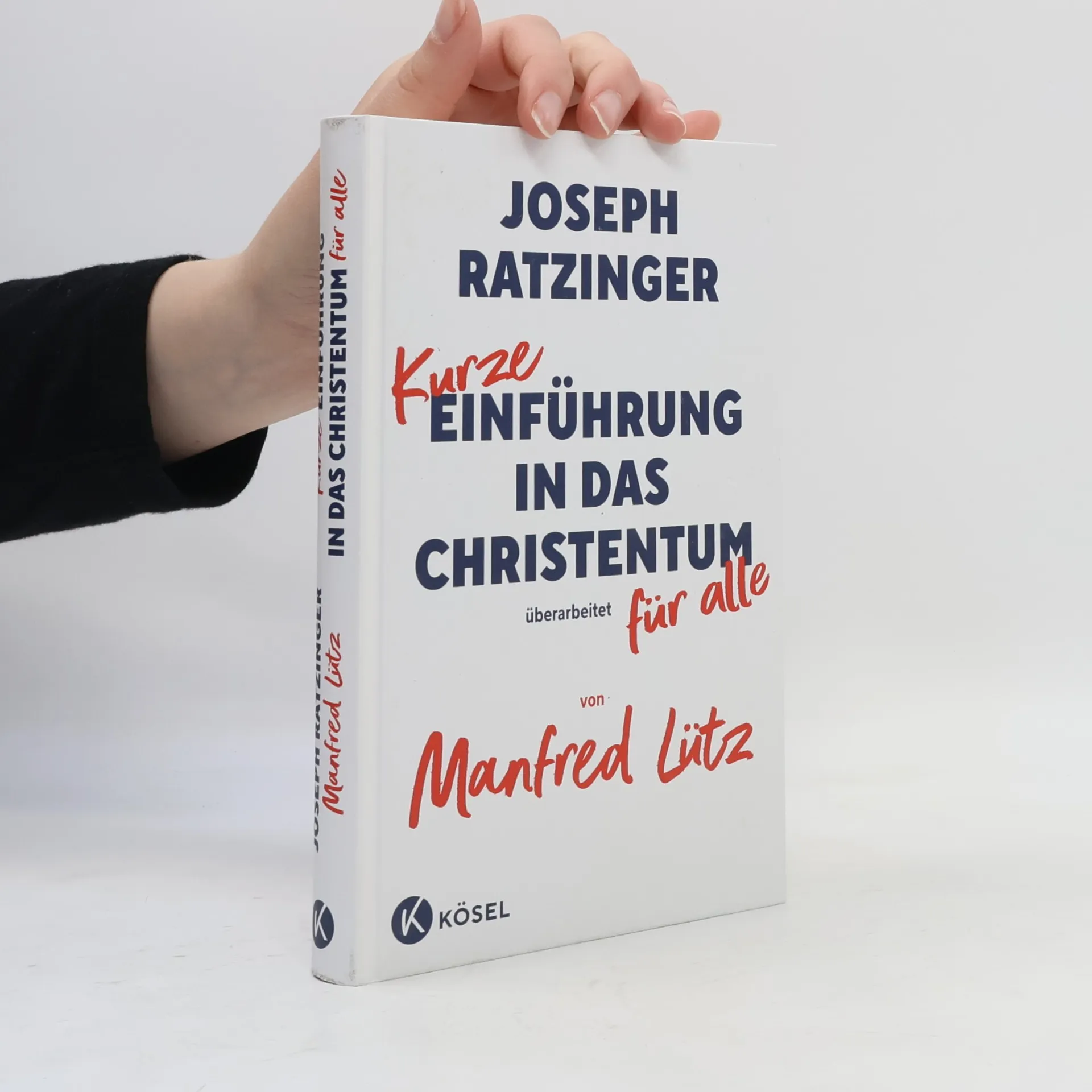
Kurze Einführung in das Christentum
Überarbeitet für alle von Manfred Lütz
- 256pages
- 9 heures de lecture
Das Wesentliche des Christentums für alle verständlich auf 250 Seiten, geht das? Der erste Bestseller von Joseph Ratzinger war seine berühmte »Einführung in das Christentum« von 1968. Das Besondere dieses Buches war, dass hier ein junger Theologe sich ernsthaft bemühte, den Glauben der Kirche modernen Menschen zu erklären. Erstaunlicherweise hat das Buch nichts von seiner Aktualität verloren. Und so hat Papst Benedikt XVI. dem Erfolgsautor Manfred Lütz noch ein Jahr vor seinem Tod erlaubt, eine allgemeinverständliche Kurzfassung seines Welt-Bestsellers zu erstellen. Dabei hat Lütz sorgfältig darauf geachtet, die gesamte Substanz des Buches zu erhalten. Der Text wurde auf die Kernaussagen gestrafft, die Diskussion theologischer Irrwege wurden weggelassen, Fachbegriffe übersetzt, sodass ein mitunter funkelnder Text zum Vorschein kommt. Papst Benedikt persönlich hat den hier vorliegenden Text noch ausdrücklich gutgeheißen. »Der Text der Einführung ist und bleibt von großer Aktualität. Manche werden neugierig werden, wenn sie von einer solchen ›Kurzen Einführung in das Christentum‹ hören.« Aus dem Brief von Papst Benedikt XVI. an Manfred Lütz vom 18.2.2022.
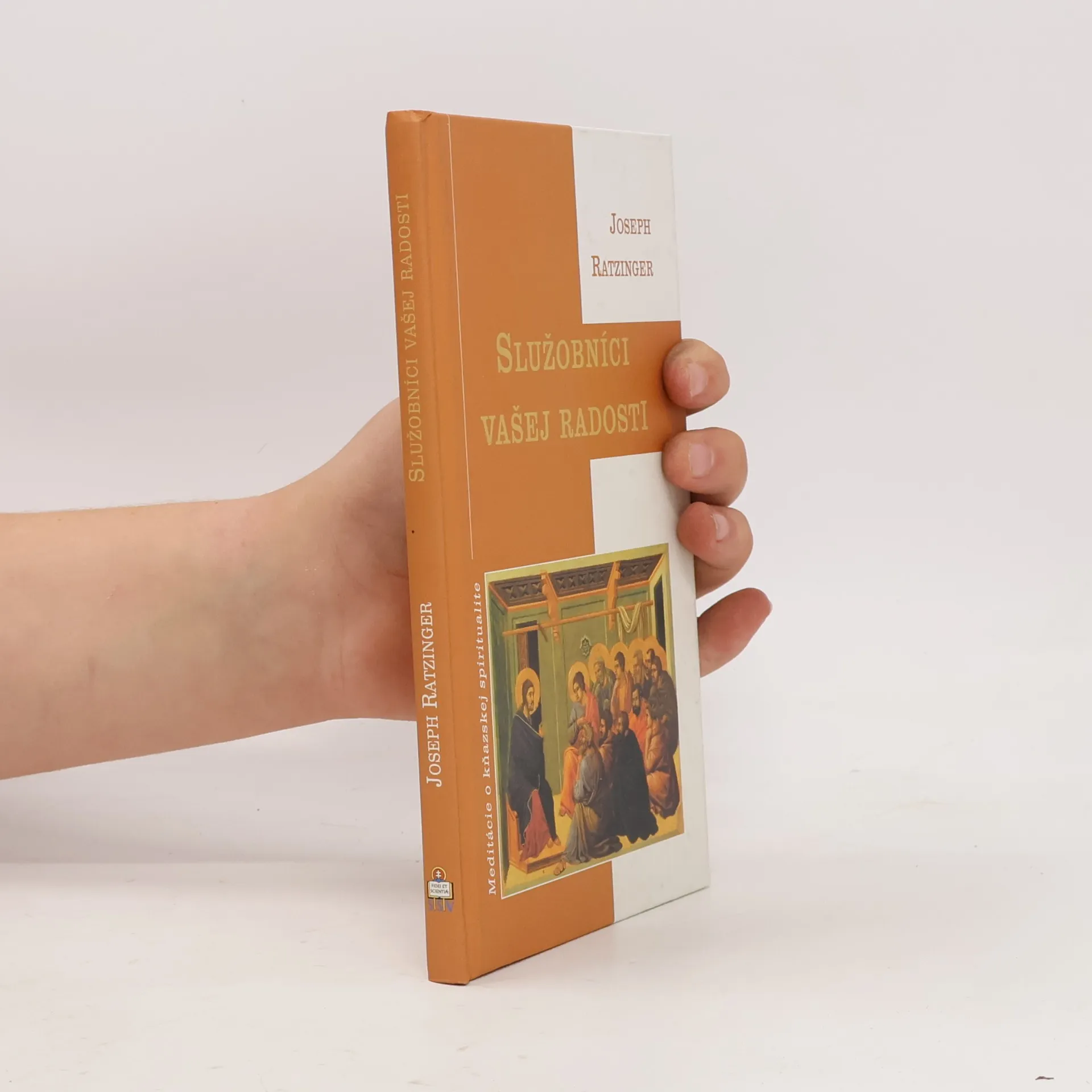
Služobníci vašej radosti. Meditácie o kňazskej spiritualite
- 99pages
- 4 heures de lecture
Stredobodom meditácií je stretnutie s Ježišom Kristom. Nasledovať znamená urobiť konkrétny krok, ktorý bude "stonásobne odplatený". V dobe šírenia pochybností a pocitu nezmyselnosti majú tieto meditácie povzbudiť človeka v hľadaní Ježiša Krista a učiť ho žiť v radostnom presvedčení, žeaj vďaka jeho slabej viere a modlitbám zreje vo svete Božia úroda.
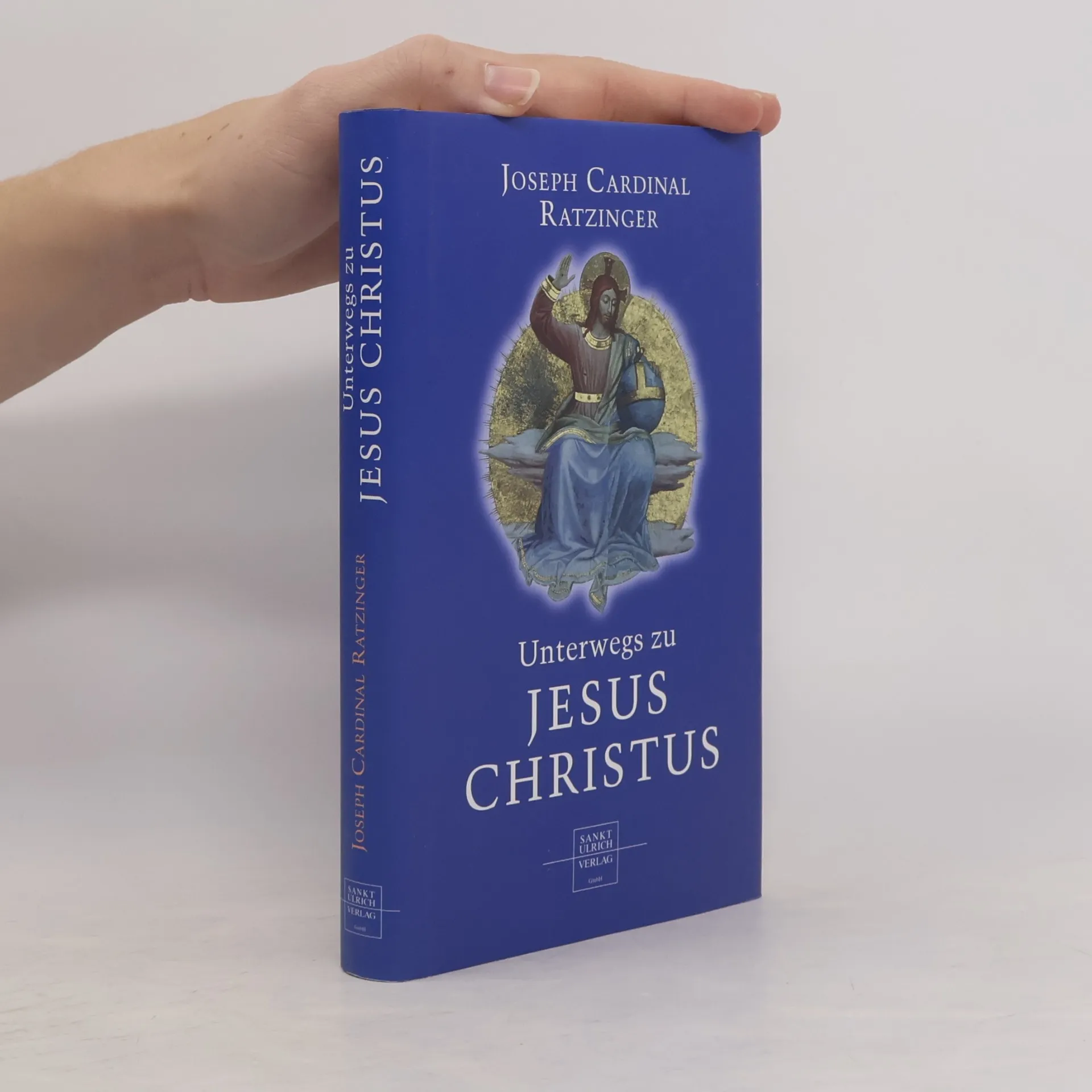
Unterwegs zu Jesus Christus
- 171pages
- 6 heures de lecture
Die Frage, wie die Bibel in rechter Weise zu lesen ist, ist untrennbar mit unserem Bild von Jesus Christus verbunden. In weiten Kreisen - auch unter gläubigen Christen - hat sich heute das Bild eines Jesus durchgesetzt, der nichts fordert und der als sanfter Menschenfreund alle und alles annimmt. Aber der wirkliche Jesus der Evangelien ist ganz anders. Joseph Cardinal Ratzinger will mit diesem Buch eine Hilfe geben, den unverkürzten Jesus der Evangelien wieder zu entdecken, der den Rahmen des bloß Menschlichen sprengt und den Menschen in seiner letzten Tiefe anfordert: kühn, unbequem, beunruhigend. „Zu diesem wirklichen Jesus müssen wir uns wieder auf den Weg machen.“
Joseph Ratzinger, der am 19. April 2005 zum Papst gewählt wurde und den Namen Benedikt XVI. angenommen hat, zählt zu den brillantesten Denkern unserer Zeit und gilt als einer der größten christlichen Gelehrten seit Thomas von Aquin. Die Schüler des langjährigen Universitätsprofessors Joseph Ratzinger haben aus Anlaß von dessen 75. Geburtstag zentrale Texte ihres Lehrers zusammengestellt, die tiefe Einblicke in den theologischen Kosmos dieses außergewöhnlichen Kirchenmannes erlauben. Das Buch, das besonders dem Thema Kirche als Gemeinschaft (Communio) gewidmet ist, bietet im Anhang eine vollständige Bibliographie der Werke Joseph Ratzingers bis zum Jahr 2002.
Prinzipien christlicher Moral
- 93pages
- 4 heures de lecture
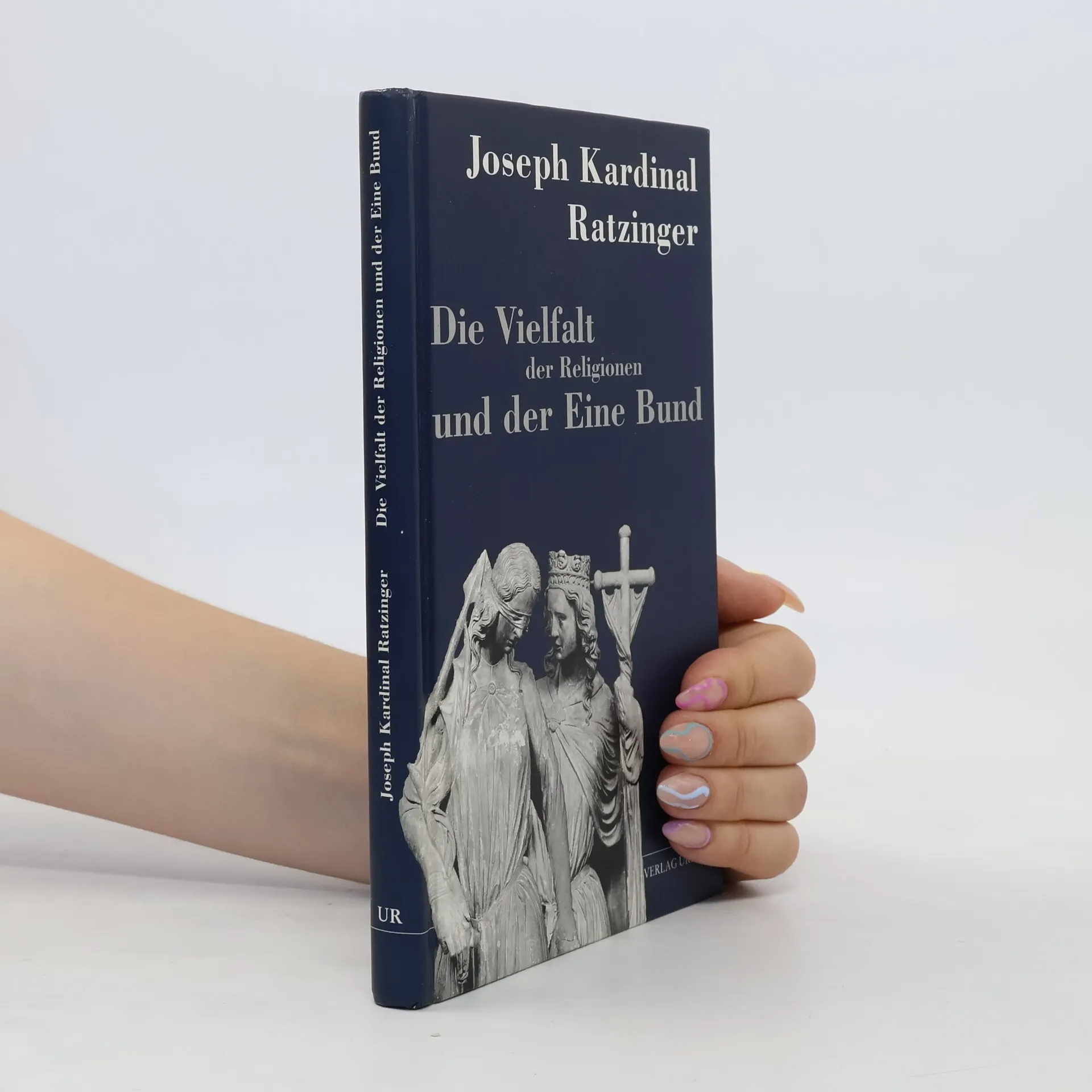
Die Vielfalt der Religionen und der Eine Bund
- 131pages
- 5 heures de lecture
Das Gespräch mit den Religionen der Welt und das Verhältnis von Kirche und Israel sind zentrale Themen für Joseph Kardinal Ratzinger (Papst Benedikt XVI.), die er als Prioritäten der kirchlichen und theologischen Situation betrachtet. In diesem Band, der die „Urfelder Reihe“ eröffnet und neue Zugänge zur jüdisch-christlichen Tradition erschließen möchte, werden vier Arbeiten von Ratzinger/Benedikt XVI. leserfreundlich präsentiert: 1. Israel, die Kirche und die Welt: Ihre Beziehung und ihr Auftrag nach dem „Katechismus der Katholischen Kirche“ von 1992. 2. Der Neue Bund: Zur Theologie des Bundes im Neuen Testament. 3. Das neue Manna: Homilie zum 19. Sonntag im Jahreskreis (B) 1997. 4. Der Dialog der Religionen und das jüdisch-christliche Verhältnis. Im Vorwort beschreibt der Autor diese Texte als „armselige Anläufe“ zu einem großen Thema, die jedoch in ihrer Fragmentarität dem Fortgang des Fragens dienen können. Er betont die Notwendigkeit des Dialogs zwischen den Religionen und das Bewusstsein einer lang verdrängten Schuld im christlichen Gewissen, insbesondere nach den schrecklichen Ereignissen von 1933 bis 1945. Ratzinger artikuliert eine Vision, in der Juden und Christen, versöhnt, zu einer Kraft des Friedens für die Welt werden. Dieses Buch richtet sich an alle, die sich dem Dialog zwischen Juden und Christen verpflichtet fühlen, Orientierung im Religionspluralismus suchen oder eine neue Sicht der Einheit von Altem und N
Benedikt XVI.: Poslední rozhovory s Peterem Seewaldem
- 254pages
- 9 heures de lecture
V rozhovorech, které vedl papež Benedikt XVI. s novinářem Peterem Seewaldem krátce před svým odstoupením z úřadu a krátce poté, se čtenáři otevírá možnost pohlédnout spolu s papežem zpět na dobu jeho pontifikátu. Nikdy předtím nemluvil Benedikt XVI. tak otevřeně o pozadí své překvapivé demise. Vyjadřuje se k obnovení víry jako velkému tématu svého…
Chváloreč na svedomie
- 168pages
- 6 heures de lecture
Chváloreč na svedomie zaznieva z pera teológa a zo srdca kňaza Josepha Ratzingera. Ako profesor predpokladá základné vedomosti o probléme svedomia i spletitú diskusiu. Človeka s opačným názorom berie do krajnosti vážne, zachytí všetky jeho argumenty, snaží sa pochopiť dôvody jeho postoja. Nevyvracia, len privádza fakty do dôsledkov, v ktorých sa jasne odhalí pravda a lož. Hovori o mylnom svedomí a reaguje na morálny relativizmus, ktorý rozmazal pojmy dobra a zla. Bráni dôstojnosť ľudskej osoby a dokazuje, že v híbkach každého človeka svieti základné svetielko istoty o tom, čo je dobré a správne. Tu vidí záchranu a istotu pre klamaného človeka. Ukazuje, ako liberálna demokracia, absolutizujúca slobodu, ničí samu seba a nutne považuje Cirkev za úhlavného nepriateľa. Odlišuje ju od demokracie, ktorá sa rozhoduje na základe večne platných princípov. Poukazuje na vzťah biskupov a teológov, prezentuje dokument o poslaní teológa v Cirkvi a predstavuje svoje vízie novej evanjelizácie.
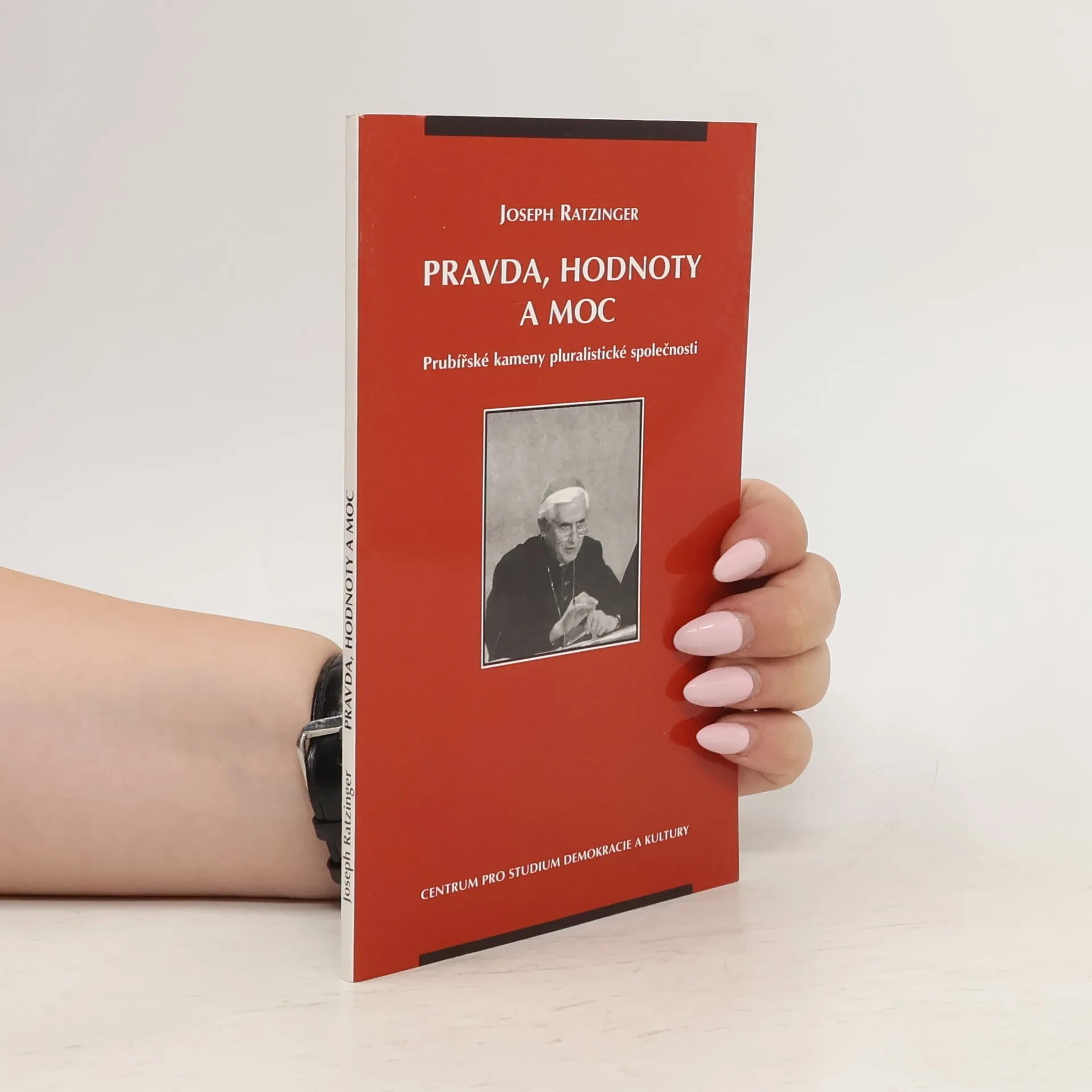
Aneb Prubířské kameny pluralistické společnosti. Tři přednášky významného katolického teologa a kardinála o aktuálních filozofických otázkách současnosti.
Odpustky z Assisi
- 42pages
- 2 heures de lecture
V spomienkach z mojej mladosti zostal deň porciunkulových odpustkov dňom modlitby, dňom silného vnútorného prežívania, keď sme prijímali sviatosti v atmosfére osobnej sústredenosti. Na námestí naproti nášmu farskému kostolu vládlo výnimočne slávnostné ticho. Ludia nepretržite vchádzali do kostola a vychádzali z neho. Bolo cítiť, že kresťastvo je milosť, ktorej sa možno otvoriť v modlitbe. (Joseph Ratzinger)
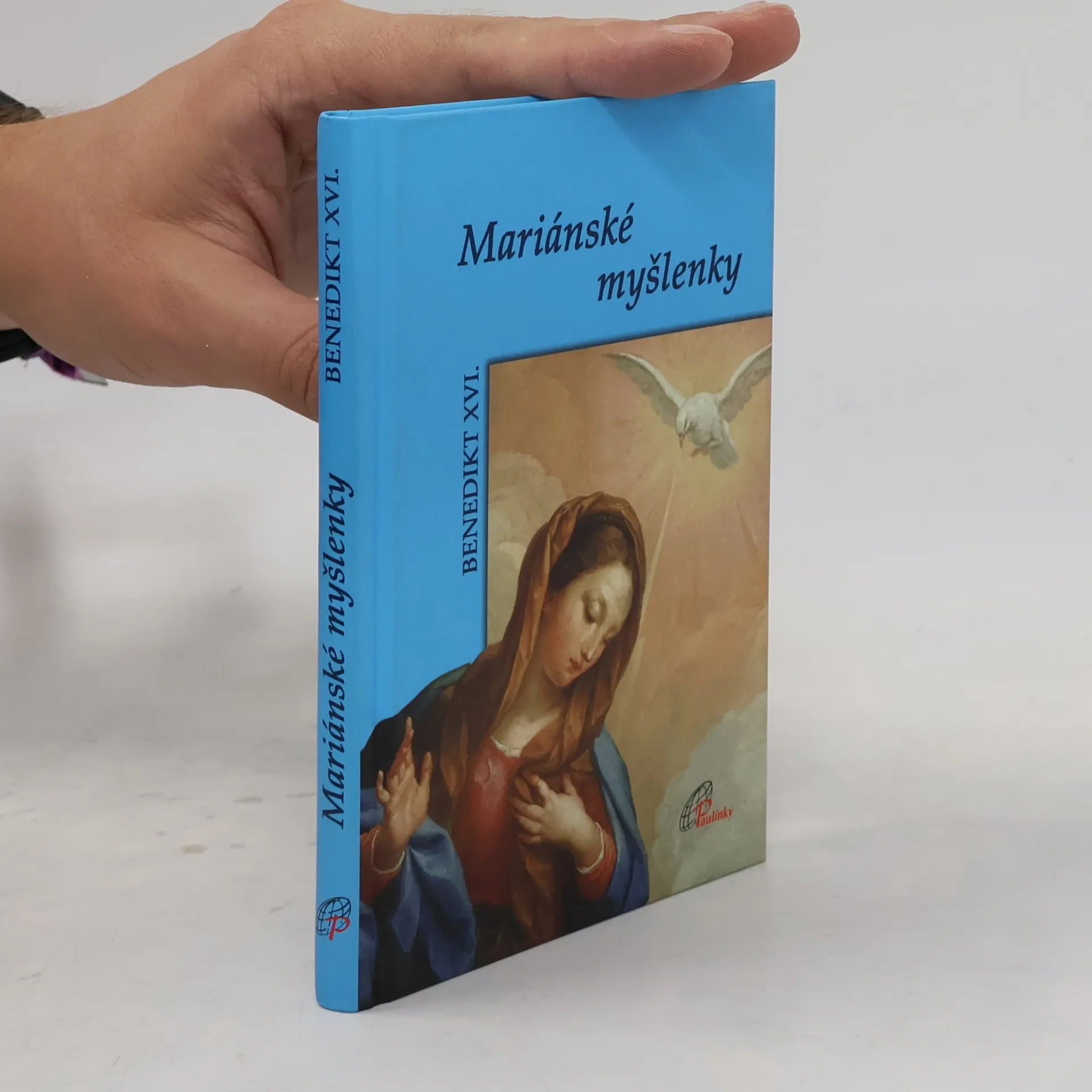
Mariánské myšlenky
- 119pages
- 5 heures de lecture
Z textů papeže Benedikta XVI. vybral Lucio Coco. Ve výběru mariánských myšlenek, je možné spatřit náčrtek magisteria, jež formou vyprávění zdařile sleduje Mariinu životní pouť, která byla ve znamení prvního radostného proroctví: chaire – raduj se – a věrnosti, která zaznívala dennodenně jako ozvěna na „ano“ dané při Zvěstování. Vybrané papežovy texty chtějí ukázat jeho osobitý výrazový styl vyznačující se střízlivostí, jasností a krásou. Papež se o Marii vyjadřuje stručně, nikdy ale nechybí podstatné prvky. S precizností vždy dává Marii místo, jaké jí náleží: smysl jejího života je „velebit Hospodina“ (srov. Lk 1,46) tím, že nesleduje svůj životní plán, ale nechává se zapojit do širšího rámce dění. Papežův styl počítá se schopností vnímat a pojímat krásu, využívá sílu lidského srdce, které má schopnost vytvářet společenství a nechává se „okouzlovat“ životem.
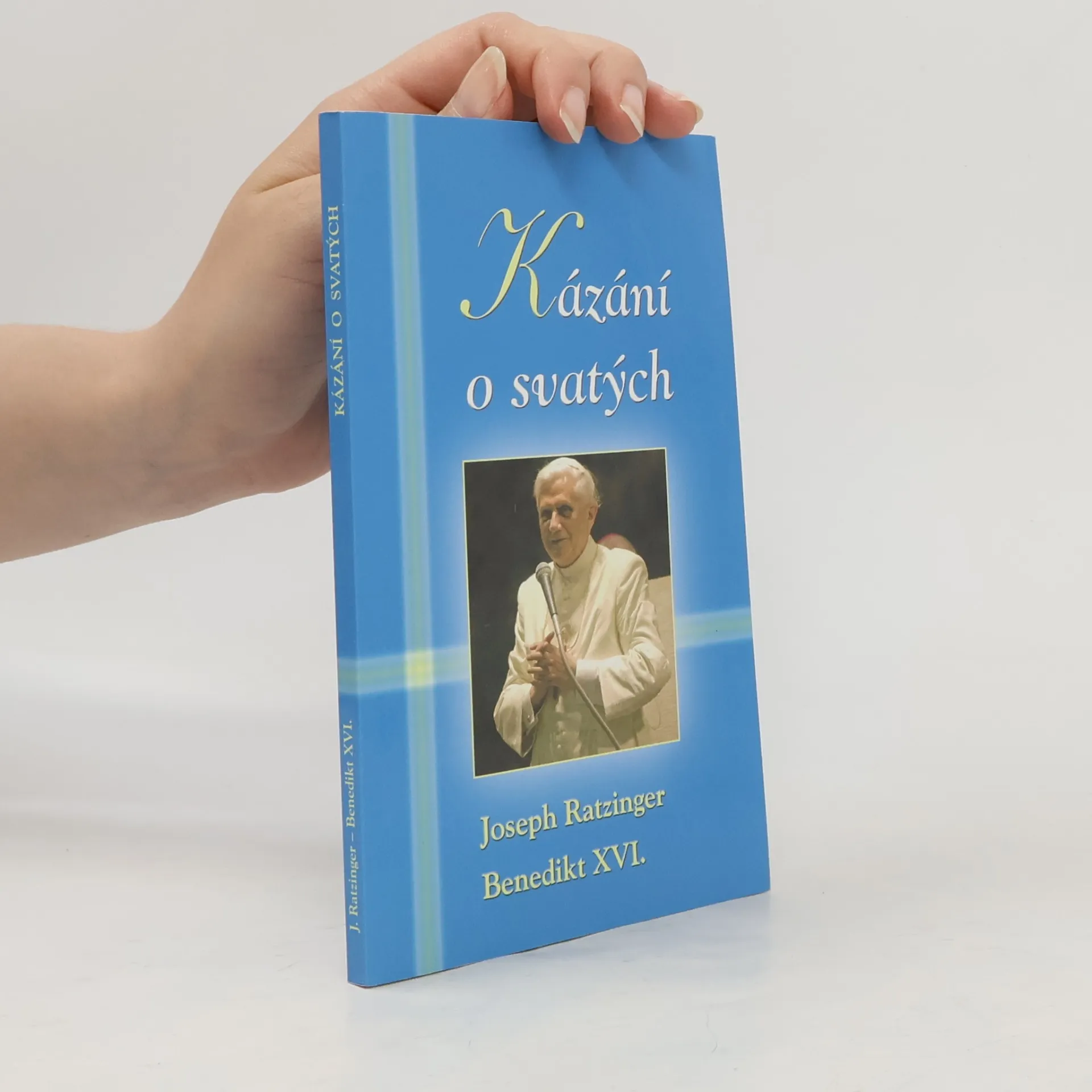
Sbírka promluv o svatých, které pronesl papež Benedikt XVI. ještě jako kardinál. Světci jsou výkladem Ježíše Krista, který se v nich stává konkrétním – to je základní přesvědčení, z kterého J. Ratzinger vychází. Spolu s uměním označuje svaté za apologety církve. Teprve když znovu objevíme svaté, najdeme znovu i církev.
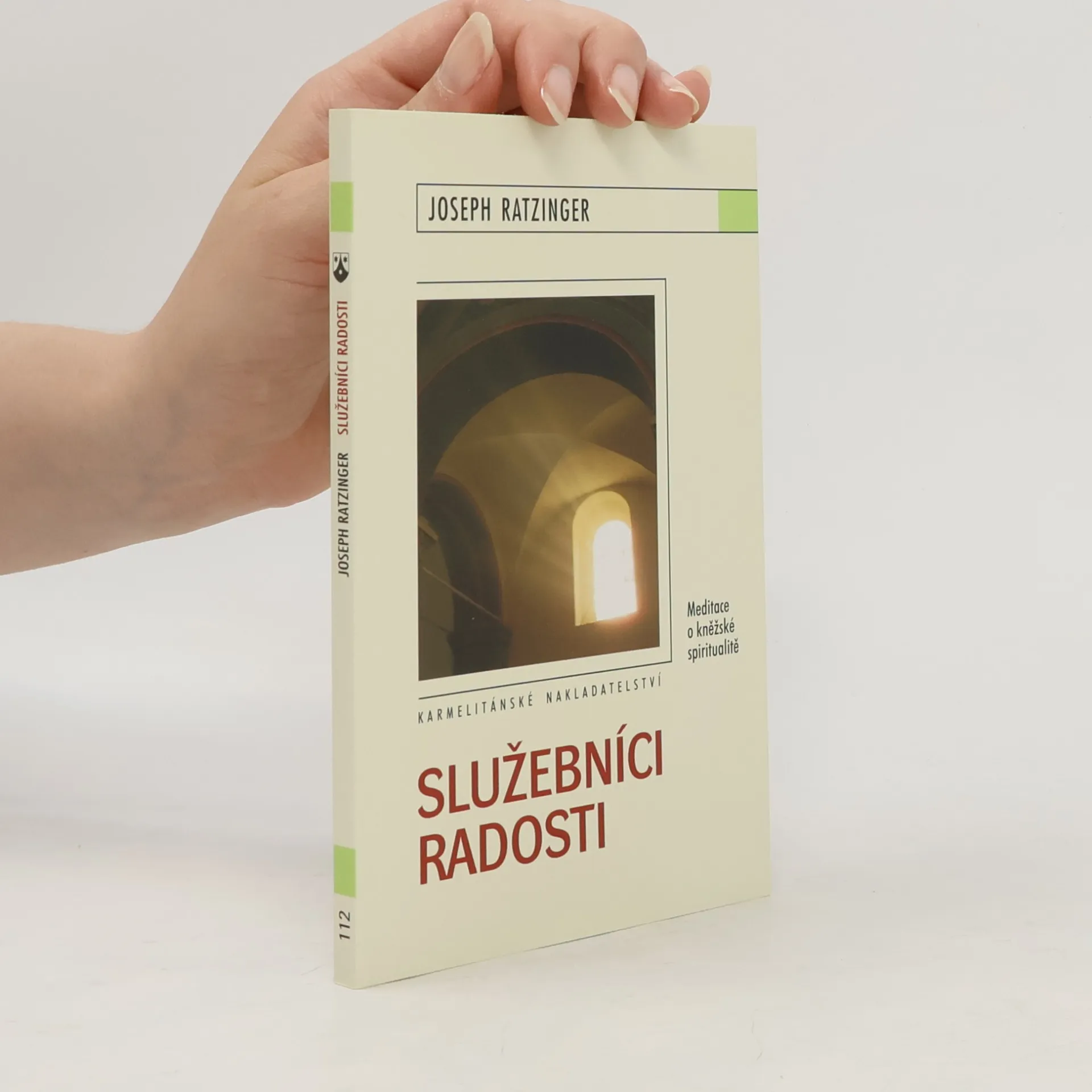
Služebníci radosti: Meditace o kněžské spiritualitě
- 83pages
- 3 heures de lecture
Podtitul: Meditace o kněžské spiritualitě Ne že bychom chtěli panovat nad vaší vírou, nýbrž chceme pomáhat vaší radosti. (2 Kor 1,24). Kniha nabízí meditace, ve kterých autor povzbuzuje čtenáře k odvaze, aby se znovu a znovu setkávali s Kristem, aby neváhali a prosili ho, aby z nich učinil své apoštoly. Když je naší životní silou radostná zvěst evangelia, můžeme pomáhat radosti lidí, ke kterým přicházíme. Publikace je inspirativní nejen pro kněze a studenty teologie, ale pro všechny, kteří chtějí prožít svůj život aktivně jako křesťané.