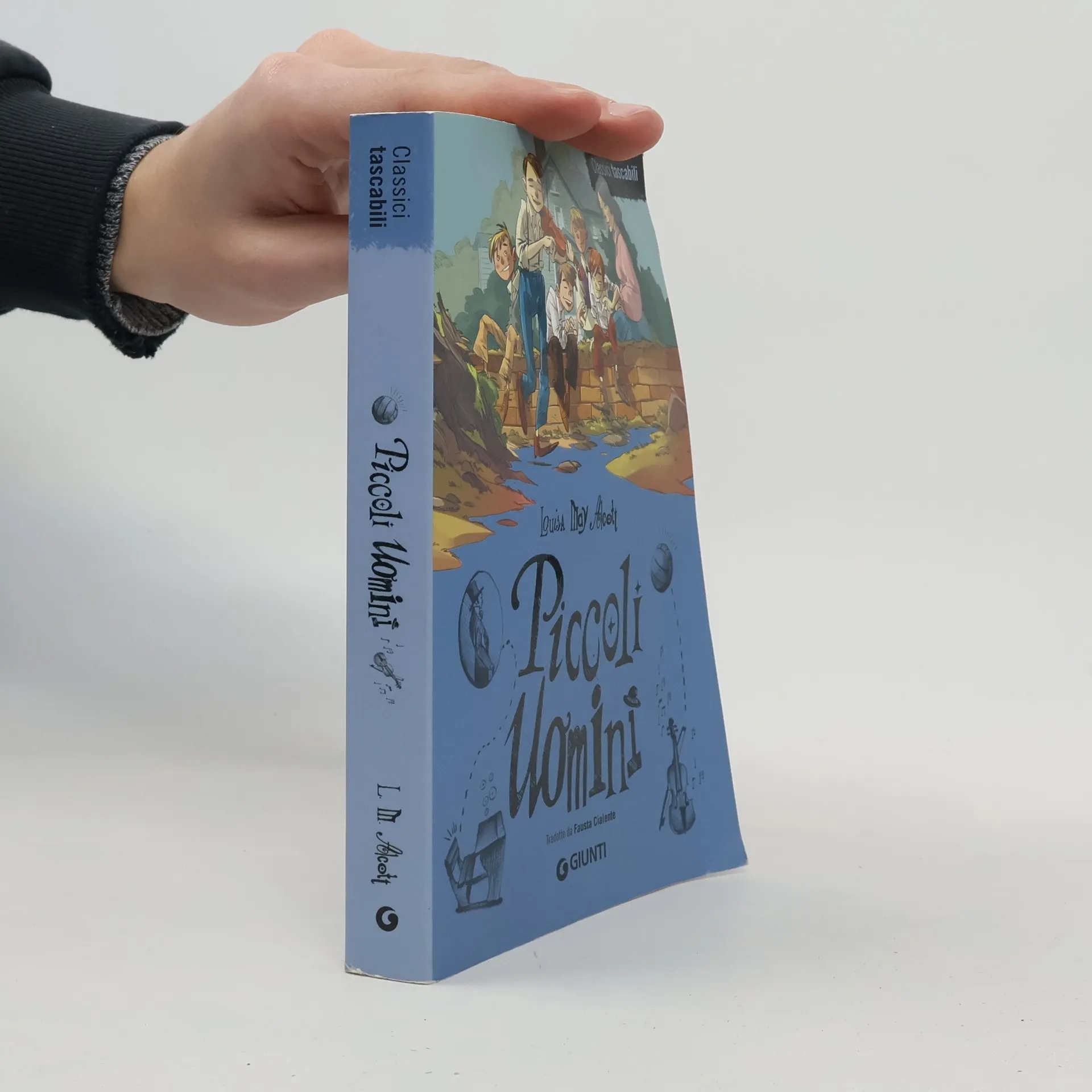
Fausta Cialente fut une romancière, journaliste et militante politique italienne. Son œuvre précoce aborda des thèmes audacieux, telle une relation lesbienne, ce qui entraîna la censure du régime fasciste. Cialente refusa de faire des compromis, et ses livres ne furent pas réimprimés, bien qu'ils aient trouvé un public en traduction française. Tout au long de sa carrière, elle s'opposa activement au fascisme par ses écrits et ses émissions de radio.
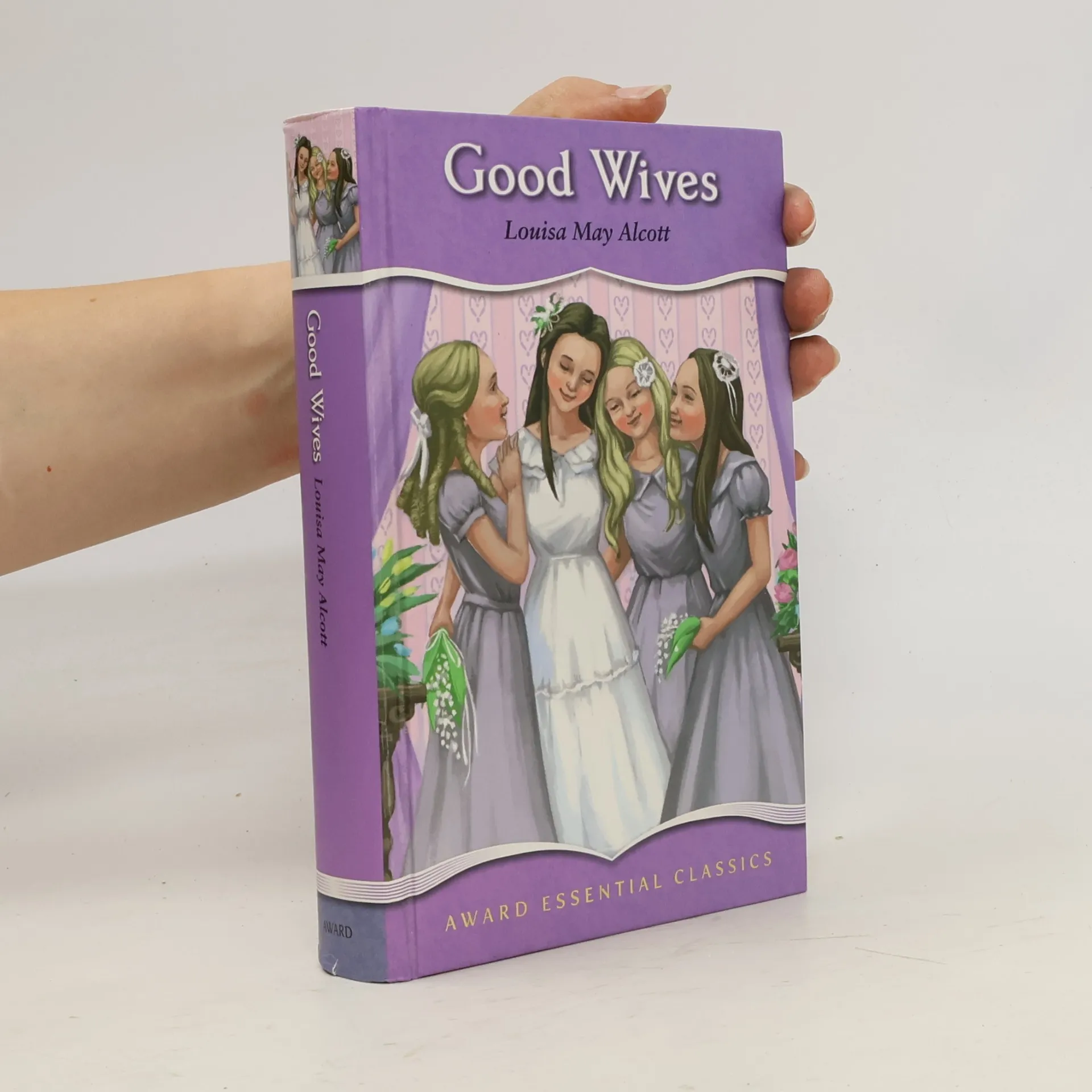
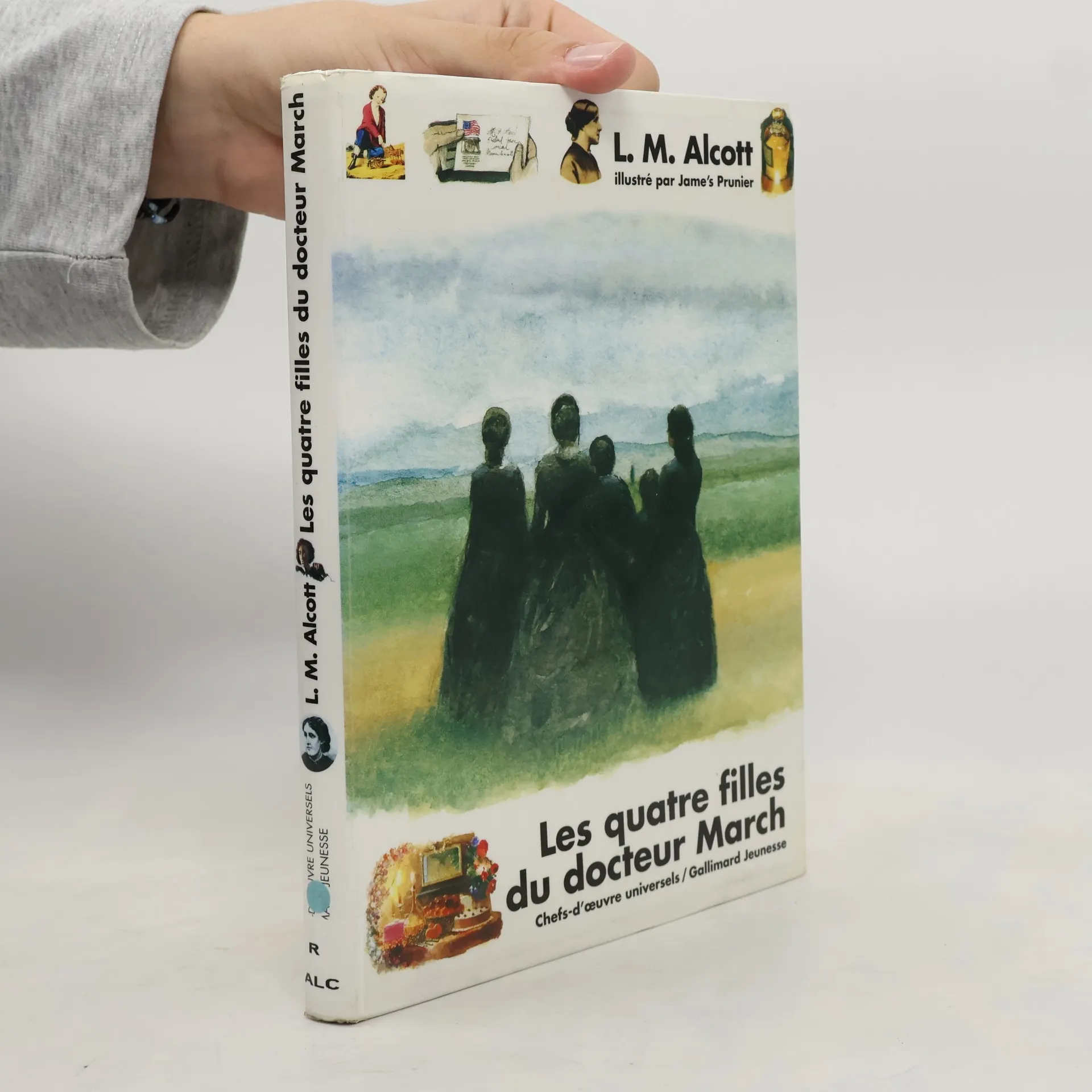
Meg, Jo, Beth, Amy : quatre jeunes Américaines d'autrefois, très différentes, mais qui s'aiment bien. Papa est à la guerre, on n'est pas riche, et la vie est parfois difficile. Qu'importe, chacune travaille, Maman fait des miracles. On rit beaucoup chez les March, on pleure quelquefois, les discussions sont passionnées et les aventures ne manquent pas, surtout avec Jo, ce garçon manqué, qui ne fait rien comme tout le monde.
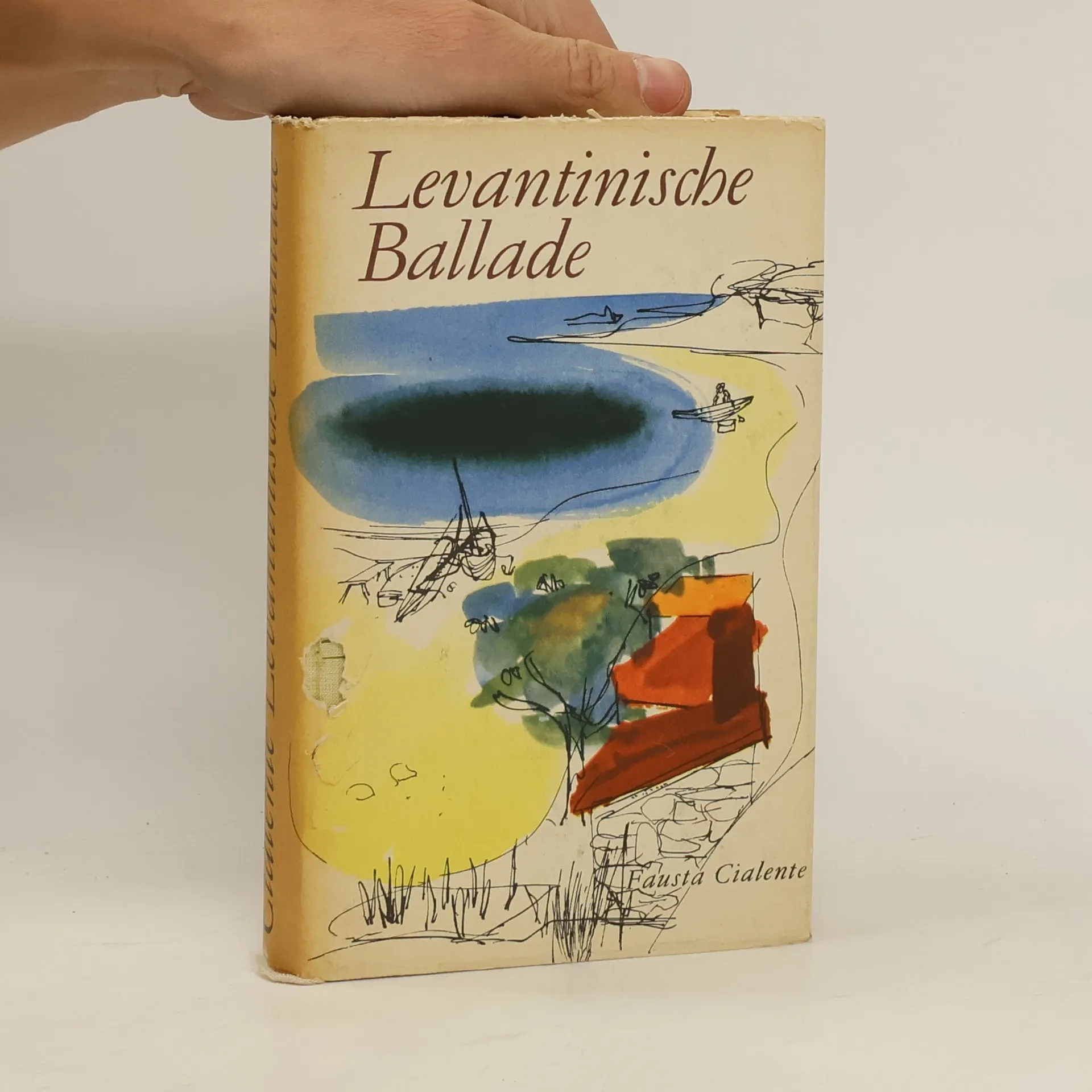
Apparso per la prima volta nel 1936 e poi ripubblicato nel 1953, questo romanzo racconta la decadenza di un ambiente esotico nella cosmopolita e levantina Alessandria d'Egitto prima di Nasser, dove i personaggi sembrano vivere al contempo in una polveriera e in un acquario, ma sempre ai margini della storia. Fausta Cialente è considerata da alcuni studiosi una delle maggiori scrittrici italiane del secondo Novecento.
Widely recognized as one of literature's most gripping ghost stories, this classic tale of moral degradation concerns the sinister transformation of two innocent children into flagrant liars and hypocrites. The story begins when a governess arrives at an English country estate to look after Miles, aged ten, and Flora, eight. At first, everything appears normal but then events gradually begin to weave a spell of psychological terror. One night a ghost appears before the governess. It is the dead lover of Miss Jessel, the former governess. Later, the ghost of Miss Jessel herself appears before the governess and the little girl. Moreover, both the governess and the housekeeper suspect that the two spirits have appeared to the boy in private. The children, however, adamantly refuse to acknowledge the presence of the two spirits, in spite of indications that there is some sort of evil communication going on between the children and the ghosts. Without resorting to clattering chains, demonic noises, and other melodramatic techniques, this elegantly told tale succeeds in creating an atmosphere of tingling suspense and unspoken horror matched by few other books in the genre. Known for his probing psychological novels dealing with the upper classes, James in this story tried his hand at the occult — and created a masterpiece of the supernatural that has frightened and delighted readers for nearly a century.
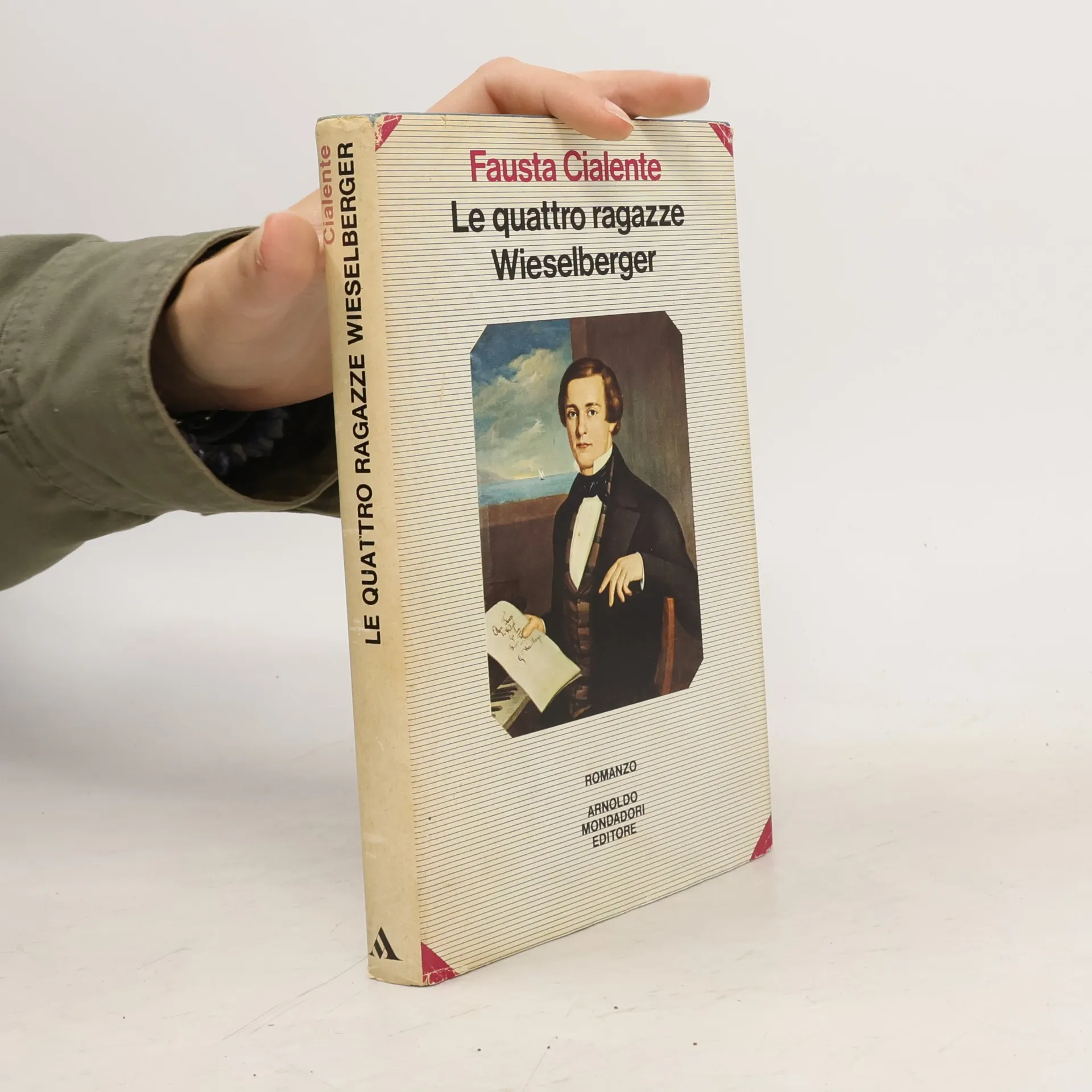
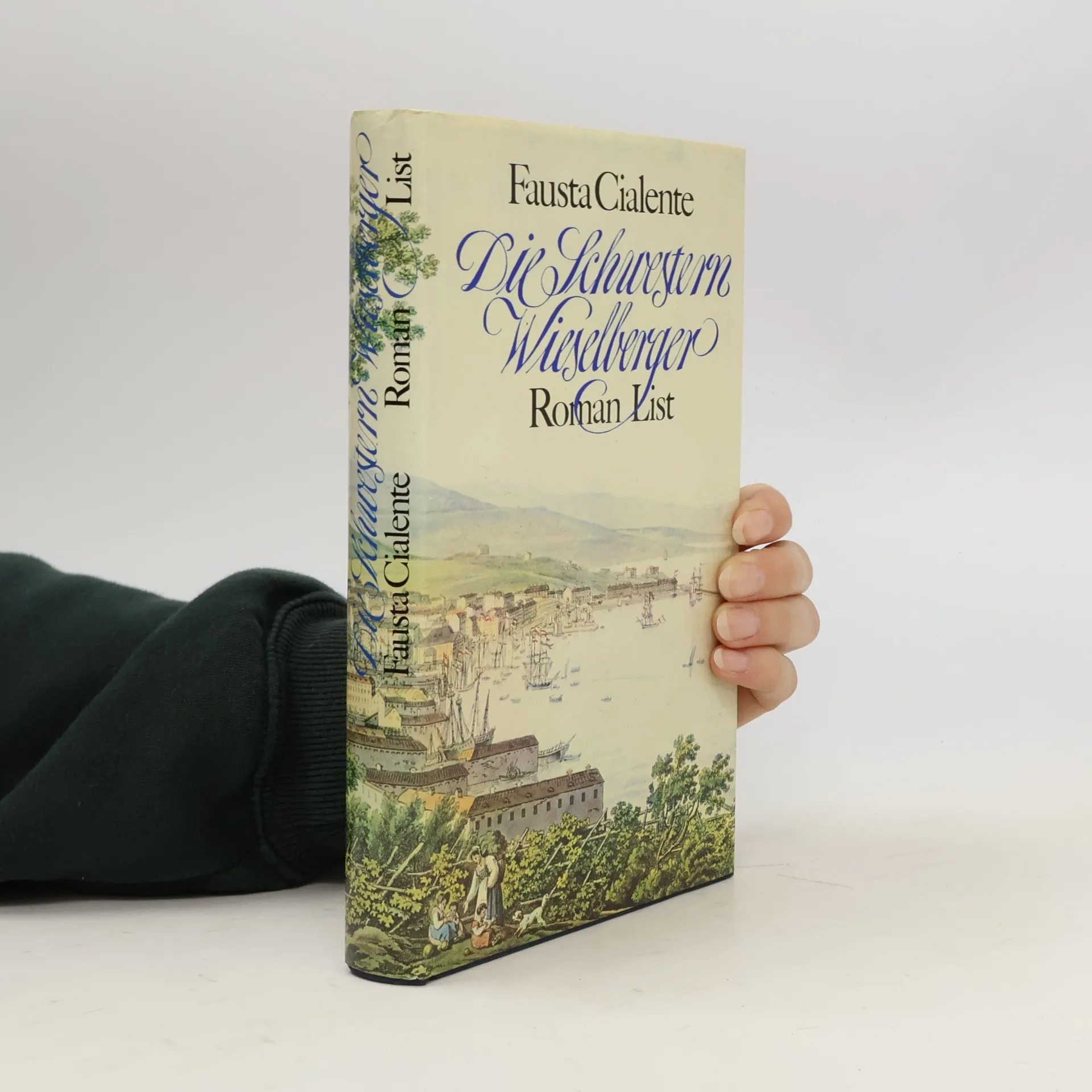
In einem bezaubernden Triest Ende des 19. Jahrhunderts, belebt von der mitteleuropäischen Luft und dem Wind des Irredentismus, bewegen sich die vier Schwestern Wieselberger, anmutig und sich ihres tragischen Schicksals bewusst. Sie gehören zur besseren Gesellschaft: die Mutter ist eine ruhige Dame, die sich zwischen der Stadtwohnung, die nach Wachs und Sauberkeit duftet, und dem großen Landhaus mit Garten, Gemüsebeet und Weinberg aufteilt; der Vater ist ein geschätzter Musiker, der sowohl die Familie als auch das Orchester der "dilettanti filarmonici" mit liebevoller Autorität leitet. Indem sie ihre Geschichte erzählt, die auch die ihrer weitverzweigten Familie ist, schildert Fausta Cialente ein halbes Jahrhundert Geschichte. Durch die Verbindung von Erinnerung und Fantasie und das Erfassen der expliziten und verborgenen Zusammenhänge zwischen Privatleben und Öffentlichkeit, zwischen Individuum und Geschichte, bringt „Die vier Schwestern Wieselberger“, Gewinner des Premio Strega 1976, die menschliche und expressive Reife der schriftstellerischen Tätigkeit von Cialente, die sich über vierzig Jahre erstreckt, zur vollendeten Entfaltung und verwirklicht den geheimsten und wahrhaftigsten Sinn ihrer künstlerischen Berufung.