

Bookbot

Harvey Cox

    Harvey Cox Jr. est un théologien distingué dont l'œuvre examine de manière critique l'interaction entre la religion, la culture et la politique. Il aborde des thèmes importants tels que l'urbanisation, l'évolution du christianisme mondial, les relations judéo-chrétiennes et les mouvements spirituels contemporains dans le monde entier. Son livre phare de 1965, « The Secular City », est devenu un best-seller international et a été reconnu comme une œuvre profondément influente dans la théologie protestante du XXe siècle. Les écrits de Cox sont célébrés pour leur analyse perspicace qui relie la pensée théologique aux réalités de la vie moderne et aux préoccupations sociétales urgentes.

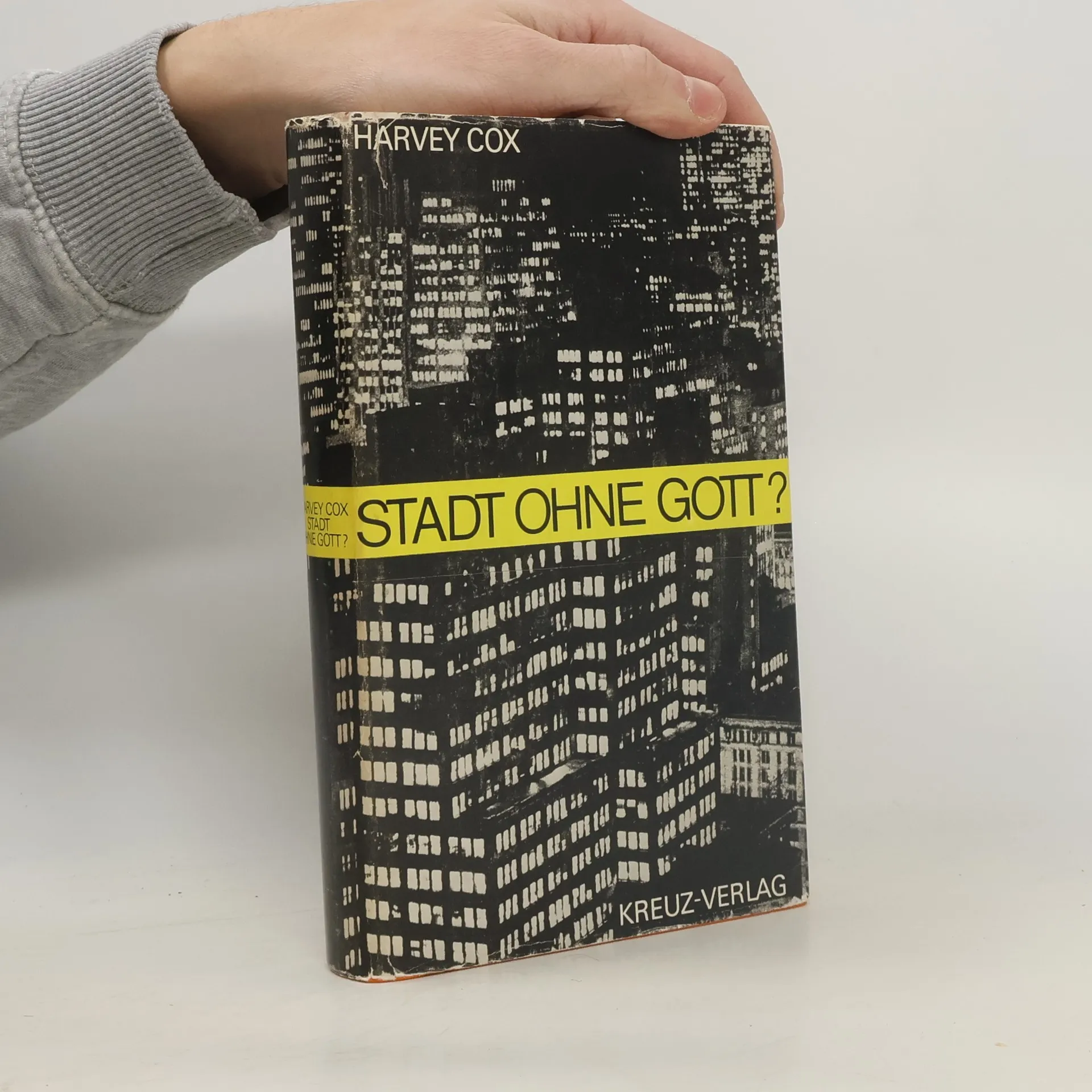
    Stadt ohne Gott?
    Das Fest der Narren
    God's Revolution and Man's Responsibility
    A New Heaven: Death, Human Destiny, and the Kingdom of God
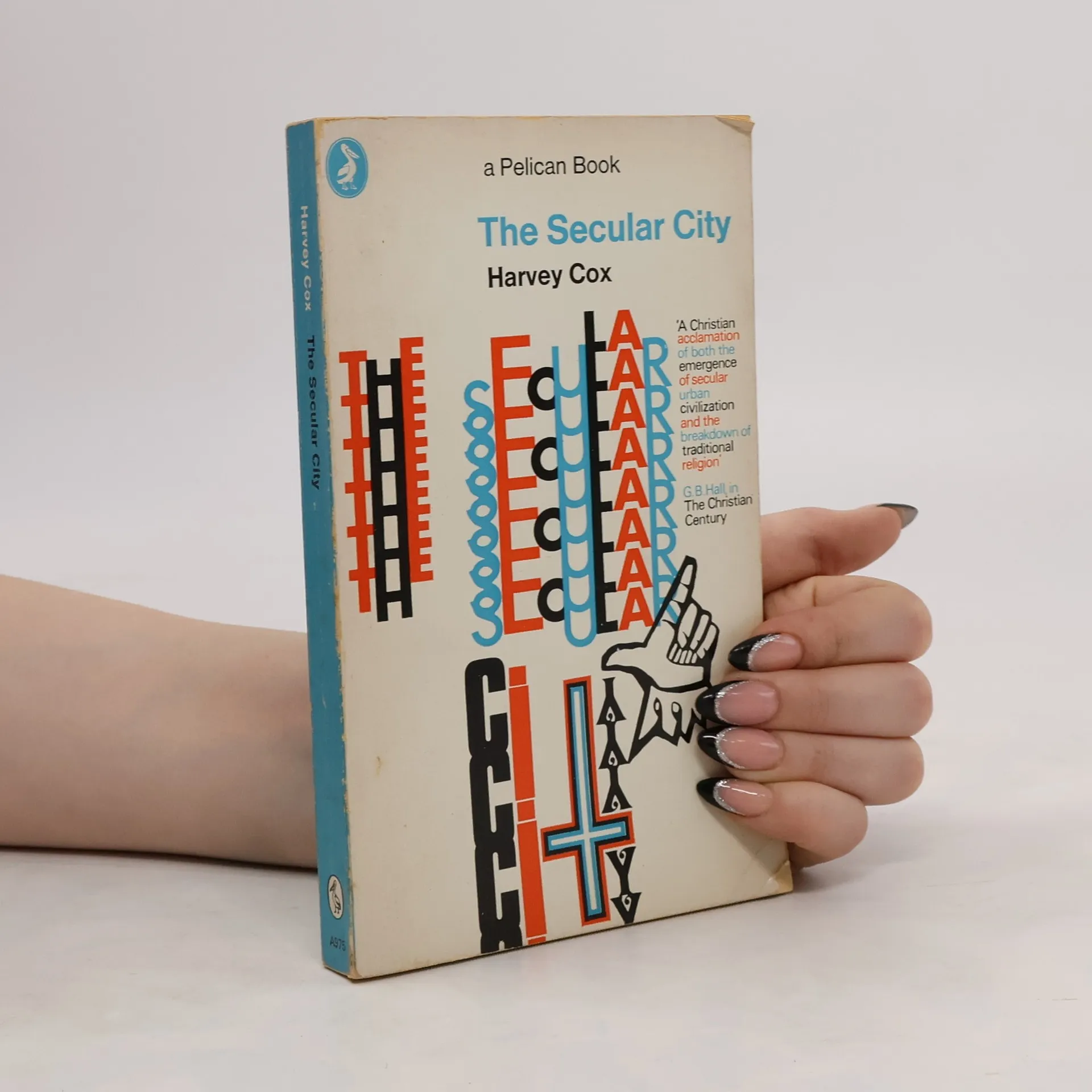
    The Secular City
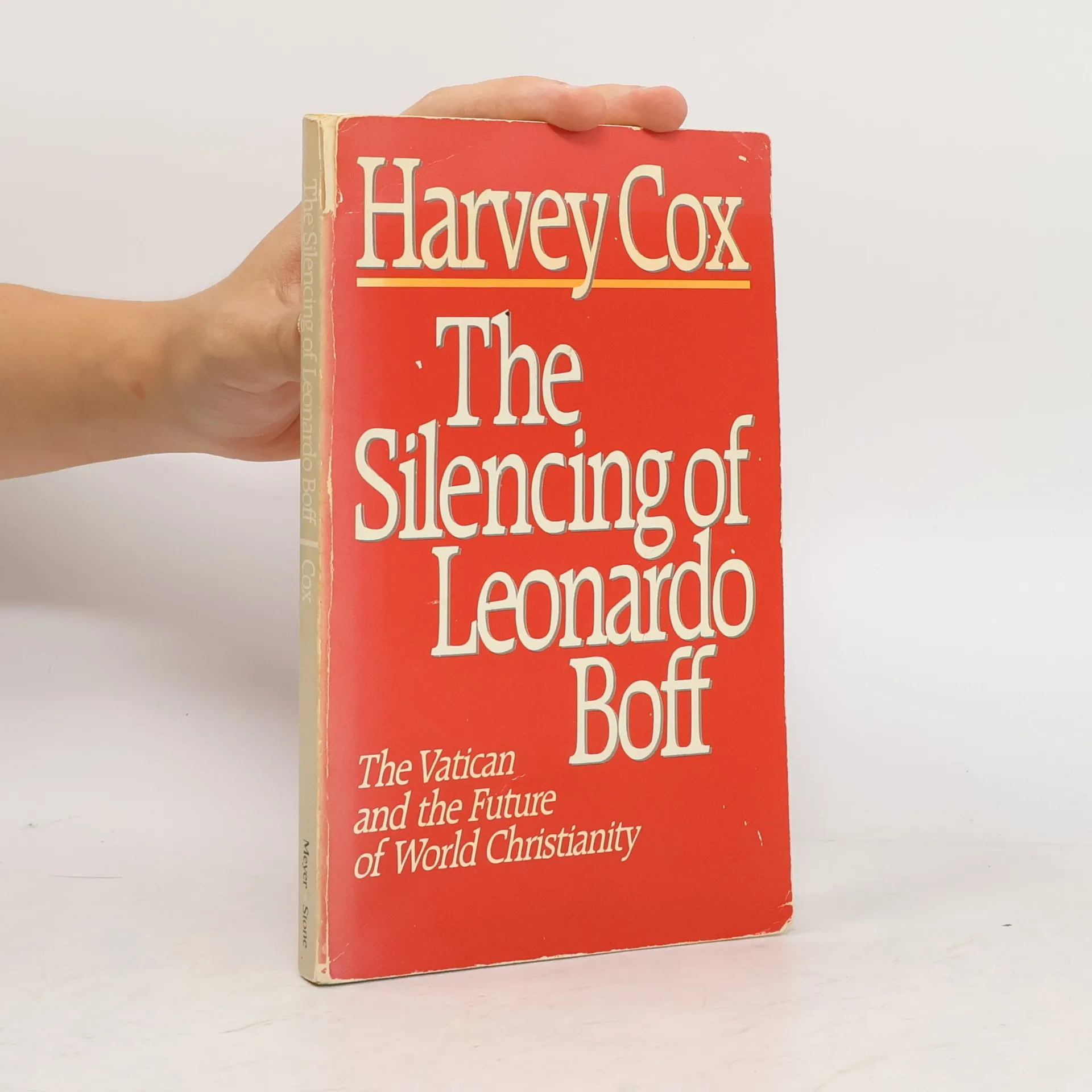
    The Silencing of Leonardo Boff
    • 2022

      Exploring profound themes of death, human destiny, and the Kingdom of God, this book delves into the biblical vision of a transformed existence. It reflects on the promise of renewal and the hope of a new heaven and earth, as depicted in Revelation. The cover features a striking wood engraving associated with the 19th-century astronomer Camille Flammarion, symbolizing the quest for understanding beyond our current reality. This work invites readers to contemplate the ultimate purpose of life and the nature of divine promise.

      A New Heaven: Death, Human Destiny, and the Kingdom of God
    • 1988
    • 1977
    • 1969

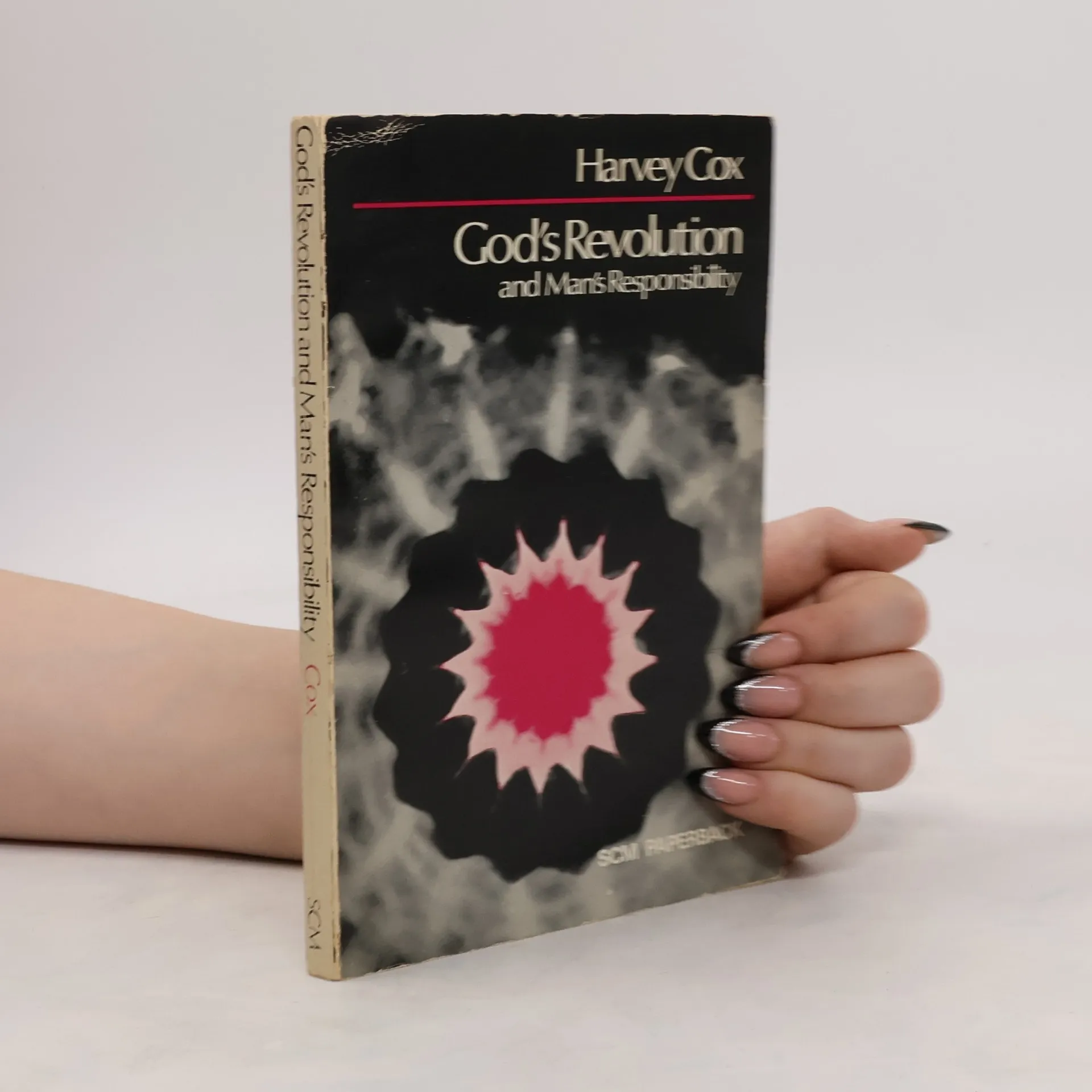
      Our times offer abundant evidence that organized Christianity is failing to fulfill its responsibilities in bringing about the changes most desperately needed in the world. The great events of our day are occurring apart from the church, and this fact indicates to Harvey Cox that the secular world is the principal arena of God's work today. Where does this leave the organized church, the clergy, and the lay member as they witness in modern society? These are the kind of questions that Harvey Cox faces and provocatively discusses in this book. There is no doubt as to where he stands personally with regard to the issues that trouble society most deeply. He is a prophet of God's reconciliation, whether in matters of race, ecumenical relationships, or world order, and he feels that Christians who stand with him will have to enter more vitally into the secular world if they are to be agents of reconciliation. You may or may not agree with this book, but you owe it to yourself to read it.

      God's Revolution and Man's Responsibility