

The book presents a philosophical exploration of the modern economy, focusing on the intricate relationship between credit and faith. It delves into how these elements shape economic structures and influence societal interactions, providing insights into the underlying principles that govern contemporary financial systems. Through this analysis, readers are invited to reconsider the foundational beliefs that drive economic behavior and the implications for future economic practices.
Philip Goodchild Ordre des livres (chronologique)
Philip Goodchild est professeur de religion et de philosophie dont le travail explore les liens complexes entre le capitalisme, le désir et la religion. Il se penche sur les liens profonds entre les systèmes économiques, les pratiques spirituelles et les motivations psychologiques. Goodchild aborde la philosophie comme un exercice spirituel, invitant les lecteurs à réfléchir à leur place dans le monde.

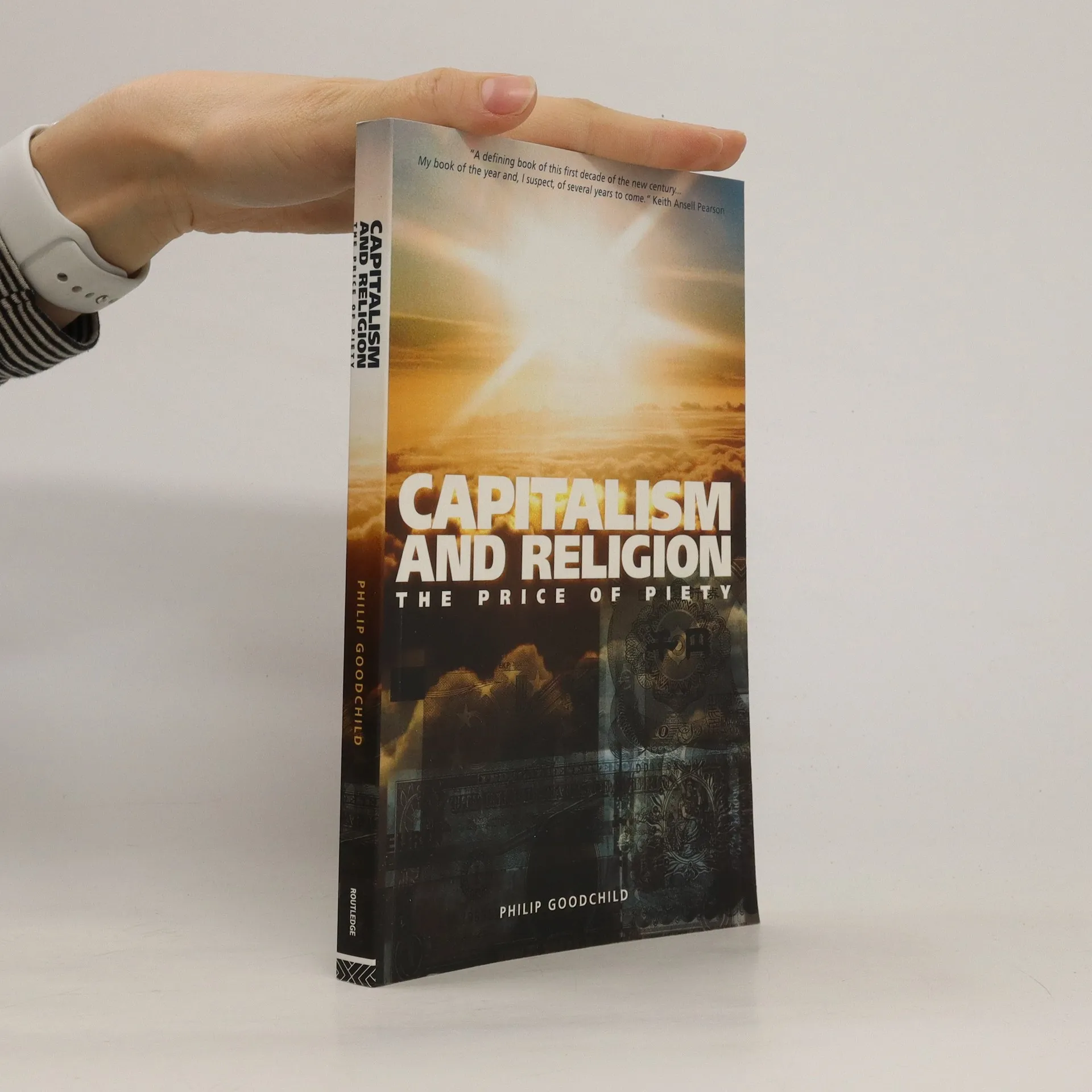
Capitalism and Religion
- 288pages
- 11 heures de lecture
Do religions justify and cause violence or are they more appropriately seen as forces for peace and tolerance? Featuring contributions from international experts in the field, this book explores the debate that has emerged in the context of secular modernity about whether religion is a primary cause of social division, conflict and war, or whether this is simply a distortion of the 'true' significance of religion and that if properly followed it promotes peace, harmony, goodwill and social cohesion. Focusing on how this debate is played out in the South Asian con.