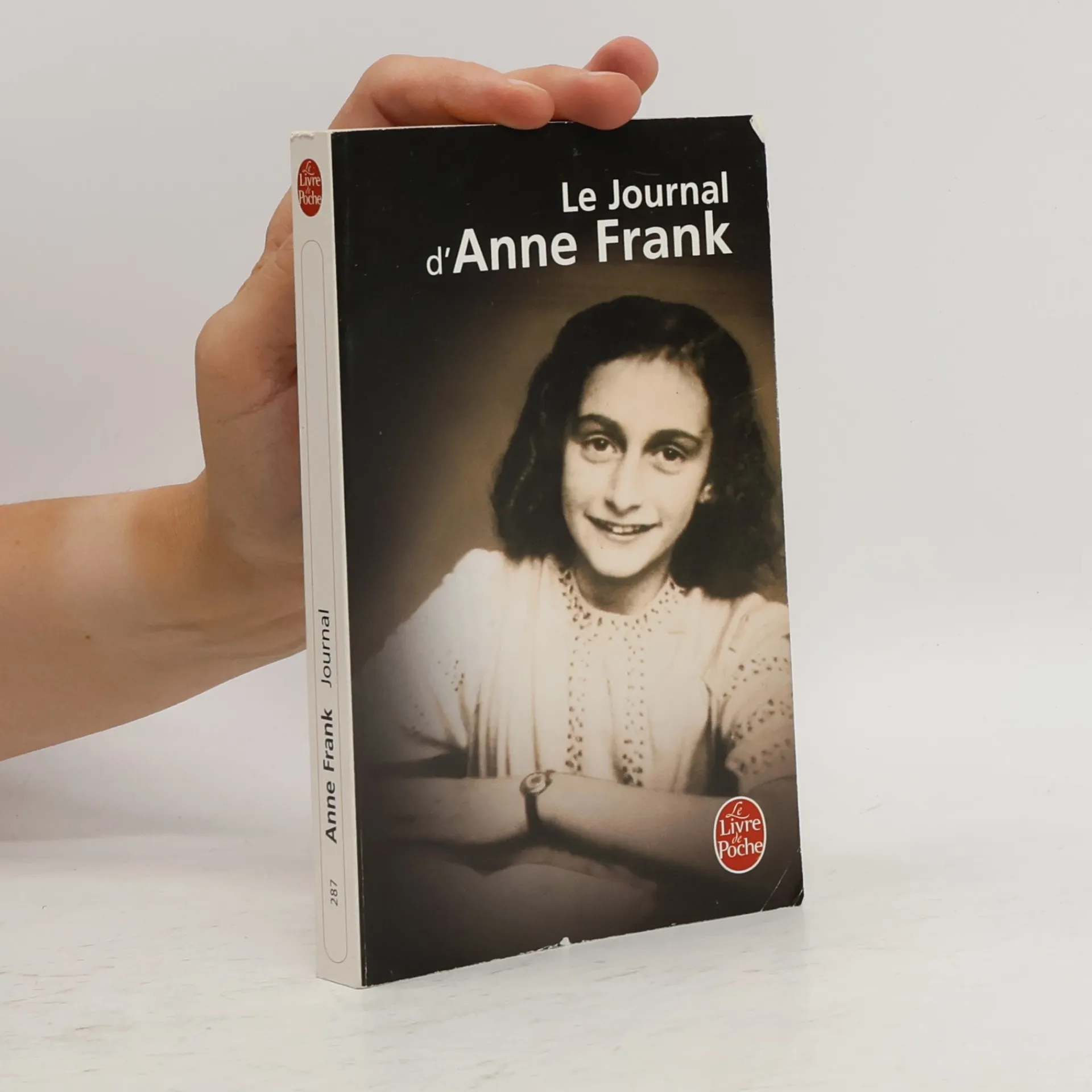
C'est d'abord pour elle seule qu'Anne Frank entreprend l'écriture de son journal le 12 juin 1942. Mais au printemps 1944, le gouvernement néerlandais décide de rassembler, dès la fin de la guerre, tout écrit relatant les souffrances du peuple occupé. Du haut de ses treize ans, Anne Frank s'adresse alors à la postérité. Au fil d'un récit alerte et chaleureux, elle décrit à sa "chère Kitty" imaginaire sa pénible vie clandestine. Car Anne et les siens vivent cachés dans "l'annexe" des bureaux paternels. L'occasion pour la jeune fille d'observer et de consigner dans son précieux cahier les comportements de chacun, d'analyser avec une maturité étonnante les tensions psychologiques dont vibre le quotidien. Elle y confie aussi sa peur, ses rêves et ses ambitions, ainsi que ses premières amours et ses réflexions sur la religion. Ce Journal demeure l'un des témoignages les plus émouvants sur la Seconde Guerre mondiale. La mort d'Anne Frank en déportation nous laisse au coeur une plaie vive : le souvenir, rendu plus présent et plus insupportable encore, par cette lecture, du génocide des Juifs. --Laure Anciel
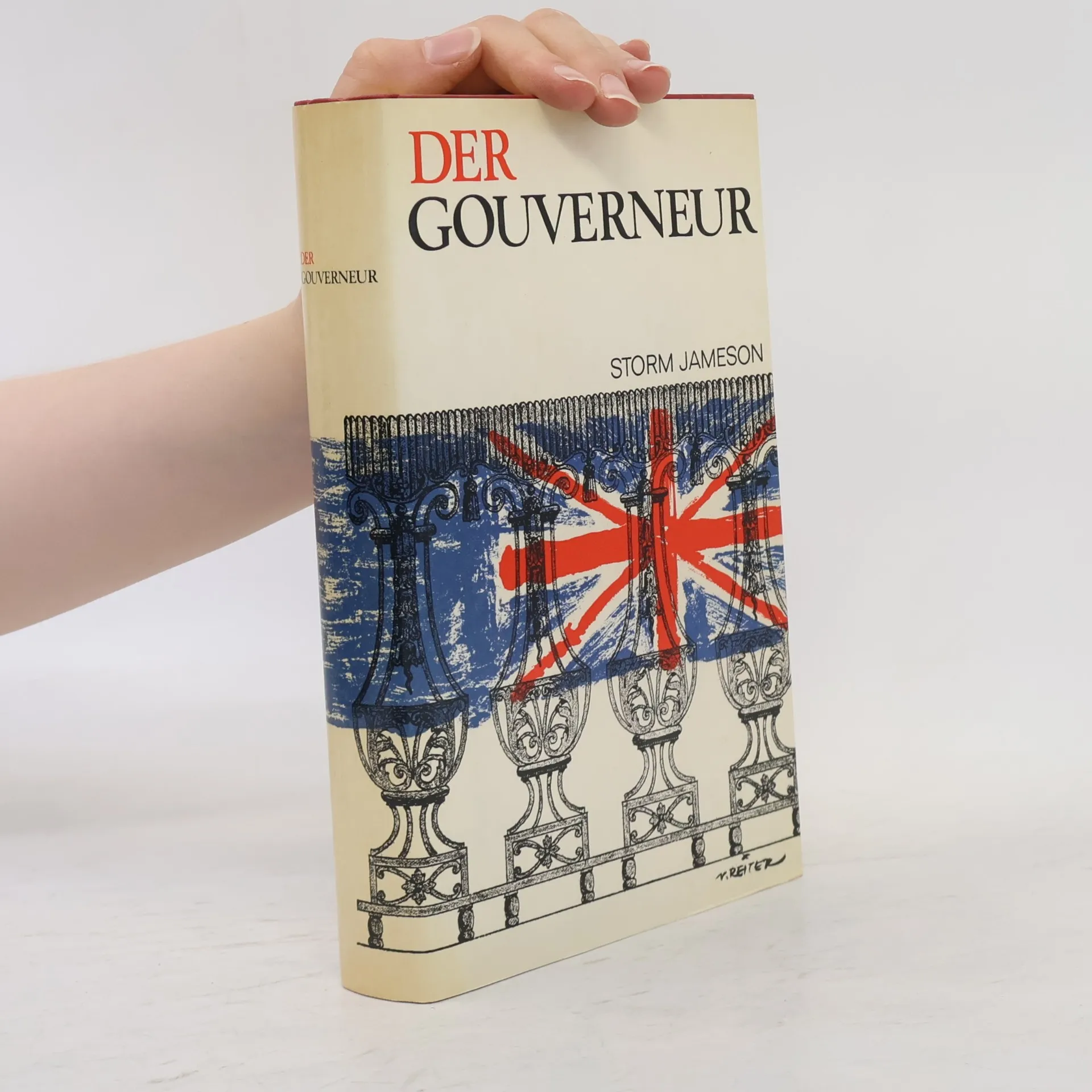
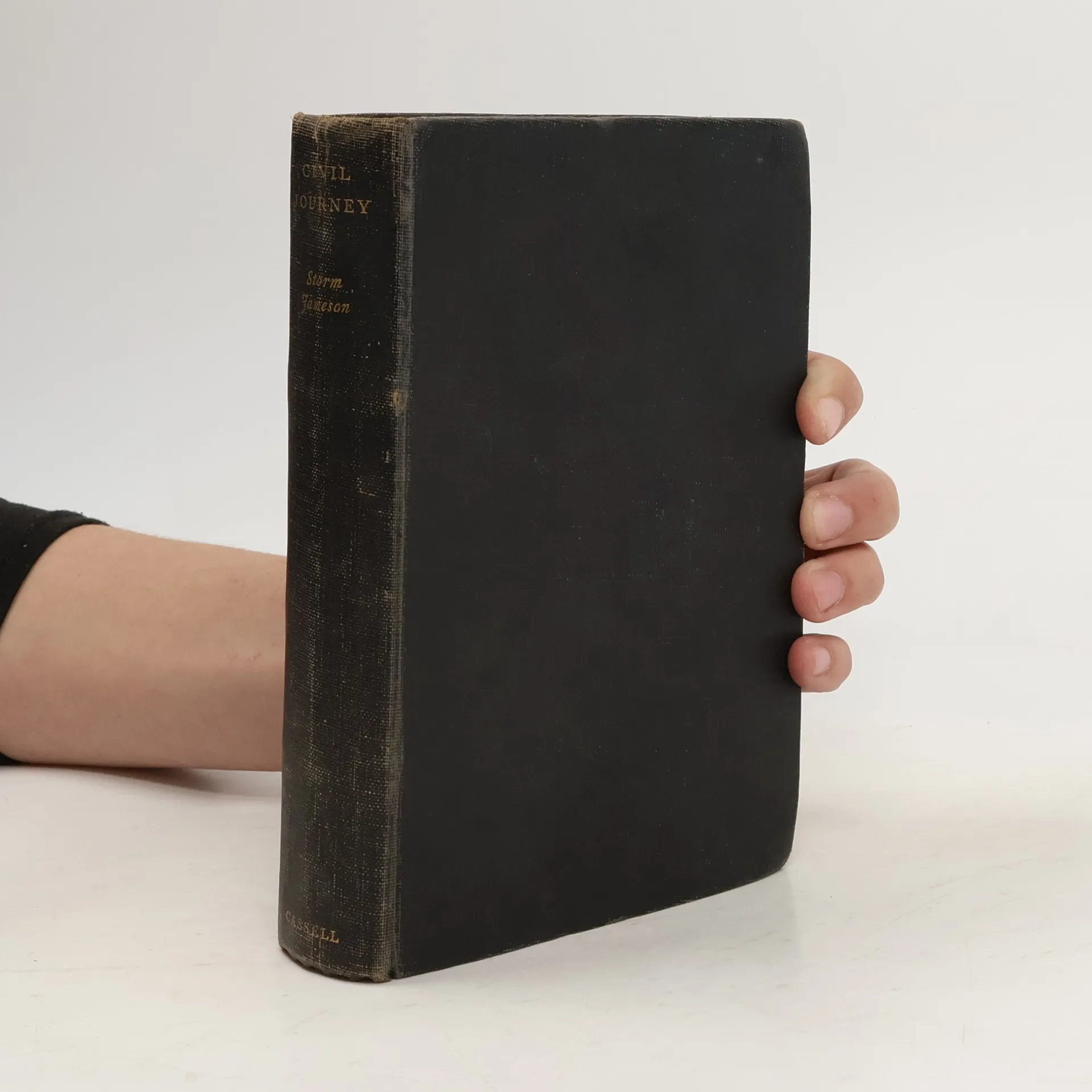
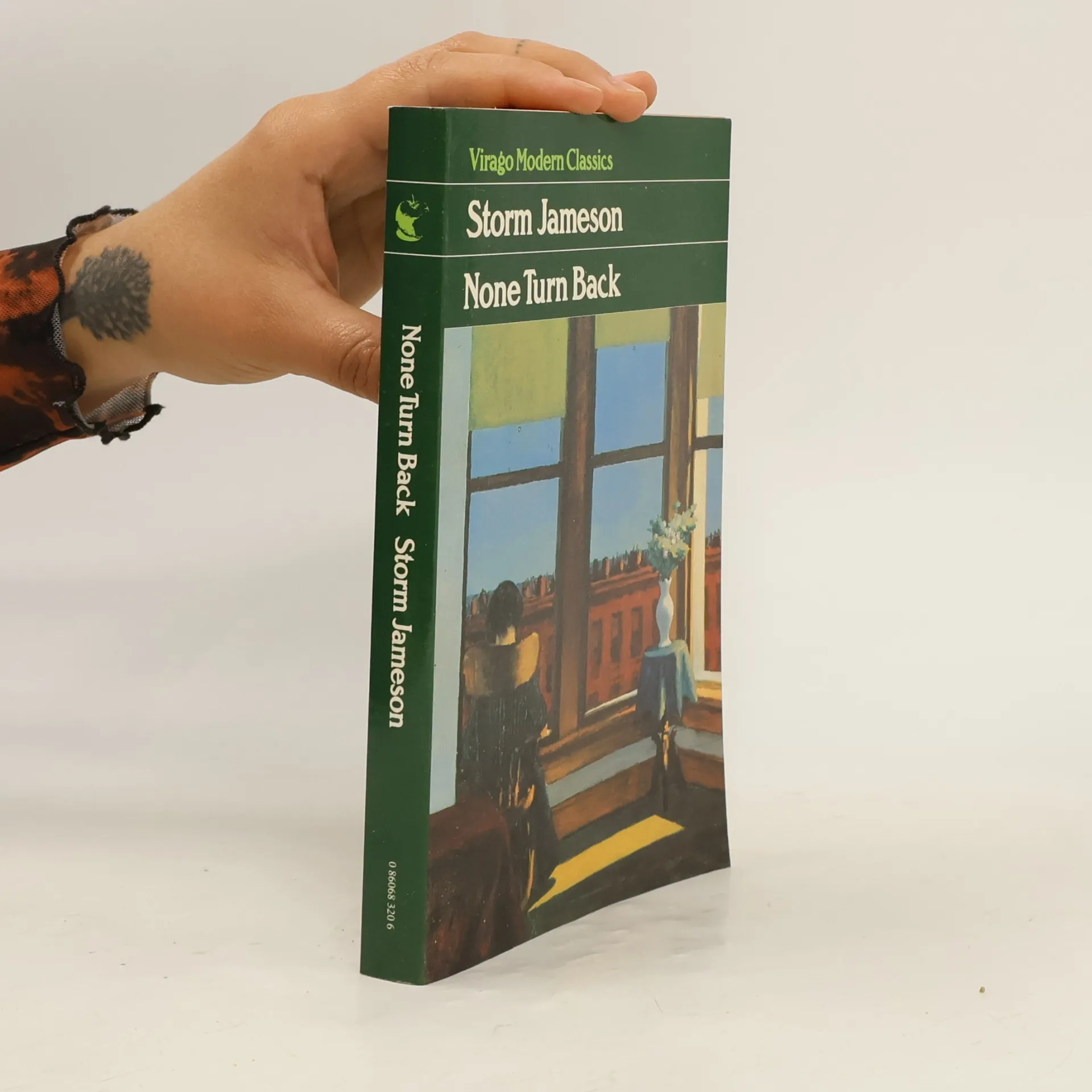
Storm Jameson Livres
Margaret Storm Jameson fut une auteure anglaise de renom, célébrée pour son œuvre considérable, comprenant de nombreux romans et écrits critiques. Ses contributions littéraires explorèrent des thèmes profonds, l'établissant comme une voix distinctive dans la littérature anglaise. L'engagement de Jameson s'étendit au-delà de son écriture pour soutenir activement ses confrères écrivains, particulièrement ceux en quête de refuge.