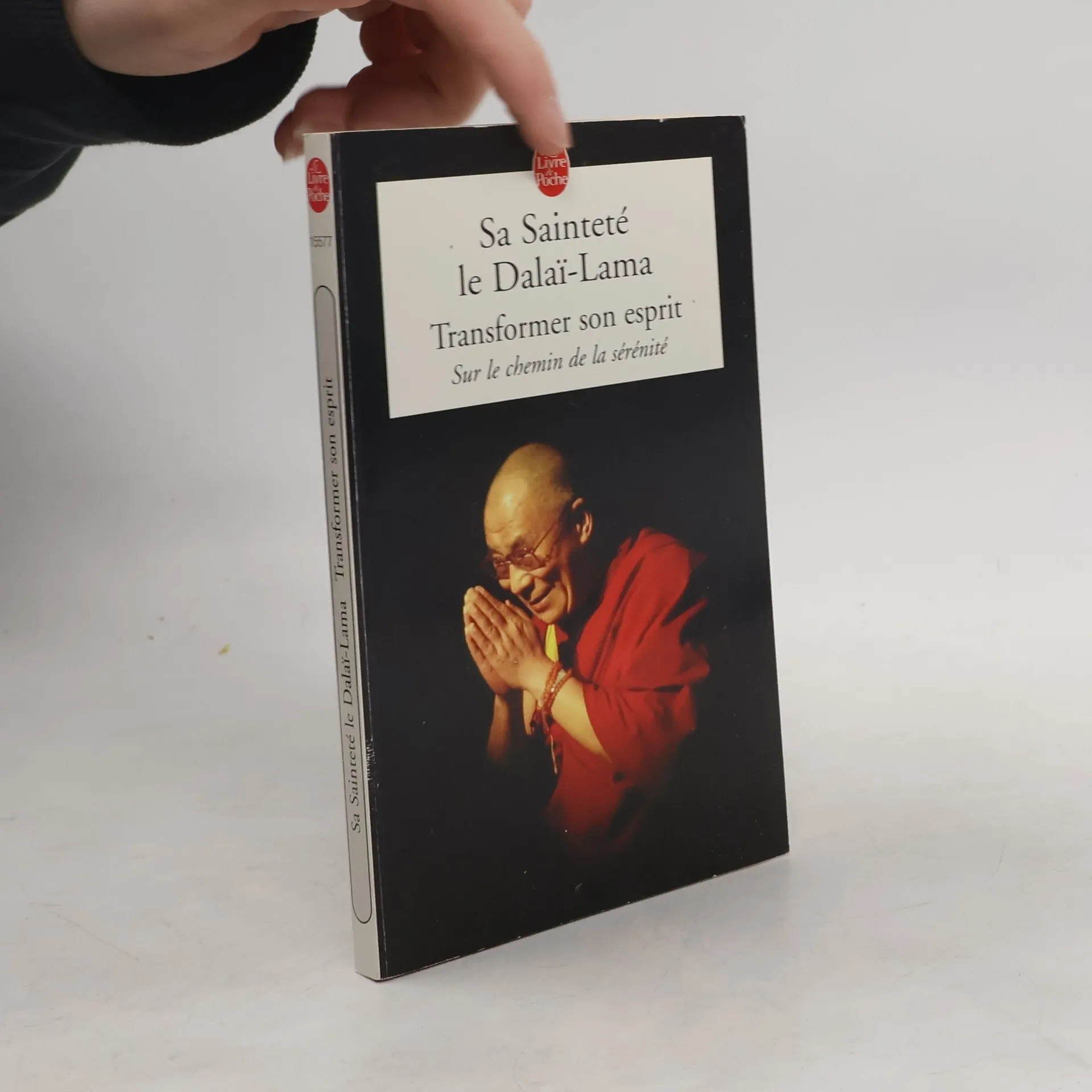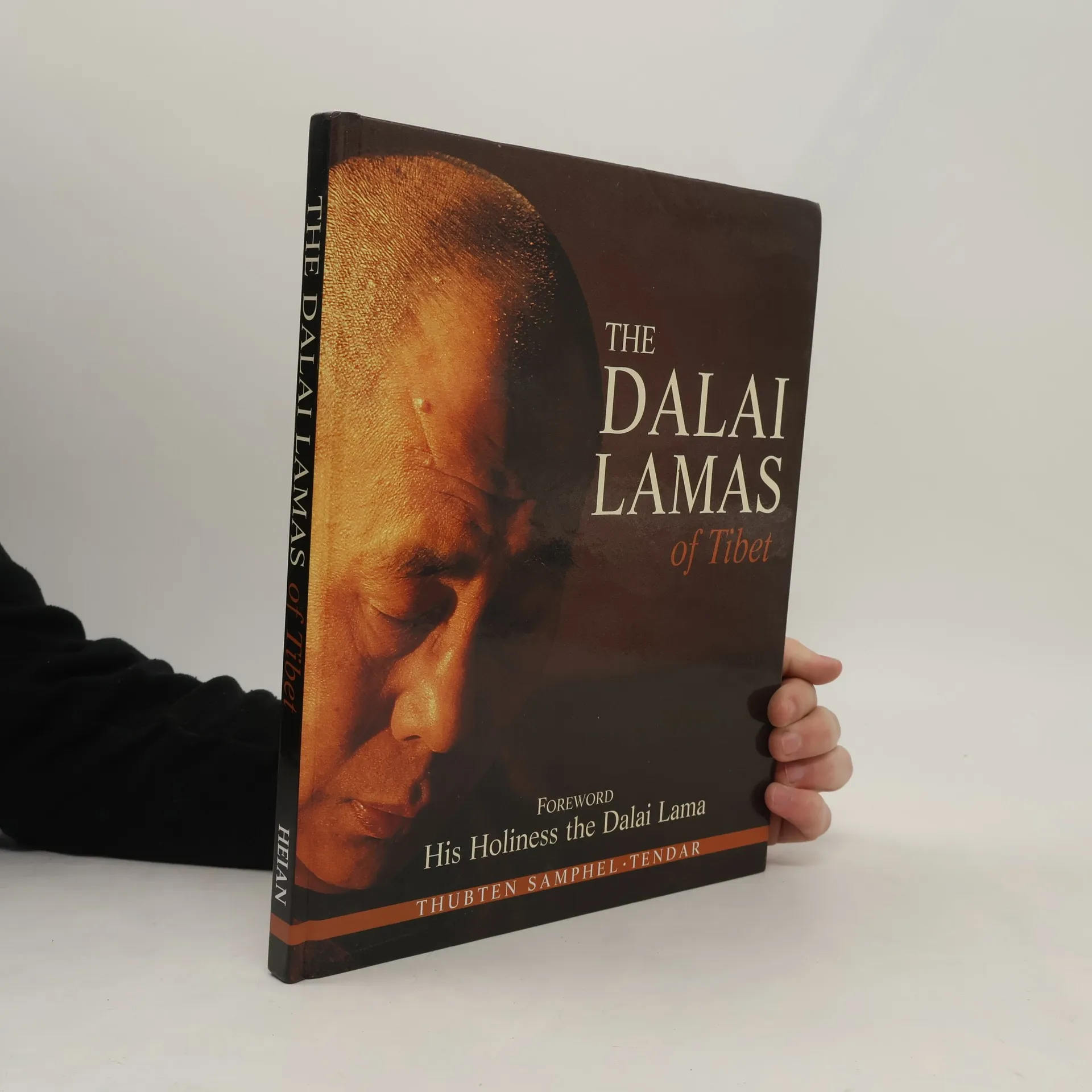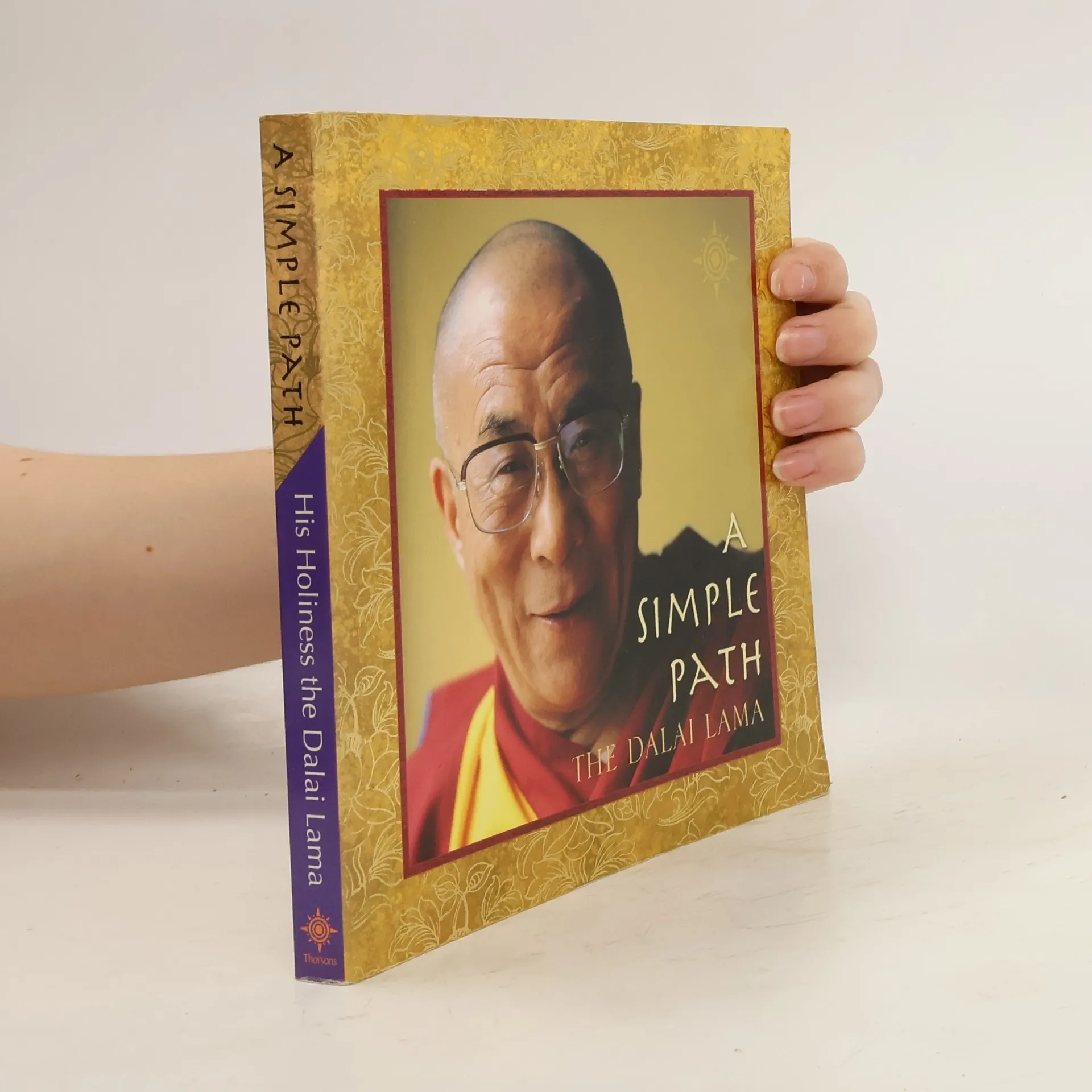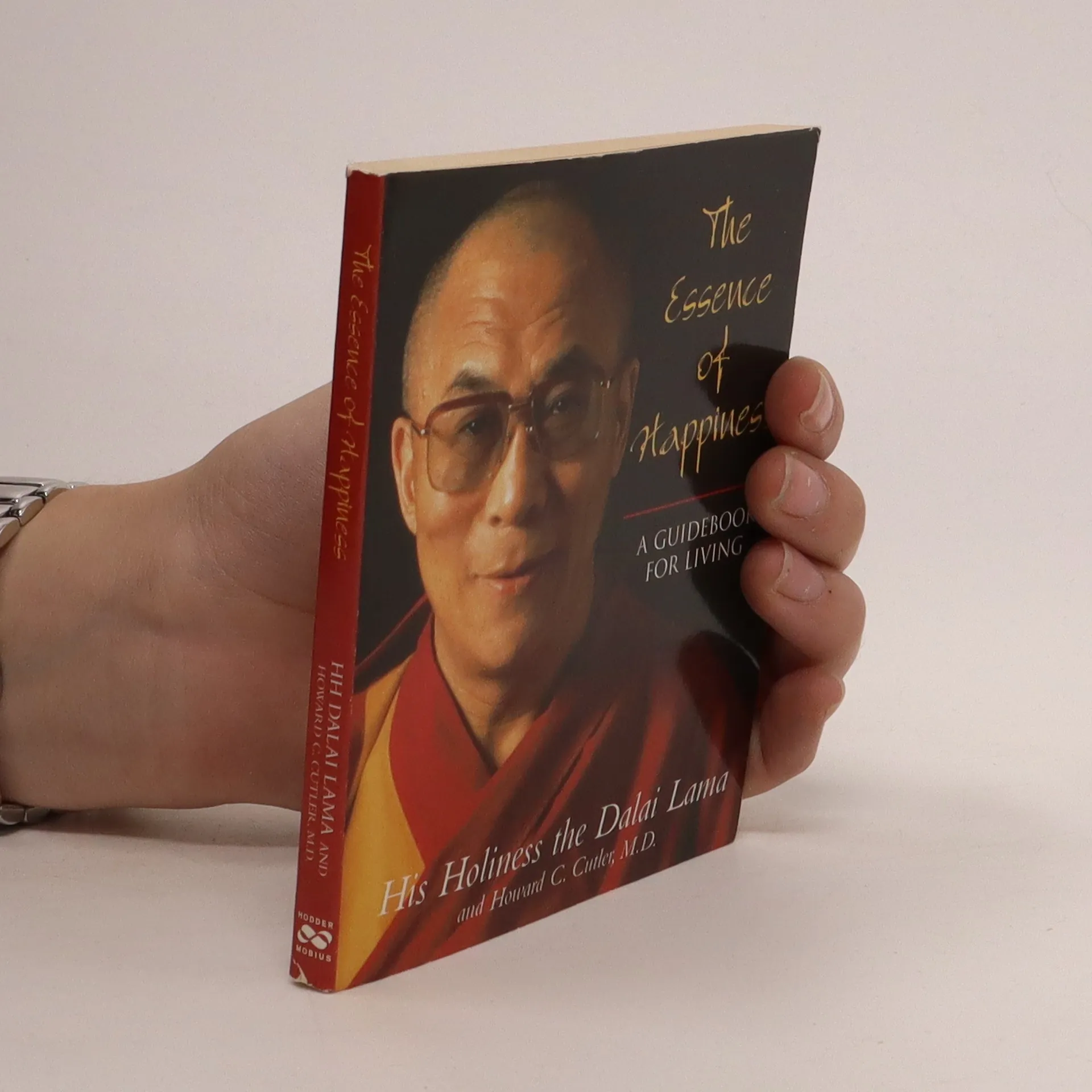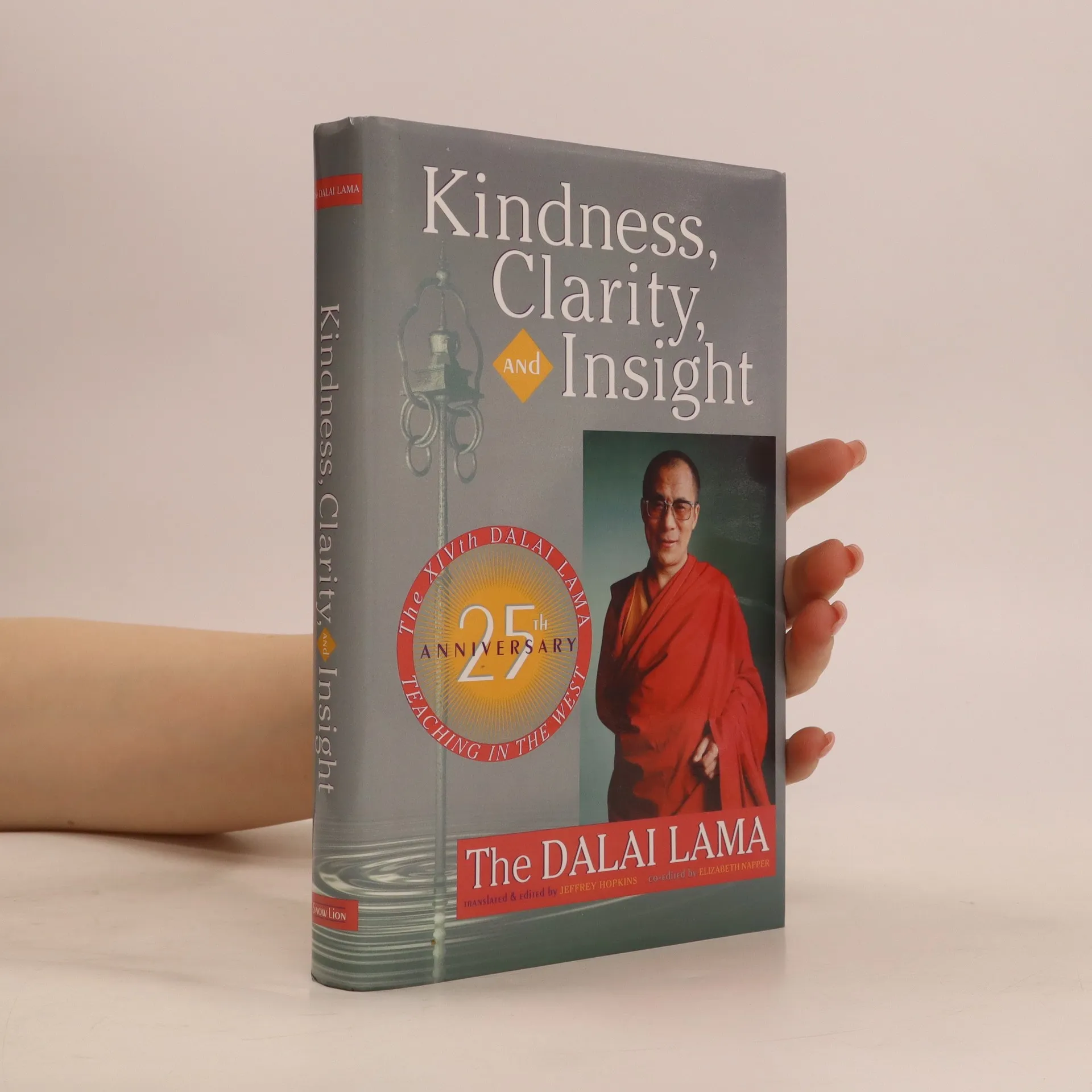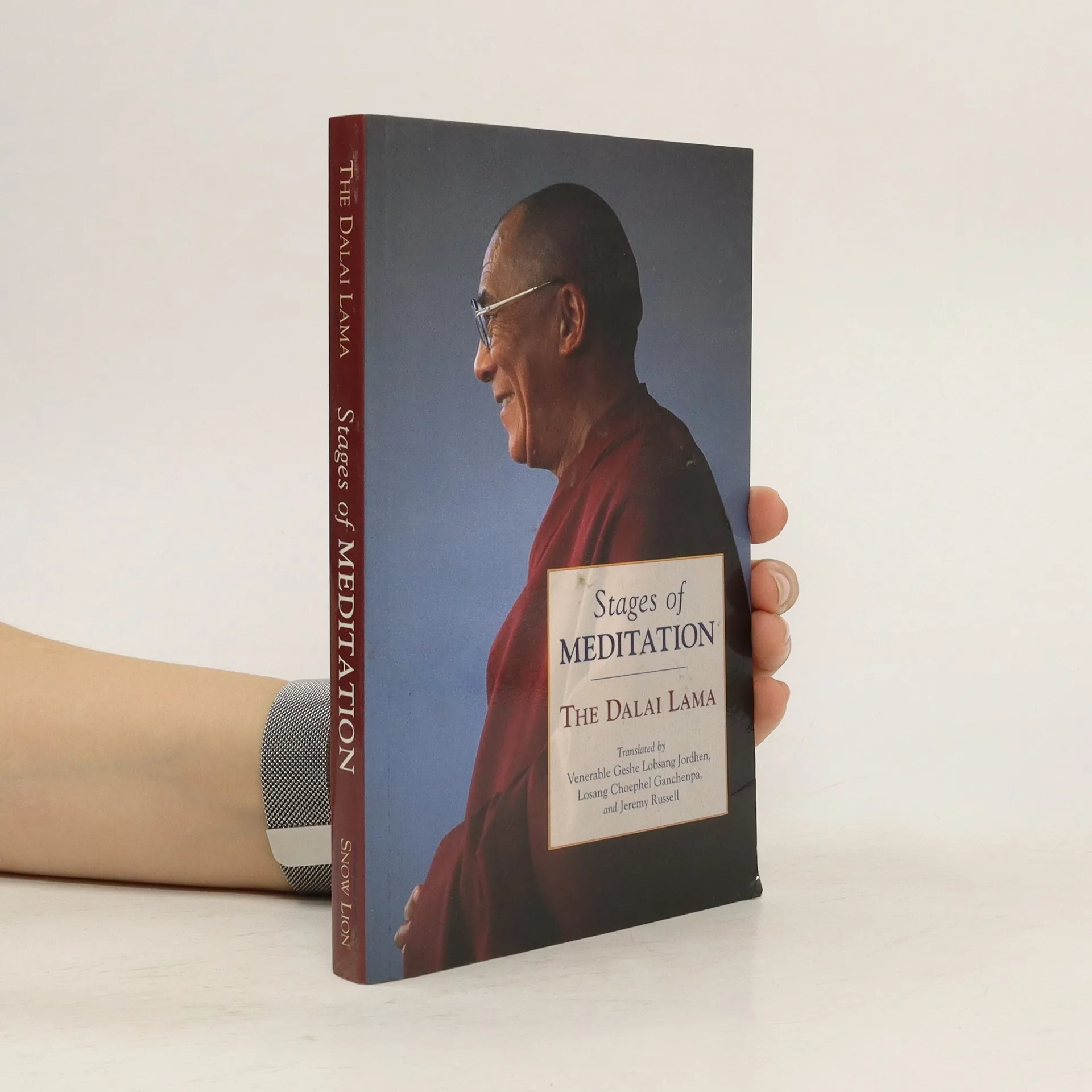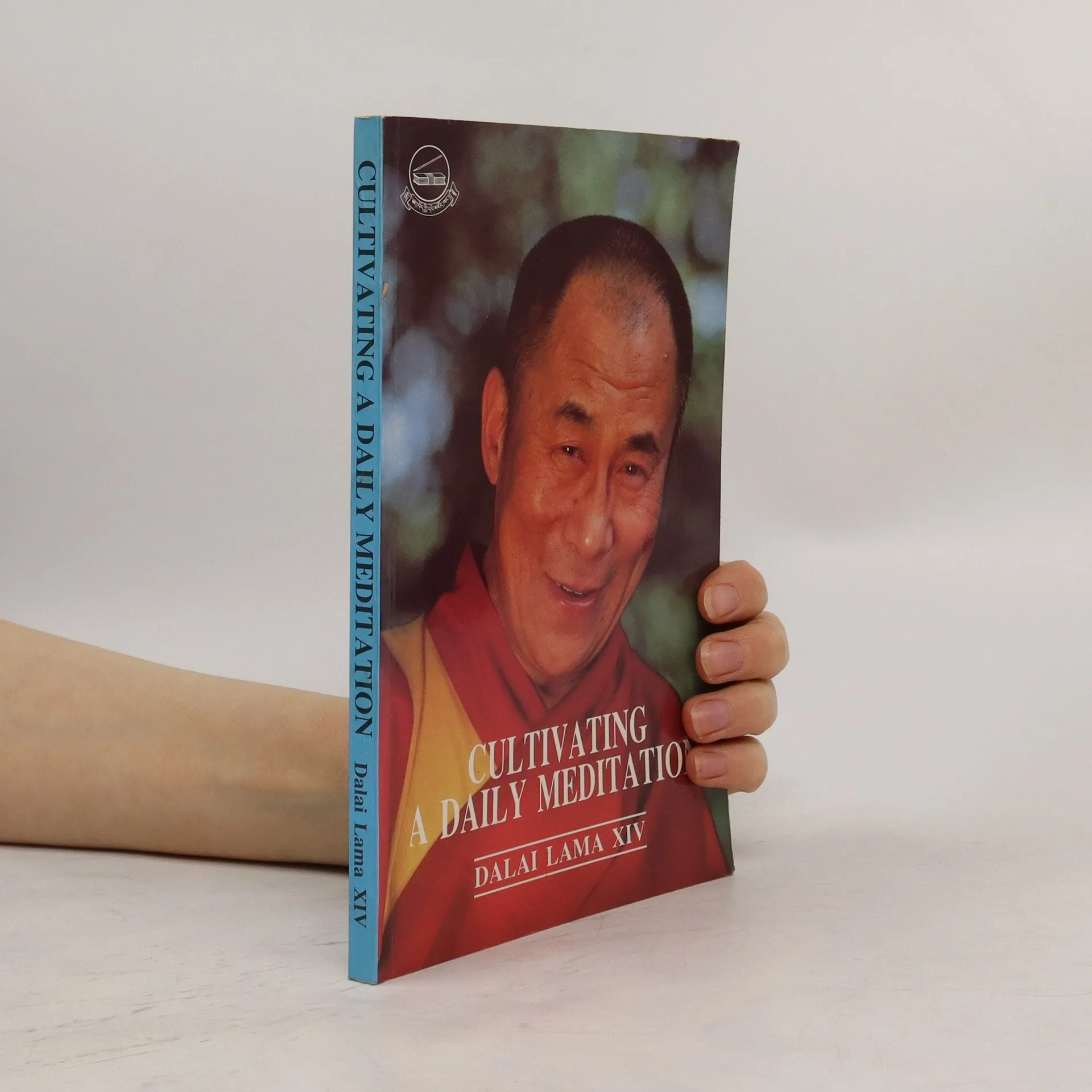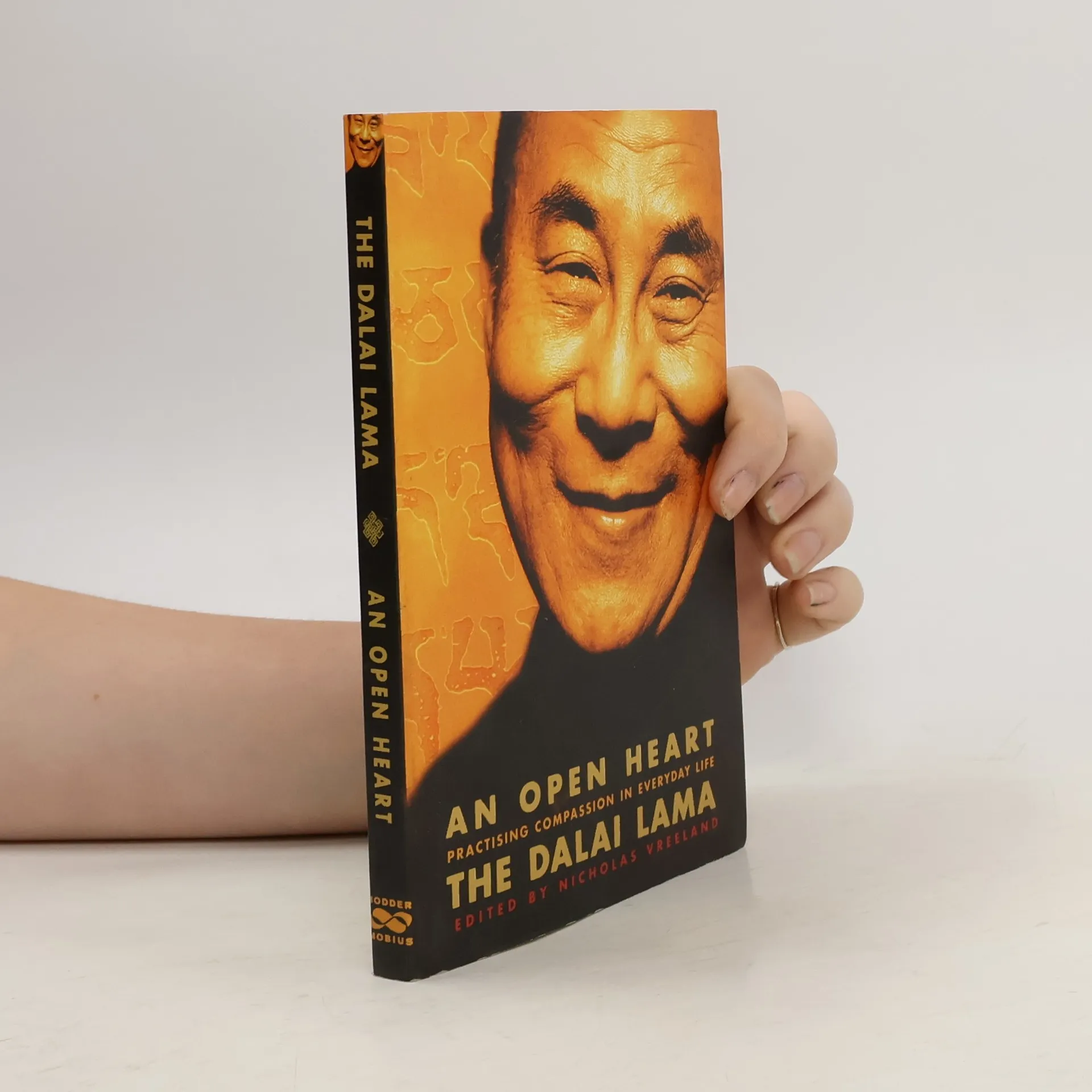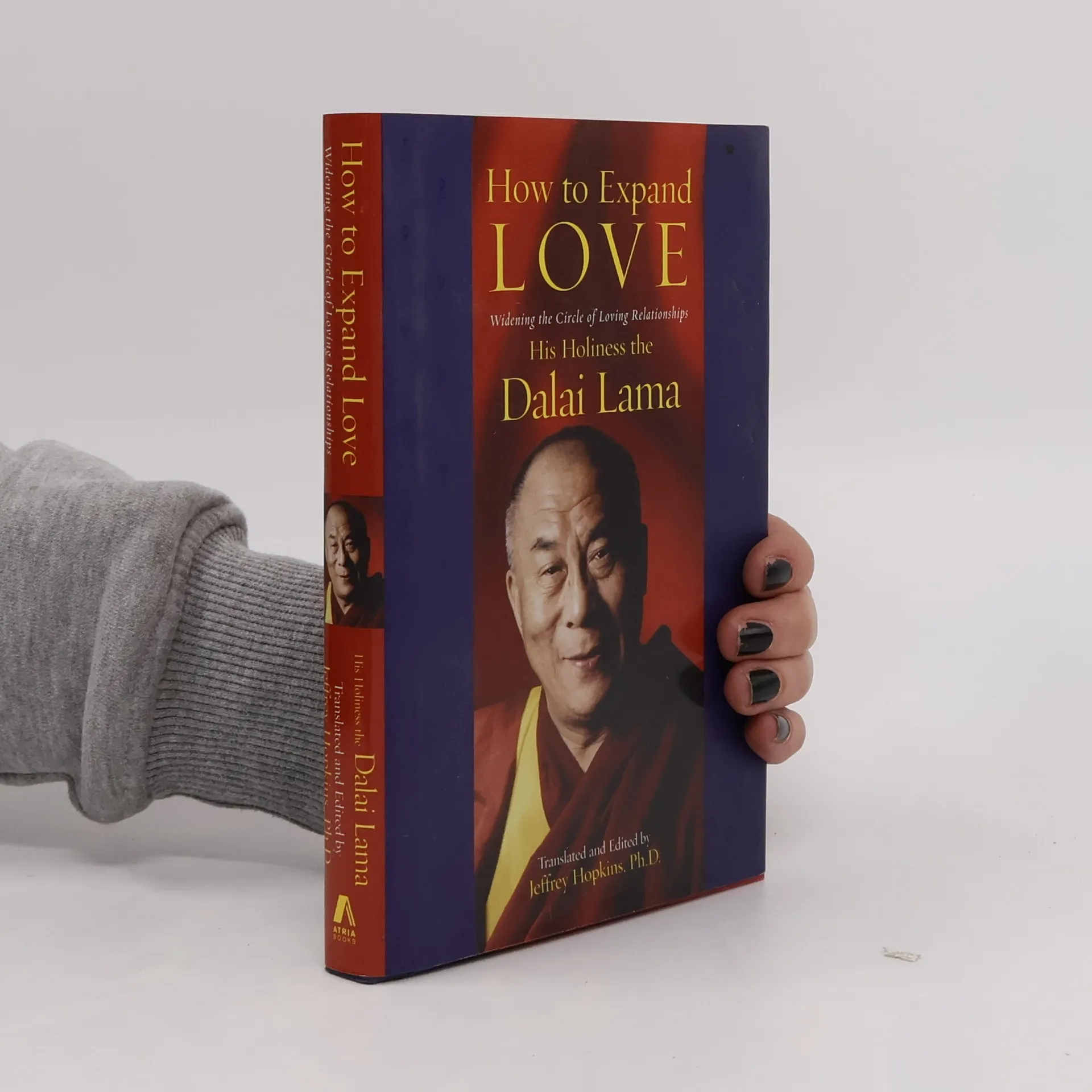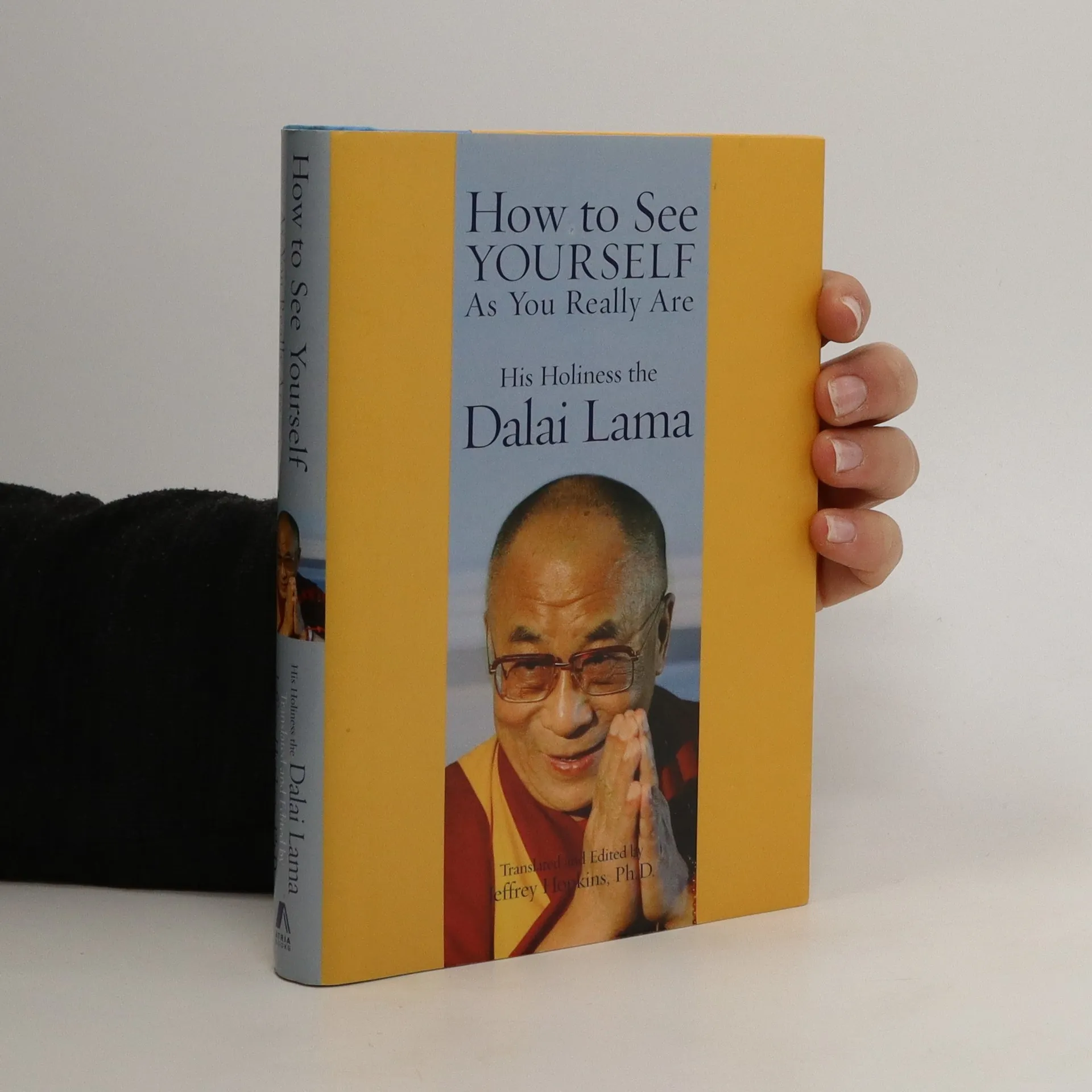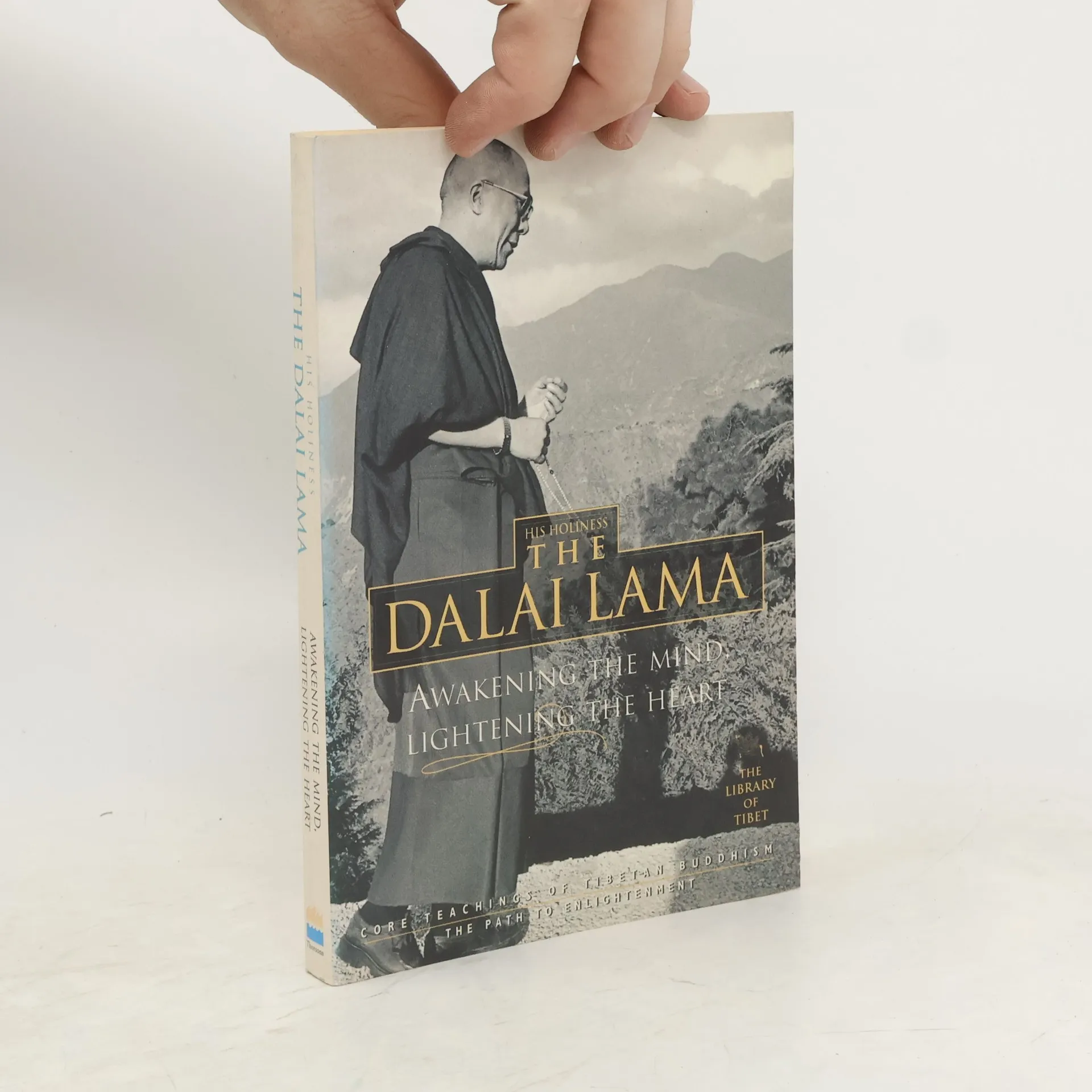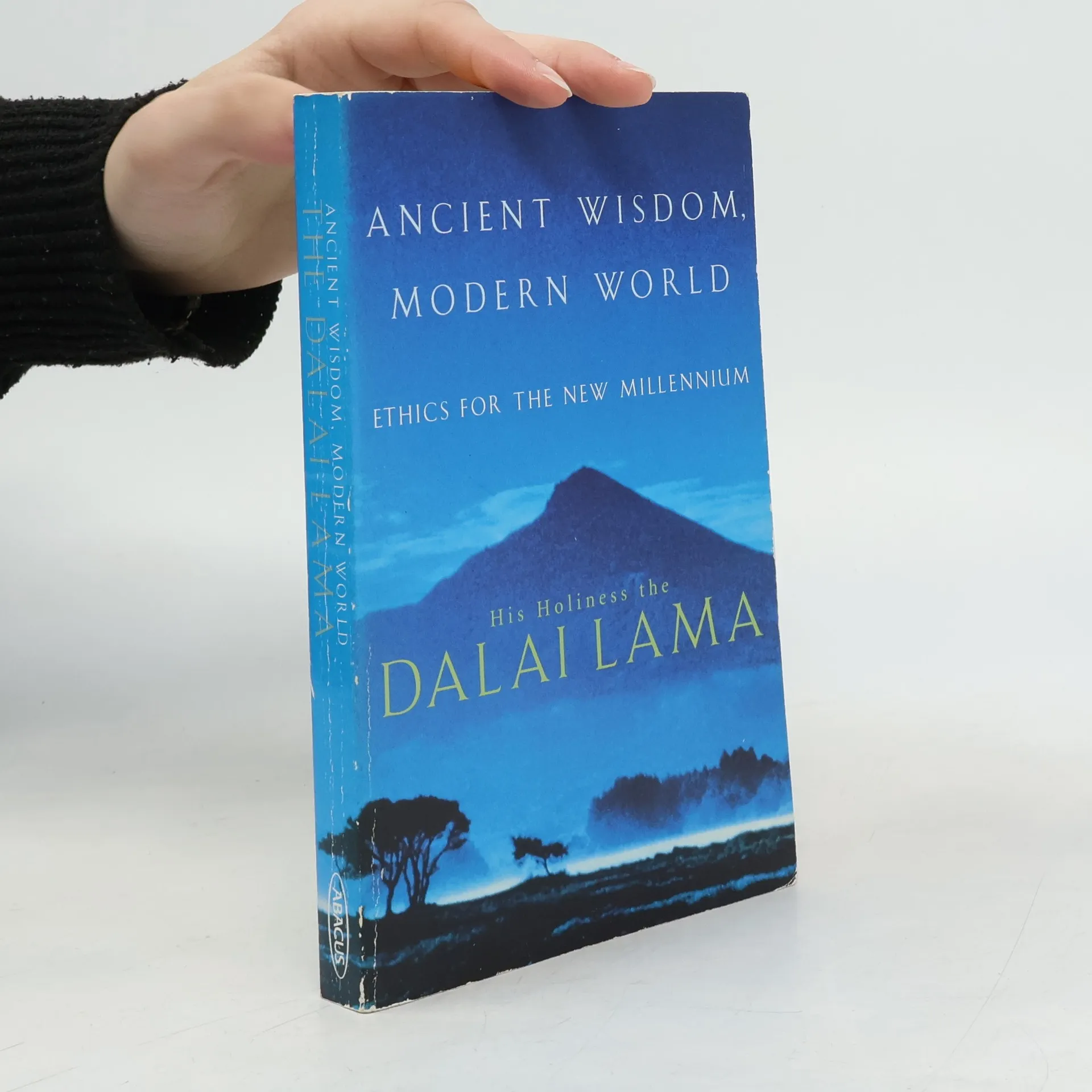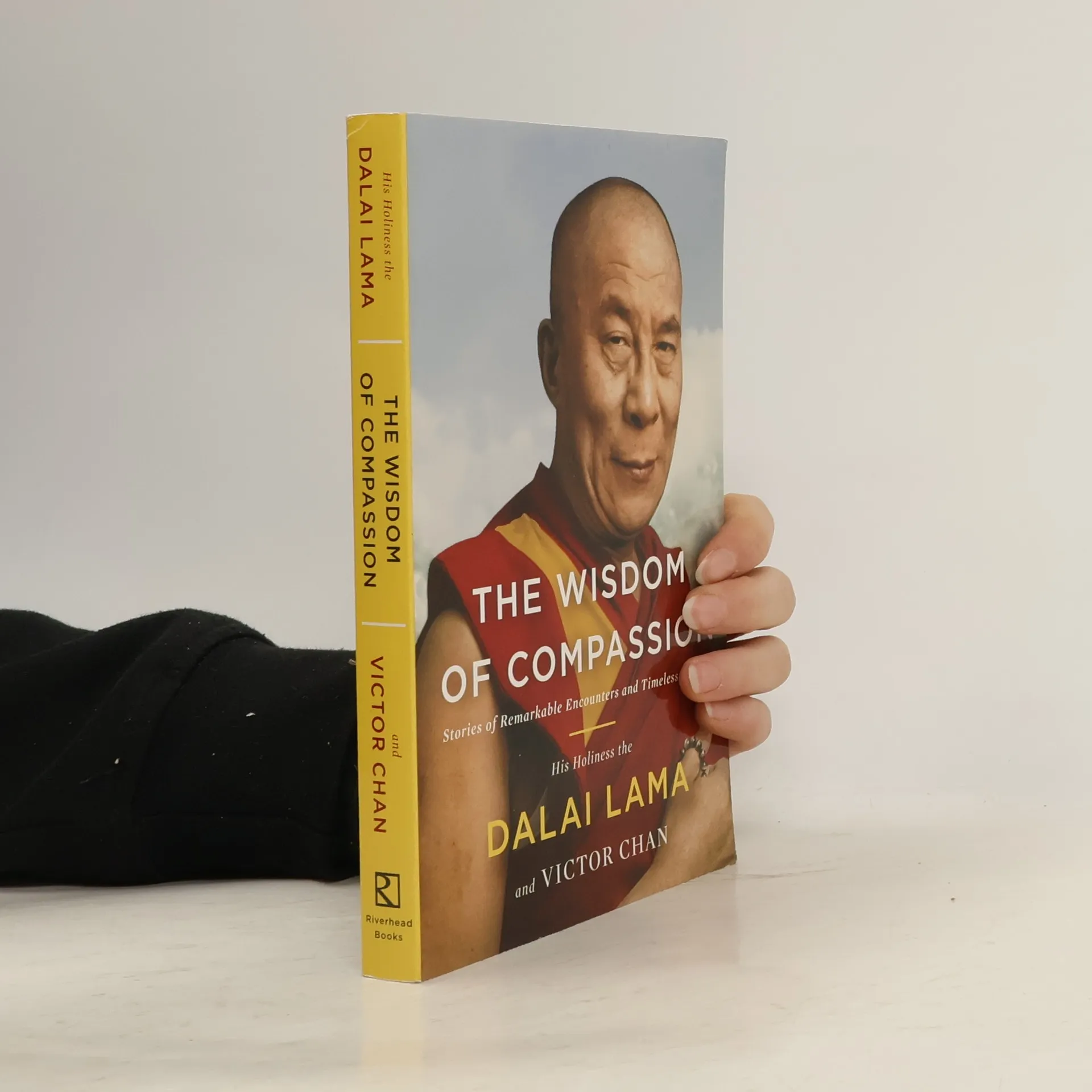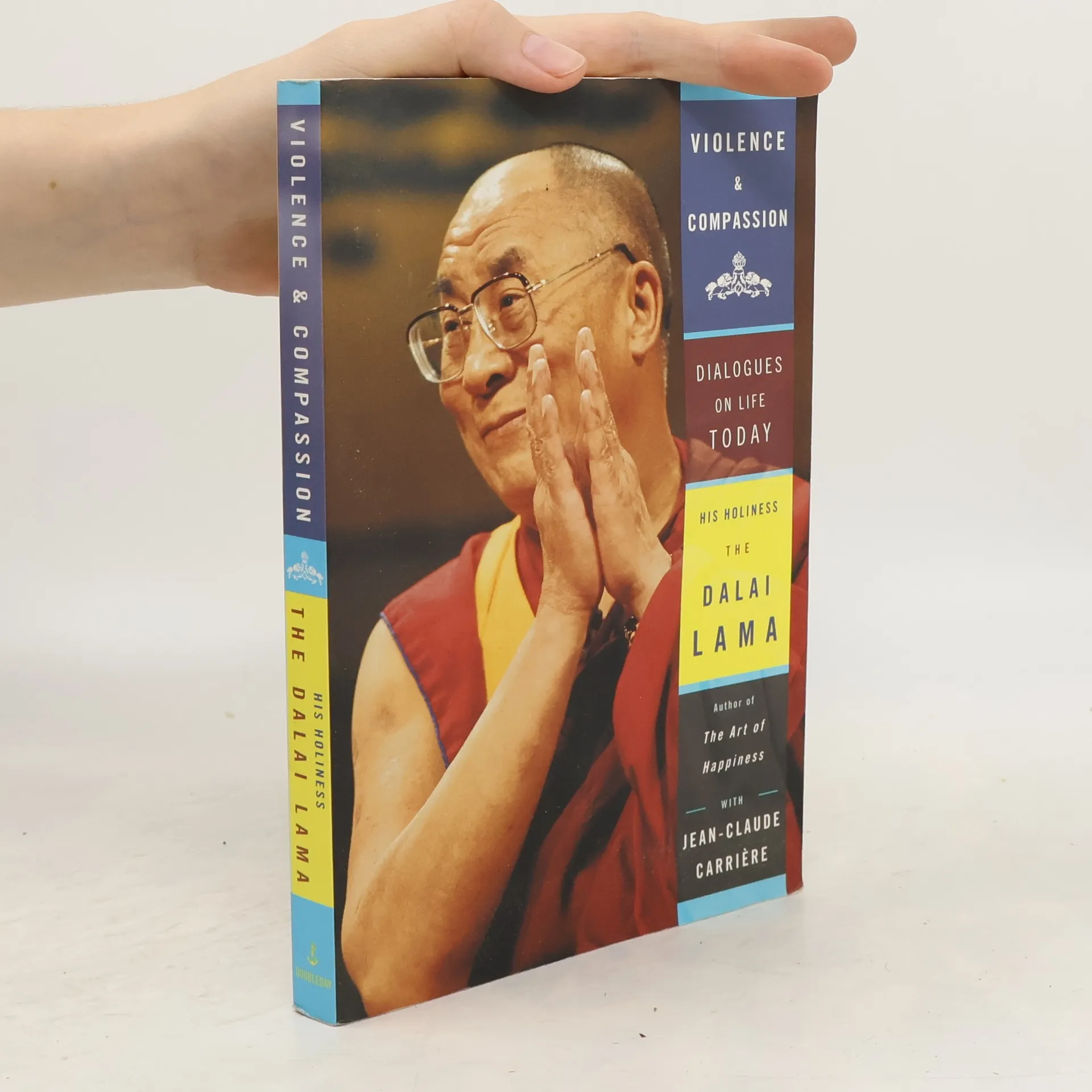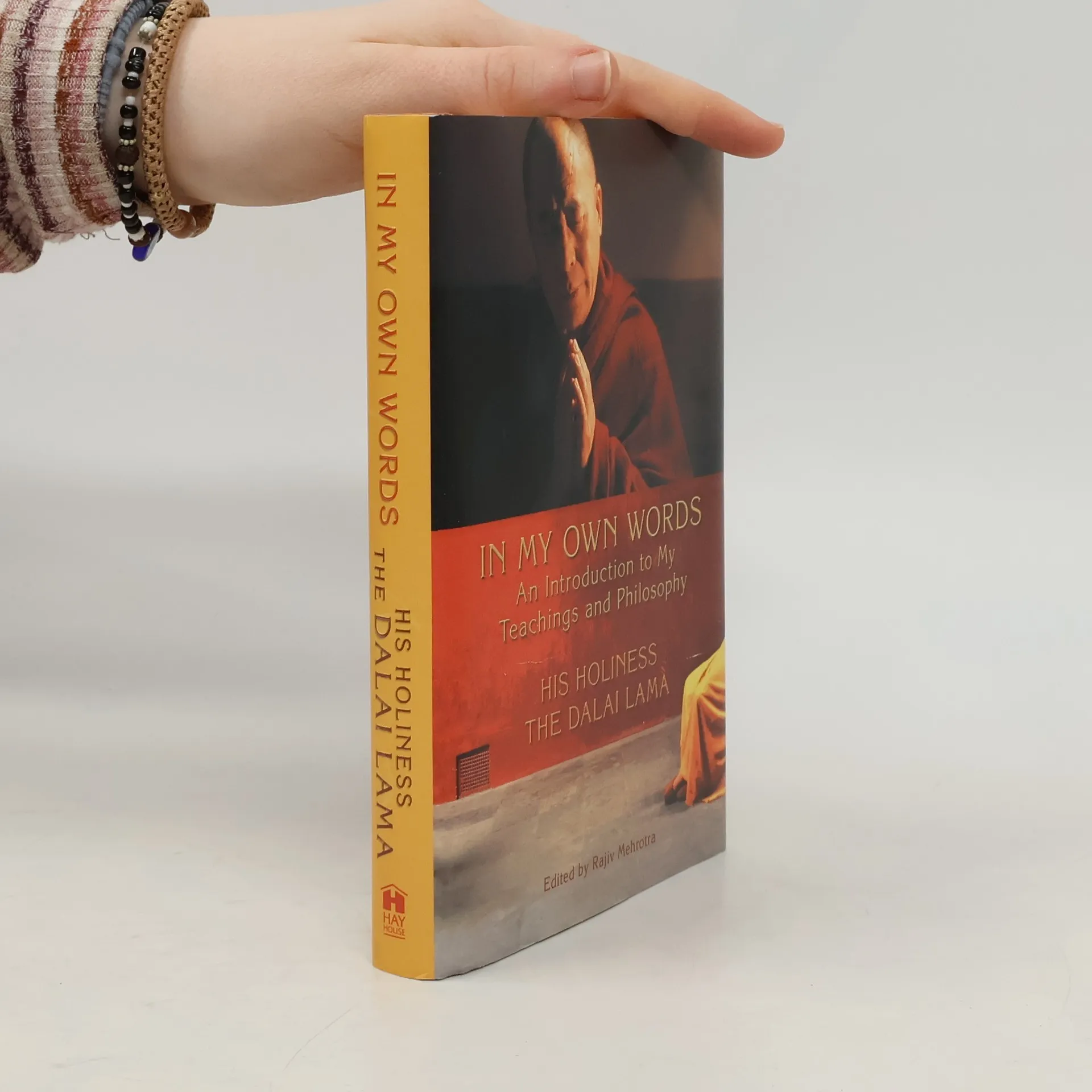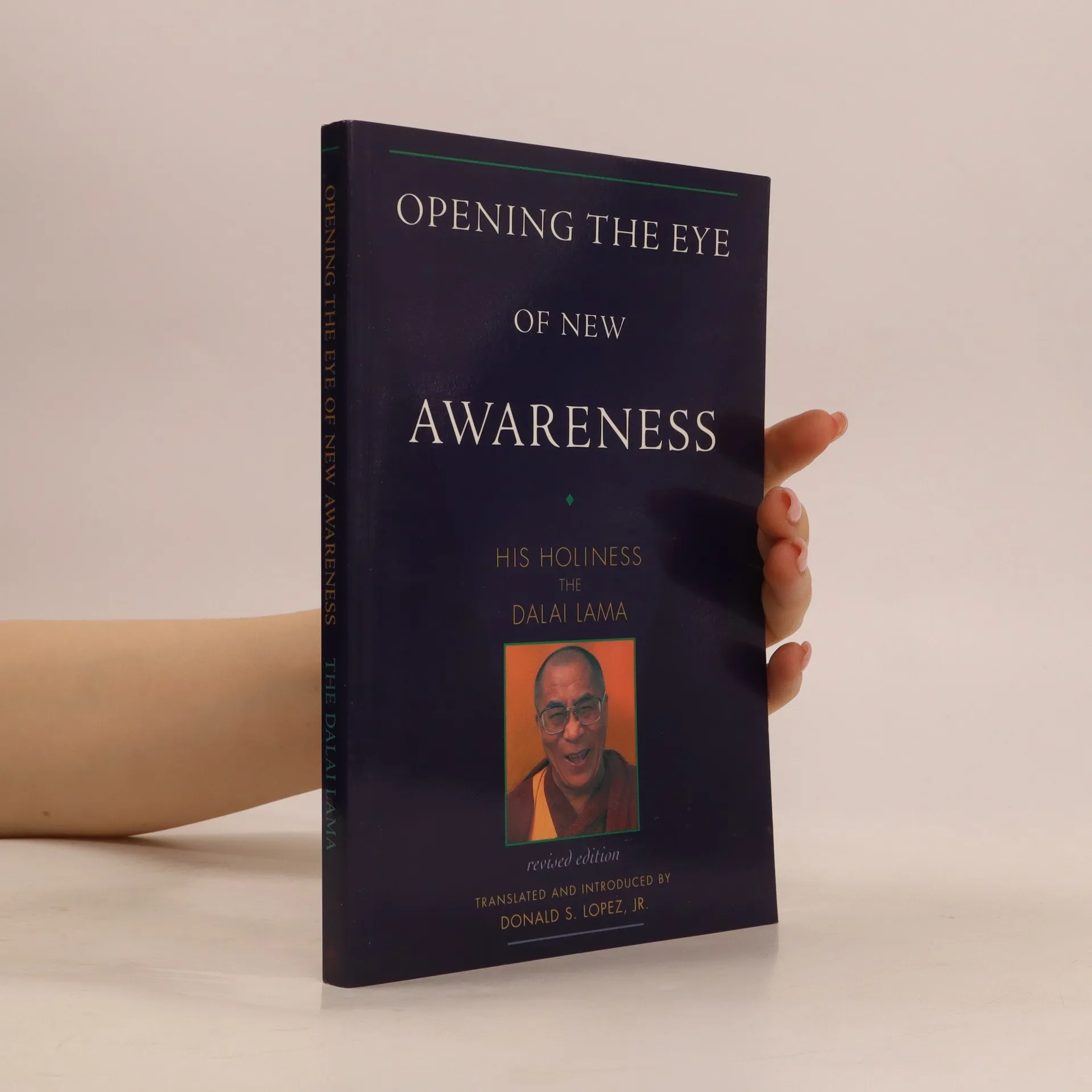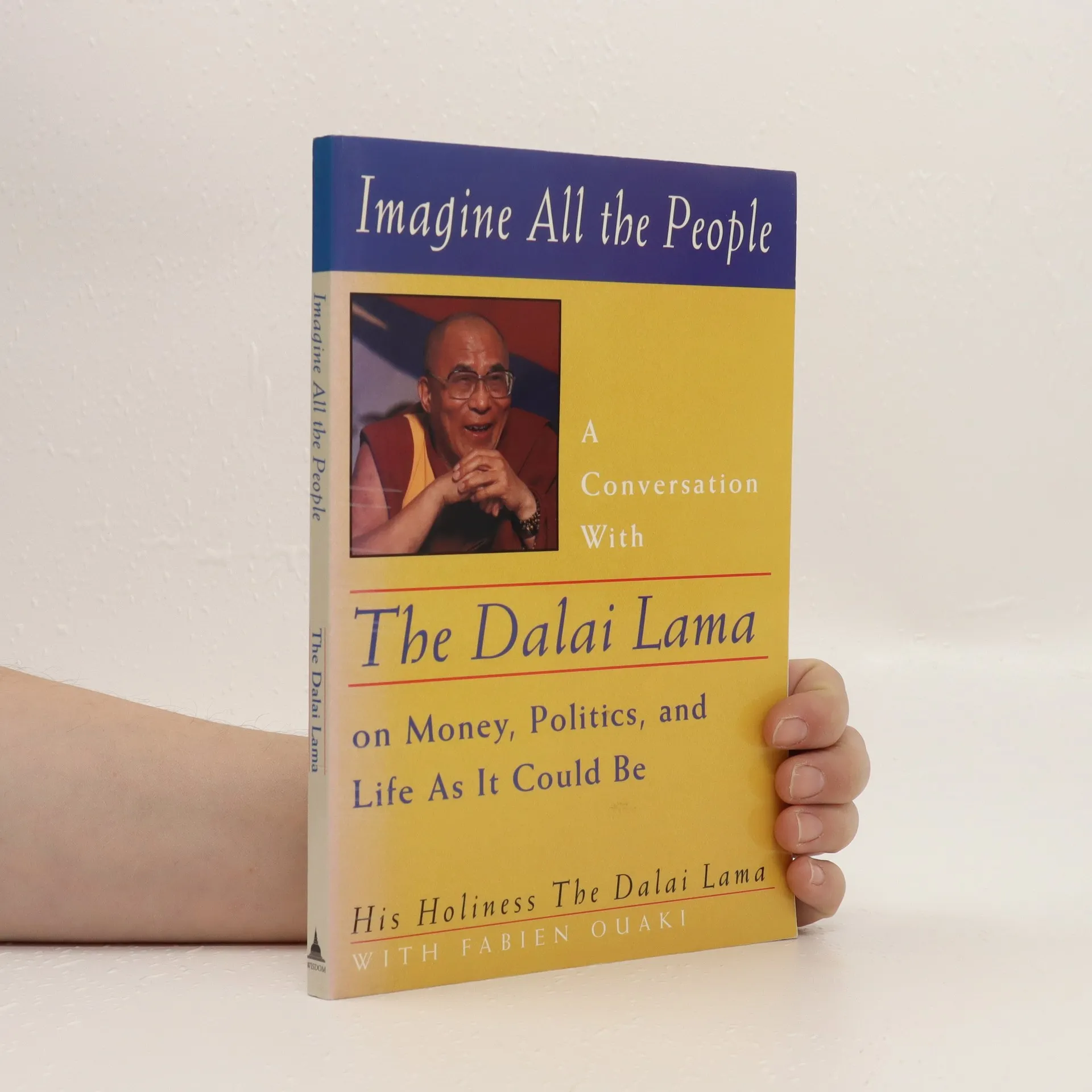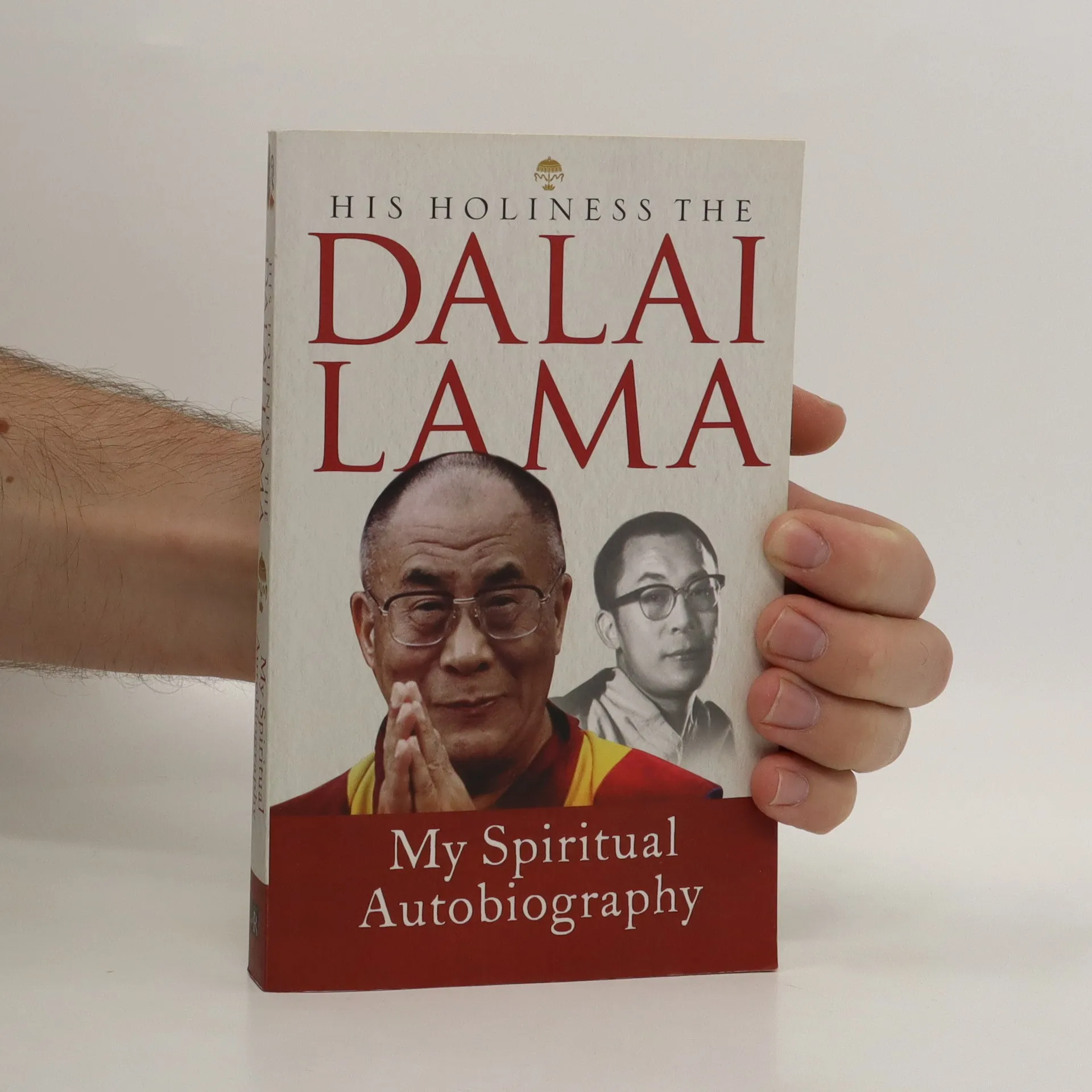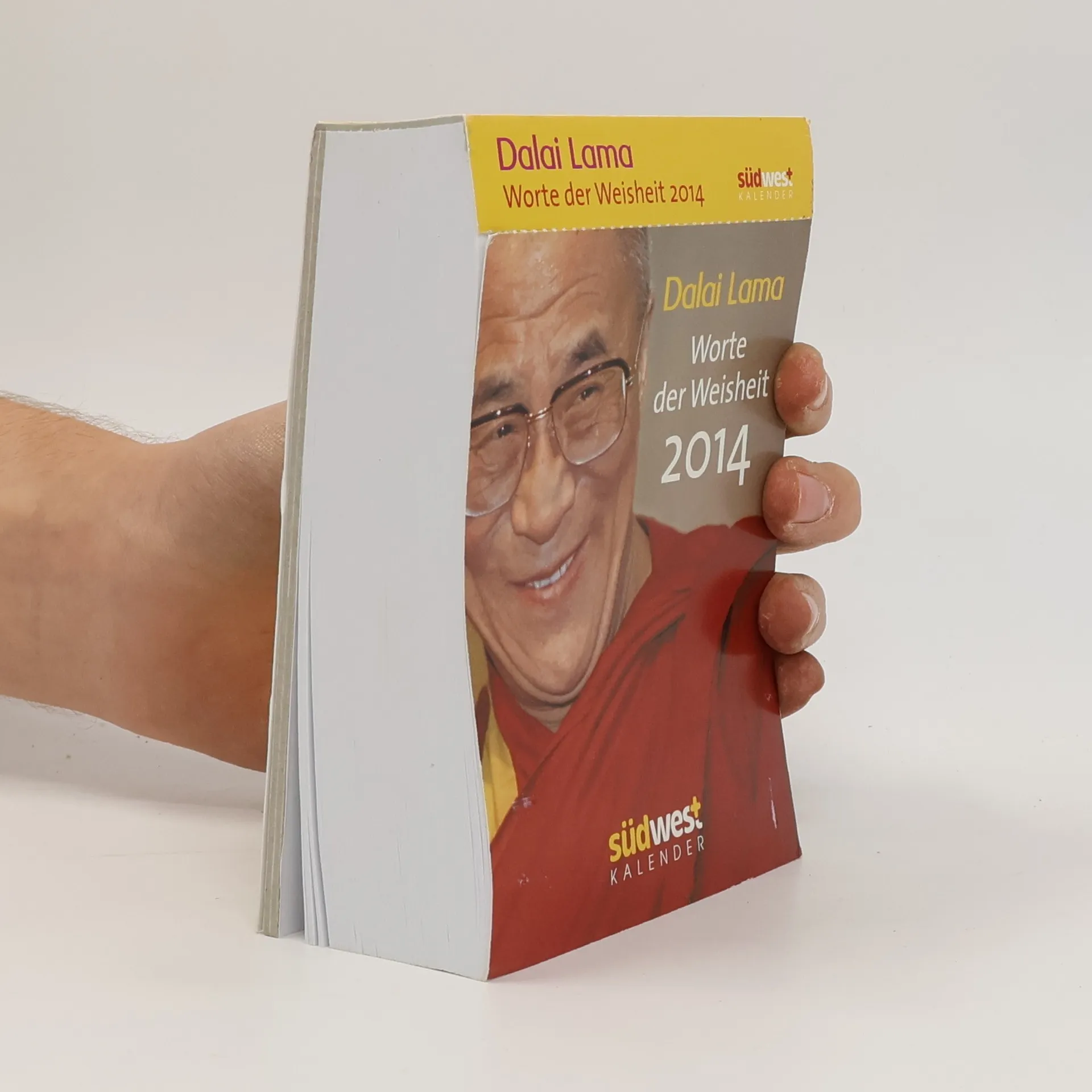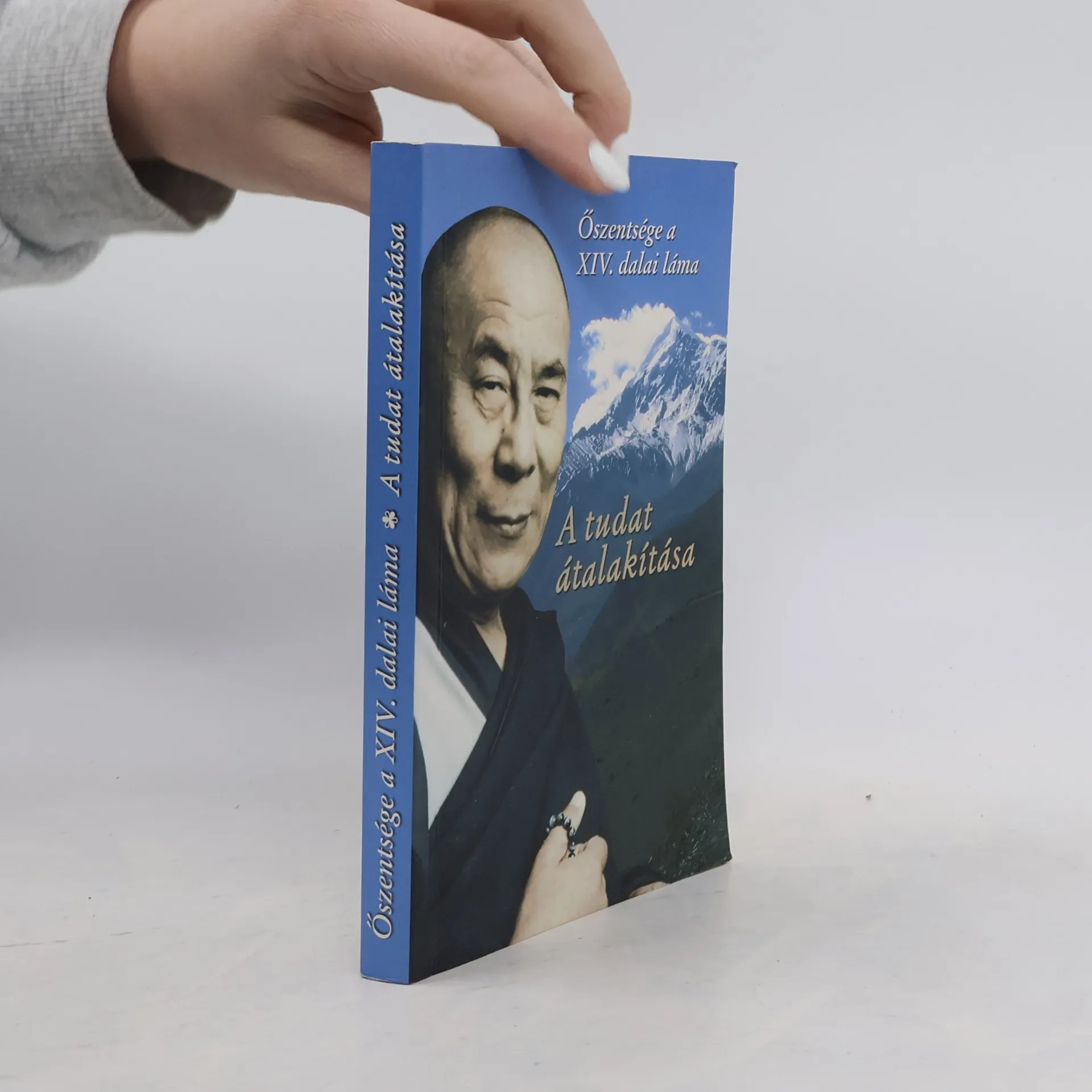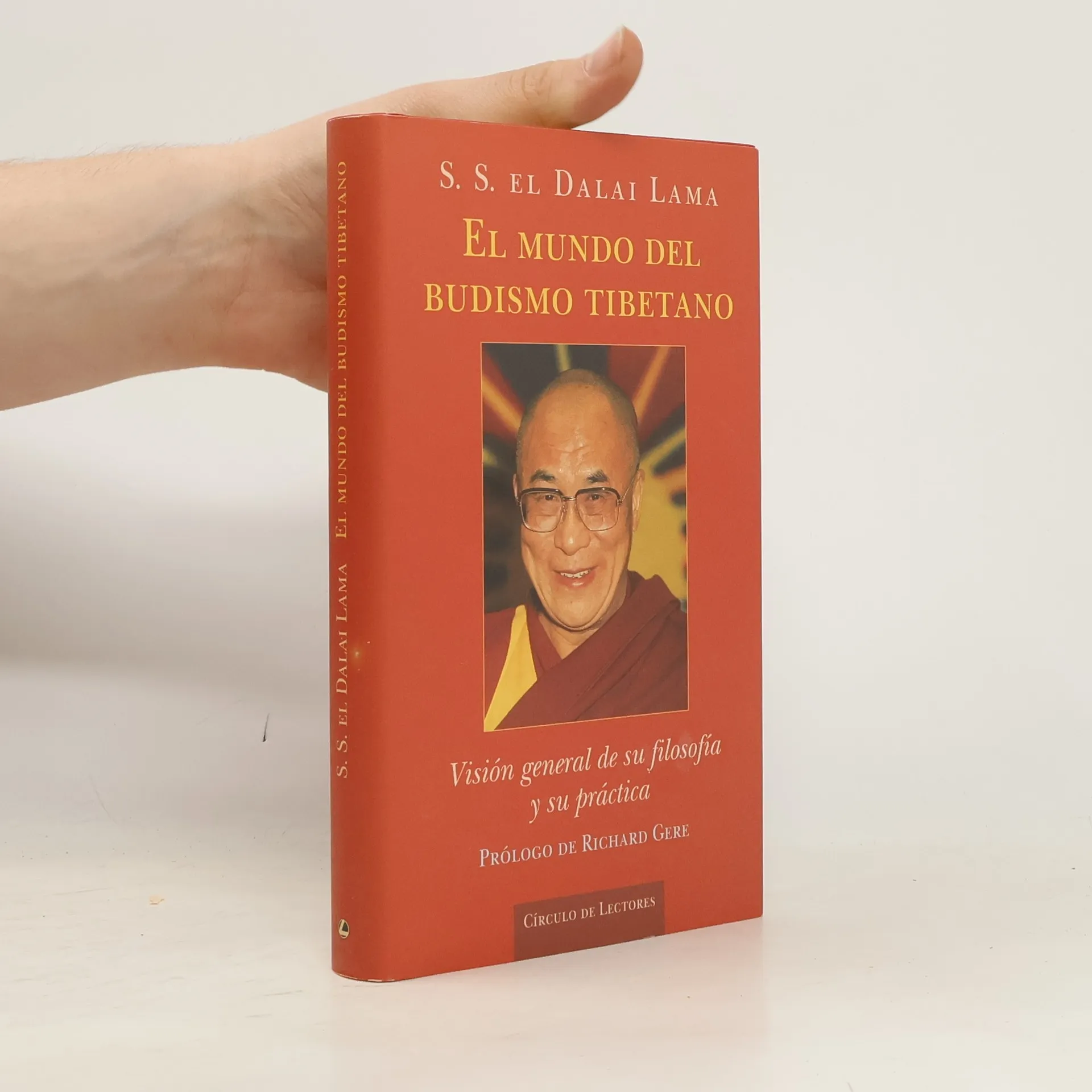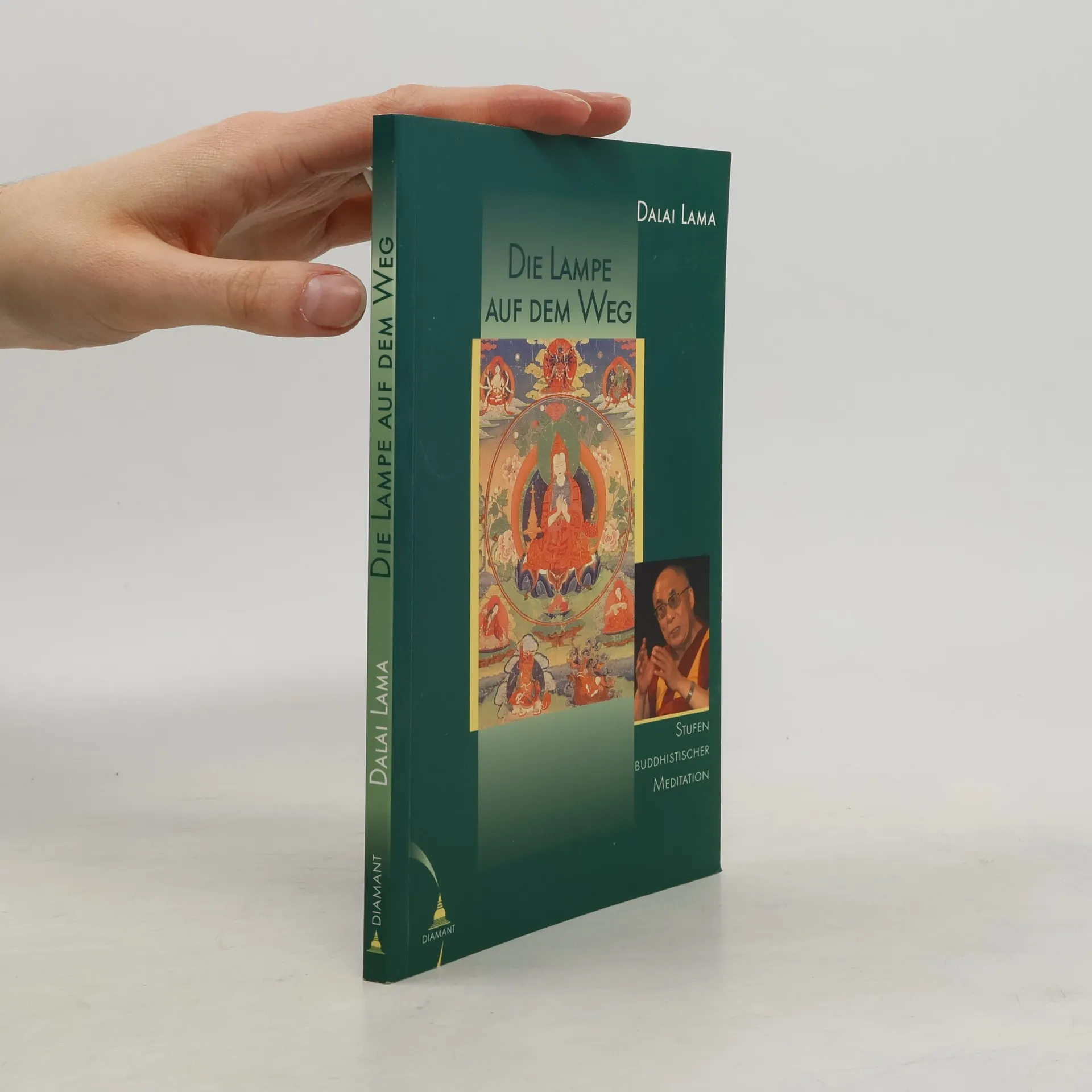


Le 14e Dalaï-lama, Tenzin Gyatso, est une figure vénérée du bouddhisme tibétain, dont les enseignements et les discours publics diffusent des messages de responsabilité universelle, d'éthique séculaire et d'harmonie religieuse. Son engagement à préserver la culture et l'éducation tibétaines pour les réfugiés a inspiré des personnes dans le monde entier. Premier Dalaï-lama à voyager en Occident, ses conférences et ses réflexions ont influencé d'innombrables lecteurs et auditeurs.
Face à l'oppression et à la discrimination que subit son peuple. Gandhi revendique l'action non violente. C'est cette idée qui est au coeur du discours qu'il tient devant ses juges lors de son procès, le 19 mars 1922. Héros du nationalisme indien, il devient un modèle politique et moral tant en Inde qu'en Occident. Nombreux sont ceux qui, à sa suite, s'inscriront dans cette revendication de la non-violence. C'est le cas du Dalaï Lama, lors de son discours de réception du prix Nobel de la paix en 1989, qui s'élève contre l'occupation militaire chinoise au Tibet.
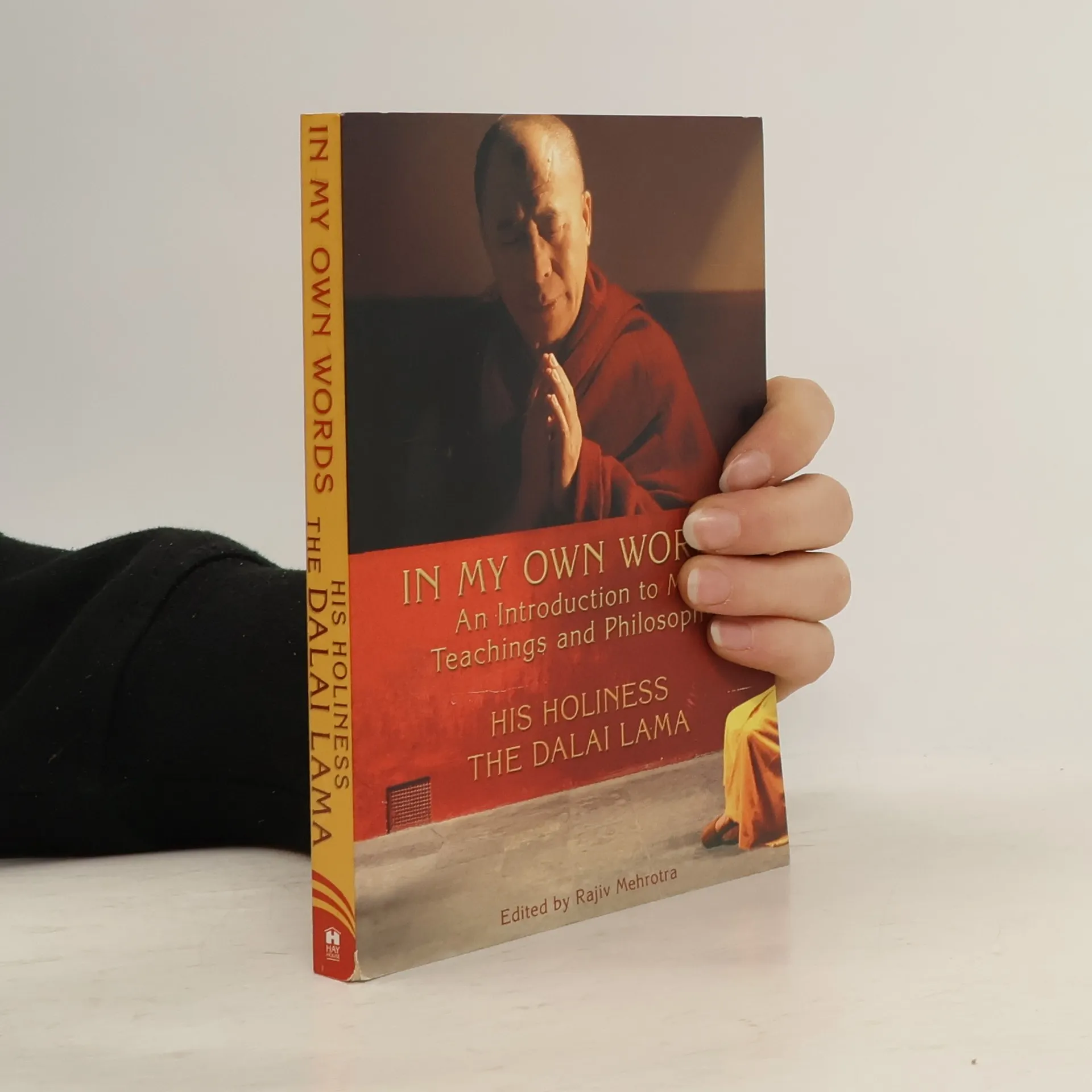
His Holiness the Dalai Lama is celebrated as Buddhism's pre-eminent spiritual master andteacher, embodying the highest aspirations of this rich tradition that is more than 2,500 years old. With both profundity and simplicity, he has carried the nuanced teachings of the Buddha to the far corners of the globe, and in the process has touched and transformed millions of lives. Like the Buddha himself, the Dalai Lama, with his ever-smiling face, reaches out to people in ways that connect to their individual mental dispositions, abilities, and everyday realities. Buddhism, which never seeks to proselytize, has been made accessible by the Dalai Lama to both non-Buddhists and Buddhists alike so that we may all learn from one of the most valuable strands of our shared heritage. This fascinating book brings together extracts from some of His Holiness's most powerful writings and talks. As he explains the elements of the Buddha's teachings and the basic practices of meditation, he also engages
This book explores a deeply spiritual culture's struggle to survive and maintain compassion amid severe aggression. The Chinese Communist invasion in 1949 resulted in widespread destruction and repression, leading to Tibet's ongoing occupation. In 1994, photographer Phil Borges traveled to Tibet and regions in Nepal and northern India housing Tibetan refugees, capturing their experiences to understand the impact on their country and culture. His journey sparked a fascination with Buddhist philosophy and the Tibetan commitment to nonviolence. Tibetan Buddhists believe that compassion and forgiveness are vital to countering global suffering. Their unique practices and beliefs offer a path to mental peace and enlightenment, which they are encouraged to pursue from a young age. They prioritize contentment and fulfillment, viewing one's state of mind as the only lasting possession across lifetimes. As Tibetans strive to preserve their culture and reclaim their homeland, they grapple with reconciling their nonviolent principles with the anger that arises from suffering. This internal conflict tests their dedication to compassion, religion, and cultural identity.
To Tibetans the Dalai Lama is an incarnation of the Buddha of compassion. 'My religion is simple,' he says, 'my religion is kindness.' This book elaborates this message. It offers Dalai Lama's views on how world peace, happiness, and environmental responsibility are inextricably linked.
A renowned wilderness photographer and a prominent spiritual leader present a stunning exploration of Tibet through dramatic images and insightful essays. The Fourteenth Dalai Lama shares his reflections on Tibet's revered yet threatened heritage. At just fifteen, he witnessed the Chinese invasion in 1950, leading to his appeal to the United Nations and a perilous escape across the Himalayas. Tibet's desire for isolation had kept its cultural and natural treasures hidden from the world, and the Dalai Lama's efforts to maintain peace and protect his people's ways culminated in his exile to India in 1959, where he established a government in exile. As the Chinese began allowing limited access to Tibet in the 1980s, the devastation of the occupation became apparent: most monasteries were destroyed, wildlife vanished, and a significant portion of the population perished. Despite this bleak reality, the Dalai Lama, viewed as an incarnation of the Buddha of compassion, advocates for nonviolence and kindness as solutions to Tibet's struggles. His message emphasizes the interconnectedness of world peace, happiness, and environmental responsibility. The Dalai Lama shares personal anecdotes from his early life in Lhasa and reflects on pilgrimage's significance in Tibetan Buddhism. Accompanied by 108 breathtaking photographs, this work preserves the essence of Tibet's culture, religion, and natural heritage, affirming that its mystery an
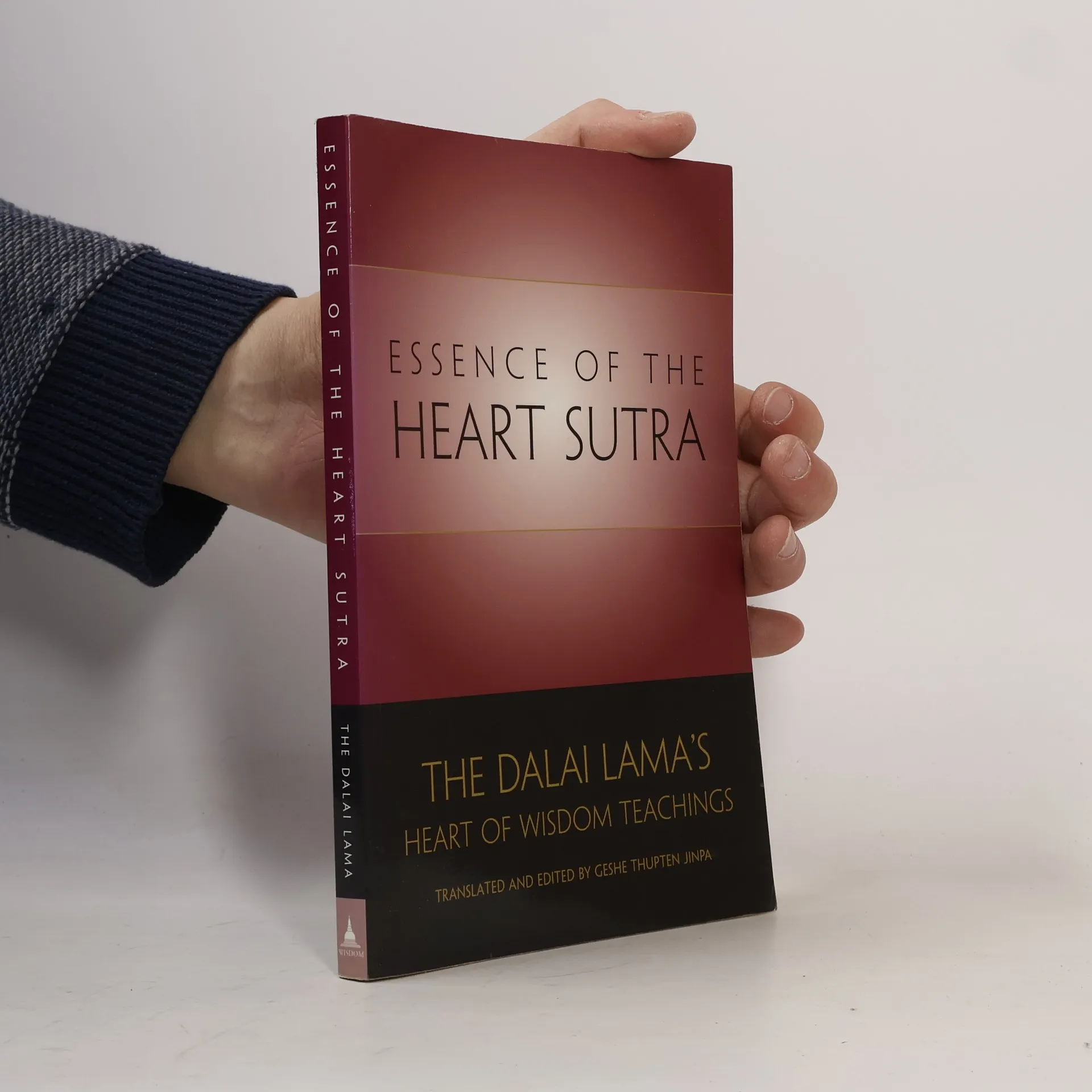
For more than two thousand years, the Heart Sutra has been part of the daily life of millions of Buddhists. This concise text, so rich and laden with meaning, concentrates the very heart of Buddhism into a powerful and evocative teaching on the interdependence of all reality.In Essence of the Heart Sutra , the Dalai Lama masterfully unpacks the Heart Sutra so that any reader can benefit from its teachings - teachings meant to help us release ourselves from suffering and live with true compassion. Comprised of his "Heart of Wisdom" talks, originally delivered to thousands of listeners in 2001, the book offers the Dalai Lama's commentary as well as his easy-to-follow overview of Buddhist philosophy that places the sutra within its historical and philosophical context. With additional contributions by scholar and translator Thupten Jinpa, Essence of the Heart Sutra is the authoritative presentation of a text seminal to the world's religious heritage.
In this beautiful book, the simple teachings of His Holiness the Dalai Lama blend beautifully with photographs of the Tibetan landscape and people, monastic and lay practitioners of Buddhism.
Based on three days of teaching in London in May 1999, this text is an edited version of the Dalai Lama's discourse on one of the most profound and sacred texts in the Tibetan Buddhist tradition. The Eight Verses on Generating Compassion are known in Tibetan as lojong - literally, transforming your mind. In this commentary on these teachings, the Dalai Lama shows us how to transform difficult situations into opportunities for spiritual growth. He also offers practical methods as to how to develop positive ways of thinking and compassion.
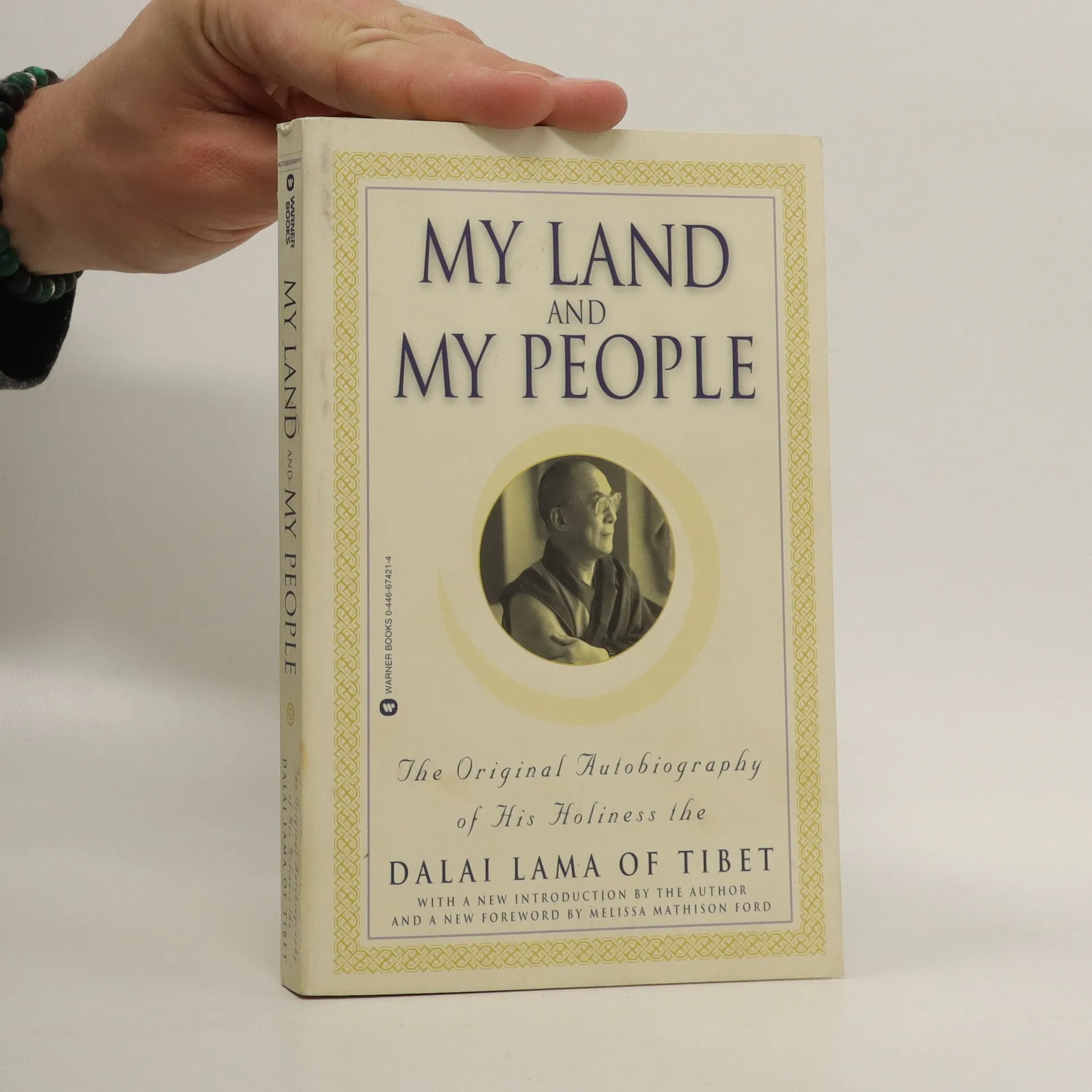
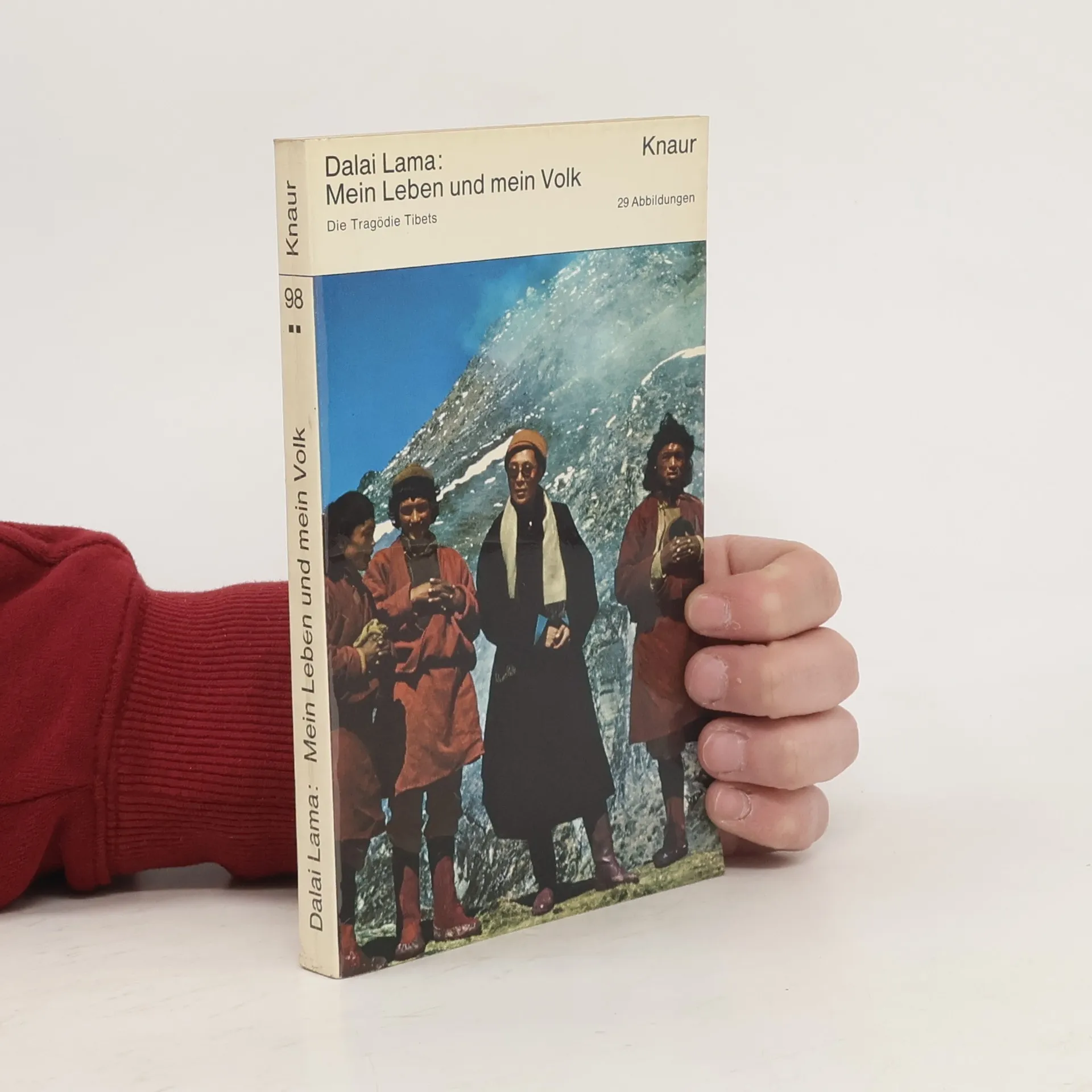
This dignified testament by a great spiritual and temporal leader, driven into exile by Communist China, is one of the most heartbreaking documents ever published. His Holiness the Fourteenth Dalai Lama of Tibet relates the story of his brief, tumultuous reign climaxed by the appalling destruction and systematic murder of his people by the Chinese. A civilized, compassionate man and a sincere reformer, he writes of the simple Tibetan life into which he was born, and among whom he, as the reincarnation of his predecessor, was discovered and declared Dalai Lama according to his country's ancient customs. During and after the invasion, the International Commission of Jurists undertook a detailed study of the situation. The horror uncovered by the Commission surpassed sanity and reason, and it is detailed in these pages. My Land And My People is a tragic book. Yet it is deeply inspiring, for the whole story is told with the gentle forgiving spirit of a Buddhist monk.
A fully illustrated guide to this legendary religious leader and man of peace links dozens of revealing photographs of the Dalai Lama with text of his lectures on the "Four Noble Truths." Reprint.