
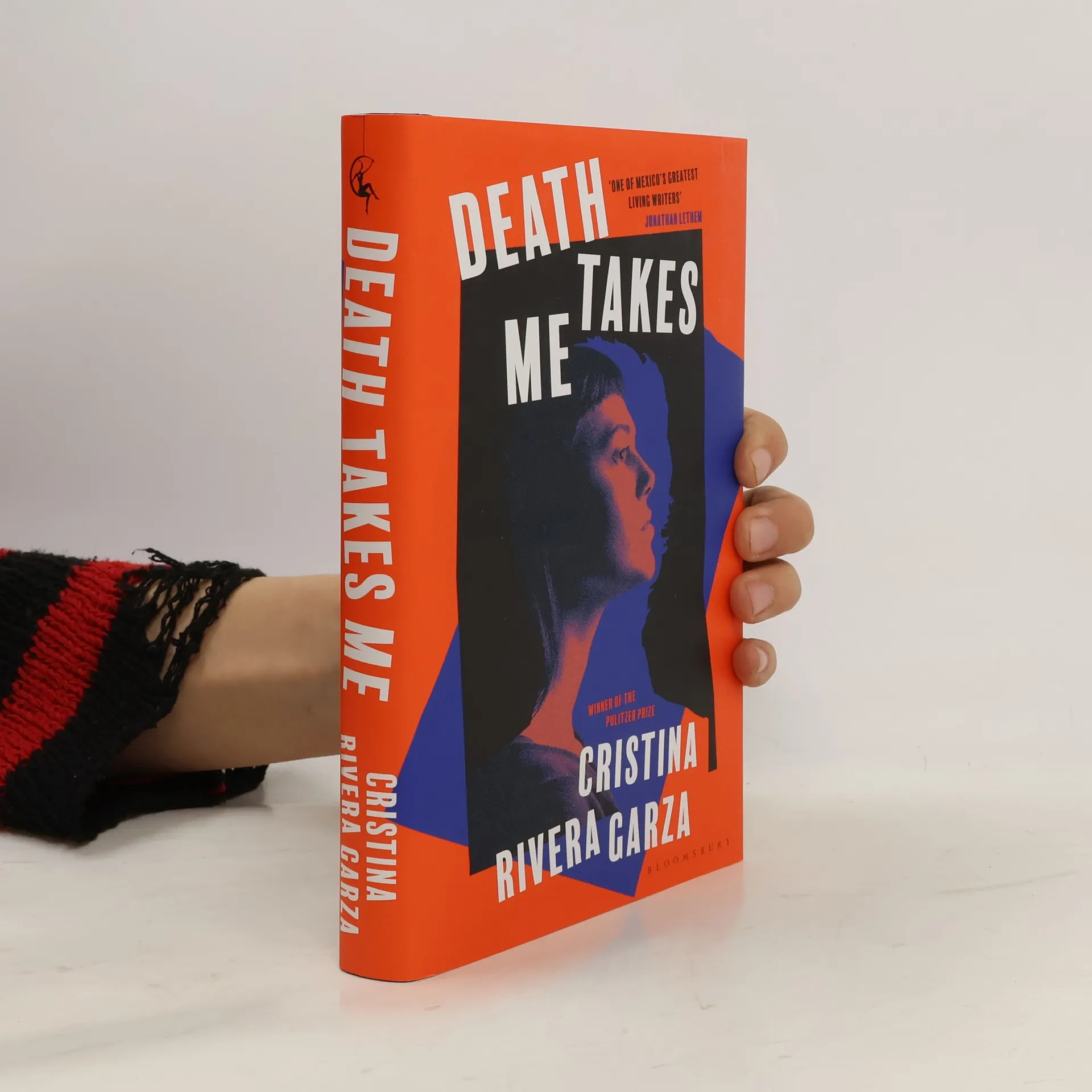
Cristina Rivera Garza est célébrée pour son approche littéraire pionnière, explorant souvent les espaces liminaux entre la réalité et la fiction, l'histoire et la mémoire. Son écriture se caractérise par un profond engagement envers des thèmes tels que l'identité, le déracinement et les complexités de la psyché humaine. L'histoire étant le fondement de son parcours académique, elle apporte une perspective unique à ses œuvres, entremêlant le passé au présent. Rivera Garza est reconnue pour sa capacité à créer des récits captivants et intellectuellement stimulants qui résonnent à l'échelle mondiale.
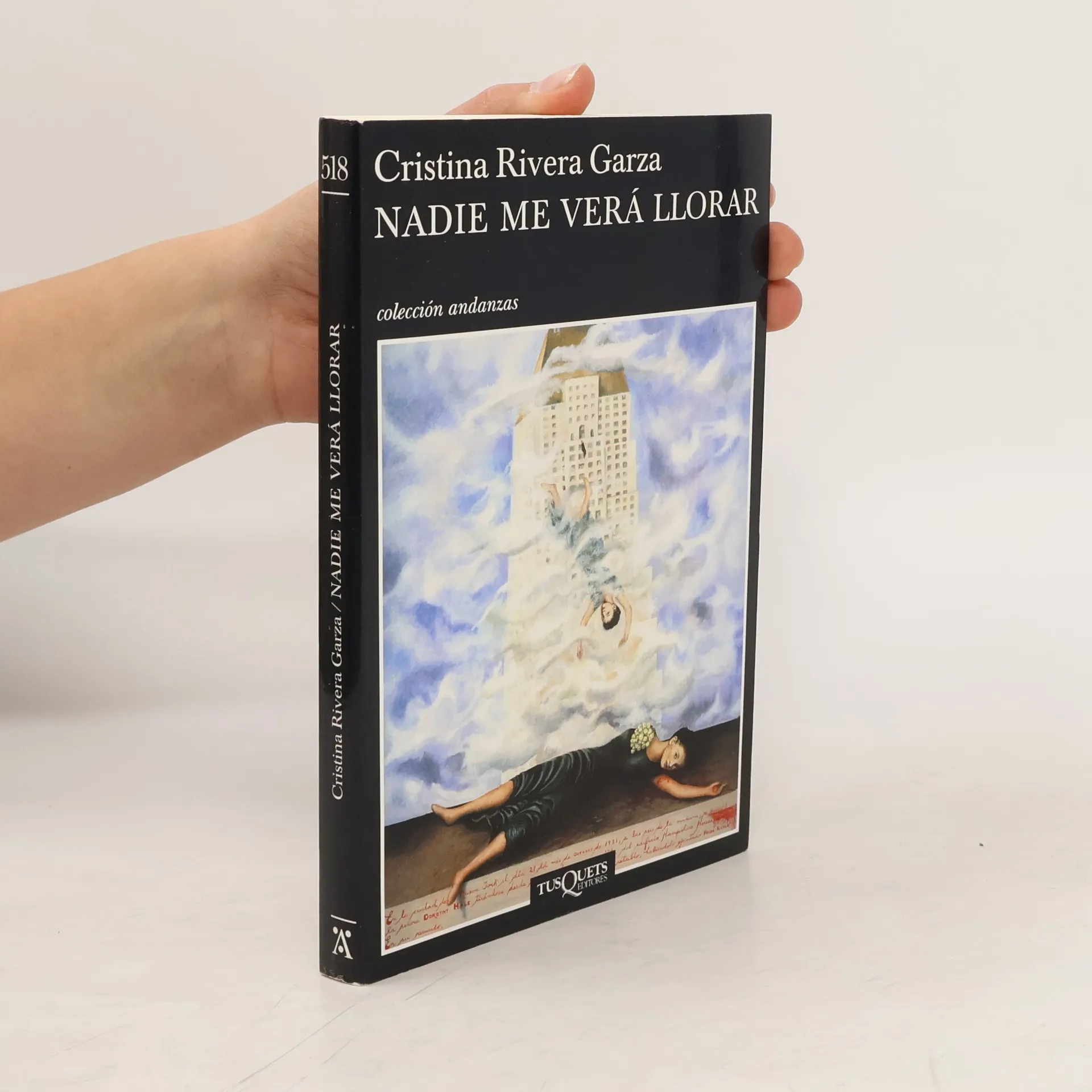
Set against a backdrop of gendered violence, this dreamlike, genre-defying novel follows a professor and a detective on their quest for justice. The narrative weaves together elements of mystery and social commentary, exploring the complexities of their characters as they navigate a haunting and surreal landscape. Through their journey, the author delves into profound themes of resilience and the fight against oppression, creating an evocative and thought-provoking reading experience.
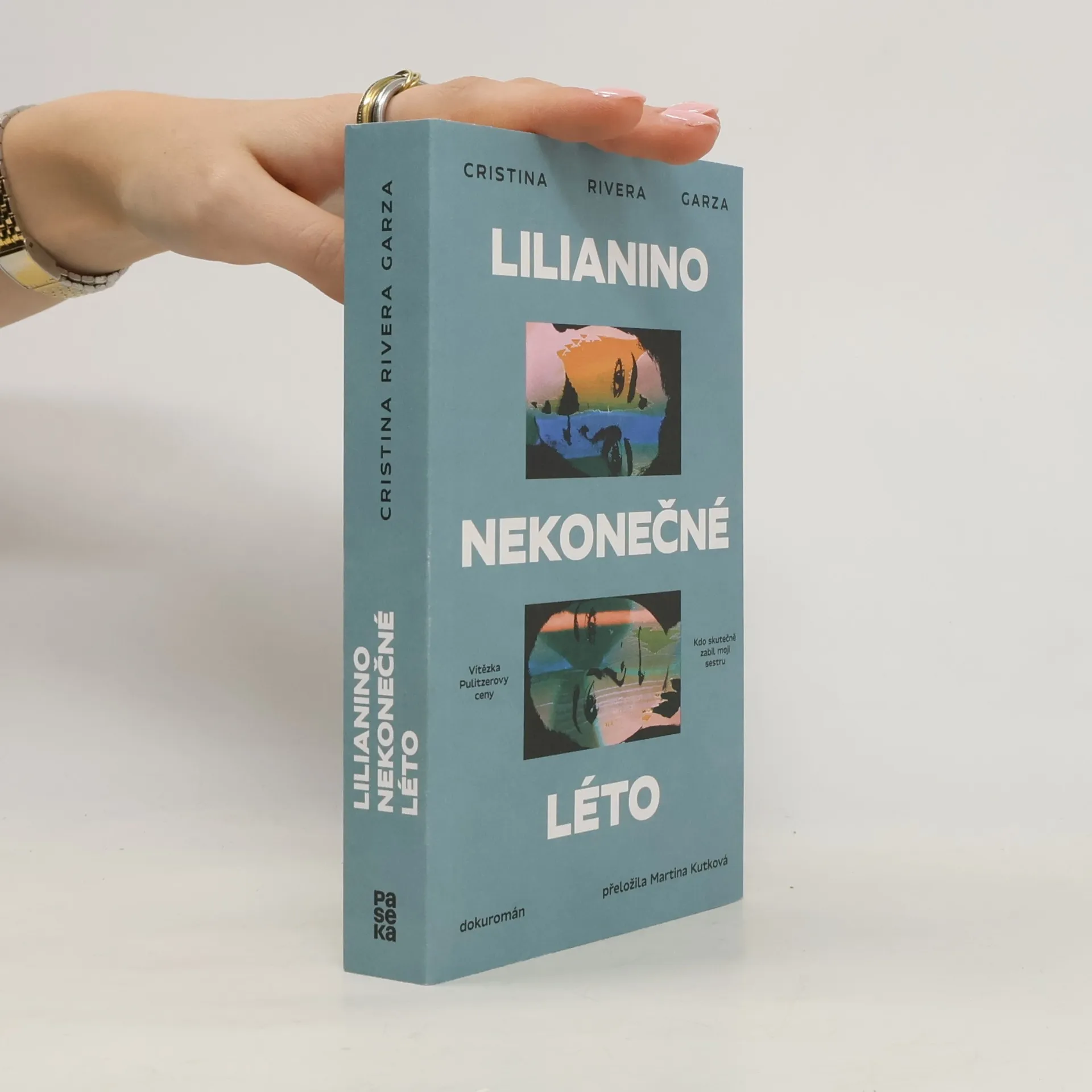
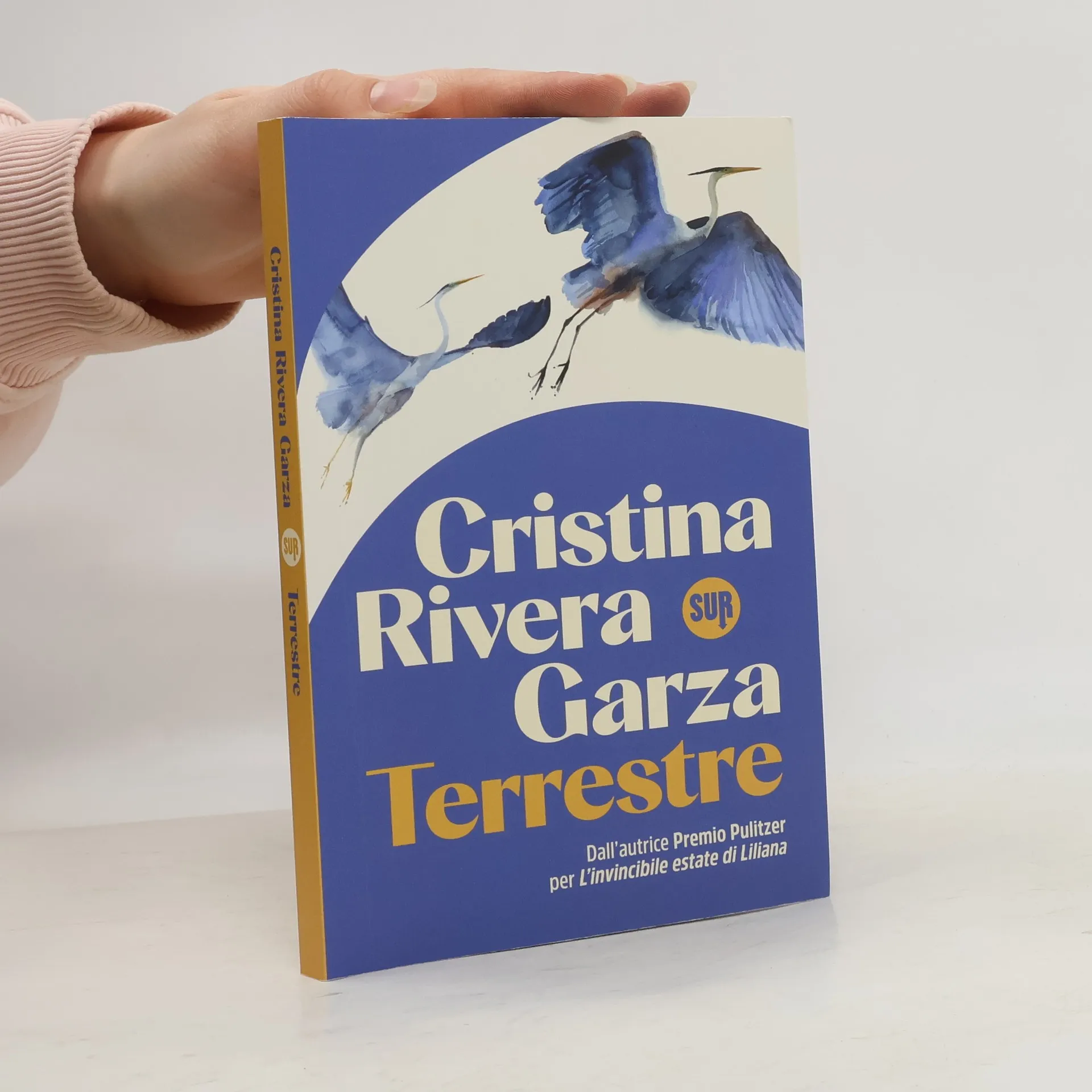
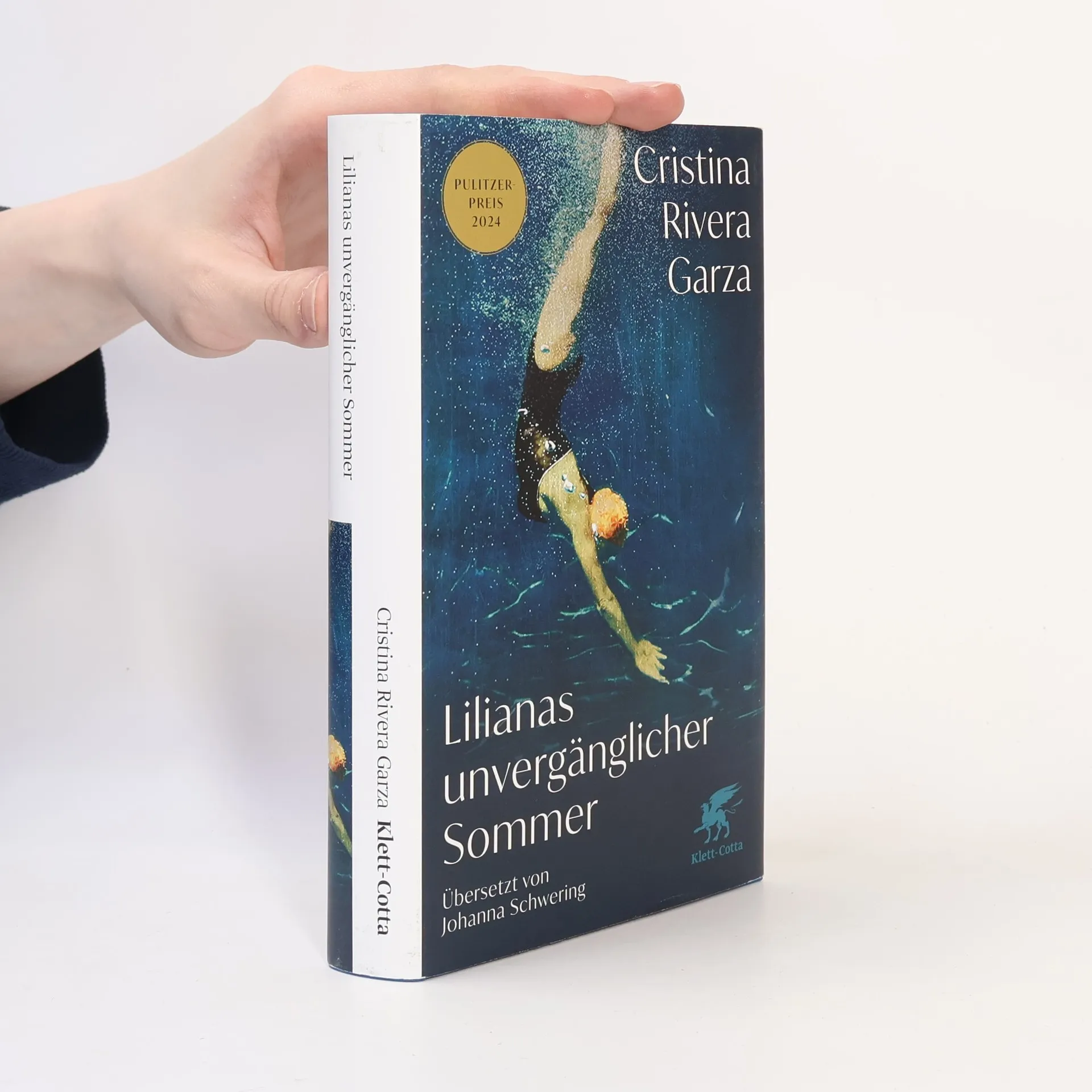
Winner of the Pulitzer Prize for Memoir or Autobiography (2024), this poignant narrative begins with Cristina Rivera Garza's quest for justice for her sister, Liliana, who was murdered twenty-nine years ago. In September 2019, Cristina travels from Texas to Mexico City to request an old, unresolved criminal file from the attorney general, acknowledging the slim chance of success. Motivated by global feminist movements and the pervasive issues of femicide and intimate partner violence, she embarks on this extraordinary journey.
Through luminous, poetic prose, Rivera Garza recounts Liliana’s life, from her early romance with an abusive ex-boyfriend to the vibrant summer of 1990 when she embraced love and freedom. The memoir intertwines personal history with broader societal issues, as Cristina curates evidence—letters, police reports, and interviews—to paint a fuller picture of her sister beyond the tragedy.
This genre-defying work confronts the trauma of loss while exploring how Liliana's story continues to shape Cristina’s identity and activism. Ultimately, it is a powerful reflection on resilience, memory, and the fight for justice in a world marred by gendered violence.
Este libro es para celebrar el paso de Liliana Rivera Garza por la tierra y para decirle que, claro que sí, lo vamos a tirar. Al patriarcado lo vamos a tirar
La poesía de Cristina Rivera Garza reunida por primera vez en un sólo volumen. «En los poemas de Cristina Rivera Garza hay sopas instantáneas, sillas de plástico color naranja, mandarinas desgajadas, batas de franela, lentejuelas, rímel y risas, una cajera cuando devuelve el cambio, papas fritas, té de menta o té de naranja o té de jazmín, Valium, dos cajas de Marlboro light, trescientas aspirinas, vasos de leche, flores de plástico, botes de basura, escritorios de metal, latas de sardinas, cables de teléfono, ambulancias, rocolas. También hay personajes como la Mujer Enorme, la Ex-durmiente, la Ex-Muerta, la Diabla, la Bestia, Los Sumergidos, los Desamparados y los Solos y los de Tres Corazones Bajo el Pecho. Además de algunas de las frases con las que suelen iniciar los cuentos infantiles --para sumergirnos en una suerte de ensoñación o enrarecimiento, propicios de la clase de historias que estamos a punto de leer-- Había una vez. O dos. Érase que se era. Érase que fue o que habría sido. La poesía de Cristina Rivera Garza es una carretera bífida: un camino que se bifurca entre la materialidad más tangible y rotunda y la posibilidad de lo contingente, de lo que podría o no suceder. Sus poemas son un lugar donde es viable que lo que es sea; pero, sobre todo, y como anhelaba Alejandra Pizarnik: que sea lo que no es.» -Del prólogo de Sara Uribe
A story collection drawn from across her career brings into English for the first time the extraordinary stylistic and thematic range of the Mexican writer and MacArthur “genius” Cristina Rivera Garza. “One of Mexico’s greatest living writers,” wrote Jonathan Lethem in 2018 about Cristina Rivera Garza, “we are just barely beginning to catch up to what she has to offer.” In the years since, Rivera Garza’s work has received widespread recognition: She was awarded a MacArthur Genius Grant for fiction that “interrogates culturally constructed notions of language, memory, and gender from a transnational perspective,” and was a finalist for the 2020 National Book Critics Circle Award for Criticism. Yet we have still only started to discover the full range of a writer who is at once an incisive voice on migration, borders, and violence against women, as well as a high stylist in the manner of Lispector or Duras. New and Selected Stories now brings together in English translation stories from across Rivera Garza’s career, drawing from three collections spanning over 30 years and including new writing not yet published in Spanish. It is a unique and remarkable body of work, and a window into the ever-evolving stylistic and thematic development of one of the boldest, most original and affecting writers in the world today.
In September 2019, Cristina Rivera Garza travels from Texas to Mexico City, seeking an unresolved criminal file related to her sister, Liliana, who was murdered in 1990 by an abusive ex-boyfriend. After twenty-nine years, Cristina finally articulates her quest for justice during a phone call with a lawyer. Motivated by global feminist movements and outraged by the epidemic of femicide and intimate partner violence, she embarks on a journey to reclaim her sister’s story. In luminous prose, Rivera Garza recounts Liliana’s life, from her early romance with a possessive partner to the vibrant summer of 1990, when she embraced love and freedom. Through her skills as a scholar, novelist, and poet, Rivera Garza curates evidence—letters, police reports, and interviews—to explore her sister’s life beyond the tragedy. This genre-defying memoir confronts the trauma of loss while examining how it shapes Rivera Garza’s identity and activism today. Ultimately, it’s a powerful reflection on resilience, justice, and the enduring impact of violence against women.
The book provides an unprecedented look into La Castañeda General Insane Asylum, a mental health institution established in Mexico City in 1910, just before the Mexican Revolution. It explores how the asylum's environment was influenced by the significant social and political changes during the Revolution and the subsequent modernization efforts in Mexico. Through this lens, it examines the intersection of mental health care and broader historical transformations in the country.
Based on comparative readings of contemporary books from Latin America, Spain,
and the United States, the essays of this book present a radical critique
against strategies of literary appropriation that were once thought of as
neutral, and even concomitant, components of the writing process.
Fairy tale meets detective drama in this David Lynch–like novel by a writer Jonathan Lethem calls “one of Mexico's greatest . . . we are just barely beginning to catch up to what she has to offer.” A fairy tale run amok, The Taiga Syndrome follows an unnamed Ex-Detective as she searches for a couple who has fled to the far reaches of the earth. A betrayed husband is convinced by a brief telegram that his second ex-wife wants him to track her down—that she wants to be found. He hires the Ex-Detective, who sets out with a translator into a snowy, hostile forest where strange things happen and translation betrays both sense and one’s senses. Tales of Hansel and Gretel and Little Red Riding Hood haunt the Ex-Detective’s quest into a territory overrun with the primitive excesses of Capitalism—accumulation and expulsion, corruption and cruelty—though the lessons of her journey are more experiential than moral: that just as love can fly away, sometimes unloving flies away as well. That sometimes leaving everything behind is the only thing left to do.
On a dark and stormy night, two mysterious women invade an unnamed narrator's house, where they proceed to ruthlessly question their host's gender and identity. The increasingly frantic protagonist fails to defend his supposed masculinity and eventually finds himself in a sanatorium. A Gothic tale of destabilized male-female binaries and subverted literary tropes, this is the book's first English publication.