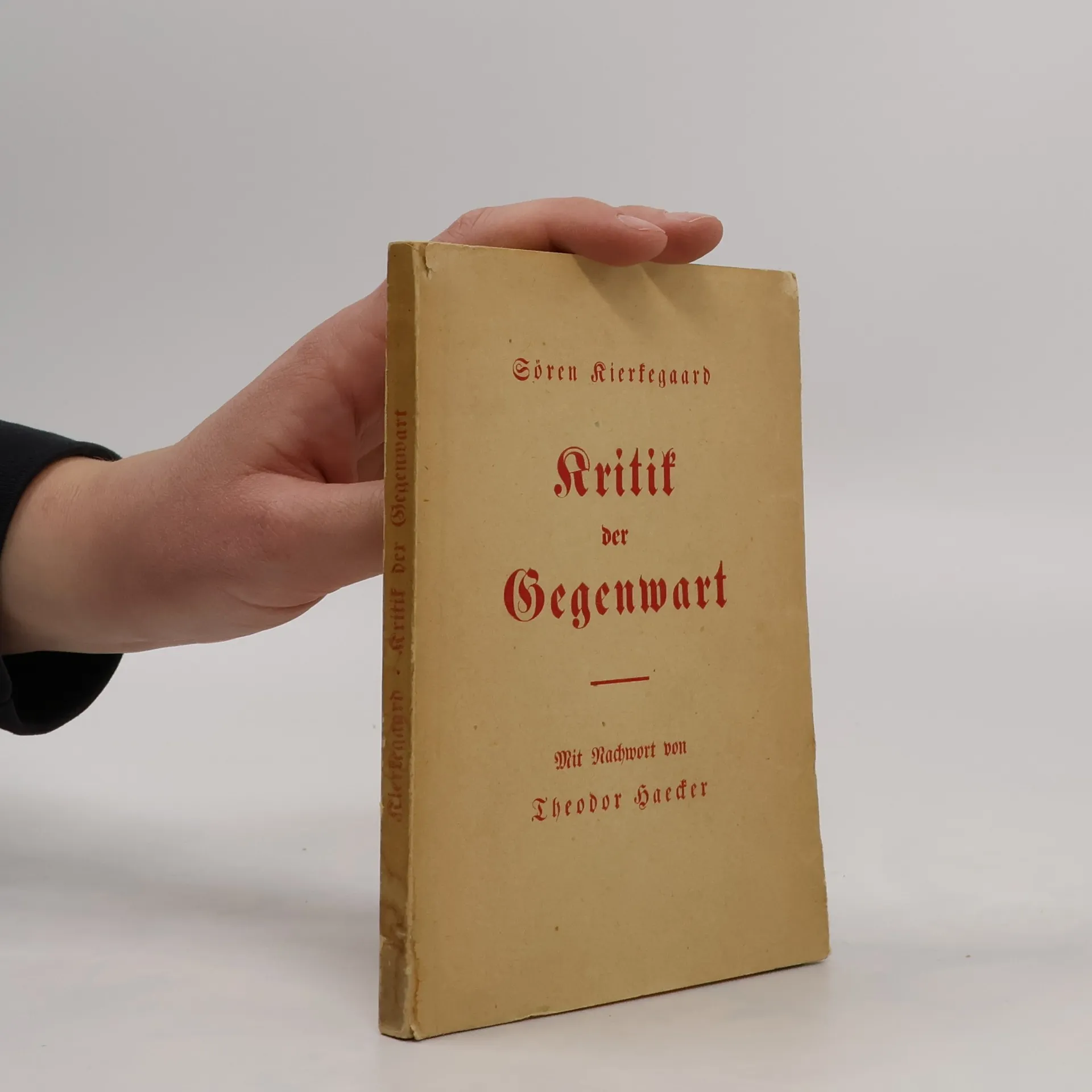
Soren Kierkegaard Livres
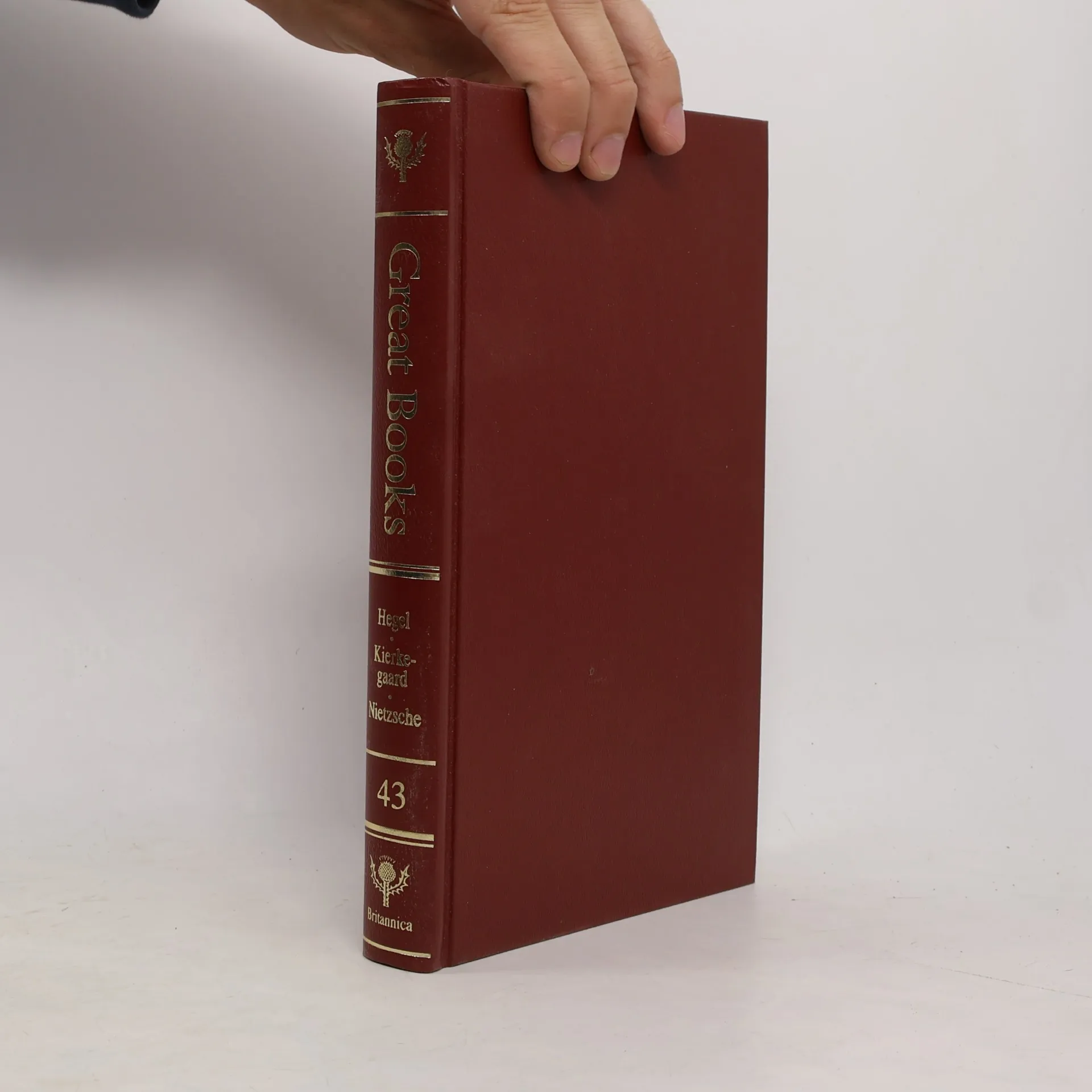
Søren Kierkegaard fut un philosophe et théologien danois influent du XIXe siècle, qui critiqua vivement l'hégélianisme de son époque et ce qu'il percevait comme les vaines formalités de l'Église du Danemark. Une grande partie de son œuvre aborde des thèmes religieux tels que la foi en Dieu, l'institution de l'Église chrétienne, l'éthique et la théologie chrétiennes, ainsi que les émotions et les sentiments de l'individu face aux choix de vie. Ses premiers écrits furent réalisés sous divers pseudonymes, chacun présentant des points de vue distincts dans un dialogue complexe. Kierkegaard laissait au lecteur la tâche de découvrir le sens de ses œuvres, estimant que la difficulté de la tâche élève les cœurs nobles. Sa pensée transcende les frontières de la philosophie, de la théologie, de la psychologie et de la littérature, faisant de lui une figure marquante de la pensée contemporaine.



L'œuvre du penseur danois S. Kierkegaard (1813-1855), "Filosofické drobky aneb Drobátko filosofie", cherche à préciser ce qu'est le véritable christianisme en relation avec la philosophie, en particulier avec l'idéalisme, tant platonicien qu'hégélien. Kierkegaard a composé "Filosofické drobky" selon la structure classique d'un drame en cinq actes ; entre le quatrième et le cinquième acte se trouve une pause (Mezihra) qui exprime l'écoulement du temps - précisément 1843 ans depuis la naissance du Christ, car c'est l'année où l'œuvre a été écrite. Ainsi, l'unité du lieu, du temps et de l'action est respectée. Les personnages principaux sont Socrate et le Christ, qui, par respect, n'est pas nommé et est désigné simplement comme "Dieu dans le temps". L'écrivain expérimentateur et le lecteur mènent à la fin de chaque section un dialogue ; le lecteur formule des objections et l'écrivain répond. L'unité du lieu est donnée par le fait que l'action peut se dérouler partout. L'intrigue repose sur le dialogue concernant la vérité suprême et la relation de l'homme à celle-ci.
Le Journal du séducteur
- 251pages
- 9 heures de lecture
" Le titre du livre, en lui, ne frappait pas mon imagination, je pensais que c'était un recueil d'extraits, ce qui me paraissait tout naturel car je savais qu'il s'était toujours appliqué avec zèle à ses études. Mais le contenu était tout autre. Il s'agissait en effet d'un journal, ni plus ni moins, et tenu avec beaucoup de soin ; et bien que, d'après ce que je savais de lui auparavant, un commentaire de sa vie ne paraisse pas tout à fait indiqué, je ne peux pas nier qu'après un premier coup d'œil dans ce journal, le titre n'ait été choisi avec beaucoup de goût et de compréhension, témoignant, sur lui-même et sur la situation, d'une véritable supériorité esthétique et objective. Ce titre est en parfaite harmonie avec tout le contenu. Sa vie a été un essai pour réaliser la tâche de vivre poétiquement. Doué d'une capacité extrêmement développée pour découvrir ce qui est intéressant dans la vie, il a su le trouver et, l'ayant trouvé, il a toujours su reproduire ce qu'il a vécu avec une veine mi-poétique. " S. K.
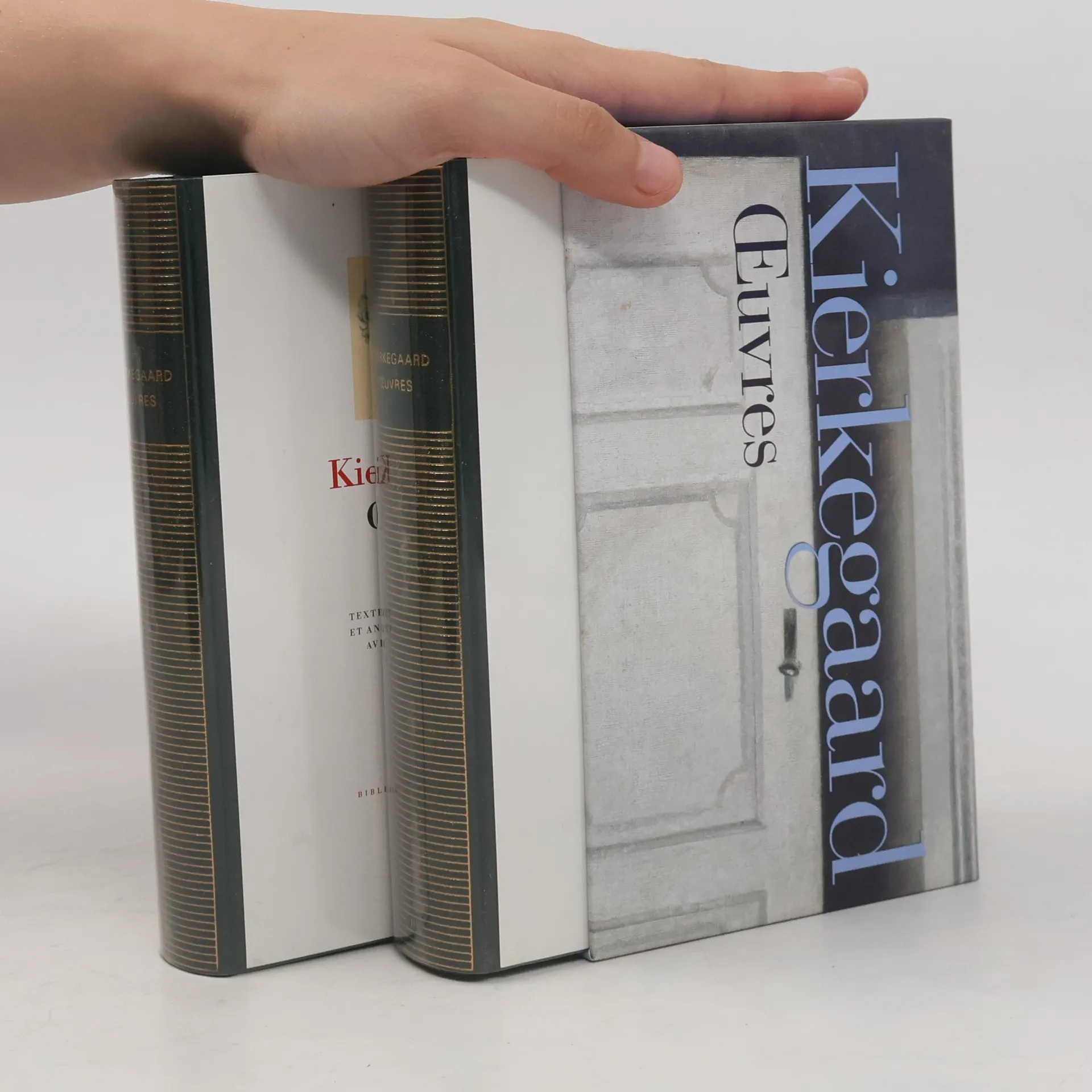
Œuvres I, II
- 2volumes
Without Authority
- 344pages
- 13 heures de lecture
Exploring the theme of authority, this collection features five short works by Kierkegaard that delve into various dimensions of the concept. "The Lily in the Field and the Bird of the Air" examines the teaching authority of these creatures through Gospel passages. The first of the Two Ethical-Religious Essays reflects on Jesus' martyrdom, while the second contrasts the authority of genius and apostolic figures. Additional meditations address sin, forgiveness, and love, providing profound insights into ethical and spiritual life.
The Book on Adler
- 428pages
- 15 heures de lecture
The exploration of authority takes center stage in this work, prompted by a Danish pastor's claim of a divine revelation. Kierkegaard's fascination with Adolph P. Adler evolves over eight years of manuscript revisions, ultimately leading to a broader philosophical inquiry. Although he published part of the manuscript during his lifetime, the complete version remained unpublished until now. This edition presents the full text along with earlier drafts and selections of Adler's writings, offering a comprehensive view of Kierkegaard's thoughts on genius and apostolic authority.
The Point of View
- 376pages
- 14 heures de lecture
Exploring the journey of a prolific writer, this spiritual autobiography reveals the complexities of the author's extensive body of work. Unlike traditional confessions or defenses, it offers insight into the motivations and reflections behind the diverse writings. The narrative examines the intricate relationship between the author's life experiences and his literary contributions, positioning it alongside significant works of self-reflection in philosophical literature.
Works of Love
- 400pages
- 14 heures de lecture
One of Soren Kierkegaard's most important writings, Works of Love is a profound examination of the human heart, in which the great philosopher conducts the reader into the inmost secrets of Love.
The book features a blend of polemical and reassuring discourses, exploring the tension between established Christianity and personal faith. The first and third parts critique societal norms, while the second and fourth parts celebrate the joy found in Christian life amidst suffering. Written in accessible language, it emphasizes clarity in expressing essential Christian ideas, making profound reflections approachable for readers. This collection captures the complexities of faith, balancing critique with uplifting affirmations of belief.
This collection offers a comprehensive introduction to Kierkegaard's thought, providing readers with a curated selection of his most significant writings. It emphasizes key themes such as existentialism, faith, and individuality, making complex ideas more approachable. Ideal for both newcomers and those familiar with Kierkegaard, the book includes helpful commentary and context to enhance understanding. It serves as a valuable resource for anyone interested in philosophy and the human experience.
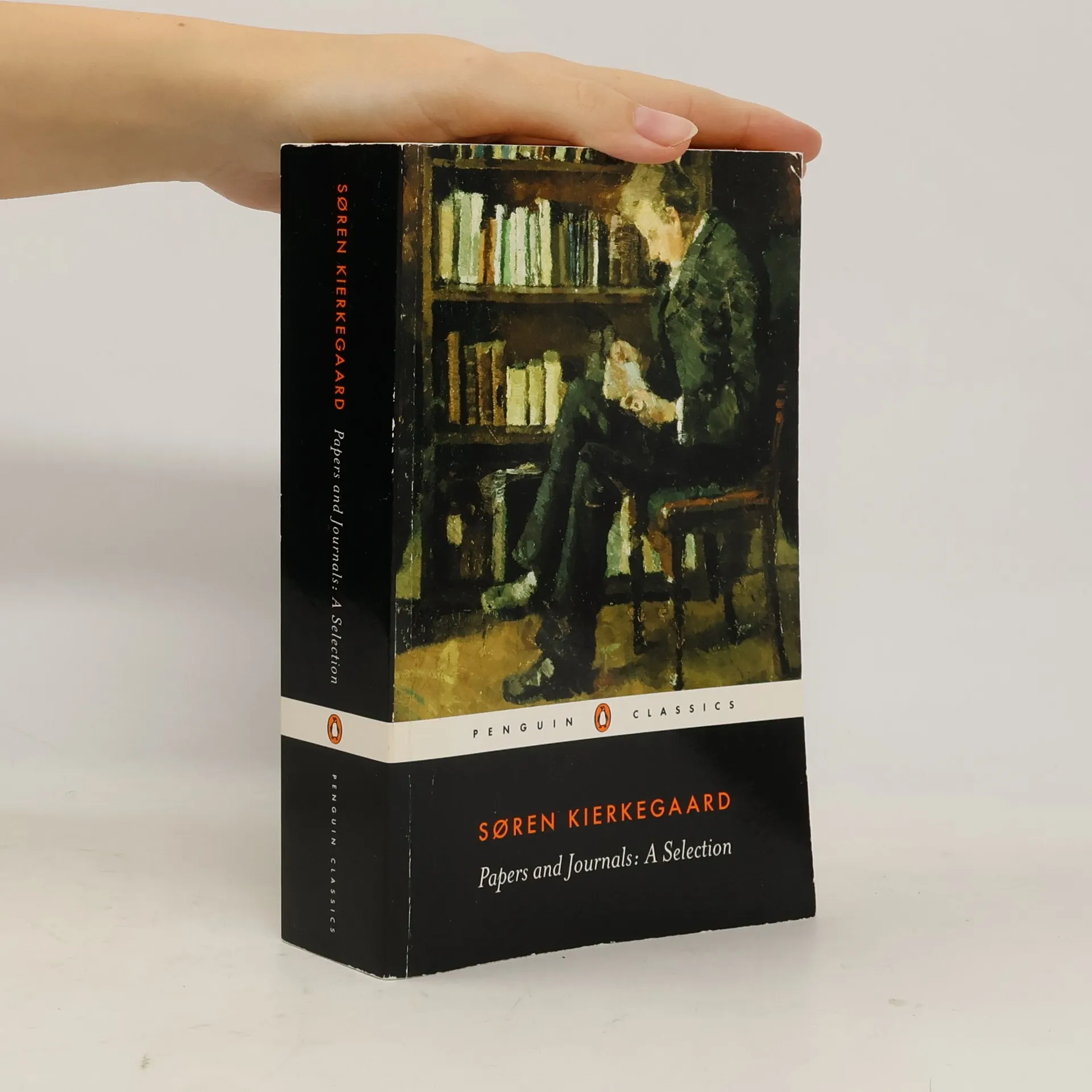
Papers and Journals - A Selection
- 704pages
- 25 heures de lecture
One of the greatest thinkers of the nineteenth century, Soren Kierkegaard (1814-55) often expressed himself through pseudonyms and disguises. This book features his private reflections that reveal the development of his own thought and personality.
The Moment and Late Writings
- 712pages
- 25 heures de lecture
Kierkegaard's work showcases his dual nature as both a poet of ideals and a direct critic of the ecclesiastical order. In his writings, he employs an indirect method to explore profound themes, but ultimately culminates in a direct and confrontational stance in "The Moment," where he challenges established religious institutions. This tension between poetic idealism and polemical critique defines his philosophical contributions.
The Kierkegaard Collection
- 194pages
- 7 heures de lecture
Søren Kierkegaard, often considered the first existentialist philosopher, explores themes of individual choice and commitment through his critical works. His writings, marked by metaphor, sarcasm, and parables, delve into organized religion, morality, ethics, and psychology. Kierkegaard advocates for prioritizing personal experience and living authentically as a "single individual," challenging readers to engage with the complexities of existence beyond abstract concepts.
Produced by Copenhagen's Soren Kierkegaard Research Centre, this volume, the first of an eleven-volume series, offers an insight into Kierkegaard's inner life. In addition to early drafts of his published works, it also contains his thoughts on events and philosophical and theological matters and ideas for future literary projects.
Discusses the profound implications of unity of personhood and of identity within change, beginning with the ironic story of a young poet who cannot fulfill the ethical claims of his engagement because of the possible consequences of his marriage.
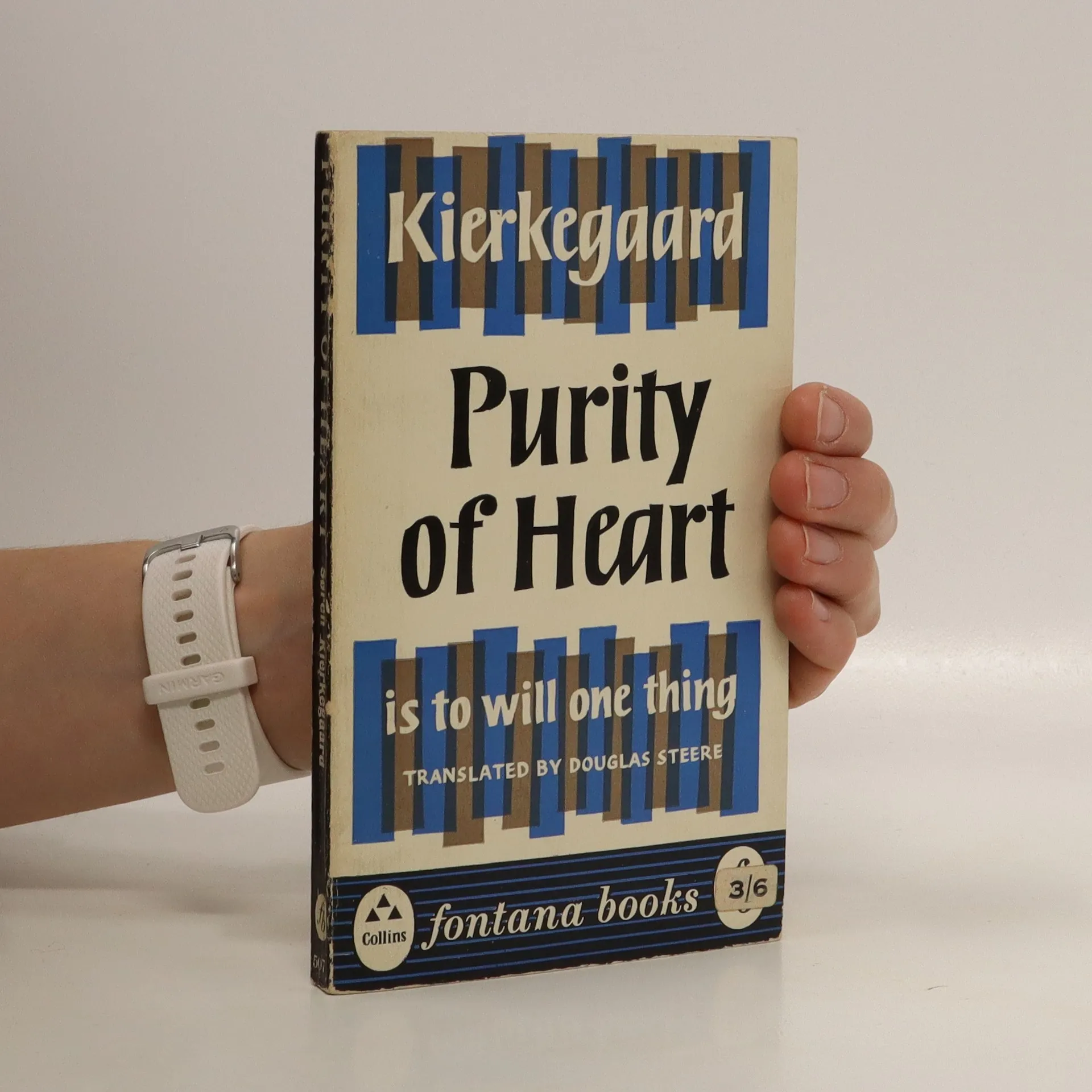
Purity of Heart is to Will One Thing
- 156pages
- 6 heures de lecture
Father in heaven! What is a man without Thee! What is all that he knows, vast accumulation though it be, but a chipped fragment if he does not know Thee! What is all his striving, could it even encompass a world, but a half-finished work if he does not know Thee: Thee the One, who art one thing and who art all!
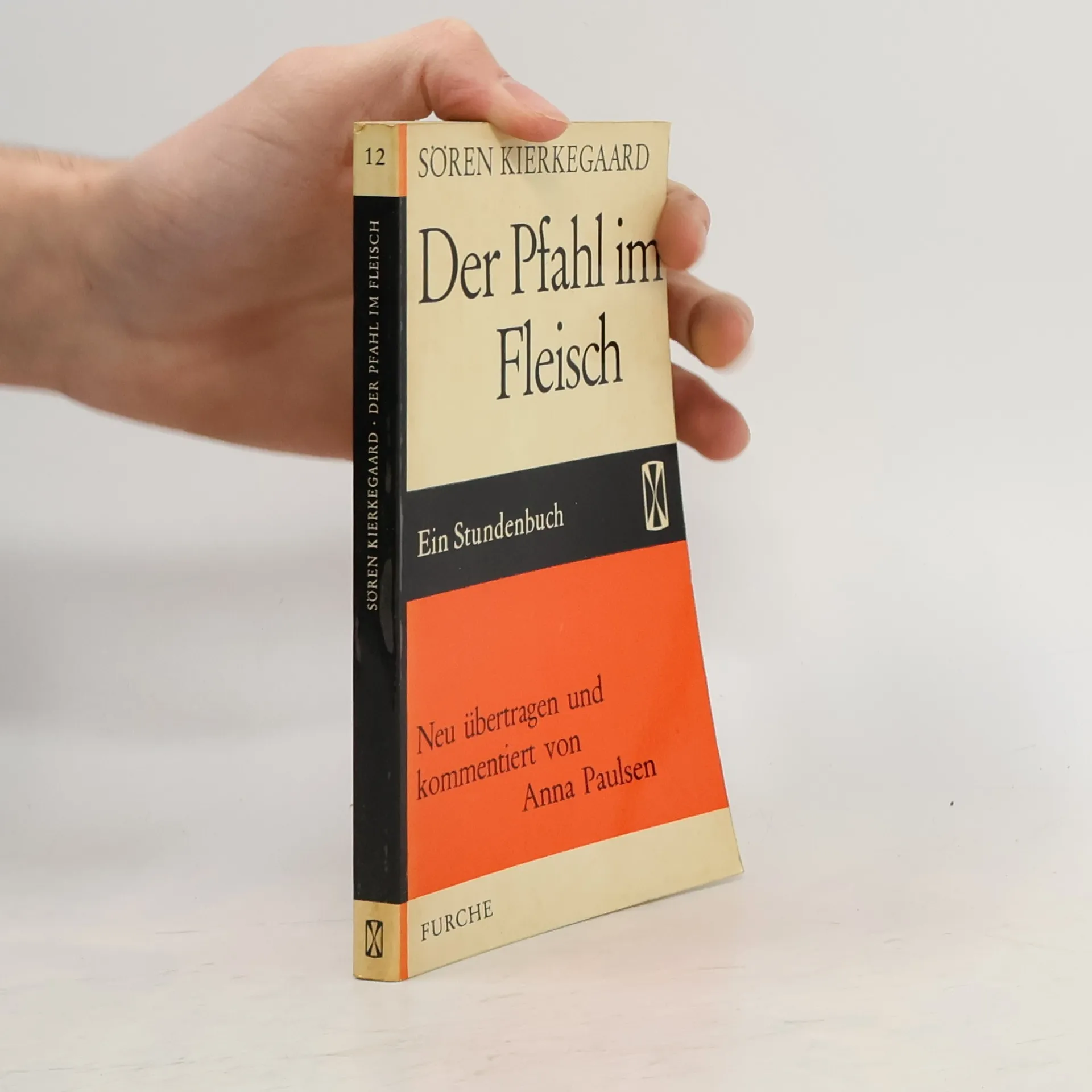
Gospel of Sufferings
- 150pages
- 6 heures de lecture
The only English translation of one of the great Danish thinker's most important spiritual writings, distilling together his insights as mystic, theologian and precursor to the existentialist philosophers.
An anthology containing substantial excerpts from the Danish philosopher's major works.
Presents Christian writings that alter our understanding of the great philosopher Soren Kierkegaard. This title argues that the Kierkegaard known to the history of modern ideas is, in an important sense, not Kierkegaard at all.
The Present Age : On the Death of Rebellion
- 87pages
- 4 heures de lecture
By far the most profound thinker of the 19th century. -- Ludwig Wittgenstein The Present Age is the stunningly prescient essay on the rise of mass media-- particularly advertising, marketing, and publicity--by the great philosopher Soren Kierkegaard, the father of existentialism. With an introduction from celebrated philosopher Walter Kaufmann--who states those who would know Kierkegaard can do no better than to begin with this book--The Present Age is an ideal introduction to one of the greatest thinkers in the history of western philosophy.
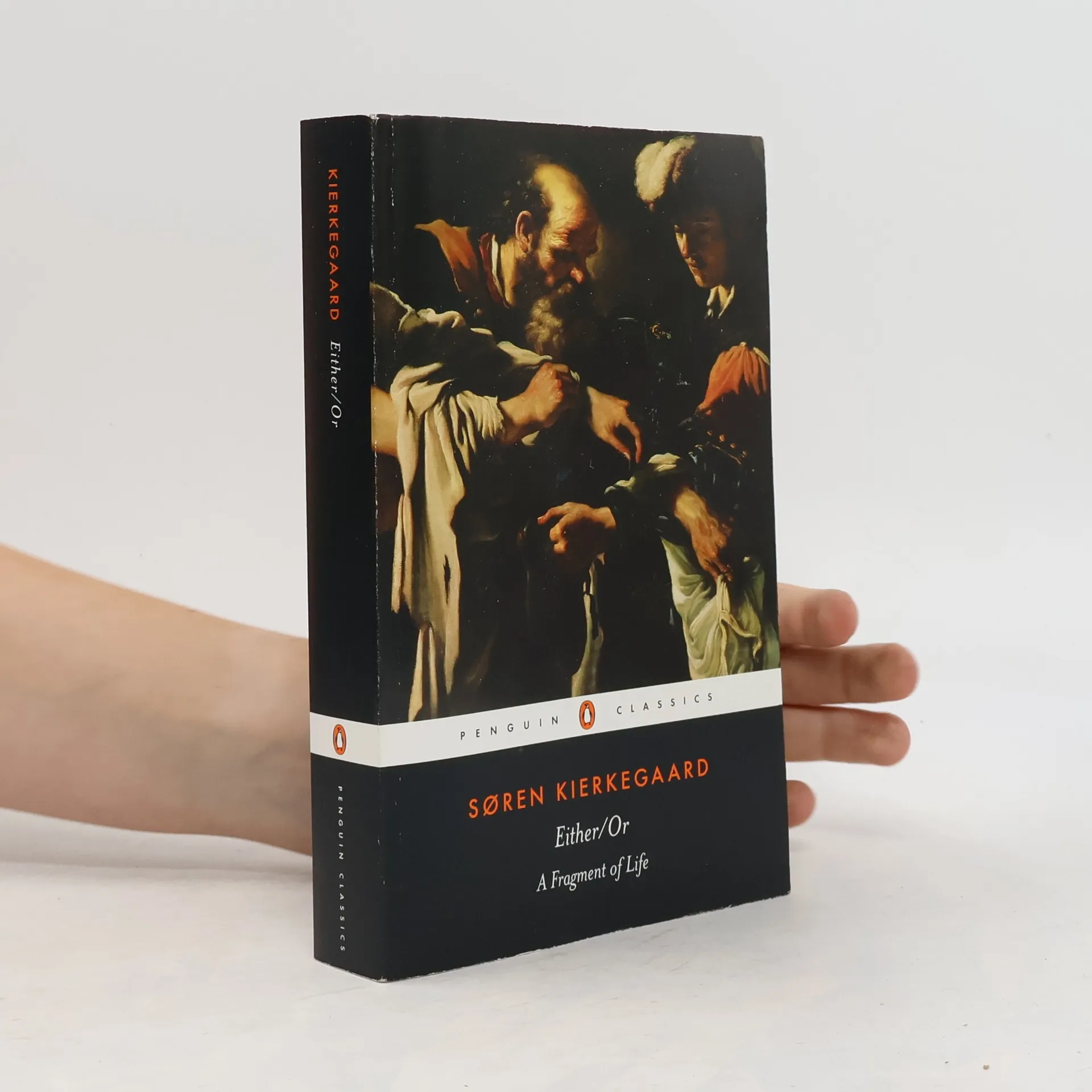
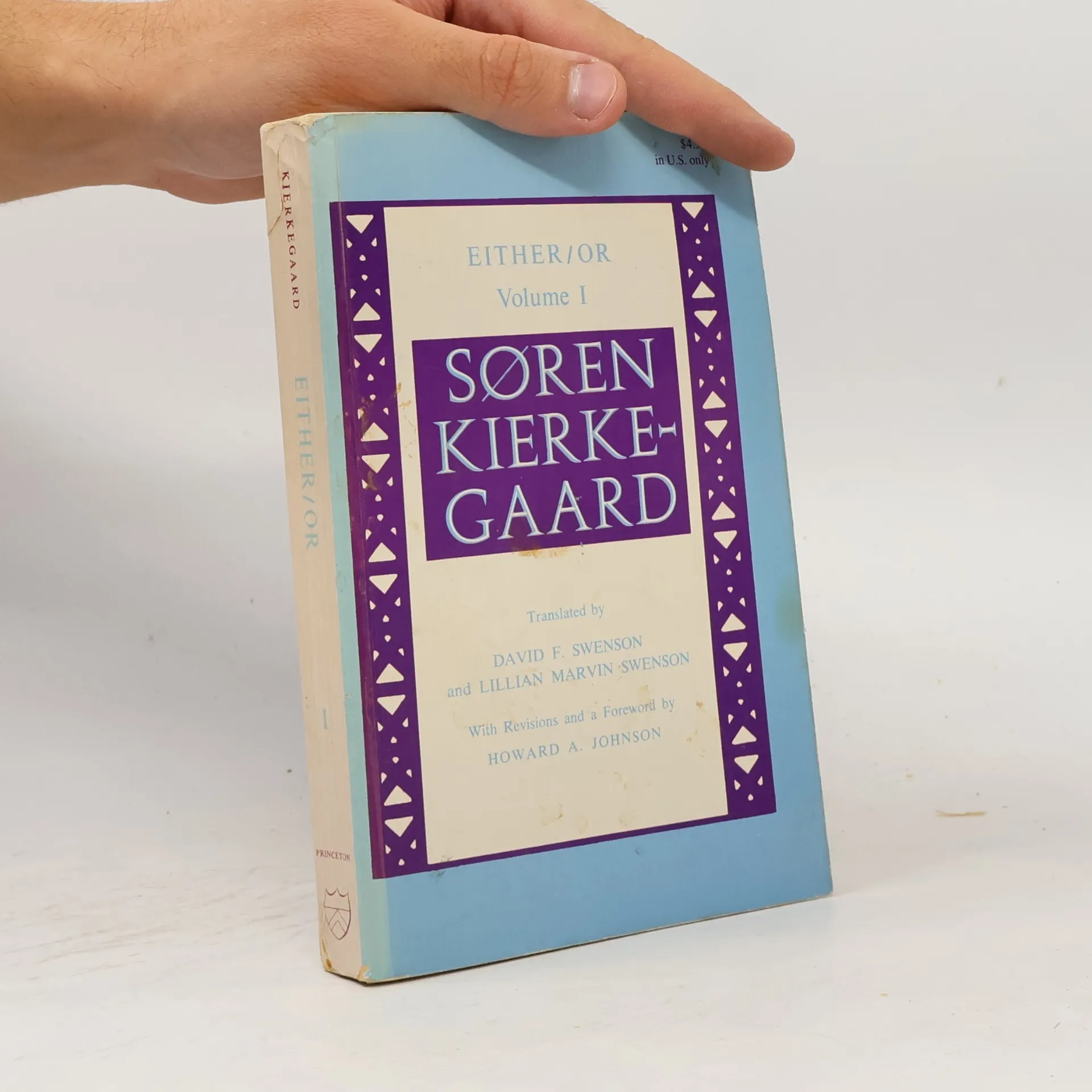
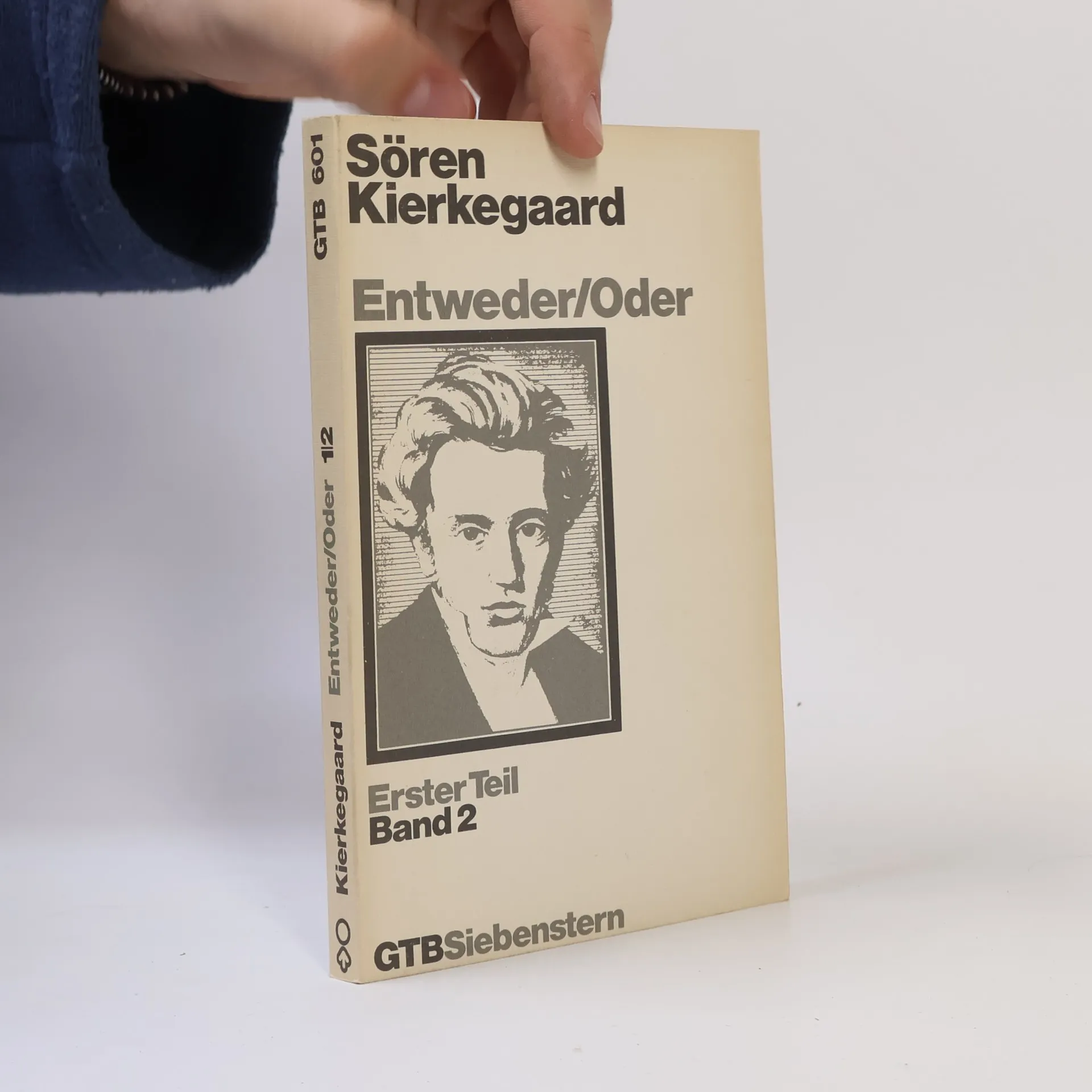
Either/Or
- 640pages
- 23 heures de lecture
In Either/Or, using the voices of two characters—the aesthetic young man of part one, called simply "A," and the ethical Judge Vilhelm of the second section—Kierkegaard reflects upon the search for a meaningful existence, contemplating subjects as diverse as Mozart, drama, boredom, and, in the famous Seducer's Diary, the cynical seduction and ultimate rejection of a young, beautiful woman. A masterpiece of duality, Either/Or is a brilliant exploration of the conflict between the aesthetic and the ethical - both meditating ironically and seductively upon Epicurean pleasures, and eloquently expounding the noble virtues of a morally upstanding life. For more than seventy years, Penguin has been the leading publisher of classic literature in the English-speaking world. With more than 1,700 titles, Penguin Classics represents a global bookshelf of the best works throughout history and across genres and disciplines. Readers trust the series to provide authoritative texts enhanced by introductions and notes by distinguished scholars and contemporary authors, as well as up-to-date translations by award-winning translators.
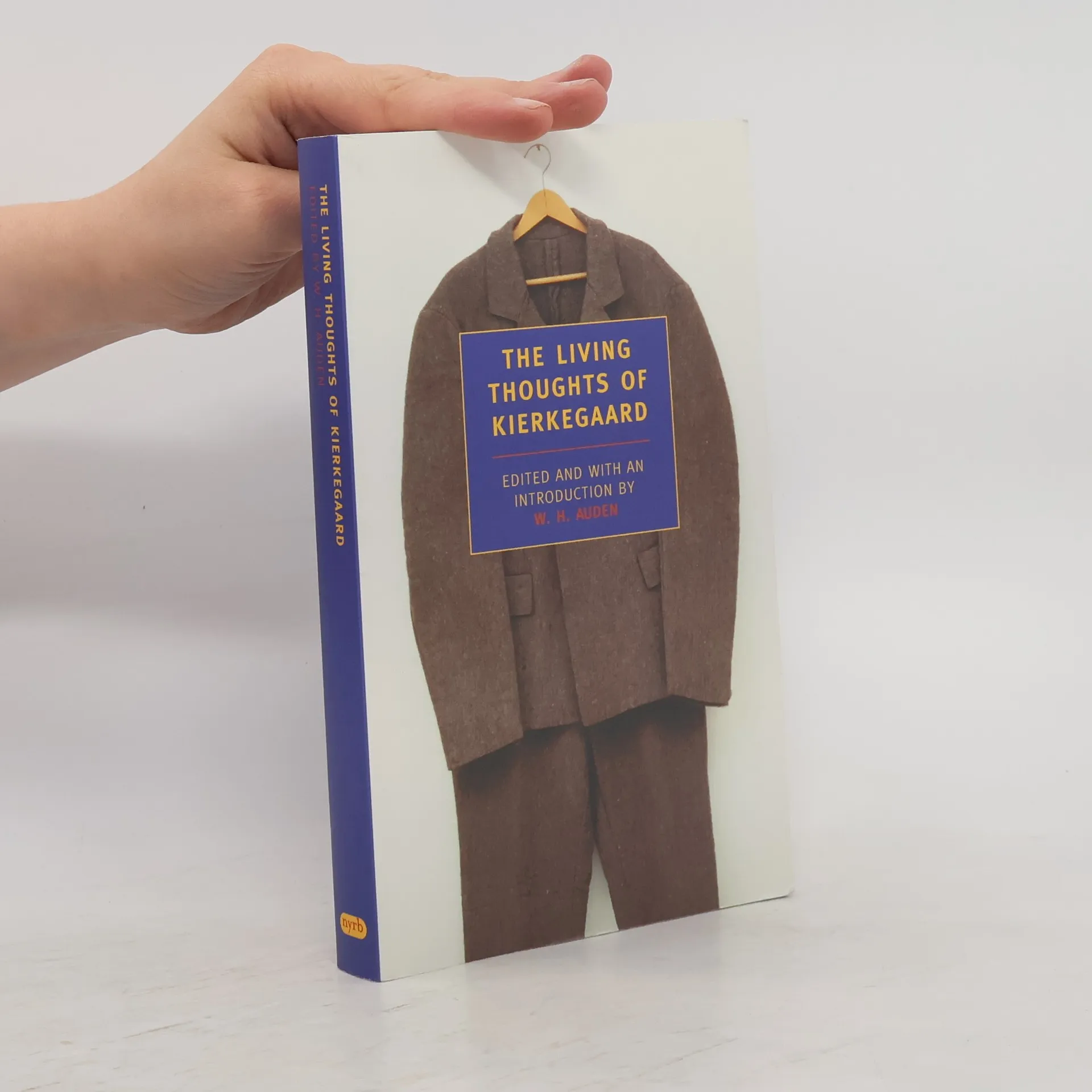
The Living Thoughts Of Kierkegaard
- 280pages
- 10 heures de lecture
The Danish philosopher Kierkegaard is one of the master thinkers of the modern age, a defining influence on existentialism and on twentieth-century theology, and this brilliantly tailored selection from his vast and varied writings--made by the great English poet W.H Auden--is a perfect introduction to his work. Auden's inspired and incisive response to a thinker who had done much to shape his own beliefs is a fundamental reading of an author whose spirit remains as radical as ever more than 150 years after he wrote.Translated from the Danish by Walter Lowrie, David Swenson, and Alexander Dru.
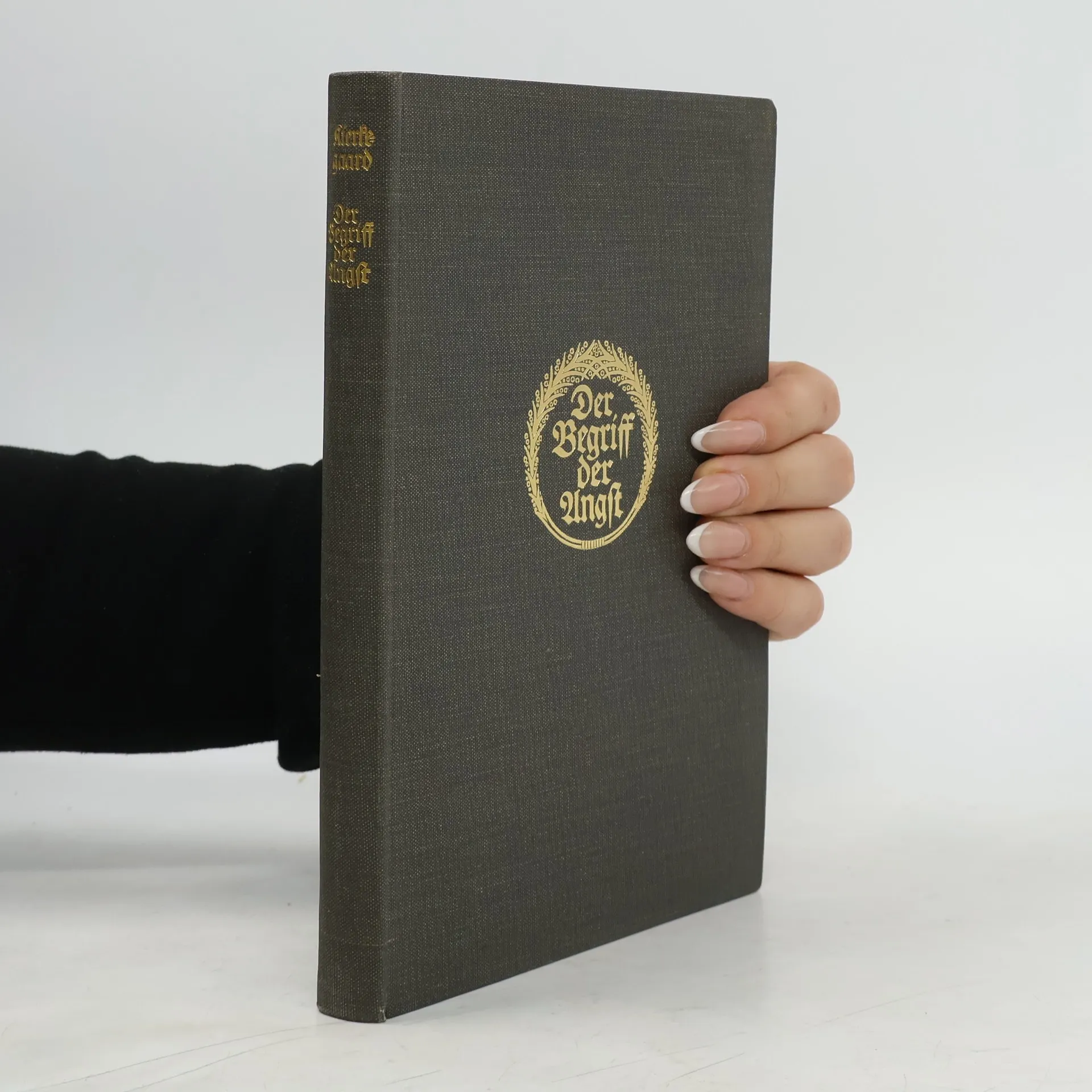
The Concept of Anxiety
- 256pages
- 9 heures de lecture
The first new translation of Kierkegaard's masterwork in a generation brings to vivid life this essential work of modern philosophy.
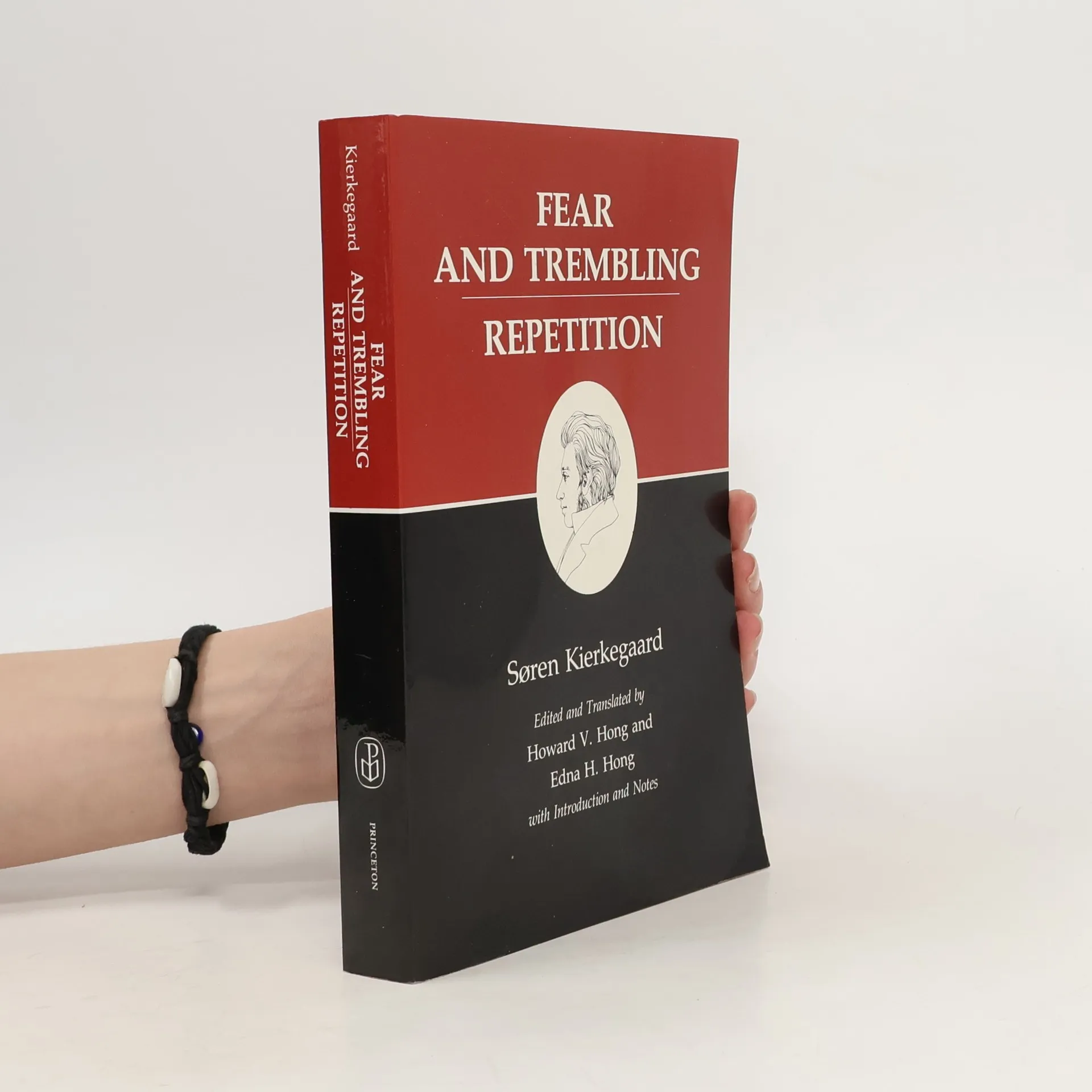
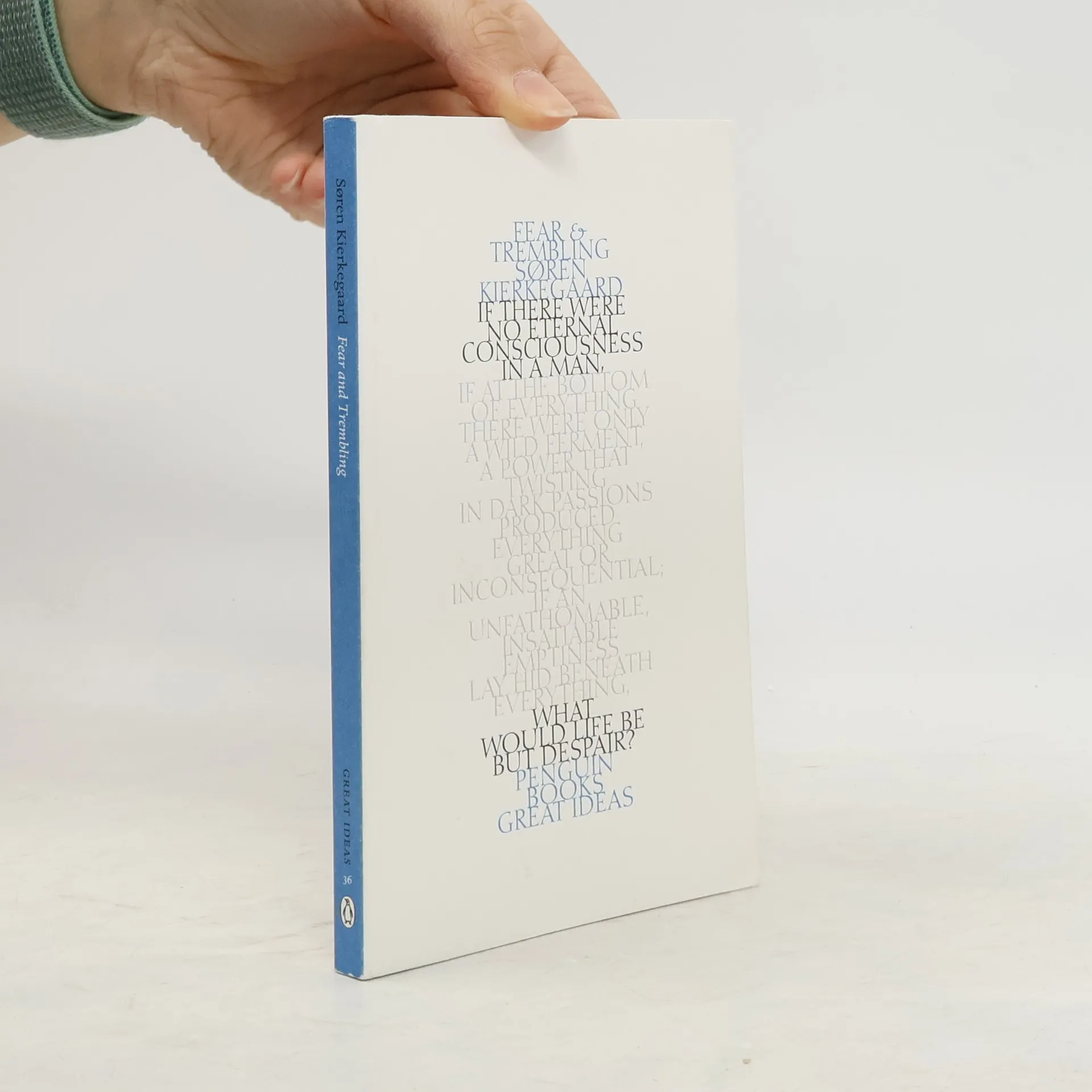
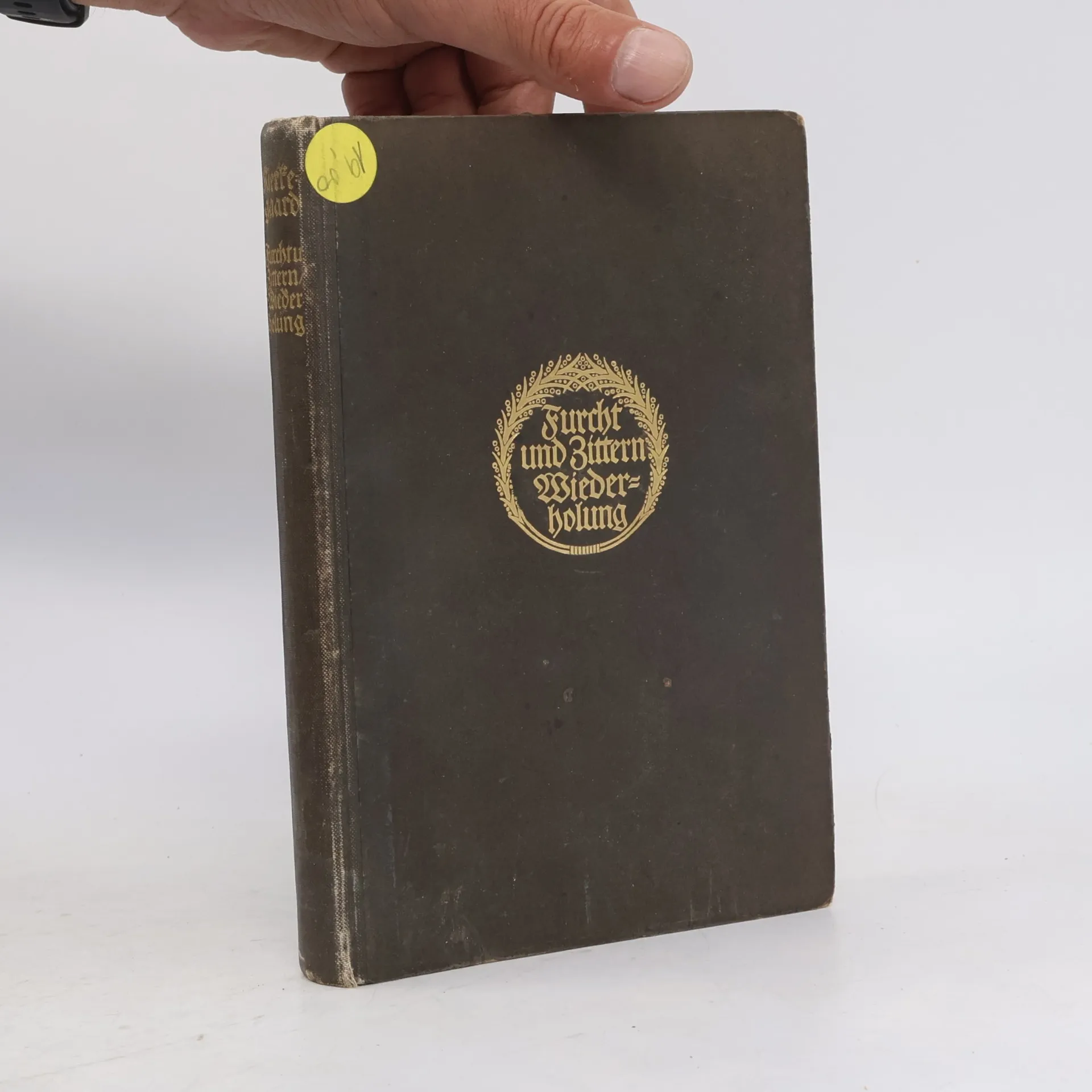
Fear and Trembling
- 160pages
- 6 heures de lecture
Throughout history, some books have changed the world. They have transformed the way we see ourselves - and each other. They have inspired debate, dissent, war and revolution. They have enlightened, outraged, provoked and comforted. They have enriched lives - and destroyed them. Now Penguin brings you the works of the great thinkers, pioneers, radicals and visionaries whose ideas shook civilization and helped make us who we are. The Father of Existentialism, Kierkegaard transformed philosophy with his conviction that we must all create our own nature; in this great work of religious anxiety, he argues that a true understanding of God can only be attained by making a personal �leap of faith�.
The Quotable Kierkegaard
- 234pages
- 9 heures de lecture
The father of existentialism, Soren Kierkegaard (1813-1855) was a philosopher who could write like an angel. Drawing from the authoritative Princeton editions of Kierkegaard's writings, this book presents a selection of his wit and wisdom, as well as a stimulating introduction to his life and work.
Delving into themes of despair, self-identity, and faith, this transformative exploration by Søren Kierkegaard offers profound philosophical insights. Renowned for his deep understanding of human existence, Kierkegaard challenges readers to confront their inner struggles and the complexities of belief. His work invites a reflective journey, encouraging a deeper understanding of the self and the nature of faith amidst despair.
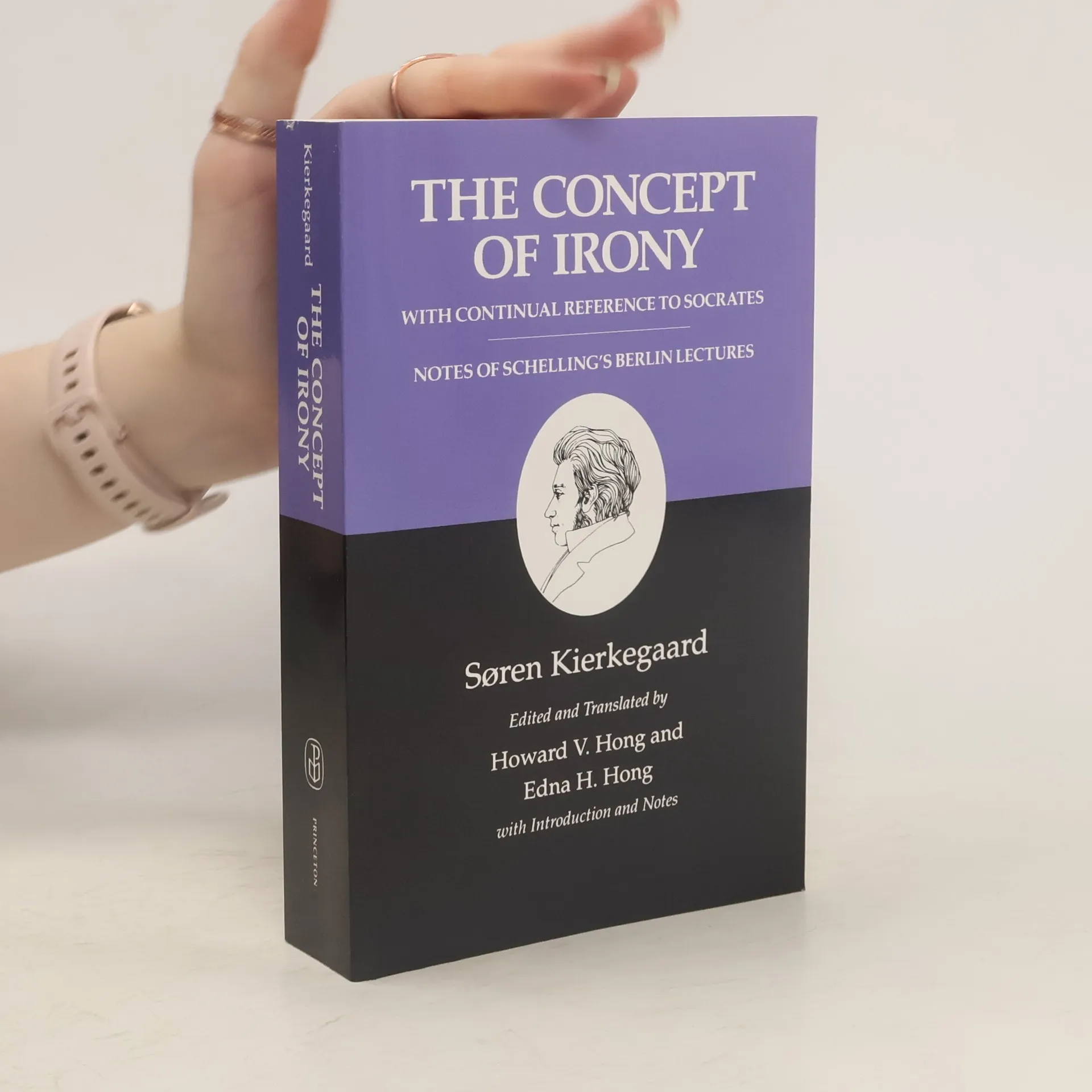
Kierkegaard concluded his studies in theology and philosophy with a dissertation on irony, which became the foundation of his thought and writing. He focused on Socratic irony, analyzed through Xenophon, Plato, and Aristophanes. He views Socrates as an independent figure, distinct from Plato's dialogues, and defends Aristophanes' non-philosophical approach, which better captures Socrates' sense of irony. Aristophanes' negative portrayal of Socrates paradoxically reveals what Socrates aimed to achieve through irony—questioning the presumed ownership of truth and knowledge. Ironical questioning leads to introspection and the search for personal existential answers. Kierkegaard learns the mastery of irony from Socrates and seeks to disrupt the contemporary leveling and faith in science and progress that suppress individuality. He believes people suffer from an excess of knowledge that obscures their personal existence. This work serves as the starting point for Kierkegaard's oeuvre and contains the seeds of existentialism. Irony liberates but does not provide a positive guide; it represents "absolute negativity" and the first step toward self-discovery. Kierkegaard adhered to the maxim "know thyself" throughout his work, with irony as his constant companion. He further reflects on the irony of romantic authors and praises Shakespeare's controlled irony, which allows characters to remain "their own artists."
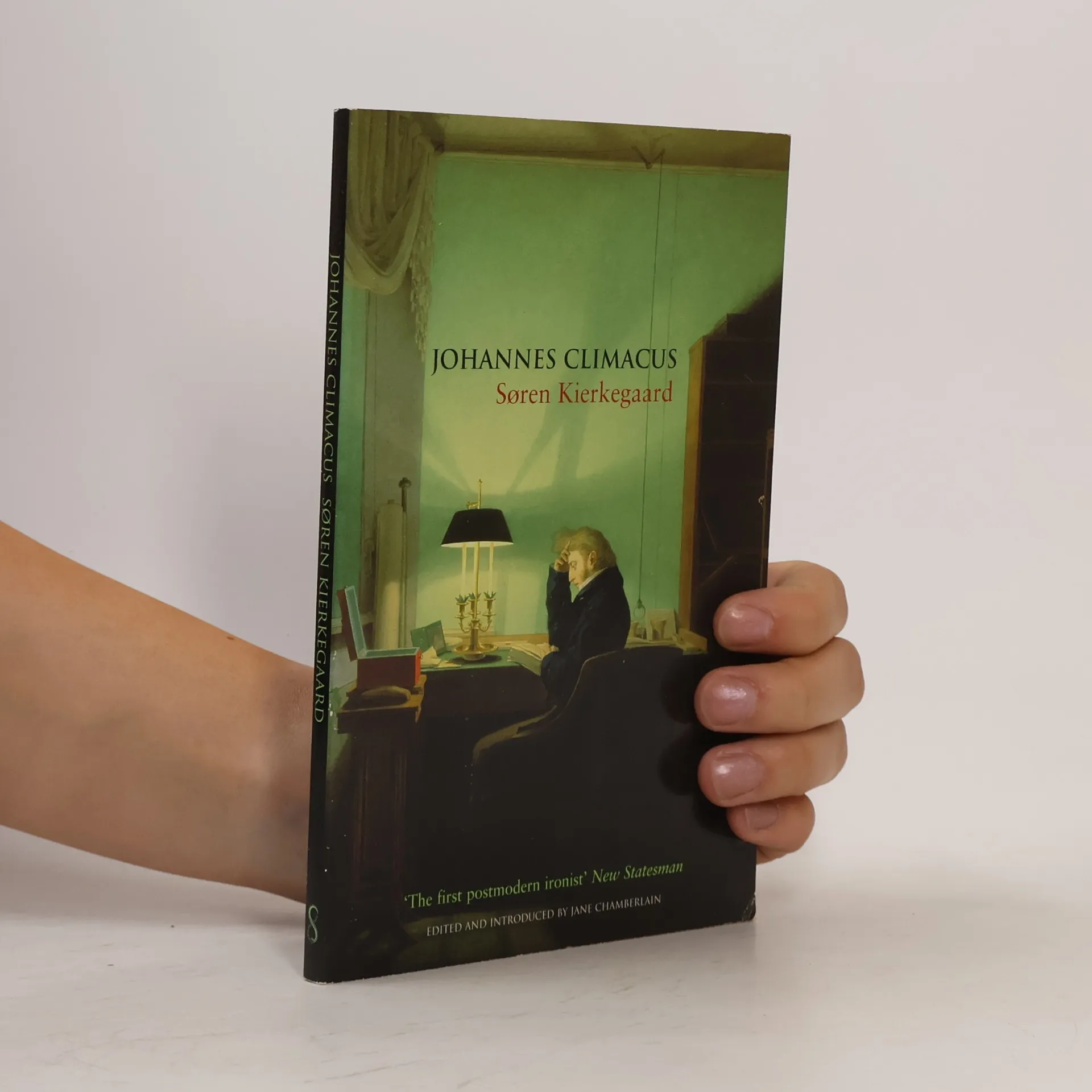
Johannes Climacus: Or: A Life of Doubt
- 96pages
- 4 heures de lecture
Exploring the journey of young Johannes Climacus, this novel intertwines philosophy and narrative as he grapples with the idea of doubting everything, initially inspired by great thinkers like Hegel. However, as he delves deeper, he uncovers the limitations and delusions of his philosophical idols, illustrating the disparity between their lofty theories and the complexities of human life. This revised translation showcases Kierkegaard's unique blend of humor and intellectual rigor, making it an engaging introduction to his thought-provoking style.
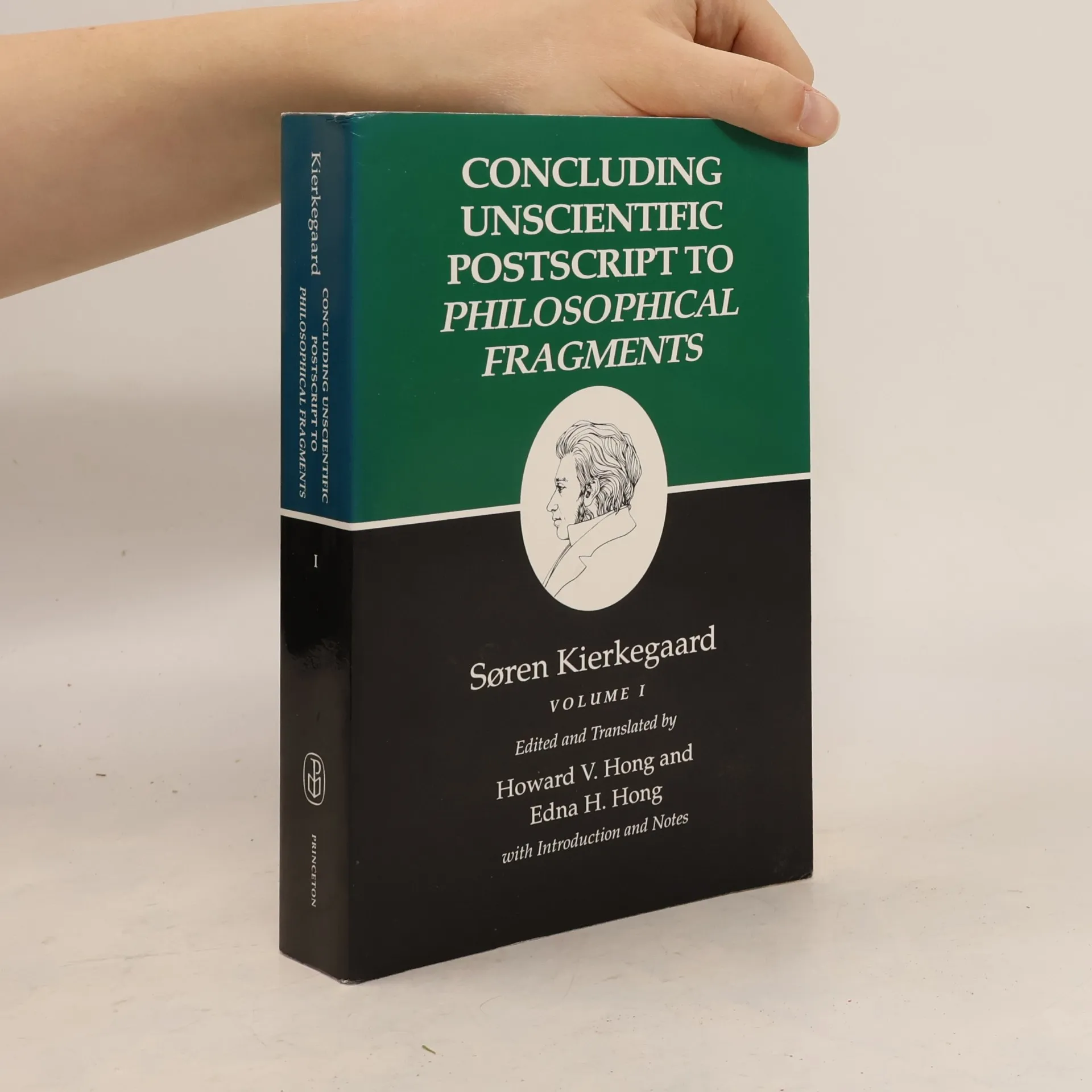
Concluding Unscientific Postscript to Philosophical Fragments, Volume 1
Kierkegaard's Writings, Vol 12.1
- 650pages
- 23 heures de lecture
In Philosophical Fragments the pseudonymous author Johannes Climacus explored the question: What is required in order to go beyond Socratic recollection of eternal ideas already possessed by the learner? Written as an afterword to this work, Concluding Unscientific Postscript is on one level a philosophical jest, yet on another it is Climacus's characterization of the subjective thinker's relation to the truth of Christianity. At once ironic, humorous, and polemical, this work takes on the "unscientific" form of a mimical-pathetical-dialectical compilation of ideas. Whereas the movement in the earlier pseudonymous writings is away from the aesthetic, the movement in Postscript is away from speculative thought. Kierkegaard intended Postscript to be his concluding work as an author. The subsequent "second authorship" after The Corsair Affair made Postscript the turning point in the entire authorship. Part One of the text volume examines the truth of Christianity as an objective issue, Part Two the subjective issue of what is involved for the individual in becoming a Christian, and the volume ends with an addendum in which Kierkegaard acknowledges and explains his relation to the pseudonymous authors and their writings. The second volume contains the scholarly apparatus, including a key to references and selected entries from Kierkegaard's journals and papers.
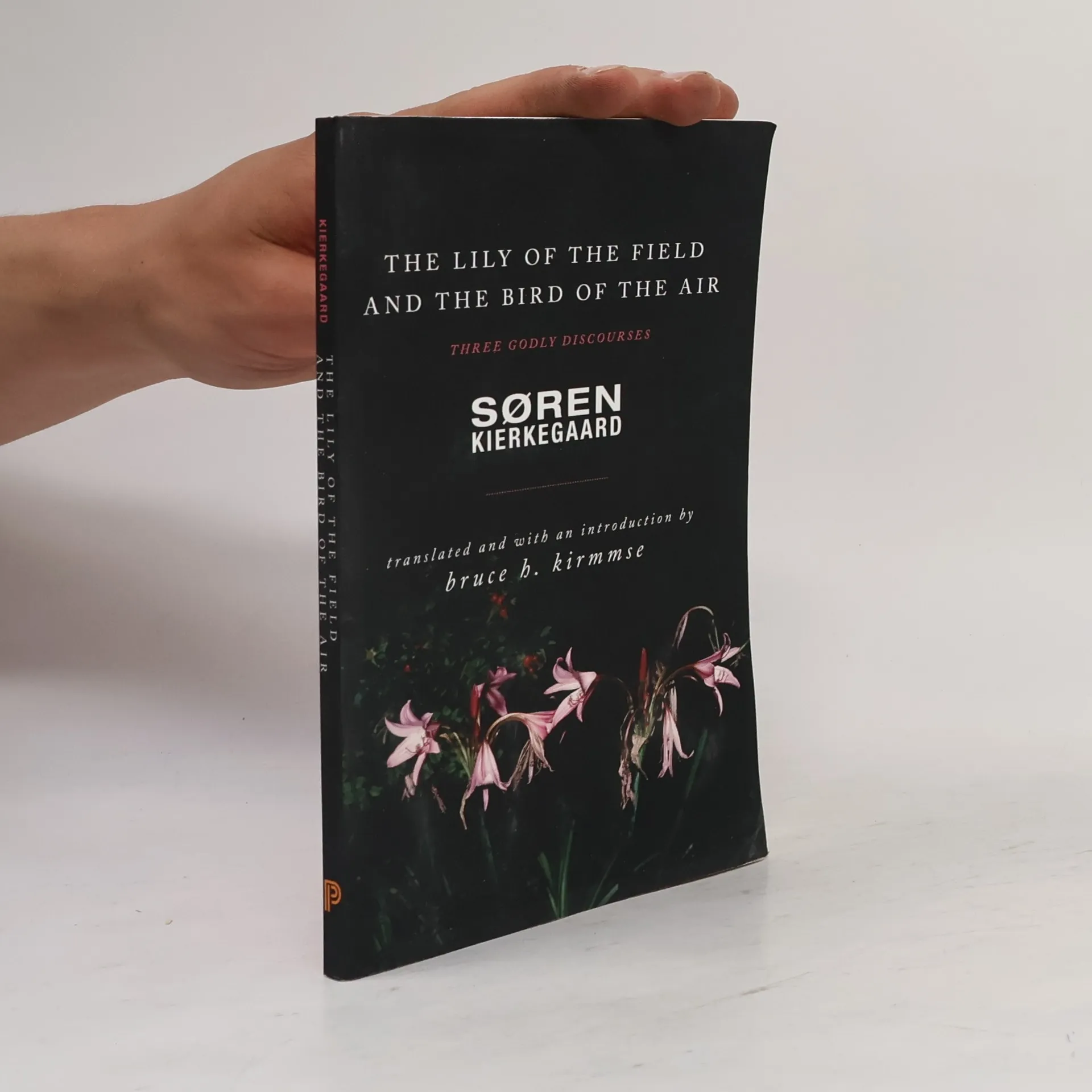
The Lily of the Field and the Bird of the Air
- 128pages
- 5 heures de lecture
In the Sermon on the Mount, Jesus tells his followers to let go of earthly concerns by considering the lilies of the field and the birds of the air. Søren Kierkegaard's short masterpiece on this famous gospel passage draws out its vital lessons for readers in a rapidly modernizing and secularizing world. Trenchant, brilliant, and written in stunningly lucid prose, The Lily of the Field and the Bird of the Air (1849) is one of Kierkegaard's most important books. Presented here in a fresh new translation with an informative introduction, this profound yet accessible work serves as an ideal entrée to an essential modern thinker.The Lily of the Field and the Bird of the Air reveals a less familiar but deeply appealing side of the father of existentialism-unshorn of his complexity and subtlety, yet supremely approachable. As Kierkegaard later wrote of the book, "Without fighting with anybody and without speaking about myself, I said much of what needs to be said, but movingly, mildly, upliftingly."This masterful edition introduces one of Kierkegaard's most engaging and inspiring works to a new generation of readers
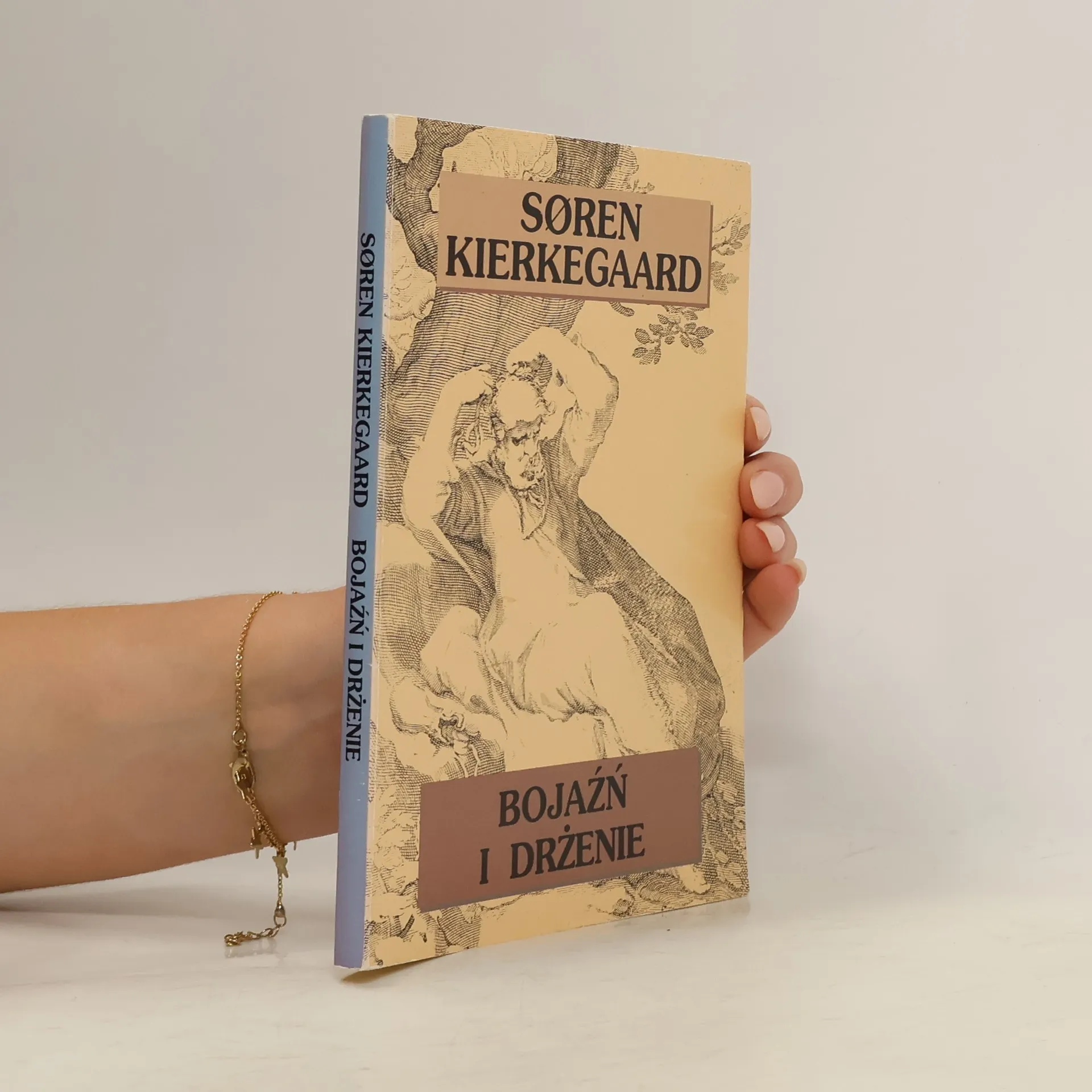
Bojaźń i drżenie
- 125pages
- 5 heures de lecture
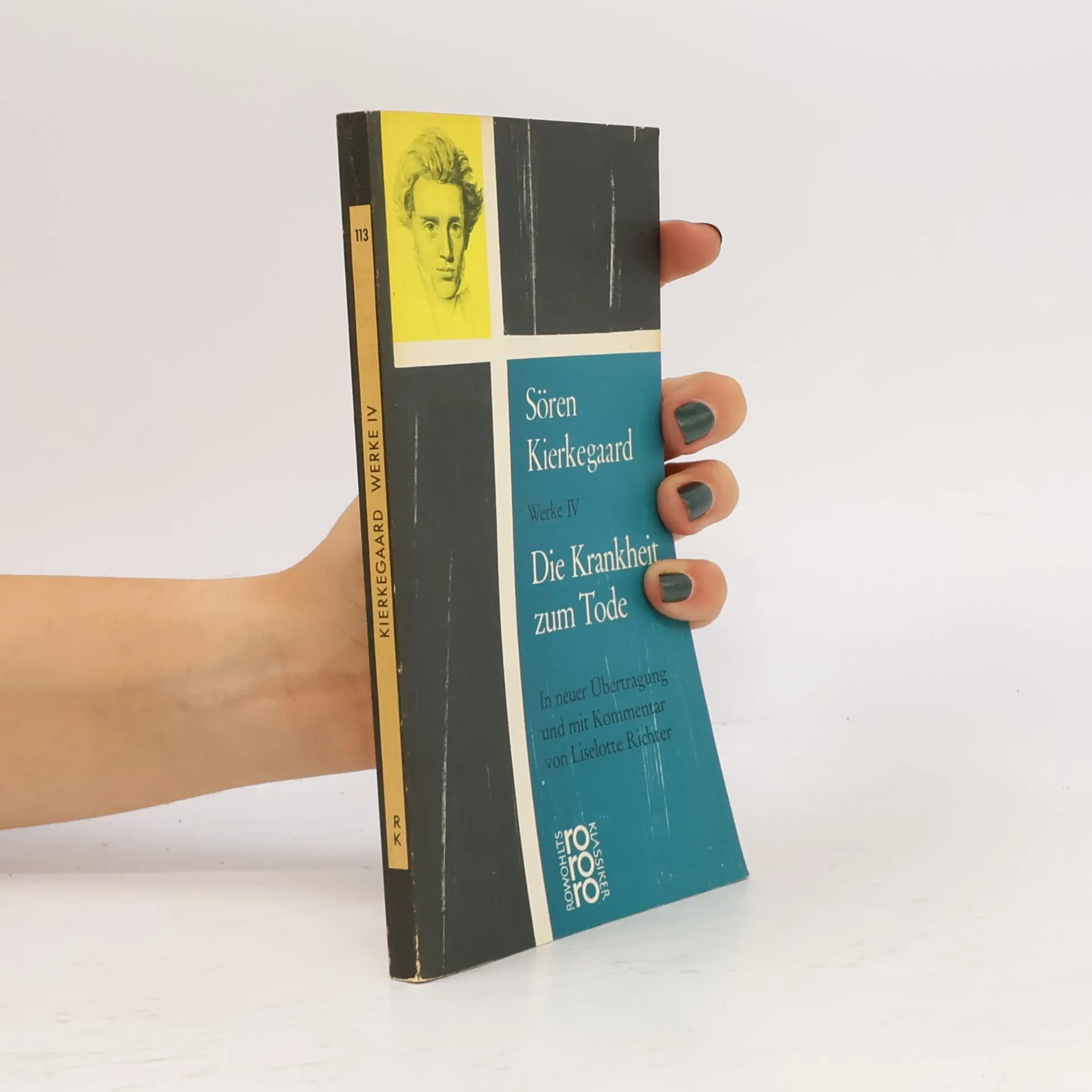
Książka "Bojaźń i drżenie" odnosi się do nowotestamentowych epistoł. Kierkegaard stara się zrozumieć lęk, który musiał czuć Abraham, gdy Bóg wezwał go do ofiarowania swojego syna Izaaka. Ostatnim stadium przed osiągnięciem wiary jest według autora stan nieskończonej rezygnacji i determinacji, by zrezygnować ze wszystkiego, co człowiek mógłby przedkładać przed Bogiem. "Choroba ku śmierci" dotyczy rozpaczy, którą Kierkegaard z chrześcijańskiego punktu widzenia określa jako grzech, chociaż psychologicznie ją rozumie. Tytuł odnosi się do historii wskrzeszonego Łazarza. Autor analizuje różne formy rozpaczy, które odnoszą się do tego, jak człowiek potrafi zaakceptować swoją skończoność (fizyczny aspekt) lub nieskończoność (duchowy aspekt). Oba teksty powstały w latach czterdziestych XIX wieku i do dziś pozostają istotne zarówno w kontekście twórczości autora, jak i w ramach filozofii oraz psychologii egzystencjalnej.
Dánský filozof konfrontuje podstatu „současnosti“ a „revoluční doby“, jeho kritika je zaměřena vůči stávající nadvládě „rozumnosti“.
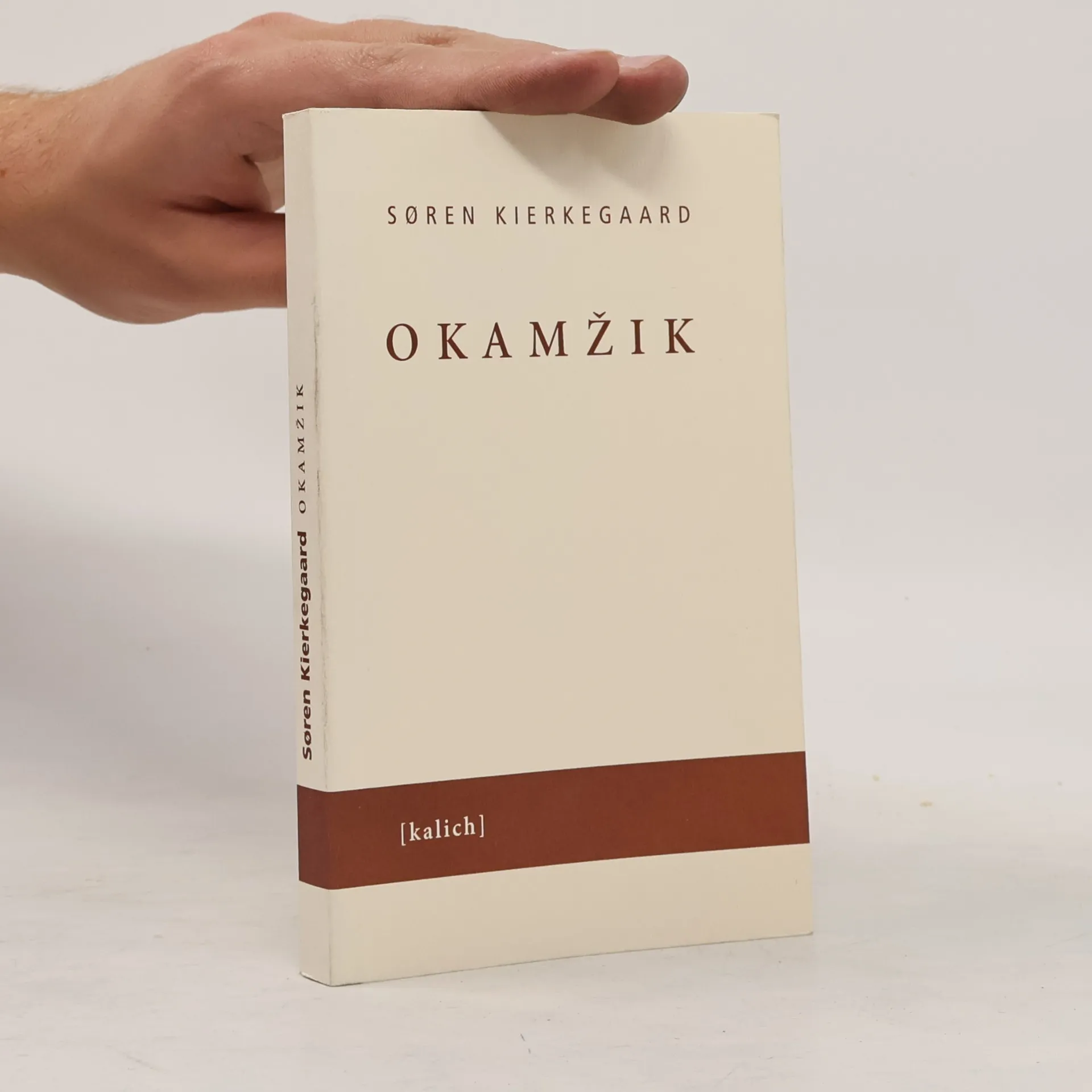
Okamžik
- 246pages
- 9 heures de lecture
Význačný dánský filozof kriticky zkoumá dobovou podobu i význam křesťanství. V průběhu uplynulých osmnácti století toto náboženství prošlo úpadkovým vývojem, neboť pro církevní činitele se stalo zdrojem osobního obohacení. Ke křesťanské víře se hlásili téměř všichni, kněžský stav se tak stal "vzkvétající živností". Kierkegaard tudíž zásadně odmítá vztáhnout na sebe charakteristiku křesťana, poněvadž v dobové formě křesťanství nenachází nic, s čím by se mohl ztotožnit. Vztahuje na sebe naopak tzv. sokratickou úlohu - po svém antickém vzoru bude zpochybňovat, zpochybní podstatu "křesťana"! Kněží a křesťanští myslitelé představují pouhé sofisty, kteří se neznalým snaží namluvit co je pravda a co je křesťanství. Vášnivá kritika dobové podoby křesťanství coby instituce pochybným způsobem ovládající svět.
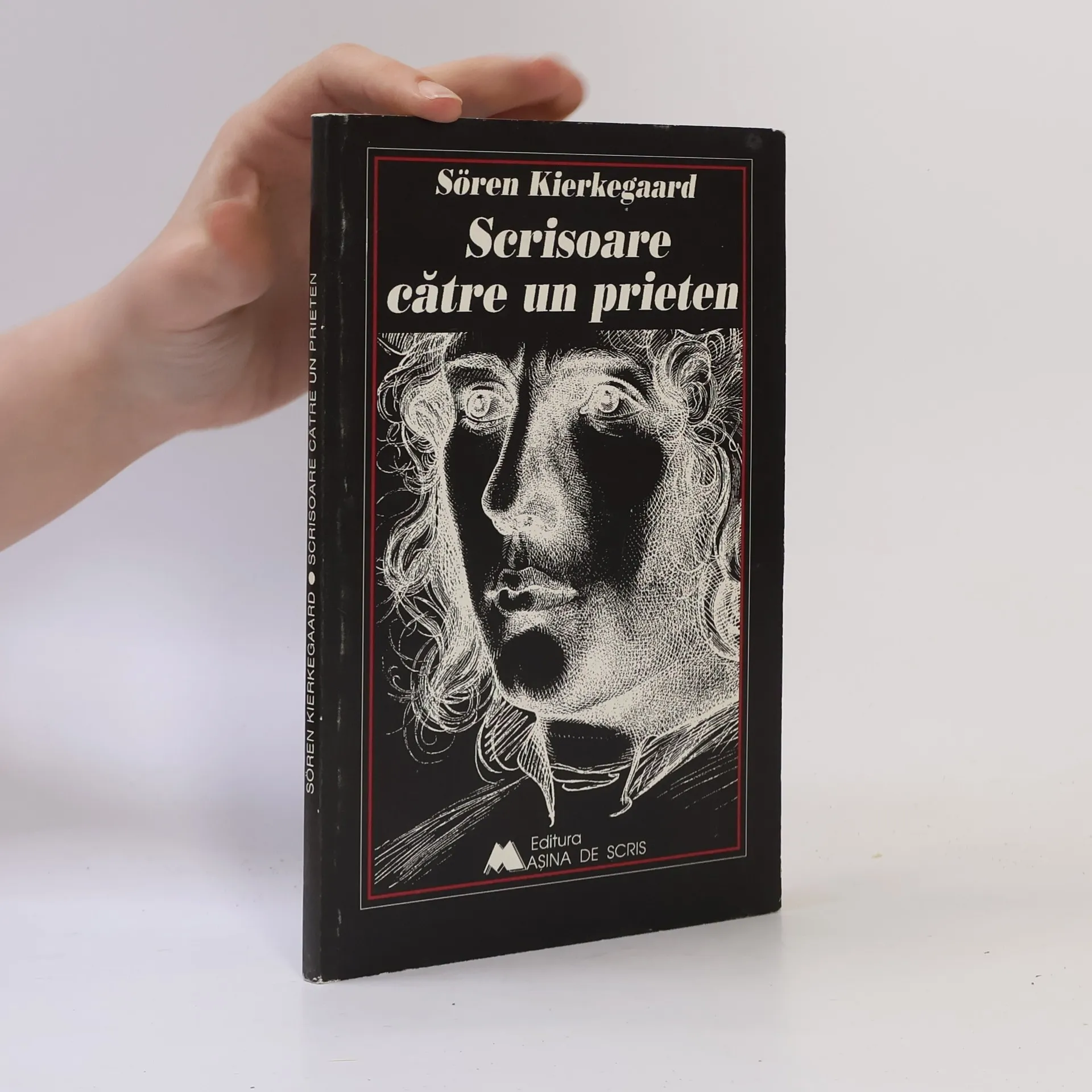
Scrisoare către un prieten
- 125pages
- 5 heures de lecture
Gesammelte Werke
- 159pages
- 6 heures de lecture
In seiner während der Verlobungszeit 1840/41 verfaßten Dissertation versucht Kierkegaard einerseits von seinem neugewonnenen Begriff der Ironie her das sokratische Element der platonischen Dialoge herauszukristallisieren, andererseits aber einen selbständigen Beitrag zur Auseinandersetzung Hegels mit der deutschen Romantik zu leisten. Während der erste Teil noch von einer wissenschaftlichen Stubengelehrsamkeit geprägt ist, läßt der brillante, geistvolle Stil des zweiten schon das schriftstellerische Talent des späten Kierkegaard ahnen: er ist aus der Opposition gegen den verflachten Hegelianismus seiner Zeit zu verstehen.
Berliner Tagebücher
- 88pages
- 4 heures de lecture
Soren Kierkegaard (1813-1855) zählt zu den Klassikern der Philosophiegeschichte. Er brach aus dem Mainstream der klassischen Metaphysik aus und gab dem scheinbar Unwesentlichen eine Stimme: dem Einzelnen, Geschichtlichen, Zufälligen. Seine Beschreibungen individuellen Selbstwerdens, in denen er die Vernunft mit den Phänomenen Angst und Verzweiflung konfrontiert, haben Jaspers und Heidegger ebenso beeinflusst wie Sartre und Camus. Der Band versammelt ausgewählte Originaltexte, die nach zentralen Themen sortiert sind und einen guten Überblick über Kierkegaards Philosophie bieten. Die fünf Kapitel sind jeweils mit einer Einleitung und Anmerkungen der Herausgeberin versehen. Prof. Dr. Annemarie Pieper lehrte in München und Basel Philosophie. Ihre Forschungsschwerpunkte sind Ethik und Existenzphilosophie.
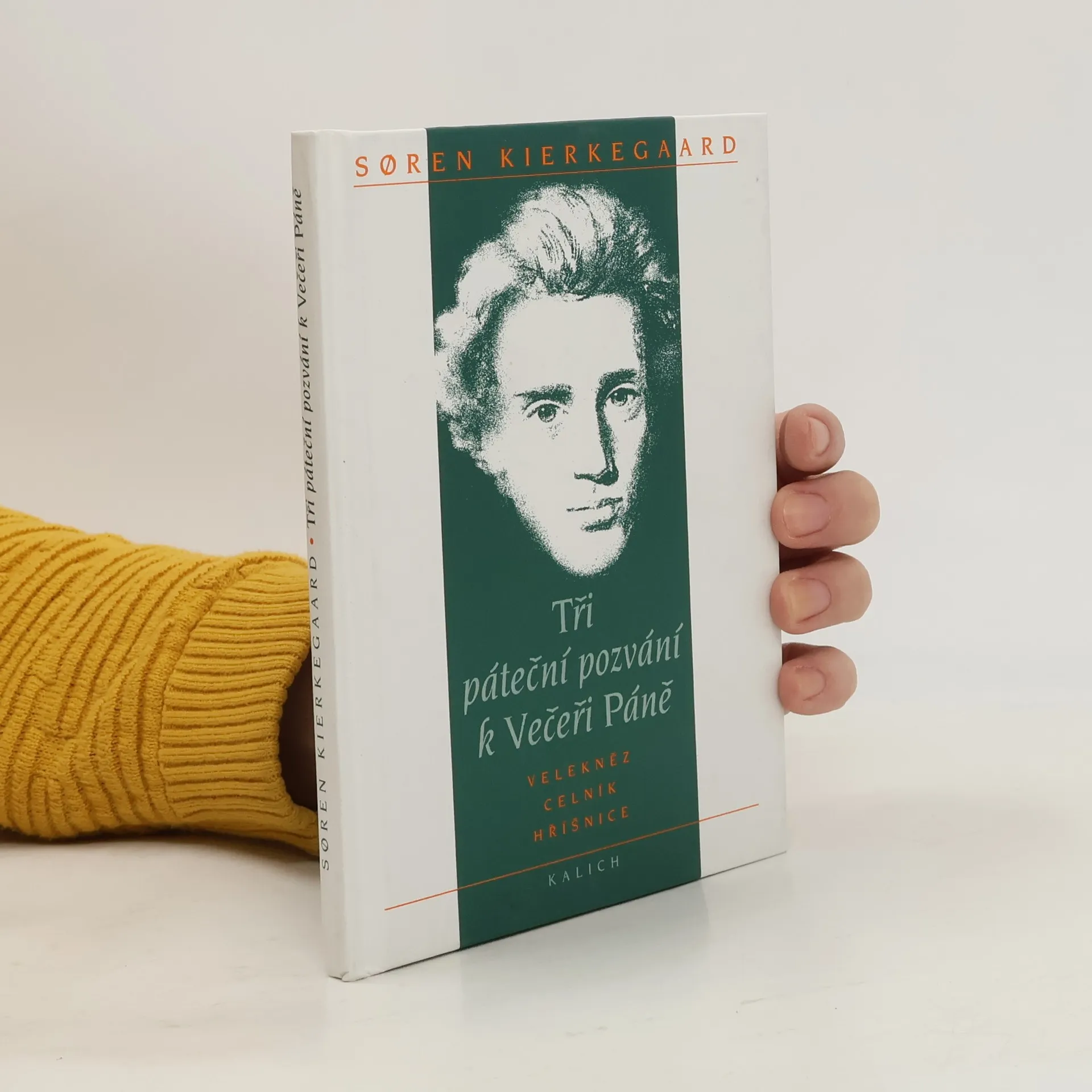
Tři páteční pozvání k Večeři Páně
- 77pages
- 3 heures de lecture
Sevřené a naléhavé výklady evangelijních textů z poetického pera význačného, u nás dosud nedoceněného dánského myslitele 19. století, „otce existencialismu“.
Philosophische Schriften 1
- 1142pages
- 40 heures de lecture
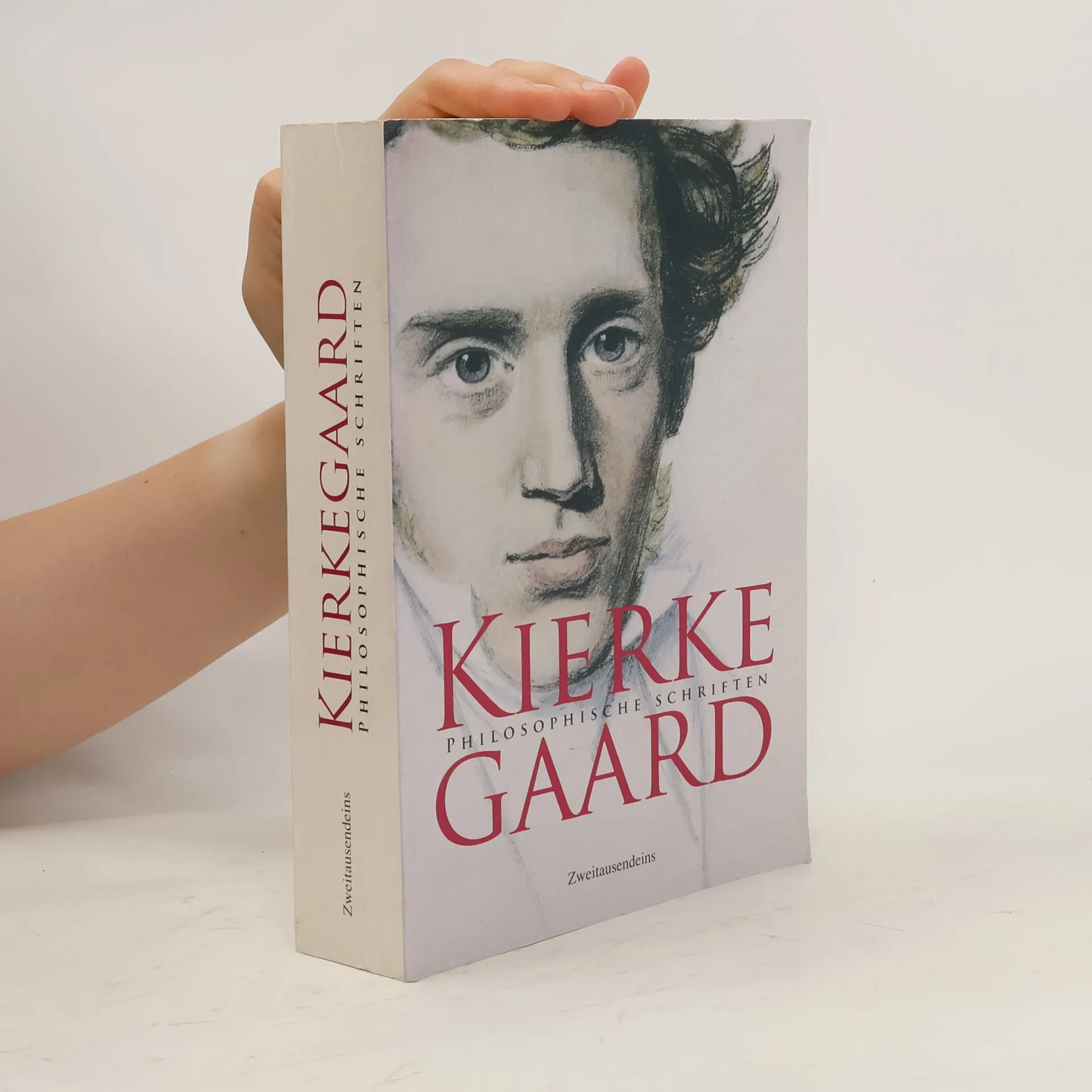
Kierkegaards Philosophische Schriften. 1.200 Seiten. Nur bei uns. Nur 7,99€. „Von Sören Kierkegaard kann man lernen, das eigene Leben wirklich zu leben und nicht nur zu führen. Das ist einerseits anstrengend, regt einen andererseits aber so sehr auf, dass man davon nicht wieder loskommt“, empfiehlt die Frankfurter Allgemeine „den lebendigsten aller Denker“, der unter anderem die französischen Existentialisten inspirierte. Gleich mit seinem Debütwerk „Entweder - Oder“ erschütterte er alle bisherige Philosophie. Es ist „ein Buch, das den Boden wanken lässt, auf dem wir durchs Leben trotten, auch heute noch“, staunt Der Spiegel. In seinen folgenden philosophischen Werken unterzieht Kierkegaard die Geschichtsphilosophie Hegels einer ebenso ätzenden wie scharfsinnigen Kritik. Diese Edition versammelt die drei philosophischen Hauptwerke „Entweder - Oder“, „Philosophische Brocken“ und die „Abschließende unwissenschaftliche Nachschrift zu den Philosophischen Brocken“ in der berühmten Übersetzung von Christoph Schrempf.
Sau-sau (1843) afspejler to måder at forholde sig til livet: den etiske og den æstetiske, men der skitseres også en tredje eksistensform: den religiøse. Synspunkterne, der tilskrives pseudonyme forfattere, A og B, kommenteres af en fiktiv redaktør, Victor Eremita. Punktet i Kierkegaards tænkning og en af de mest berømte værker i filosofiens historie, Sau-sau kan tolkes som en afhandling om hegelianisme og aristotelisme, en kommentar om de hellige sakramenters rolle i kirken eller en moderne roman. Første del af bogen, som er indeholdt i dette bind, er dedikeret til de æstetiske menneskers opfattelser af livet og kunsten. "Diapsalmata", "De umiddelbare erotiske stadier", "Refleksionen af det antikke tragiske i det moderne tragiske", "Silhuetter", "Den mest ulykkelige", "Første kærlighed", "Kulturernes rotation", "Forførerens dagbog" repræsenterer forskellige perspektiver på de store temaer i det æstetiske liv: oppositionen mellem umiddelbarhed og refleksion, mellem nihilisme og nydelse, angst og entusiasme, ironi og passion. Især den berømte "Forførerens dagbog" viser sig, når den læses i denne kontekst, at være et filosofisk bidrag til erkendelsesproblematikken.
Sau-sau (1843) afspejler to måder at forholde sig til livet: den etiske og den æstetiske, men der skitseres også en tredje eksistensform: den religiøse. Synspunkterne, der tilskrives pseudonyme forfattere, A og B, kommenteres af en fiktiv redaktør, Victor Eremita. Punktet i Kierkegaards tænkning og en af de mest berømte værker i filosofiens historie, Sau-sau kan tolkes som et traktat om hegelianisme og aristotelisme, en kommentar om de hellige sakramenters rolle i kirken eller en moderne roman. Første del af bogen, som er indeholdt i dette bind, er dedikeret til de æstetiske menneskers opfattelser af livet og kunsten. "Diapsalmata", "De umiddelbare erotiske stadier", "Refleksionen af det antikke tragiske i det moderne tragiske", "Silhuetter", "Den mest ulykkelige", "Første kærlighed", "Kulturernes rotation", "Seducerens dagbog" repræsenterer forskellige perspektiver på de store temaer i det æstetiske liv: oppositionen mellem umiddelbarhed og refleksion, mellem nihilisme og nydelse, angst og entusiasme, ironi og passion. Især den berømte "Seducerens dagbog" viser sig, når den læses i denne kontekst, at være et filosofisk bidrag til erkendelsesproblemet.
Sau-sau (1843) af Søren Kierkegaard præsenterer to måder at forholde sig til livet på: den etiske og den æstetiske, hvorigennem der dog også skitseres en tredje måde at eksistere på: den religiøse. Synspunkterne, der tilskrives pseudonyme forfattere, A og B, kommenteres af en fiktiv redaktør, Victor Eremita. Som grundstenen i den kierkegaardske tænkning og et af de mest berømte værker i filosofiens historie kan Sau-sau fortolkes som et traktat om hegelianismen og aristotelismen, en kommentar om de hellige sakramenters rolle i kirken eller en moderne roman. Den første del af bogen, som er indeholdt i dette bind, er dedikeret til de æstetiske menneskers opfattelser af livet og kunsten. "Diapsalmata", "De umiddelbare erotiske stadier", "Refleksionen af det antikke tragiske i det moderne tragiske", "Silhuetter", "Den mest ulykkelige", "Første kærlighed", "Kulturens rotation", "Forføresens dagbog" repræsenterer forskellige perspektiver på de centrale temaer i det æstetiske liv: oppositionen mellem umiddelbarhed og refleksion, mellem nihilisme og nydelse, angst og entusiasme, ironi og passion. Især den berømte "Forføresens dagbog" viser sig, når den læses i denne kontekst, at være et filosofisk bidrag til erkendelsesproblematikken.
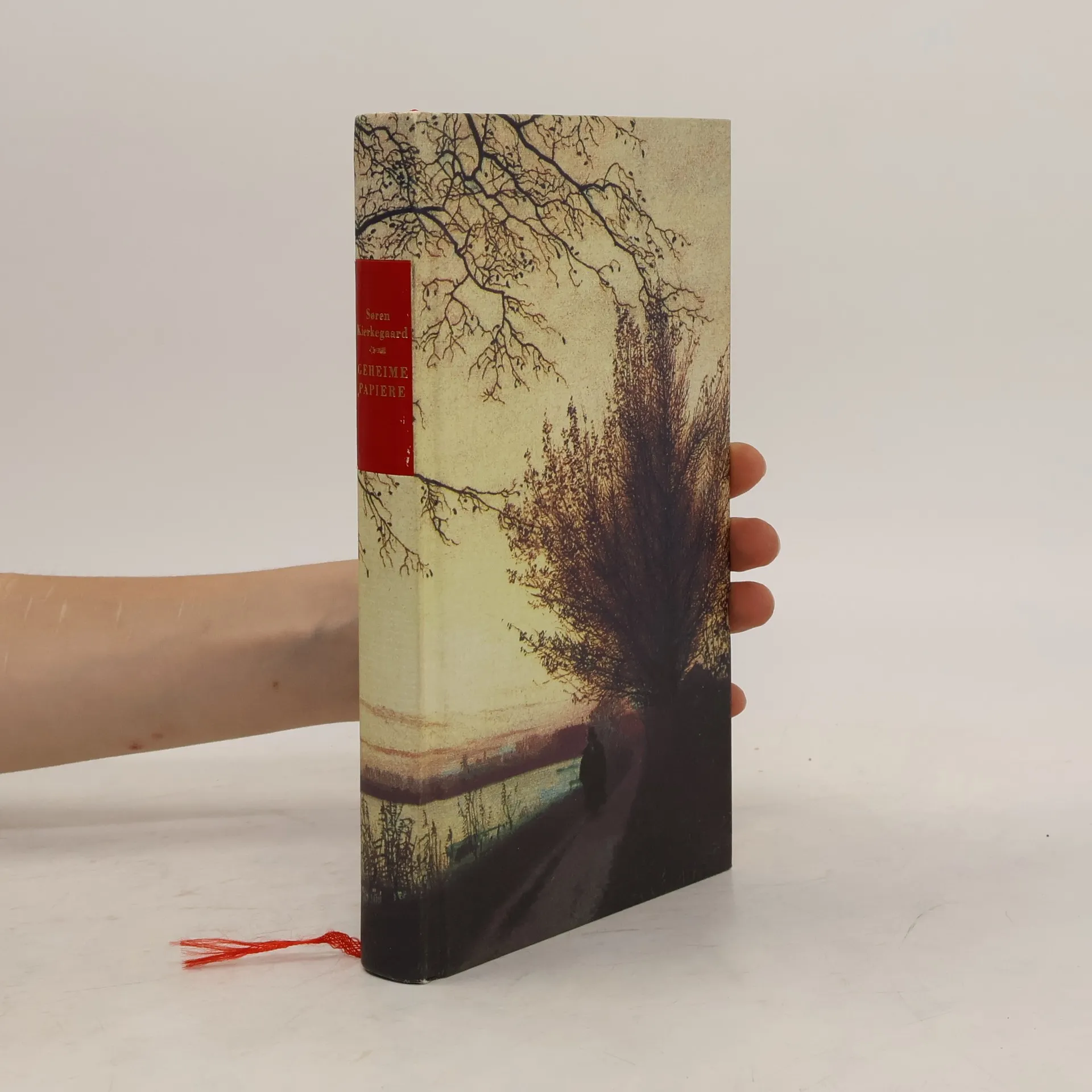
Geheime Papiere
- 299pages
- 11 heures de lecture
Kierkegaard äußert 1836 in seinem Tagebuch eine radikale Kritik an der geistigen Zahlungsunfähigkeit Europas, die er als gefährlicher ansieht als den finanziellen Bankrott. Seine unpublizierten Notizen bieten tiefgehende Gesellschafts- und Kulturkritik, analysieren das aufkommende Medienzeitalter und kritisieren das Bildungsbürgertum. Hagemanns Kommentar kontextualisiert diese Gedanken und zeichnet ein Bild von Kierkegaards Kopenhagen.
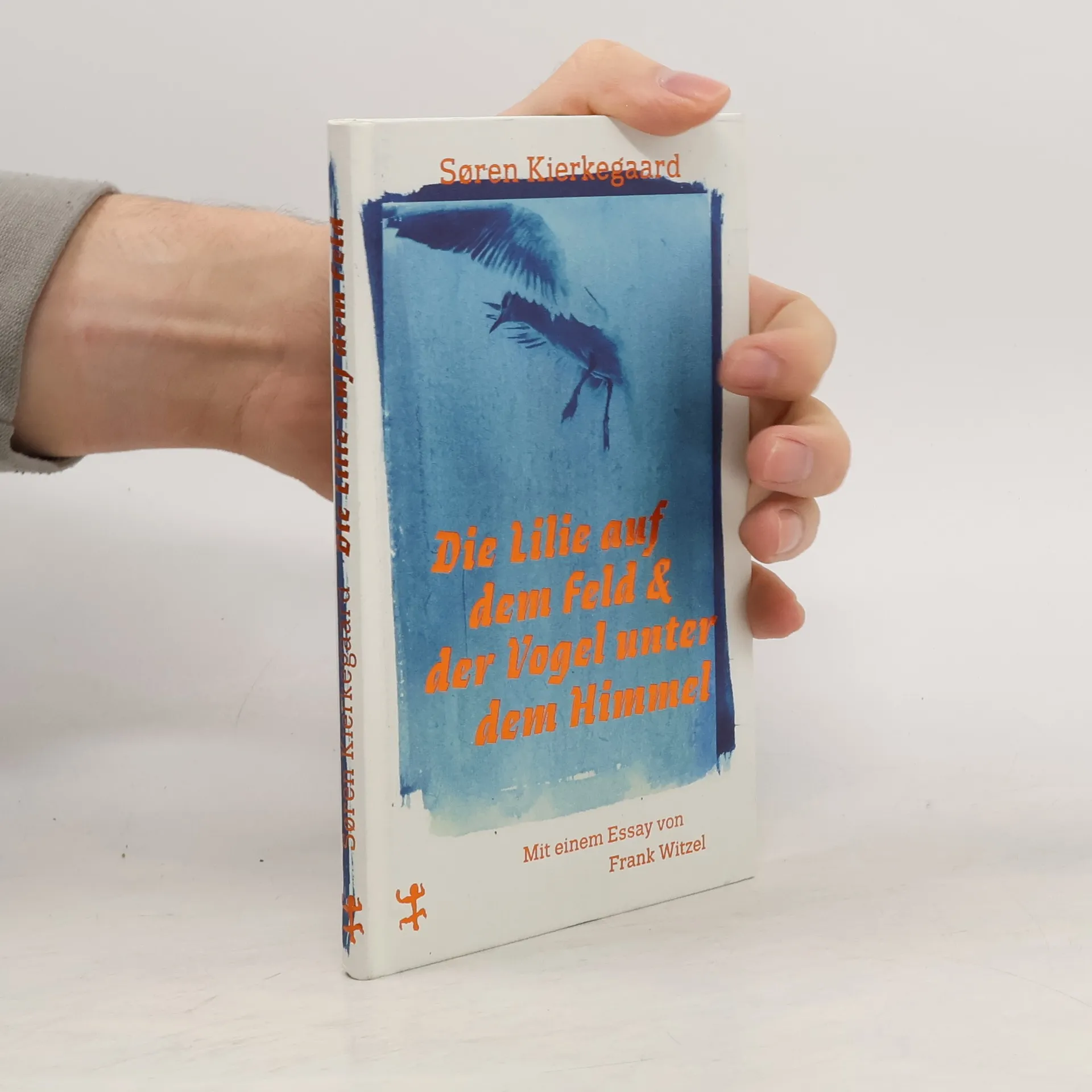
Die Lilie auf dem Feld und der Vogel unter dem Himmel
Drei Reden, Gott betreffend
- 105pages
- 4 heures de lecture
In der Lilie auf dem Feld und dem Vogel unter dem Himmel entdeckt Søren Kierkegaard die Lehrmeister im Schweigen, im Gehorsam und der Freude – den drei überzeitlichen Lebenshaltungen auf dem Weg zur Erkenntnis dessen, »was es heißt, Mensch zu sein«. Mit der Beharrungskraft des Gläubigen richtet sich Kierkegaards Lektüre gegen säkulare Beliebigkeit und mahnt dazu, »zuerst nach dem Gottesreich zu trachten«
Čemu se naučíme od polních lilií a nebeského ptactva
- 108pages
- 4 heures de lecture
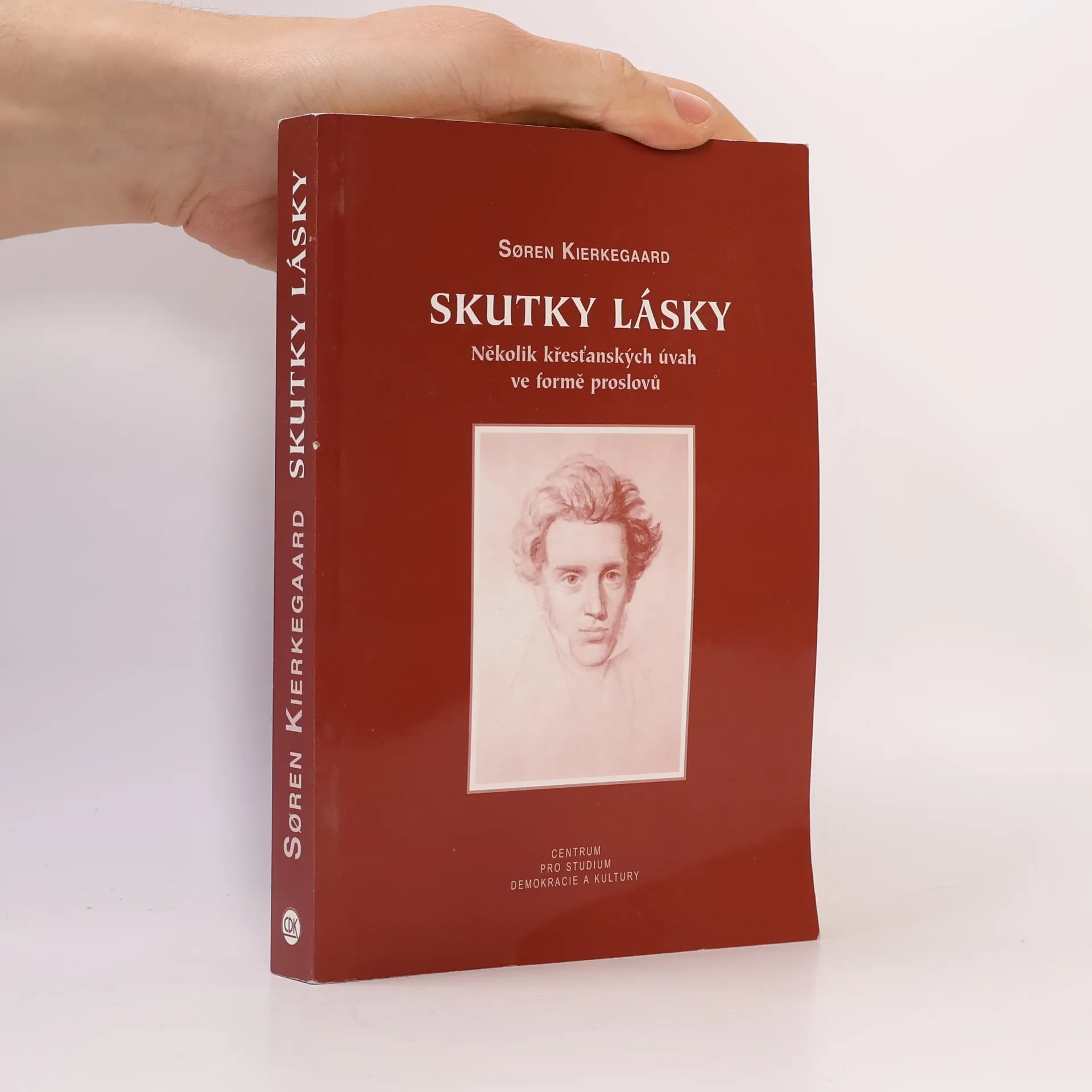
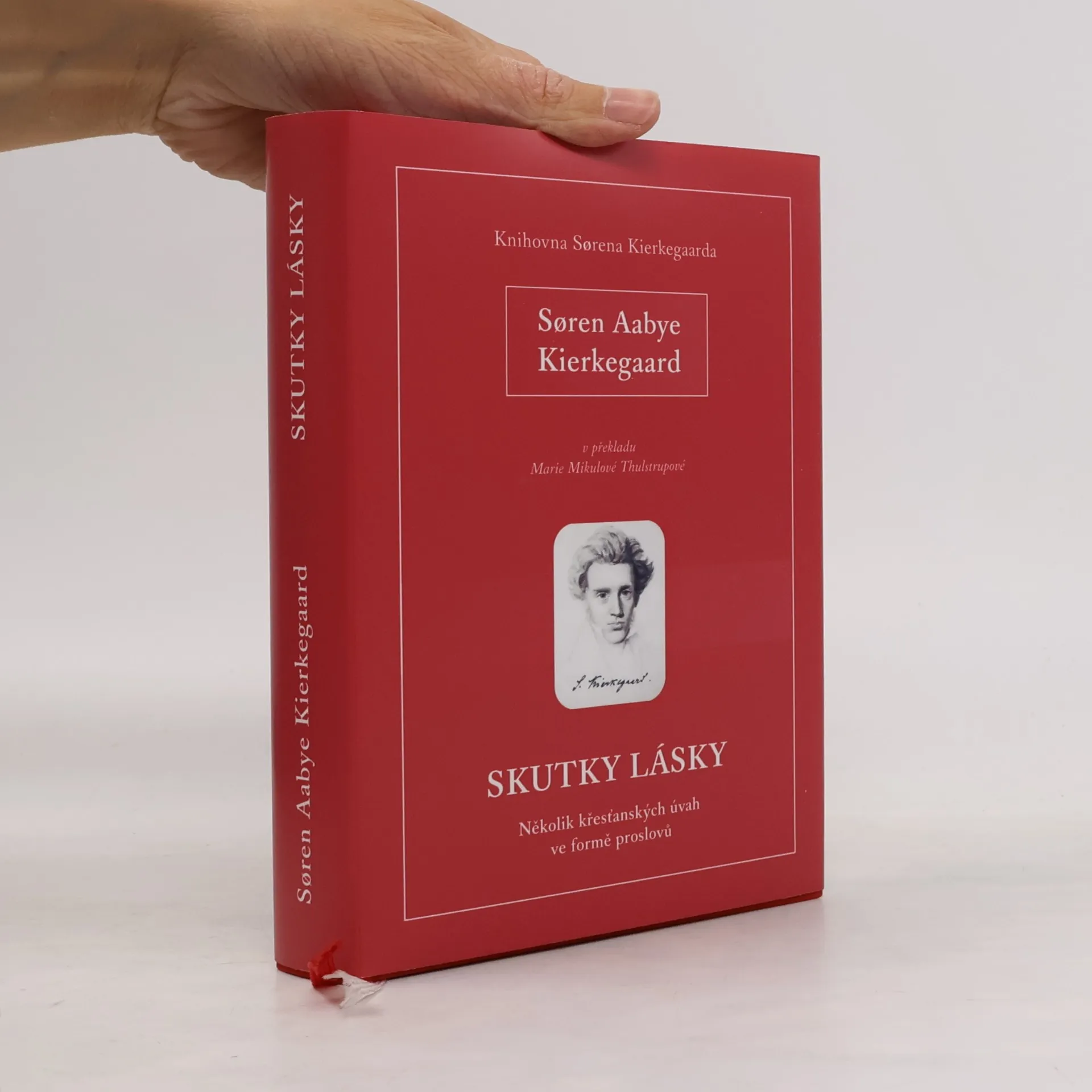
Skutky lásky
- 271pages
- 10 heures de lecture
Dílo proslulého dánského filosofa a náboženského myslitele 19. století (1813–1855), který bývá označován za předního představitele existencialismu a hlavního kritika dánské církve své doby, o charakteru a projevech lásky v Novém zákoně. Originální přímý přístup k novozákonnímu textu, který autor označoval jako „příručku pro ty, kdo mají být obětováni“, hledání osobního oslovení „poníženým Kristem“ a spontánní a osobně zaručované angažmá, to jsou základní východiska Kierkegaardova dvojdílného spisu.
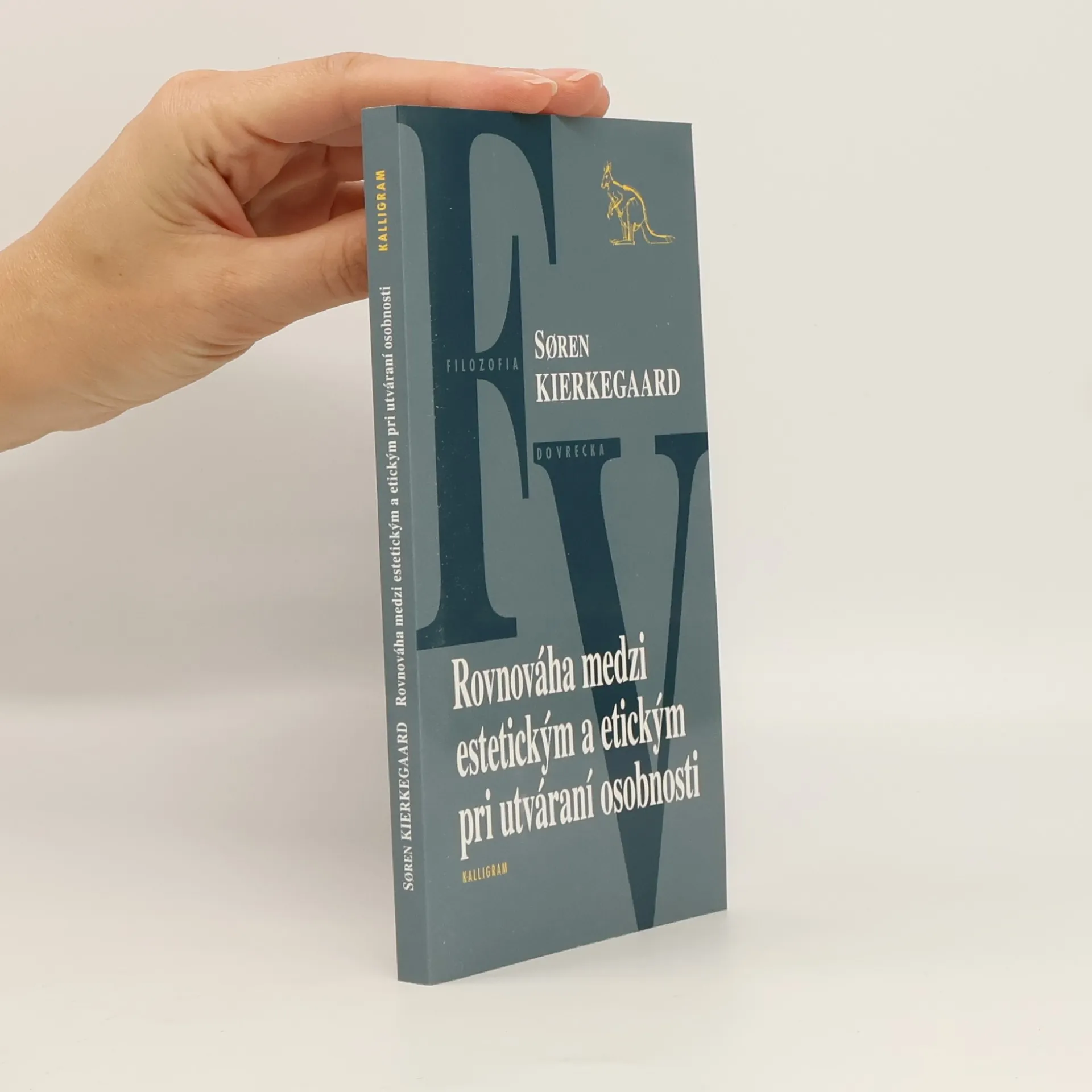
Rovnováha medzi estetickým a etickým pri utváraní osobnosti
- 208pages
- 8 heures de lecture
Ďalšie z diel veľkého dánskeho mysliteľa, predchodcu filozofie existencializmu, zachytáva proces utvárania subjektu, osobnosti a jej smerovanie k dokonalosti. Čitateľovi pred očami defilujú rozličné možnosti a spôsoby, ako sa stať naozajstnou osobnosťou, ako myslieť a žiť, ako si zvoliť tomuzodpovedajúci životný postoj a názor.
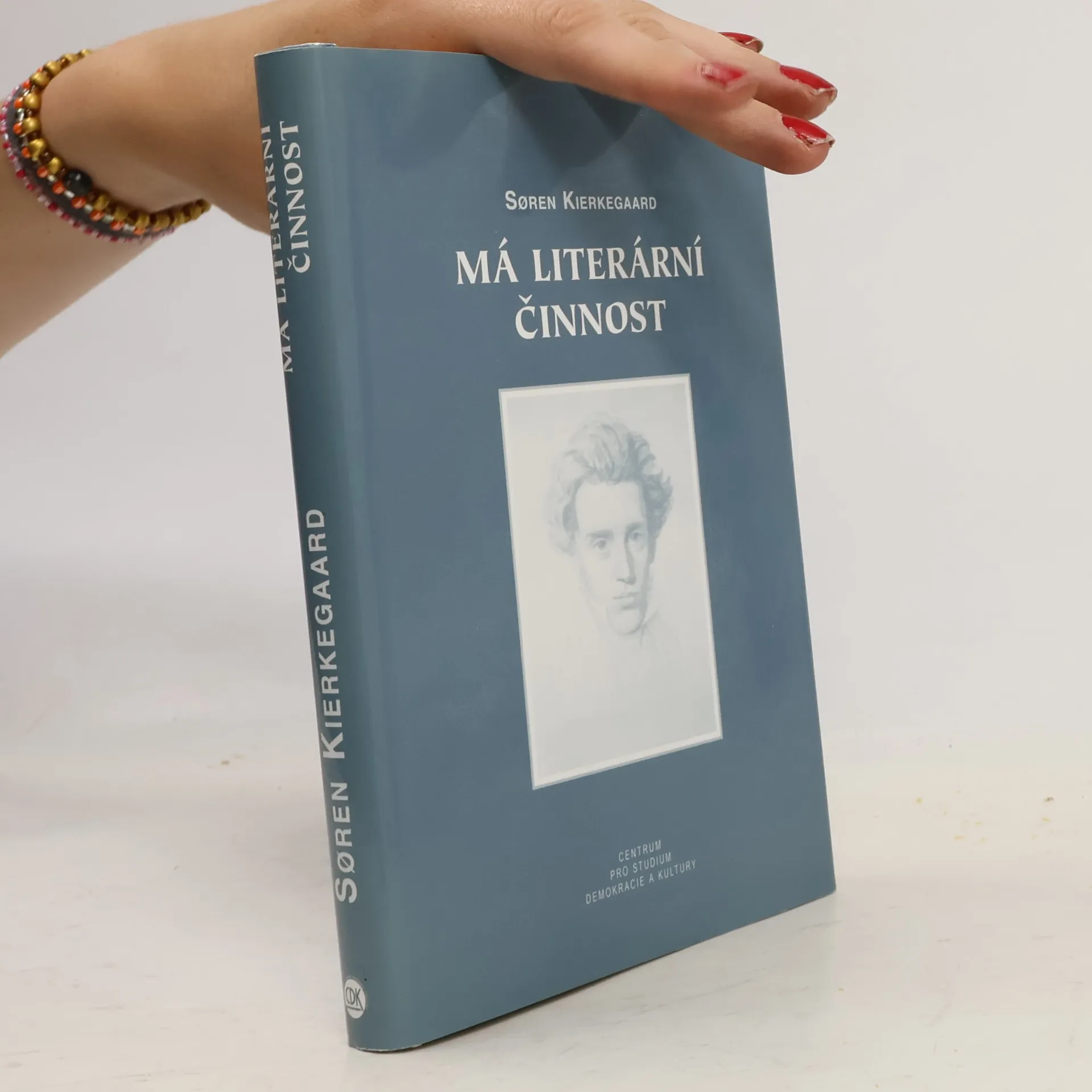
Souborné vydání pěti Kierkegaardových textů, jejichž společným tématem je autorova vlastní spisovatelská činnost: "Dobový trend v dánské literatuře" pojednává o Kierkegaardových pseudonymních dílech a usměrňuje nechápající kritiku, "Rozdíl mezi géniem a apoštolem" je zajímavou studií o autorově vlastním poslání, "Má spisovatelská činnost" popisuje pohyb v autorových sférách reflexe a vydává z něj počet, "Hledisko mé spisovatelské činnosti" je posthumně vydaný text, v němž se Kierkegaard svléká ze všech pseudonymů a otevřeně mluví o svém díle, a konečně Jedinec je doplněním předchozího titulu, objasněním, co pro autora "jedinec" znamená.
Výběr z bohaté sbírky Kierkegaardových deníků a tzv. Papírů sestavený překladatelkou Marií Mikulovou Thulstrupovou přibližuje českému čtenáři autorův privátní myšlenkový svět, a nabízí tak velice zajímavý kontext pro četbu a interpretaci jeho spisů. Kniha zahrnuje Kierkegaardovy filozofické a teologické názory, poznámky o antice a Sókratovi, komentáře k Schopenhauerovi, zápisky věnované otci, svědectví o bojích s žurnalisty, dále pak reflexe o biskupu Mynsterovi a úvahy o sobě samém. Velká část výběru patří Kierkegaardovým poznámkám o jeho vztahu ke snoubence Regině, s níž se rozešel kvůli své „těžkomyslnosti". Kniha jistě zaujme všechny čtenáře Kierkegaardova díla, ať už jej vnímají v prvé řadě jako filozofa, nebo jako křesťanského myslitele, neboť je vůbec prvním výborem z Kierkegaardových deníků a Papírů, který v českém jazyce vychází.
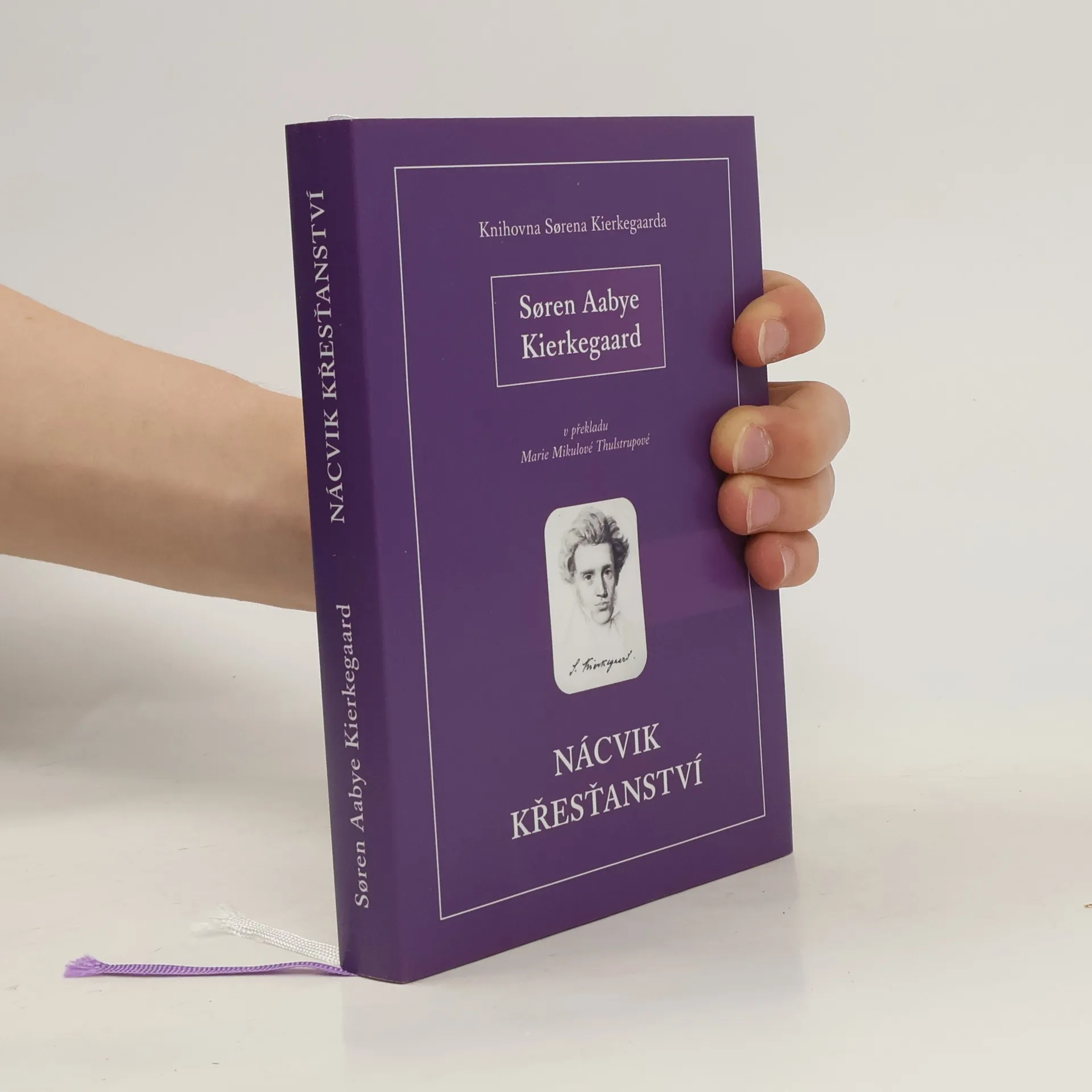
Kierkegaardův hlavní spis, psaný pod pseudonymem Johannes Anti-Climacus, zdůrazňuje nejvyšší idealitu křesťanství a začíná citací z Matouše 11, 28. Ten, kdo zve, není urozený, ale ponížený Ježíš, bůh bez domova. Křesťanství, chápané jako vítězství, je ve skutečnosti považováno za společenský zločin, a víra v pomoc od takového člověka může být absurdní a pohoršující. Možnost pohoršení je klíčovým předpokladem víry, paradoxem, který umožňuje skok ze světa klamu do křesťanství. Křesťanství, oddělené od pohoršení, není pravé křesťanství. Kierkegaard zdůrazňuje, že překonání pohoršení vírou je nezbytné pro skutečné následování Krista. Lidé se snaží vyhnout časnosti a zápasu o pravdu, přičemž pravda spočívá v každodenním úsilí o božství. Zápas není cílem, ale cestou, a bez této cesty ztrácí evangelium svůj smysl. Kierkegaard se později rozhodl vydat spis pod svým jménem, uvědomujíc si, že oficiální řád je neudržitelný. Útok na něj je absurdní, neboť opravovat řád znamená věřit v jeho legitimitu. Skutečný člověk, žijící božsky, se zdá lidem vyvyšovat, přičemž pravá víra v Boha je nejpodstatnějším zrušením oficiálního řádu. Kierkegaardův spis ukazuje, že pravda začíná v bytí, nikoli v poznání, a bez možnosti pohoršení není ani Život, ani Pravda.
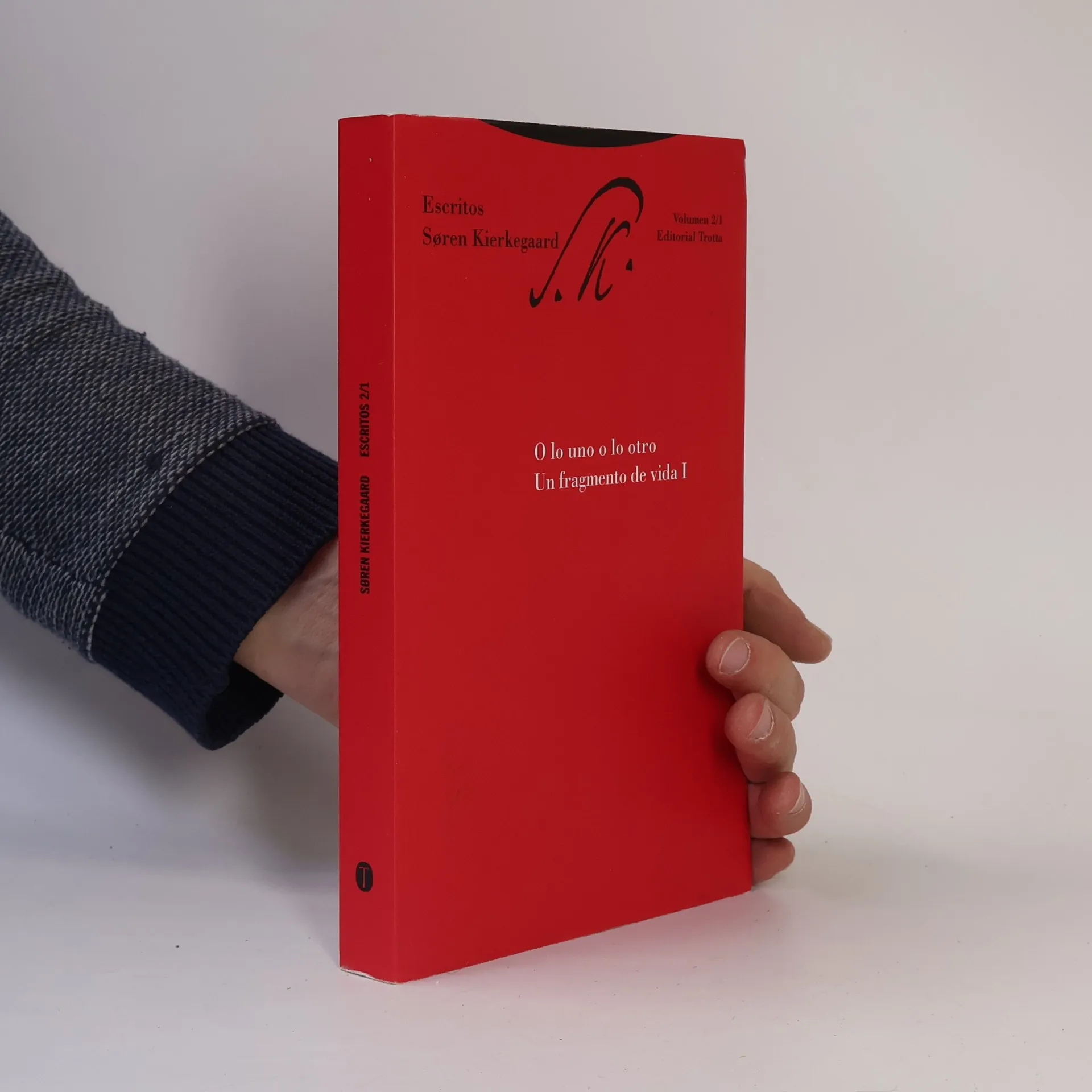
Escritos - 2/1: O lo uno o lo otro. Un fragmento de vida I
- 440pages
- 16 heures de lecture
O lo uno o lo otro (1843) es la primera obra publicada por Soren Kierkegaard, surgida tras su tesis Sobre el concepto de ironía. Con una estructura textual compleja, es considerada una de sus obras más destacadas, resultado de dieciséis meses de dedicación, aunque algunos materiales se elaboraron años antes. Publicada bajo el pseudónimo de Victor Eremita, marca el inicio de la carrera literaria de Kierkegaard. La obra presenta una disyunción existencial entre lo estético, que representa lo que un hombre es de inmediato, y lo ético, que define cómo un hombre se convierte en lo que es. La Primera Parte incluye tratados estéticos que comienzan con los aforismos Diapsálmata y continúan con ensayos sobre el erotismo musical, ejemplificado en Don Juan, y la tragedia griega en relación con la moderna, representada por Antígona. La sección culmina en el Diario de un seductor, que ofrece una visión del "esteta reflexivo", entendible solo a la luz de los escritos previos. Esta edición es la primera traducción íntegra y anotada de la obra para el lector hispanohablante.
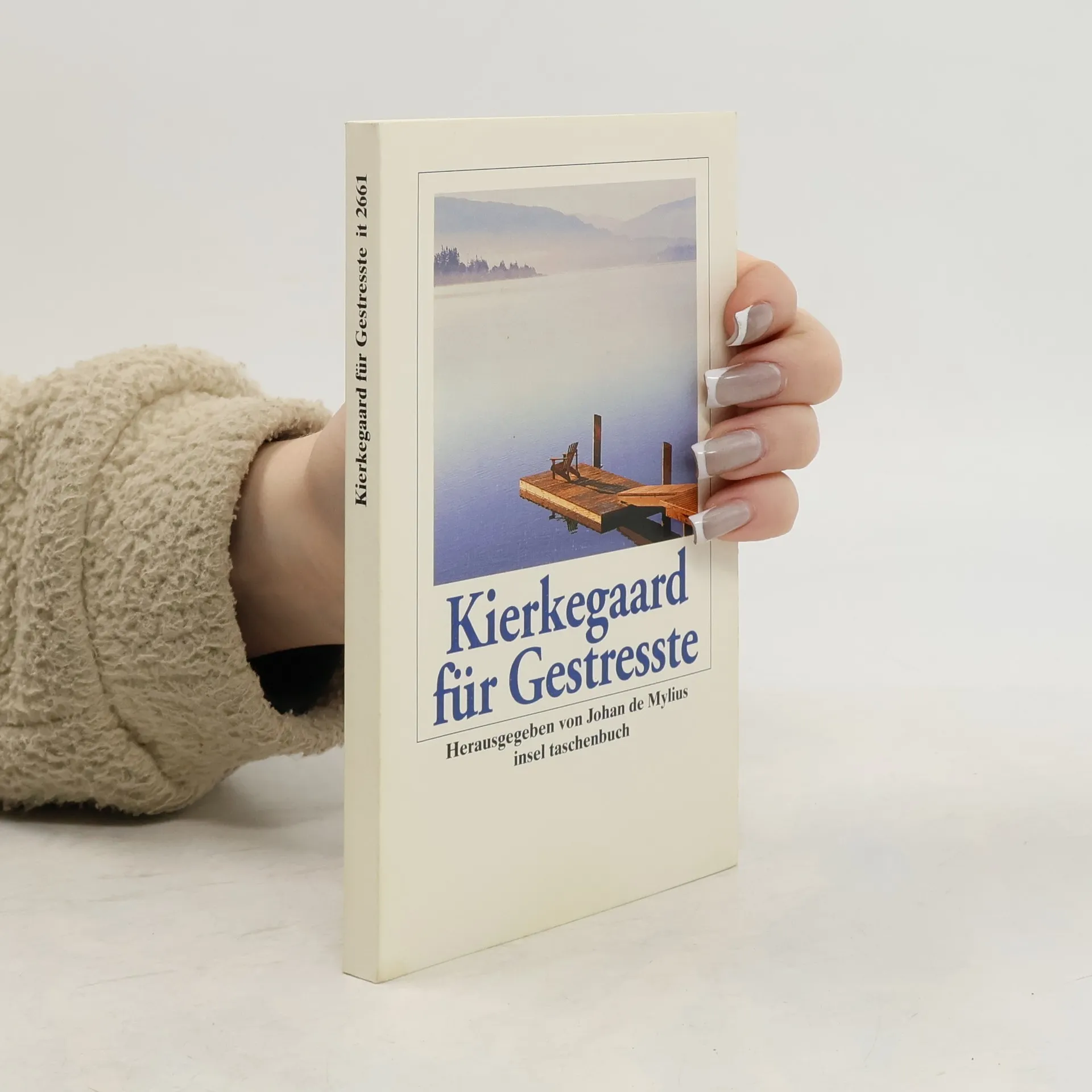
Kierkegaard für Gestresste
- 183pages
- 7 heures de lecture
»Leben kann man nur vorwärts.« Søren Kierkegaard gibt Anregungen zu den unterschiedlichsten Lebensbereichen wie Genuss, Natur, Liebe, aber auch Glaube und Ehe. Bis heute haben seine leuchtend klaren, amüsanten und zutiefst nachdenklichen Gedanken nicht an Aktualität verloren.
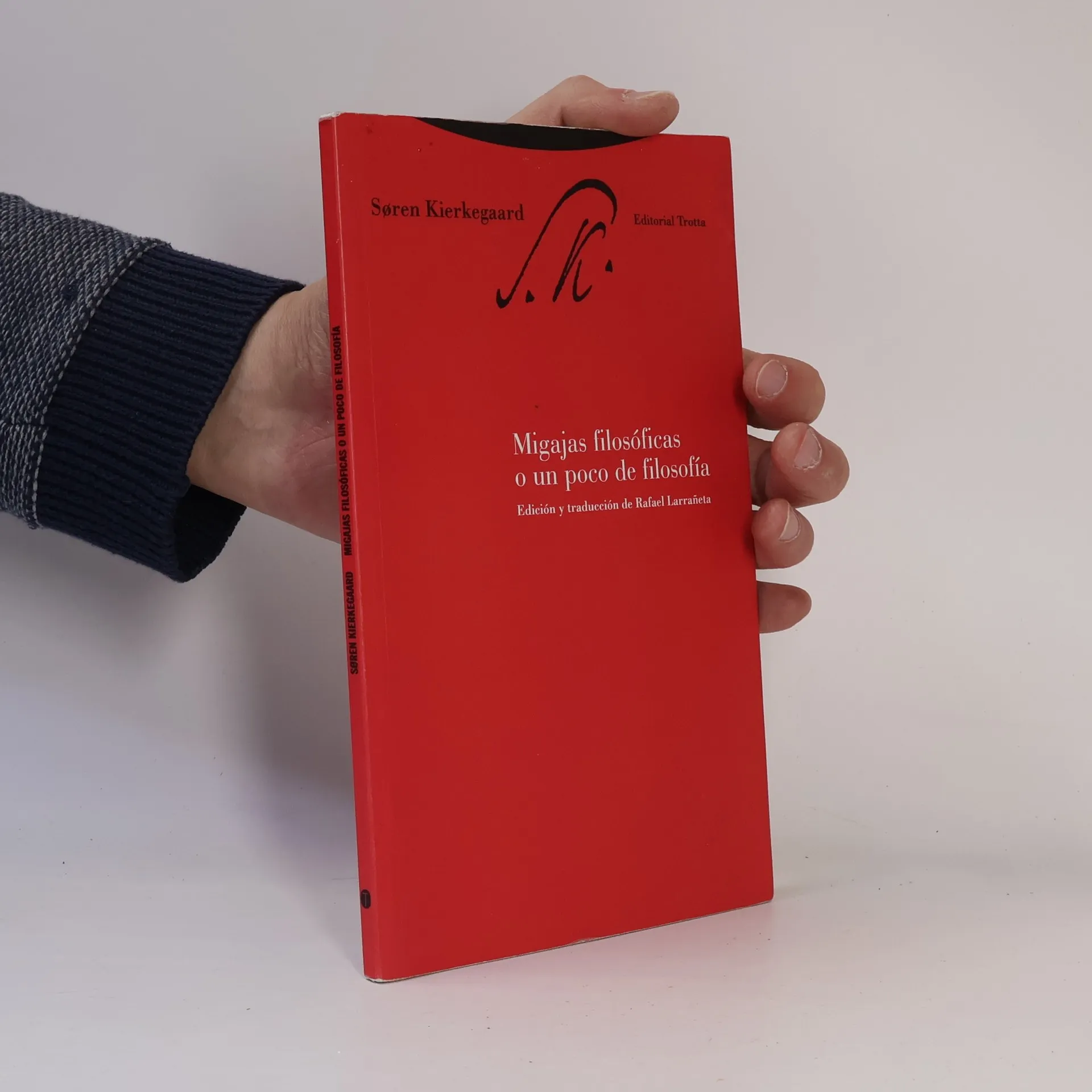
Migajas filosóficas o un poco de filosofía
- 113pages
- 4 heures de lecture
El segundo volumen de la obra completa de Kierkegaard reúne un profundo pensamiento filosófico y teológico, análisis psicológicos y vivas disertaciones religiosas. En los "Migajas filosóficas", que se publicaron un año después de "O lo uno o lo otro", se aborda la relación entre revelación e historia, fe y conocimiento, así como cristianismo y filosofía. Kierkegaard argumenta que el cristianismo no puede ser probado ni refutado de manera histórica o especulativa. Intenta construir, a través de un experimento mental, una fe en la revelación que se diferencia fundamentalmente de la religiosidad natural, desarrollando conceptos de una dogmática cristiana específica sin nombrar directamente al cristianismo. Al final, anuncia una continuación en la que desea nombrar el tema "por su verdadero nombre". La "Postdata no científica" de 1846 se convierte en más que una mera adición. En la primera parte, se vuelve a tratar la cuestión de si el cristianismo es verdadero, concluyendo Kierkegaard que esta pregunta es irrelevante para el creyente. La segunda parte se centra en el problema subjetivo: ¿cómo puedo establecer una relación con el cristianismo y cómo se convierte en verdad para mí? Con estos escritos, Kierkegaard ha descubierto el concepto de existencia de la actualidad y ha influido de manera significativa en la filosofía de la existencia y la teología dialéctica del siglo XX.
In 'Die Wiederholung' hat Kierkegaard sich in zwei Personen aufgespalten: den Verfasser Constantin Constantius und einen 'jungen Menschen', der die Liebesqualen des jungen Kierkegaard durchlebt. Constantin, ein älterer Einsiedler, steht dem Leben und Frauen mit skeptischer Distanz gegenüber. Der geheime Dialog mit Regine, bekannt aus 'Entweder-Oder', wird hier fortgesetzt. Constantin reist zweimal nach Berlin, um nach der Auflösung seiner Verlobung die Spuren hinter sich zu lassen und herauszufinden, auf welchen Existenzebenen eine Wiederholung möglich ist. Dabei stellt er fest, dass sie im weltlichen Dasein nicht möglich ist. 'Die Krise und eine Krise im Leben einer Schauspielerin' widmet sich Johanne Louise Heiberg. Die lateinische Unterschrift 'Inter et Inter' bedeutet: In den Theaterpausen, aber auch in den Ruhepausen zwischen den Entwicklungsstadien des Schauspielers. Die Schriften Sören Kierkegaards, als Bände 21-25 der Reihe eva-Taschenbücher veröffentlicht, sind ein Nachdruck der in den sechziger Jahren erschienenen Auswahl. Diese Werke sind in der als beste bekannten Übersetzung zugänglich, ergänzt durch Glossar, Bibliographie und einen Essay von Liselotte Richter, der das Verständnis des Werkes erleichtert.
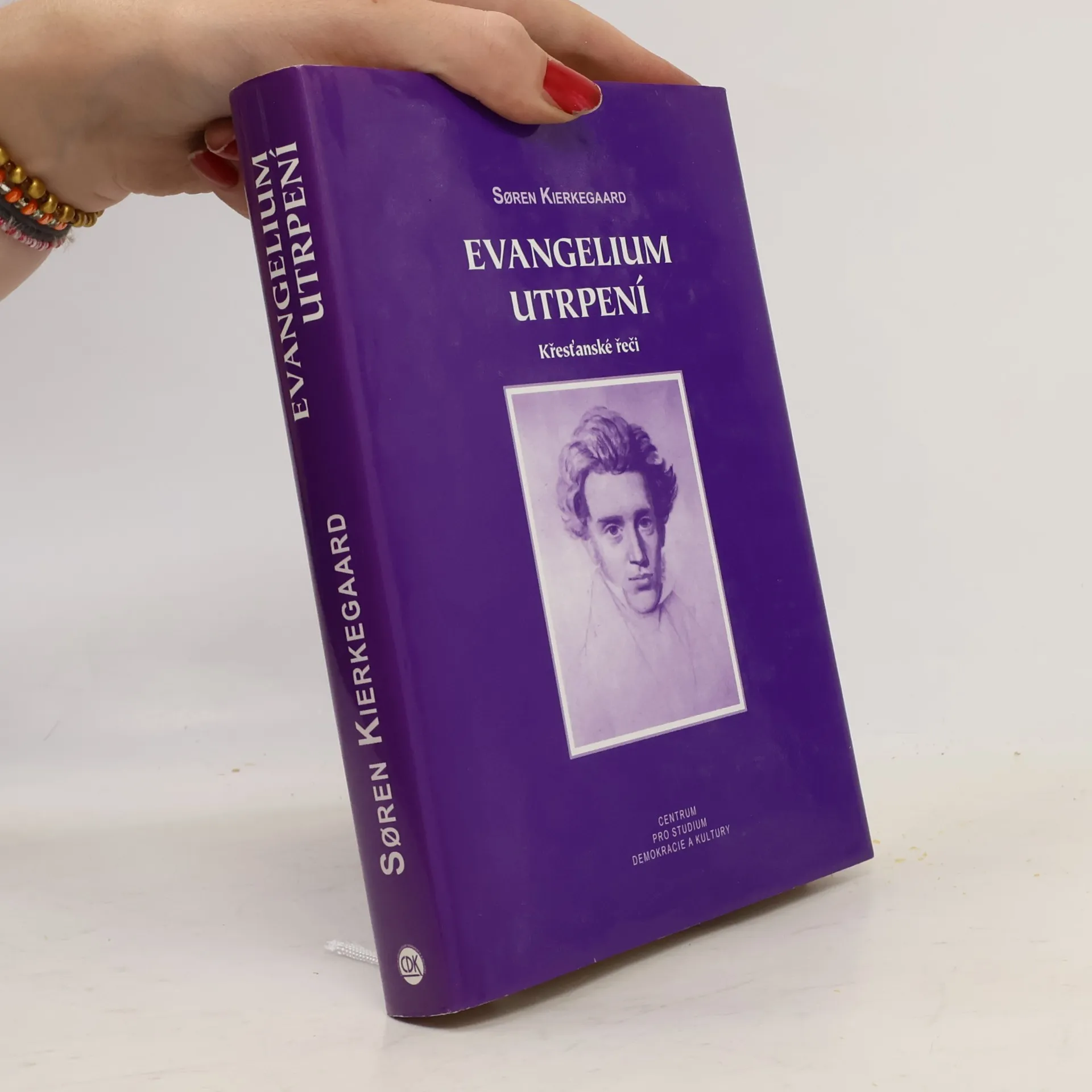
Pod souborným názvem Evangelium utrpení vycházejí čtyři kratší Kierkegaardovy spisy. První z nich přináší analýzu utrpení, jimiž musí každý věřící projít, neboť jsou mu Novým zákonem předurčena. Křesťan má následovat Krista, nést svůj kříž a činit tak, aby byl jeho břemeno lehké. Víra vyžaduje poslušnost a uvědomění si, že trpíme jako viníci, avšak utrpení je překonáno věčností, která převyšuje veškerou bolest. Kierkegaard kritizuje církev, která se spoléhá na boží milost a zanedbává přípravu na věčnou blaženost v bázni a chvění. V dílku Starosti pohanů Kierkegaard porovnává "starosti" různých bytostí — rostlin, zvířat, nevěřících a věřících — a zkoumá starosti spojené s chudobou, nadbytkem, povýšeností a bezradností. Spis Ladění v zápasech utrpení se zaměřuje na paradoxní radost, kterou křesťané nacházejí v utrpení, jako je radost z jedinečnosti utrpení a naděje, kterou přináší. Myšlenky, jež raní zezadu, jsou určeny křesťanům a pojednávají o jejich pokušeních a nedorozuměních. Kierkegaard se zamýšlí nad smyslem chození do kostela, vzdáním se pozemských věcí a nesmrtelností. Text končí krásným kontrastem mezi jeho obdivem k Sókratovi a vírou v Krista.
Kierkegaard zum Vergnügen
Logik und Ethik
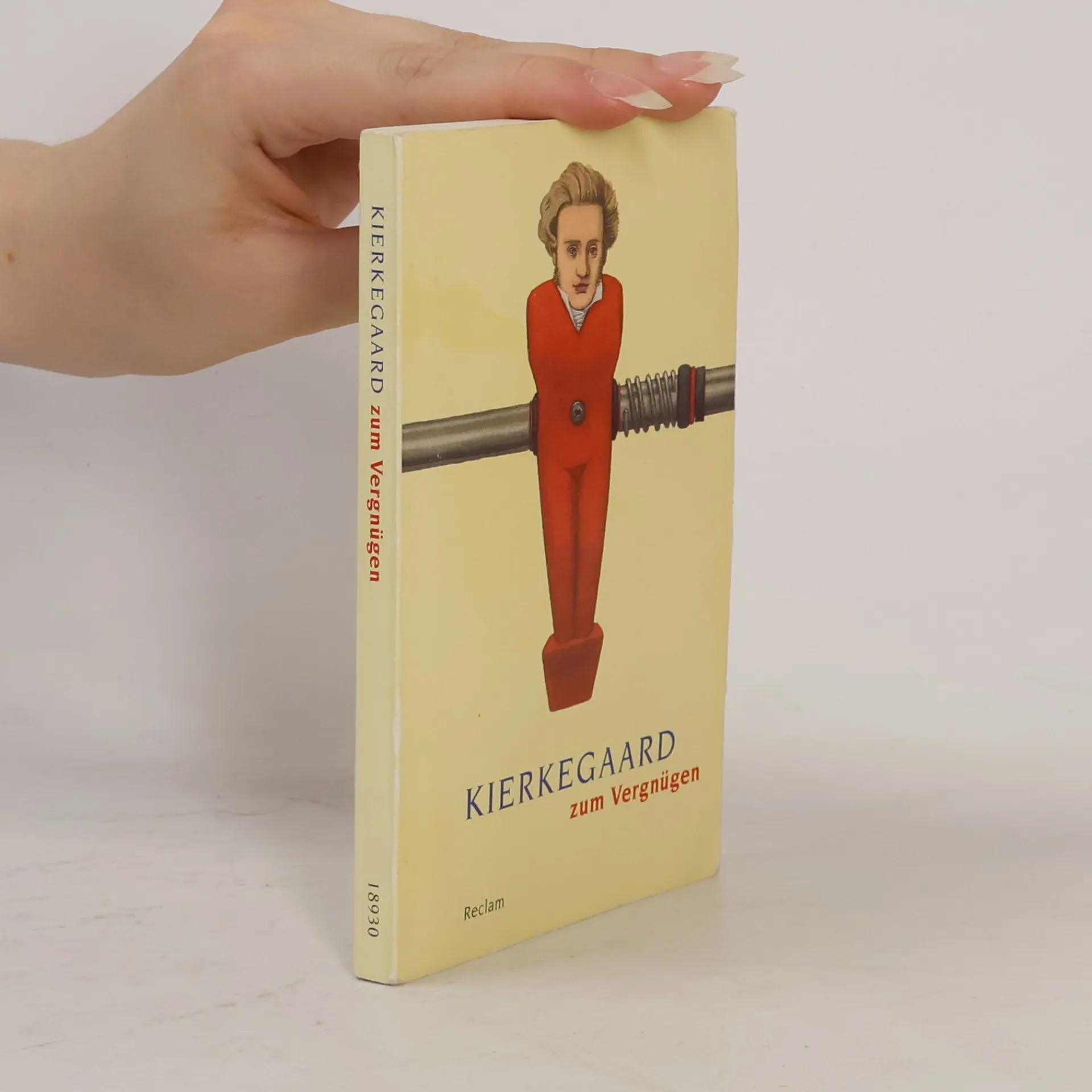
Kierkegard zum Vergnügen? Ist das nicht ein Widerspruch in sich? Weit gefehlt: Seine Wortspiele, ironischen Verdrehungen und sein verzweigtes Maskenspiel machen seine Texte, die in den verschiedensten literarischen Gattungen sich tummeln, durchaus zu einem Vergnügen: »Heirate, du wirst es bereuen; heirate nicht, du wirst es auch bereuen; heirate oder heirate nicht, du wirst beides bereuen; entweder du heiratest oder du heiratest nicht, du bereust beides.«
Abschliessende unwissenschaftliche Nachschrift zu den Philosophischen Brocken
- 355pages
- 13 heures de lecture
In dieser Schrift fasst Kierkegaard die theologischen und philosophischen Ansätze seiner bisherigen Werke zusammen, wobei der Konflikt zwischen christlichem Glauben und wissenschaftlichem Denken im Mittelpunkt steht. Der unter dem Pseudonym Climacus auftretende „Verfasser“ der „Philosophischen Brocken“ hat bereits versucht, diesen Konflikt zu beleuchten. Besonders ausführlich wird das Konzept des „Paradoxes“ behandelt, das als zentrale Aussage des christlichen Glaubens gilt. Die Interpretation wird erschwert, da Climacus als ungläubiger Verstand den Glaubensfragen distanziert gegenübersteht, jedoch ein leidenschaftliches Interesse an ihnen zeigt. Seine ironische Behandlung der Versuche hegelischer Philosophen, das Christentum in ihr System einzuordnen, verdeutlicht seine kritische Haltung. Die Schrift ist ein zentrales Dokument von Kierkegaards Auseinandersetzung mit dem Hegelianismus und der zeitgenössischen Theologie. Wichtige Leitgedanken wie das „Absurde“, der „Einzelne“, die „Subjektivität“ und die „Existenz“ werden ausführlich entwickelt. Zudem wird das System der „Existenzsphären“ religiöser Entwicklung vertieft, einschließlich der ästhetischen, ethischen und paradox-religiösen Sphären sowie der Unterscheidung zwischen endlichem und ewigem Ethos. Diese Schrift hat einen starken Einfluss auf die Existenzphilosophie ausgeübt und fordert den Leser auf, zwischen Climacus’ Skepsis und Kierkegaards eigener Überzeugung zu diff
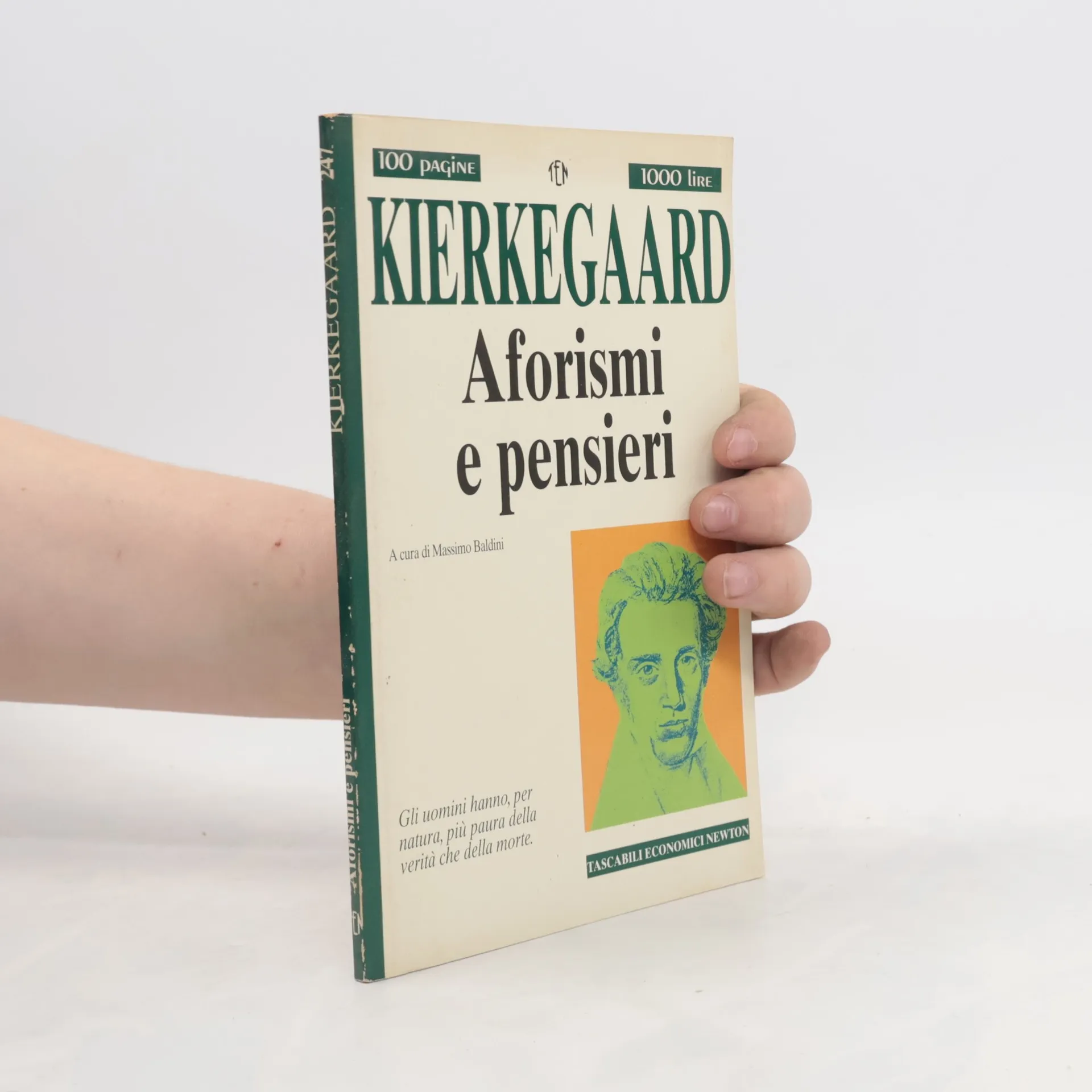
Tascabili economici - 247: Aforismi e pensieri
- 100pages
- 4 heures de lecture
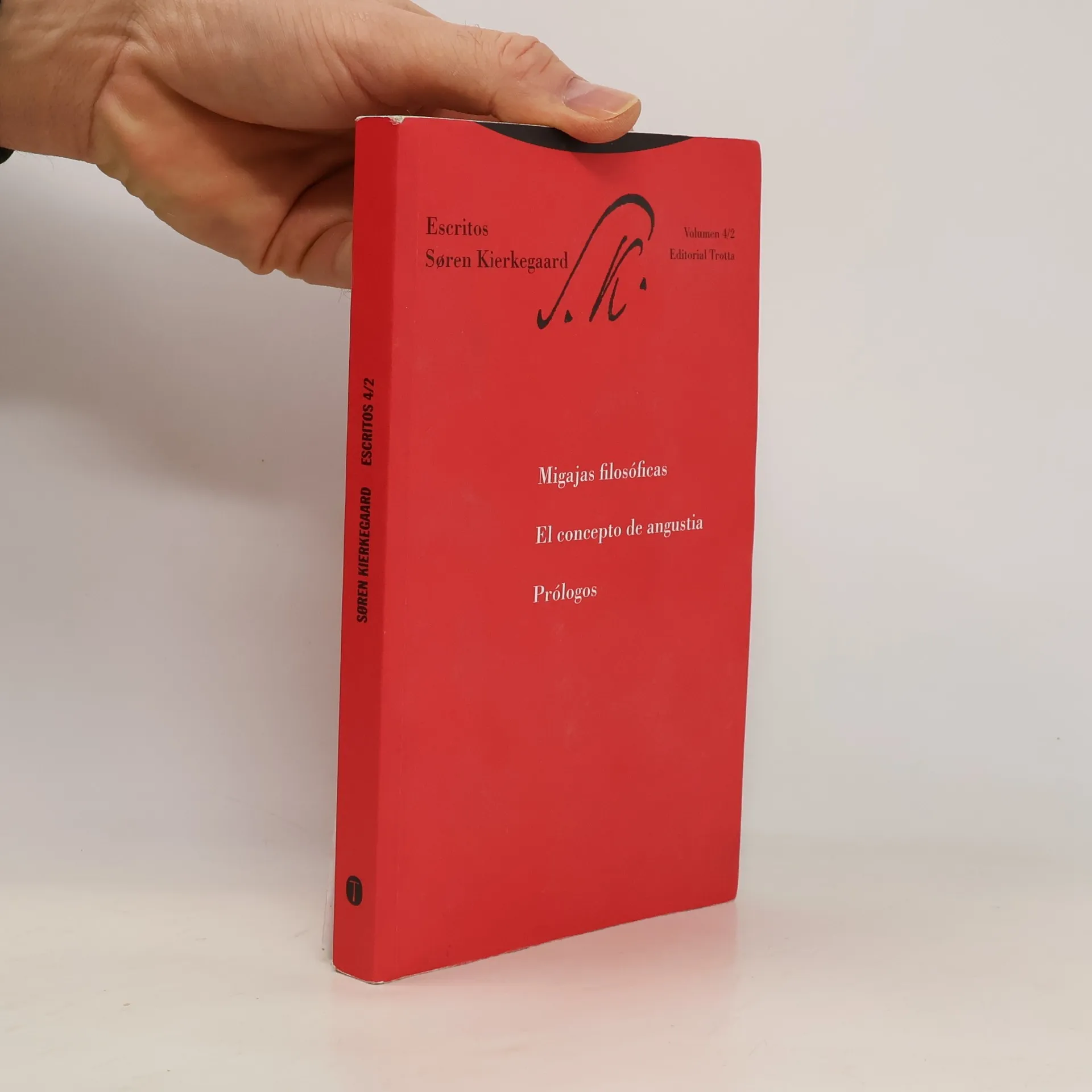
Escritos - 4/2: Migajas filosóficas. El concepto de angustia. Prólogos
- 360pages
- 13 heures de lecture
En 1844, un año prolífico para Søren Kierkegaard, se publican tres escritos que presentan una notable heterogeneidad estilística y temática, firmados bajo tres pseudónimos: Johannes Climacus, Vigilius Haufniensis y Nicolaus Notabene. En "Migajas filosóficas", Climacus examina las limitaciones del pensamiento filosófico en la búsqueda de la verdad individual, enfocándose en el aprendizaje representado por la mayéutica socrática y el cristianismo. "El concepto de angustia" aborda la relación entre la angustia psicológica y el pecado hereditario, describiendo la angustia como una "antipatía simpatética". Kierkegaard señala que la angustia es un poder extraño que se apodera del individuo, quien, aunque teme, también desea lo que le causa angustia. Por último, "Prólogos" refleja el interés de Kierkegaard en esta forma literaria, presentando ocho prólogos a libros inexistentes y un prólogo inicial que aboga por la emancipación del texto "prologal" en su ambigüedad, permitiendo "tratar sobre nada". Estos escritos ofrecen una profunda exploración de la verdad, la angustia y la naturaleza del texto, revelando la complejidad del pensamiento de Kierkegaard.
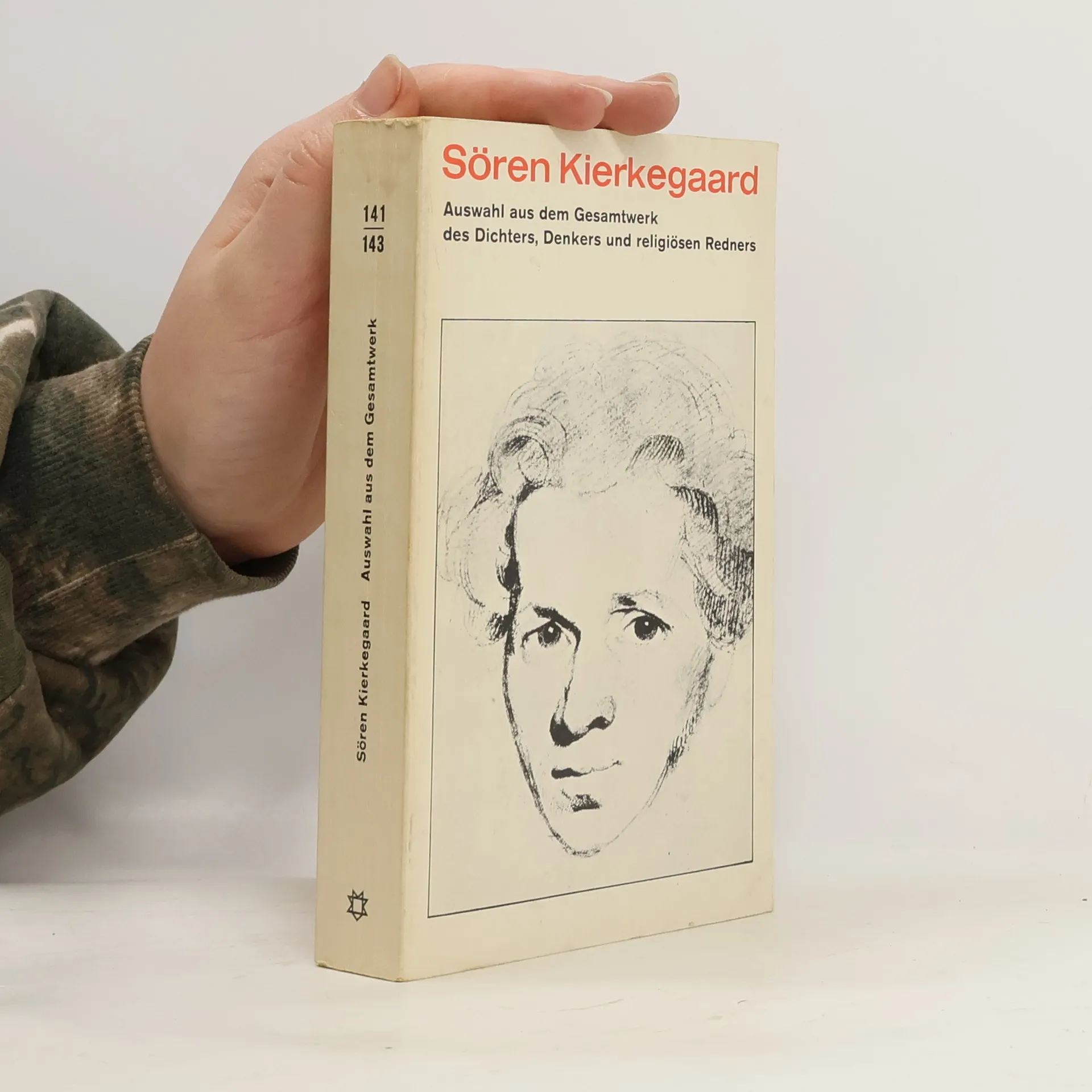
Sören Kierkegaard
Auswahl aus dem Gesamtwerk des Dichters, Denkers und religiösen Redners
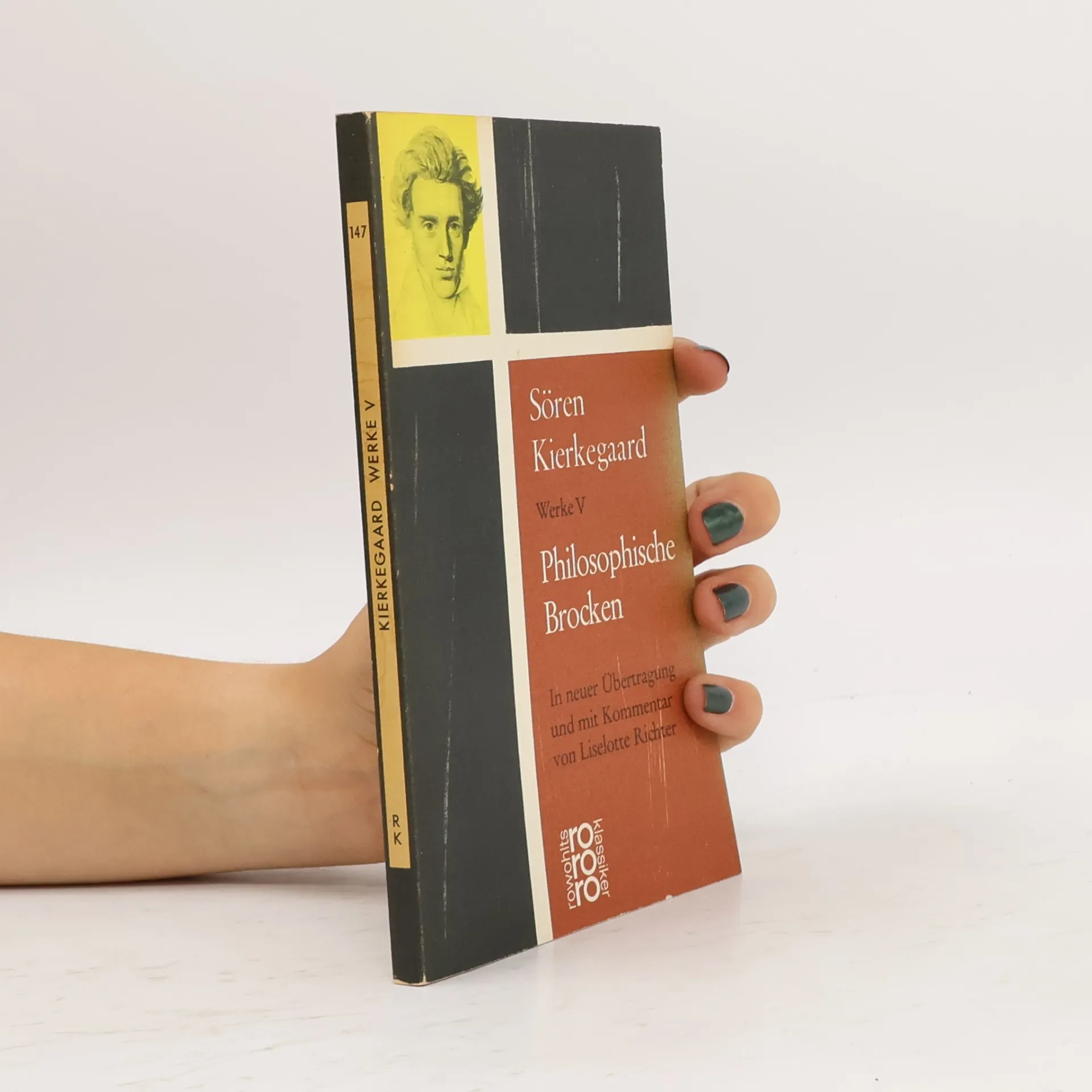
Filosofické drobty aneb trocha filosofie
- 136pages
- 5 heures de lecture
Filosofické drobky patří ke Kierkegaardovým nejvýznamnějším dílům, mimo jiné i proto, že obsahují většinu základních pojmů jeho myšlení. Fiktivním autorem textu je Johannes Climacus a jeho úvahy se točí kolem otázky poznání věčné (tedy ne historické) pravdy. Své pojednání nazývá „myšlenkovým projektem“ neboli experimentem. Ten spočívá v rozvinutí hypotézy, jak by tomu bylo, kdyby poznání věčné pravdy probíhalo jinak, než jak předpokládá Sókratés. K závěru, že alternativou je křesťanská víra, se Climacus dopracuje až po vyloučení možnosti, že by analyzovaný hypotetický způsob poznání mohl být metodou filosofickou nebo historickou. Autor křesťanství přímo neobhajuje, volbu mezi sókratovskou a křesťanskou alternativou nechává na čtenáři. Přitom ukazuje, že důsledný myslitel nemůže dojít ke třetí, hegelovské alternativě, která tehdy v dánské filosofii i teologii převládala a vycházela z předpokladu, že věčná pravda prodělává historický vývoj a že tento vývoj lze postupně rozumově poznat.
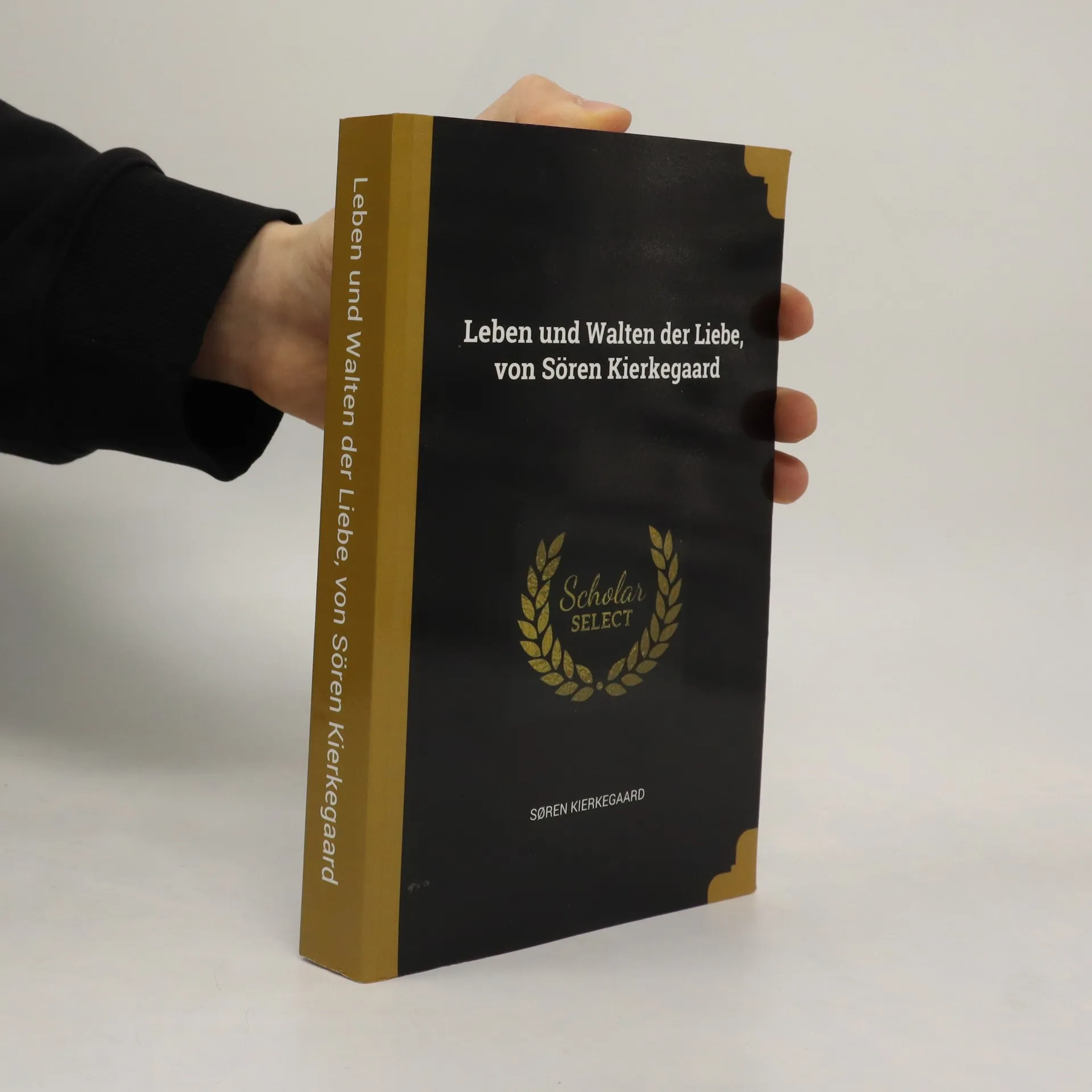
Leben Und Walten Der Liebe, Von Sören Kierkegaard
- 538pages
- 19 heures de lecture
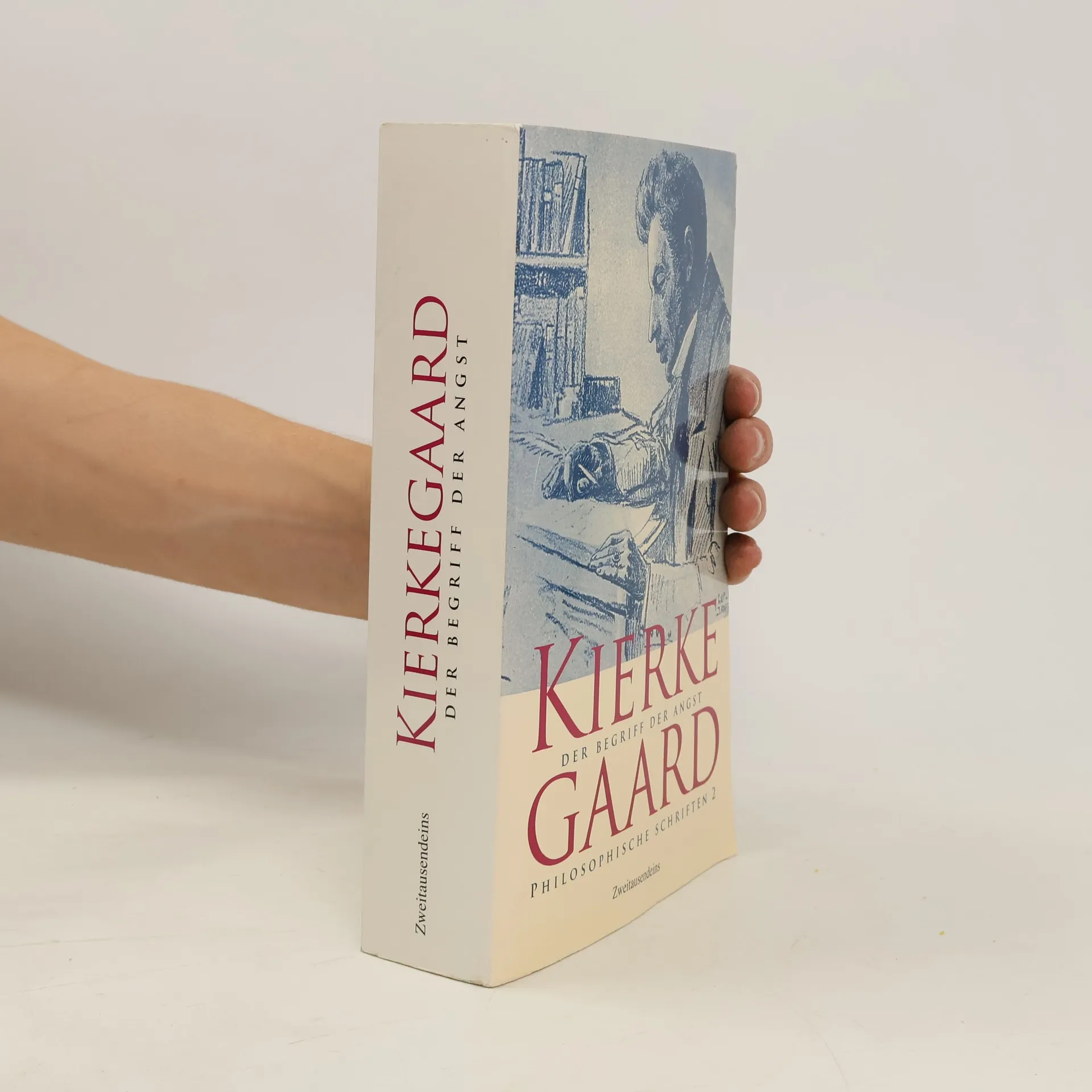
Philosophische Schriften 2
- 1145pages
- 41 heures de lecture
Mit verblüffendem Spürsinn entdeckte Kierkegaard einige der seelischen Grundströmungen des 20. Jahrhunderts und wurde so zum Vordenker der Existenzialisten und Psychoanalytiker. Sein 1844 erschienenes Buch „Der Begriff der Angst“ gilt als eines der Schlüsselwerke für die Tiefenpsychologie wie für die moderne Philosophie. Aus dem Inhalt: Die Krankheit zum Tode, Der Begriff der Angst, Der Gesichtspunkt für meine Wirksamkeit als Schriftsteller u.a.