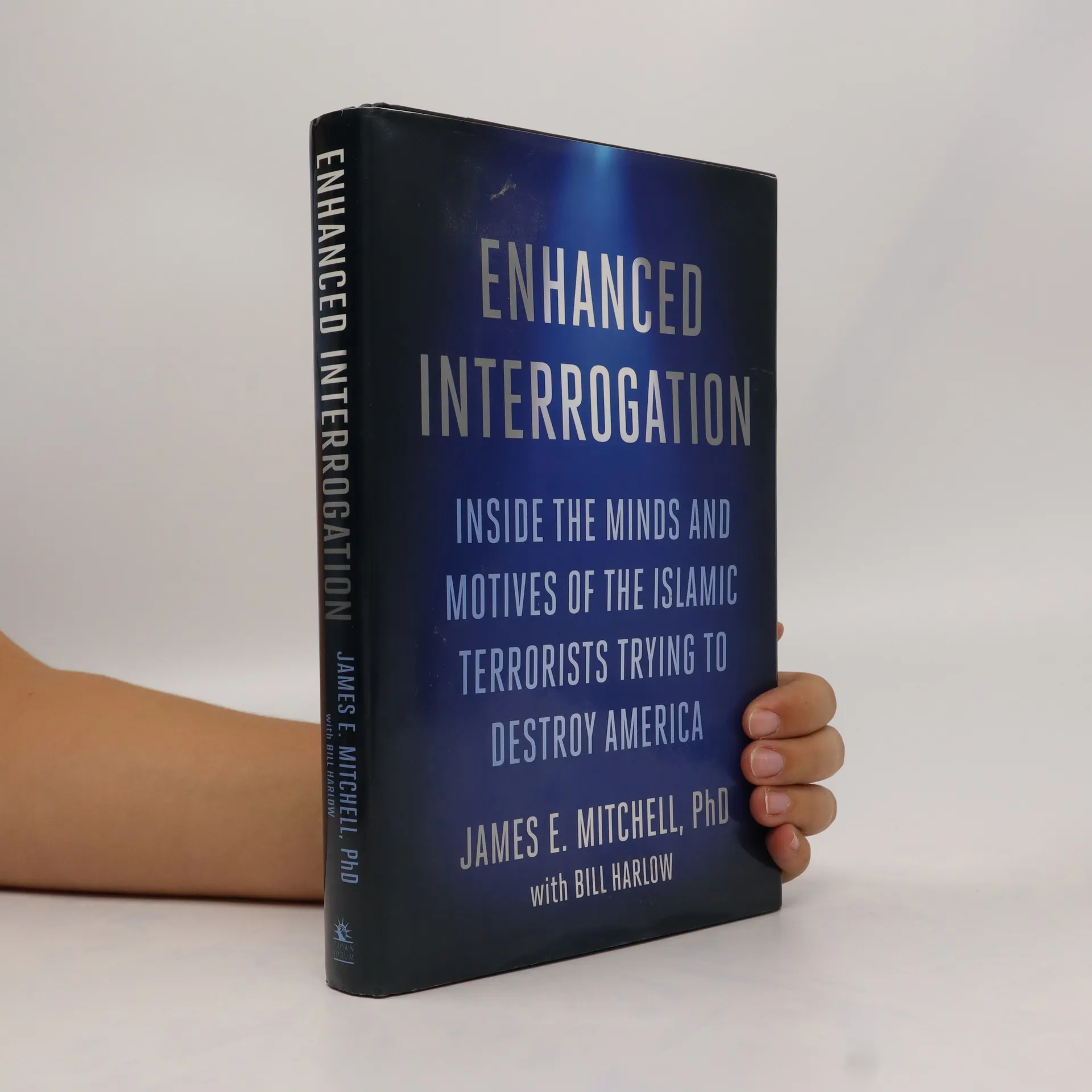
"The creator of the CIA's controversial Enhanced Interrogation Program provides a dramatic firsthand account of the design, implementation, flaws and aftermath of the program, including personally interrogating 9/11 mastermind Khalid Sheikh Mohammed and learning from America's enemies what we need to know to win the continuing struggle against global jihad"--
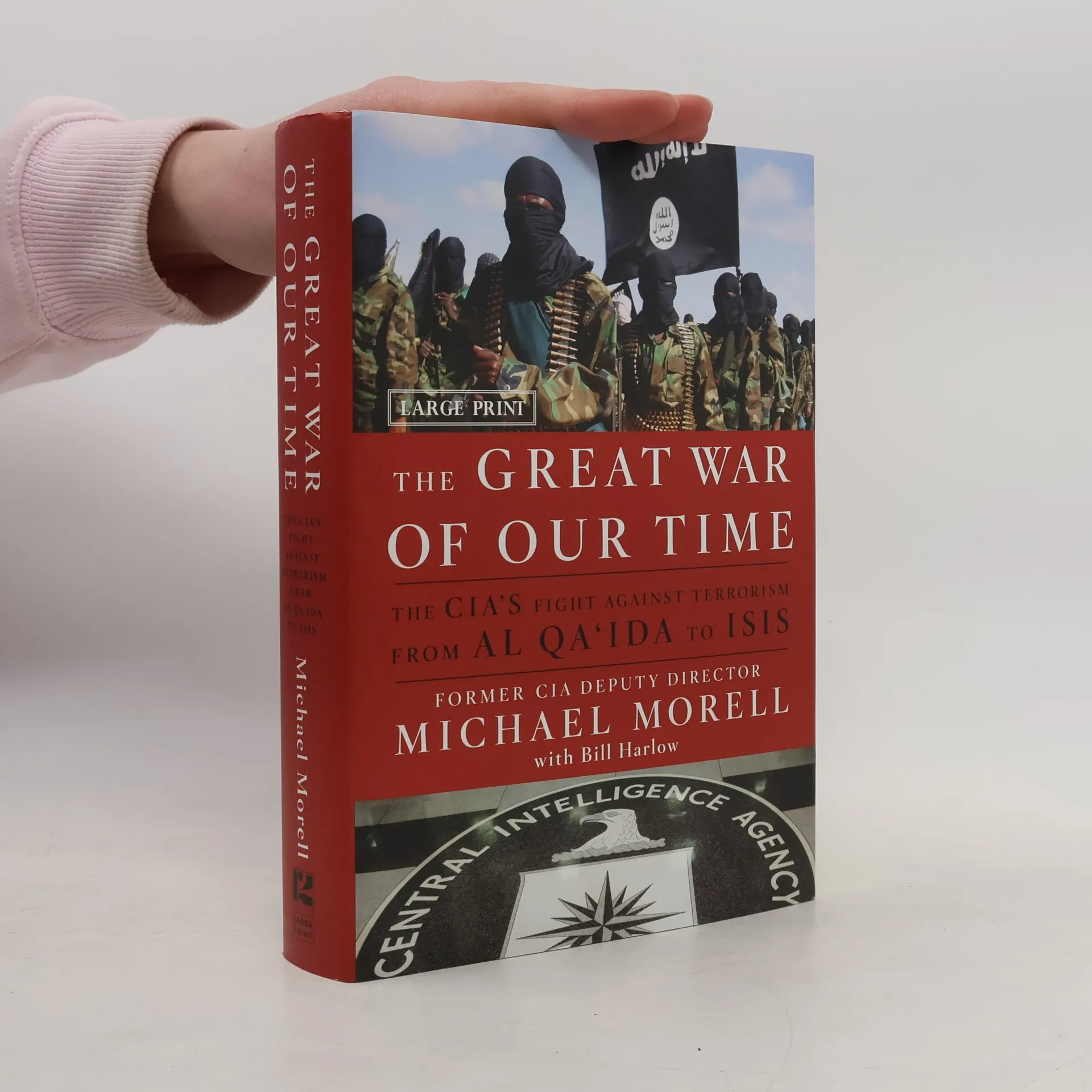
The CIA's Fight Against Terrorism--From al Qa'ida to ISIS - Large Print
544pages
20 heures de lecture
THE GREAT WAR OF OUR TIME offers an unprecedented assessment of the CIA while at the forefront of our nation's war against al-Qa'ida and during the most remarkable period in the history of the Agency. Called the "Bob Gates of his generation," Michael Morell is a top CIA officer who saw it all--the only person with President Bush on 9/11/01 and with President Obama on 5/1/11 when Usama Bin Laden was brought to justice. Like Ghost Wars , S ee No Evil , and At the Center of the Storm , THE GREAT WAR OF OUR TIME will be a vivid, newsmaking account of the CIA, a life of secrets and a war in the shadows.
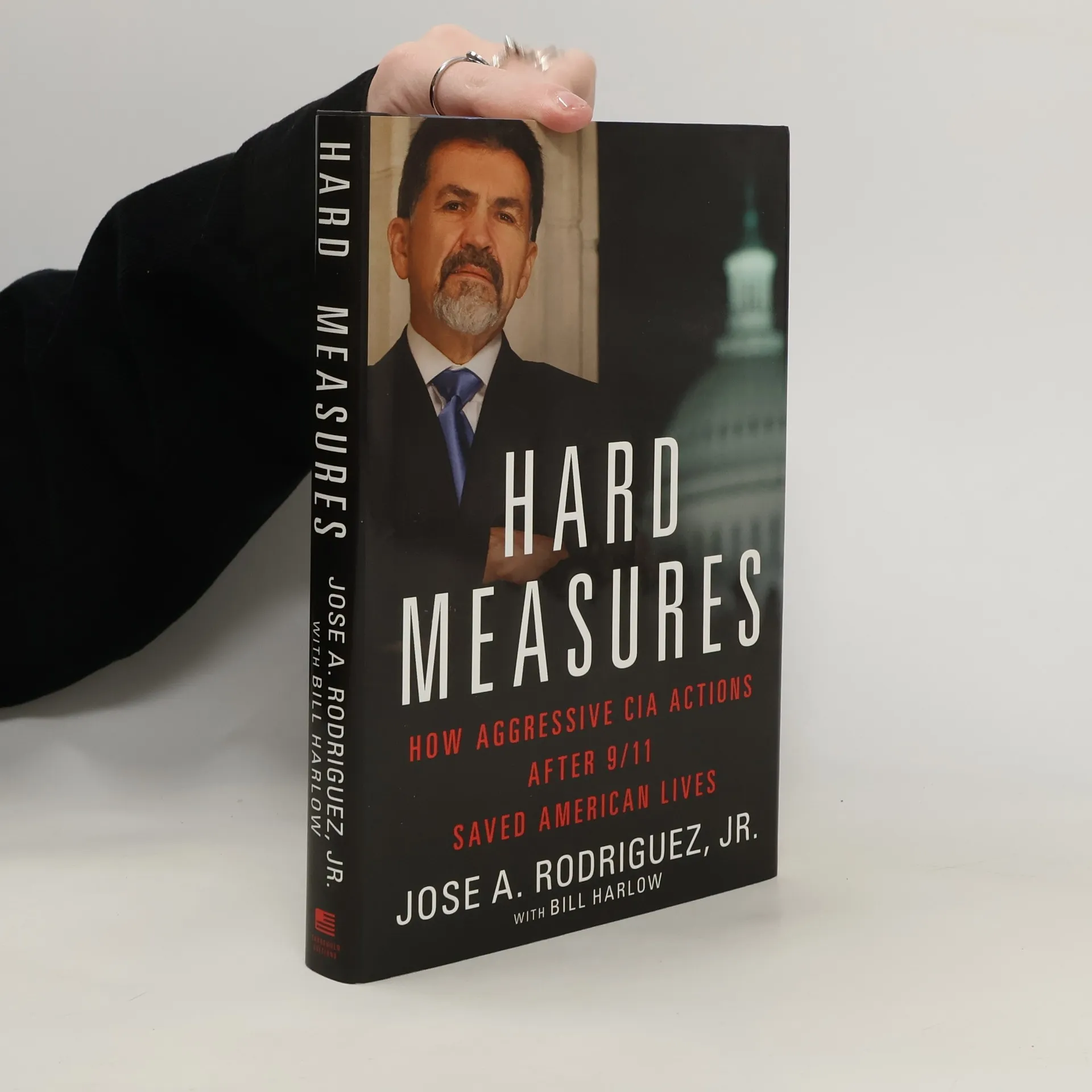
How Aggressive CIA Actions After 9/11 Saved American Lives
288pages
11 heures de lecture
While the American public is aware of the CIA’s controversial “enhanced interrogation techniques,” few know the man who led U.S. counterterrorism operations post-September 11—Jose A. Rodriguez, Jr. A Puerto Rican-born undercover officer with twenty-five years of experience, Rodriguez oversaw procedures that yielded vital intelligence and helped protect the nation from future attacks. In this gripping account, he reveals the undercover operations and tactics used during the George W. Bush presidency, which were sanctioned by the highest levels of government and supported by bipartisan congressional oversight. However, as the initial shock of 9/11 faded, political correctness undermined the intelligence community, leading to the abandonment of essential tools in the fight against terrorism. Rodriguez and his colleagues faced second-guessing and investigations, effectively disarming the U.S. in the war on terror. He argues convincingly for the necessity of these techniques, detailing how they contributed to capturing key terror operatives, including Usama bin Laden. His journey from law student to America’s top spy offers a rare insider’s perspective on a critical issue, making a reasoned case for hard measures in combating terrorism. Intelligence work, he explains, is akin to assembling a million-piece puzzle without a reference image, requiring careful analysis of fragmented information to address real threats.
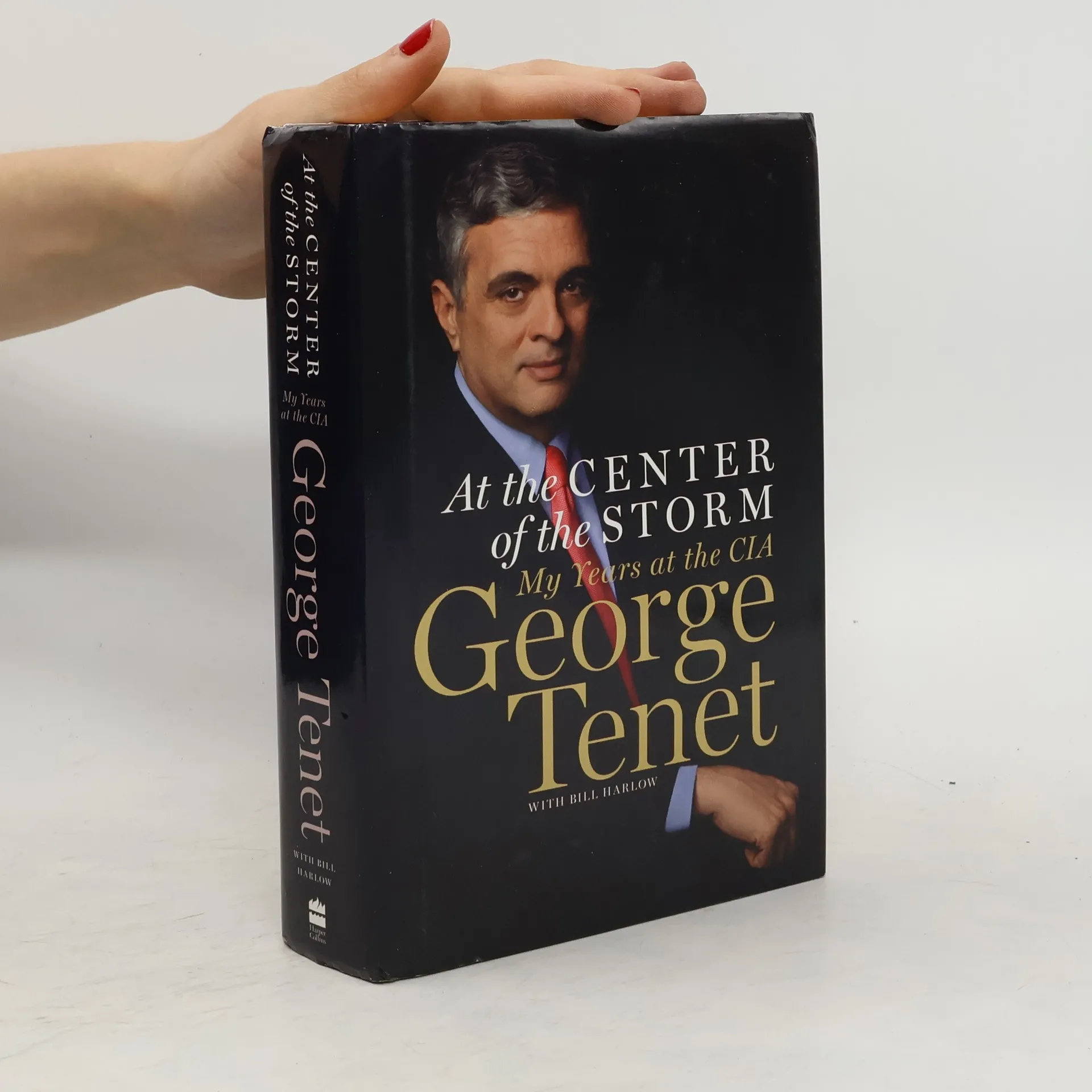
In the aftermath of 9/11 and the Iraq war, one man's crucial perspective has been notably absent. Candid and gripping, this account recounts George Tenet's tenure at the CIA, providing an insightful look at the agency during tumultuous times. With unique access to top government officials and raw field intelligence, Tenet sheds light on the CIA's efforts to defend the nation against emerging threats and untangles the events leading to 9/11. He shares his experiences as Director of Central Intelligence since 1997, detailing his declaration of war on al Qaeda, covert operations in Afghanistan, and urgent warnings to the White House in the summer of 2001. He also outlines the swift counterattack plan against al Qaeda established just days after the attacks. The narrative shifts to the Iraq war, where Tenet offers dramatic insights into the invasion's lead-up, including the controversy surrounding the "sixteen words" in the president's 2003 State of the Union address and the context of his "slam dunk" comment on Saddam's WMD program. He clarifies the CIA's role in an administration eager for war, presenting a nuanced view of recent history. Throughout, Tenet reveals a self-portrait of a man navigating the complexities of intelligence, decision-making, and personal conscience during a national crisis.