
The Art of Voice
- 176pages
- 7 heures de lecture
An award-winning poet, teacher and champion of poetry (New York Times) demystifies the elusive element of voice.
Les années de formation d'Anthony Dey Hoagland se sont déroulées sur diverses bases militaires du Sud, façonnées par la carrière de son père médecin de l'armée. Son riche parcours éducatif a inclus des étapes au Williams College, à l'Université de l'Iowa et à l'Université de l'Arizona, où il a obtenu son MFA. Avant de se consacrer pleinement à l'écriture, Hoagland a embrassé une gamme variée d'expériences, du travail agricole dans le Nord-Ouest à la vie en communauté. Il a ensuite contribué au monde littéraire en enseignant l'écriture créative à l'Université de Houston, cultivant ainsi de nouvelles voix.
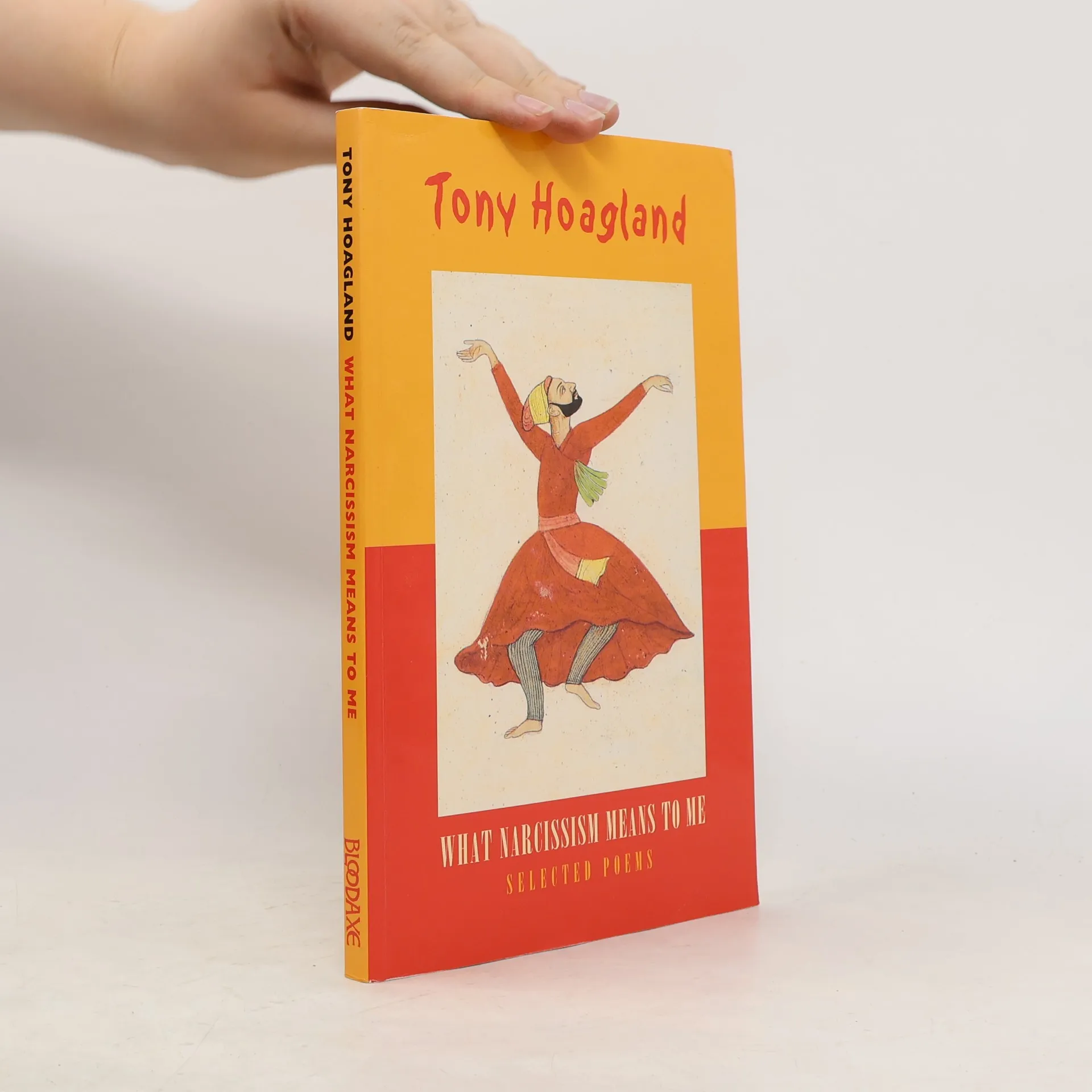

An award-winning poet, teacher and champion of poetry (New York Times) demystifies the elusive element of voice.
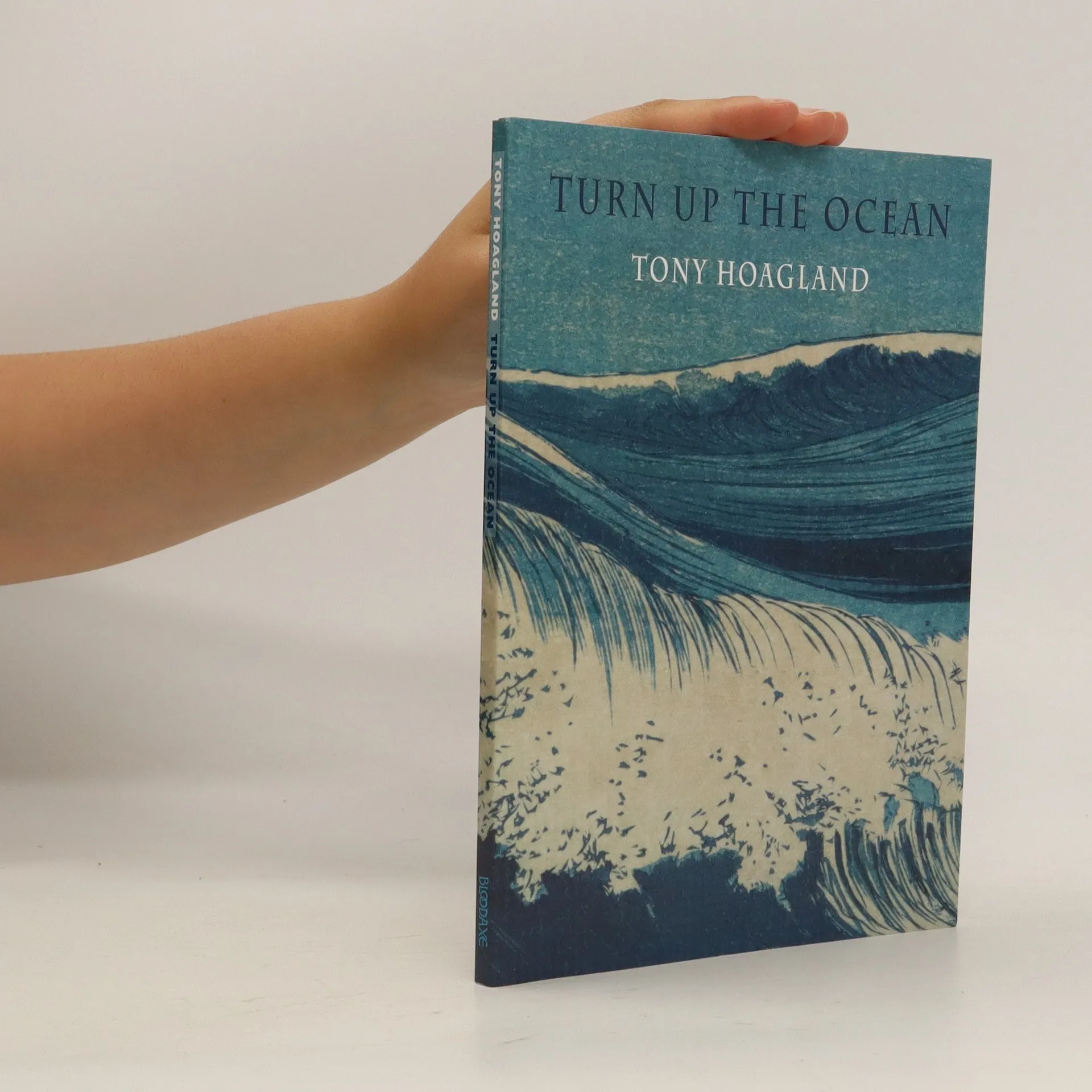
The final book of poems by Tony Hoagland, “one of the most distinctive voices of our time” (Carl Dennis).Over the course of his celebrated career, Tony Hoagland ventured fearlessly into the unlit alleys of emotion and experience. The poems in Turn Up the Ocean examine with an unflinching eye and mordant humor the reality of living and dying in a time and culture that conspire to erase our inner lives. Hoagland’s signature wit and unparalleled observations take in long-standing injustices, the atrocities of American empire and consumerism, and our ongoing habit of looking away. In these poems, perseverance depends on a gymnastics of skepticism and comedy, a dogged quest for authentic connection, and the consolations of the natural world. Turn Up the Ocean is a remarkable and moving collection, a fitting testament to Hoagland’s devotion to the capaciousness and art of poetry.
Excerpt from Collective Bargaining in the Lithographic Industry Although the motion-picture poster, the label on canned foods, the office calendar, the illustrated post-card, and the numerous other products of lithography are not new to the readers of this monograph, it is improbable that many of such readers should be familiar with the process by which these articles of common use are made. Much less to be expected is an intimate knowledge of the labor problems of the industry. This study attempts to trace the history of collective bargaining in the litho graphic industry. It is the hope of the writer that the facts themselves, as herein related, will interest the stu dent. Of labor problems; but it is also his 'hope that in chronicling these facts, he may make some contribution to a better understanding of the principles of wage bar gaining. To be sure, the entire lithographic industry of the United States employs a smaller number of men than does a single corporation in the steel industry, for ex ample. For this reason, it may be objected that the lithographic industry has labor problems peculiar to it self. This is admitted. Every industry has labor prob lems peculiar to itself. Yet there are common to them all the basic principles of wage bargaining. It is only by knowing intimately the methods used by employers and employees in many industries that we can determine these general principles which form the basis of the labor contract. About the Publisher Forgotten Books publishes hundreds of thousands of rare and classic books. Find more at www.forgottenbooks.com This book is a reproduction of an important historical work. Forgotten Books uses state-of-the-art technology to digitally reconstruct the work, preserving the original format whilst repairing imperfections present in the aged copy. In rare cases, an imperfection in the original, such as a blemish or missing page, may be replicated in our edition. We do, however, repair the vast majority of imperfections successfully; any imperfections that remain are intentionally left to preserve the state of such historical works.