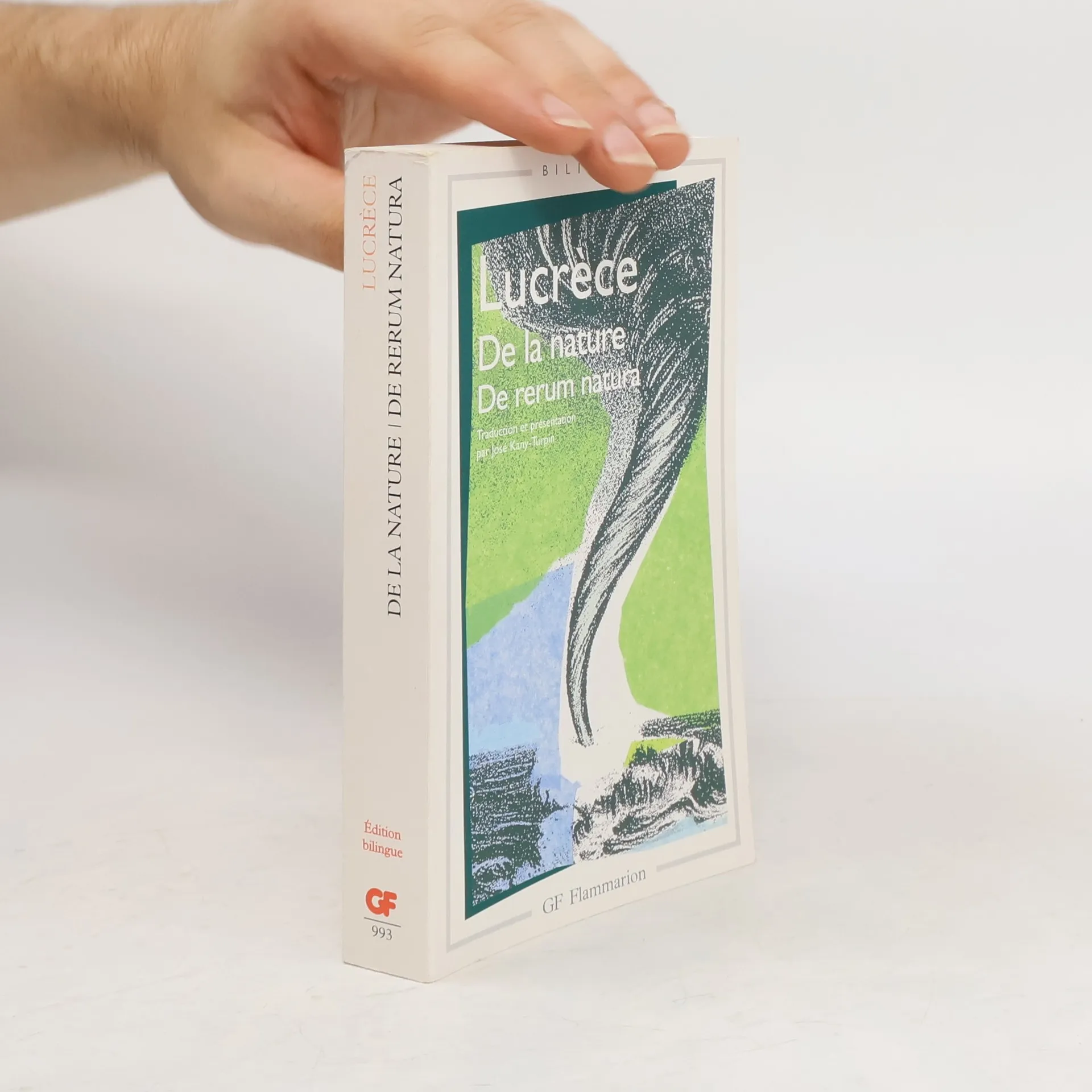


De la nature
- 243pages
- 9 heures de lecture
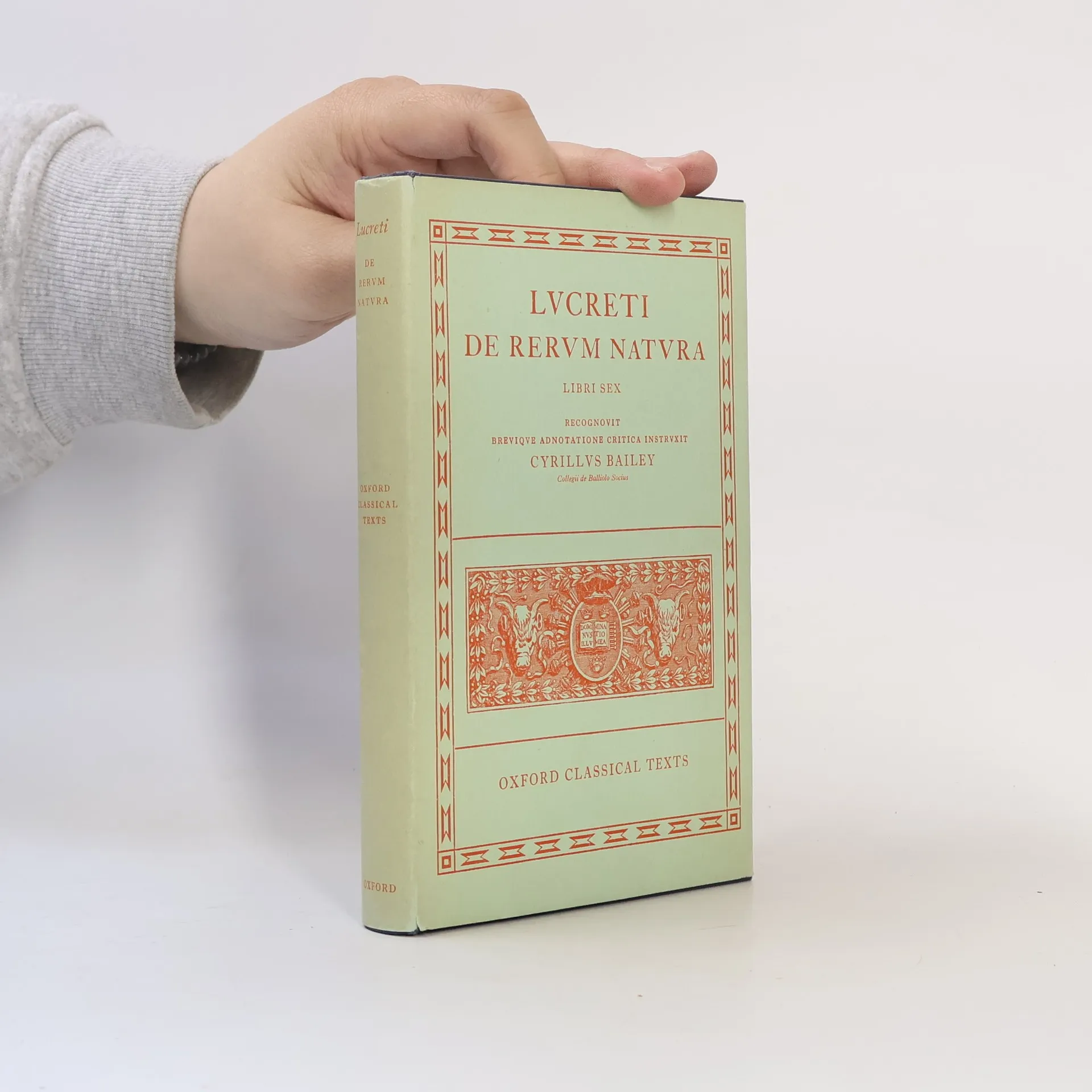
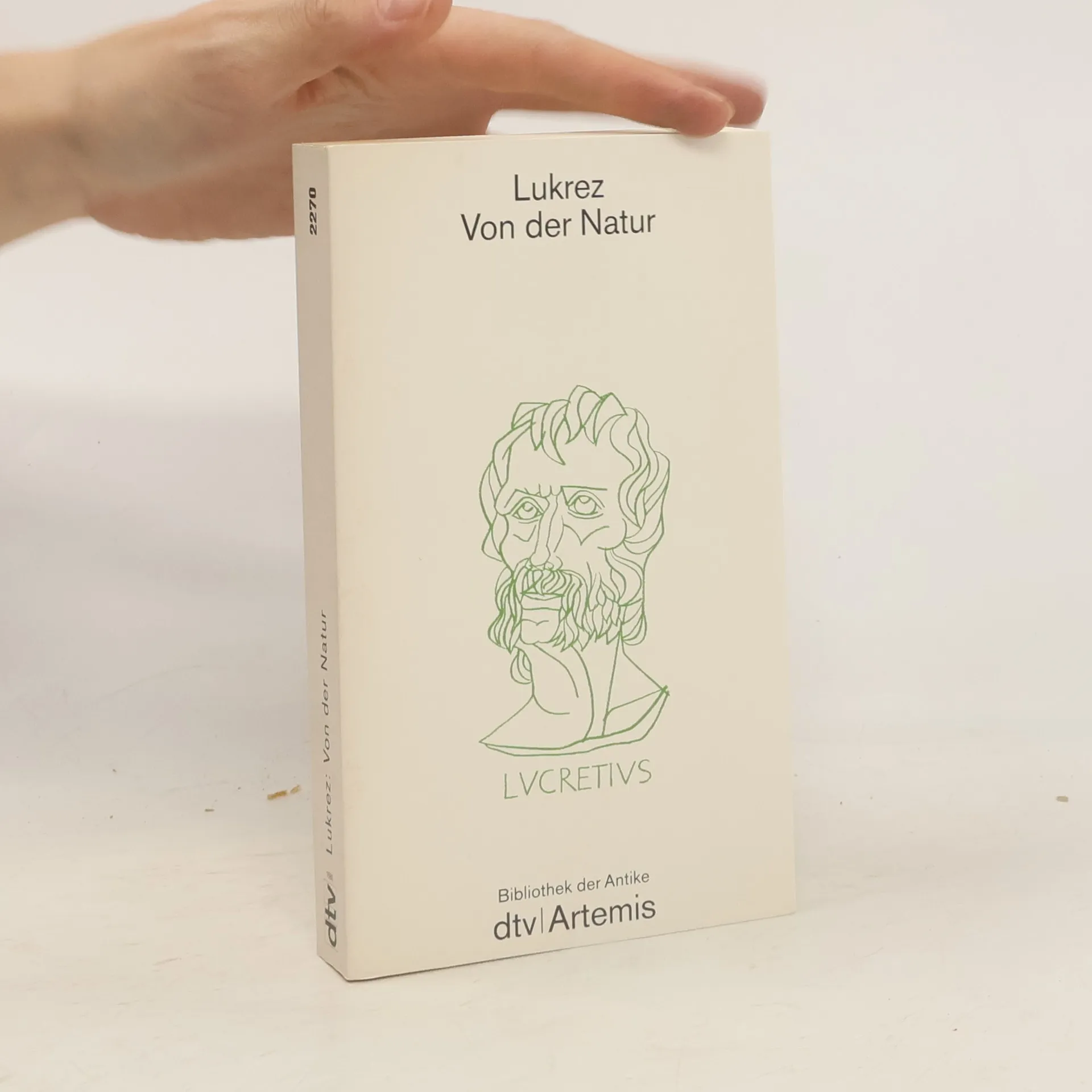
Lucrèce était un poète et philosophe romain dont la seule œuvre connue est un poème philosophique épique explorant les principes et la philosophie de l'épicurisme. À travers son écriture, il a approfondi les complexités de l'univers et de l'existence humaine, offrant une perspective rationnelle sur le monde et cherchant à libérer les individus de la peur de la mort et des dieux. Sa prose est célébrée pour son langage élevé et ses arguments convaincants, invitant les lecteurs à une contemplation profonde de la nature de la réalité. Le chef-d'œuvre de Lucrèce constitue un témoignage intemporel de la quête de compréhension de notre place dans le cosmos.


Exploring the philosophy of Epicureanism, this collection features six essential works that delve into the pursuit of pleasure, the nature of the universe, and the contrast between Stoicism and Epicurean thought. Key texts include Epicurus's letters and doctrines, Cicero's examination of good and evil, Lucretius's insights on nature, and essays by Temple and Hicks that further illuminate Epicurean beliefs. Together, these writings provide a comprehensive understanding of Epicurean philosophy and its significance in the broader context of ancient thought.
Focusing on accessibility, this book is a reproduction of a historical work published by Megali, a house dedicated to producing large print editions. This initiative aims to enhance reading experiences for individuals with impaired vision, ensuring that important historical texts remain available and legible for a wider audience.
Exploring the influence of a prominent Greek philosopher, this book delves into how his ideas have shaped modern thought, often leading to misguided interpretations and applications. It examines the philosopher's original concepts and critiques how they've been misappropriated throughout history. Through a blend of philosophical analysis and cultural commentary, the author highlights the philosopher's role in popularizing notions that have had negative consequences, ultimately encouraging readers to rethink the legacy of these ideas in contemporary society.
The preservation of classical literature is highlighted in this modern republication of Lucretius' work. This edition has been meticulously reformatted and retyped to ensure clarity and readability, avoiding the pitfalls of scanned copies. The effort aims to keep the significance of this important text alive for both current and future generations, emphasizing its enduring relevance in human history.
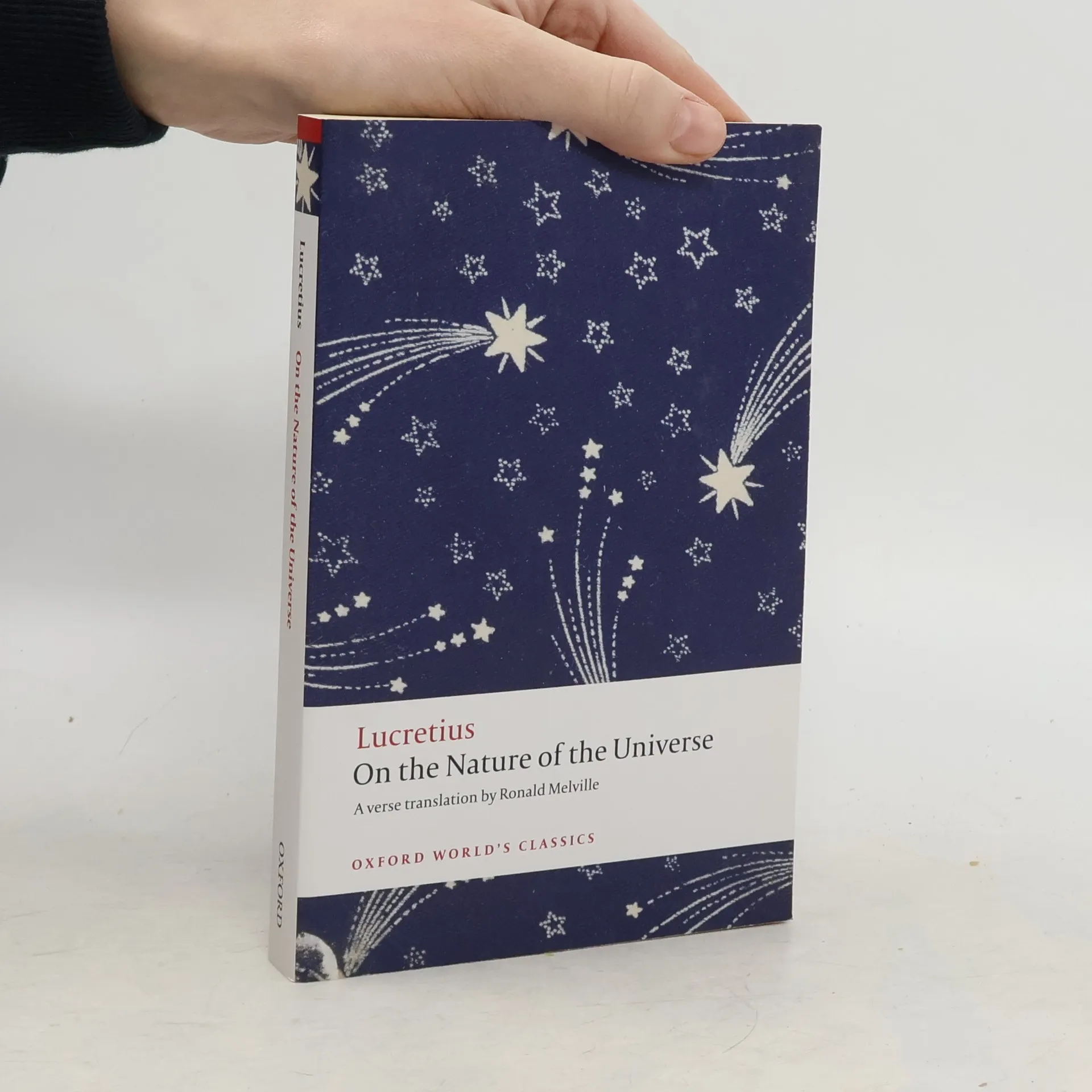
A Verse Translation by Ronald Melville
This ed. of this translation originally published: 1997.
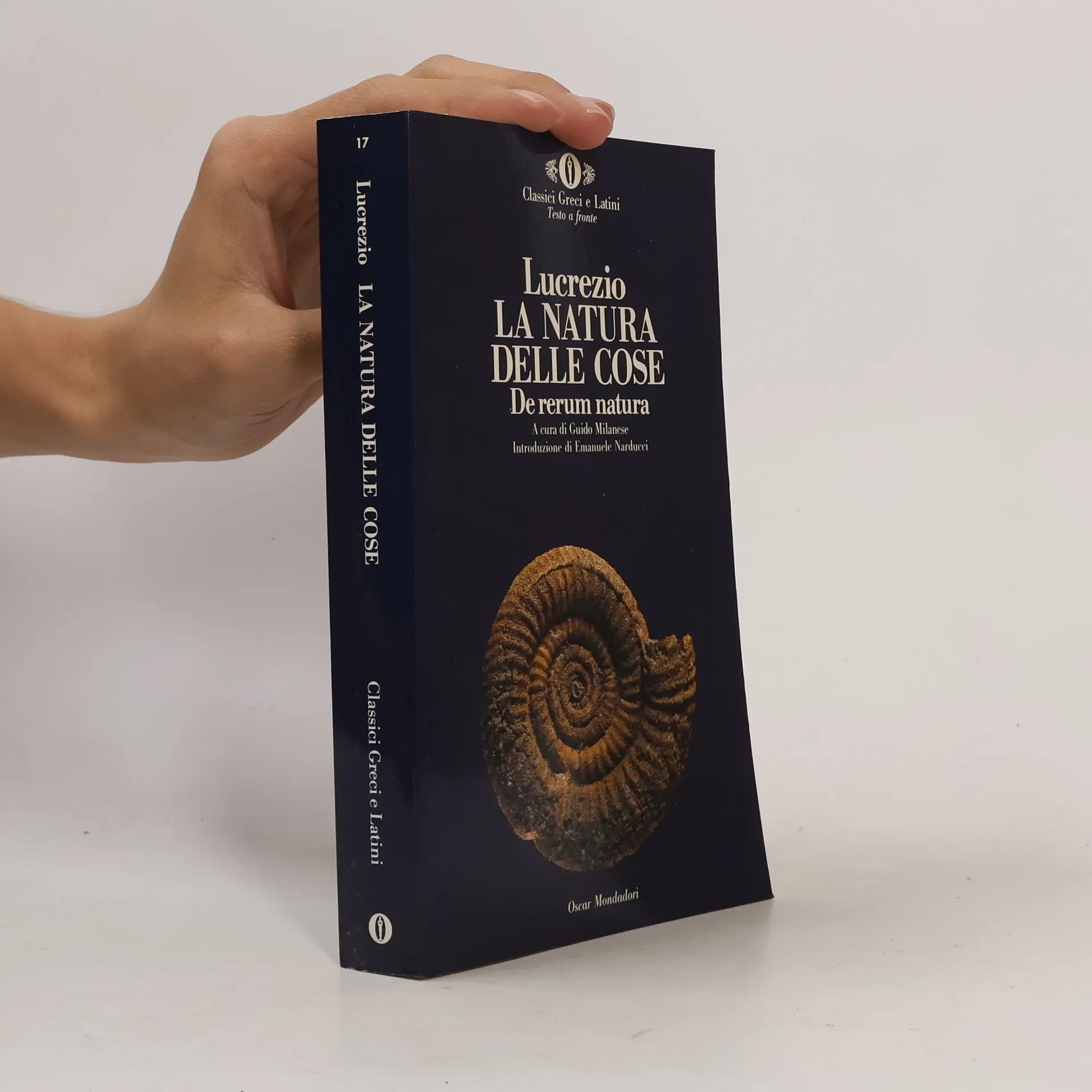
Název De rerum natura je přesným latinským překladem starého Epikúrova spisu Peri fyseós, dílo tedy objasňuje epikúrejské učení lidu, didakticko-epická báseň (6 knih) je hlavním představitelem materialismu, dokazuje, že příroda se řídí odvěkými zákony, kde vše vzniká, trvá a zaniká,bohové nemohou zasahovat do světa, který povstal z atomů, neexistuje ani podsvětí a bohové žijí v nečinnosti v nebesích, kde se radují ze své blaženosti, Psáno hexametrem, ale používá, oproti Ovidiovi nebo Vergiliovi, neobvyklé řazení přízvuku, používá archaismy i novotvary, podílí se na vytváření latinské filosofické terminologie převodem z řečtiny, věnovánu příteli Gaiu Memmiovi.