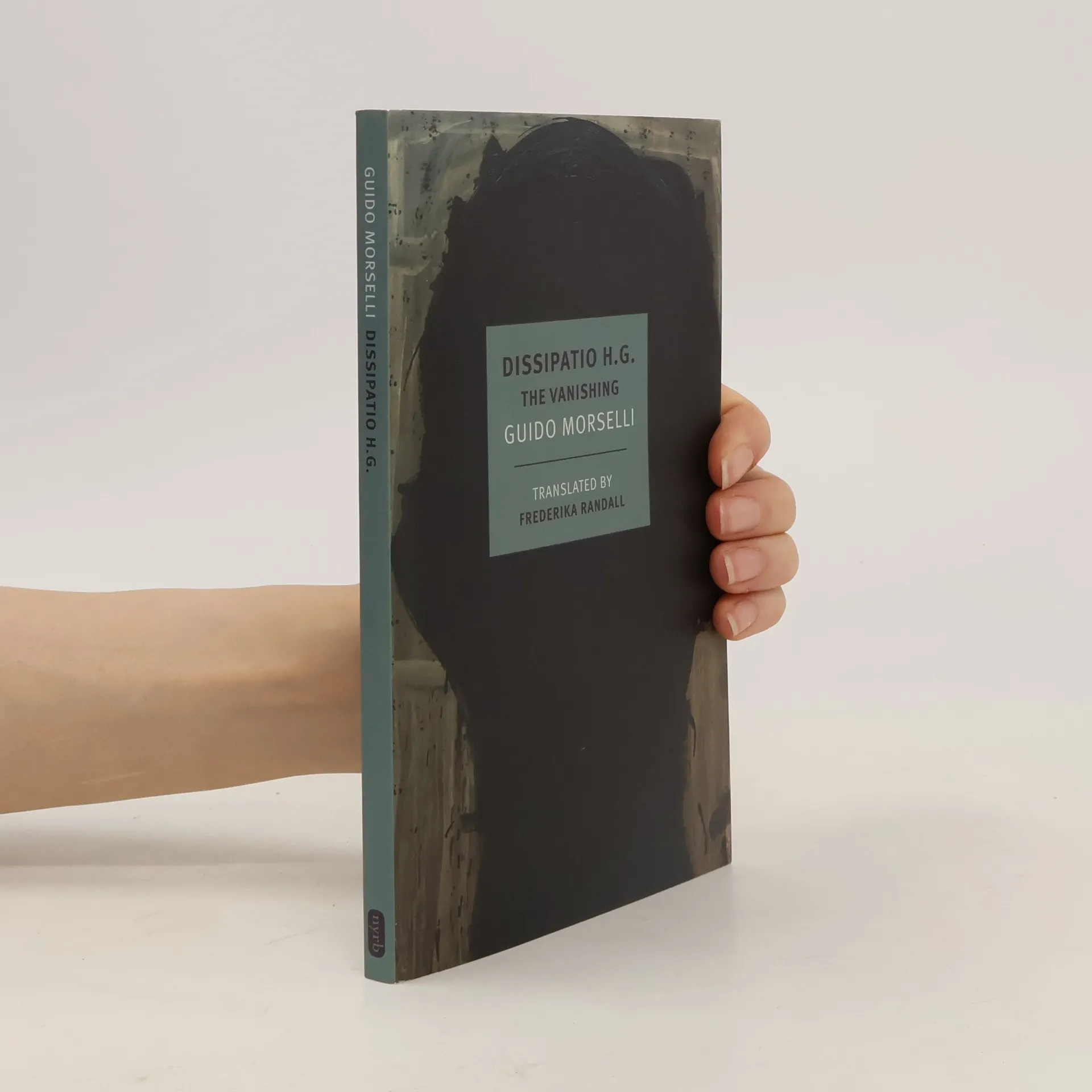
A fantastic and philosophical vision of the apocalypse by one of the most striking Italian novelists of the twentieth century. From his solitary buen retiro in the mountains, the last man on earth drives to the capital Chrysopolis to see if anyone else has survived the Vanishing. But there’s no one else, living or dead, in that city of “holy plutocracy,” with its fifty-six banks and as many churches. He’d left the metropolis to escape his fellow humans and their struggles and ambitions, but to find that the entire human race has evaporated in an instant is more than he had bargained for. Meanwhile, life itself—the rest of nature—is just beginning to flourish now that human beings are gone. Guido Morselli’s arresting postapocalyptic novel, written just before he died by suicide in 1973, depicts a man much like the author himself—lonely, brilliant, difficult—and a world much like our own, mesmerized by money, speed, and machines. Dissipatio H.G. is a precocious portrait of our Anthropocene world, and a philosophical last will and testament from a great Italian outsider.
Guido Morselli Livres
Guido Morselli était un auteur italien dont les œuvres se caractérisent par une profonde enquête philosophique et un style distinctif. Bien qu'il ait peu publié de son vivant, ses romans publiés à titre posthume ont obtenu une reconnaissance considérable. L'écriture de Morselli aborde souvent des thèmes tels que la solitude, l'identité et la recherche de sens dans l'existence. Sa voix littéraire unique et sa perspective incisive sur la condition humaine en font un auteur qui mérite d'être découvert.


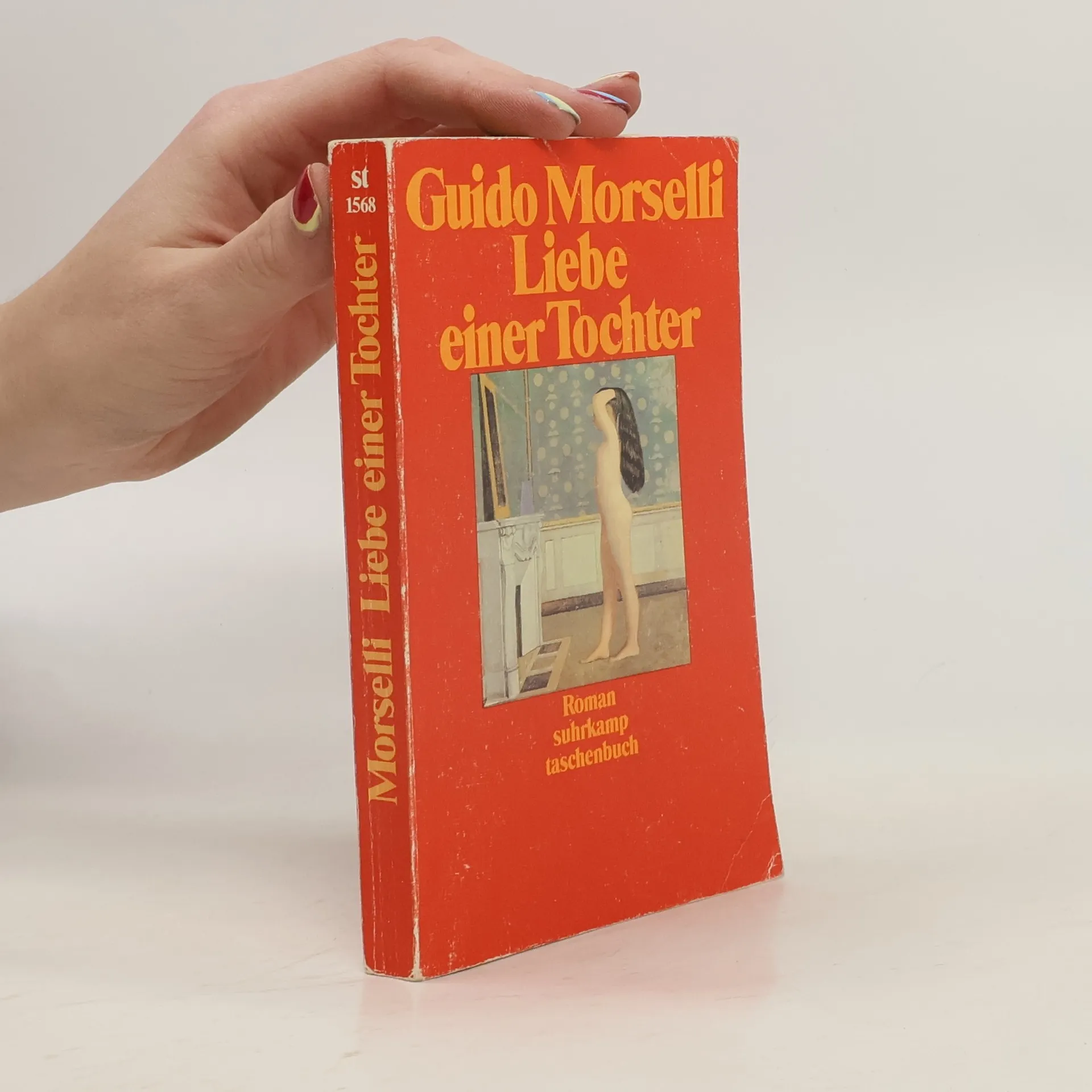
Der Roman erzählt die Geschichte einer Tochter, die ihre ganze Liebesfähigkeit auf den Vater konzentriert, und dieses Vaters, der seine Zuneigung der Tochter immer deutlicher entzieht. Nach elfjähriger Trennung verbringen sie den ersten gemeinsamen Urlaub, durch die engen Verhältnisse zweier ineinandergehender Hotelzimmer ständig aufeinander angewiesen. Seit dem frühen Unfalltod ihrer Mutter ist Mimmina im Internat zur Gefangenen einer in langer Einsamkeit geschaffenen Phantasiewelt geworden. Ihrem Vater will sie Mutter, Tochter, Frau und Geliebte sein, ihn bewundert sie, erlebt ihren Körper für die Augen ihres Vaters, drängt sich zu ihm ins Bett. An ihrem Vater, einem radikalen Individualisten, der sich auf seine moralische und intellektuelle Autarkie einiges zugute hält, zerbricht Mimminas sich selbst verneinende Liebe, wird Sie ihr zur Tragödie. Als sie die Vergeblichkeit ihres Kampfes um die Liebe ihres Vaters endlich begreift, gibt sie sich den Tod.
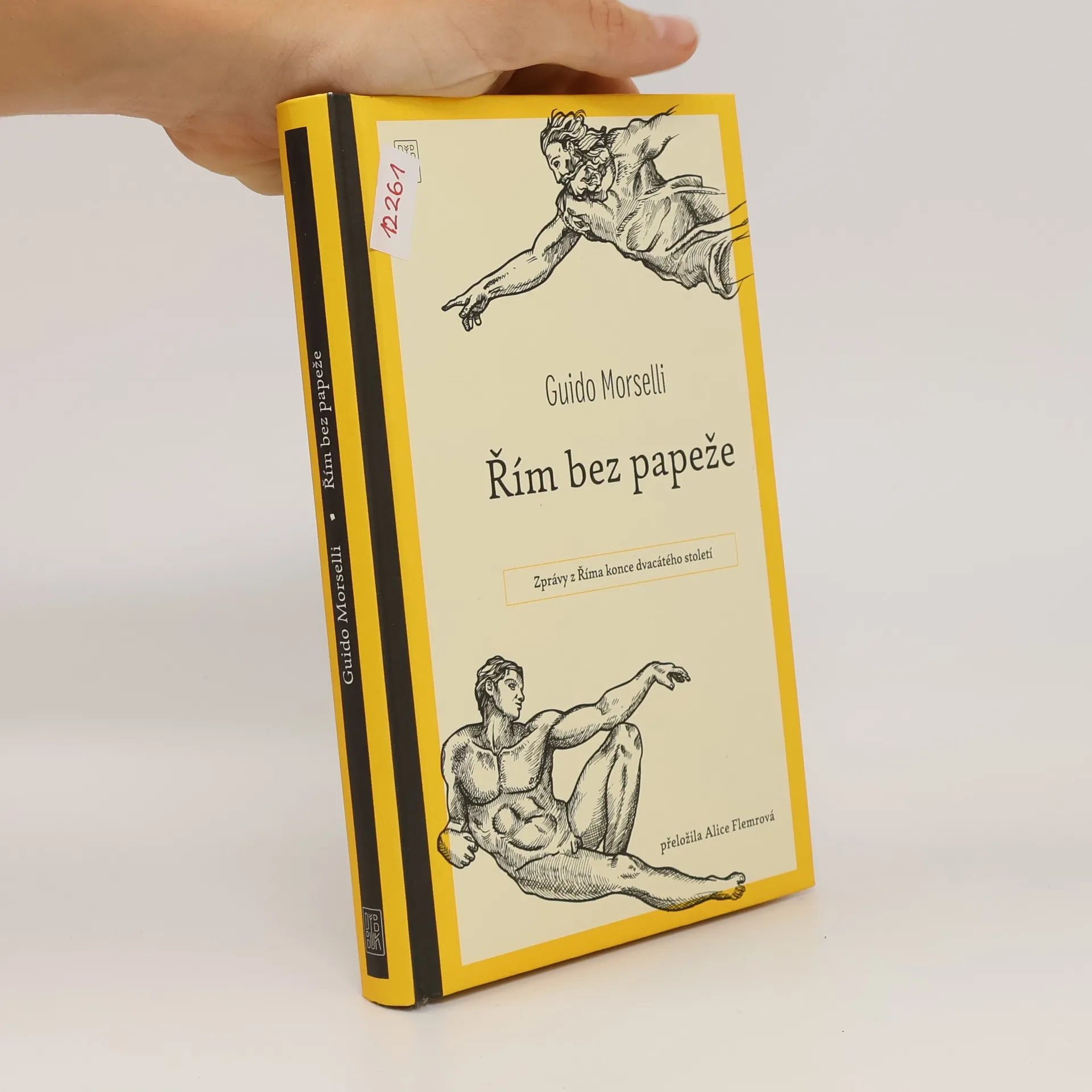
Řím bez papeže : zprávy z Říma konce dvacátého století
- 168pages
- 6 heures de lecture
Satirický román Řím bez papeže od Guida Morselliho, napsaný v roce 1966, je sci-fi zasazené do blízké budoucnosti, která odráží naši současnost. Hlavní postavou je švýcarský kněz Walter, jenž se po třiceti letech vrací do Říma na konci druhého tisíciletí, aby se setkal s papežem Janem XXIV. Ten opustil Vatikán a přesunul se do venkovské rezidence. Walter prochází chátrajícím městem, které „přestává být starobylé, poprvé je staré“, a zaznamenává, jak se katolická církev snaží přizpůsobit modernímu světu, přičemž se „protestantizuje a zeseveršťuje“. V církvi probíhá rozkol mezi pokrokáři, většinou ateisty, a tradicionalisty, pro něž jsou Bůh i ďábel stále živí. Papež, jenž má rozhodnout o rozdělení vesmírných držav mezi USA a SSSR, je obklopen drby o snoubenství a zájmu americké prezidentky Jacqueline Kennedyové, protože celibát kněží byl zrušen. Feministky usilují o resexualizaci, antropologové zkoumají původ člověka, a mezi mladými kněžími panuje radikalismus bez obav z rozporů. Pluralismus je dominantním heslem, avšak nonkonformita se trestá ostrakizací.
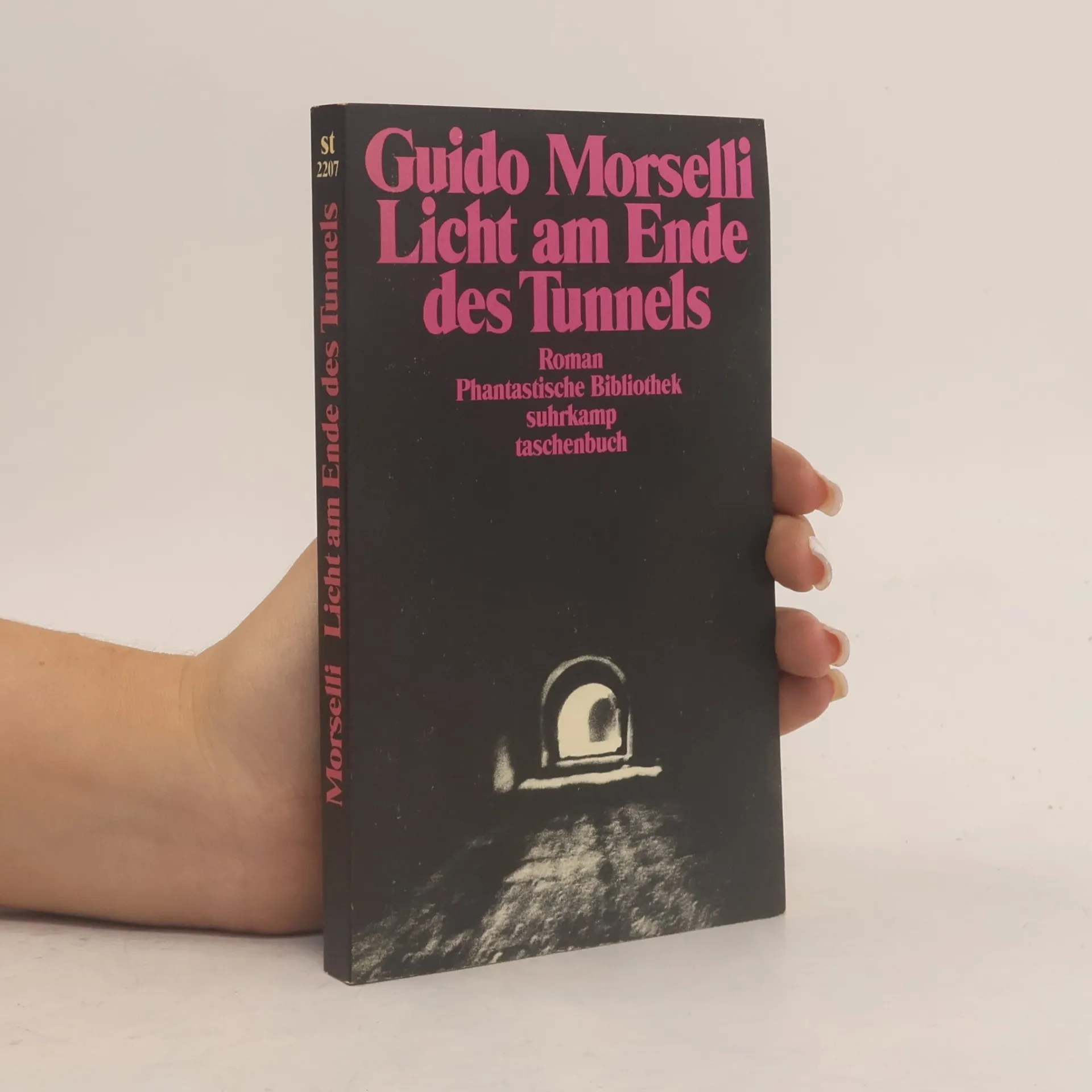
Licht am Ende des Tunnels
- 237pages
- 9 heures de lecture
"Licht am Ende des Tunnels" von Morselli ist keine Utopie, sondern eine Alternativ-Realität. Morselli zeigt, dass ein heimlicher Alpentunnel 1916 einen erfolgreichen Überraschungsangriff der Österreicher gegen Italien ermöglicht hätte. Dies hätte den Ersten Weltkrieg zugunsten Deutschlands entschieden und eine sozialdemokratische westeuropäische Gemeinschaft hervorgebracht.
Roma senza papa
- 184pages
- 7 heures de lecture
[Trovi un'edizione con copertina alternativa per questo ISBN qui] Roma senza papa fu il libro che rivelò Morselli. Quando il romanzo apparve, nel 1974, Giulio Nascimbeni scrisse sul «Corriere della Sera»: «La prima tentazione è di dire che c’è stato anche un Gattopardo del Nord. Viveva in luoghi profondamente lombardi, tra Gavirate e Varese. Scrisse migliaia di pagine. Sperò a lungo che gli editori si accorgessero di lui. È morto il 31 luglio dell’anno scorso. Adesso esce un suo romanzo, Roma senza papa, pubblicato dalla Adelphi, e se ne resta attoniti, come davanti a un frutto raro e inimmaginabile».
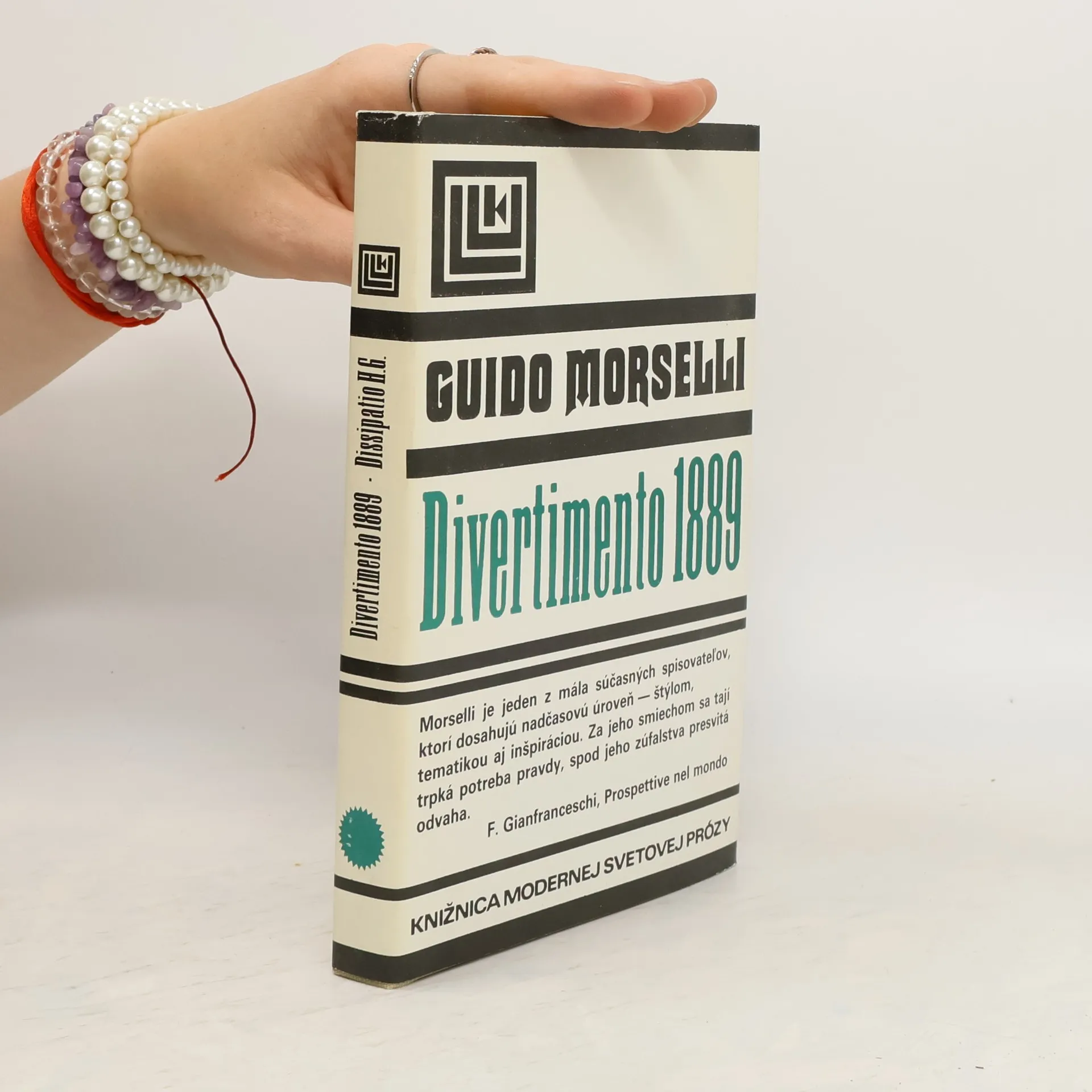
Kniha pozostáva z dvoch samostatných próz: Divertimento 1889 (1975) je ľahkým, vtipne vyrozprávaným príbehom o fiktívnom talianskom kráľovi Umbertovi I. Neškodná a nevinná historka o kráľovi v prestrojení je pláštikom, za ktorým sa skrýva odmietanie monarchie. Druhá próza – Dissipatio H.G.(1977) je príbehom o samote, o nemožnosti komunikovať a o utrpení, ktoré táto situácia vyvoláva v autorovi.
Ein Ausflug Seiner Majestät
- 155pages
- 6 heures de lecture