

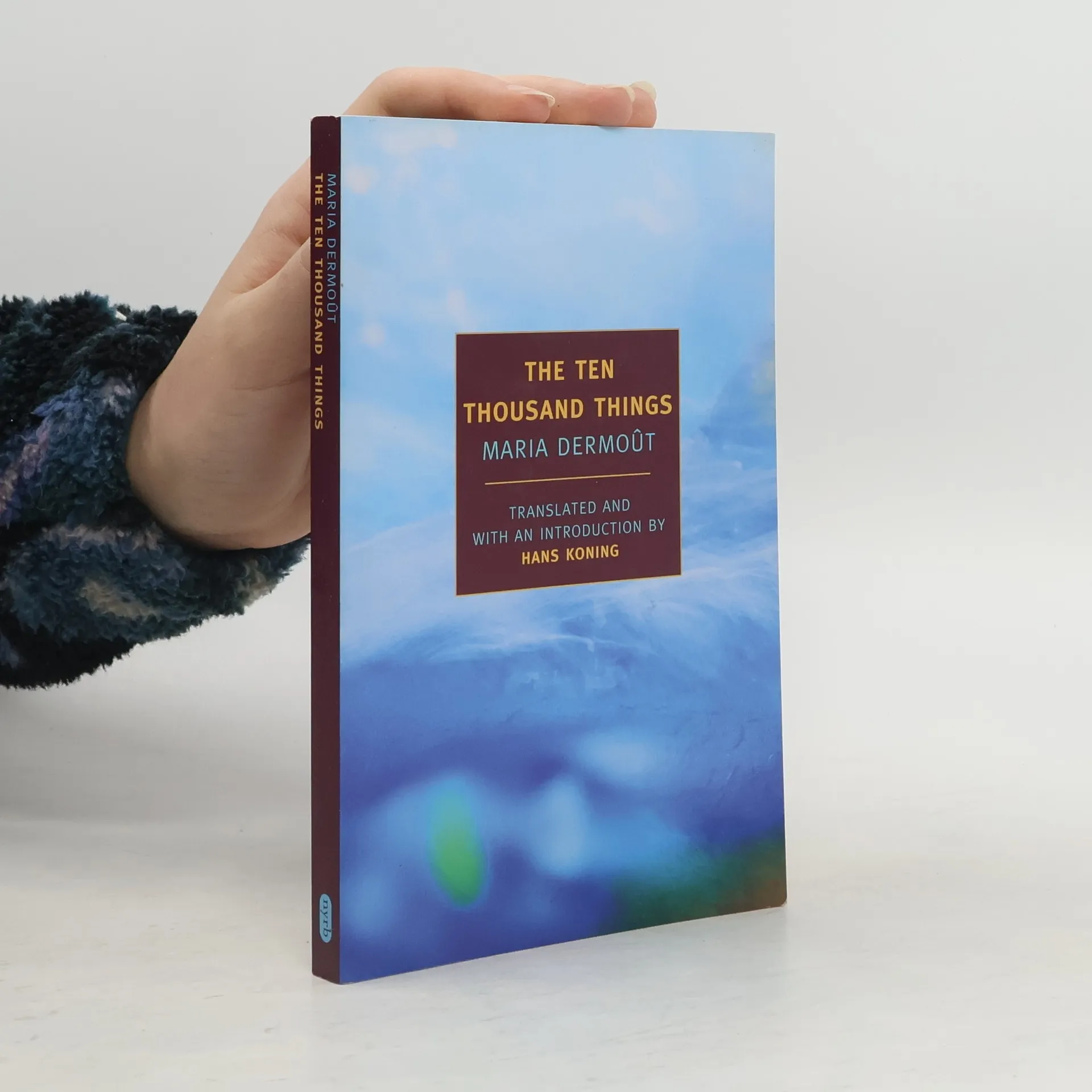
In Wild , Cheryl Strayed writes of The Ten Thousand Things : "Each of Dermoût’s sentences came at me like a soft knowing dagger, depicting a far-off land that felt to me like the blood of all the places I used to love.” And it's true, The Ten Thousand Things is at once novel of shimmering strangeness—and familiarity. It is the story of Felicia, who returns with her baby son from Holland to the Spice Islands of Indonesia, to the house and garden that were her birthplace, over which her powerful grandmother still presides. There Felicia finds herself wedded to an uncanny and dangerous world, full of mystery and violence, where objects tell tales, the dead come and go, and the past is as potent as the present. First published in Holland in 1955, Maria Dermoût's novel was immediately recognized as a magical work, like nothing else Dutch—or European—literature had seen before. The Ten Thousand Things is an entranced vision of a far-off place that is as convincingly real and intimate as it is exotic, a book that is at once a lament and an ecstatic ode to nature and life.
Maria Dermoût Livres
L'œuvre littéraire d'Helena Dermoût se caractérise par son style narratif unique, explorant les complexités des relations humaines et du passé. Ses écrits abordent souvent des thèmes tels que la mémoire, l'identité et la recherche de sens dans la vie. L'approche de l'auteure en matière d'écriture est poétique et évocatrice, plongeant dans les profondeurs psychologiques de ses personnages. Les lecteurs apprécient sa capacité à créer des images vives et des récits captivants qui résonnent longtemps après la dernière page.
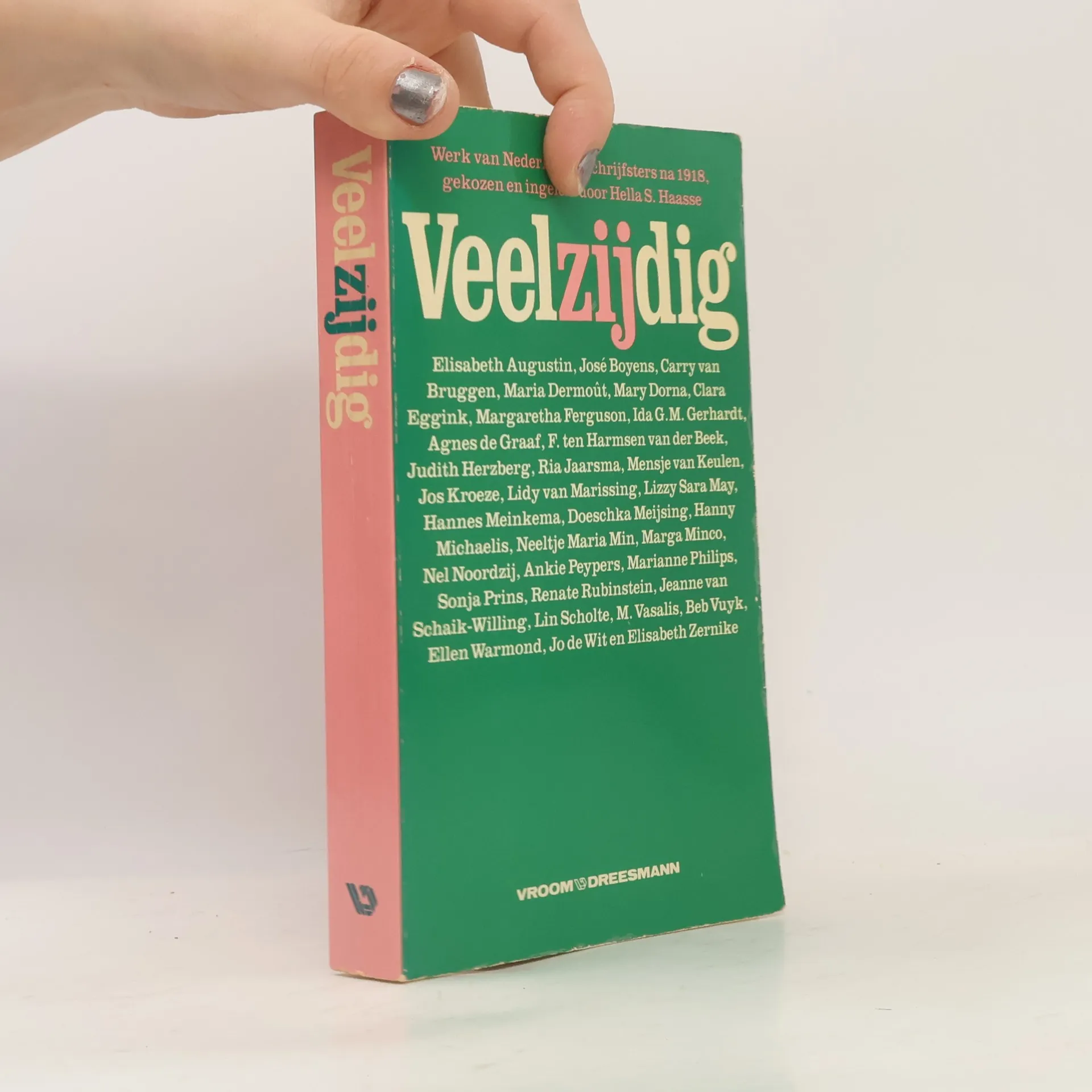
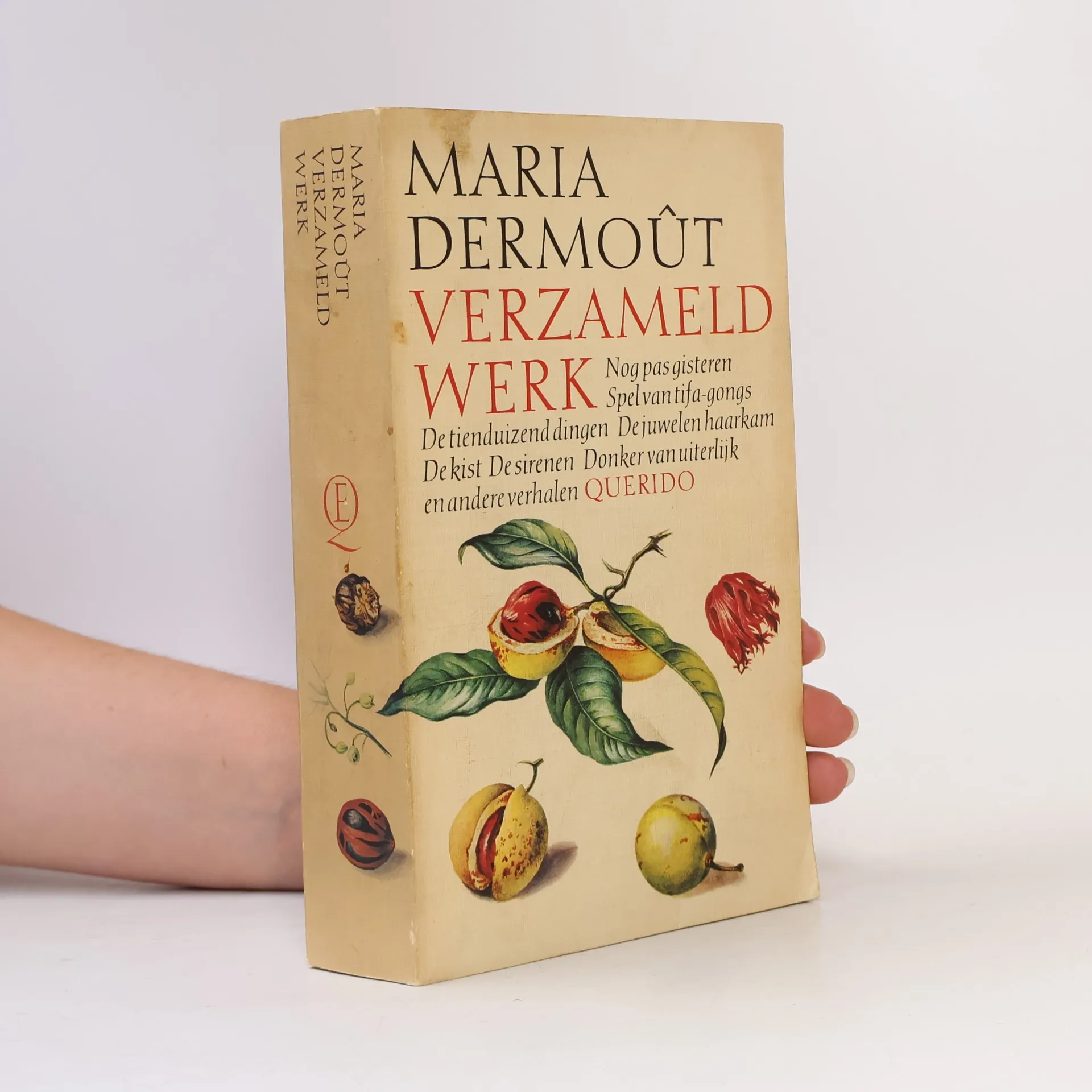
Verzameld werk
Nog pas gisteren; Spel van tifa-gongs; De tienduizend dingen; De juwelen haarkam; De kist Desirenen; Donker van uiterlijk; En andere verhalen
- 681pages
- 24 heures de lecture
Bundel verhalen en gedichten
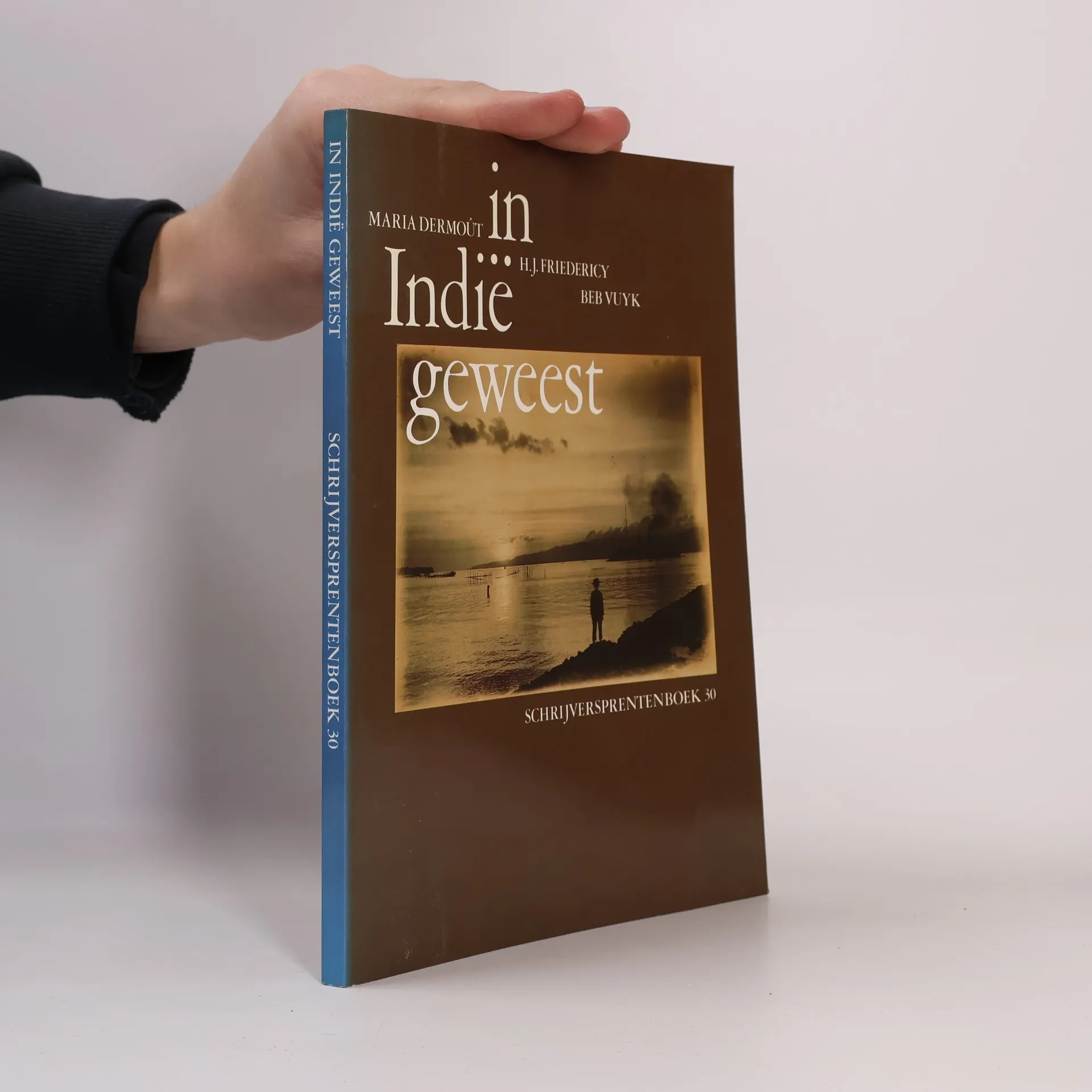
Schrijversprentenboek - 30: In Indië geweest
Maria Dermoût, H.J. Friedericy, Beb Vuyk
- 130pages
- 5 heures de lecture
Schrijversprentenboek nummer 30, in Indië geweest, bevat drie essays en tientallen foto's over het leven en werk van drie 'Nederlands-Indische' schrijvers: Maria Dermoût, Beb Vuyk en H.J. Friedericy. Deze auteurs woonden in de laatste periode van het Nederlands koloniaal bewind en publiceerden hun verhalen voornamelijk in de jaren veertig en vijftig, tijdens de onafhankelijkheid van Indonesië. Alleen Vuyk voelde een directe verbinding met het nieuwe Indonesië; de anderen observeerden vanuit Nederland met een zekere afstand. De verschillende achtergronden en stijlen van de drie schrijvers schetsen een veelzijdig beeld van Indië. Dermoût woonde op Ambon als vrouw van een rechter, terwijl Vuyk, als Indo-Europees, op het primitieve Boeroe leefde met haar Indo-Europese man. Friedericy was bestuursambtenaar op Celebes (Sulawesi) en verbleef ook op Java. De verhalende stijlen van Vuyk en Friedericy zijn onderhoudend, nuchter en zakelijk, terwijl Dermoût's stijl invoelend en lyrisch is. Alle drie zijn ze beïnvloed door de orale traditie. Deze diverse aspecten van hun werk worden belicht in het boek, zowel in tekst als beeld.