Robin Kerrod Livres
L'écriture de Robin Kerrod éclaire les domaines de la science et de la technologie pour les jeunes esprits, tout en explorant l'astronomie pour un public plus large. Il possède un don pour rendre les sujets complexes accessibles et captivants. Son travail encourage la curiosité et une compréhension plus approfondie de l'univers.



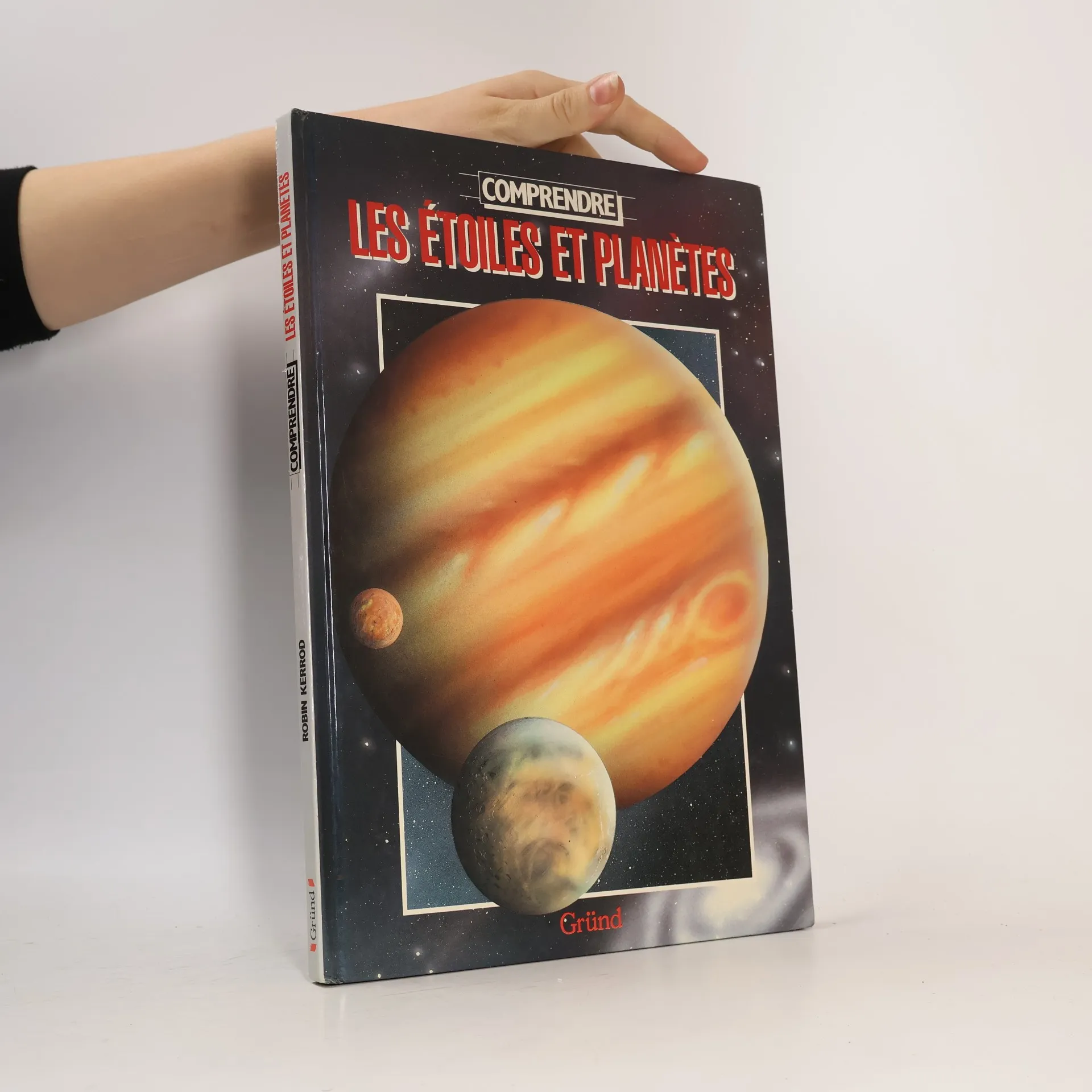
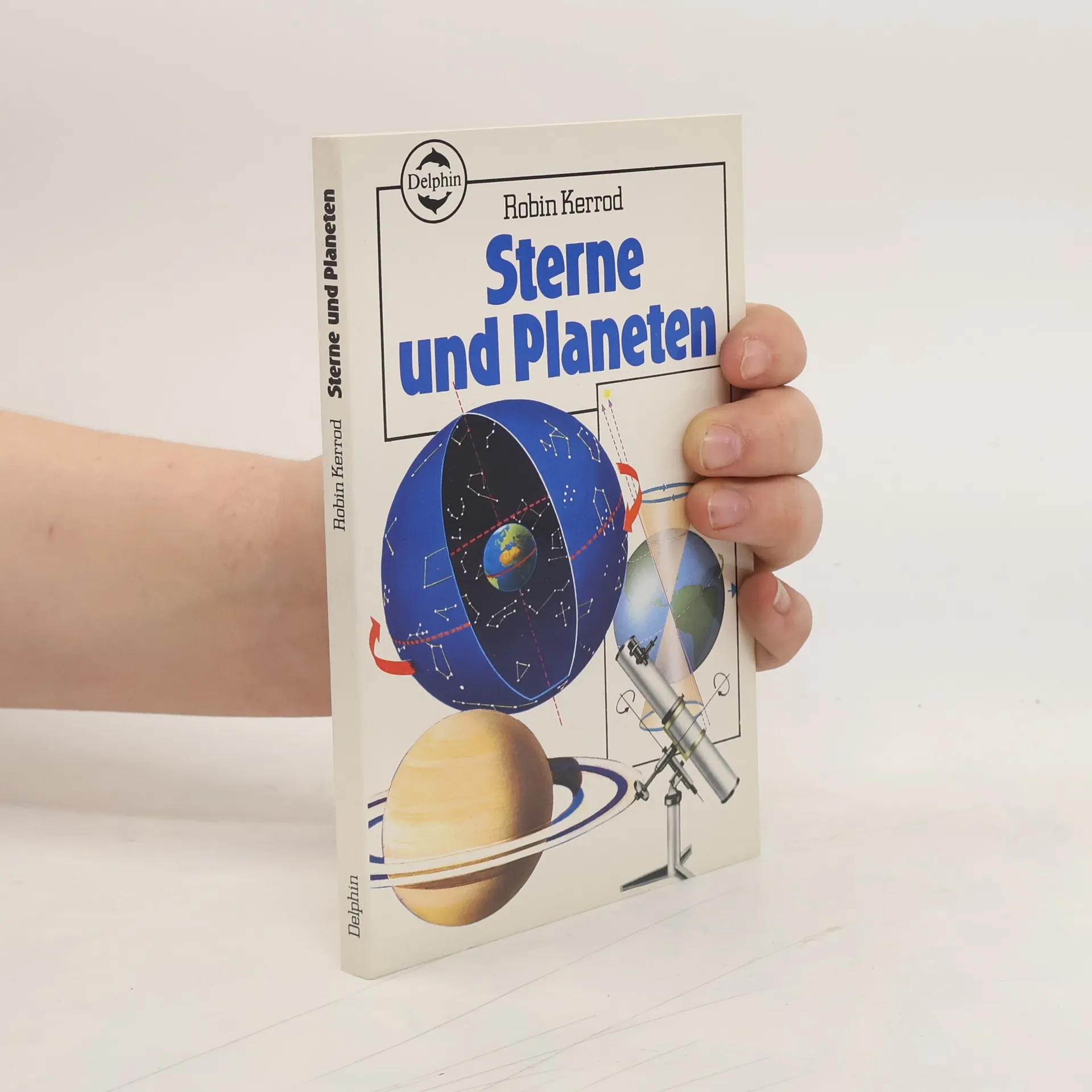
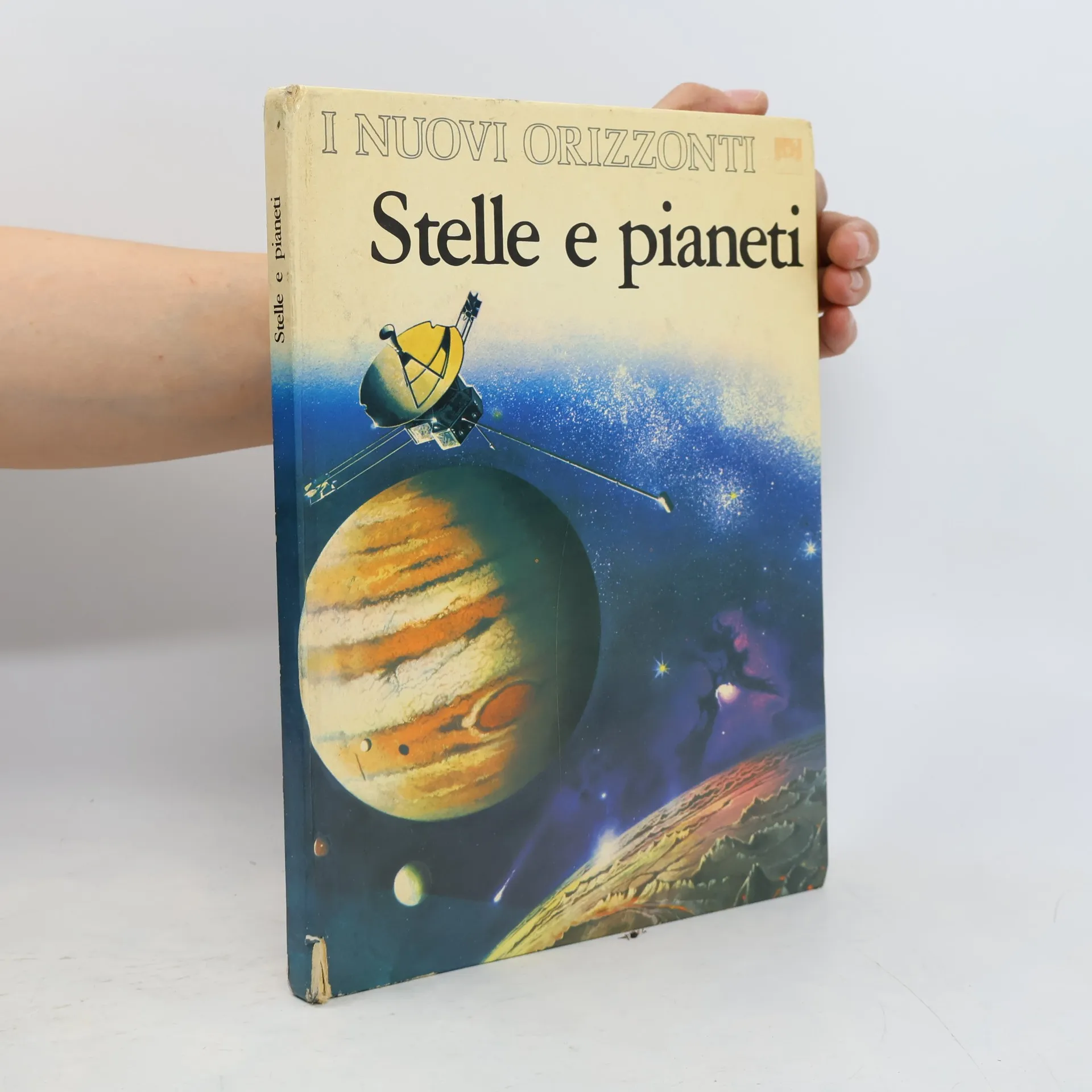
Les Étoiles et Planètes
- 79pages
- 3 heures de lecture
Le monde vous passionne, vous voulez bouger avec lui et en percer les secrets ? Voici une série d'ouvrages taillée à la mesure de vos ambitions. Les étoiles et les planètes : pour remonter aux sources de l'Univers et en explorer tous les mystères.
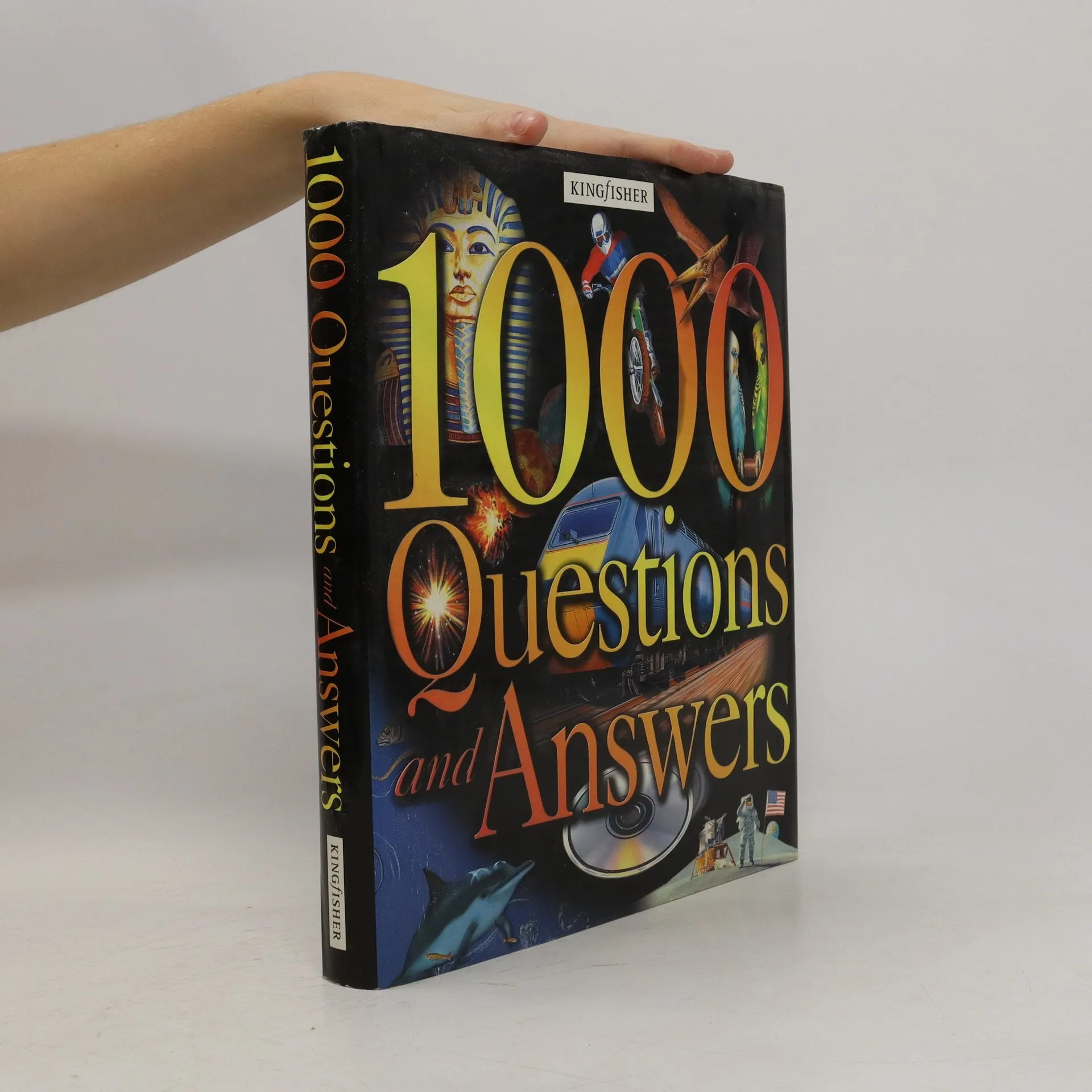
Larousse des 1000 questions réponses
- 285pages
- 10 heures de lecture
Comment la vie a-t-elle commencé ? Pourquoi les étoiles clignotent-elles ? Qui a le premier découvert des œufs de dinosaure ? Combien de temps fallait-il pour construire un château fort ? Comment fonctionne un moteur à réaction ? Qui a inventé la télévision ? 1 000 questions posées et leurs réponses pour partir à la découverte des planètes et des étoiles, pour mieux connaître les dinosaures comme les anciennes civilisations ou le Moyen Age, ou encore pour tout comprendre des plus grandes inventions et des moyens de transport... Avec près de 1 000 illustrations et schémas pour tout voir d'un seul coup d'œil. De nombreux " Quiz " pour se tester et une rubrique " Etonnant ! " pour en savoir toujours plus.
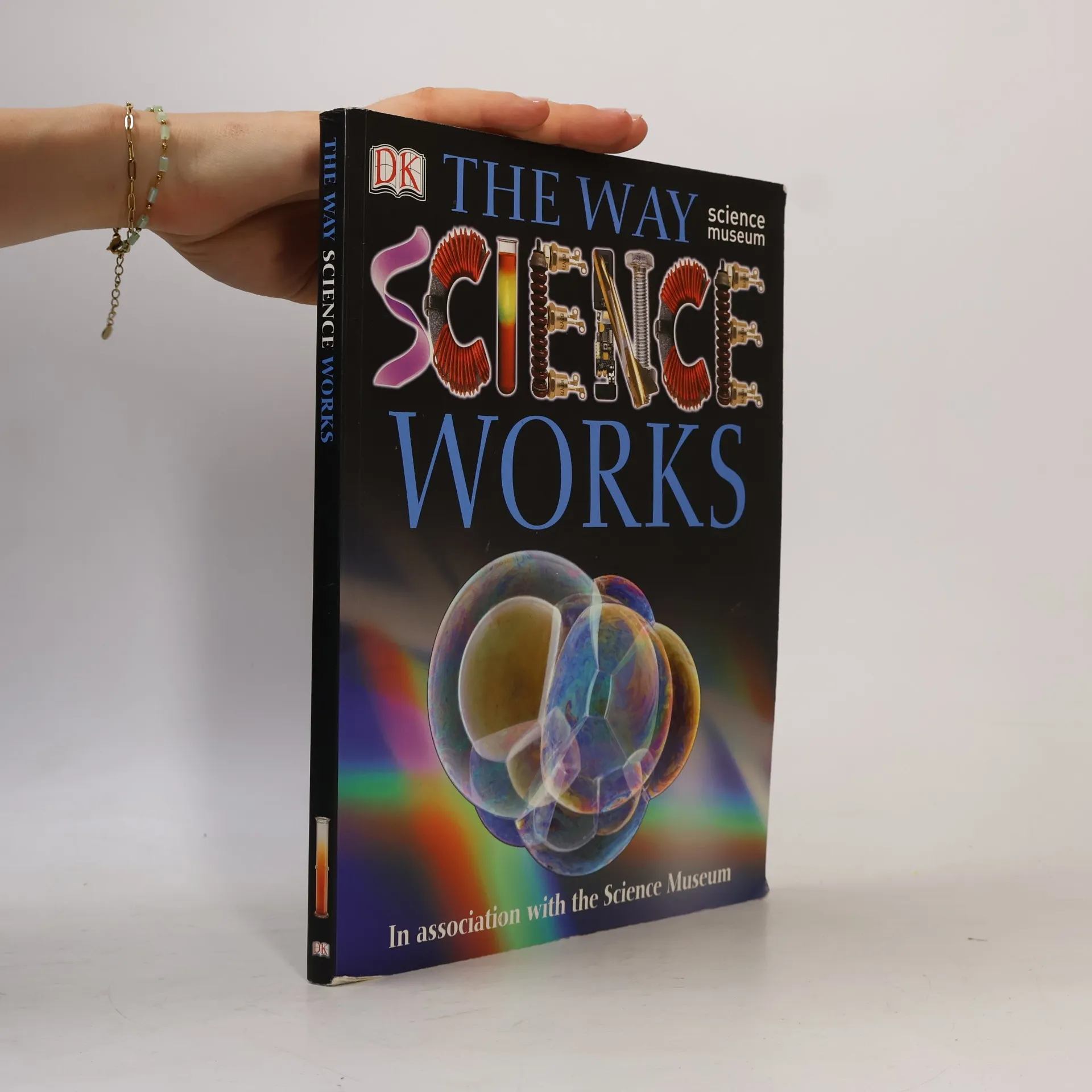
The Way Science Works
- 160pages
- 6 heures de lecture
From lightning bolts to robotics, bring science to life with incredible experiments From the principles that explain the world to the theories behind today’s fast changing technology, help your child discover science in action. Test the theories together with more than 60 hands-on projects and explore amazing images which take you to the cutting-edge of scientific developments. Packed with facts about famous scientists, new technology and more.
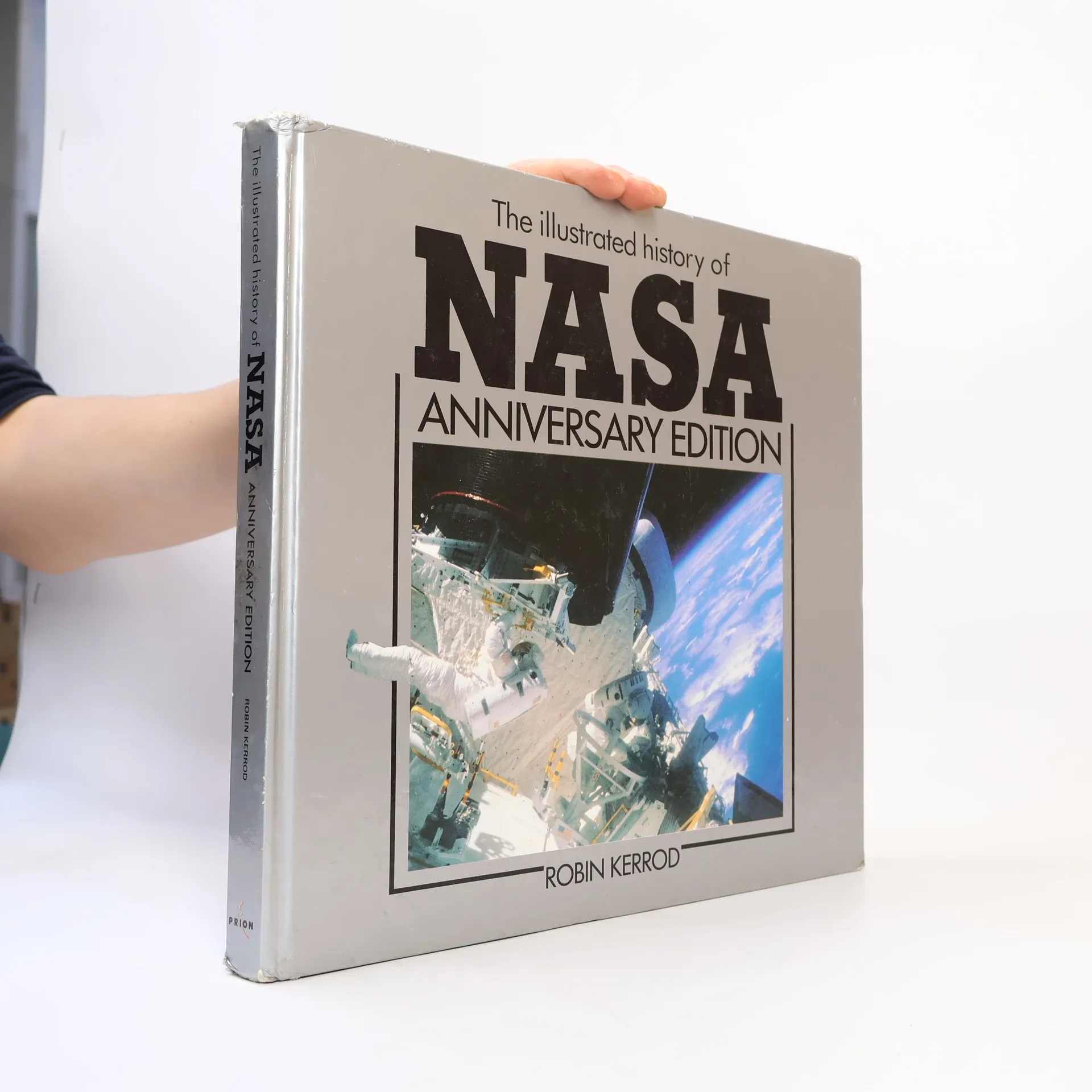
The Illustrated History of National Aeronautics and Space Administration
Anniversary Edition
- 256pages
- 9 heures de lecture
Focusing on the areas of power, transportation, industry, communication, and space travel, the author describes the history, development, design, and operation of mechanical, optical, electrical, electronic, and other types of machines
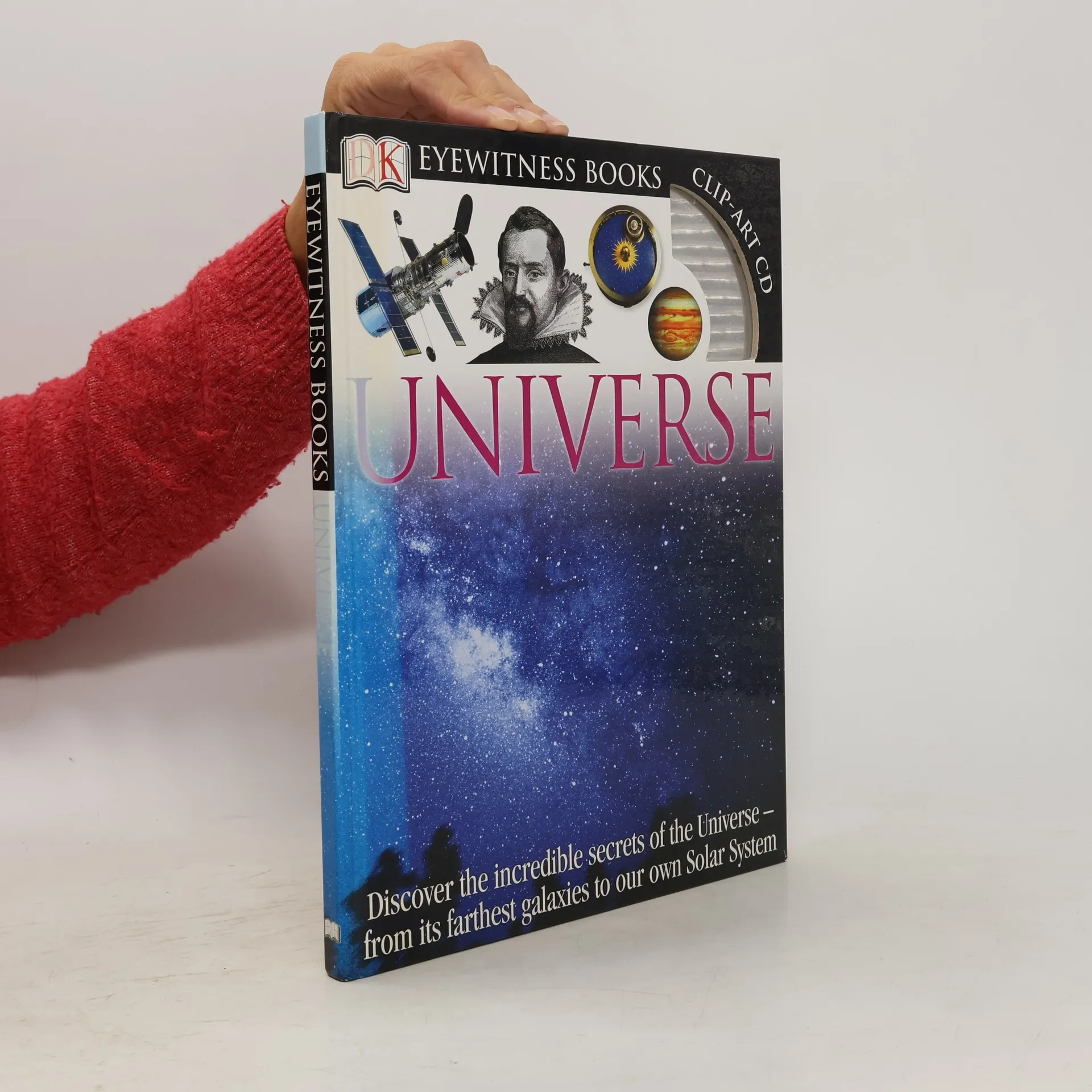
Universe
- 72pages
- 3 heures de lecture
Accompanying CD-ROM contains astronomy-themed clip-art.
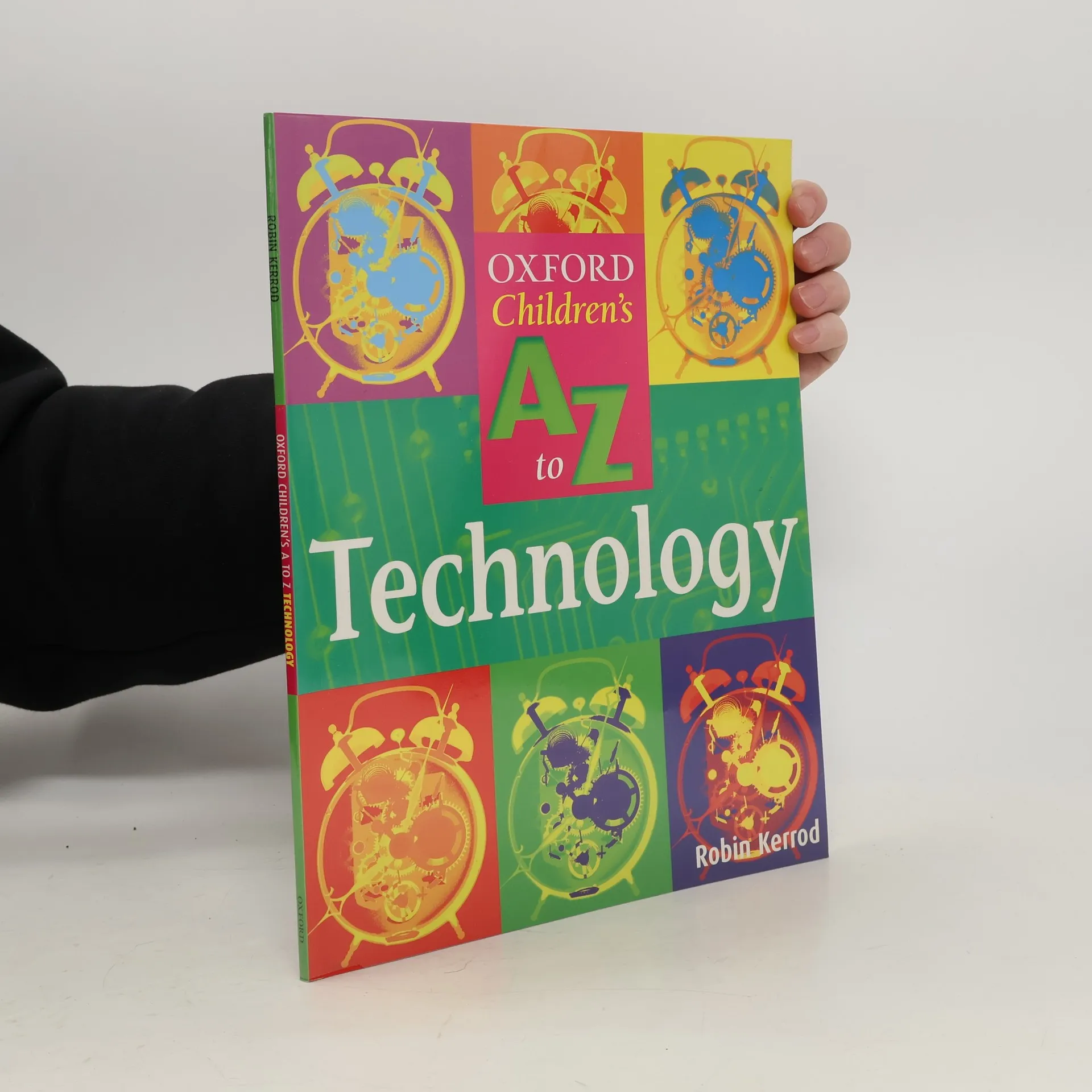
The Oxford Children's A to Z of Technology
- 64pages
- 3 heures de lecture
Do you know what an endoscope is? How does radar detect aircraft? How is nuclear energy produced? The Oxford Children's A-Z of Technology contains over 300 technology words listed alphabetically. It includes Feature spreads on key topics: communications, making and manufacturing, materials, space technology, and transport. Full colour photographs and illustrations on every page.
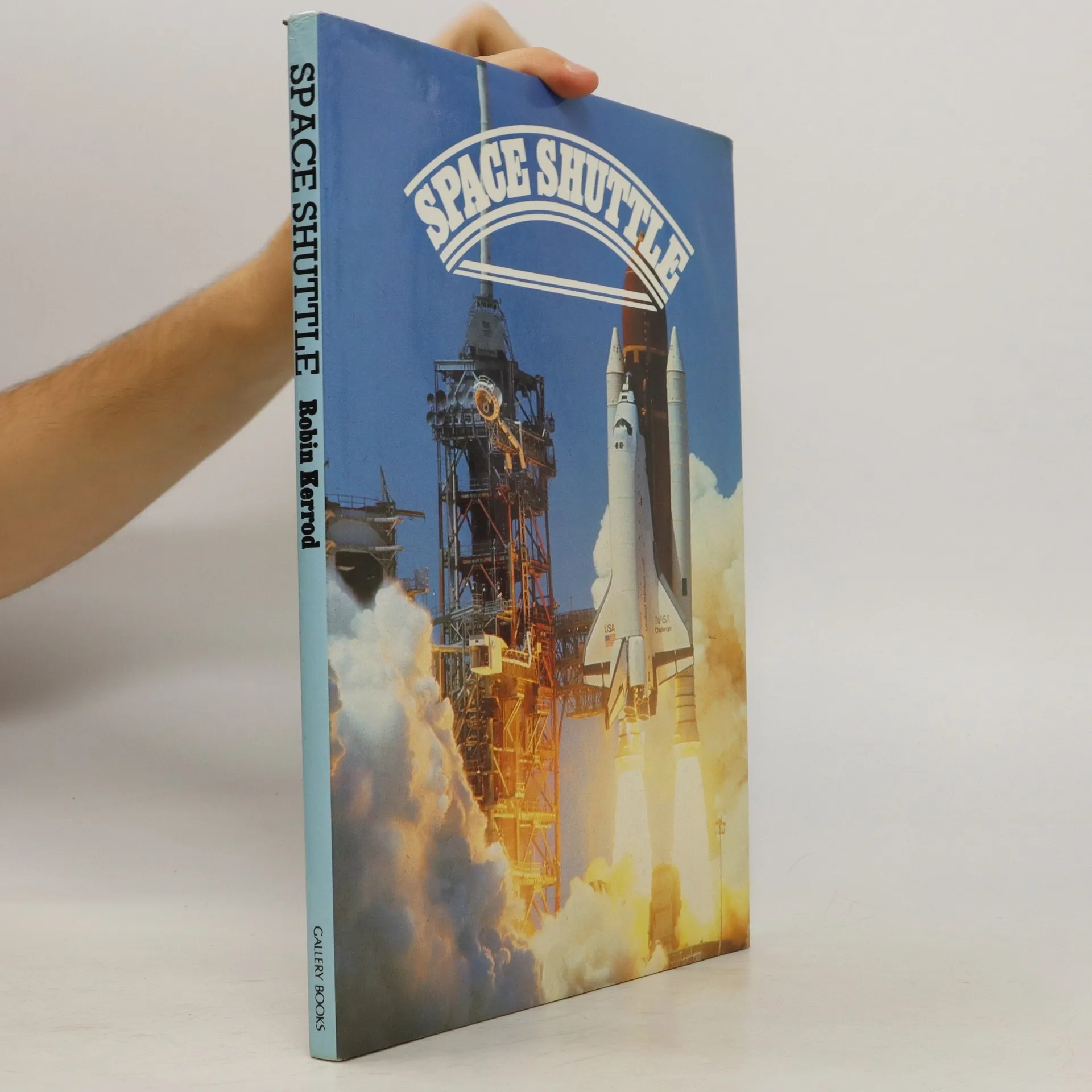
Space Shuttle
- 71pages
- 3 heures de lecture
The world held its breath in July 1969 as it watched the first humans leave footprints on the Moon. Decades later, the lure of space exploration still sparks our imaginations. How did it all begin, and where else will it lead? This series chronicles the history of space exploration, from the invention of the rocket in China in the thirteenth century to the latest in space probes and technological advancements. Vivid images, informative text, and captivating quotes from those who experienced space exploration firsthand beckon readers to discover all they can about The History of Space Exploration.
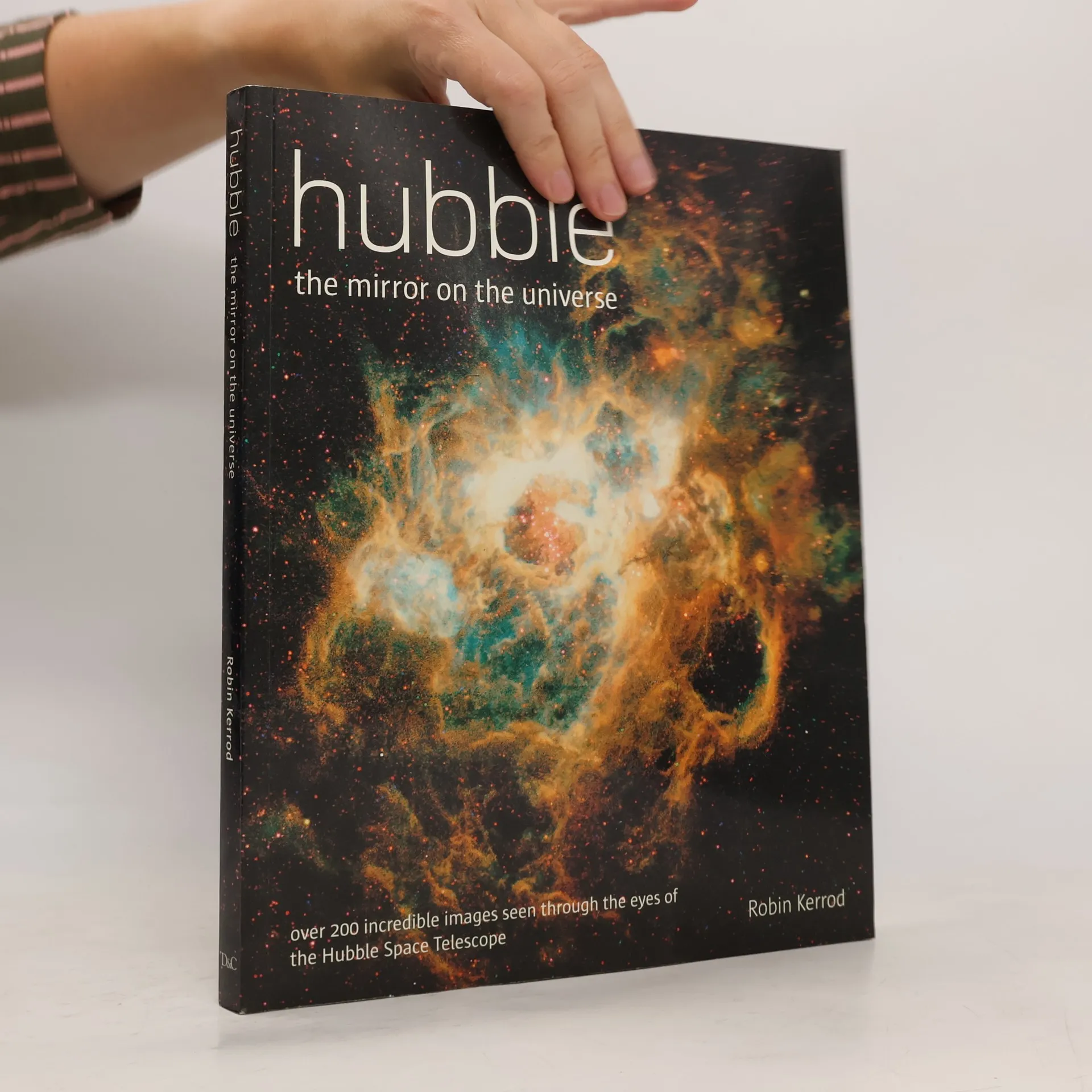
High above the Earth's hazy atmosphere, the Hubble Space Telescope has literally opened up a new window on the Universe, as its creators planned, and is returning images and data that are amazing and astounding astronomers. It is showing in unprecedented detail stars being born and in their final death throes. It is finding evidence of awesome black holes and new solar systems in the making. And it is peering deeper into space than ever before, looking back to a time when the Universe itself was newborn. An expert and lively commentary by one of the world's leading popular astronomy writers complements the stunning images, making this spectacular and essential reading for everyone aiming to understand what makes the Universe tick.
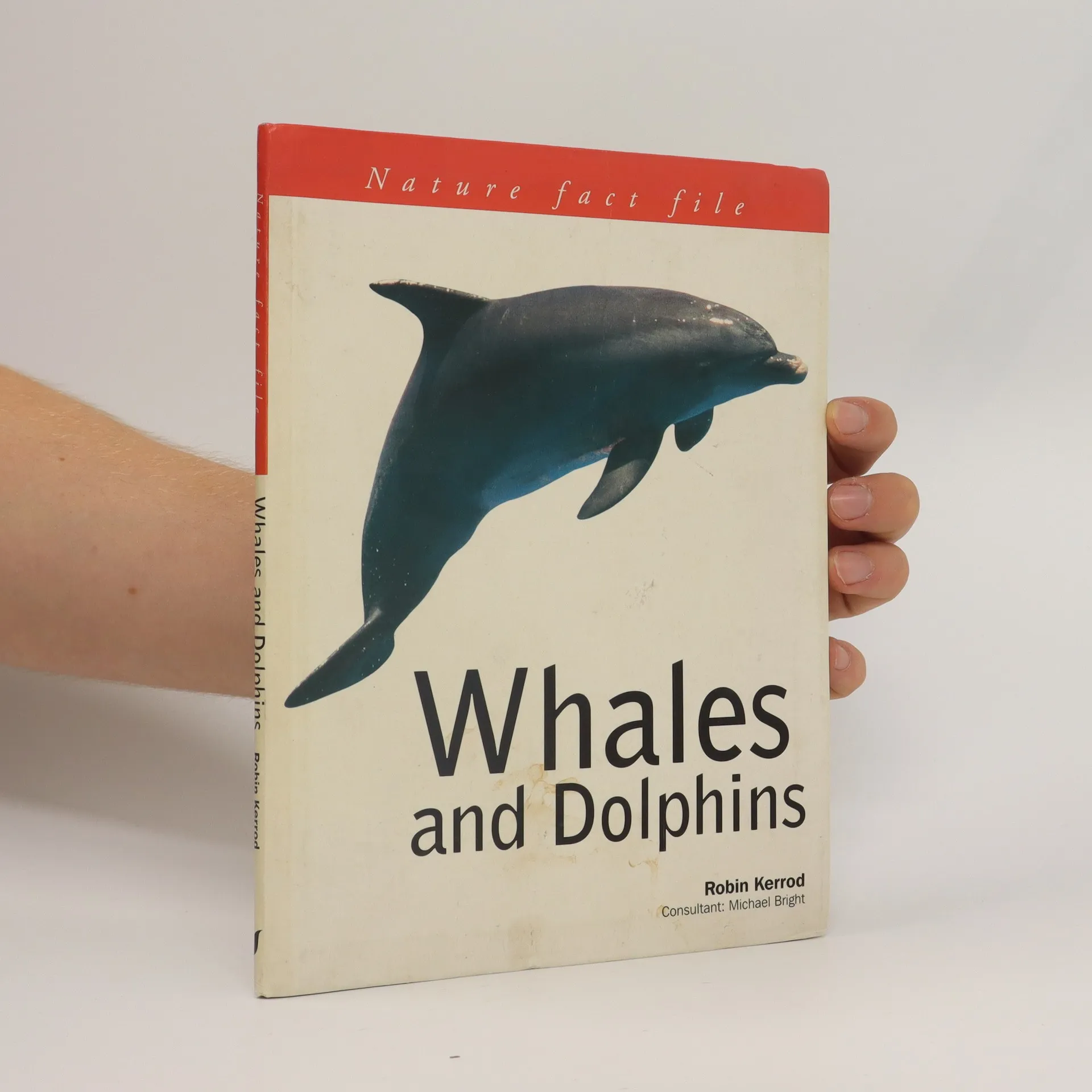
Whales and Dolphins
- 60pages
- 3 heures de lecture
This books answers questions about hunting, feeding, fighting, life cycles, habitats, communication, play, legends, and much, much more.
You can find the answers to many fun and fascinating questions in 1000 Questions and Answers. Packed with colorful illustrations and amazing facts, it is guaranteed to entertain and inform. Packed full of fascinating facts and quirky questions, this volume has something for every inquisitvie child, with over 140 topics, ranging from dinosaurs, birds, and oceans to medieval castles and space-age technology. Presented in an easy-to-follow format, each topic has a short introduction followed by the questions that children love asking and straightforward answers to increase their knowledge of the world around them. Suitable for reading alone, with a friend, or with an adult, every question is clearly presented with an easy-to-grasp, complete answer paired with an illustration or diagram. And to test your knowledge, there is a fun, quick-fire, multiple-choice quiz at the end of every topic. Just imagine how much you can learn!
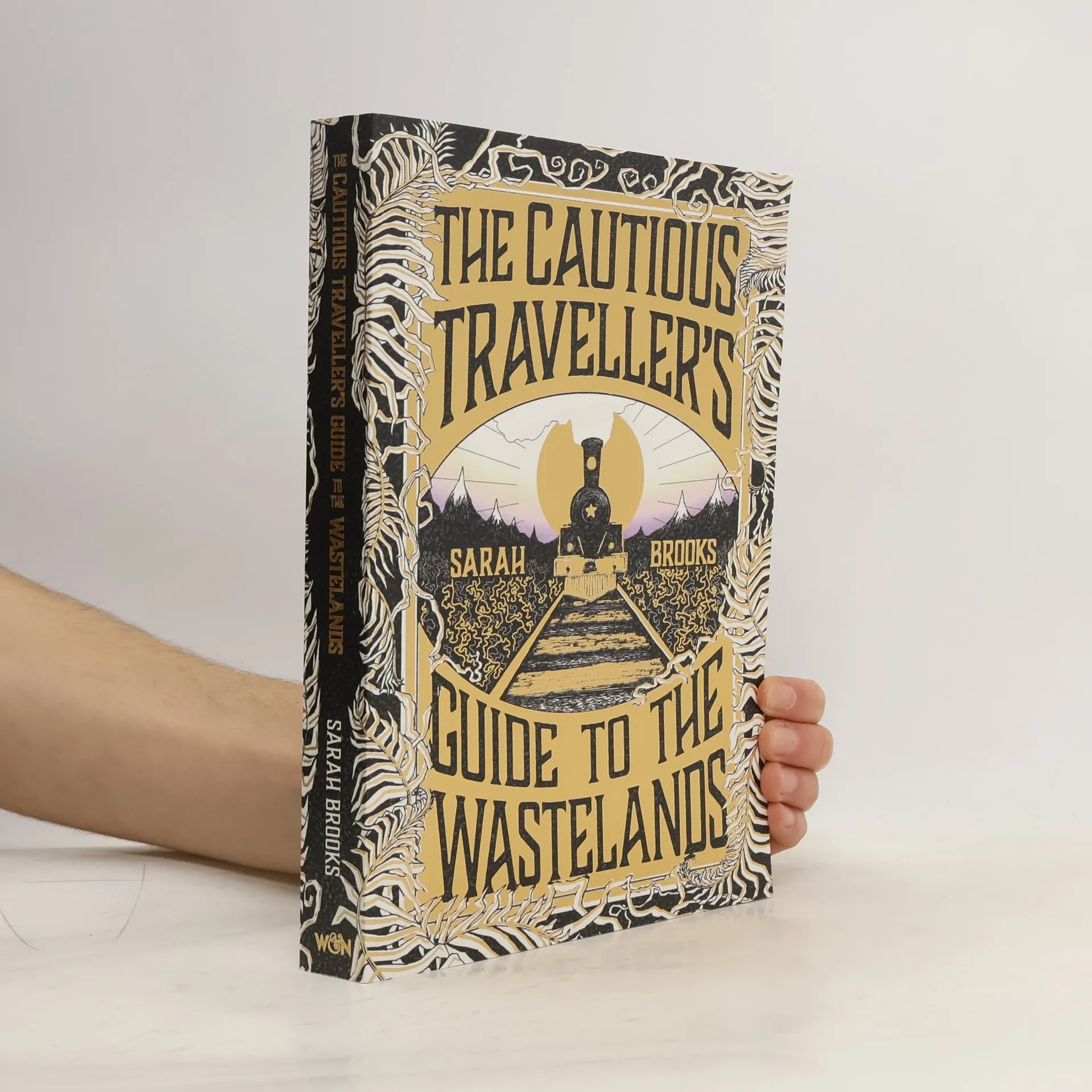
The extraordinary and engrossing debut novel set onboard the Trans-Siberian Express - available to pre-order now! It is said there is a price that every passenger must pay. A price beyond the cost of a ticket.It is the end of the 19th Century and the world is awash with marvels. But there is nothing so marvellous as the Wastelands: a terrain of terrible miracles that lies between Beijing and Moscow.Nothing touches this abandoned wilderness except the Great Trans-Siberian Express: an impenetrable train built to carry cargo across continents, but which now transports anyone who dares to cross the shadowy Wastelands.On to the platform steps a curious cast of characters: a grieving woman with a borrowed name, a famous child born on the train and a disgraced naturalist, all heading for the Great Exhibition in Moscow.But the old rules are changing, and there are whispers that the train isn't safe. As secrets and stories begin to unravel the passengers and crew must survive their journey through the Wastelands together, even as something uncontrollable seems to be breaking in . . .
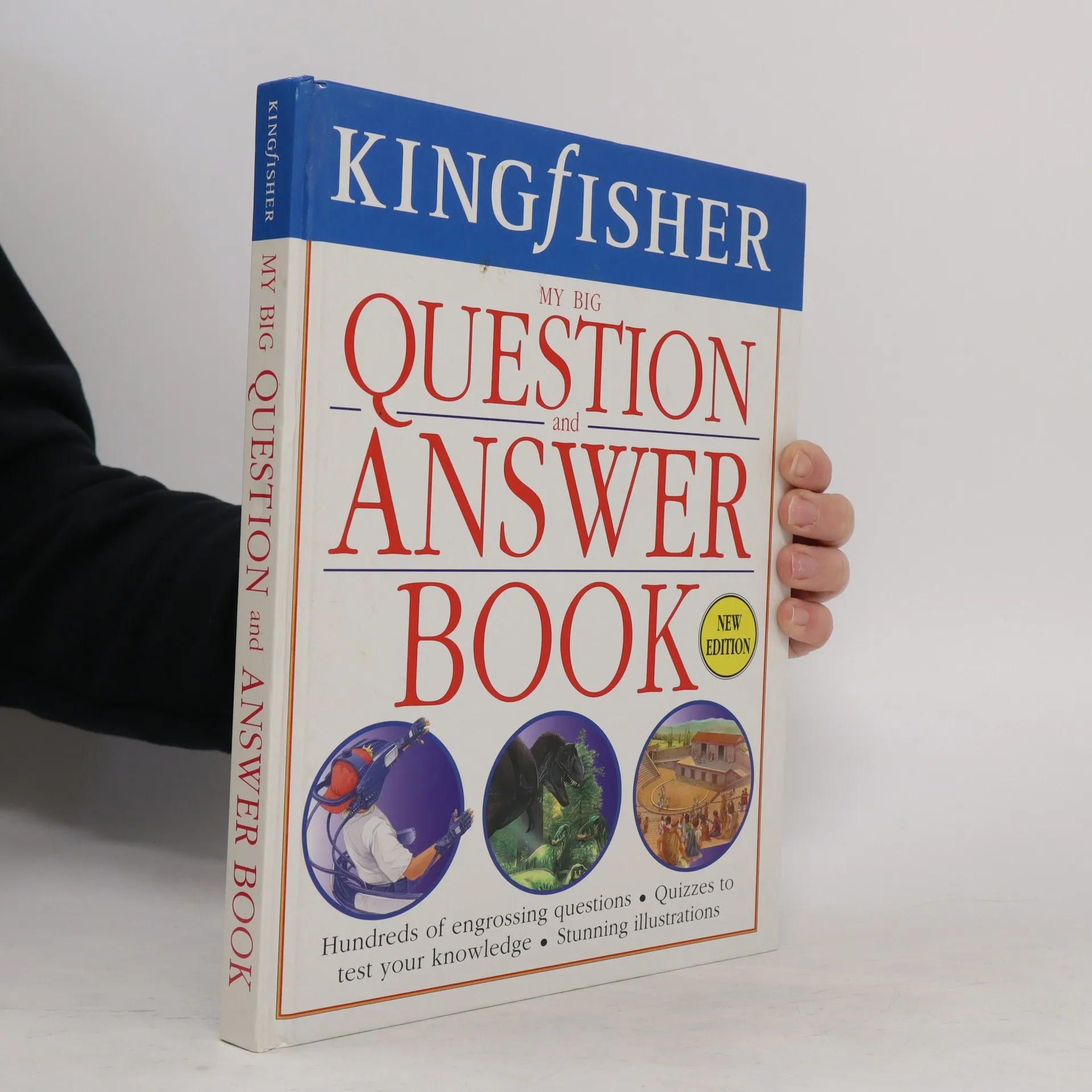
My Big Question and Answer Book
- 160pages
- 6 heures de lecture
This text offers a direct and stimulating way for young readers to access information on a wide range of subjects. Hundreds of questions are explored in sections covering the arts, sciences and humanities.
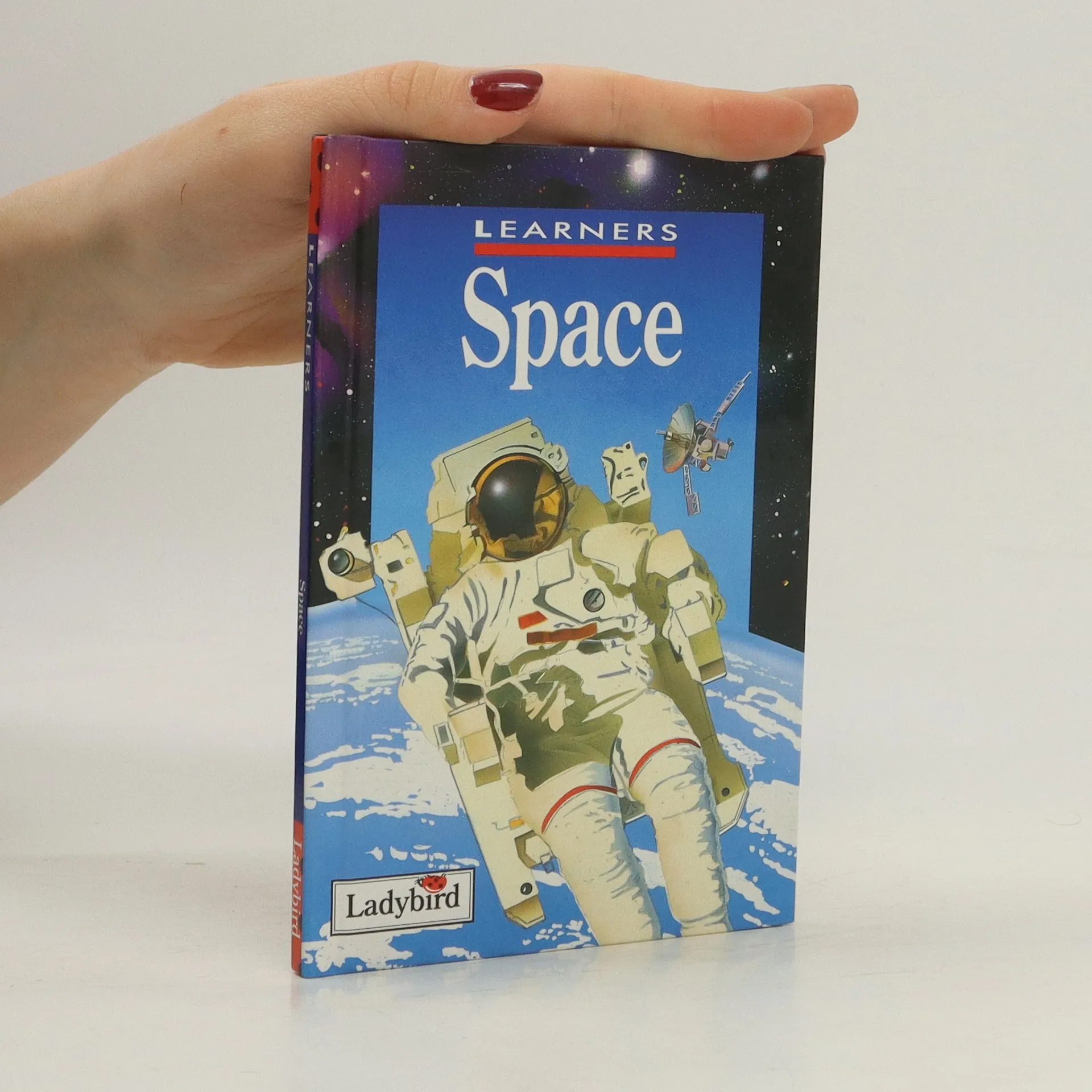
One of a series, this information book provides an introduction to the stars, planets, moon and the universe, as well as space exploration, space travel and an astronaut's life in space.
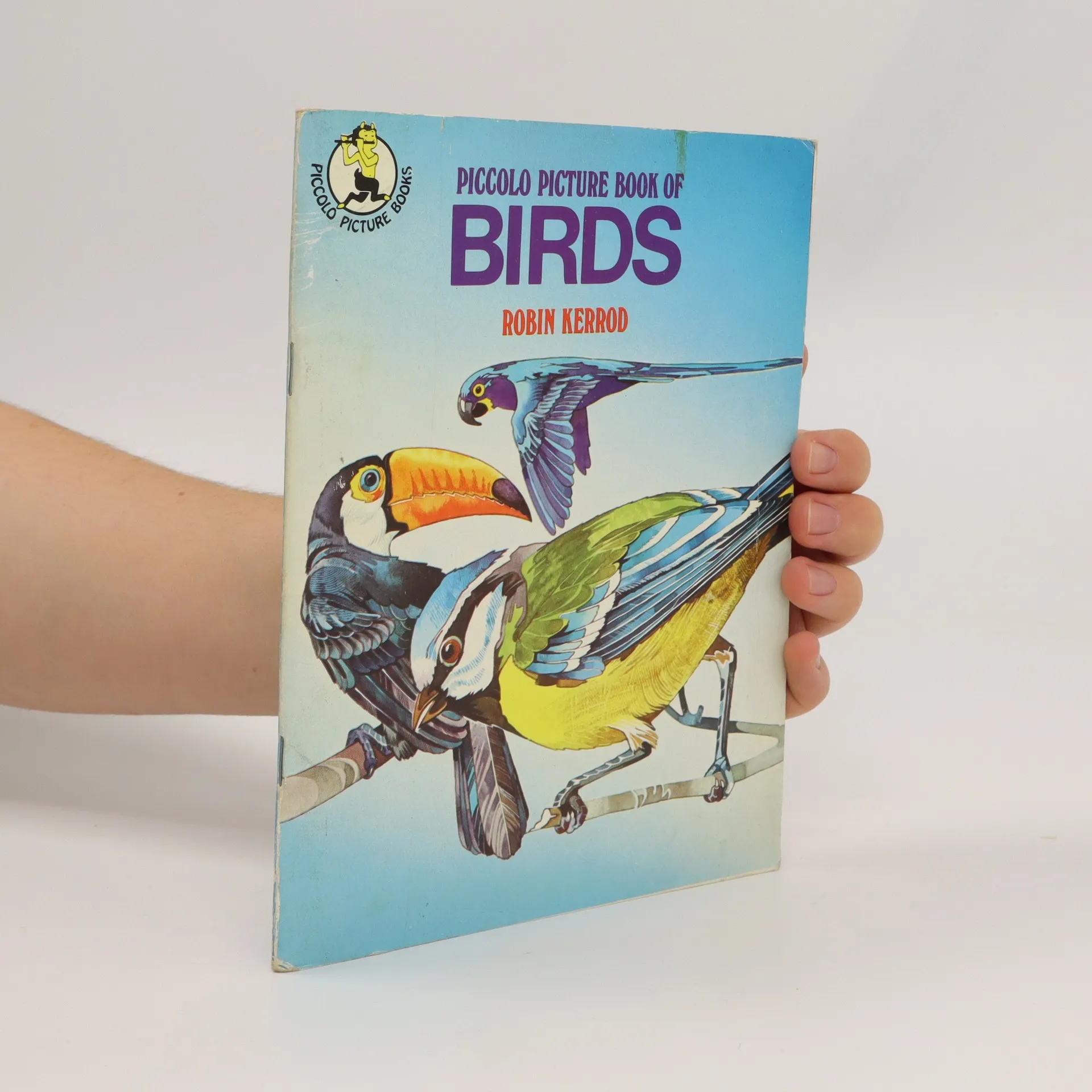
Piccolo Picture Book of Birds
- 48pages
- 2 heures de lecture
Educational picture book on birds for children.
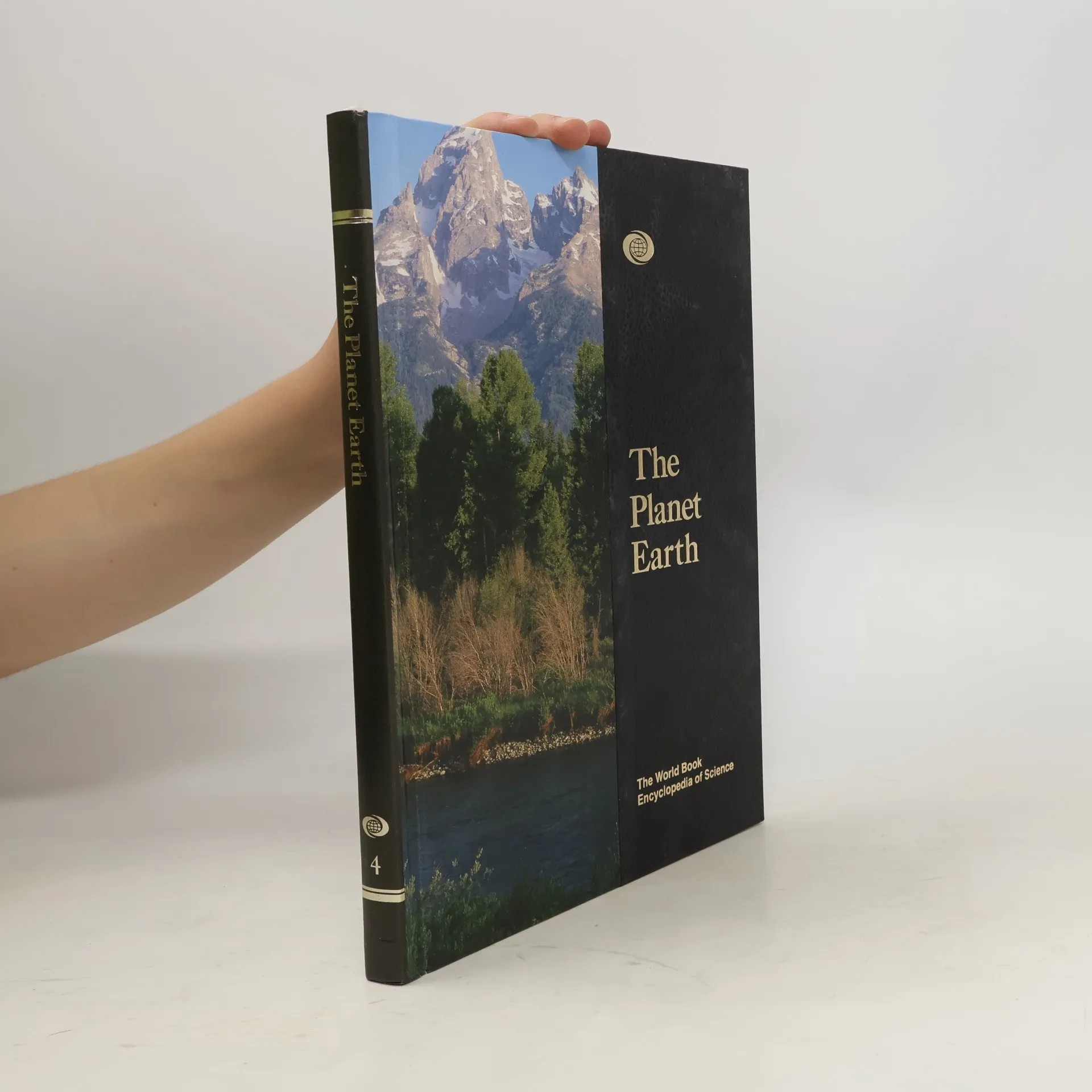
The World Book Encyclopedia of Science - 4: The Planet Earth
- 159pages
- 6 heures de lecture
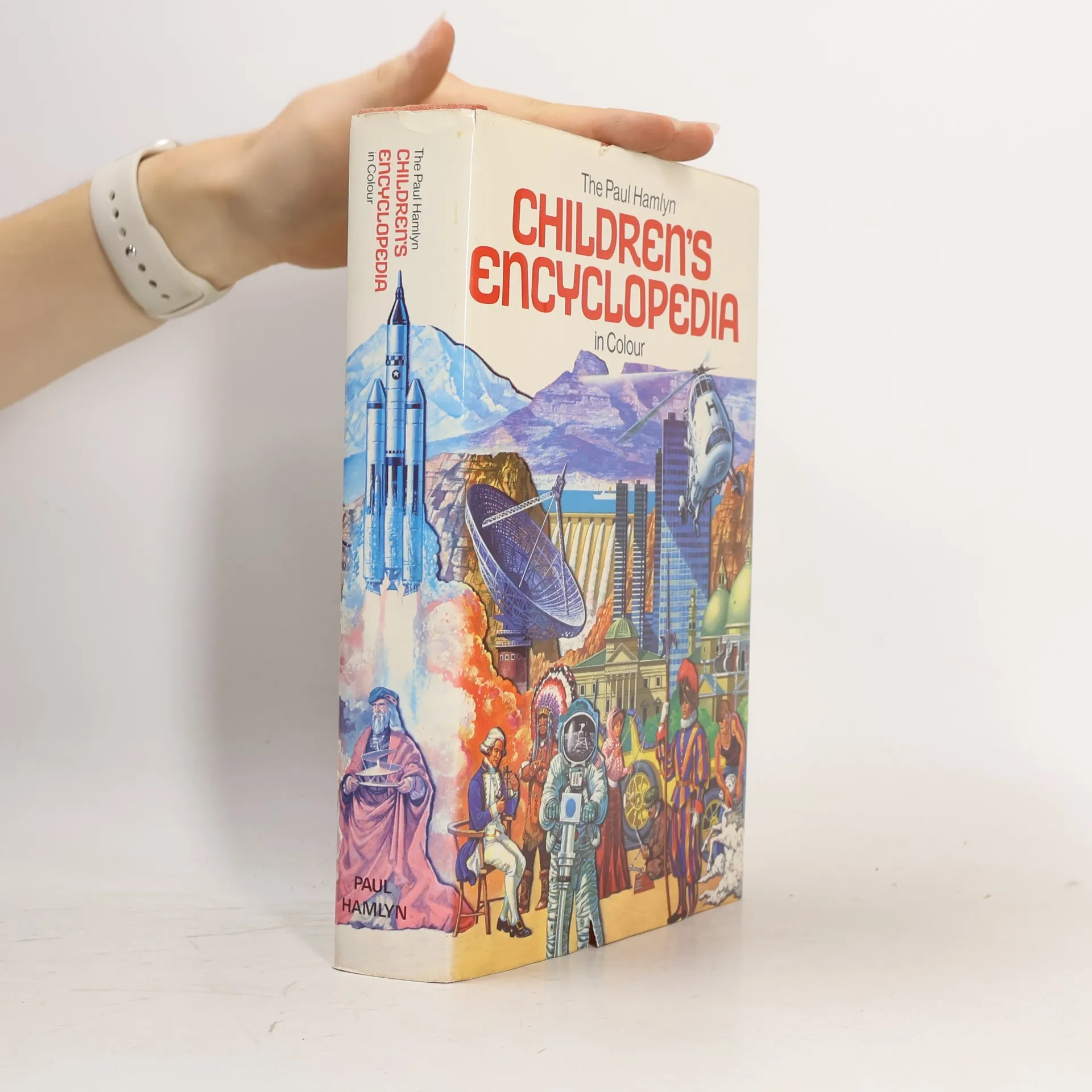
The Paul Hamlyn Children's Encyclopedia
- 544pages
- 20 heures de lecture
This exciting encyclopedia contains Over 500 pages of lively informative text More than 1,000 colourful illustrations Six sections covering the many aspects of the world we live in Wide-ranging appeal for children with enquiring minds
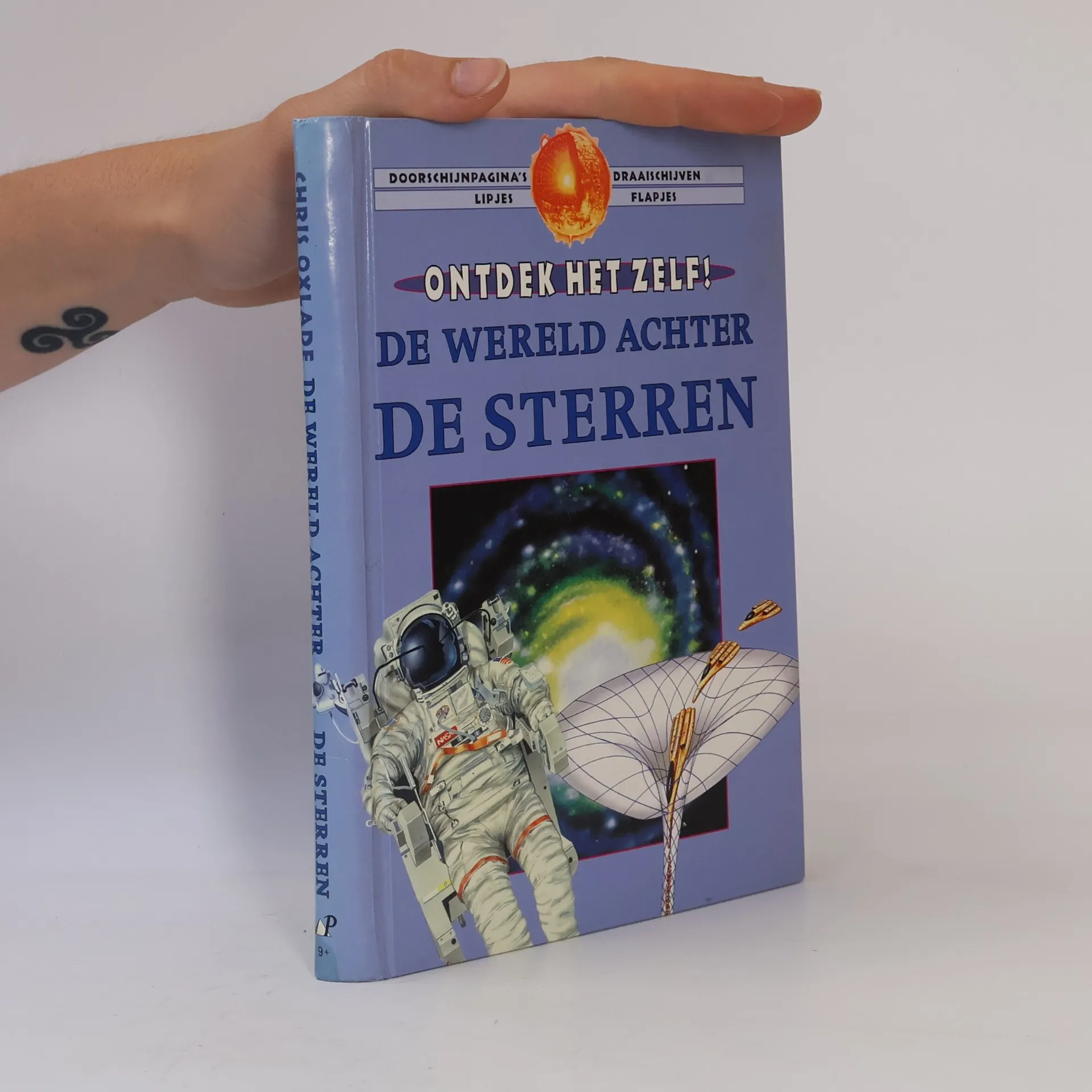
Reis door de ruimte. Land op de maan, ontdek de ringen van Saturnus, de komeet van Halley, de sterren en nog veel meer. De speciale doorschijnpagina's, draaischijven, lipjes en flapjes maken dit spannende boek echt interactief.
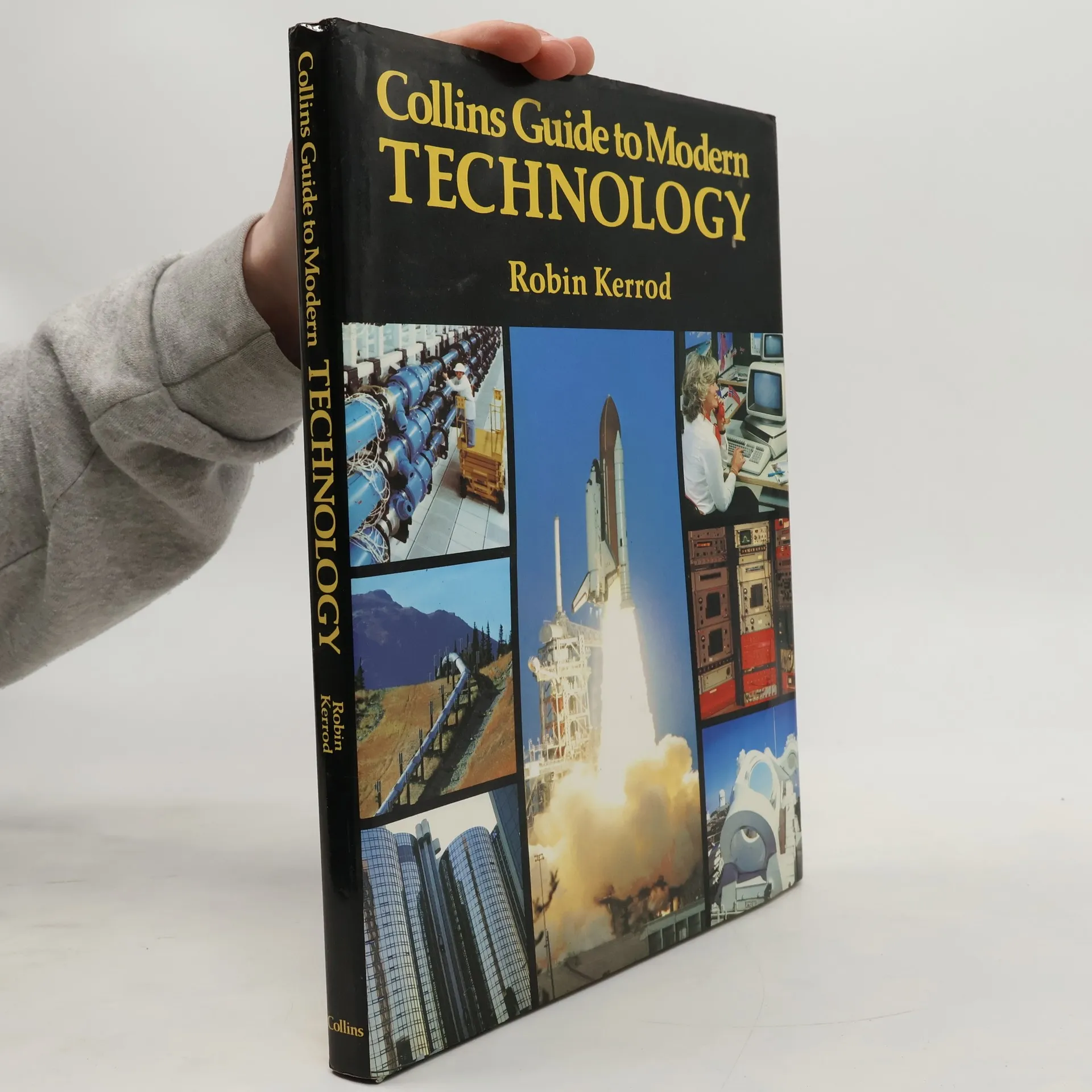
Collins Guide to Modern Technology
- 192pages
- 7 heures de lecture
Book by Kerrod, Robin
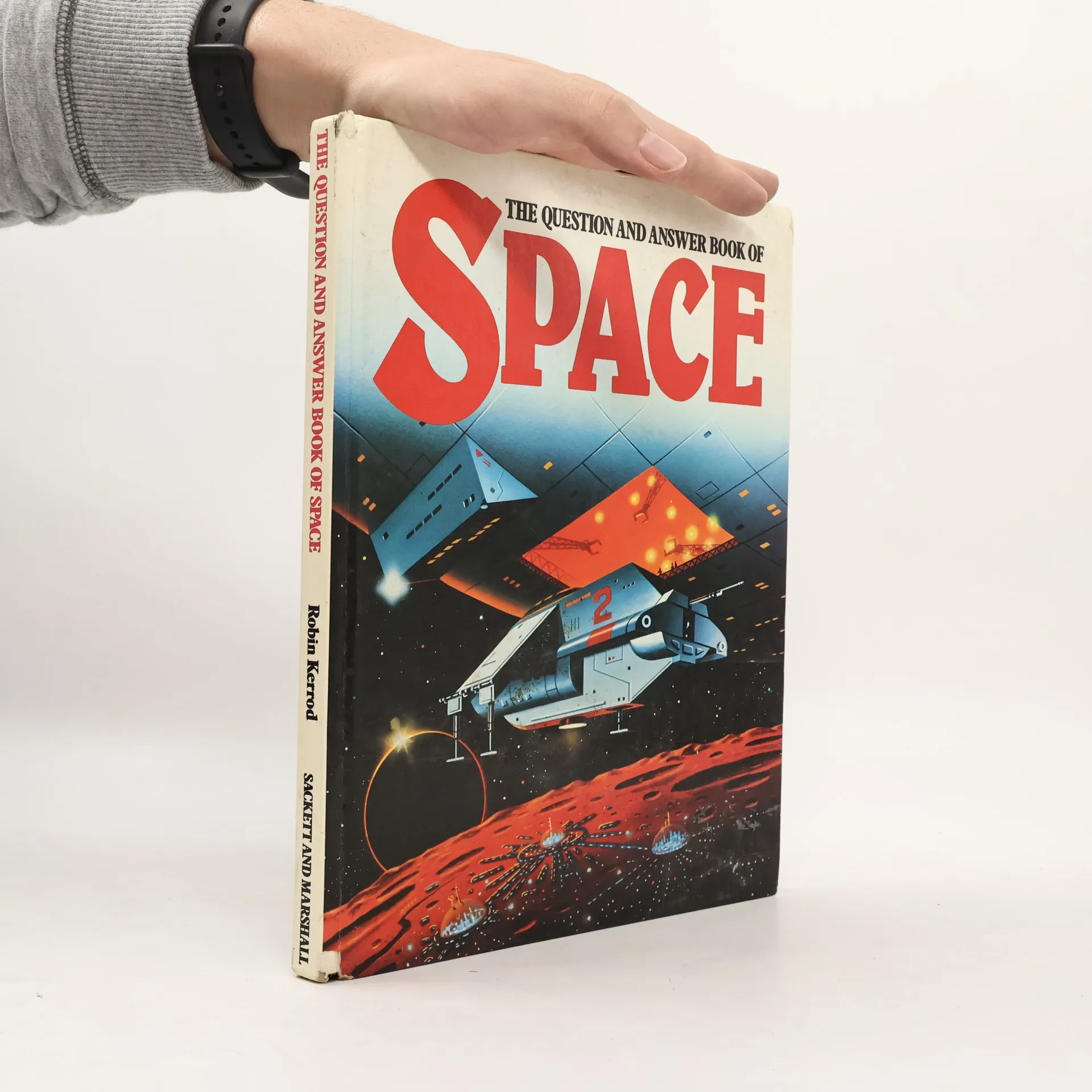
The Question and Answer Book of Space
- 128pages
- 5 heures de lecture
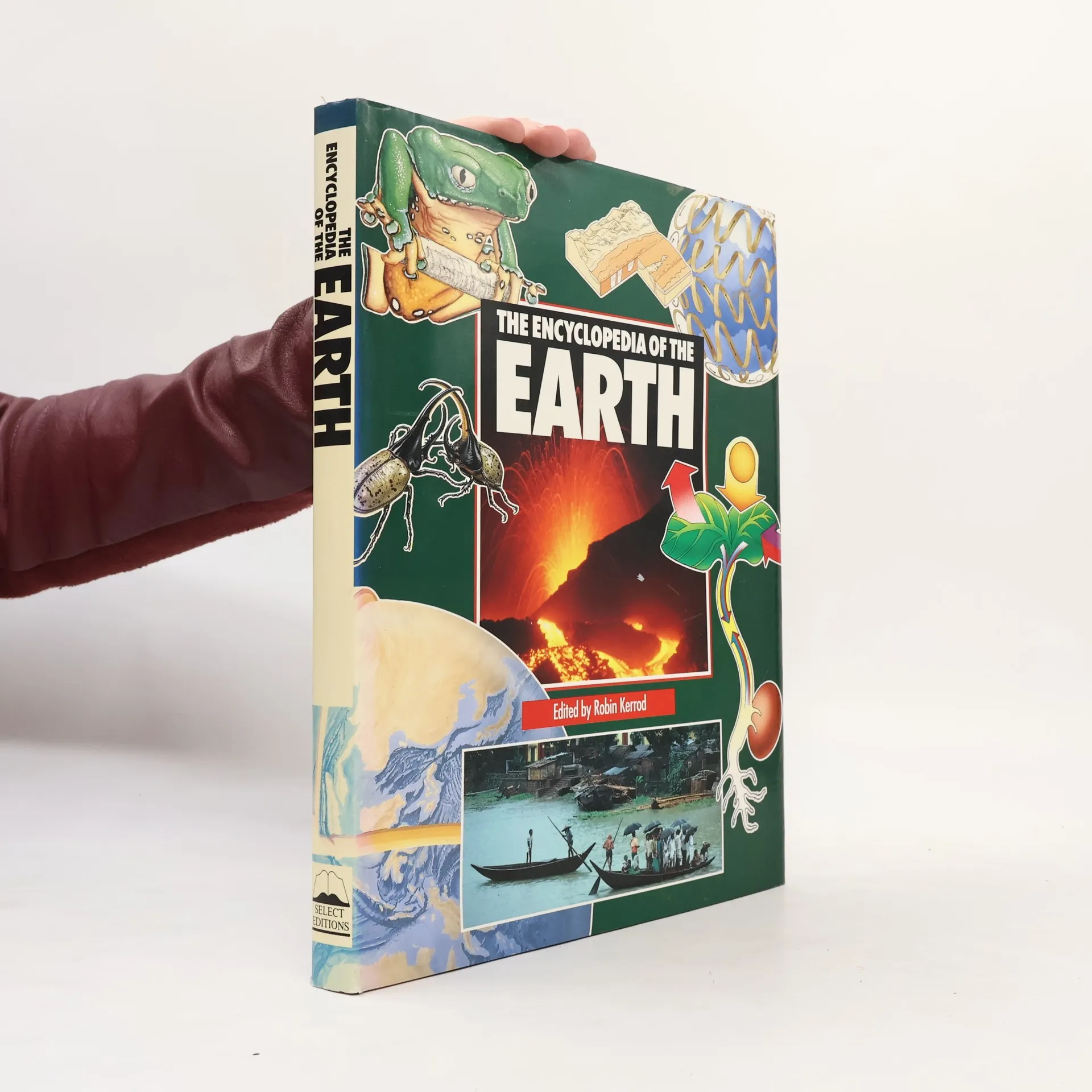
Complete Encyclopedia of the Earth
- 240pages
- 9 heures de lecture
Space Walks
- 72pages
- 3 heures de lecture
Traces the development of the spacesuit, shows moon walks and walks in space on Gemini, Apollo, and space shuttle missions, and looks at the future of space stations
The Illustrated Guide to the Night Sky
Identify the Key Stars and Constellations with a Special Planisphere
- 160pages
- 6 heures de lecture
Includes a planisphere
Detský atlas vesmíru
- 95pages
- 4 heures de lecture
Poznaj vesmír, planéty našej slnečnej sústavy, vesmírne raketoplány a nočnú oblohu. Atlas vesmíru ťa pozýva na ďalekú cestu za tajomstvom vzniku hviezd a planét až k najnovším objavom kozmických sond a družíc. Kniha je rozdelená do štyroch tematických oddielov - Slnečná sústava (planéty, kométy, planétky), Nočná obloha, Hviezdy a galaxie, Kosmický výskum.
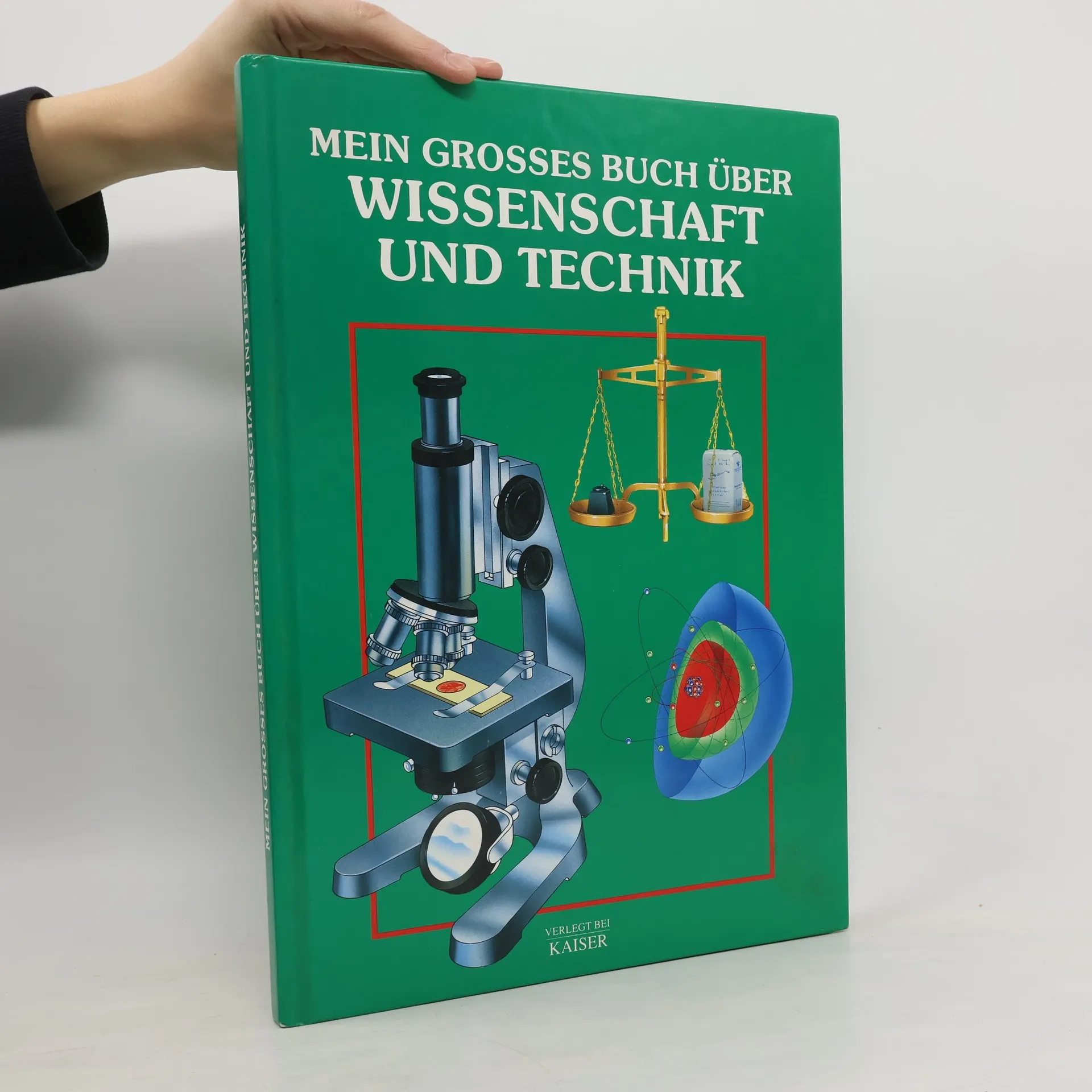
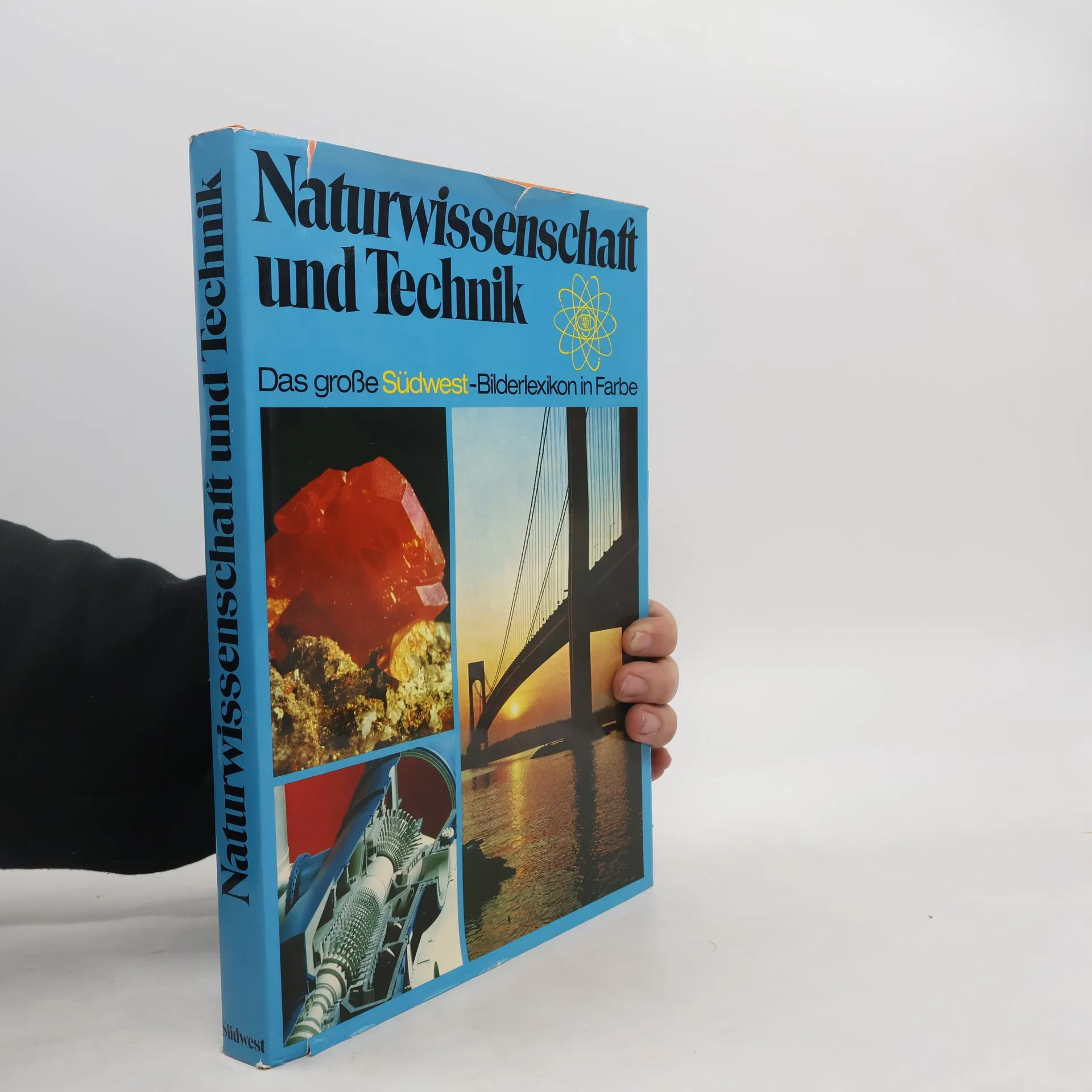
Wie ist ein Atom aufgebaut? Was ist Licht und was sind Töne? Wie arbeitet der Motor eines Autos? Dieses Buch gibt Auskunft über alles, um Wissenschaft und Technik besser zu verstehen. Ein leicht verständlicher Text, farbige Illustrationen und Fotos erklären unser Wissen von der Energie und den Kräften, der Elektrizität, der Materie und Stoffe, Licht und Töne und vieles mehr. Es ist eine umfassende Einführung für jeden Interessierten in die Welt der Wissenschaft und Technik.
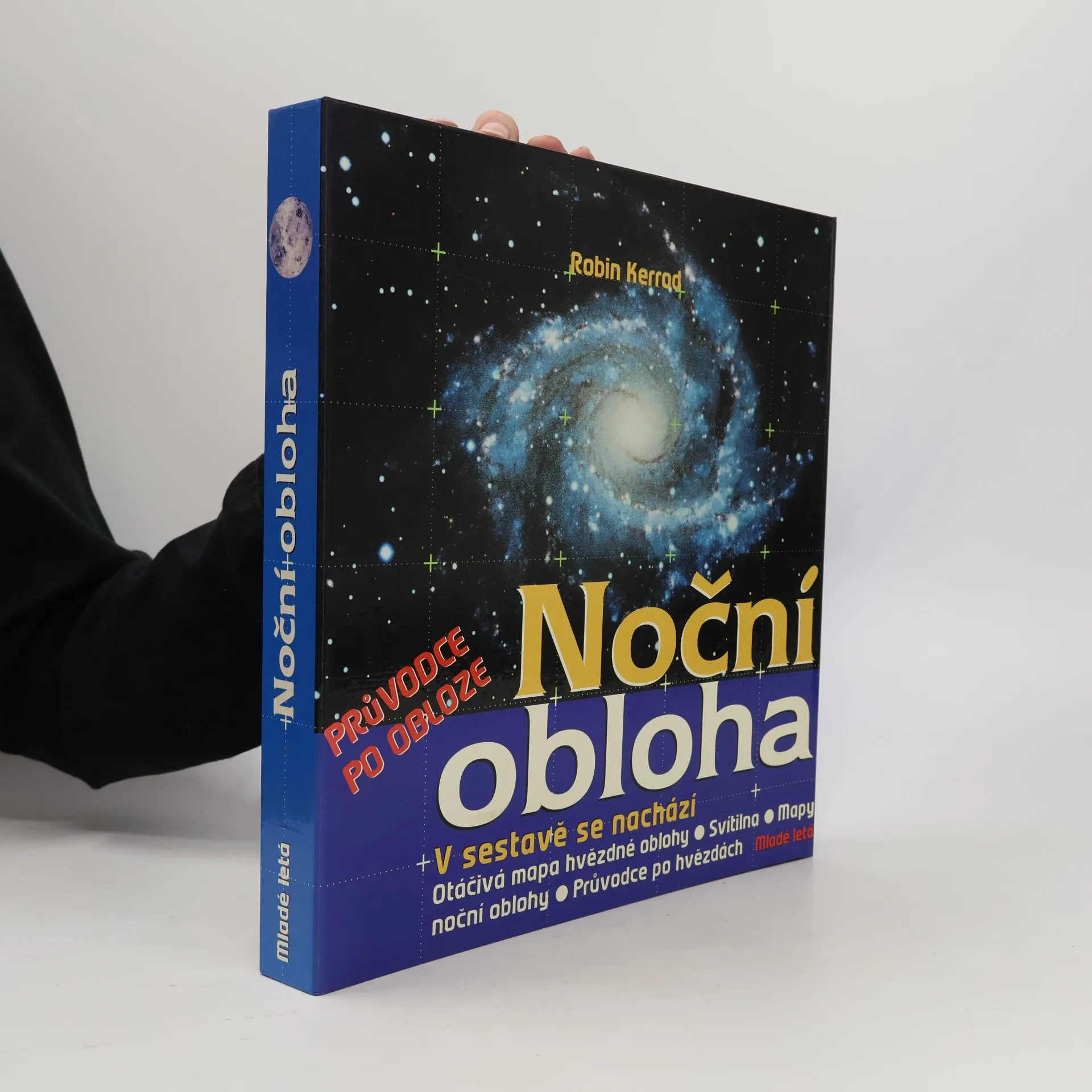
Noční obloha - Průvodce po obloze
- 260pages
- 10 heures de lecture
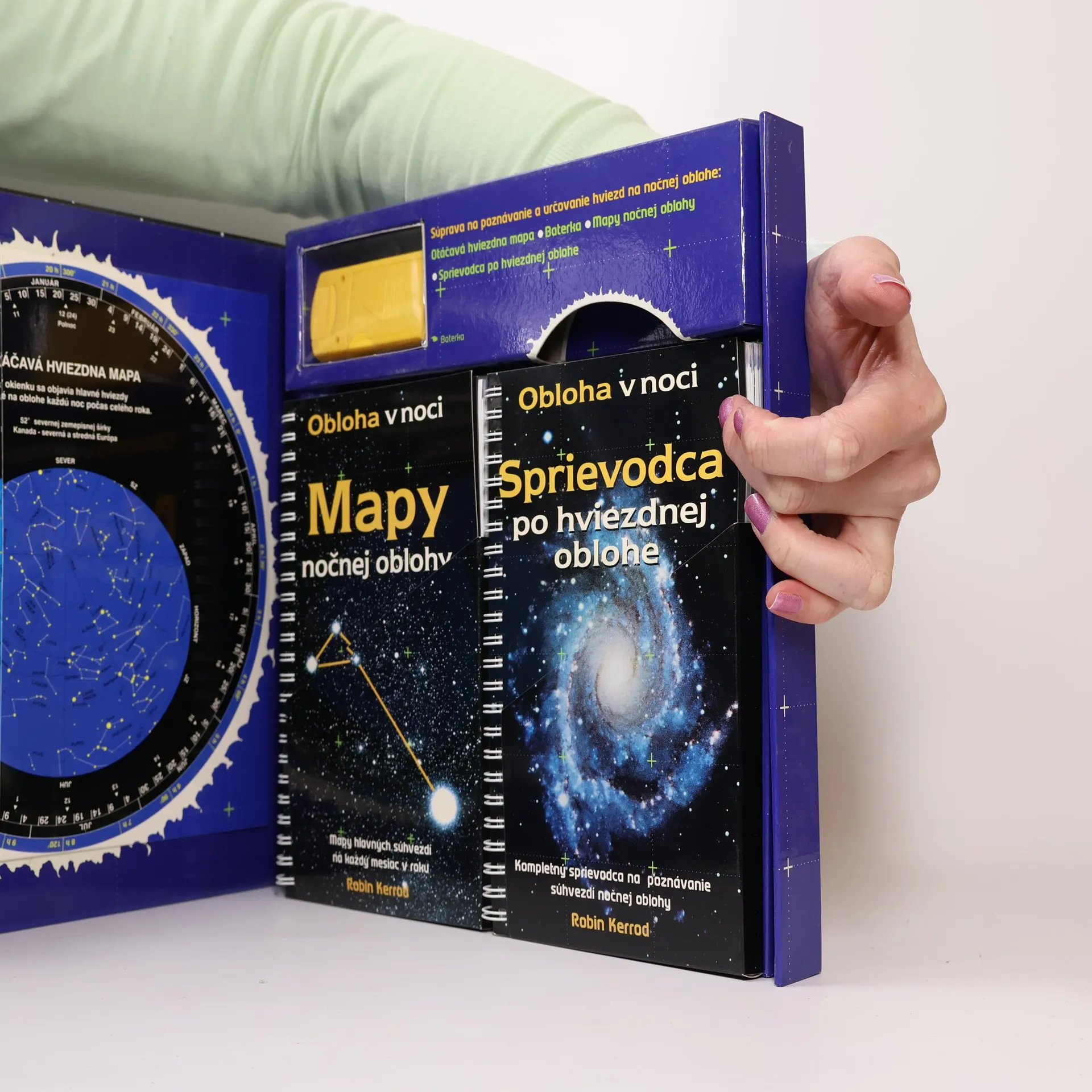
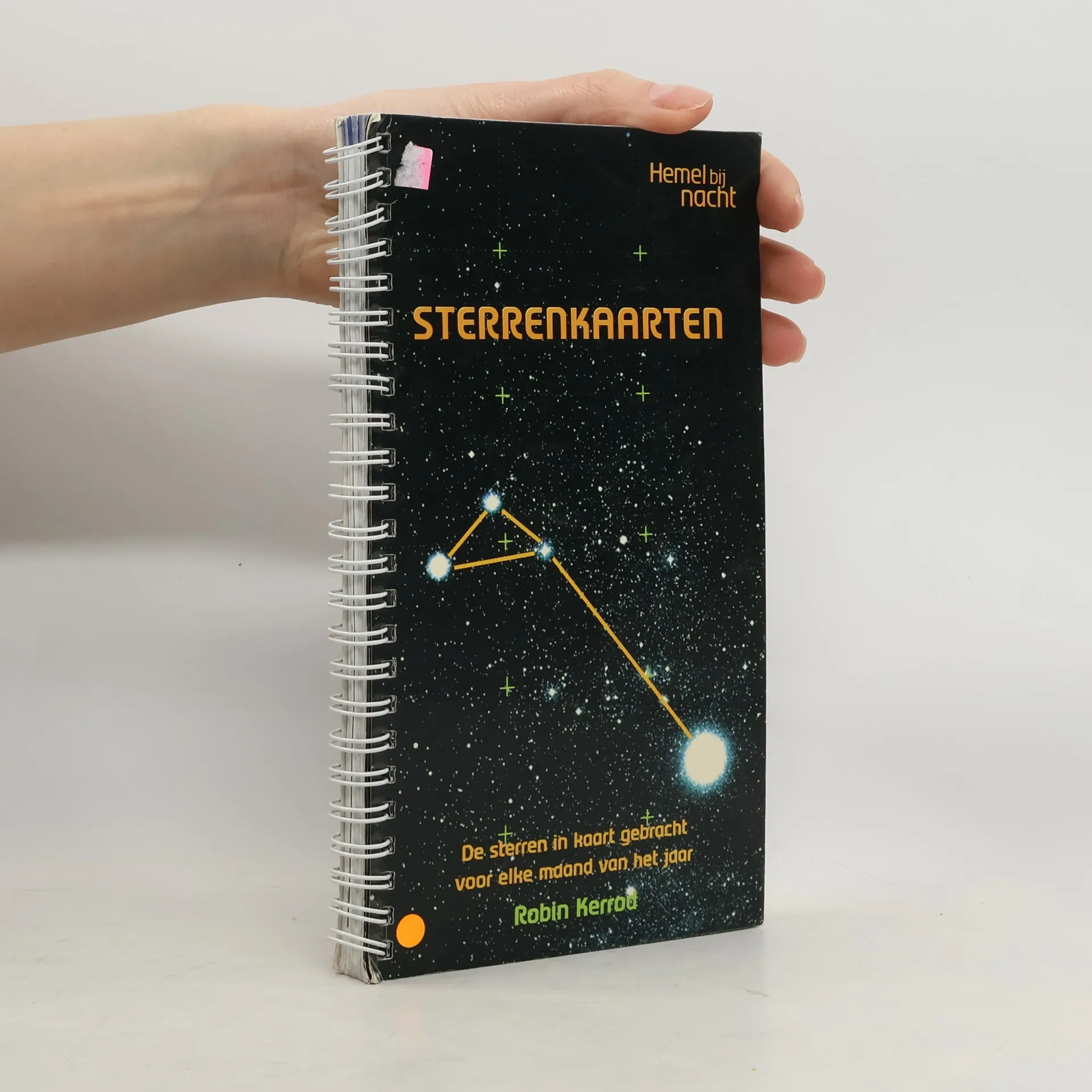
Souprava pomůcek pro poznávání hvězdné oblohy : otáčivou mapu hvězdné oblohy - svítilnu - mapy noční oblohy - průvodce po hvězdách, Příručka Hvězdné mapy - obsahuje obrázky nejvýraznějších souhvězdí, jak je vidíme v každém kalendářním měsíci roku.V pohodlné kroužkové vazbě.Průvodce po hvězdách : kniha k domácímu studiu - základní informace o vesmíru pro pozorovatele hvězdné oblohy.
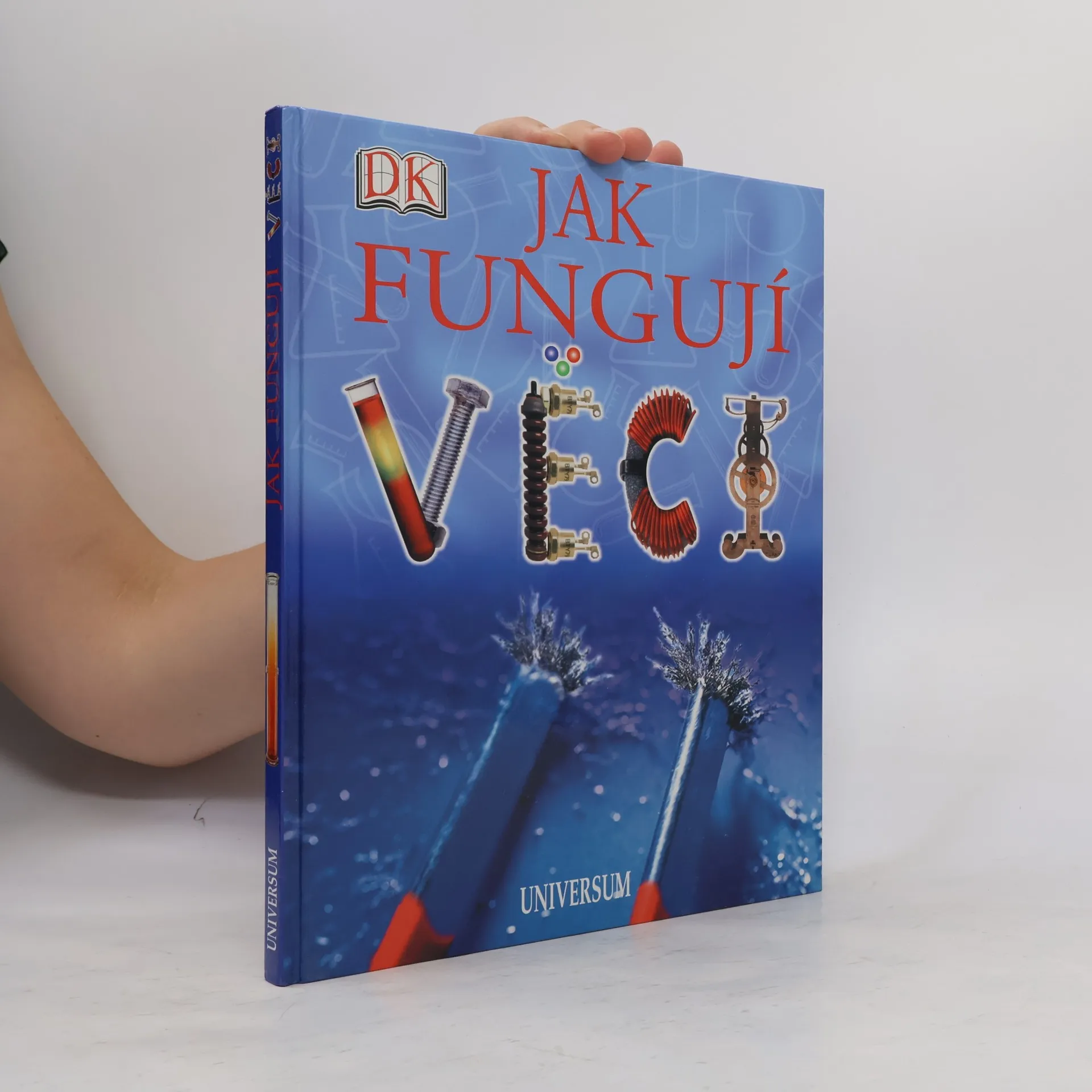
Jak fungují věci
- 160pages
- 6 heures de lecture
Od blesků až po robotiku, tato kniha nahlíží pod pokličku vědy a dává nám příležitost experimentovat s teoriemi podle vlastního uvážení. Odkryjte budoucnost Jestliže se chcete dozvědět, jak vznikají myriády barev, které tvoří polární záři, nebo když chcete pochopit, proč je možné vznášet ve vodách Mrtvého moře, pak je tato kniha určena právě vám. Vysvětluje věci kolem nás jasným a srozumitelným jazykem, pomáhá si při tom vynikajícím obrazovým doprovodem. Můžete tak přijít na kloub a ověřit přírodní zákony i za pomoci dobrodružných experimentů, které najdete v každé kapitole - od vytvoření vlastního polymerového řetězce až po poznání vlastností raketových motorů. Jednoduchý průvodce životem Precizní, ale přitom nenásilné vysvětlení základních chemických a fyzikálních témat v knize nám pomáhá uvědomit si, jak důležitá je věda pro dnešního člověka a jak každý další objev může změnit náš svět. Jak v obastech materiálního světa, tak na poli magnetismu a elektřiny, seznámíme se s příklady
Inleiding in de astronomie.
Gwiazdy
- 160pages
- 6 heures de lecture
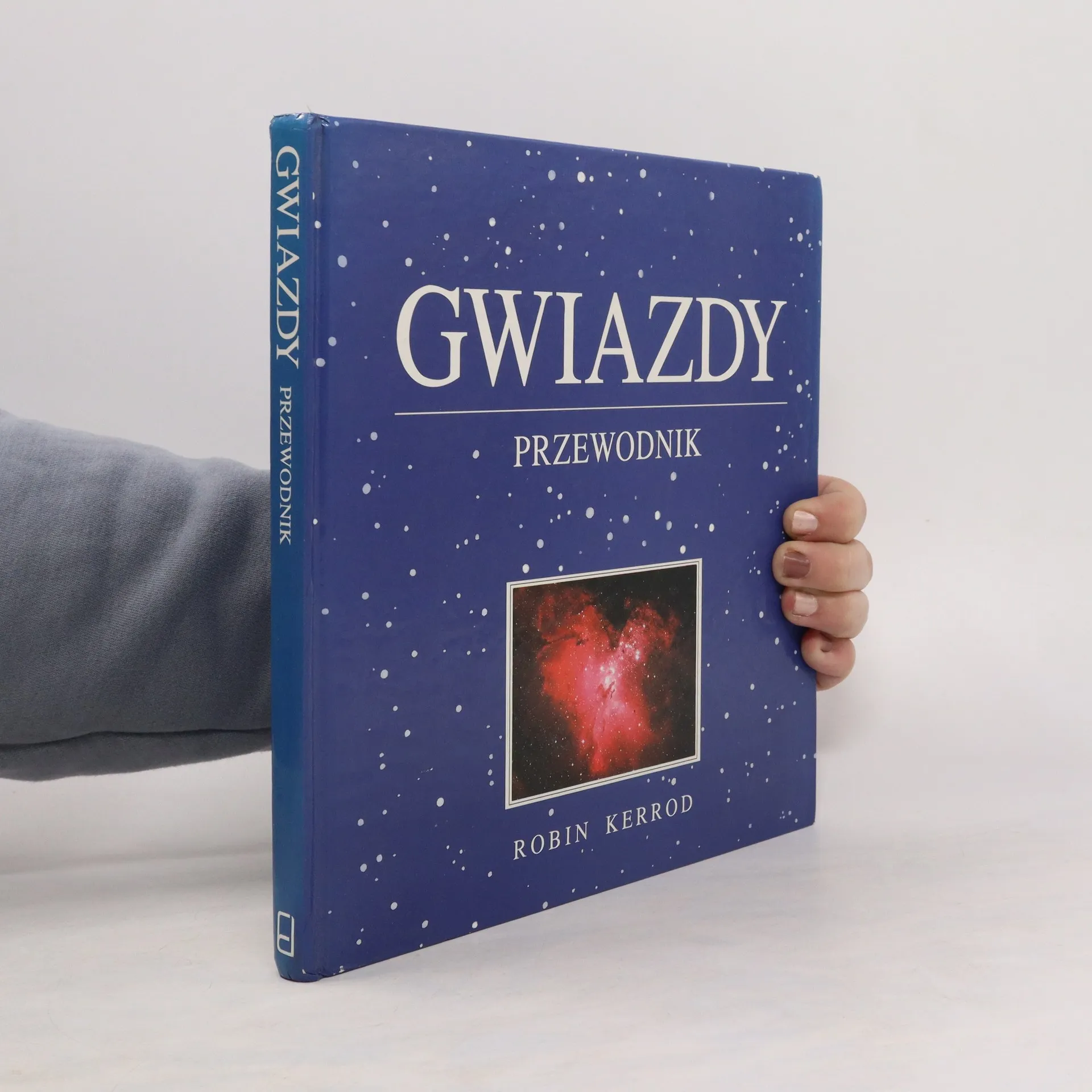
Ponad 80 łatwych do odczytania map gwiazdowych prowadzi cię gwiazda po gwieździe i miesiąc po miesiącu przez zimowe, wiosenne, letnie i jesienne niebo na półkuli północnej i południowej. Praktyczny planisfer, czyli wykrywacz gwiazd, umożliwia identyfikację gwiazd nad tobą o każdej porze dnia. Kładzie się nacisk na klarowność i łatwość użycia. Uczysz się poprzez obserwację i możesz skonsultować podstawowe strony referencyjne, gdy potrzebujesz dodatkowych informacji. Spektakularne fotografie uchwycają cud i dramat przestrzeni.
Sterne und Planeten
- 125pages
- 5 heures de lecture
Jak funguje vesmír
- 160pages
- 6 heures de lecture
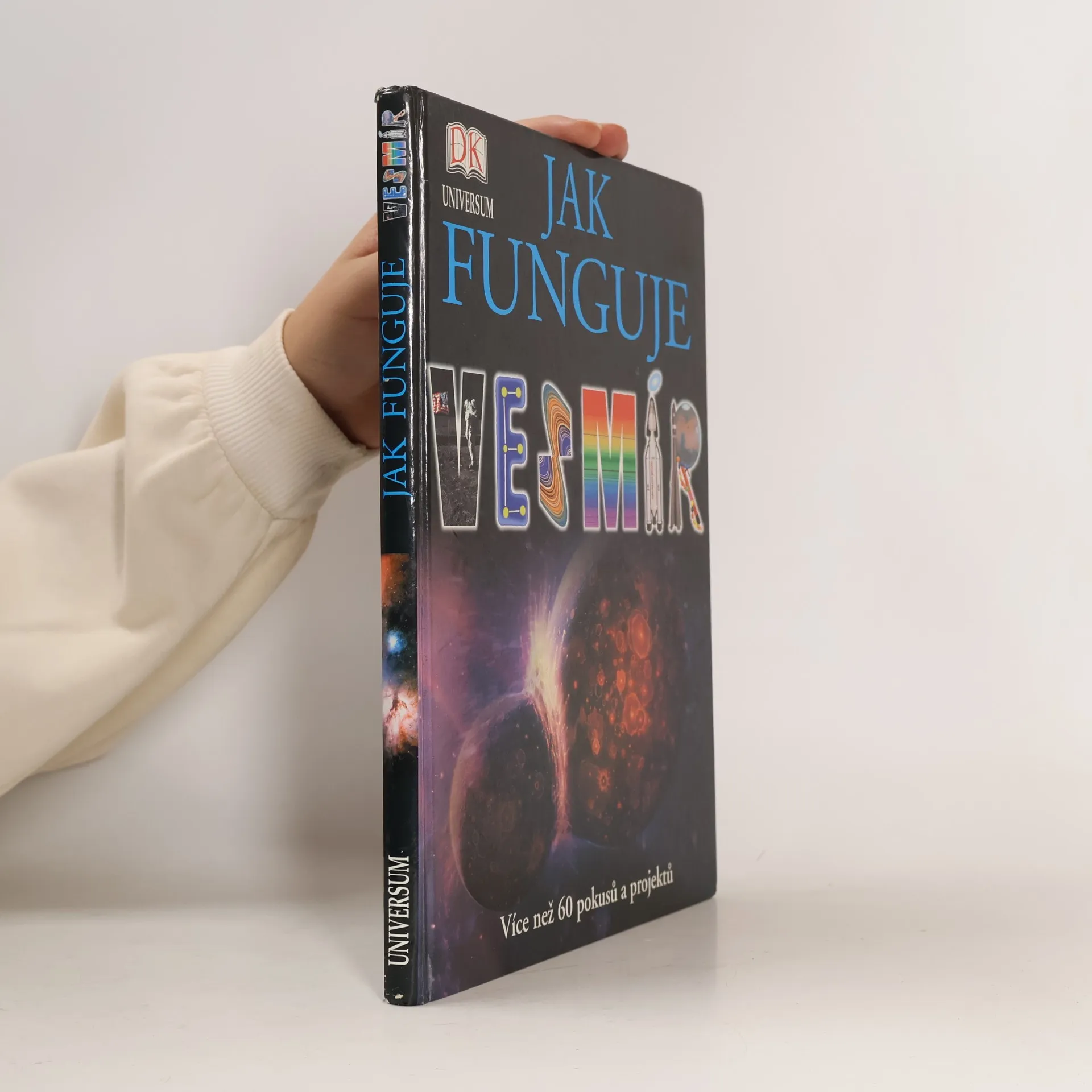
Tato kniha ti otevře průhled k vědě o vesmíru od nejmenších částic přes supernovy až k černým dírám a nabídne ti příležitost poznat základní názory o vesmíru. Cesta ohromnými prostory vesmíru Pokud chceš vědět, proč přichází na Marsu jaro, jak se rodí hvězdy, či jak velký je vesmír, najdeš v této knize srozumitelné vysvětlení doprovázené názornými obrazy včetně fotografií, které pořídil Hubblův kosmický dalekohled. V každém oddílu knihy můžeš pomocí pokusů poznávat a ověřovat vědecké poznatky: sám napodobíš zatmění Měsíce nebo budeš zkoumat mikroby na Marsu. Poznávání vesmíru Po celém světě se setkáváme s astronomií, fyzikou i kosmologií a můžeme poznávat, jaká je podstata vědy a jak vysvětluje, co se děje ve vesmíru. Od atomů hmoty k magnetizmu a elektřině - všude najdete krásné příklady výsledků vědecké práce. Můžeme se také pokusit o podivuhodné důkazy a vzrušující praktické pokusy. Rejstřík a slovník jsou užitečným doplňkem knihy. .Objevte zákony vesmíru, od neuvěřitelné síly gravitace až po povahu temné hmoty. Ověřte teorie v praxi pomocí více než 60 pokusů a projektů. Aktuální text, schémata, grafy a obrázky oblohy odpovídající 3. tisíciletí vysvětlují záhadný fenomén vesmíru. Kniha je plná údajů o dnešní astronomii, posledních objevech i nových teoriích. Skvělý způsob, jako hravou formou objevit tajemství planet, hvězd a galaxií. Pokusy jsou určeny pro děti od 10 let.
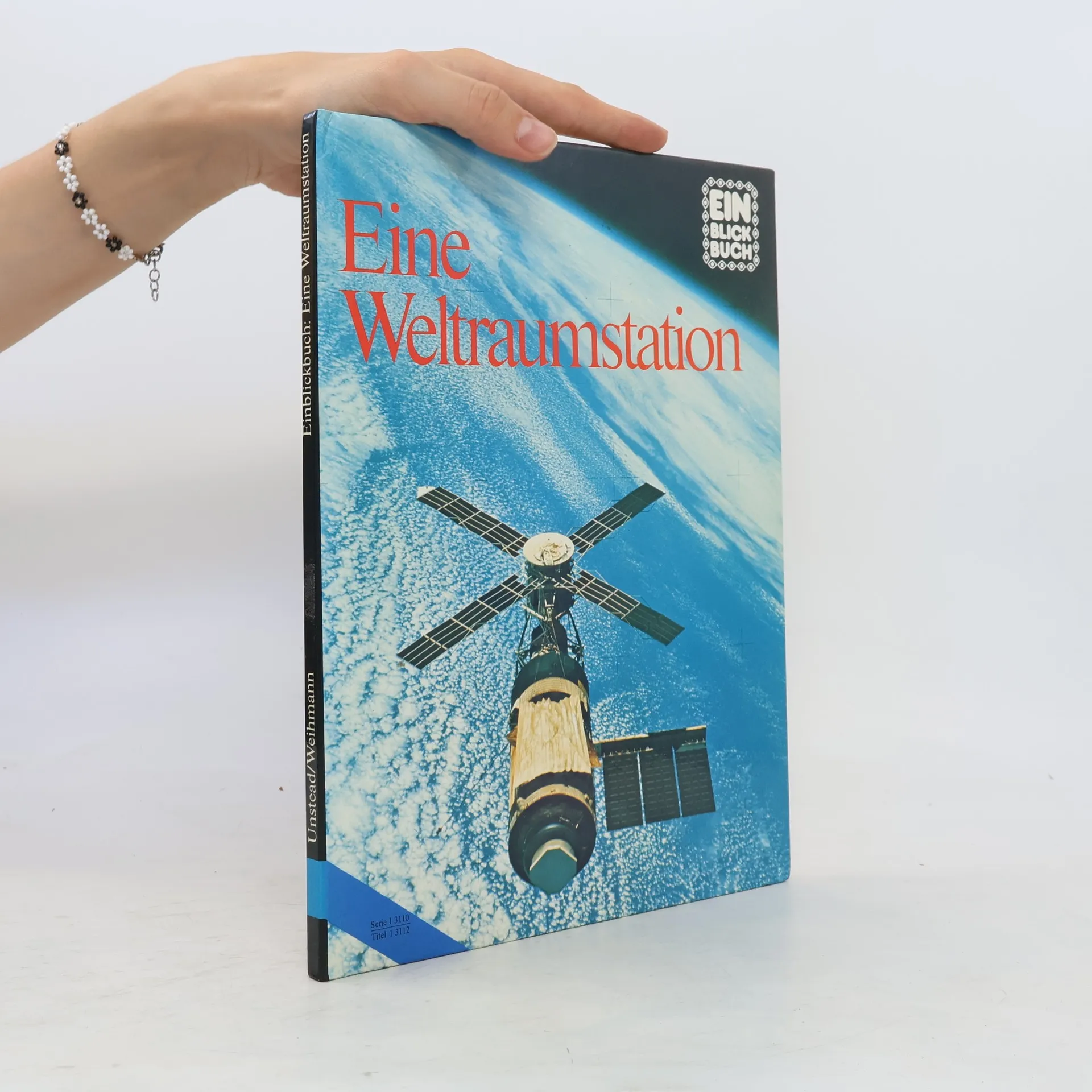
Eine Weltraumstation
- 28pages
- 1 heure de lecture
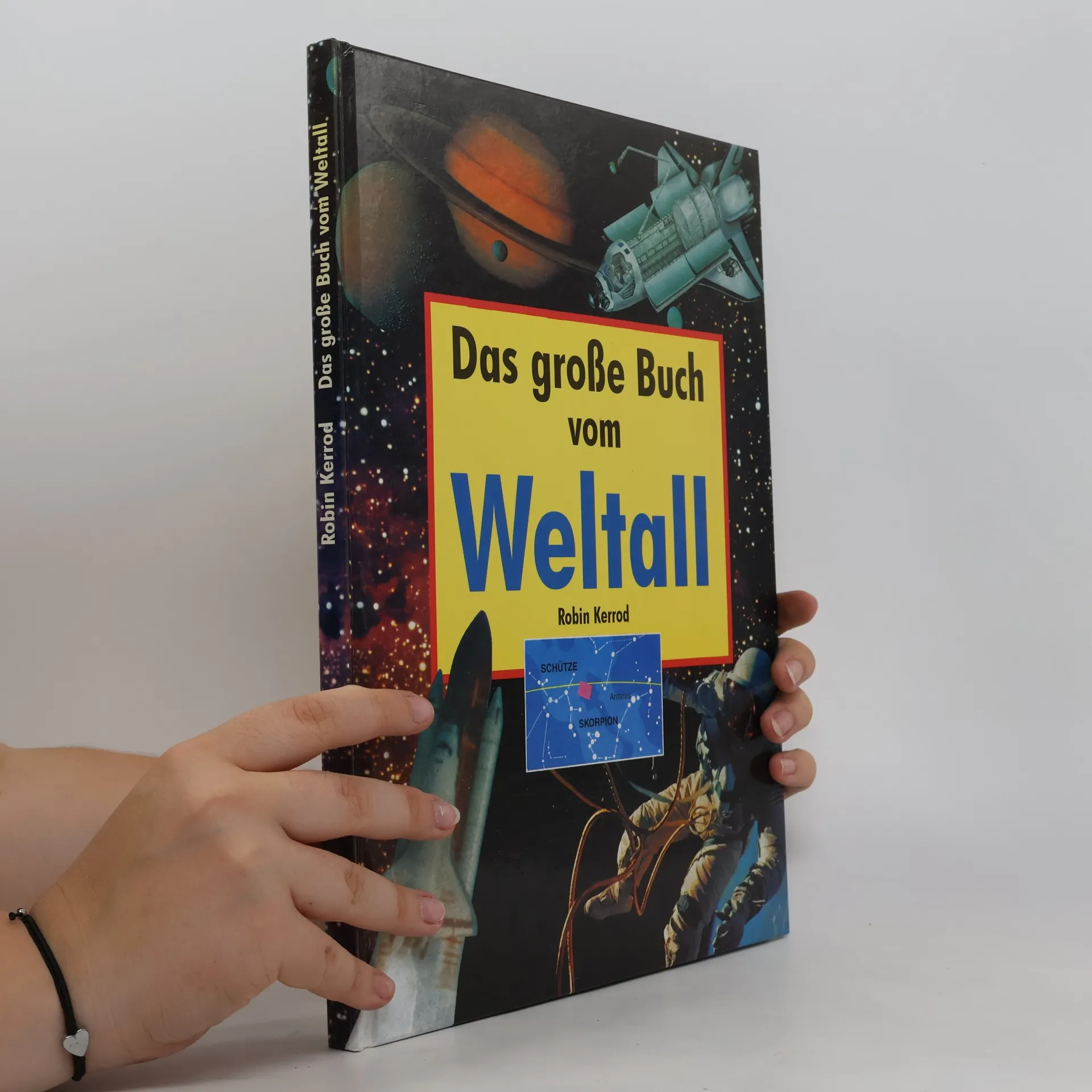
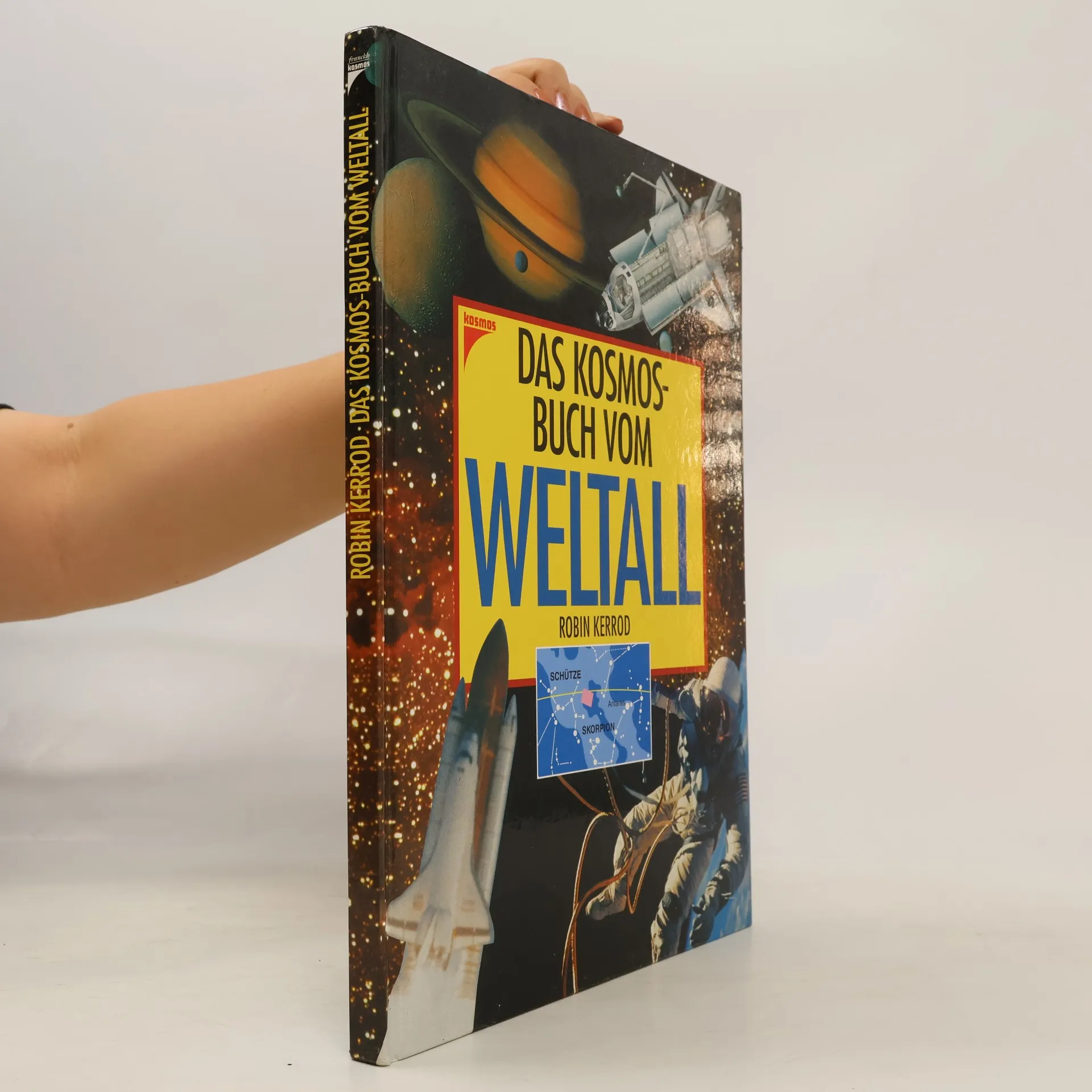
Das große Buch vom Weltall
- 96pages
- 4 heures de lecture
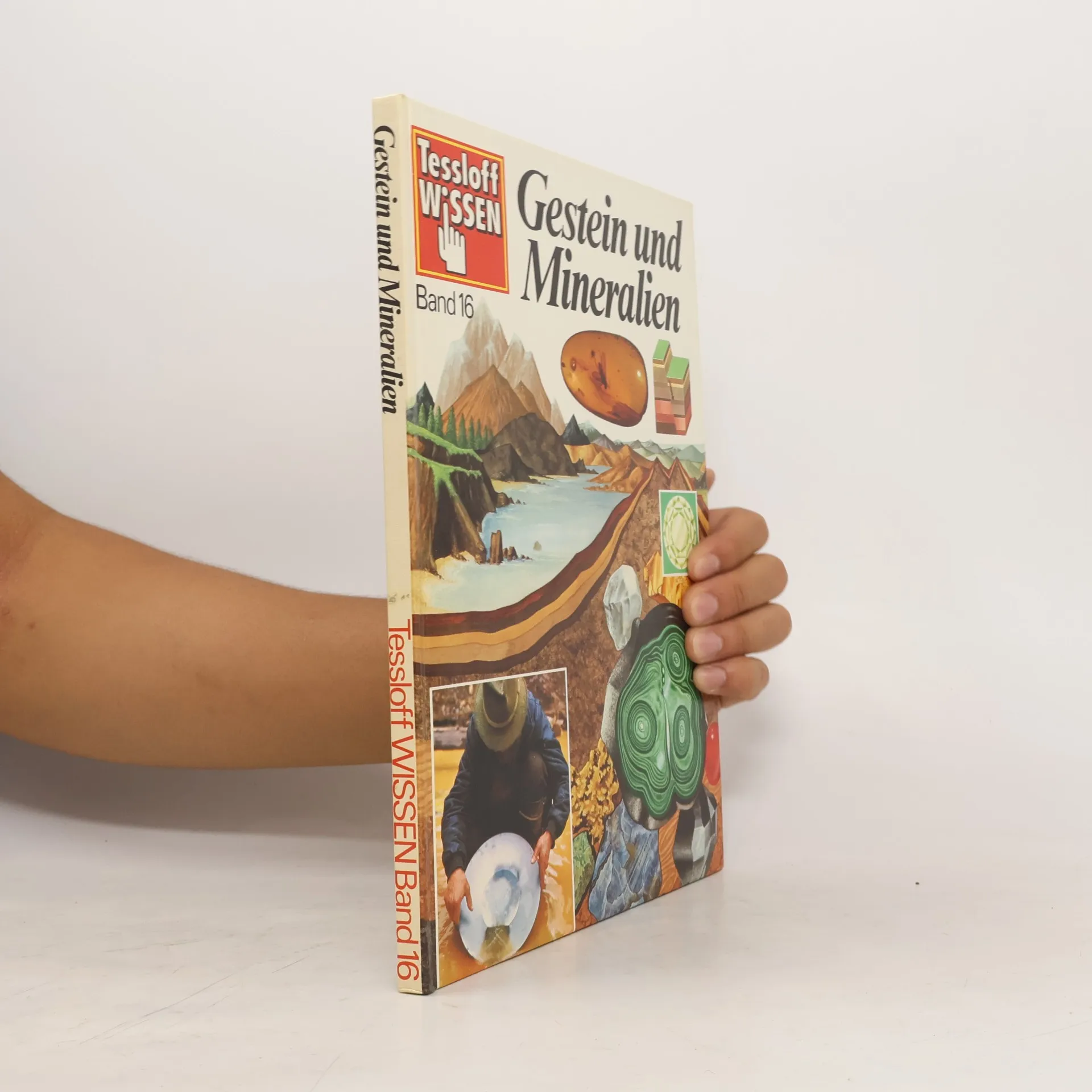
Gestein und Mineralien. Band 16
- 44pages
- 2 heures de lecture
Naturwissenschaft und Technik
- 255pages
- 9 heures de lecture
Sprievodca po hviezdnej oblohe
- 128pages
- 5 heures de lecture
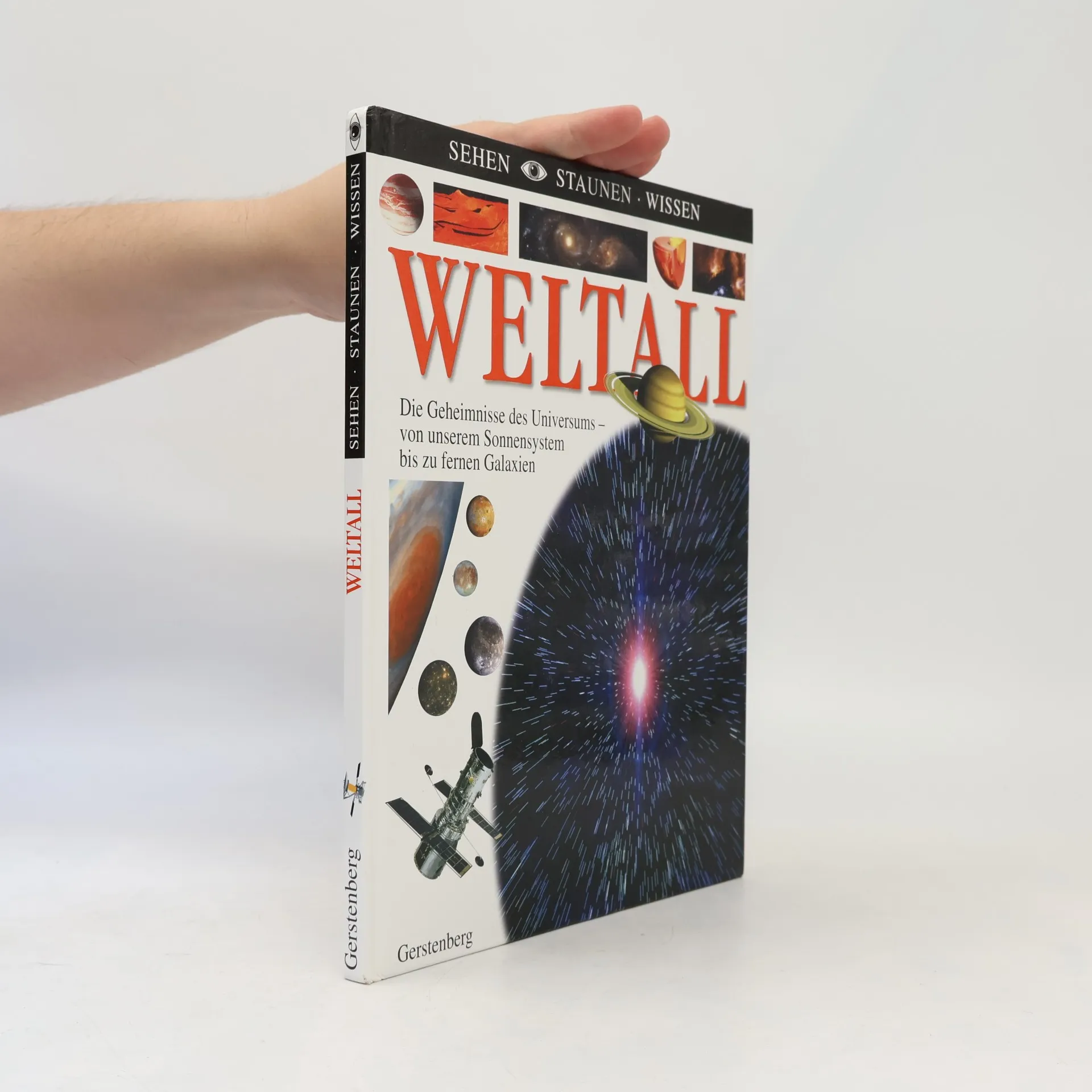
Weltall. Die Geheimnisse des Universums von unserem Sonnensystem bis zu fernen Galaxien
- 64pages
- 3 heures de lecture
Dieses Buch bietet einen faszinierenden Überblick über das Weltall und seine Erforschung, von der Antike bis zum Hubble-Weltraumteleskop. Mit beeindruckenden Bildern und kompakten Informationen über Sterne, Galaxien und die Gesetze der Astronomie ist es ein ideales Werk für Hobbyastronomen und Schüler.
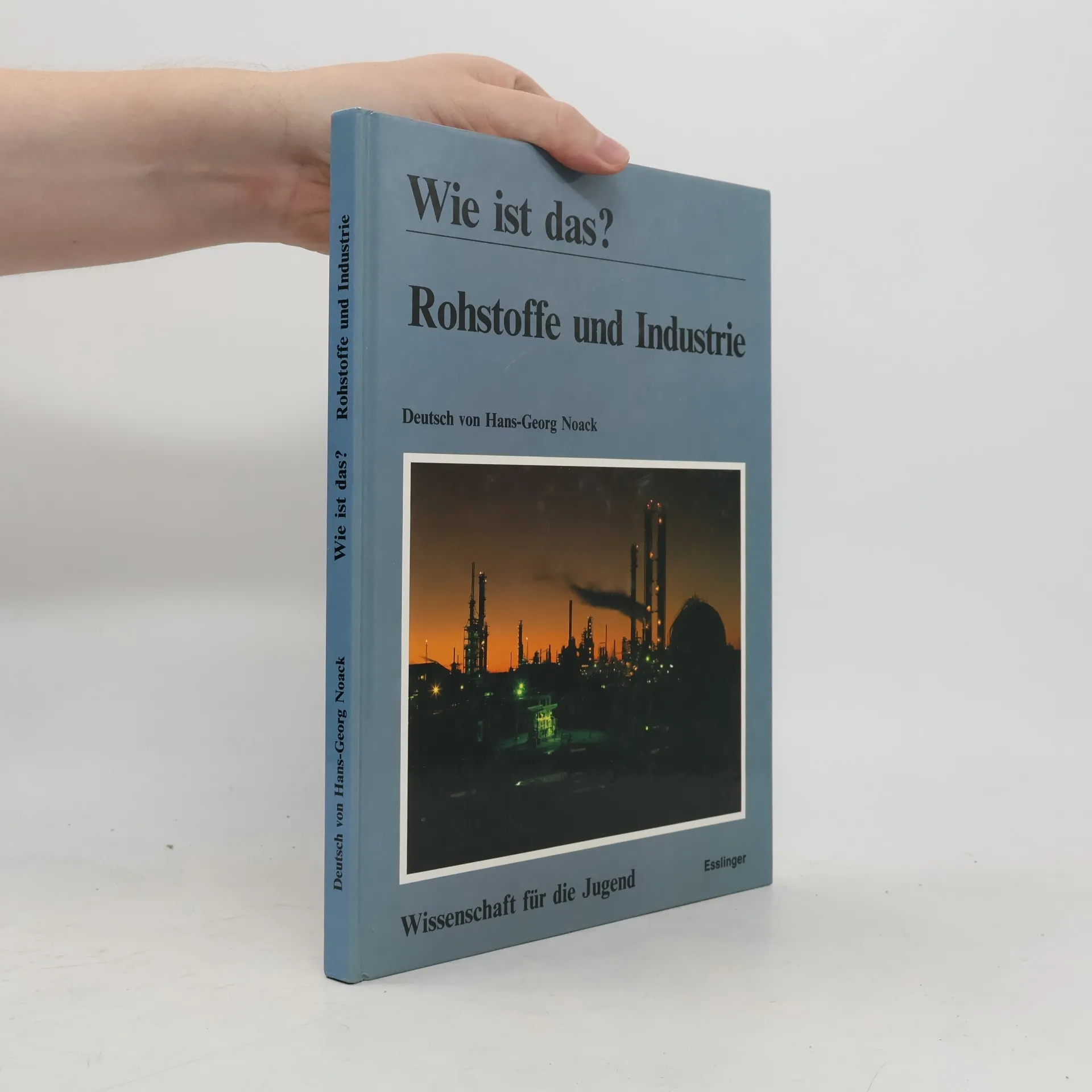
Wie ist das? Rohstoffe und Industrie
- 96pages
- 4 heures de lecture
Wissenswertes zum Thema, dargestellt in Bild und Wort. (ab 12).
Tessloffs Handbuch der Technologie
- 191pages
- 7 heures de lecture
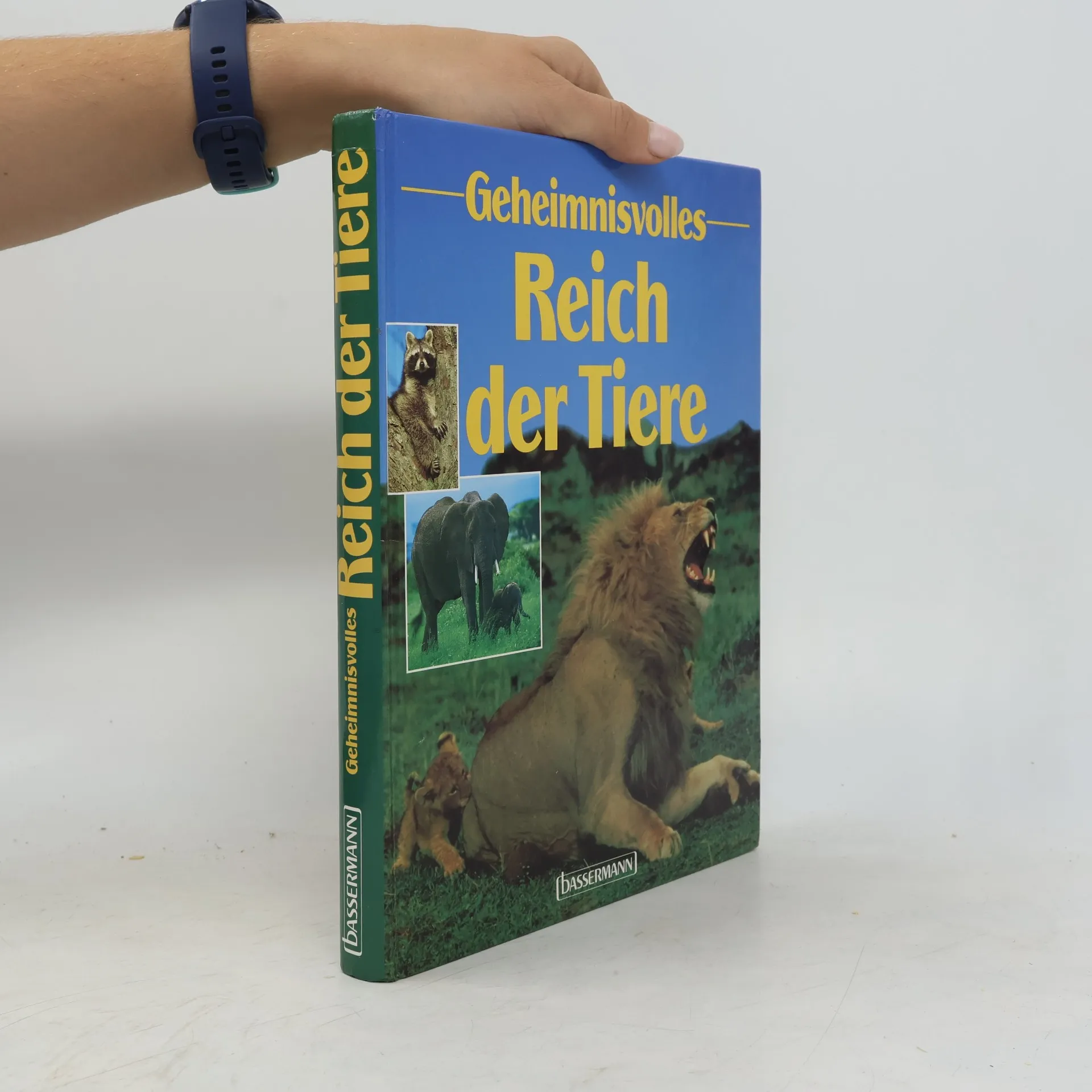
Geheimnisvolles Reich der Tiere
- 255pages
- 9 heures de lecture
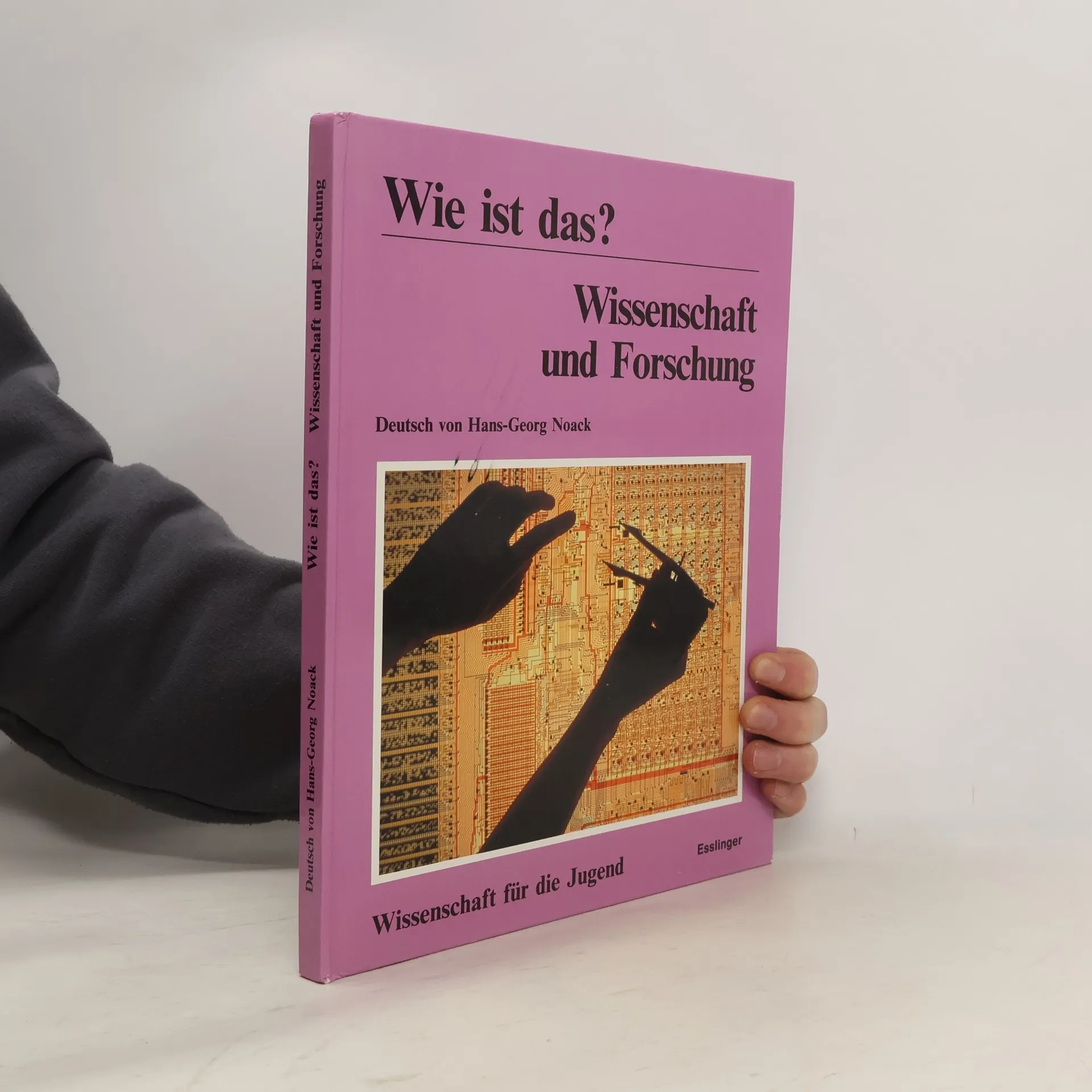
Wie ist das? Wissenschaft und Forschung
- 95pages
- 4 heures de lecture
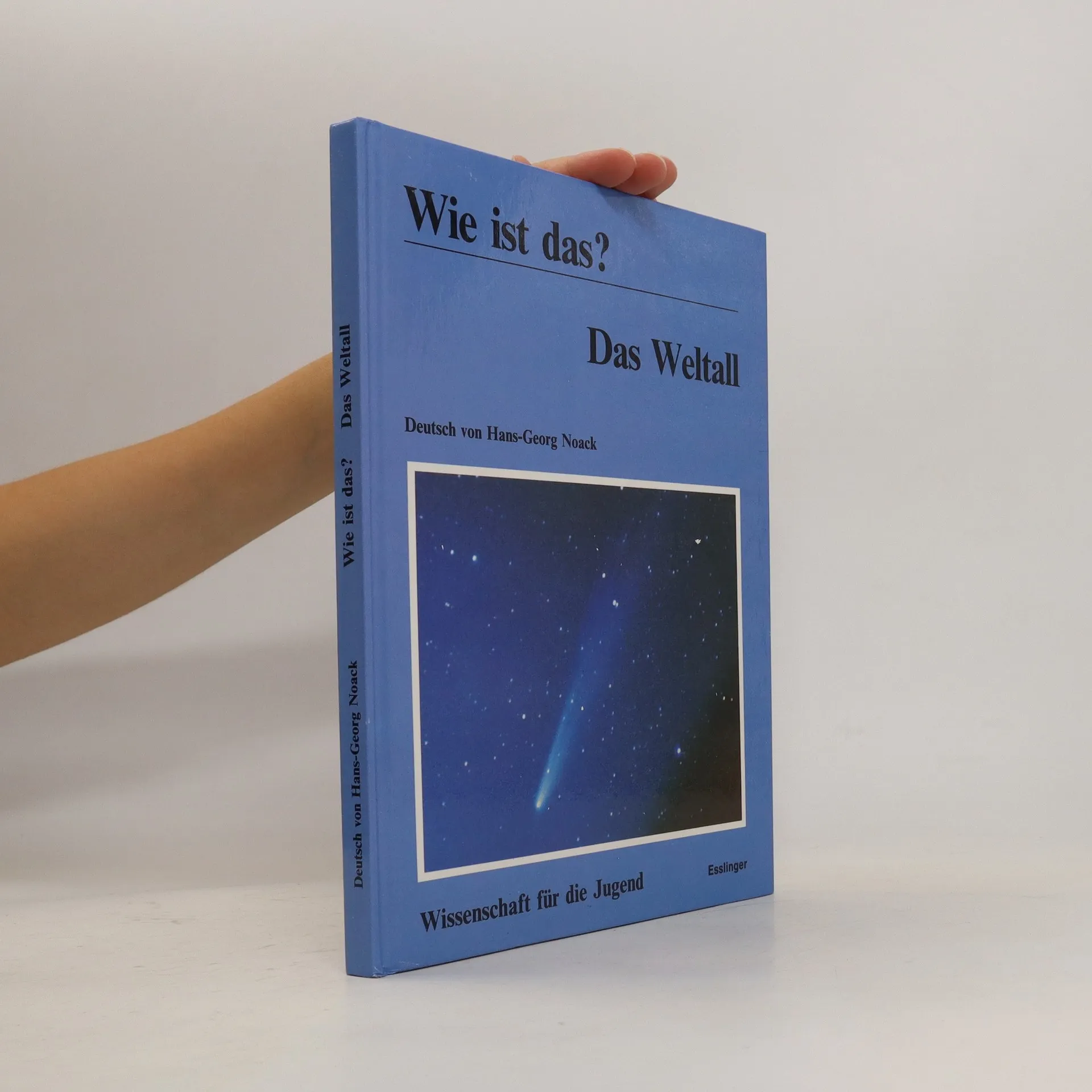
Wie ist das? Das Weltall
- 96pages
- 4 heures de lecture
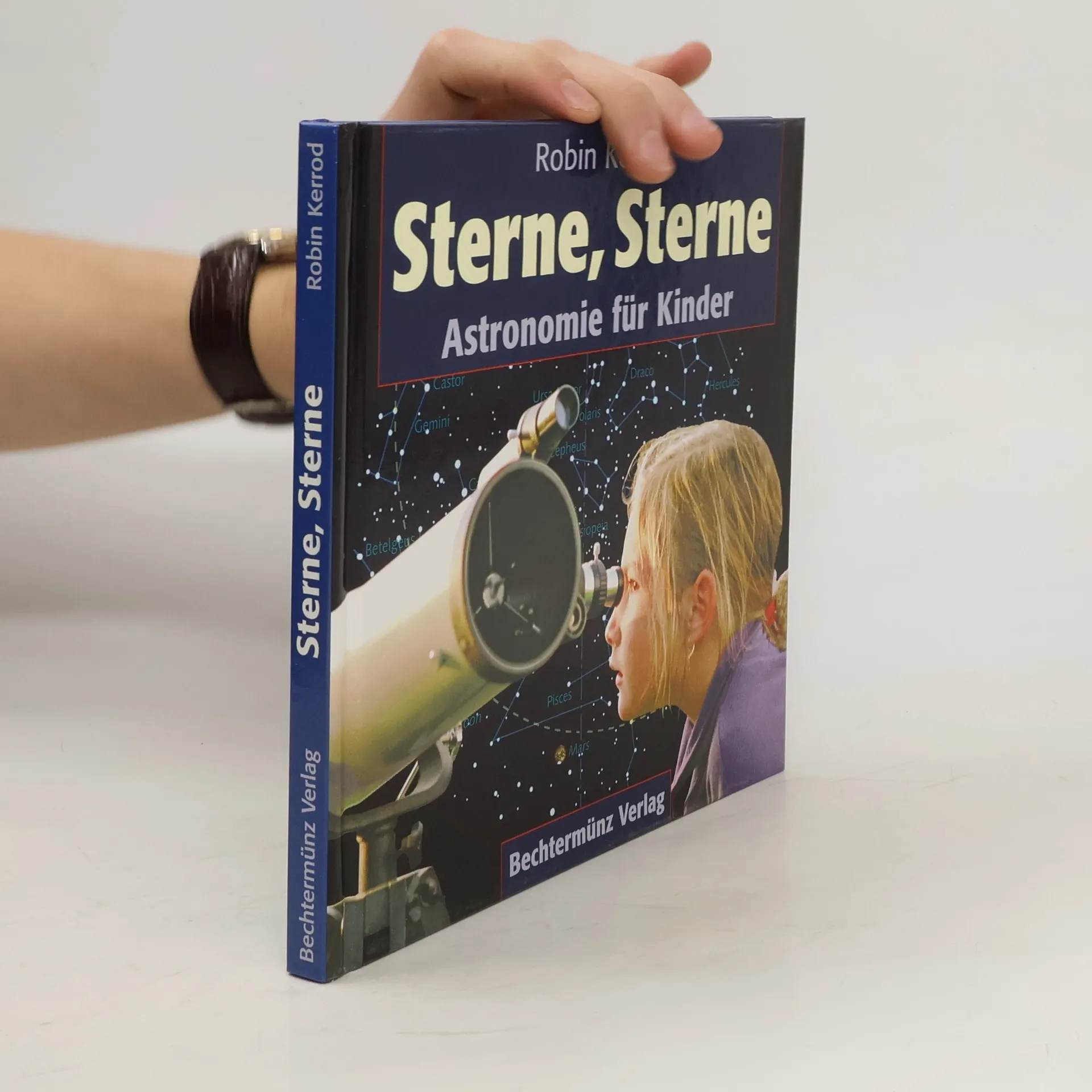
Sterne, Sterne
- 64pages
- 3 heures de lecture
Auch hier erfährt man zwischendurch etwas über Galaxien, Sternentwicklungen oder den Urknall. Aber anders als in einer Vielzahl von Jugendbüchern zu astronomischen Themen steht die Hinführung zum Sehen und Verstehen im Vordergrund. Das geschieht nicht nur die Wiedergabe des Sternenhimmels im Wechsel der Jahreszeiten und durch Ratschläge fürs Beobachten. Auch viele spielerische Anregungen, etwa zum Zeichnen von Sternkarten, zum Basteln von Mondfinsternissen oder zur Konstruktion von Planetensystemen werden dem, der sich darauf einlässt, ein tieferes Verständnis für die Vorgänge vermitteln. Das mit vielseitigen Bildern ansprechend gestaltete Bändchen kann zum überwiegenden Teil bereits Lesern ab 8 empfohlen werden. Auch für Schulbibliotheken
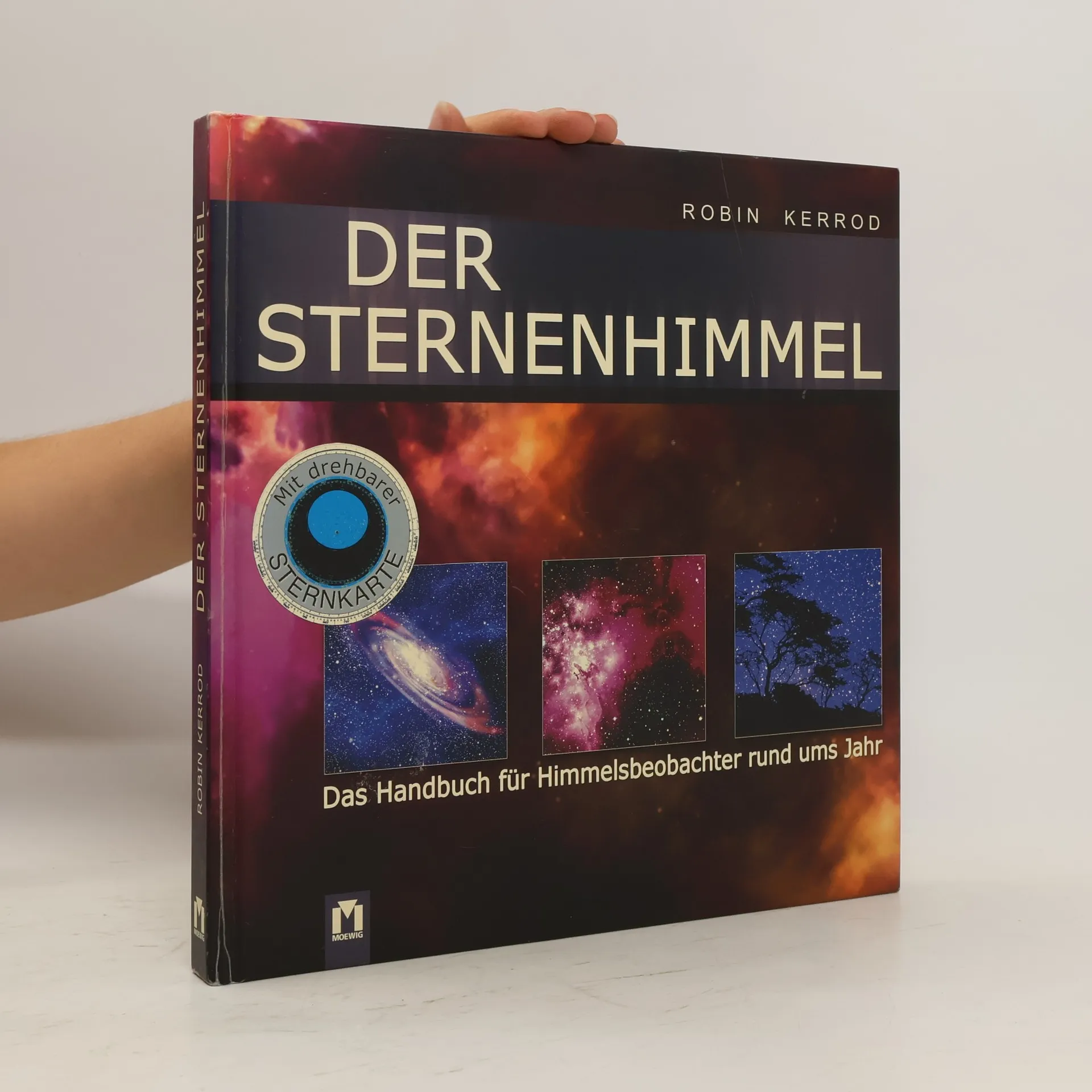
Der Sternenhimmel
- 160pages
- 6 heures de lecture
Weltall
- 160pages
- 6 heures de lecture
„Erforschen und verstehen: Universum“ stellt die Hauptthemen-bereiche der Astronomie ausführlich in sechs Kapiteln dar: Himmelsbeobachtung, Sonnensystem, Galaxien, Planeten, Sterne, Geheimnisse des Universums. Die Sachverhalte werden in verständlicher Weise erklärt, durch viele Fotos und Grafiken veranschaulicht und mithilfe von über 60 Experimenten praktisch nachvollziehbar („learning by doing“). Darüber hinaus gibt es viele praktische Tipps für alle, die die vorgestellten Himmelskörper selbst beobachten möchten. Anekdoten über Wissenschaftler und ihre Experimente runden das Ganze ab. Im Anhang finden sich genaue Daten zu Planeten, Monden, Sternen, Meteoren und Sonnenfinsternissen sowie Adressen interessanter Webseiten, die zu eigenen Recherchen einladen. Ein ausführliches Glossar erklärt auf leicht verständliche Weise Fachbegriffe, das detaillierte Register ermöglicht gezieltes und schnelles Nachschlagen. Durch die attraktive Aufmachung, die vielen Beispiele und die Anregungen zu eigenen Experimenten weckt dieses Buch den Spaß und die Faszination, die in diesem Thema stecken, und regt an, sich weiter damit zu beschäftigen und selbst zum Forscher zu werden.
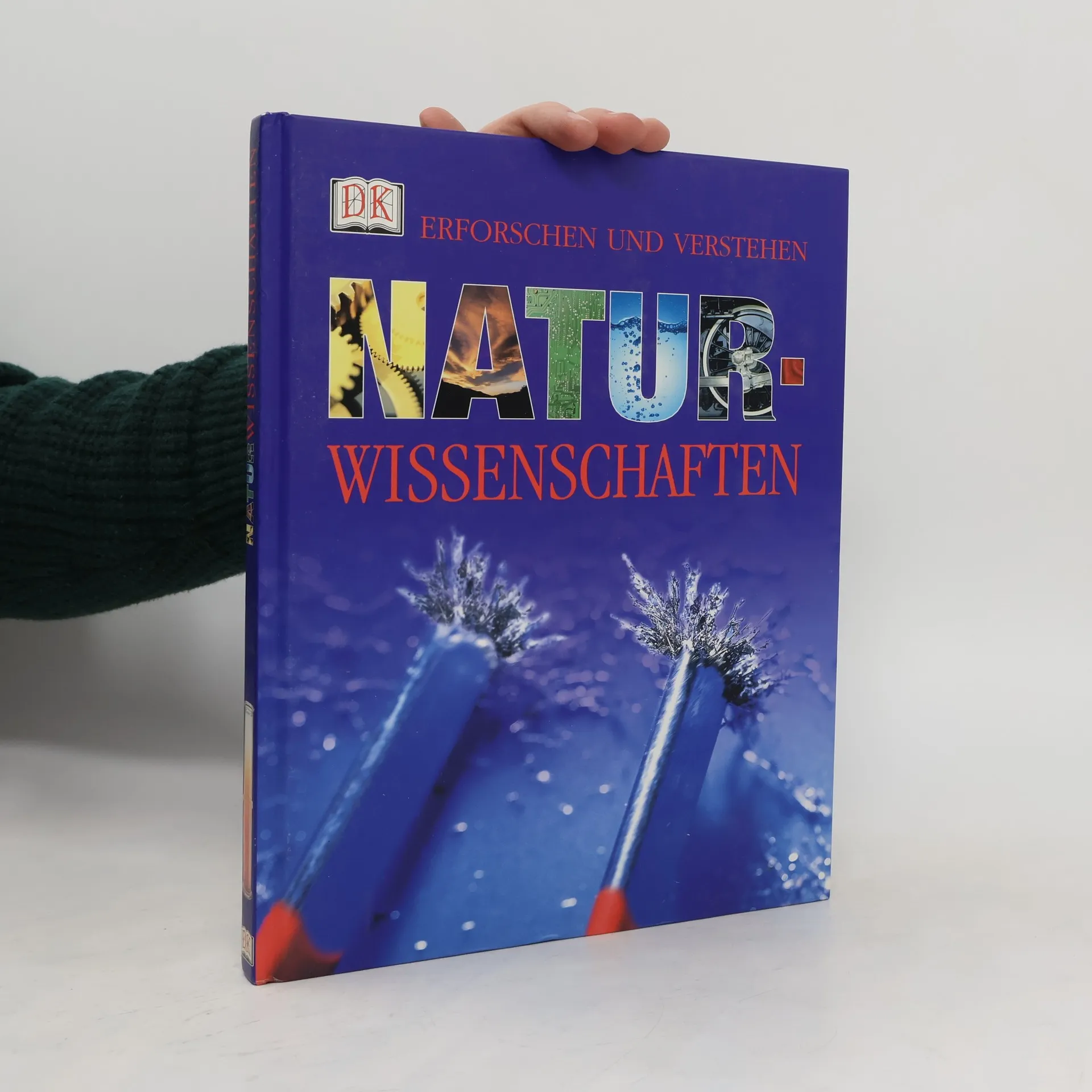
Naturwissenschaften
- 160pages
- 6 heures de lecture
Mit Spaß und Spannung vermittelt dieses Buch faszinierende Einblicke in die Gesetzmäßigkeiten der Natur und weckt so das Interesse der Kinder an den Naturwissenschaften. Präsentiert werden die wichtigsten Hauptthemenbereiche von Physik und Chemie in sechs Kapiteln: Materie, Atome & Elemente, Kraft & Energie, Wärme & Schall, Licht & Farben, Elektrizität & Magnetismus. Zahlreiche Beispiele und Anekdoten über verschiedene Wissenschaftler und ihre Experimente machen das Ganze besonders anschaulich und spannend. Ein ausführliches Glossar und Register erleichtern gezieltes Nachschlagen. Ein Jugendbuch, nach dem sicher auch der eine oder andere Erwachsene greifen wird! Ab 10 Jahren
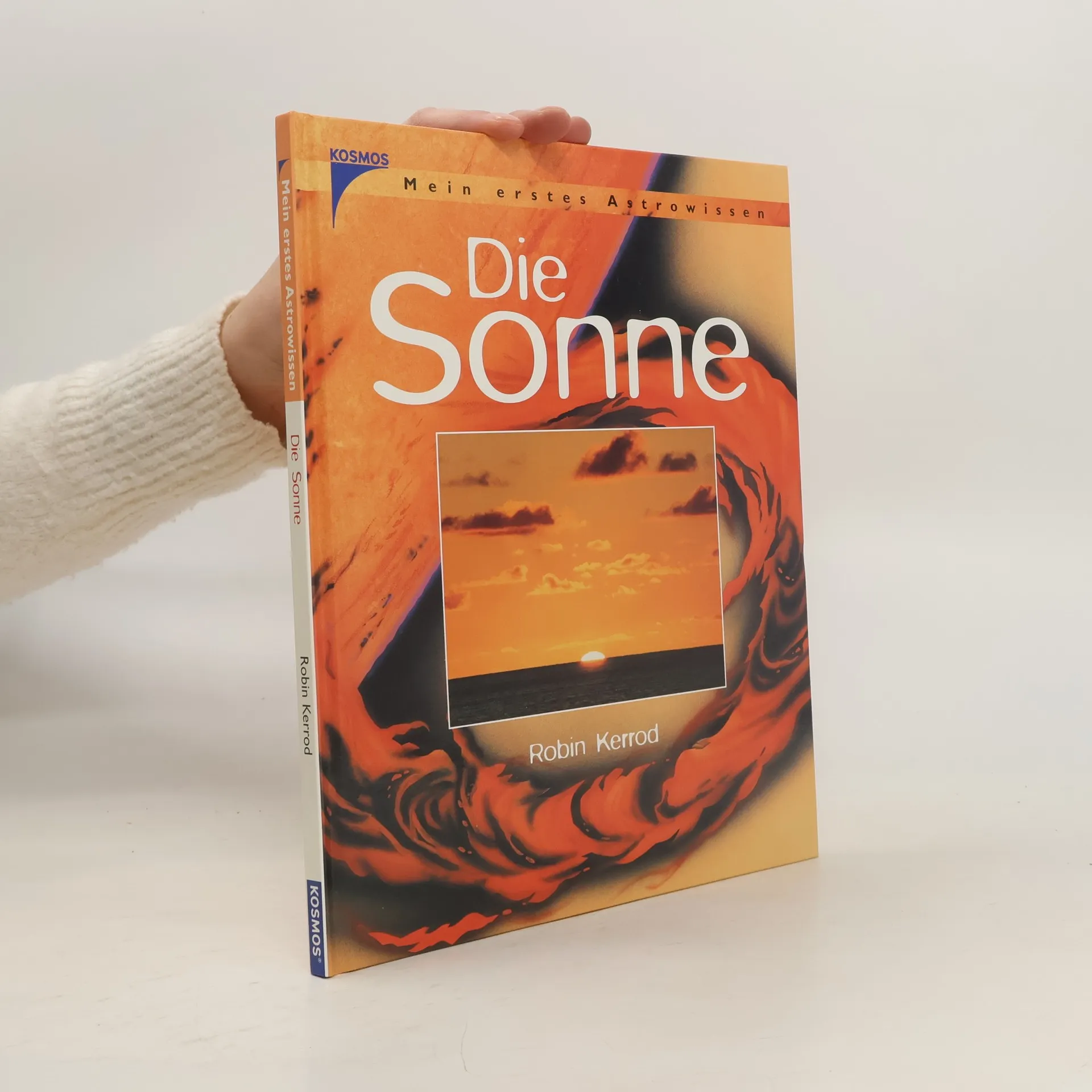
Die Sonne
- 32pages
- 2 heures de lecture
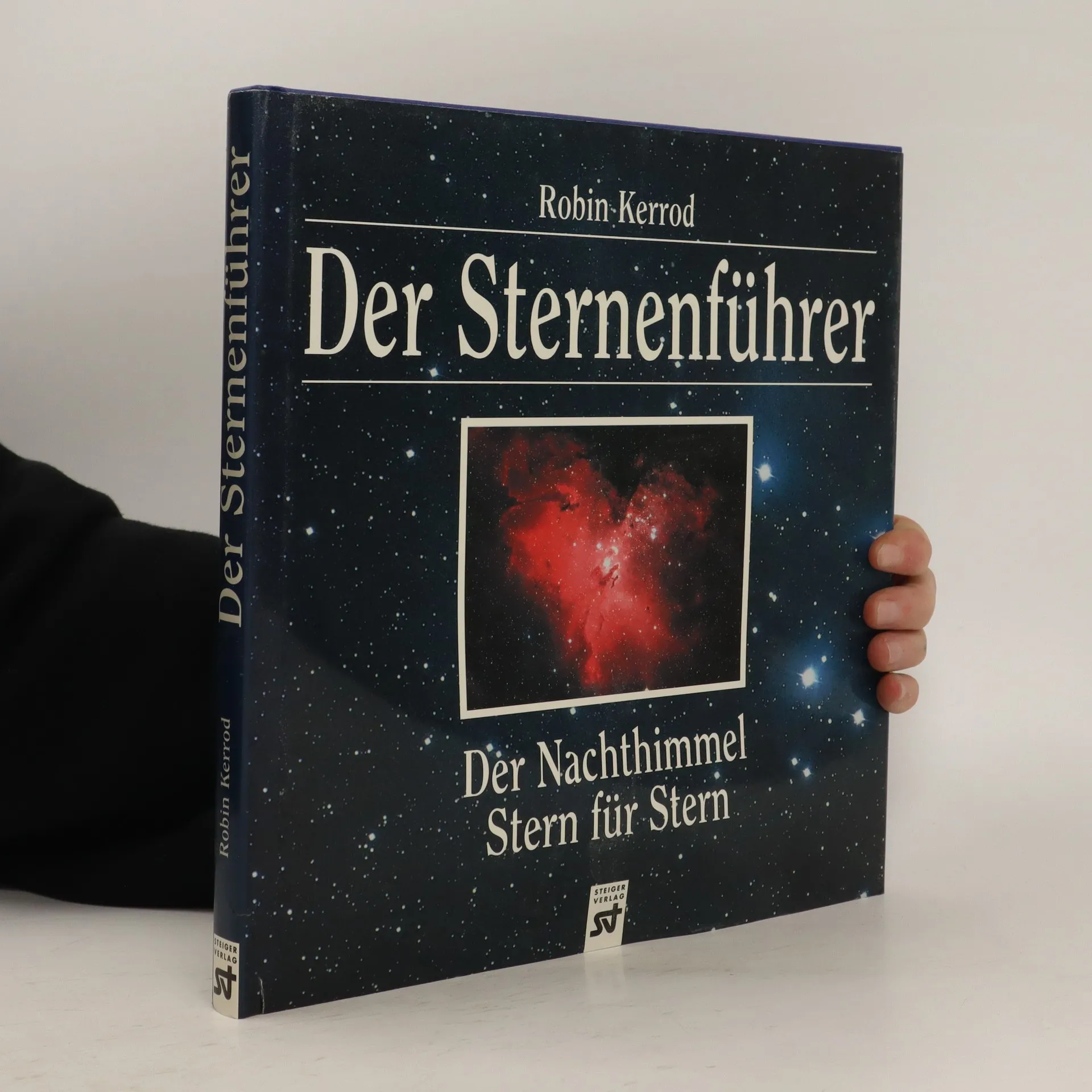
Der Sternenführer
- 160pages
- 6 heures de lecture
Flugzeuge
- 34pages
- 2 heures de lecture
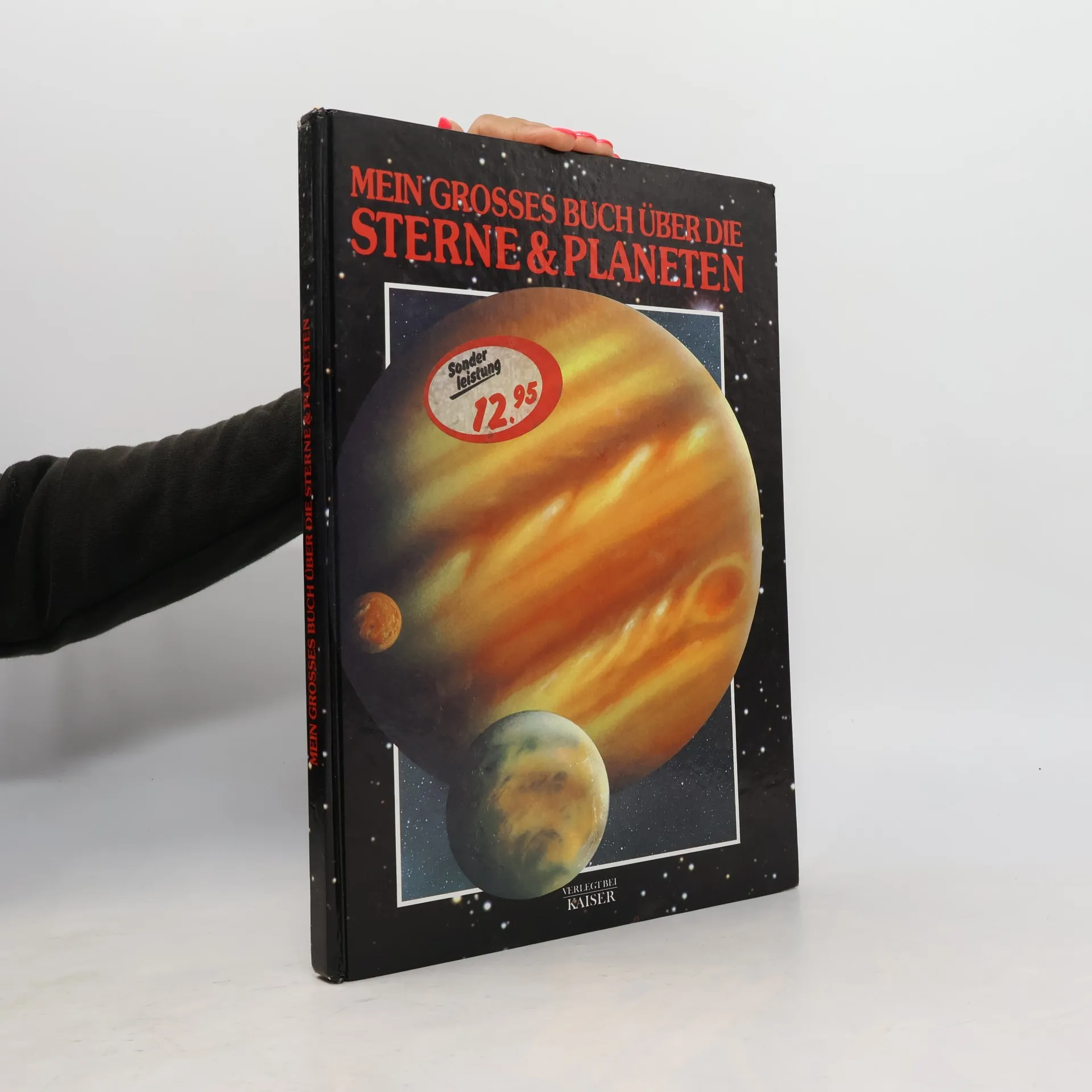
Mein grosses Buch über die Sterne & Planeten
- 80pages
- 3 heures de lecture
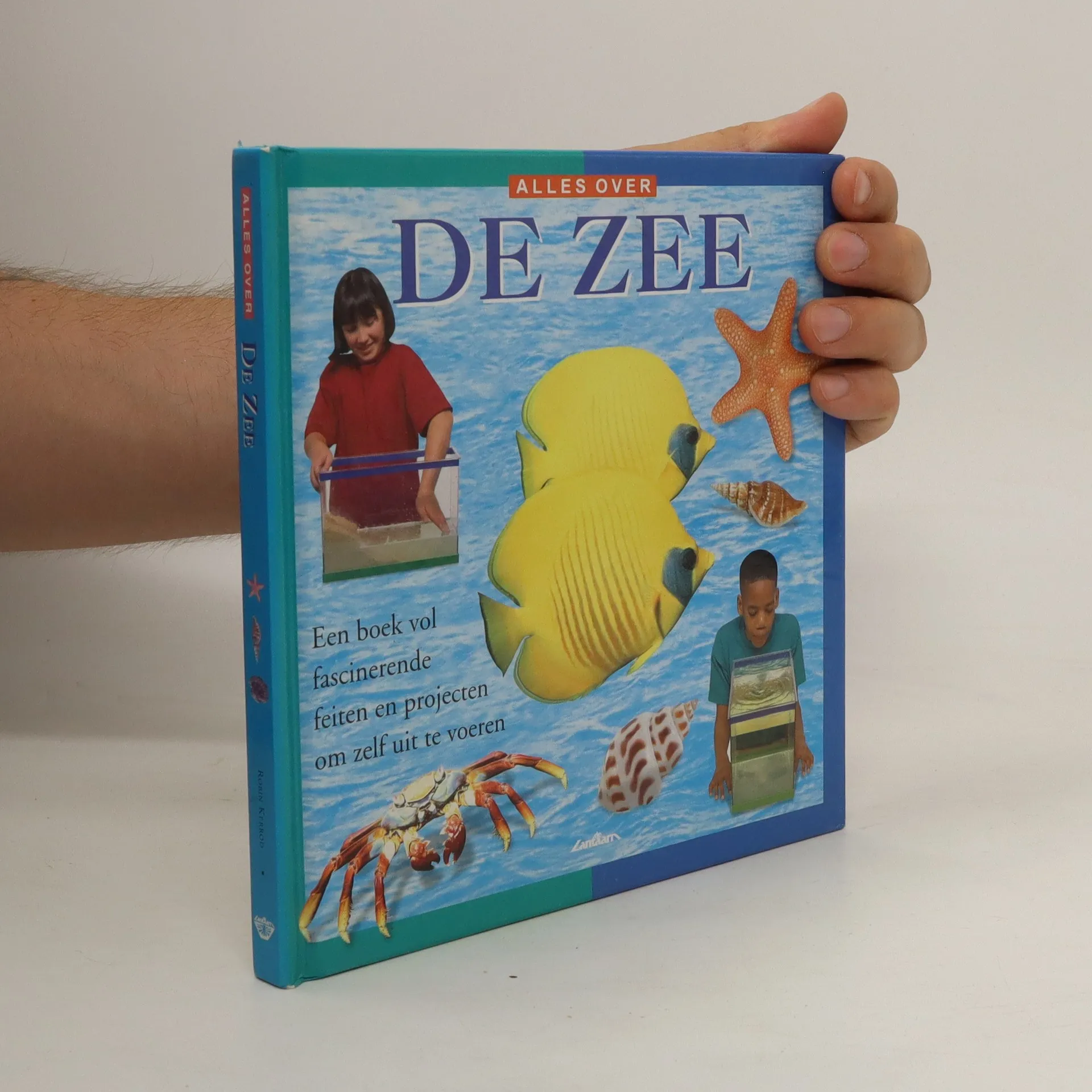
De Zee
- 64pages
- 3 heures de lecture
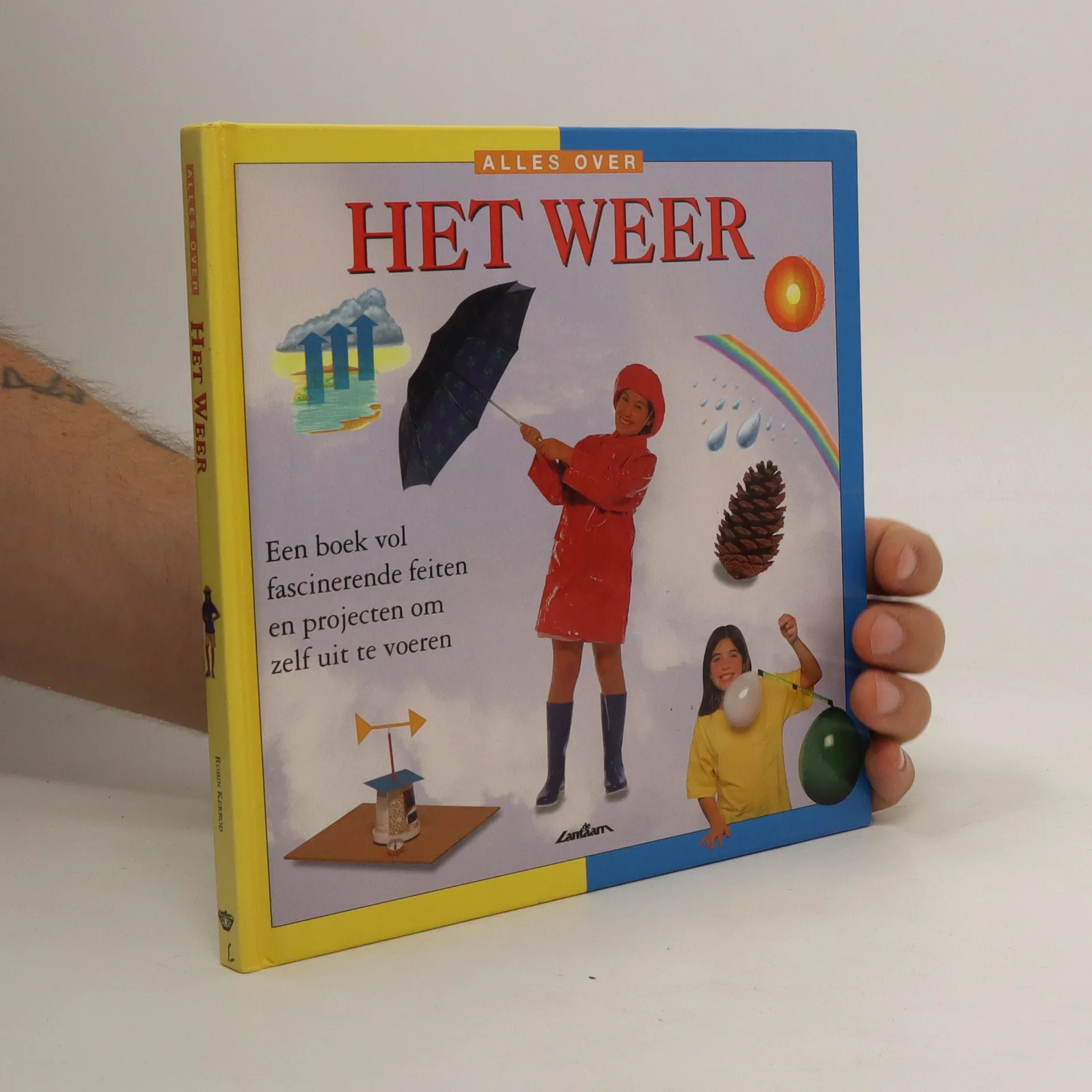
Het weer
- 64pages
- 3 heures de lecture
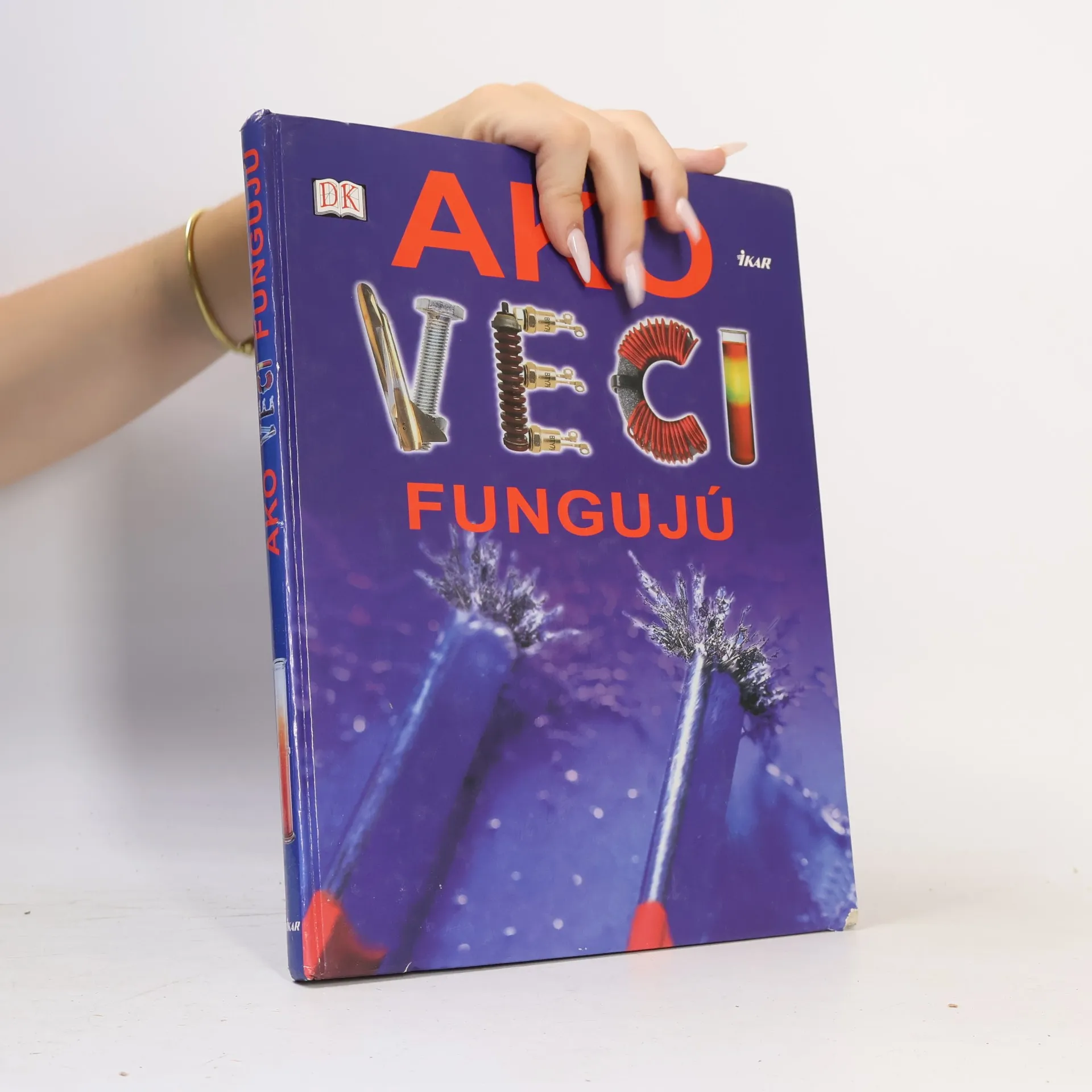
Ako veci fungujú
- 160pages
- 6 heures de lecture
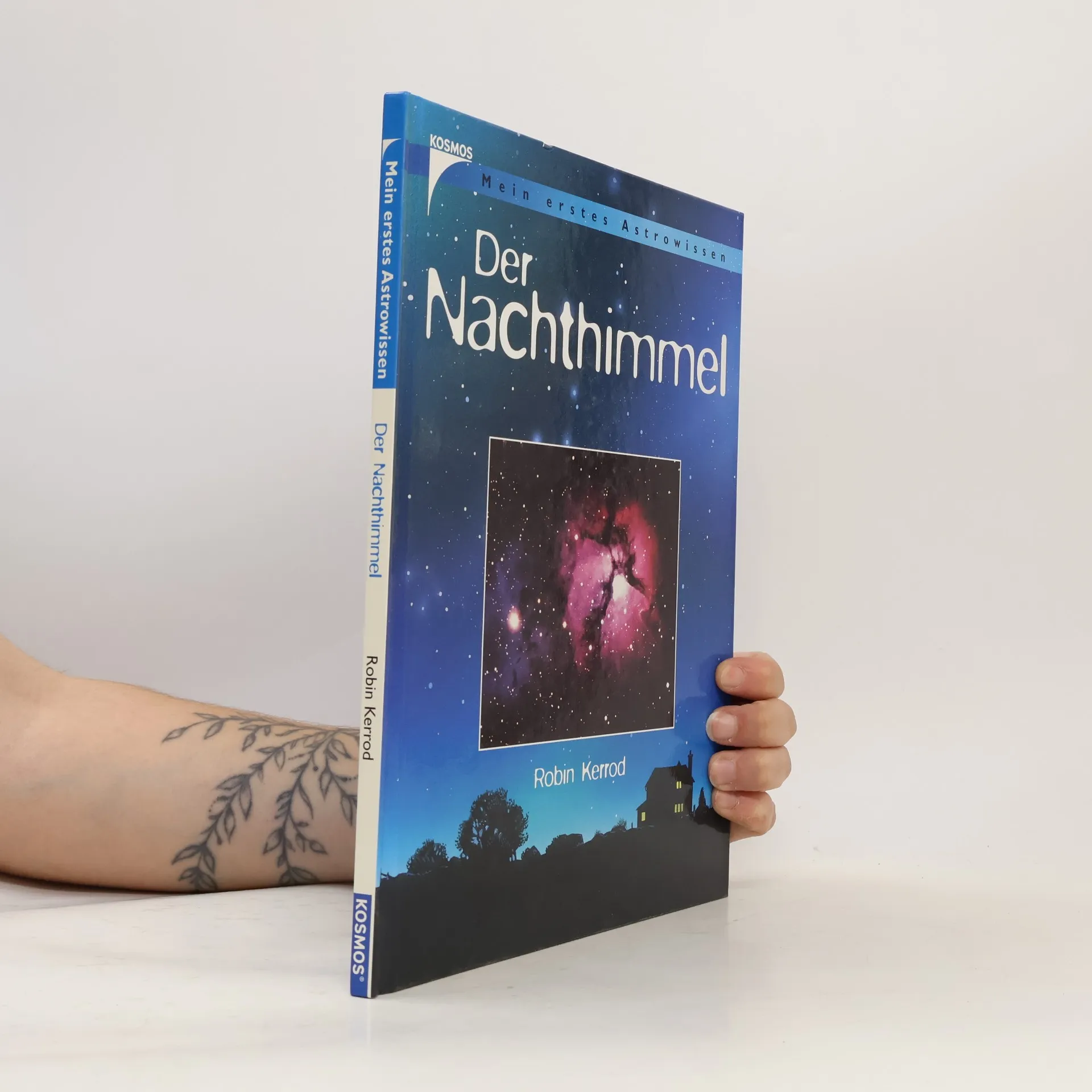
Mein erstes Astrowissen: Der Nachthimmel
- 32pages
- 2 heures de lecture
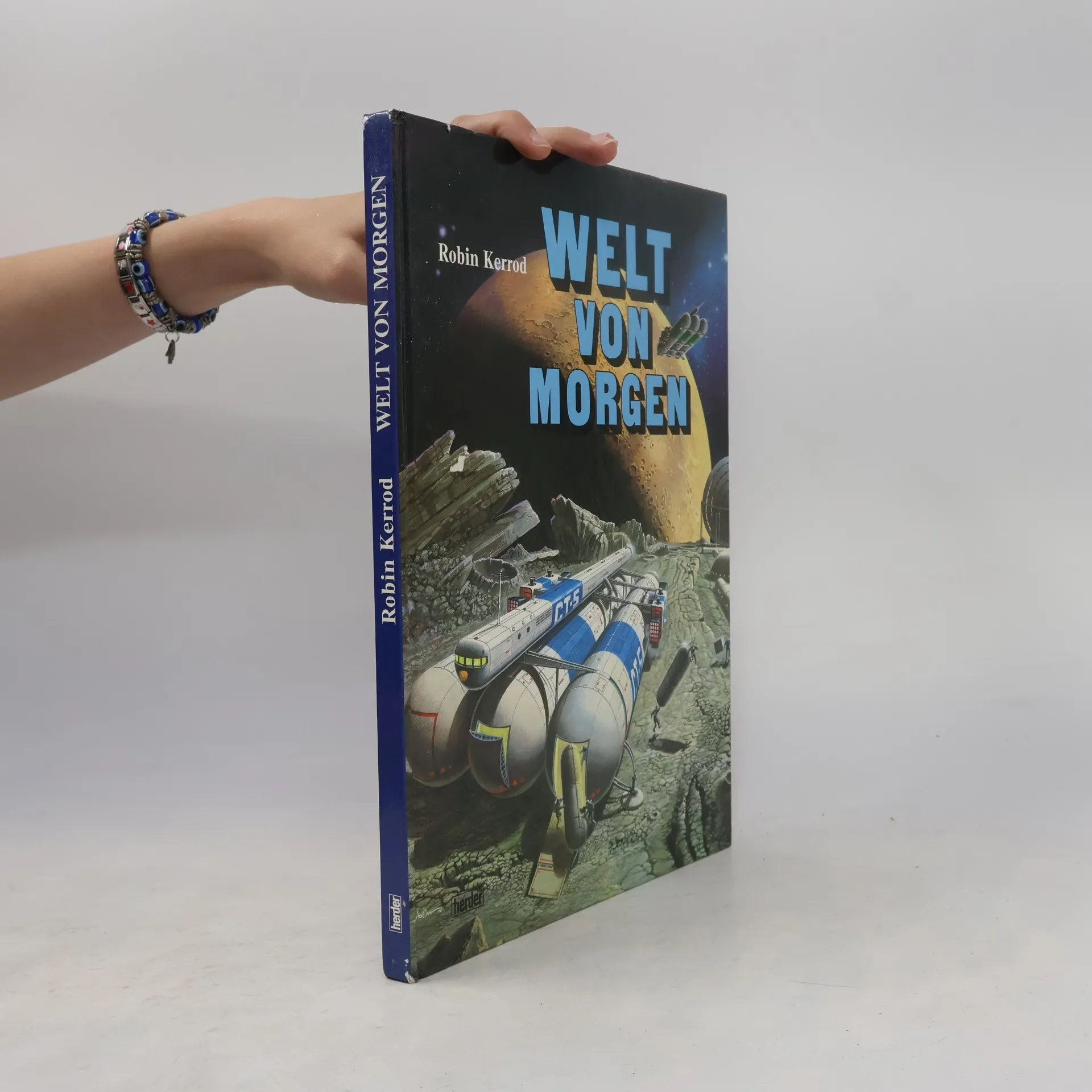
Welt von morgen
- 91pages
- 4 heures de lecture
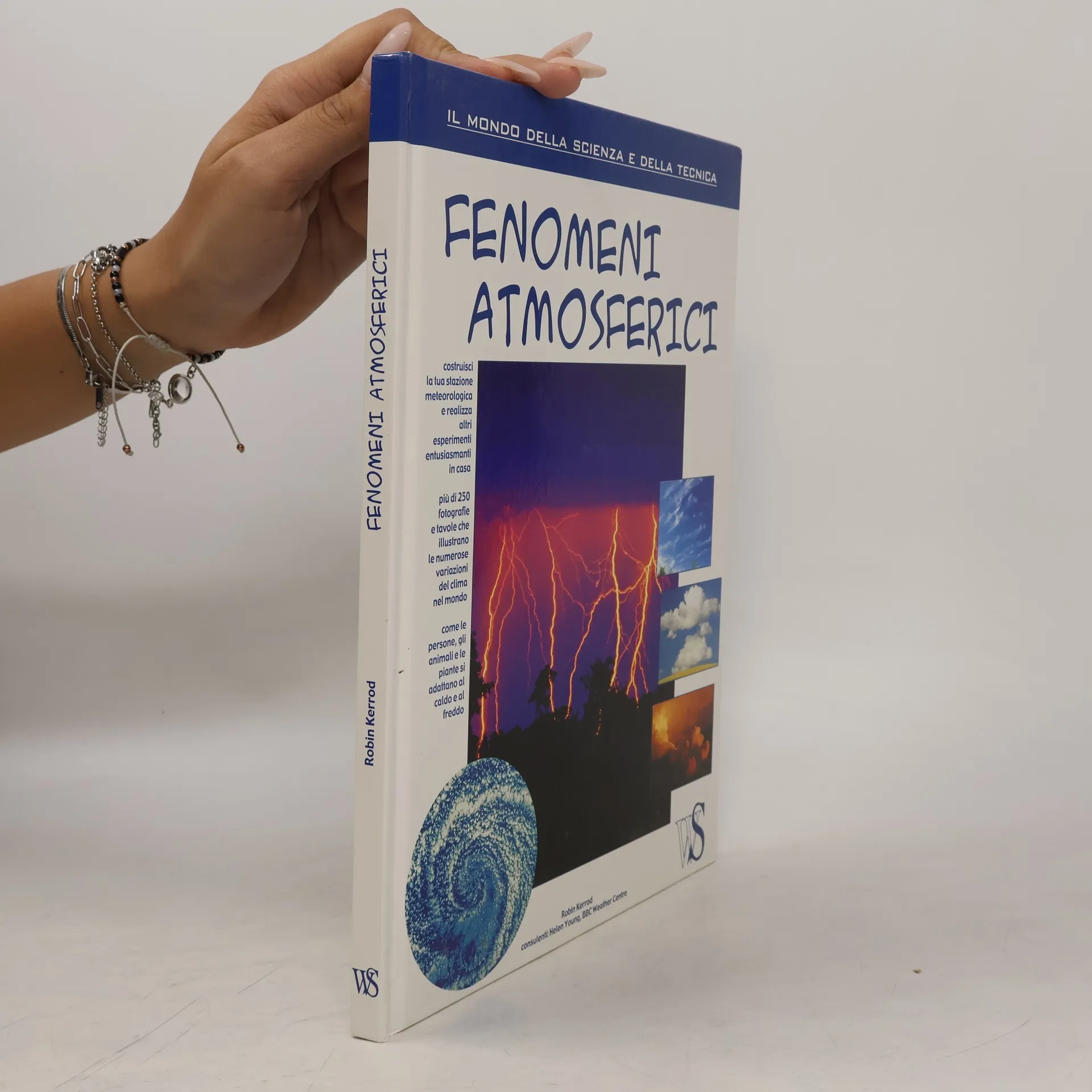
Il mondo della scienza e della tecnica: Fenomeni atmosferici
Costruisci la tua stazione meteorologica e realizza altri esperimenti entusiasmanti in casa - Più di 250 fotografie e tavole che illustrano le numerose variazioni del clima nel mondo - Come le persone, gli animali e le piante si adattano al caldo e al freddo
- 64pages
- 3 heures de lecture
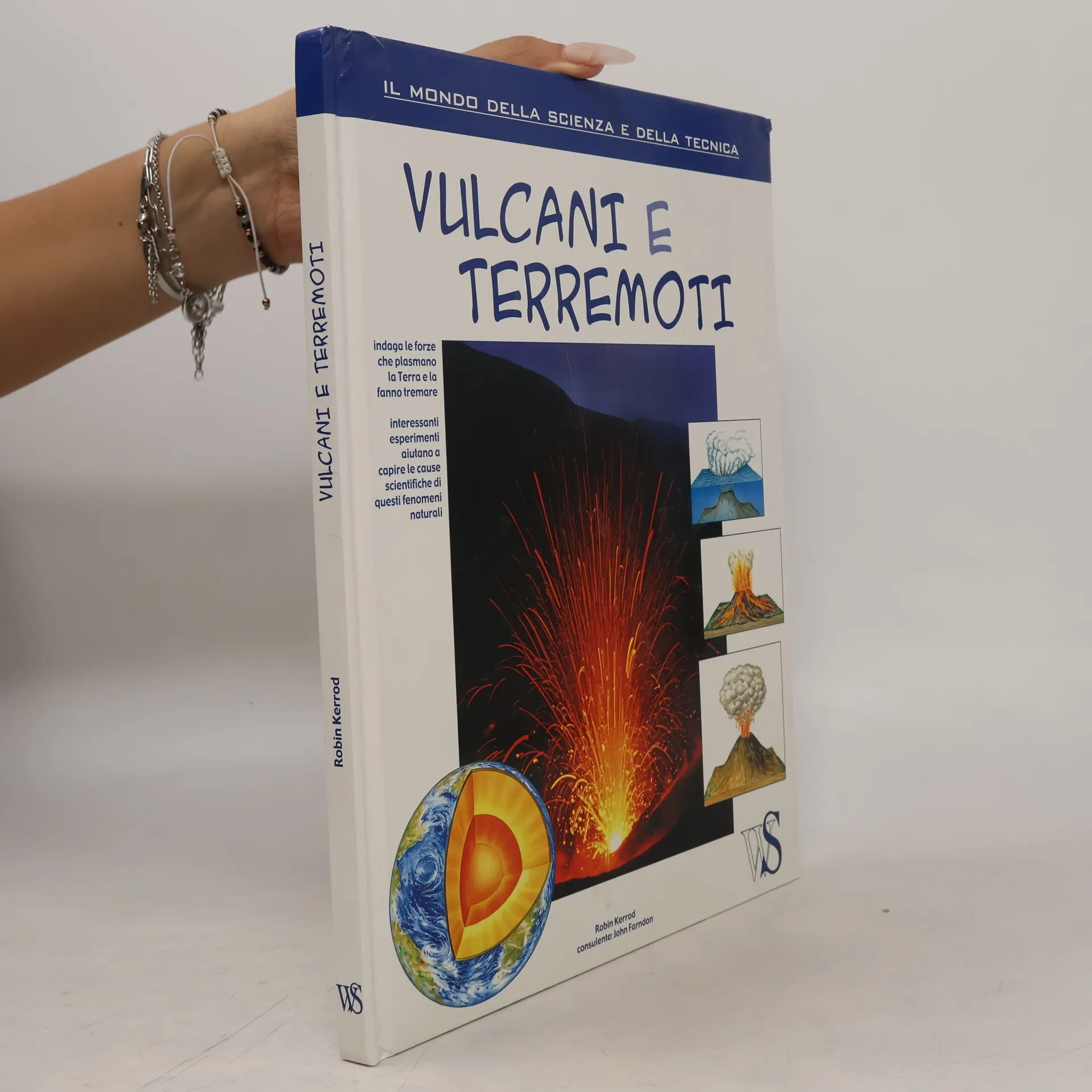
Vulcani e terremoti
- 64pages
- 3 heures de lecture
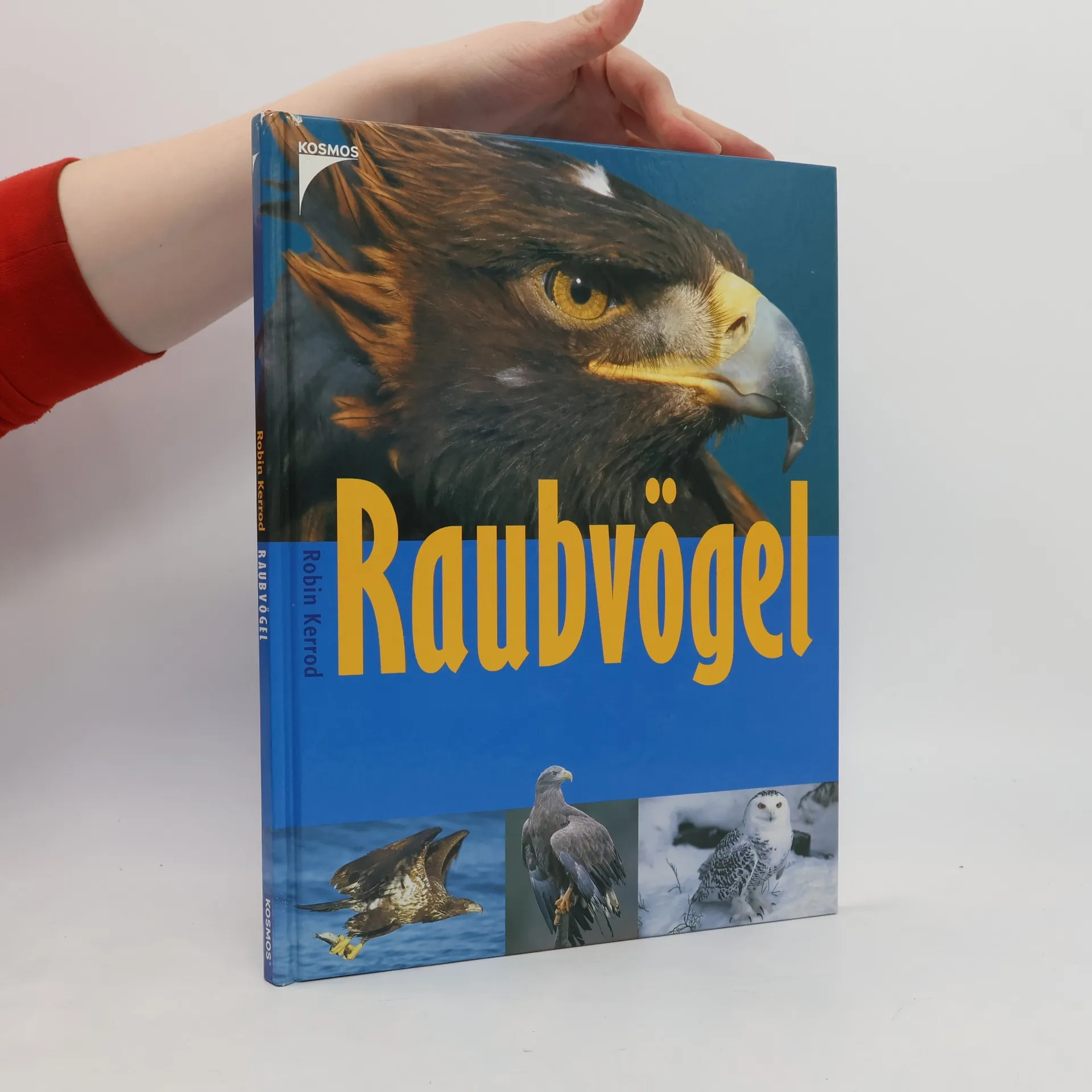
Raubvögel
- 63pages
- 3 heures de lecture
Wissenswertes zu Körperfunktionen, Lebensweise und Verhalten, Fortpflanzung und Brutpflege, Lebensraum etc. von Raubvögeln; reich illustriert.
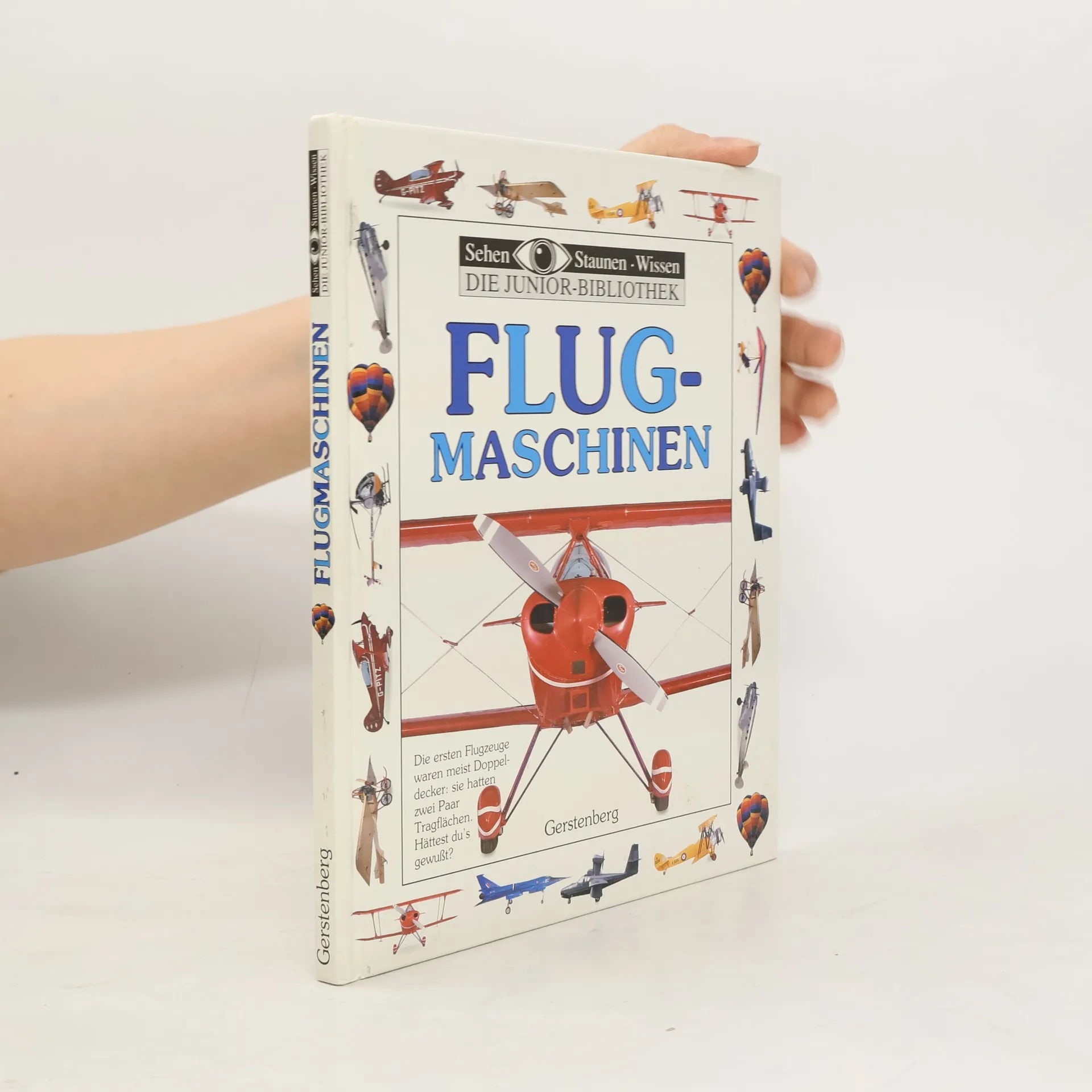
Flugmaschinen
- 29pages
- 2 heures de lecture
Text and photographs present flying machines throughout history, including hot-air balloons, helicopters, and the space shuttle.
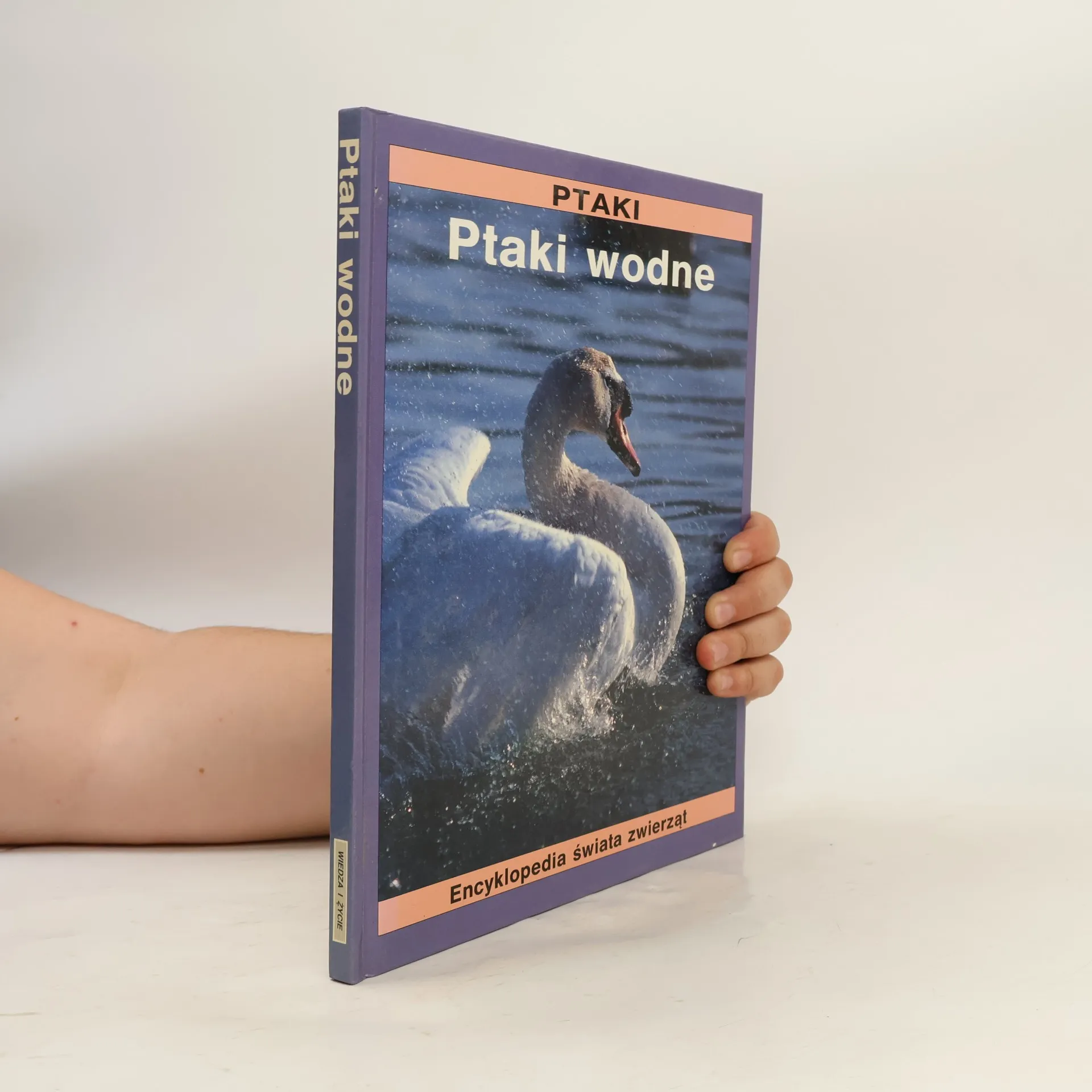
Provides brief descriptions of birds that live in or near the water.