Gerhard Ulrich Livres
Emma
- 511pages
- 18 heures de lecture
Publié anonymement en 1816, Emma est l'œuvre la plus aboutie de Jane Austen (1775-1817) et l'un des classiques du roman anglais. Orpheline de mère, seule auprès d'un père en mauvaise santé, Emma Woodhouse, désormais la maîtresse de maison, s'est mise en tête de marier Harriet Smith, une jeune fille qu'elle a recueillie chez elle. Ce faisant, ne s'est-elle pas attribuée un rôle qui n'est pas (ou pas encore) pour elle ? Son inexpérience des cœurs et des êtres, ses propres émotions amoureuses, qu'elle en sait guère interpréter ou traduire, lui vaudront bien des déconvenues et des découvertes. Autour d'Emma, Jane Austen dépeint avec sobriété et humour, et aussi une grande véracité psychologique, le petit monde provincial dans lequel elle aura passé toute sa vie.
The New Cambridge Shakespeare: A Midsummer Night's Dream
- 168pages
- 6 heures de lecture
'A Midsummer Night's Dream' is perhaps Shakespeare's most popular comedy, & also a profound, archetypal play. In this new edition, the editor takes account of the number of important professional theatre productions & the large output of scholarly criticism on the plays which have appeared in recent years.
From fire-stealing Prometheus to scene-stealing Helen of Troy, from Jason and his golden fleece to Oedipus and his mother, this collection of classic tales from Greek mythology demonstrates the inexhaustible vitality of a timeless cultural legacy. These stories of heroes and powerful gods and goddesses are set forth simply and movingly, in language that retains the power and drama of the original works by Aeschylus, Sophocles, Euripides, and Homer. Introduction by Werner Jaeger With black-and-white illustrations throughout Part of the Pantheon Fairy Tale and Folklore Library
Immensee
- 80pages
- 3 heures de lecture
Focusing on accessibility, this publication is a reproduction of a historical work presented in large print, catering specifically to individuals with impaired vision. The Megali publishing house is dedicated to enhancing the reading experience for those who may struggle with standard text sizes, ensuring that important historical texts remain available and enjoyable for all readers.
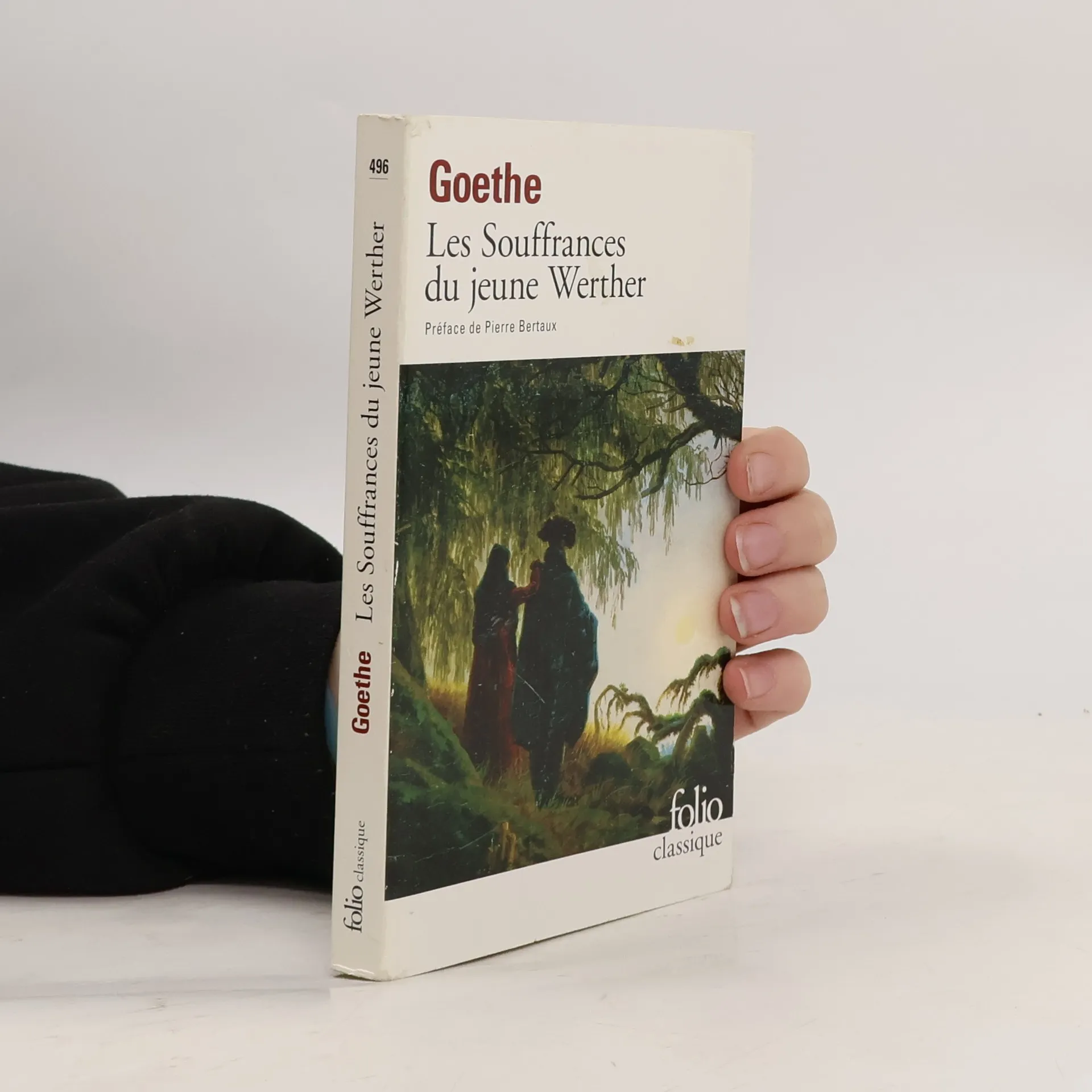
Les Souffrances du jeune Werther
- 240pages
- 9 heures de lecture
«Un serin vole du miroir, et se perche sur son épaule. "Un nouvel ami", dit-elle, et elle l'attira sur sa main. "Il est destiné à mes petits. Il est si joli ! regardez-le. Quand je lui donne du pain, il bat des ailes, et becquete si gentiment ! Il me baise aussi : voyez." Lorsqu'elle présenta sa bouche au petit animal, il becqueta dans ses douces lèvres... "Il faut aussi qu'il vous baise", dit-elle, et elle me tendit l'oiseau. Son petit bec passa des lèvres de Charlotte aux miennes, et ses picotements furent comme un souffle précurseur, un avant-goût de jouissance amoureuse... "Il mange aussi dans ma bouche", dit-elle. Je détournai le visage.»
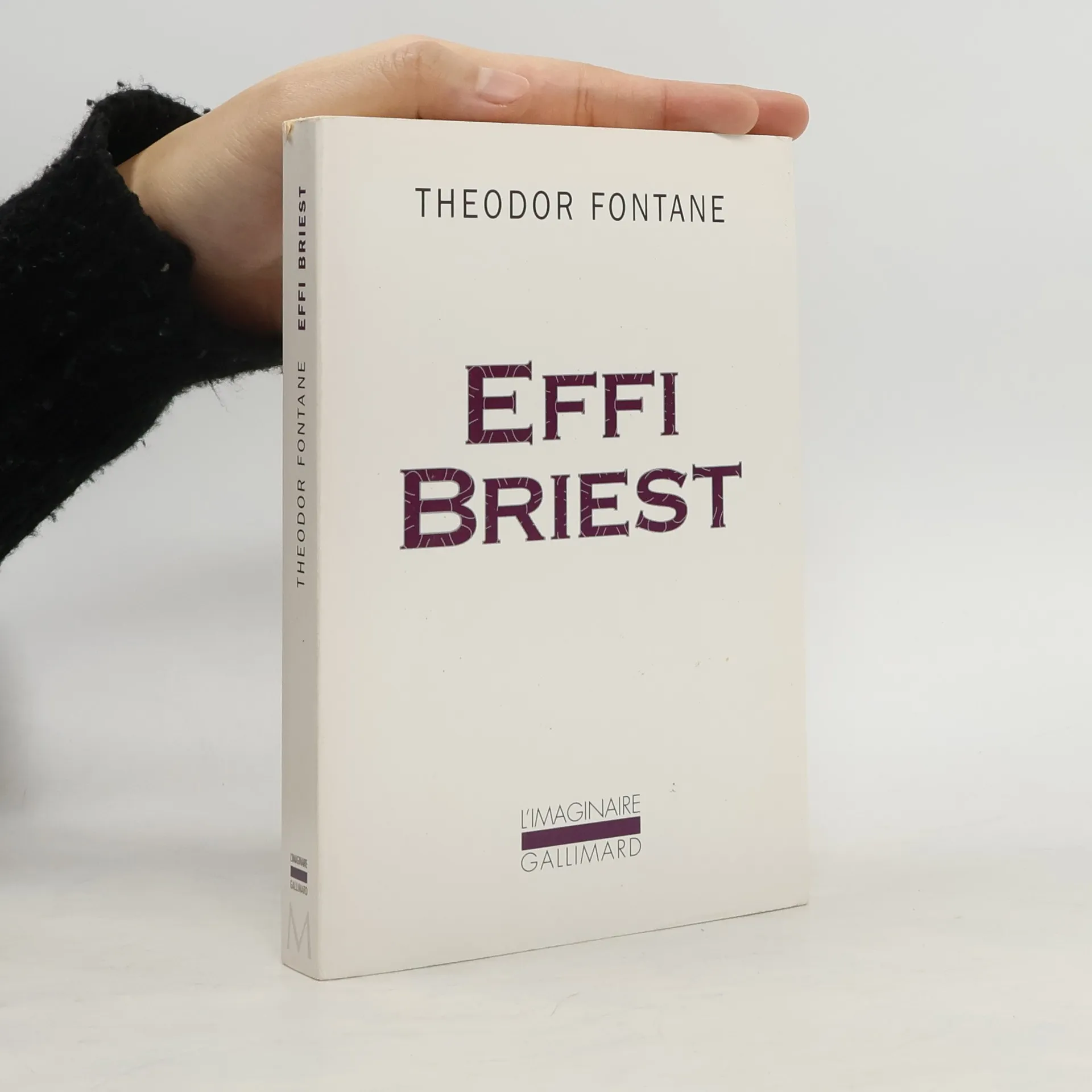
Effi Briest
- 346pages
- 13 heures de lecture
Telling the tragic tale of a socially advantageous but emotionally ruinous match, this novel, translated by Hugh Rorrison with an introduction by Helen Chambers, follows the life of young Effi Briest. Married to the austere Baron von Innstetten, a civil servant twice her age, Effi feels isolated and bored. Seeking comfort, she engages in a brief affair with the married Major Crampas, a decision that later haunts her with fatal consequences. Through taut, ironic prose, the author explores a world where sexuality and the desire for enjoyment are suppressed by societal pretenses and obligations. This work is a humane, unsentimental portrait of a woman caught between her duties as a wife and mother and her own heart's instincts. Rorrison's modern translation is complemented by Chambers' introduction, which draws parallels between Effi and other literary heroines like Emma Bovary and Anna Karenina. The author, a notable German novelist and political reporter, is also known for his ironic critique of middle-class hypocrisy in another work. If you appreciate this novel, you might also enjoy Tolstoy's Anna Karenina, available in Penguin Classics. 'I have been haunted by it ... as I am by those novels that seem to do more than they say,' remarks Hermione Lee in the Sunday Times.
Barcelona. 1974. Círculo de Lectores. 20x13. 447p.
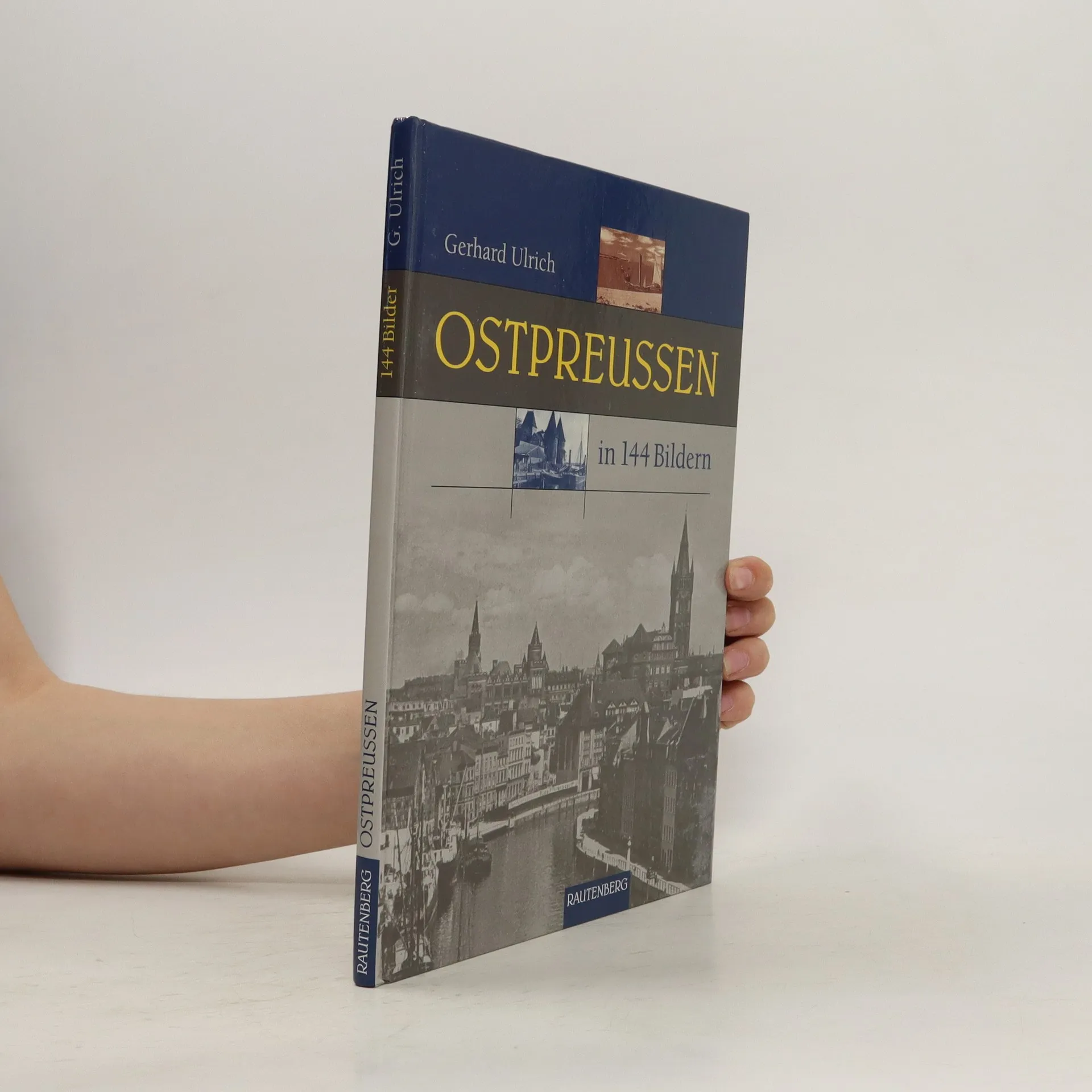
In diesem Buch wird Bildmaterial präsentiert, das Städte und Landschaften Ostpreußens umfassend und lehrreich darstellt. Das Vorwort bietet einen Überblick über die wechselvolle Geschichte des Landes, während eine Karte dem Leser hilft, sich beim Betrachten der Bilder zu orientieren. Die Fotos sind nach den fünf Regierungsbezirken Memel, Gumbinnen, Königsberg, Allenstein und Marienwerder geordnet, mit alphabetischer Auflistung der Städtenamen. Alle Orte mit Stadtrechten, die keine selbstständigen Kreisstädte waren, sind ebenfalls aufgeführt. Besondere Aufmerksamkeit erhalten das Samland, die Kurische Nehrung und Masuren, die mit eindrucksvollen Fotos ihrer landschaftlichen Schönheit gewürdigt werden. Die Bildunterschriften bieten nicht nur Erklärungen zu den Motiven, sondern auch historische Zusammenhänge, die für das Verständnis der gesamt-ostpreußischen Geschichte wichtig sind. Ein historischer Bilderbogen mit 144 Aufnahmen zeigt Ostpreußen in seiner Vielfalt – Städte, Dörfer, Landschaften und das Alltagsleben der Menschen. Diese detailreichen Fotografien sind wertvolle Dokumente, die die Zeit überdauert haben und Impressionen aus zahlreichen Orten wie Allenstein, Königsberg, Tilsit und vielen anderen festhalten.
Ostpreussen in 144 [hundertvierundvierzig] Bildern
- 80pages
- 3 heures de lecture
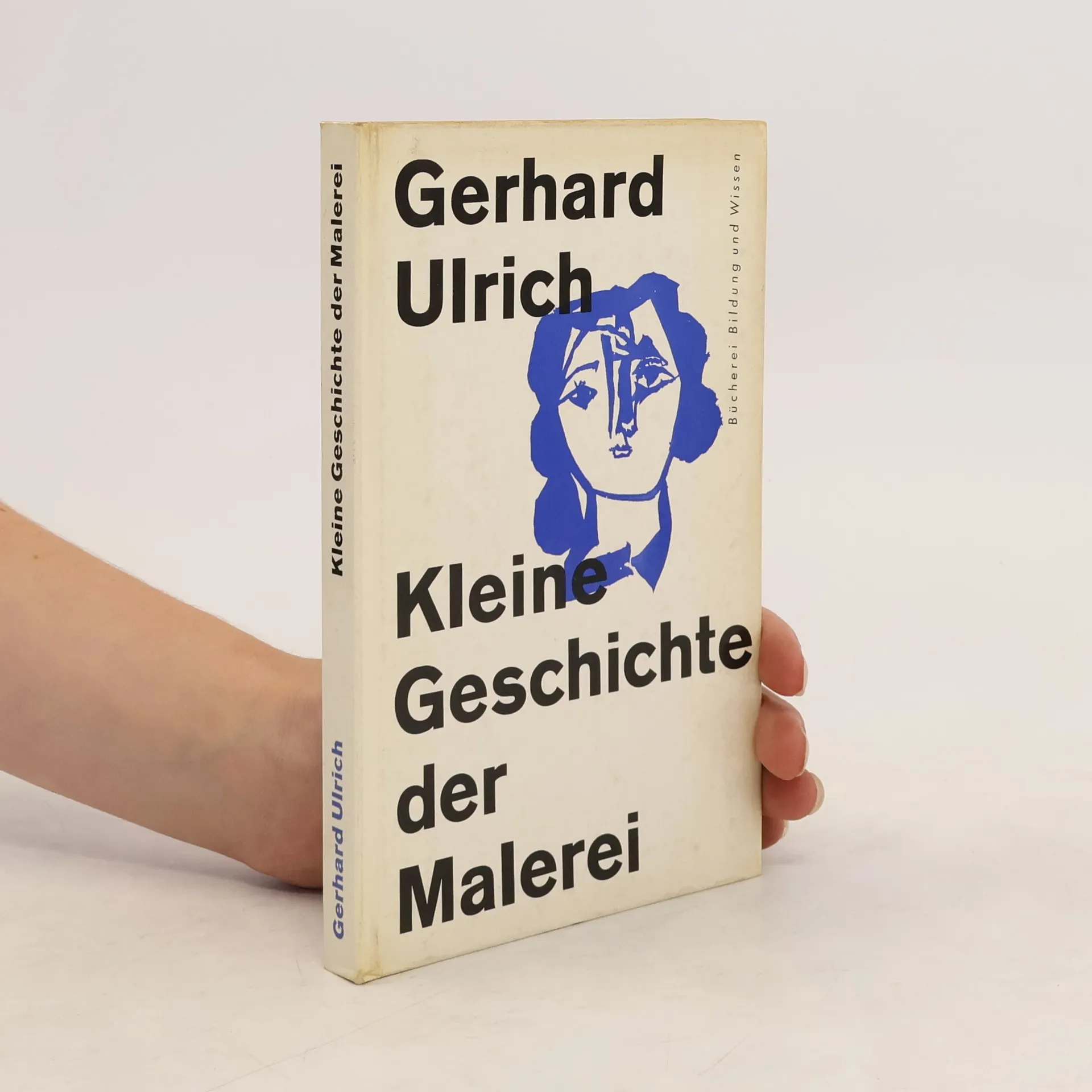
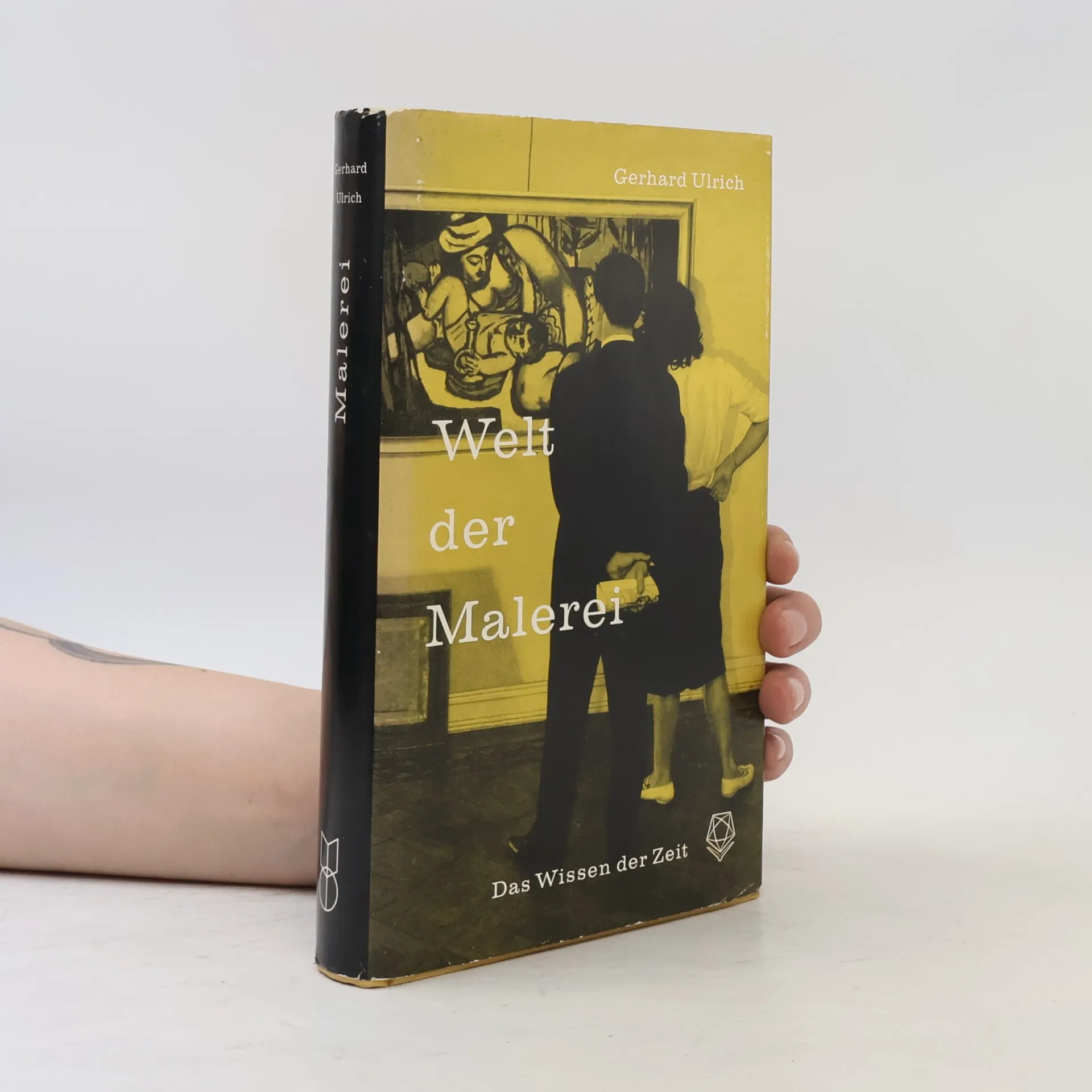
Berlínský profesor ve své přehledně koncipované knížce provází čtenáře od dob nejstarších dokladů výtvarného projevu člověka až po moderní tvorbu 20. století (převážně pouze k třicátým létům). Poslední kapitola je speciálně věnovaná umění mimoevropských kultur. Ke každémutematickému celku se připíná chronologický soupis nejdůležitějších dat.
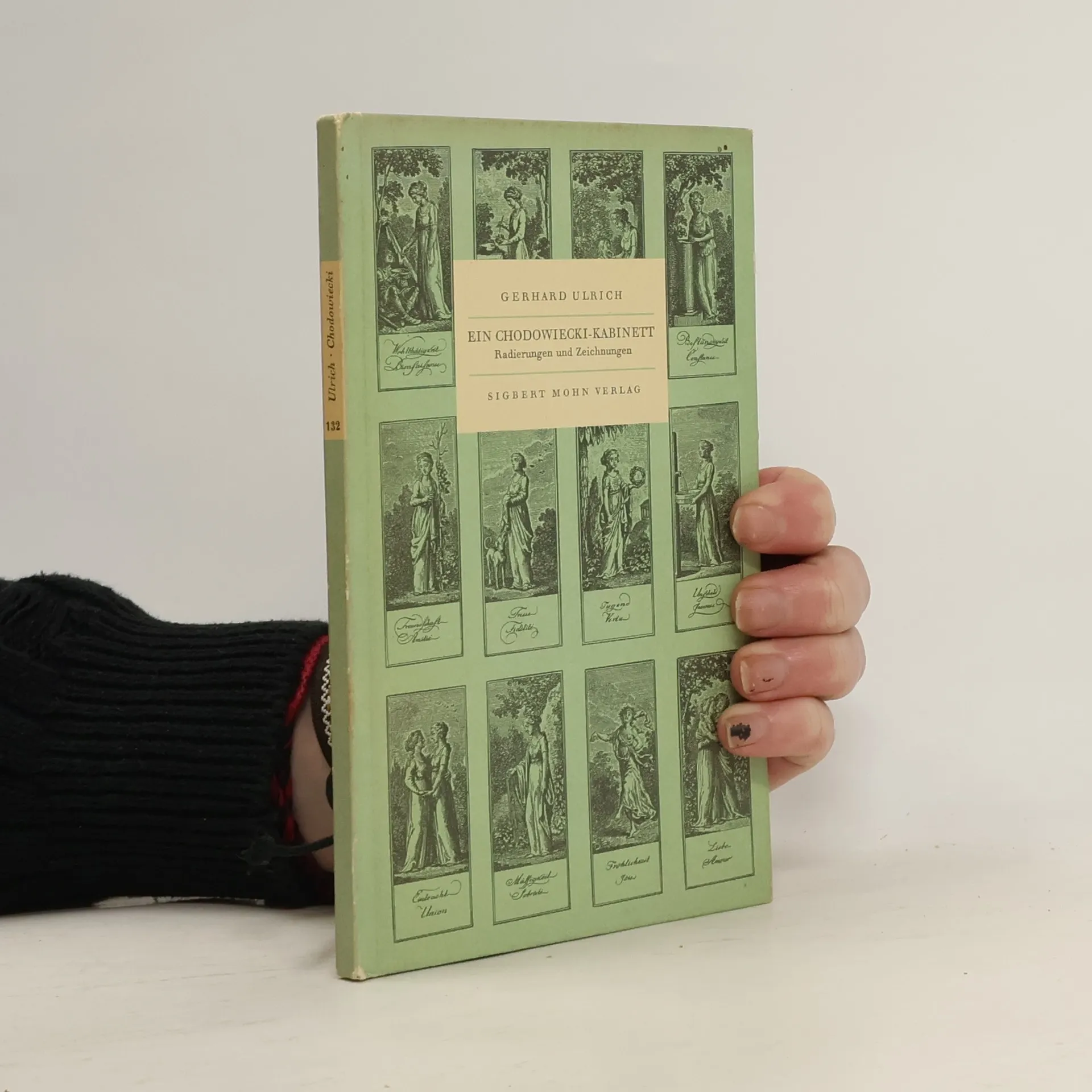
Ein Chodowiecki-Kabinett
Radierungen und Zeichnungen

![Ostpreussen in 144 [hundertvierundvierzig] Bildern](https://rezised-images.knhbt.cz/1920x1920/88014633.webp)