
Bookbot

Ibrāhīm Aṣlān Livres

    Ibrahim Aslan est célébré pour ses portraits magistraux de la vie quotidienne et des mondes intérieurs de ses personnages. Sa prose explore souvent les complexités des relations humaines et des conditions sociales, empreinte d'un sens remarquable du détail et de la profondeur psychologique. À travers son écriture, Aslan explore fréquemment les thèmes de l'identité, de la mémoire et de la recherche de sens dans le monde moderne. Son style distinctif, à la fois poétique et incisif, a obtenu une reconnaissance dans le monde arabe et à l'international.

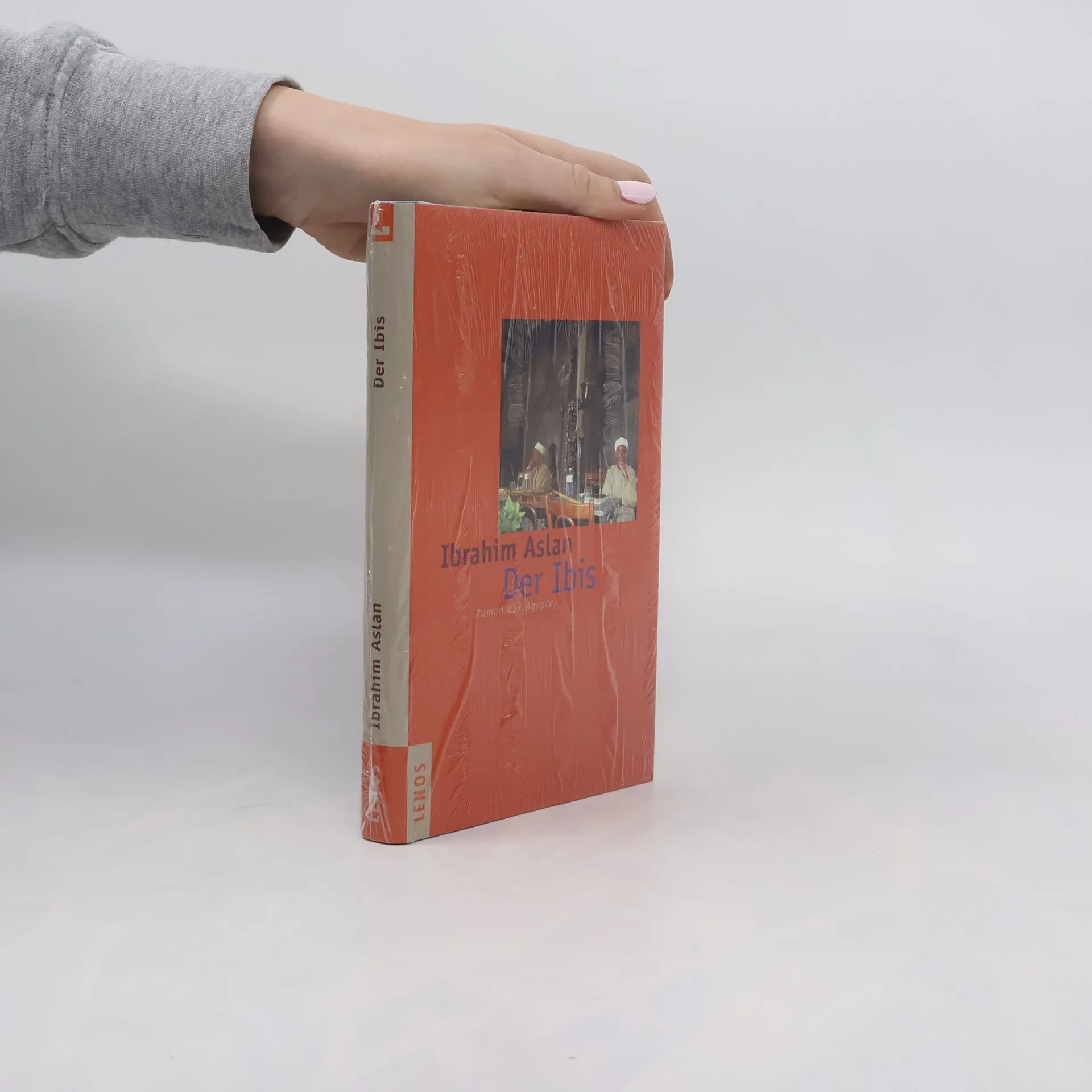
    Der Ibis
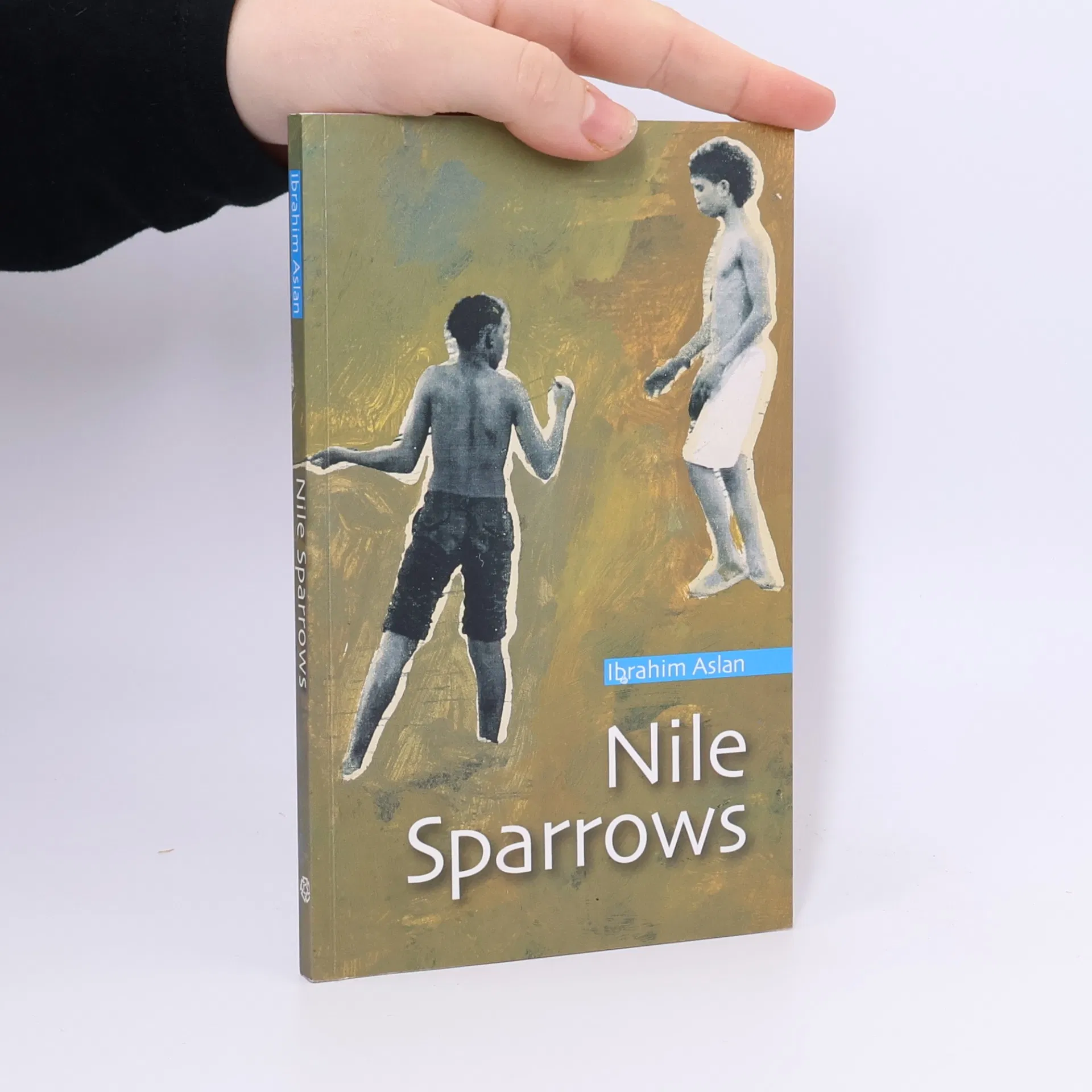
    Modern Arabic Literature: Nile Sparrows
    • Modern Arabic Literature: Nile Sparrows

      • 128pages
      • 5 heures de lecture

      Set in the author's own Nile-side neighborhood of Warraq, Aslan's second novel, the first to be translated and published in English, chronicles the daily rhythm of life of rural migrants to Cairo and their complex webs of familial and neighborly relations over half a century. It opens with the mysterious disappearance of the tiny grandmother, Hanem, who is over 100 years old and is last seen by her daughter-in-law Dalal. Dalal does not have the heart to tell Hanem that her grown children Nargis and Abdel Reheem have both been dead for some time. Her grandson Mr. Abdalla, who has children of his own and not a few flecks of gray in his hair, reluctantly sets out for their home village to search for her, embarking on a bittersweet odyssey into his family's past and a confrontation with his own aging. In an elliptical narrative, Aslan limns a series of vignettes that mimic the workings of memory, moving backward and forward in time and held together by a series of recurrent figures and images. There is Abdalla's father, the tragic al-Bahey Uthman; his quirky and earthy uncle Abdel Reheem; and his sweet mother, Nargis, who dies with her simplest desires unfulfilled. Aslan's moving portrait of the quotidian dramas that constitute the lives of ordinary Egyptians is untainted by populist pretensions or belittling romanticism, and full of the humor and heartbreaking pathos that have become trademarks of the author's style.
      Modern Arabic Literature: Nile Sparrows
    • Der Ibis

      Roman aus Ägypten

      • 209pages
      • 8 heures de lecture

      Seit Jahren ist das Café Awadallah der wichtigste Treffpunkt für die Männer in Imbaba, einem dichtbesiedelten Stadtteil Kairos. Mit seiner Schliessung, die immer wahrscheinlicher wird, droht ein zentraler Ort sozialer Kontakte verlorenzugehen. Hier hört man Radio, spielt Backgammon, lässt sich die Zeitung vorlesen, raucht Wasserpeife, macht allerhand Geschäfte, diskutiert über die kleinen Dinge des Alltags und die grossen Ereignisse in der Politik – oder organisiert eine Trauerfeier für einen verstorbenen Freund. Alle beteiligen sich auf ihre Weise daran: der blinde Scheich Husni, Herr Kadri, genannt der Engländer, Gâbir, der Krämer, Ramadan, der ehemalige Bäcker, Kâssim Effendi, der Optiker und Vorleser, Badawi, der Friseur, Haram, der Haschverkäufer – und der Schriftsteller Jûssuf al-Naggâr, der, statt zu schreiben, über das Schreiben reflektiert, sich aber gleichzeitig der Notwendigkeit bewusst ist, dass die Geschehnisse festgehalten werden müssen. Denn just am Tag der Trauerfeier kommt es zu einem grossen Volksaufstand. In seinem raffiniert komponierten Roman schildert Ibrahim Aslan nicht ohne leichtes Augenzwinkern, wie die Bewohner Imbabas mit Phantasie und Lebenslust die Schwierigkeiten des täglichen Lebens meistern.

      Der Ibis