

Elisabeth KüblerRoss Livres
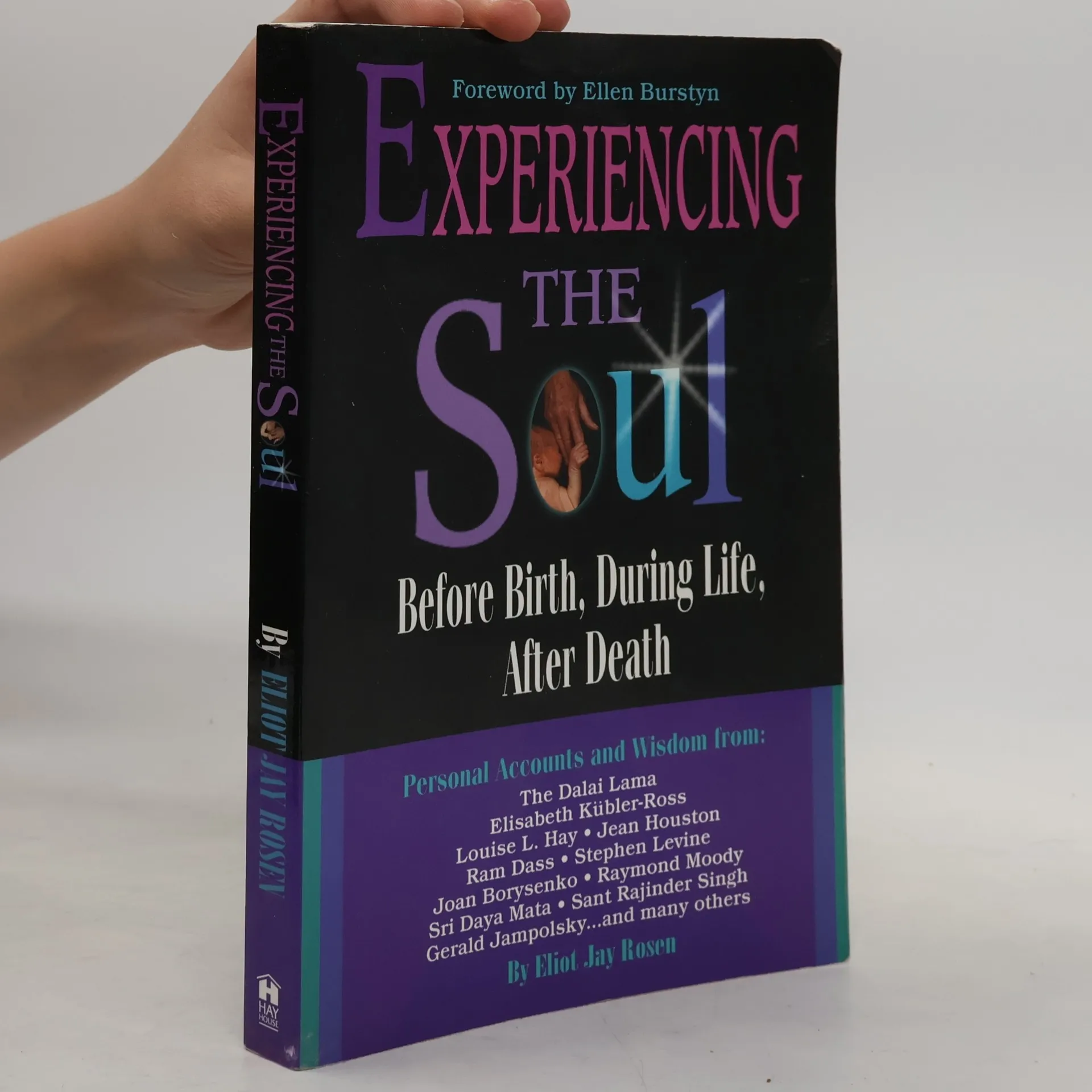
Pionnière dans l'étude des expériences de mort imminente, cette auteure explore l'expérience humaine face à la mortalité. Son œuvre révolutionnaire a introduit un modèle fondateur décrivant cinq stades du deuil, un cadre qui a profondément façonné notre compréhension de la perte. À travers ses analyses perspicaces, elle éclaire les parcours émotionnels et psychologiques complexes que les individus entreprennent face à leur propre mort ou à celle d'un être cher. Son approche distinctive et sa profonde empathie ont considérablement influencé le discours sur les expériences de fin de vie et le deuil.


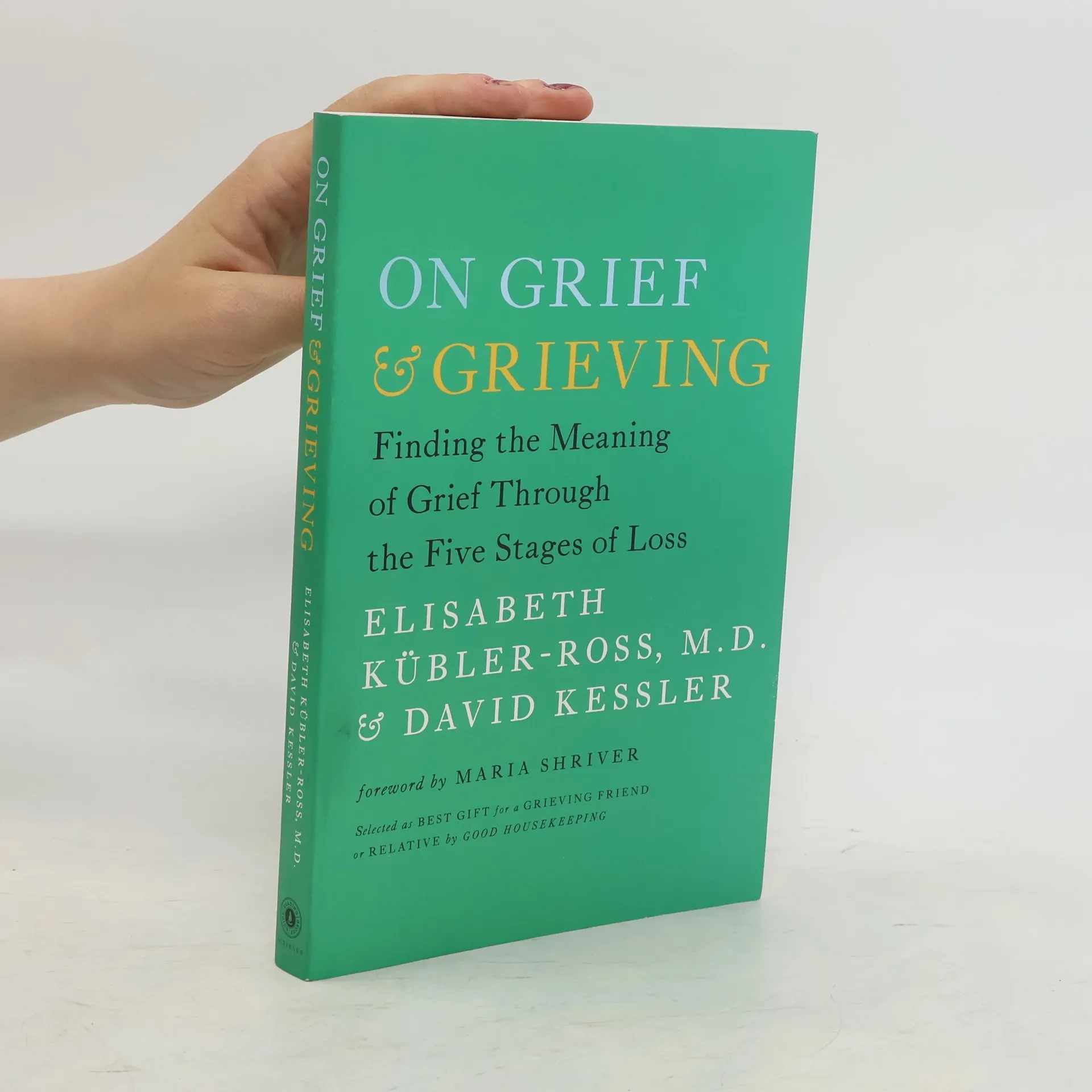
Ten years after Elisabeth Kubler-Ross's death, a commemorative paperback edition of her beloved ground-breaking classic on the five stages of grief
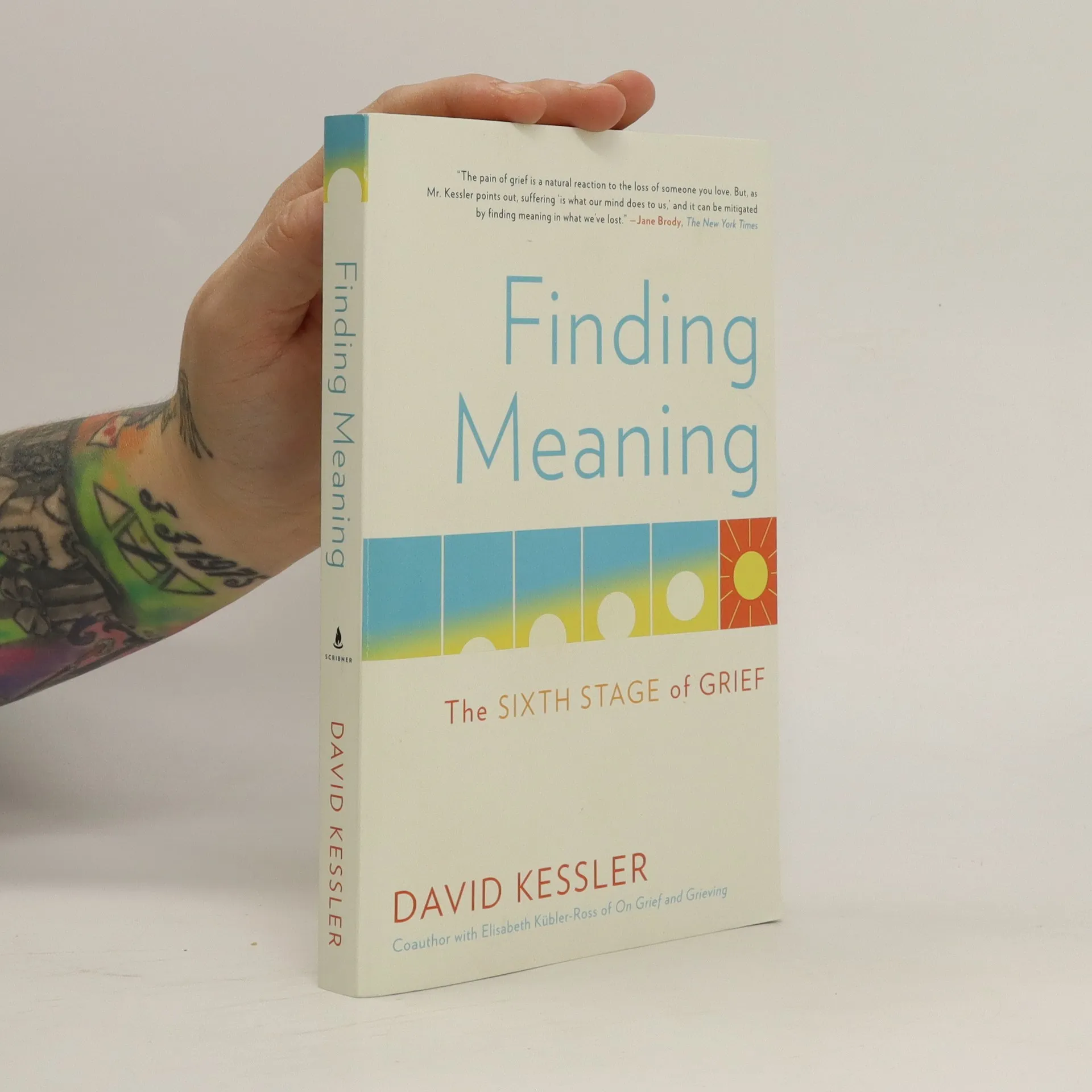
Finding meaning : the sixth stage of grief
- 272pages
- 10 heures de lecture
'A brilliant, caring, practical guide to help us understand grief' Daniel J Siegel, M.D.'Finding Meaning is Kessler’s poignant response to society’s insensitivity, [a] how-to in the very best sense' LA TimesDavid Kessler – the world's foremost expert on grief and the coauthor with Elisabeth Kübler-Ross of the iconic On Grief and Grieving – journeys beyond the classic five stages to discover a sixth meaning.David has spent decades teaching about end of life, trauma and grief. And yet his life was upended by the sudden death of his twenty-one-year-old son. How does the grief expert handle such a devastating loss?In Finding Meaning, Kessler shares his hard-earned wisdom and offers a roadmap to remembering those who have died with more love than pain, how to move forward in a way that honours our loved ones and ultimately transform grief into a more peaceful and hopeful experience.An inspiring must-read for anyone struggling to figure out how to live after loss.
The Wheel of Life
- 286pages
- 11 heures de lecture
On Life and LivingElisabeth Kübler-Ross, M.D., is the woman who has transformed the way the world thinks about death and dying. Beginning with the groundbreaking publication of the classic psychological study On Death and Dying and continuing through her many books and her years working with terminally ill children, AIDS patients, and the elderly, Kübler-Ross has brought comfort and understanding to millions coping with their own deaths or the deaths of loved ones. Now, at age seventy-one facing her own death, this world-renowned healer tells the story of her extraordinary life. Having taught the world how to die well, she now offers a lesson on how to live well. Her story is an adventure of the heart -- powerful, controversial, inspirational -- a fitting legacy of a powerful life.
AIDS. The Ultimate Challenge
- 329pages
- 12 heures de lecture
The author offers firsthand accounts of her work with AIDS patients and councils the friends and family of AIDS victims on how they can become more compassionate and giving to their dying loved ones.
This is an engaging introduction to the beliefs, work, and life of psychiatrist Elisabeth Kubler-Ross, who "declared war on the denial of death in America" (New York Times). Based on her more than 30 years experience with the dying, this book offers both challenge and hope.
A collection of four essays on death, dying, and the afterlife.
Death. The Final Stage of Growth
- 175pages
- 7 heures de lecture
Ours is a death-denying society. But death is inevitable, and we must face the question of how to deal with it. Coming to terms with our own finiteness helps us discover life's true meaning. Why do we treat death as a taboo? What are the sources of our fears? How do we express our grief, and how do we accept the death of a person close to us? How can we prepare for our own death? Drawing on our own and other cultures' views of death and dying, Elisabeth Kübler-Ross provides some illuminating answers to these and other questions. She offers a spectrum of viewpoints, including those of ministers, rabbis, doctors, nurses, and sociologists, and the personal accounts of those near death and of their survivors. Once we come to terms with death as a part of human development, the author shows, death can provide us with a key to the meaning of human existence.