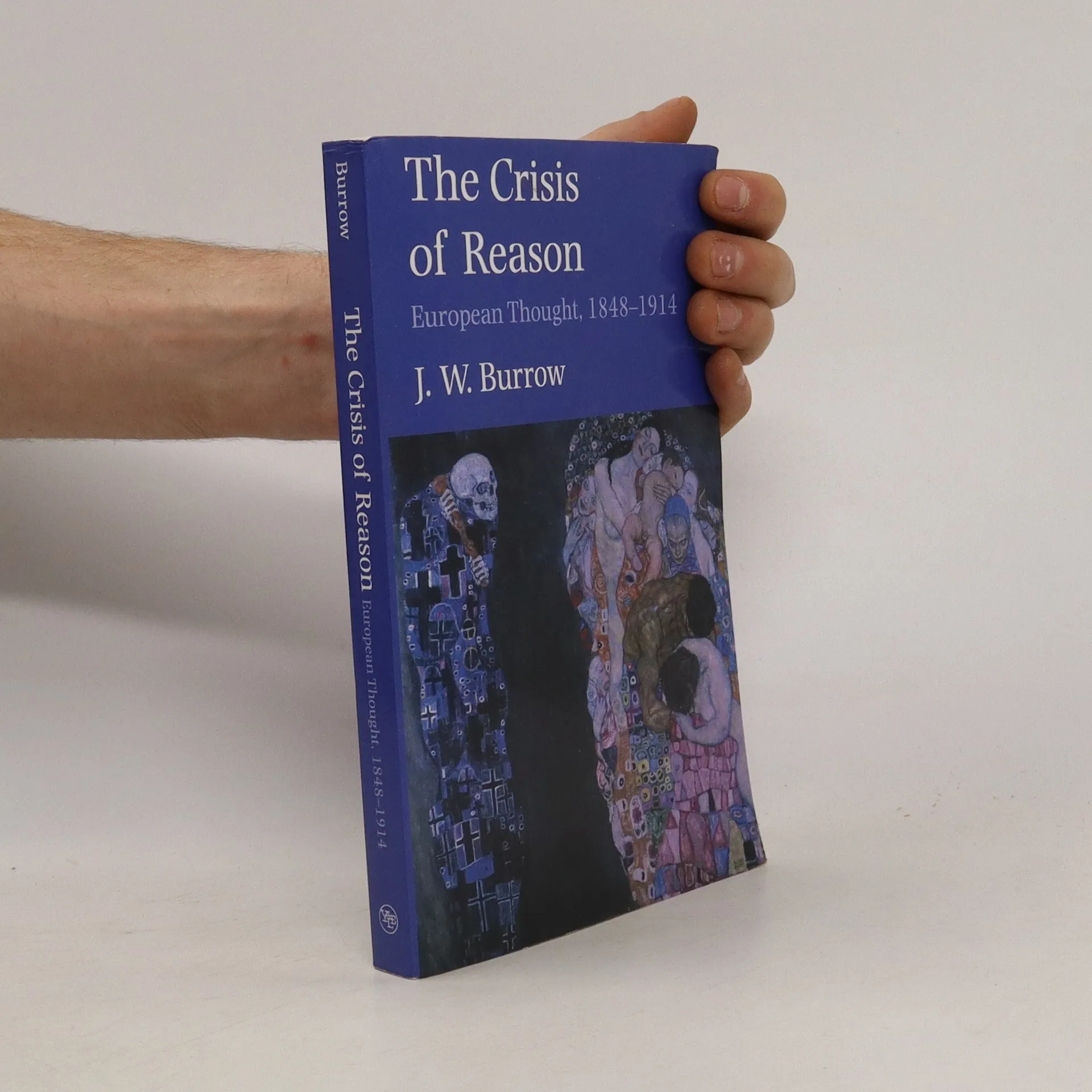
John Burrow fut un éminent historien anglais de l'histoire intellectuelle. Son œuvre a ouvert la voie à une approche plus sophistiquée de l'histoire des sciences sociales, qui ne considérait pas le passé uniquement comme une anticipation du présent. Burrow s'est principalement concentré sur l'interprétation Whig de l'histoire et sur l'historiographie en général. Ses analyses incisives et son style exigeant ont laissé une marque indélébile dans le domaine.
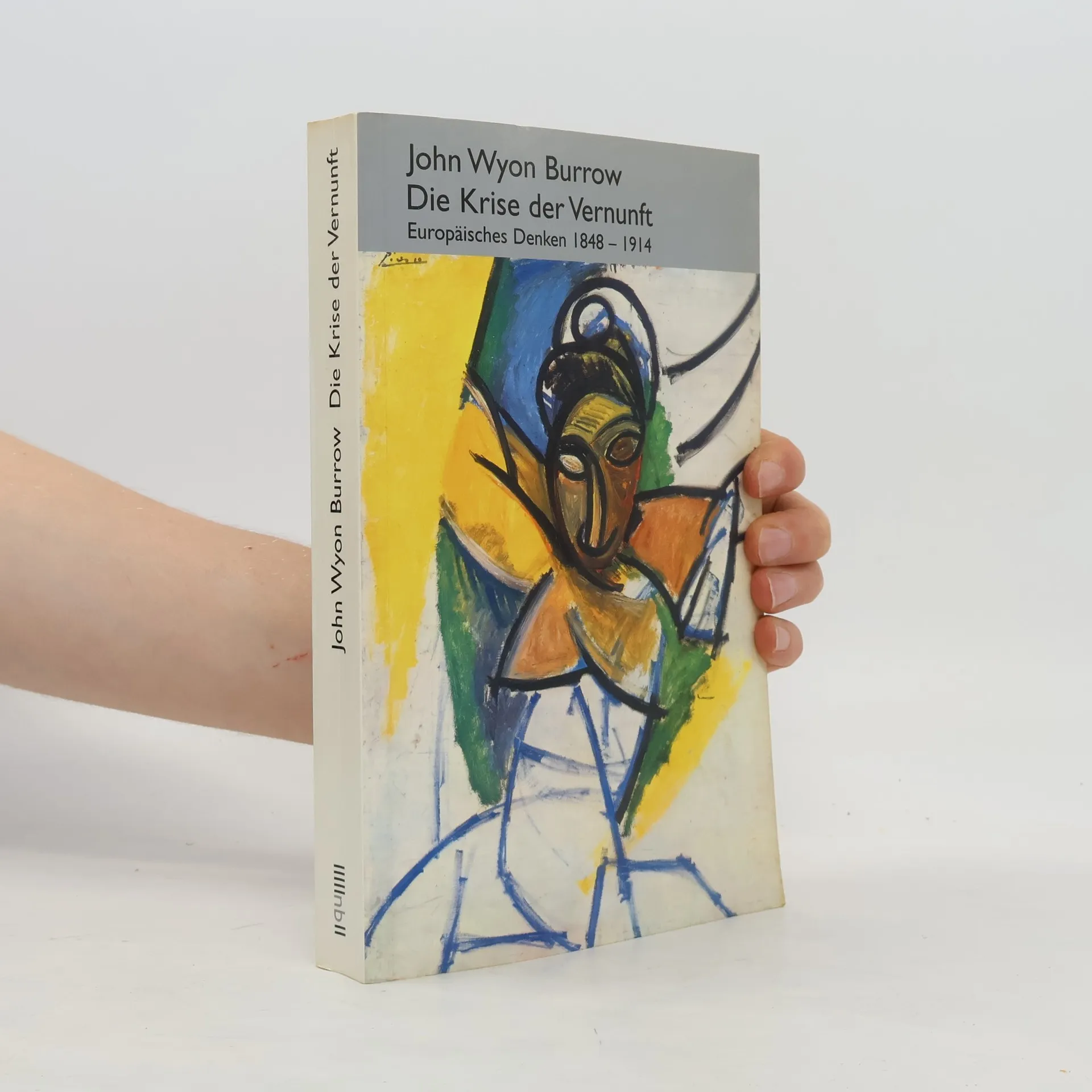
Burrow examines the impact of science and social thought on European intellectual life prior to World War I. He considers ideas in physics, social evolution and social Darwinism, and anxieties about modernity and personal identity.
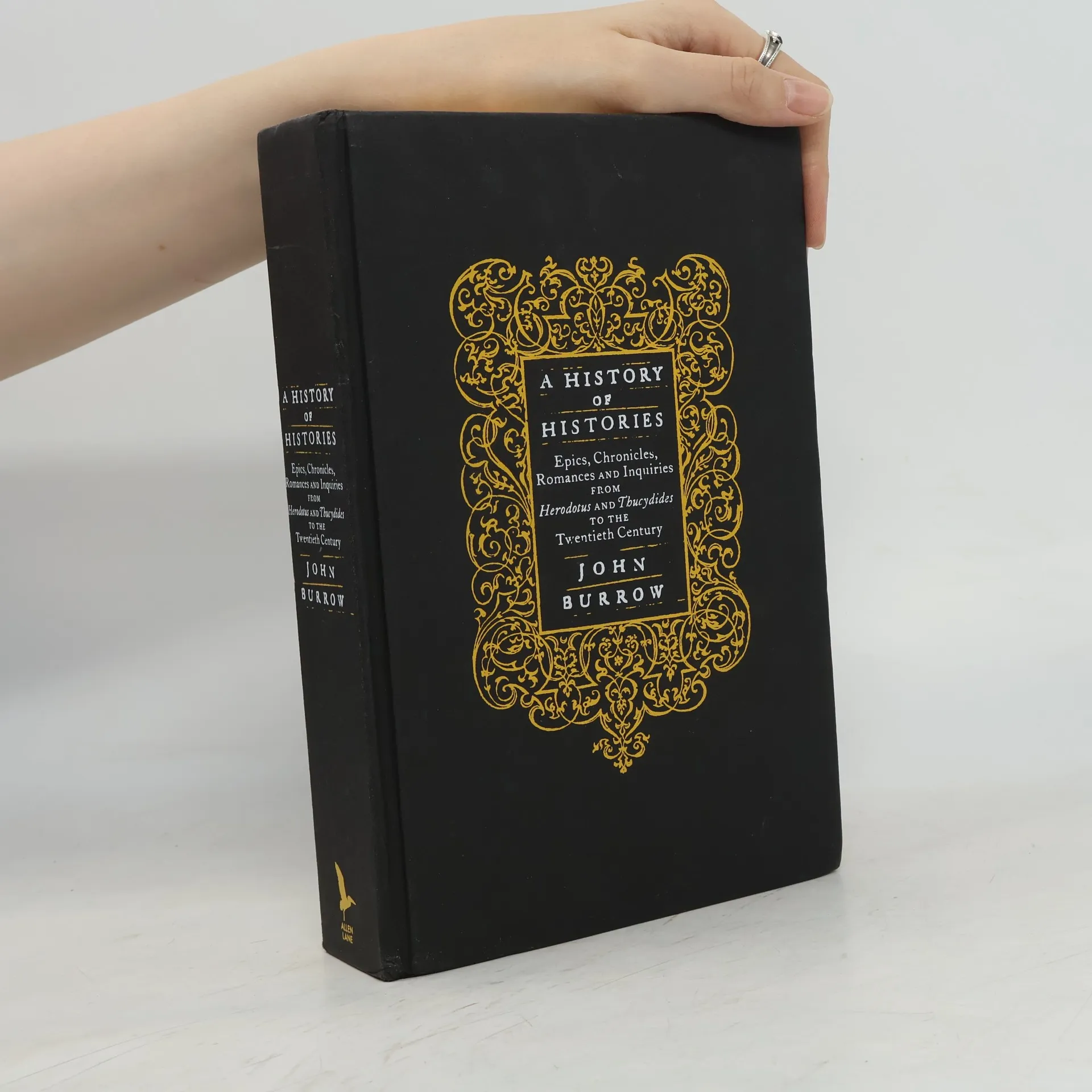
Epics, Chronicles, Romances and Inquiries from Herodotus
576pages
21 heures de lecture
This unprecedented book by one of Britain’s most admired historians describes the intellectual impact that the study and consideration of history has had in the Western world over the past 2,500 years.Treating the practice of history not as an isolated pursuit but as an aspect of human society and an essential part of the culture of Europe and America, John Burrow magnificently brings to life and explains the distinctive qualities found in the work of historians from the ancient Egyptians and Greeks to the present, including Livy, Tacitus, Bede, Froissart, Clarendon, Gibbon, Macaulay, Michelet, Prescott and Parkman. The author sets out not to give us the history of academic discipline but a history of the choice of pasts, and the ways they have been demarcated, investigated, presented and even sometimes learned from as they have changed according to political, religious, cultural, and (often most important) partisan and patriotic circumstances. Burrow aims, as well, to change our perceptions of the crucial turning points in the history of history, allowing the ideas that historians have had about both their own times and their founding civilizations to emerge with unexpected freshness.Burrow argues that looking at the history of history is one of the most interesting ways we have to understand the past. Certainly, this volume stands alone in its ambition, scale and fascination.