

Bookbot

Simon May

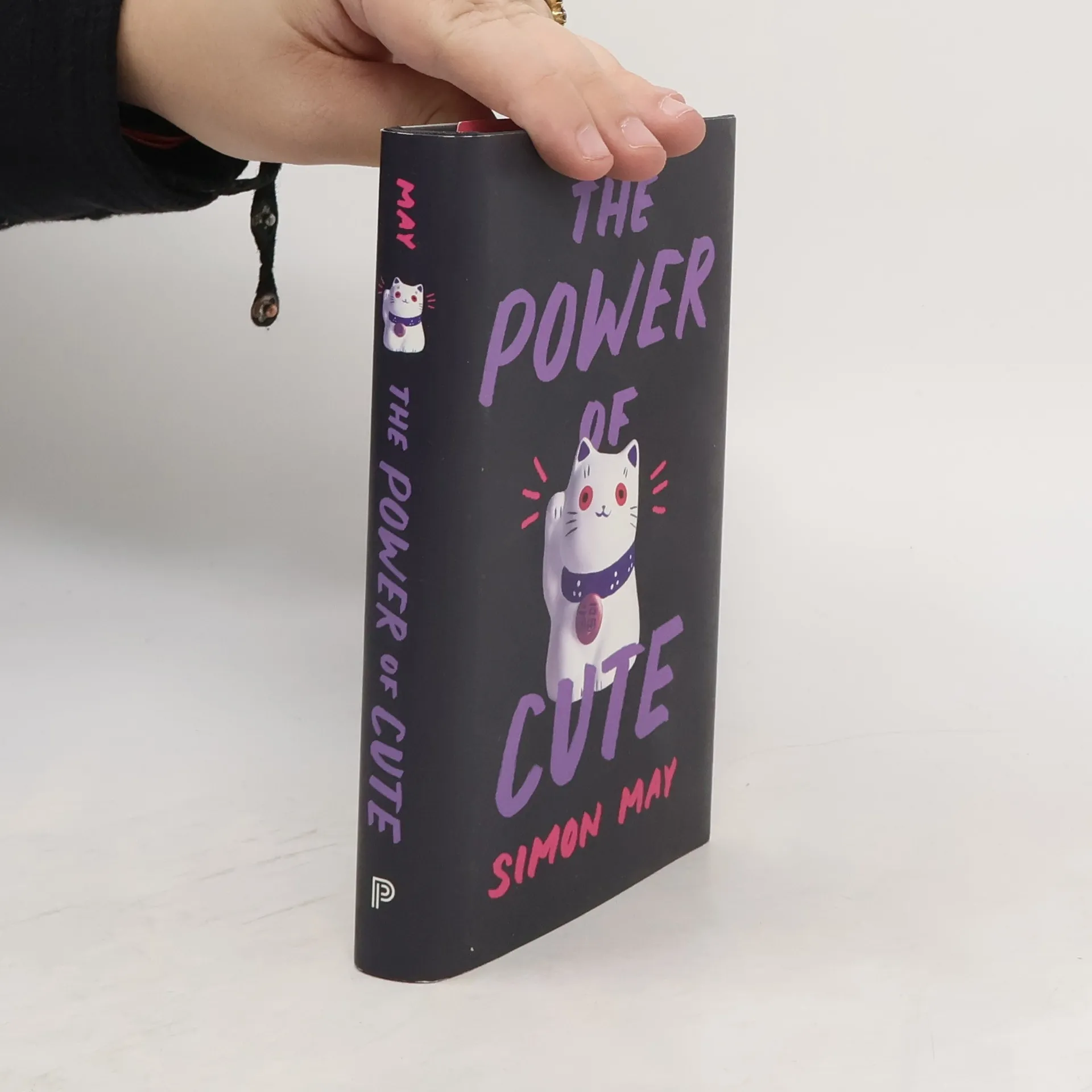
    The Power of Cute
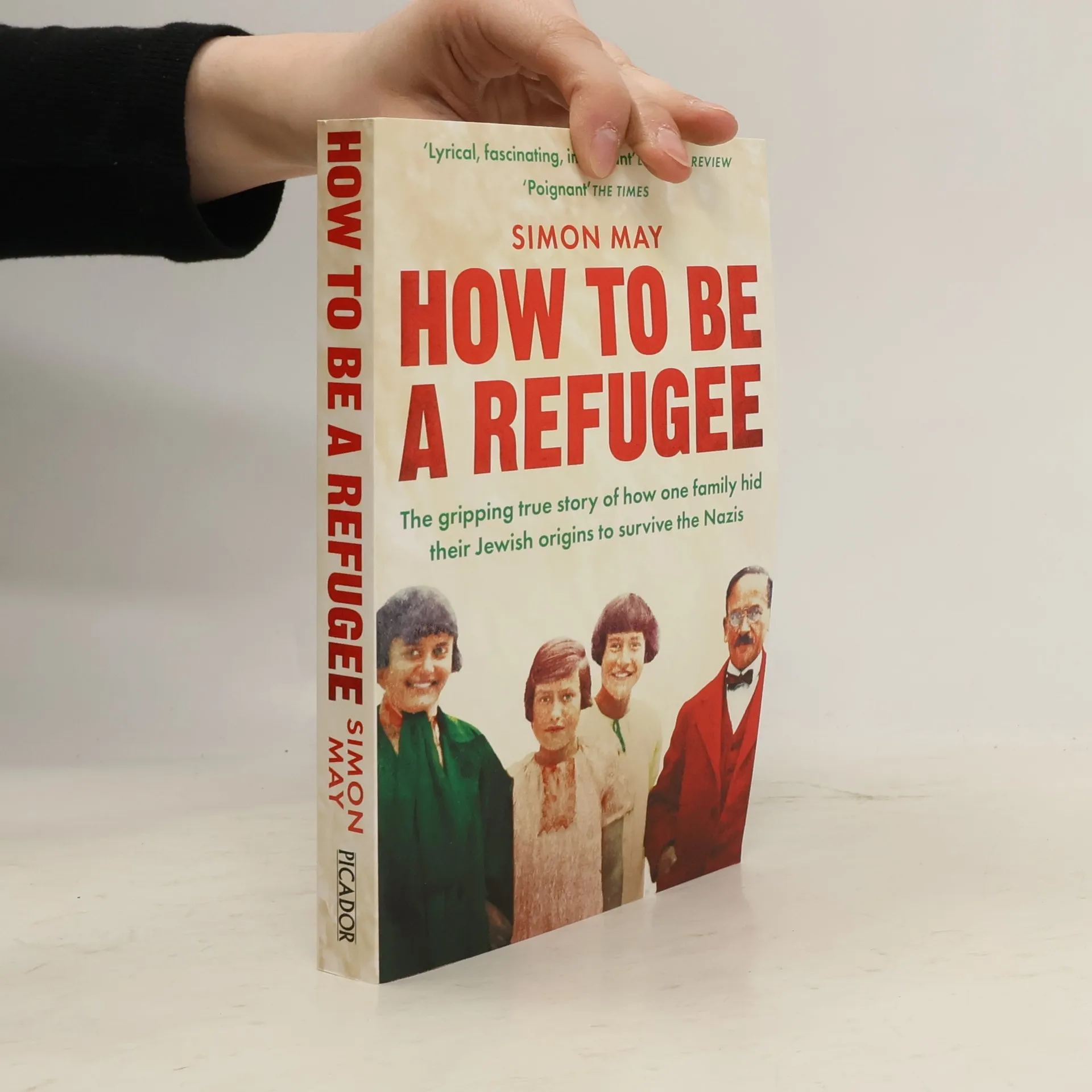
    How to Be a Refugee
    Love
    • The Power of Cute

      • 256pages
      • 9 heures de lecture

      Cuteness has become a global phenomenon, evident in icons like Hello Kitty, Pokémon, and the art of Takashi Murakami and Jeff Koons, as well as quirky figures like Heidi the cross-eyed opossum. But what does "cute" truly signify as a sensibility? Is it merely trivial, or does it harbor deeper, even unsettling qualities? In exploring this, Simon May offers nuanced insights. Traditionally, we perceive cuteness as harmless and diminutive, yet May challenges this notion by examining examples from Mickey Mouse to Kim Jong-il, revealing that cuteness can embody a playful yet ambiguous power that transcends simple sweetness, affecting gender, age, morality, and species. He also addresses the darker, more complex aspects of cuteness, which have intrigued humanity since ancient times, particularly through mythological hybrids like the hermaphrodite and the sphinx. May posits that cuteness serves as a captivating antidote to modern pressures to be purposeful, predictable, and transparent. Instead, it embraces the uncertainty that societal norms often suppress, reflecting the complexities of identity, control, and power dynamics in our relationships. This exploration of cuteness resonates profoundly in our contemporary world.

      The Power of Cute2025
      3,1
    • How to Be a Refugee

      • 384pages
      • 14 heures de lecture

      A powerfully moving family memoir of loss, exile and self-concealment in Nazi Germany. The most familiar fate of Jews living in Hitler's Germany is either emigration or deportation to concentration camps. But there was another, much rarer, side to Jewish life at that time: denial of your origin to the point where you manage to erase almost all consciousness of it. You refuse to believe that you are Jewish. How to Be a Refugee is Simon May's gripping account of how three sisters--his mother and his two aunts--grappled with what they felt to be a lethal heritage. Their very different trajectories included conversion to Catholicism, marriage into the German aristocracy, securing "Aryan" status with high-ranking help from inside Hitler's regime, and engagement to a card-carrying Nazi. Even after his mother fled to London from Nazi Germany and Hitler had been defeated, her instinct for self-concealment didn't abate. Following the early death of his father, also a German-Jewish refugee, May was raised a Catholic and forbidden to identify as Jewish or German or British. In the face of these banned inheritances, May embarks on a quest to uncover the lives of the three sisters as well as the secrets of a grandfather he never knew. His haunting story forcefully illuminates questions of belonging and home--questions that continue to press in on us today.

      How to Be a Refugee2021
      3,5
    • Love

      A History

      • 294pages
      • 11 heures de lecture

      Love—unconditional, selfless, and totally accepting—is revered in the West as the ultimate universal religion, making any challenge to it a significant taboo. In this groundbreaking work, philosopher Simon May dissects our prevailing notions of love, revealing their roots in a rich cultural heritage spanning over 2,500 years. He traces the evolution of love from its Hebraic and Greek origins through Christianity, illustrating how the phrase "God is love" transformed into "love is God" over the past two centuries. This shift, he argues, has created unrealistic expectations in relationships. May examines a range of thinkers, from Aristotle's concept of perfect friendship to Ovid's celebration of romance, Rousseau's emphasis on authenticity, Nietzsche's affirmations, Freud's insights on loss, and Proust's reflections on boredom. He challenges the belief that love is the ultimate source of meaning, security, and happiness, clarifying that love is fundamentally the intense desire for someone who can affirm our existence. Ultimately, the feeling that "makes the world go round" serves as a harbinger of home and, in that sense, the sacred.

      Love2011
      3,9