
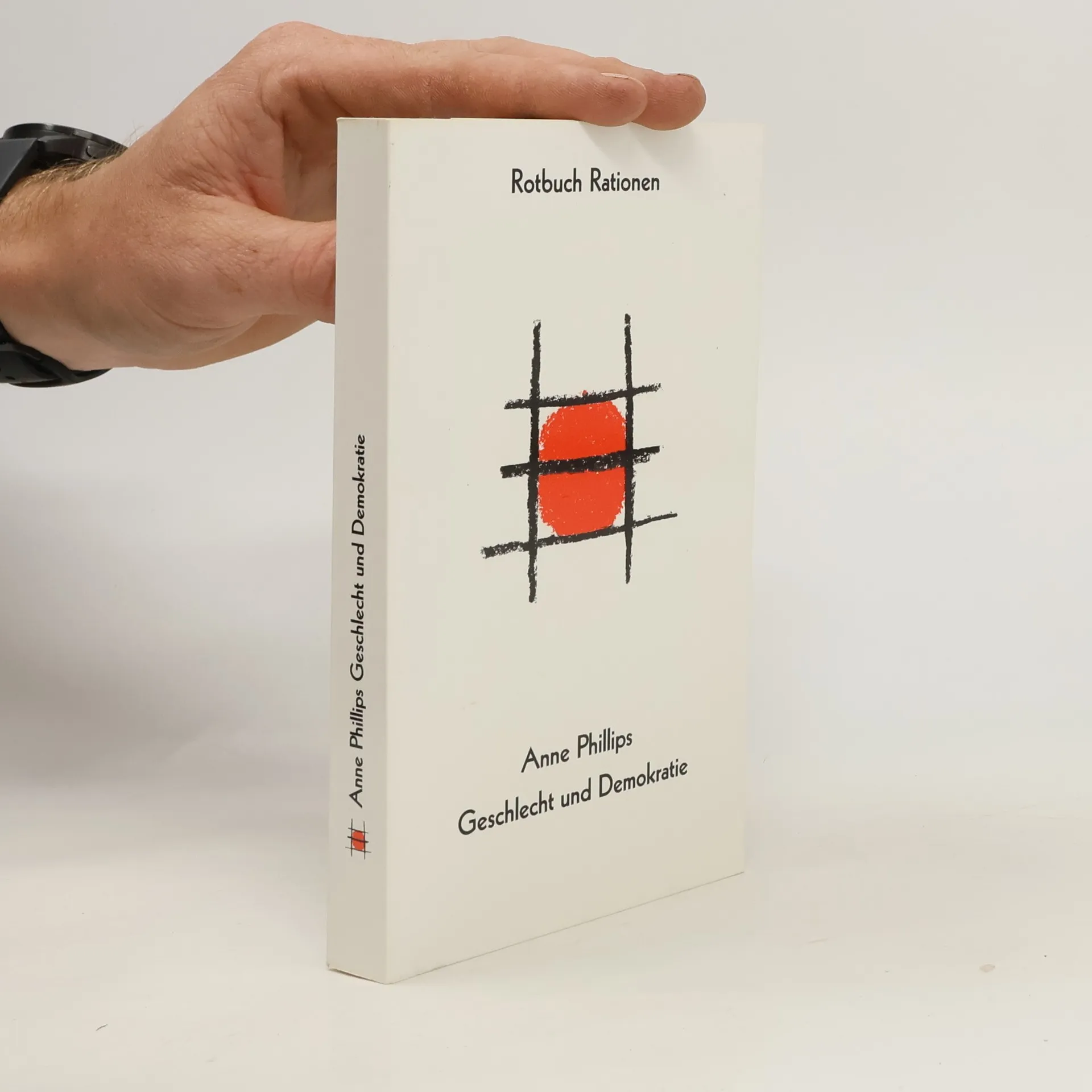

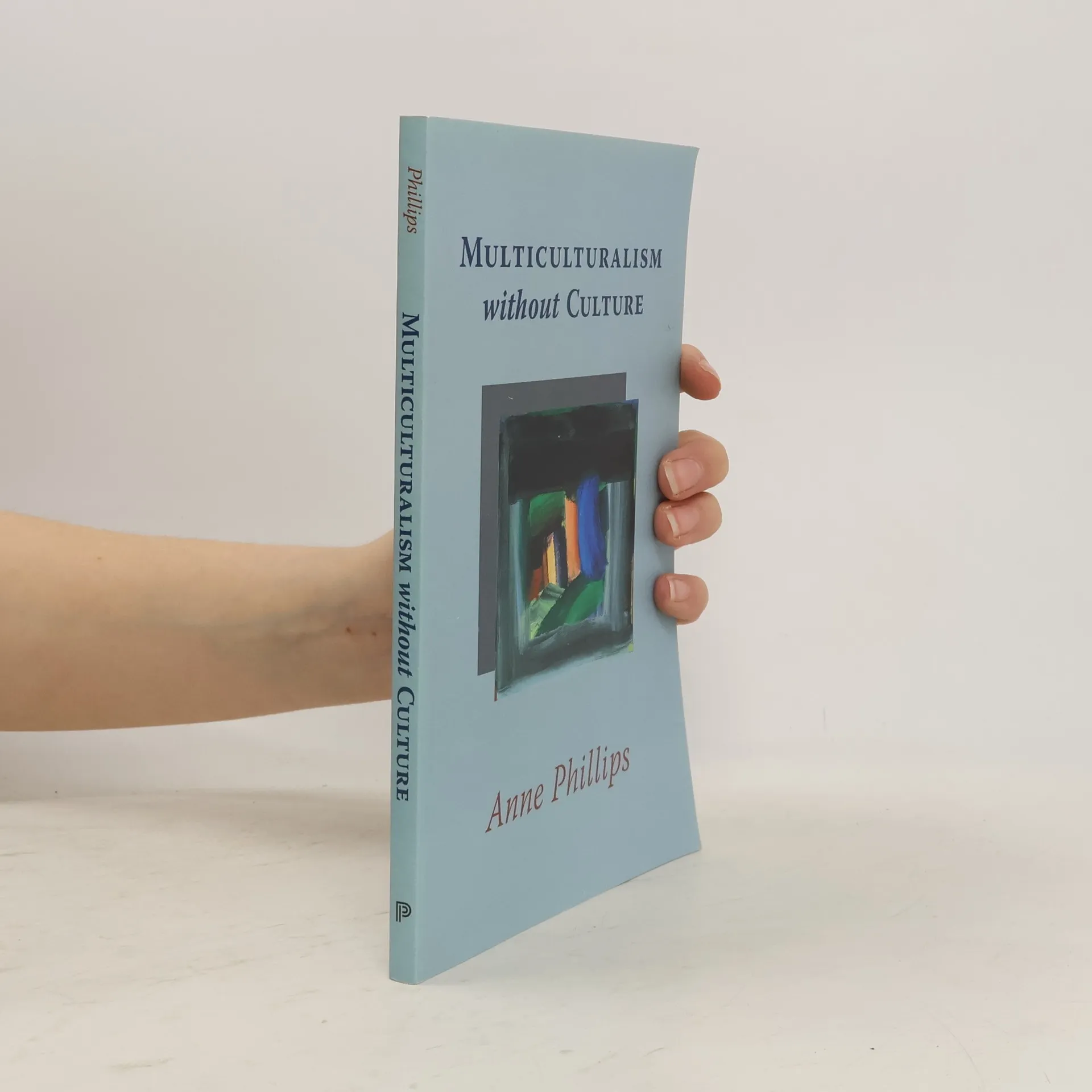
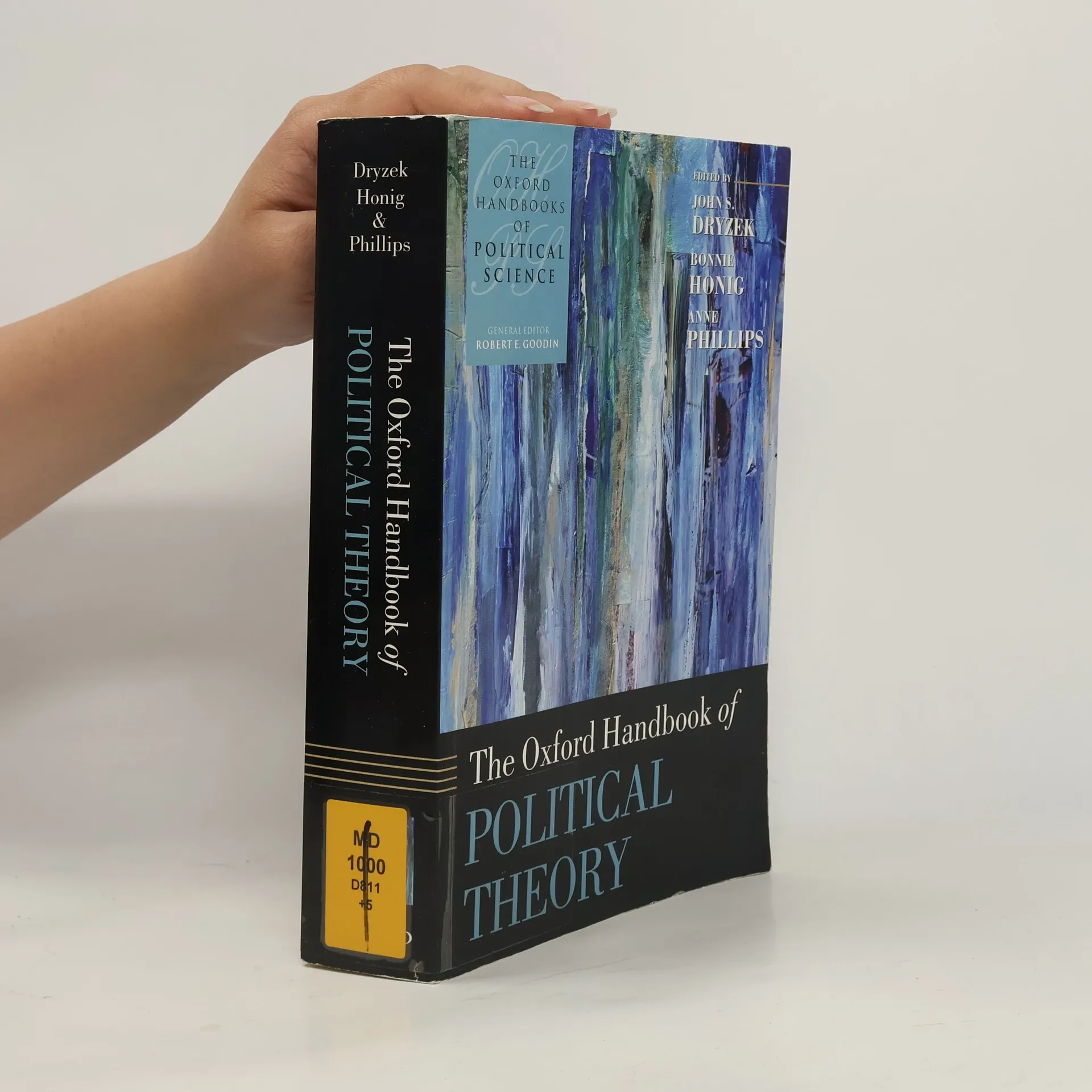
Anne Phillips est professeure à la London School of Economics and Political Science, où ses recherches explorent les relations complexes entre genre, démocratie, culture et économie. Elle examine comment ces différents domaines s'entrecroisent et façonnent les structures sociétales, offrant des perspectives profondes sur des phénomènes sociaux complexes. Son travail analyse de manière critique les dynamiques sous-jacentes qui influencent notre monde.
The book presents a compelling argument that the pursuit of equality is fundamental to human existence. It explores how the claim to equality shapes our understanding of humanity, emphasizing its significance in social, moral, and philosophical contexts. Through rigorous analysis, the author challenges readers to reconsider the implications of equality in their own lives and society at large, making a powerful case for its essential role in defining what it means to be human.
Addressing the backlash against multiculturalism, Anne Phillips argues that critics wrongly attribute the actions of minority and non-Western individuals solely to culture. She advocates for a redefined approach to multiculturalism that focuses on individuals rather than cultural stereotypes. By shifting the emphasis from cultural explanations to personal agency, Phillips presents a compelling defense of multiculturalism that seeks to foster understanding and inclusivity in a diverse society.
Long recognized as one of the main branches of political science, political theory has in recent years burgeoned in many different directions. Close textual analysis of historical texts sits alongside more analytical work on the nature and normative grounds of political values. Continental and post-modern influences jostle with ones from economics, history, sociology, and the law. Feminist concerns with embodiment make us look at old problems in new ways, and challenges of new technologies open whole new vistas for political theory. This Handbook provides comprehensive and critical coverage of the lively and contested field of political theory, and will help set the agenda for the field for years to come. Forty-five chapters by distinguished political theorists look at the state of the field, where it has been in the recent past, and where it is likely to go in future. They examine political theory's edges as well as its core, the globalizing context of the field, and the challenges presented by social, economic, and technological changes.