
Bookbot

Stephanie Auer

    Klimt
    The Belvedere Companion Guide
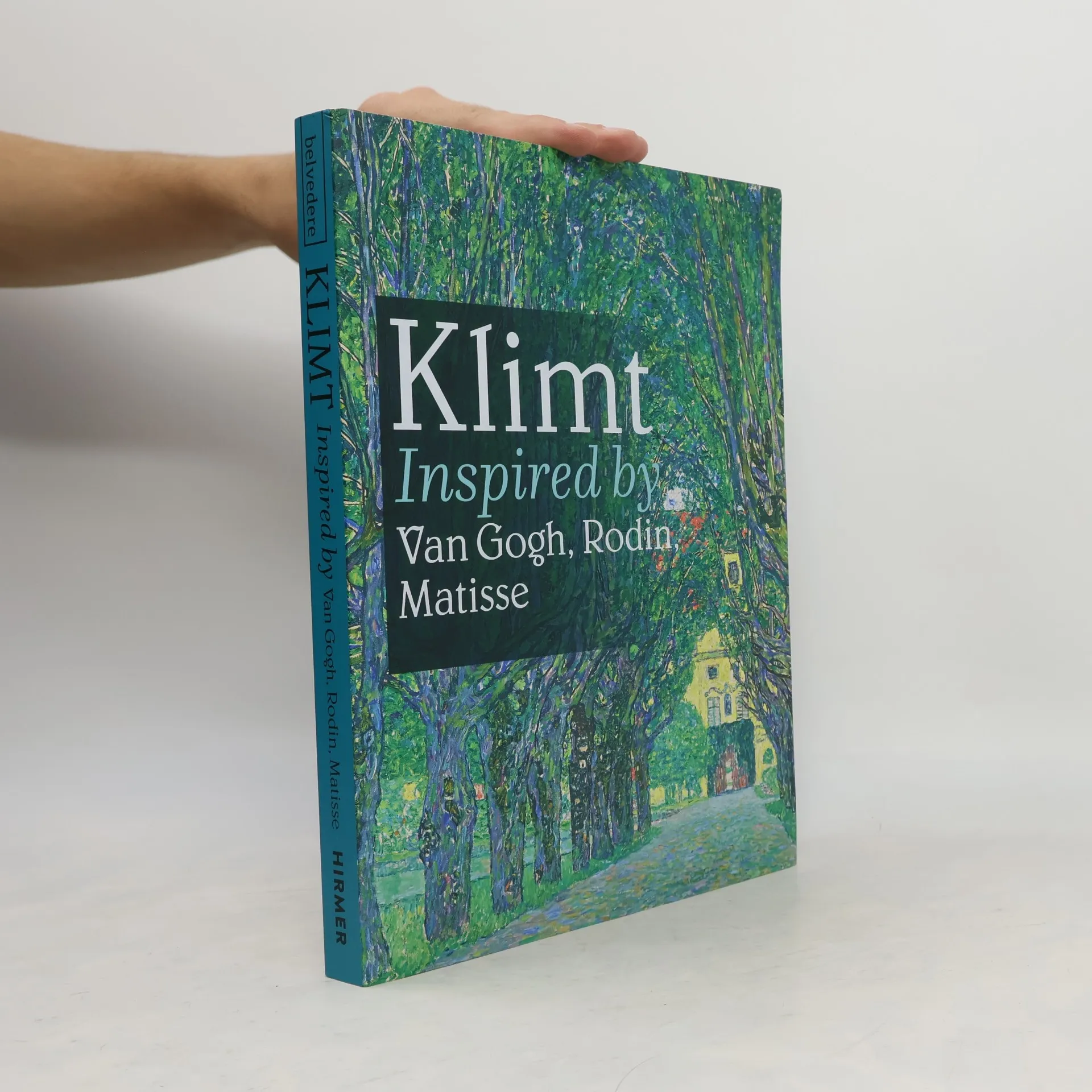
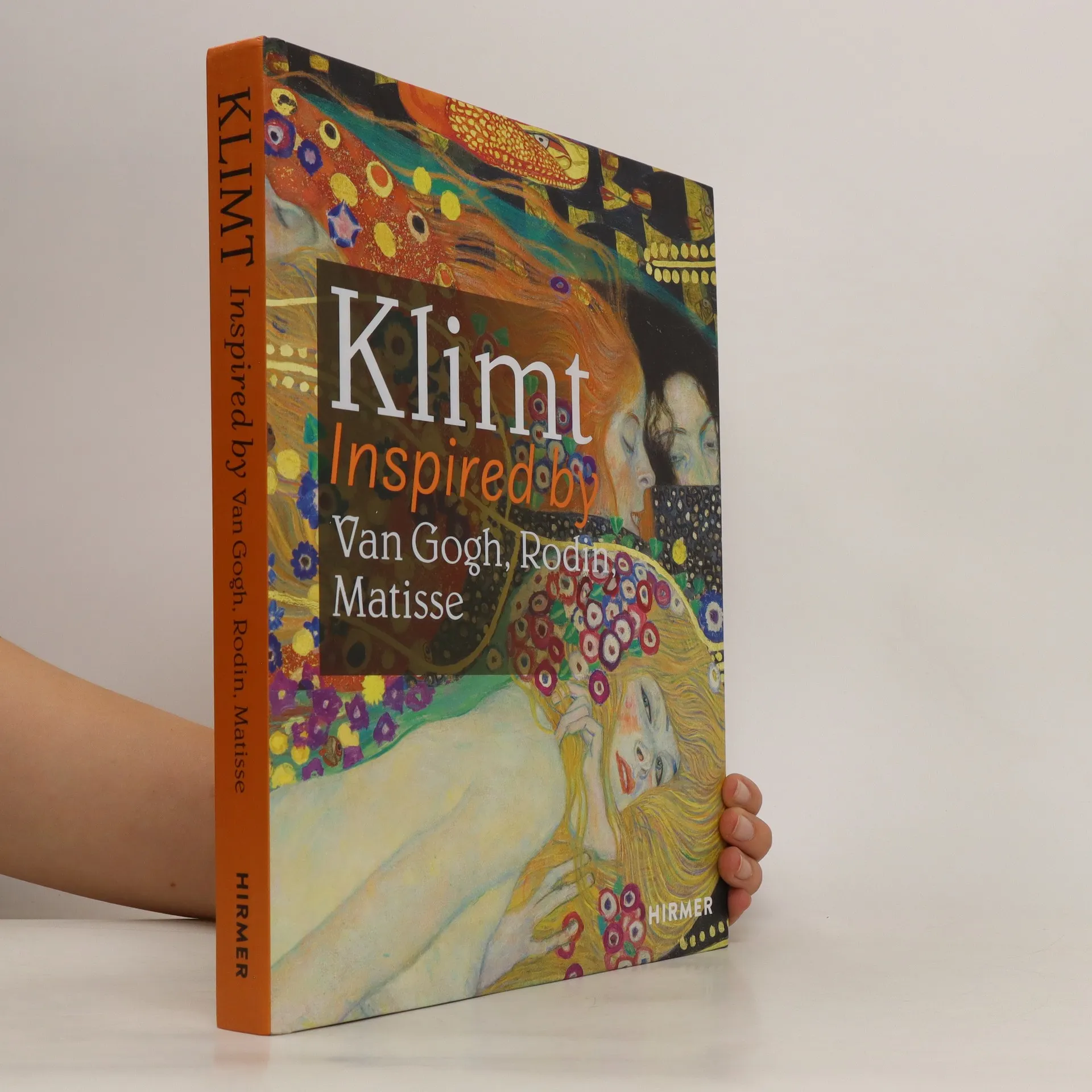
    Klimt - Inspired by Van Gogh, Rodin, Matisse
    • Gustav Klimt (1862–1918) ist weltberühmt für seine goldenen ornamentalen Werke, seine fließenden Farben, seine sinnlichen Frauendarstellungen. Doch wo fand er Inspiration für sein facettenreiches Schaffen? Wie gut war ihm Vincent van Gogh bekannt? Sah er jemals ein Bild von Henri Matisse? Klimt trifft nun auf künstlerische Wegbereiterinnen und -bereiter. Wien um 1900 – Wiener Secession, Galerien, private Kunstsammler oder Kunstzeitschriften machten die Kunst der europäischen Avantgarde in Klimts Umfeld präsent. Aufgeschlossen für die Bildsprache seiner Zeitgenossen wie Alma-Tadema, Minne, Rodin, Toorop, Hodler, Van Gogh, Monet, Khnopff, Toulouse-Lautrec, Whistler und Matisse adaptierte der Wiener Maler Elemente zahlreicher Stilrichtungen. Die großformatigen Abbildungen der Werke von Klimt und ihm nahestehenden Künstlern veranschaulichen signifikante und oft überraschende Parallelen. KÜNSTLER*INNEN Sir Lawrence Alma-Tadema | Aubrey Beardsley | Ferdinand Hodler | Akseli Gallen-Kallela | Gustav Klimt | Lord Frederic Leighton | Margaret MacDonald Mackintosh | Edouard Manet | Henri Matisse | Claude Monet | Edvard Munch | Auguste Rodin | Giovanni Segantini | Henri de Toulouse-Lautrec | Kees van Dongen | Vincent van Gogh | Théo van Rysselberghe | Franz von Stuck | James Abbott McNeill Whistler u. a.

      Klimt - Inspired by Van Gogh, Rodin, Matisse
      4,5
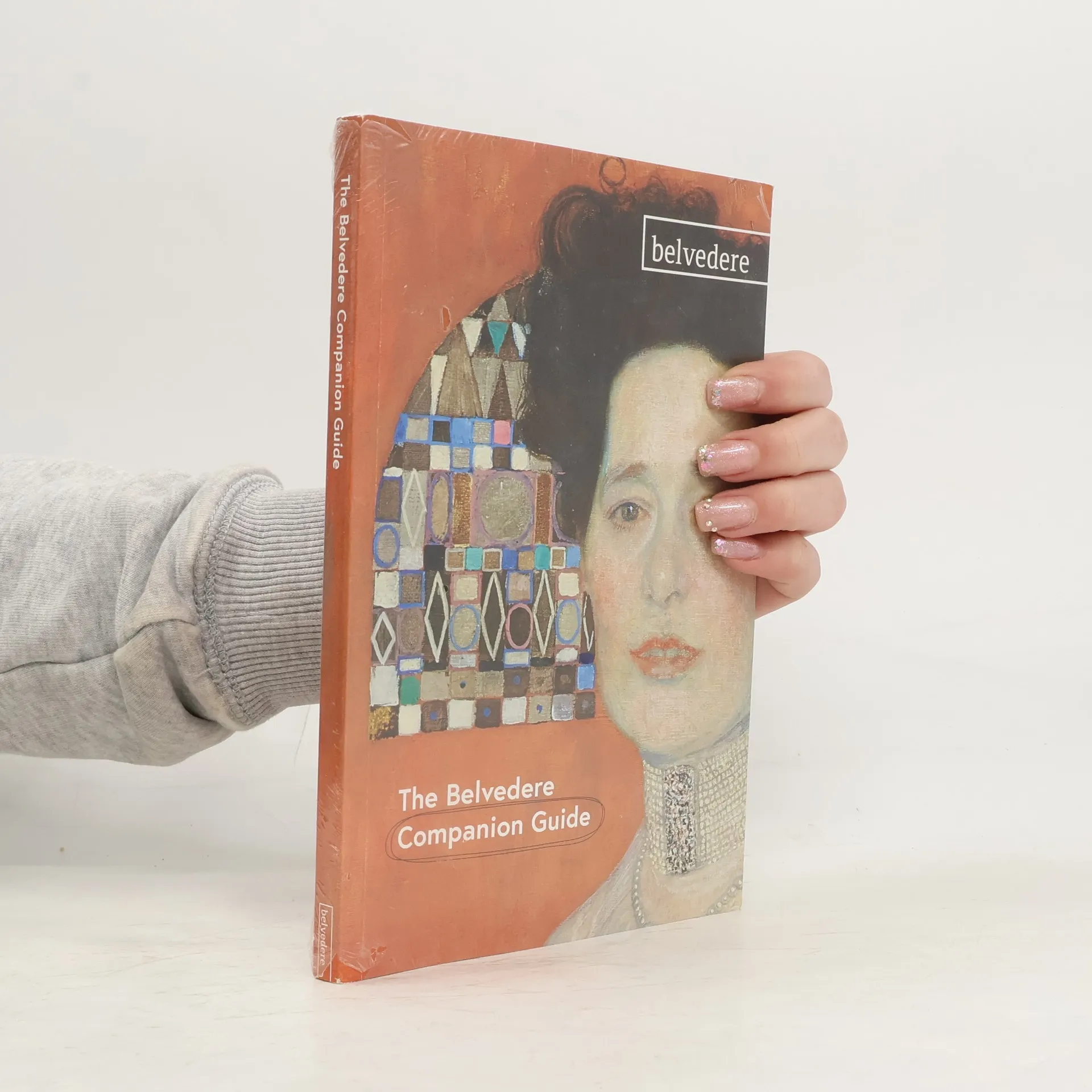
    • The Belvedere Companion Guide

      • 143pages
      • 6 heures de lecture

      Gustav Klimt’s Kiss is world-famous, the era “Vienna around 1900” legendary, the Biedermeier collection a jewel: The Belvedere Companion Guide offers a comprehensive overview of eight hundred years of Austrian art. Over one hundred works from the permanent collection—from the Middle Ages to the twentieth century—are described and explained vividly in this book. Short introductions to the periods of art history provide in-depth information and are accompanied by biographies of the most important artists in the collection—from Franz Xaver Messerschmidt, the creator of the “Character Heads,” to Egon Schiele, whose portraits have lost none of their original intensity.

      The Belvedere Companion Guide
      4,4
    • Klimt

      Inspired By Van Gogh, Rodin, Matisse: [Ausstellungen: Golden Boy Gustav Klimt, Van Gogh Museum, Amsterdam, 7. Oktober 2022 bis 8. Jänner 2023; Klimt, Belvedere, Wien, 3. Februar bis 29. Mai 2023]

      Gustav Klimt (1862-1918) is world famous for his golden, ornamental works, his flowing colours and his sensuous portrayal of women. But where did he find the inspiration for his multi-faceted oeuvre? How well did he know Vincent van Gogh? Did he ever see a picture by Henri Matisse? Large-format comparisons reveal Klimt's artistic sources. Modern European art was omnipresent in Vienna in around 1900 - in the Vienna Secession, in galleries, art magazines and private collections. The Viennese artist Gustav Klimt was receptive for the pictorial language of his contemporaries like Alma-Tadema, Minne, Rodin, Toorop, Hodler, Van Gogh, Monet, Khnopff, Toulouse-Lautrec, Whistler and Matisse, and adapted elements from a variety of artistic styles. The encounter between his works and those of the artists with whom he was associated reveals significant and often surprising parallels.

      Klimt