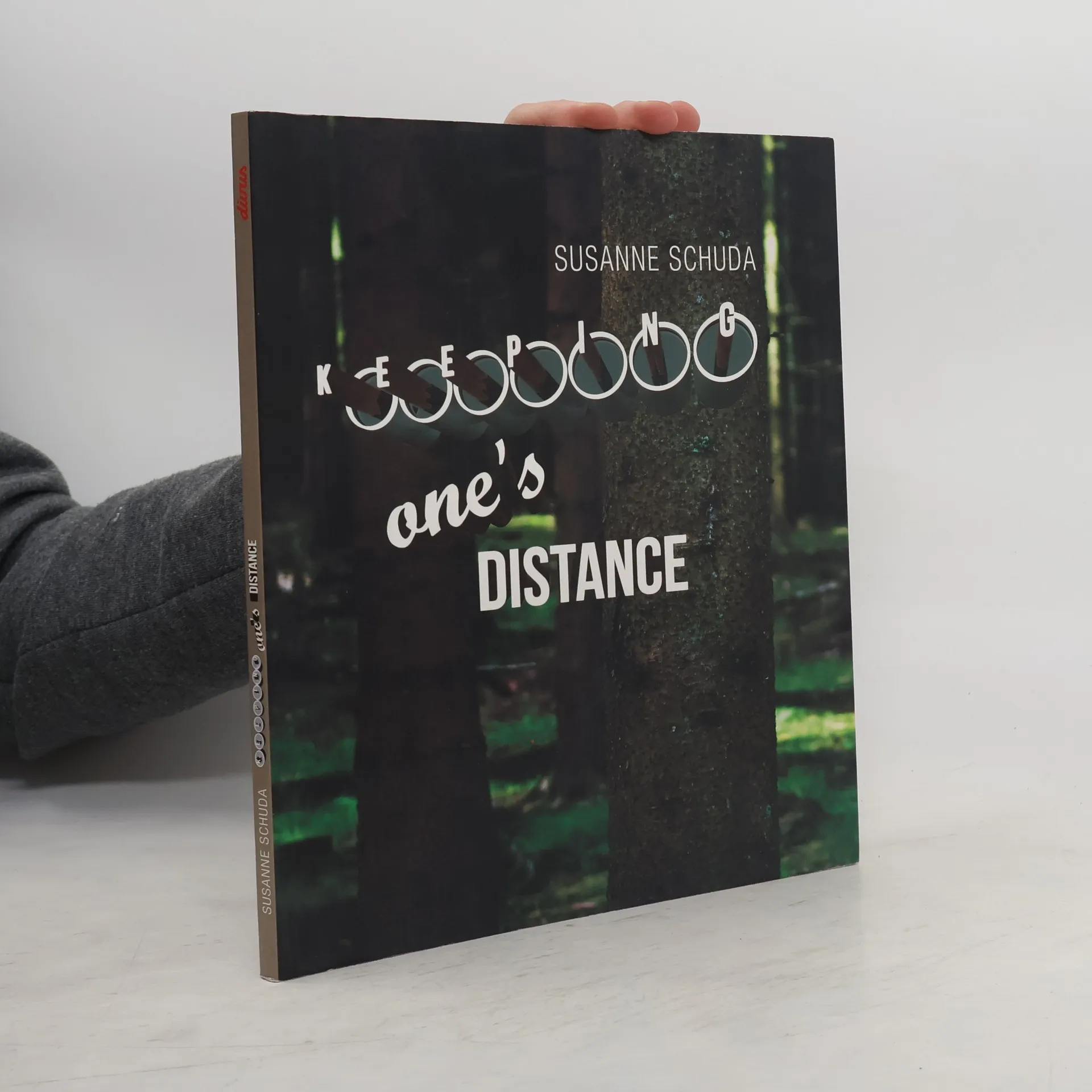
Mixed up with others before we even begin" investigates models of thinking and working that reconcile different, sometimes contradictory entities within contemporary visual culture. Current artistic positions foreground the hybrid as an effective tenet, not only in artistic but also societal and political realms. It encompasses moments of encounter and friendly gathering as well as those of collision, too "mixed up with others before we even begin" features works that open perspectives to postcolonial histories of diversity, to satirical transliteration, queer folklore, and collective feminist rituals, to the molecular borders of the human body and its entanglements with science and technology. In addition to a text volume with essays by renowned art theorists, the multipart publication includes six booklets by the artists (groups) Leilah Babirye, Mariana Castillo Deball, Anetta Mona Chisa & Lucia Tkácová, Nilbar Güres, Nicolás Lamas, and Slavs and Tatars.00Text: Karola Kraus, Evelyn Annuß, Ann Cotton, Jule Govrin, Julia Grillmayr, Karin Harrasser.00Exhibition: Mumok, Vienna, Austria (26.11.2022 - 10.04.2023).
Franz Thalmair Ordre des livres (chronologique)
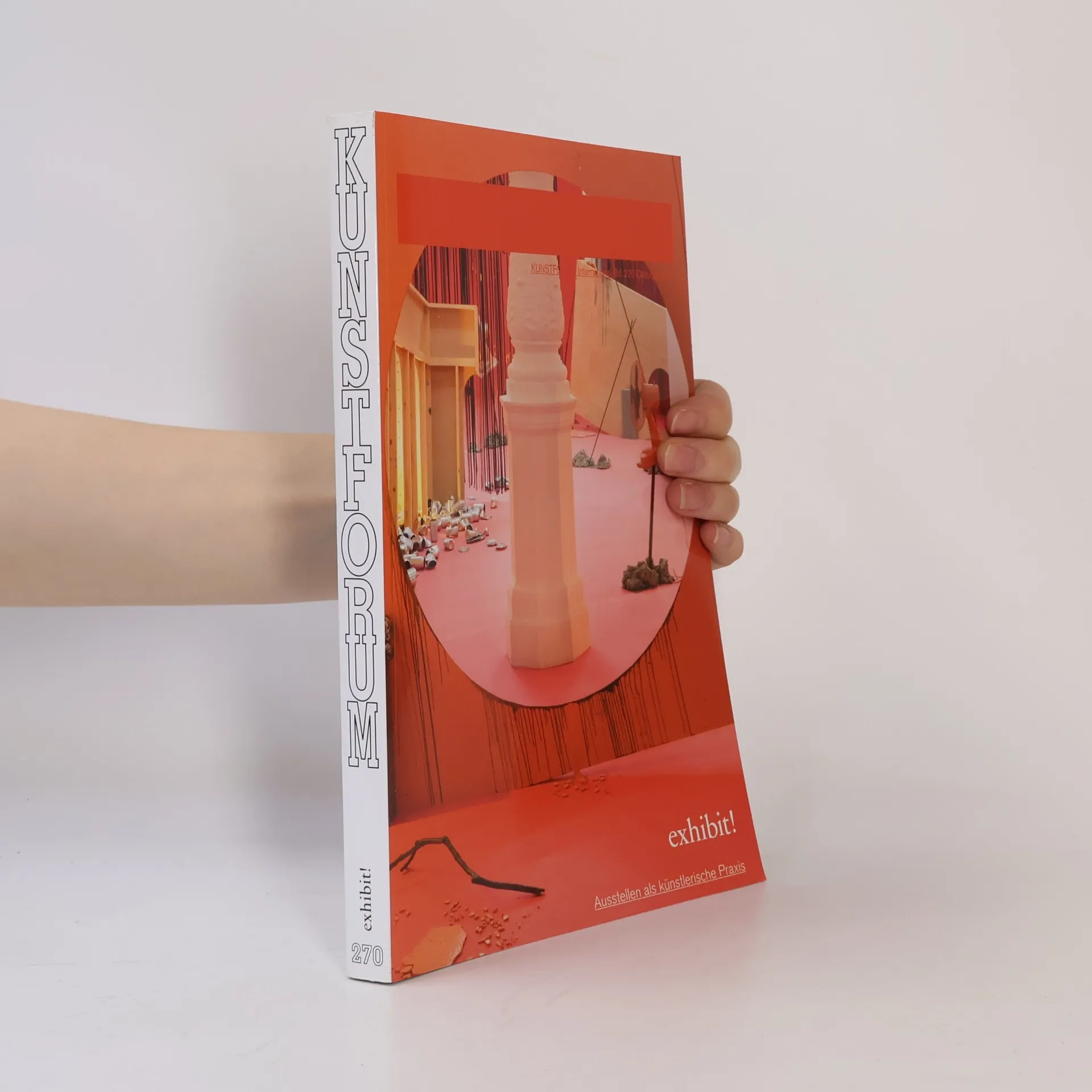
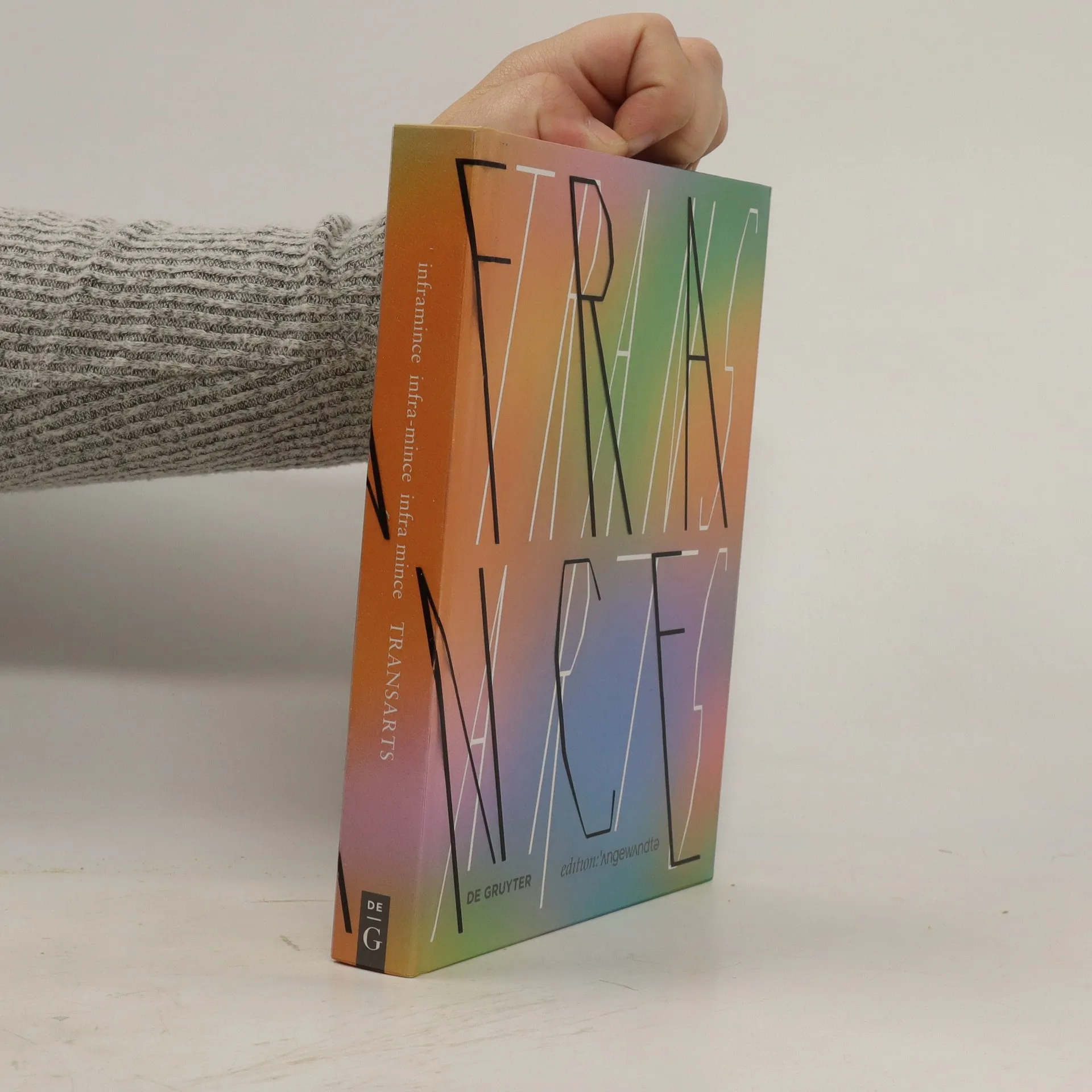

Inframince infra-mince infra mince
- 304pages
- 11 heures de lecture
“Inframince”, a term coined by Marcel Duchamp, refers to ephemeral, ultra-thin, and undecidable phenomena – such as the warmth that remains on a chair after a person gets up. In this book, “inframince” is taken to signify forms of transdisciplinarity in contemporary art. Authors and visual artists capture in text and image fleeting moments in which artistic, theoretical, scientific, or everyday cultural elements meet, change, or merge with one another. Numerous examples of artistic and teaching practice within the discipline of TransArts at the University of Applied Arts Vienna vividly reveal how these manifold transgressions can be rendered productive.
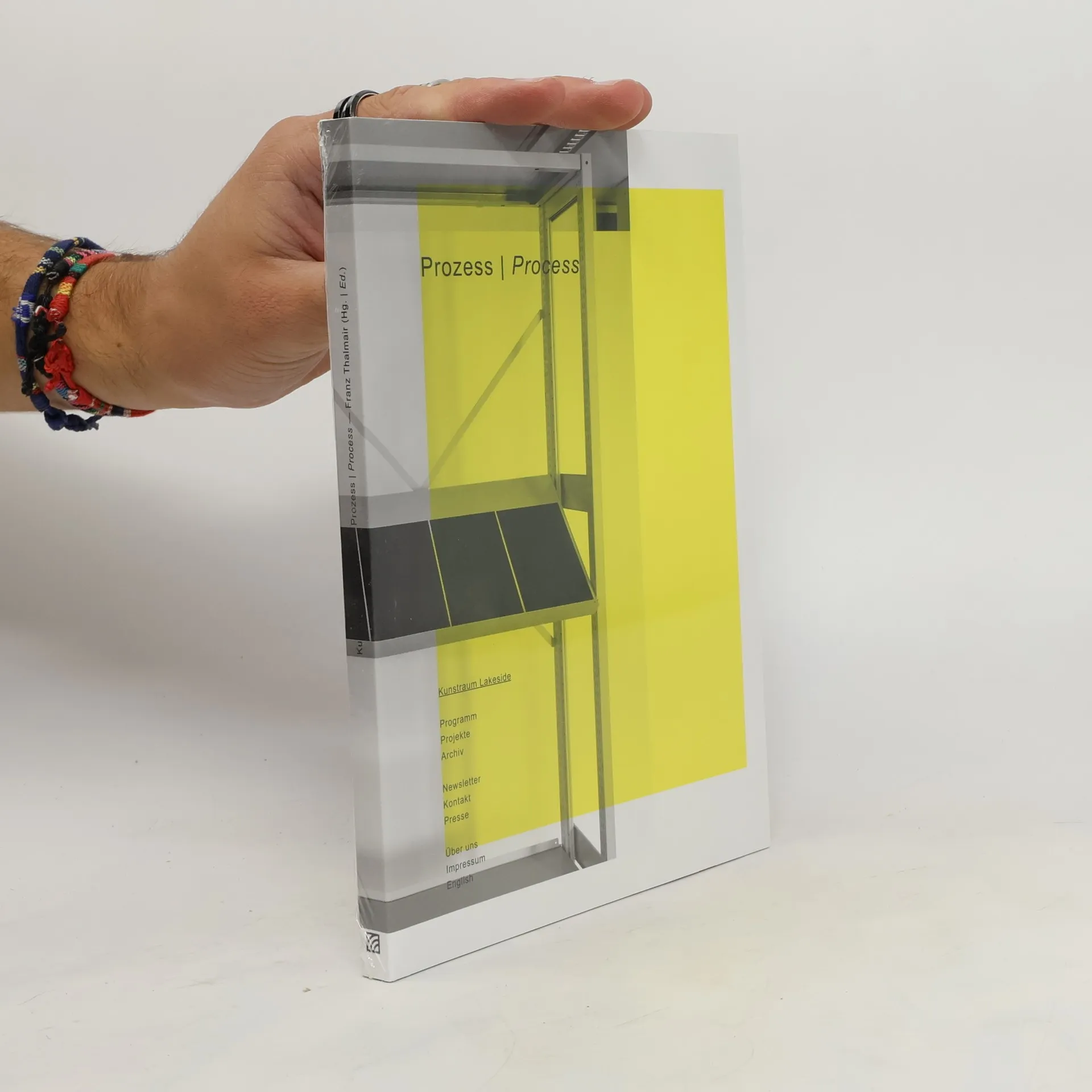
Kunstraum Lakeside
- 112pages
- 4 heures de lecture
Through exhibitions, public art projects, lectures, discussions, film evenings and publications, as well as cooperations with universities and other institutions, the art space works on a transdisciplinary approach to questions of time and the generation of a respectively multidisciplinary public. The aim of the art space is to convey and confront divergent (artistic) perspectives on shared social relations. The book ?Kunstraum Lakeside?Process? dedicates itself to the topic of artistic research that emerges from the institutional peculiarities of this exhibition, performance and discourse space.
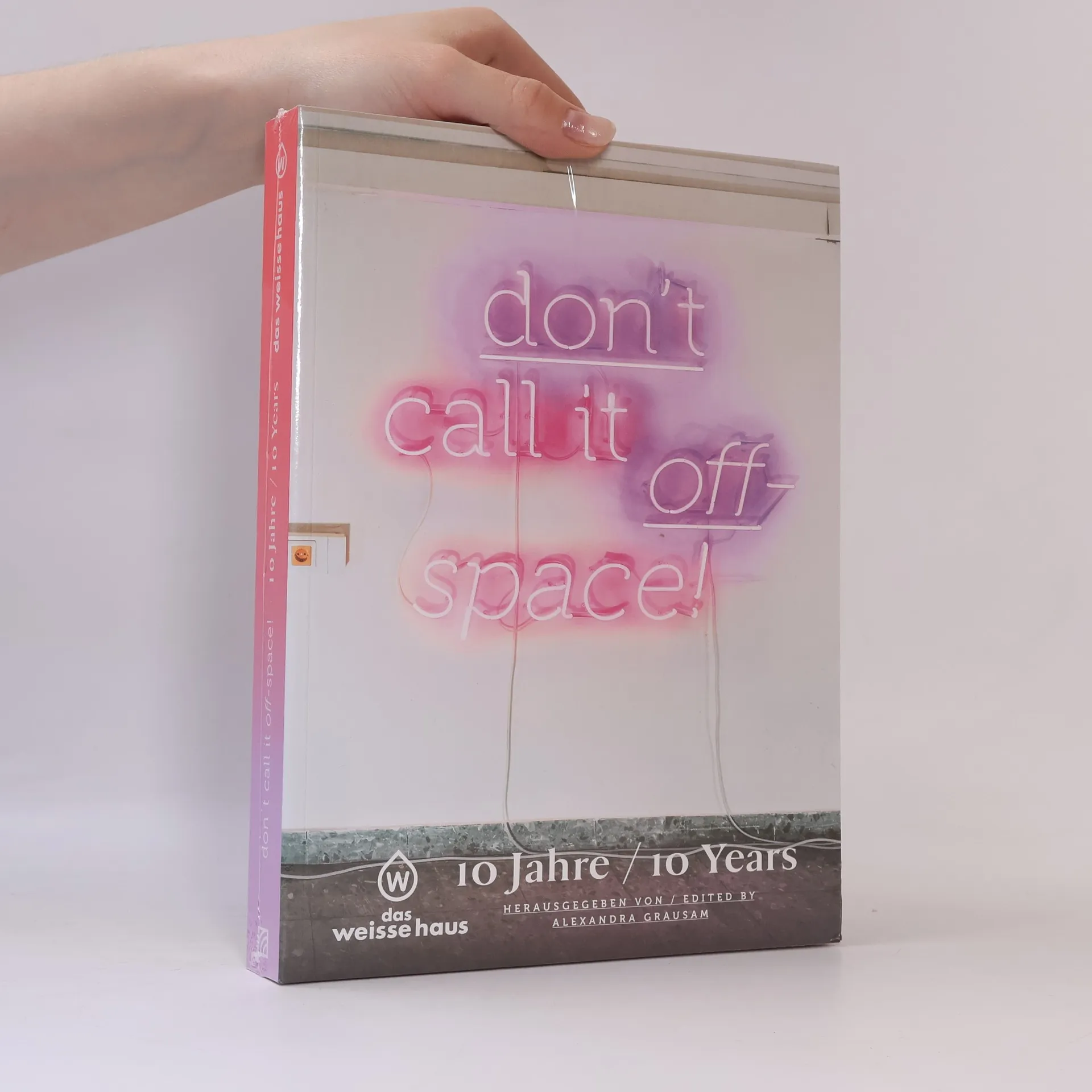
Es logierte bereits in einer Fleischerei, einer Business-Etage, in den Amtsstuben eines Finanzamts und ist derzeit in einer Schule zu Hause. Quer durch die Stadt hat das weiße Haus Ausstellungen an sechs Stationen gezeigt, mit 'studio das weiße haus' ein Artist-in-Residence-Programm sowie Ateliers für lokale Kunstschaffende entwickelt. Es war eine der ersten Institutionen Wiens, die den Austausch von Kuratoren und Kultur-Journalisten ins Programm aufgenommen hat. In Zusammenarbeit mit dem Austrian Cultural Forum New York und der Erste Group wurde der Erste Bank MehrWERT Kunstpreis etabliert, ebenso wie Kooperationen mit nationalen und internationalen Universitäten und Kulturinstitutionen. In zehn Jahren wurden in den 'weißen Häusern' Böden geschrubbt, Dächer poliert, Wände eingerissen und Positionen von rund 650 nationalen und internationalen Künstlerinnen und Künstlern gezeigt. Das weiße Haus hat sich zu einer der umtriebigsten Locations der Stadt entwickelt und ist eine Plattform für meist junge Kunstschaffende. Die Publikation fasst dies zusammen, basierend auf Themen wie Institutionalisierung, Nomadentum, ortsspezifisches Arbeiten, die Hinterfragung einer feministischen Arbeitsweise und den aktuellen Status der New Media. Die Texte sind teils bereits publiziert und größtenteils neu geschrieben von international anerkannten Autorinnen und Autoren.
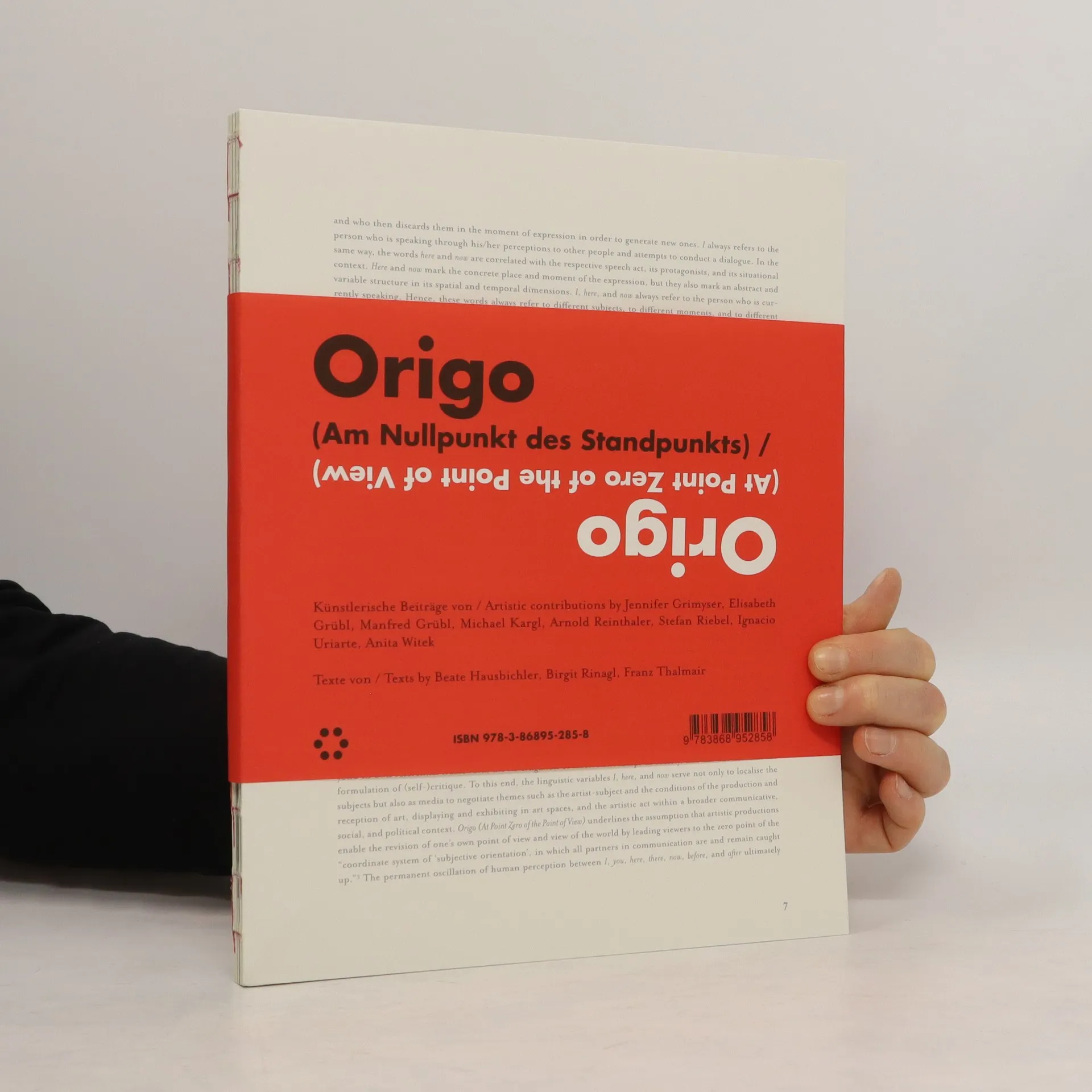
Origo
- 87pages
- 4 heures de lecture
Die Publikation „Origo (Am Nullpunkt des Standpunkts)“ thematisiert die Variabilität subjektiver Standpunkte im Kontext aktueller gesellschaftlicher Fragestellungen, basierend auf Karl Bühlers „Sprachtheorie“ der 1930er-Jahre. Im Mittelpunkt steht der Begriff „Origo“, der die Annahme stützt, dass künstlerische Handlungen die Revision des eigenen Standpunkts und der Weltanschauung fördern, indem sie BetrachterInnen zum Nullpunkt ihres „subjektiven Orientierungssystems“ führen. Die Begriffe „Ich“, „hier“ und „jetzt“ beziehen sich auf die jeweilige sprechende Person und deren situativen Kontext, was unterschiedliche Subjekte, Zeitpunkte und Standpunkte impliziert. Die Publikation stellt Fragen zur Adressierung in Beziehungen und Absichten, sowie zu den vielfältigen Konzepten, die an künstlerische Äußerungen gebunden sind. Sie untersucht, wie die Perspektive der ProduzentInnen in der künstlerischen Äußerung und die der RezipientInnen im Wahrnehmungsprozess zum Ausdruck kommen. Anlässlich der gleichnamigen Ausstellung in der Kunsthalle Exnergasse Wien enthält die Publikation eine Dokumentation der Ausstellung mit Installationsansichten sowie kuratorische Statements. Beate Hausbichler situierte die Ausstellung in einem philosophischen und soziologischen Rahmen. Die KünstlerInnen – darunter Jennifer Grimyser, Elisabeth Grübl und Manfred Grübl – bereichern das Thema mit speziell für das Buch konzipierten Beiträgen.
Günther Holler-Schuster: In Schudas Welt – über das Spirituelle in Susanne Schudas Die Zelle. Franz Thalmair: Unter die Haut gesprochen – Der Poet. Ursula Maria Probst: Im Countdown zur visuellen Wiedergeburt – eine Familiensaga als ästhetisch-politische Disposition.