

Bookbot

Jan Zielonka

    Jan Zielonka est un penseur politique européen de premier plan dont le travail explore les transformations complexes et les défis auxquels l'Europe moderne est confrontée. Ses analyses se concentrent souvent sur les tensions entre le libéralisme et les forces contre-révolutionnaires, examinant comment les valeurs libérales sont mises sous pression à travers le continent. Zielonka offre des aperçus profonds sur les dynamiques politiques et sociales qui façonnent l'Europe, offrant une perspective critique sur sa trajectoire actuelle. Son écriture se caractérise par un intellect vif et un engagement profond envers le contexte historique.

    Konterrevolution
    Stracona przyszłość
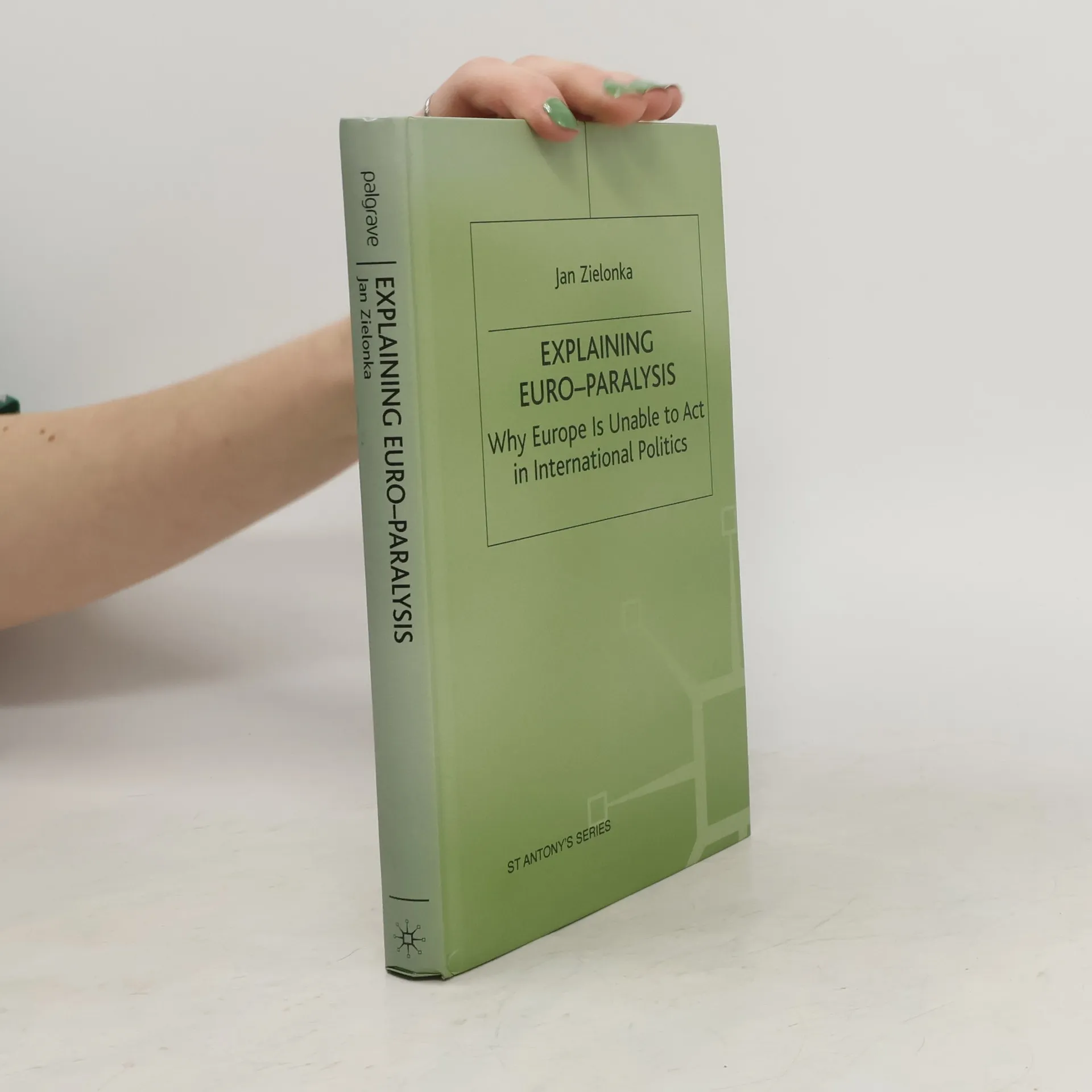
    Explaining Euro-paralysis
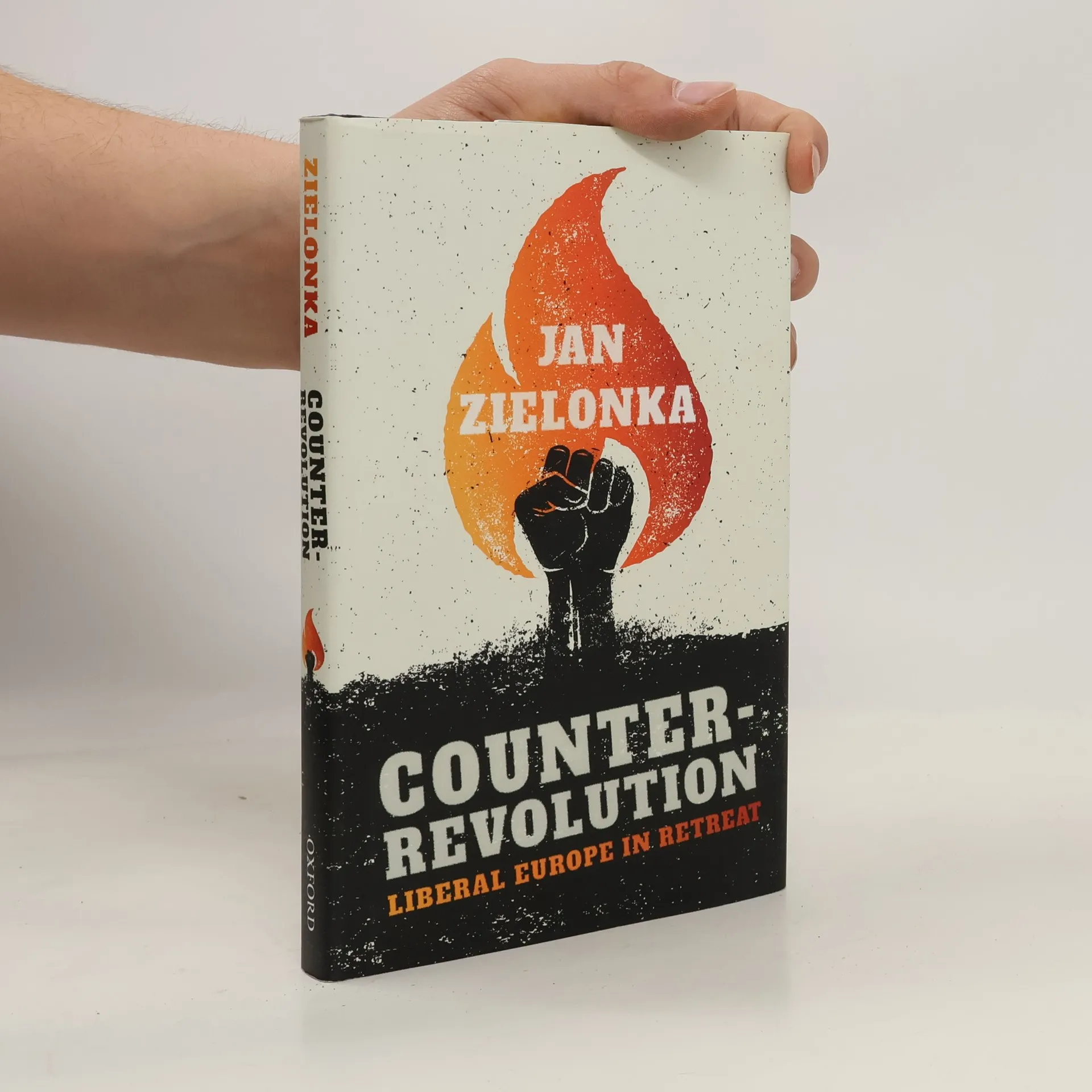
    Counter-Revolution
    The Lost Future
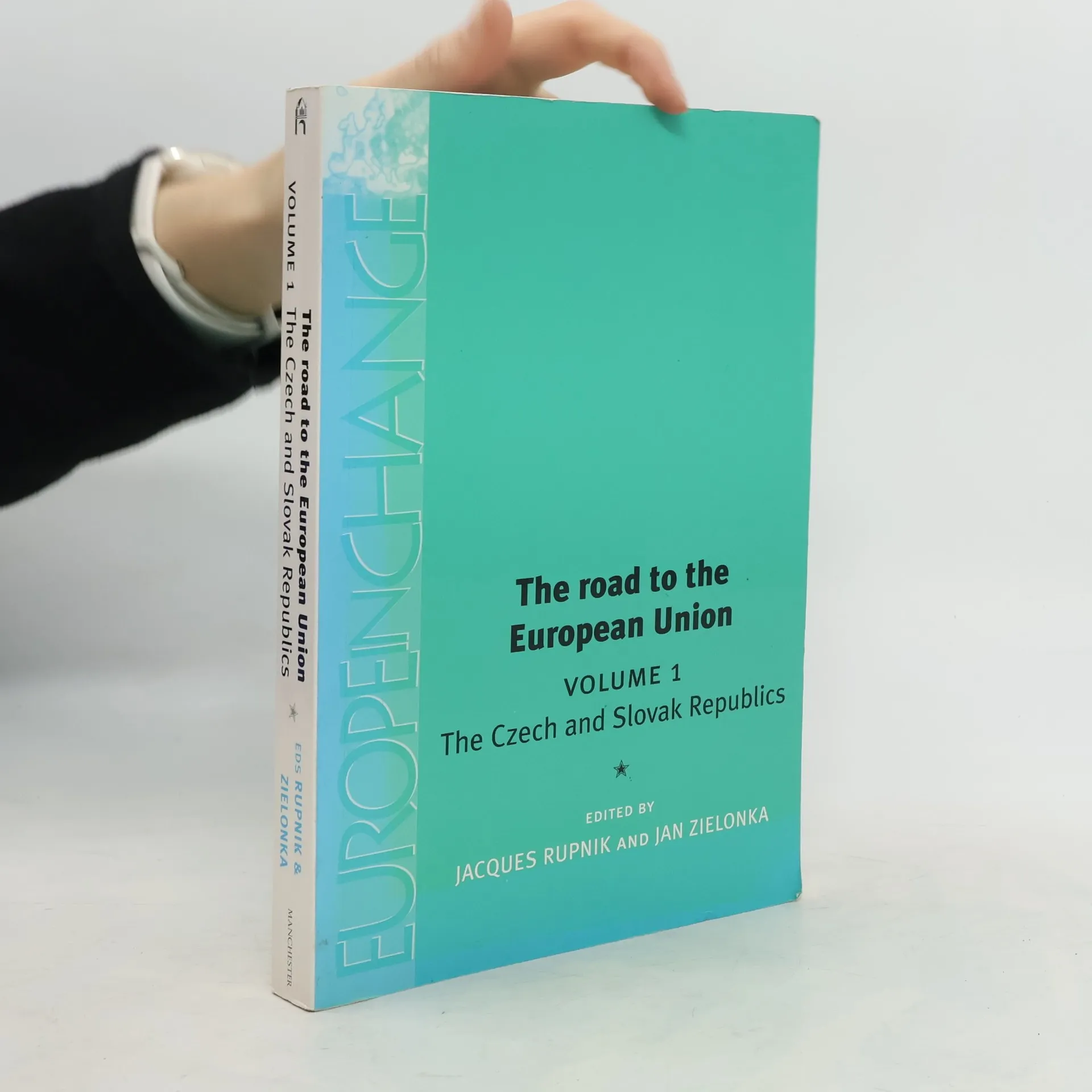
    The road to the European Union. Vol. 1, The Czech and Slovak Republics
    • Since the start of the new millennium, the issue of European Union enlargement has become Europe's major preoccupation. This text, the first of two volumes, deals comprehensively with this subject, covering the preparation for accession to the European Union in the Czech and Slovak Republics

      The road to the European Union. Vol. 1, The Czech and Slovak Republics
    • A timely and compelling argument for a revitalized and restructured global politics

      The Lost Future
    • Counter-Revolution

      • 164pages
      • 6 heures de lecture
      3,5(48)Évaluer

      I read Zielonka's earnest analysis of todays Europe this past weekend and recommend you read it too; the book of some 150 pages might replace that slightly stale flavor that Ivan Krasnev's After Europe left me with: Yes, something might have gone wrong, but where exactly, and what now? Florian Eder, Politico

      Counter-Revolution
    • Explaining Euro-paralysis

      • 275pages
      • 10 heures de lecture

      This text concerns Europe's apparent inability to cope with the complex international environment. Why does the Union fail to create a workable (sound) Common Foreign and Security policy? Five explanations for Euro-paralysis are considered, focusing on power politics, the assertion of national interests, misguided institutional designs, a crisis of modern democracy, and post-Cold War conceptual confusion.

      Explaining Euro-paralysis
    • Stracona przyszłość

      • 304pages
      • 11 heures de lecture

      Gdy demokracje na całym świecie zmagają się z problemami, wiele przemawia za tchnięciem w politykę globalną nowego życia. W obliczu problemów rozwijającego się świata decyzje, jakie podejmują rządy i organizacje międzynarodowe, często są niewystarczające. Władze nie potrafią zapobiegać kryzysom finansowym, niedostatkom energii, zmianom klimatycznym i wojnie, a przyszłość staje się coraz bardziej niepewna. Czy demokracja, której kalectwo obnażają wyzwania teraźniejszości, może jeszcze zapewnić nam bezpieczeństwo? Jan Zielonka w śmiały sposób opowiada się za nową polityką czasu i przestrzeni. Rozważa, jak demokracja ma dostosować się do rzeczywistości szaleńczych zmian, oraz kwestionuje nasze doświadczenia jako obywateli. Czy powinniśmy akceptować, że władze i firmy nieustannie monitorują to, gdzie przebywamy? Dlaczego dystrybucja czasu i przestrzeni jest taka nierówna? Czy będziemy w stanie zbudować system rządów, który pozwoli nam odzyskać przyszłość?

      Stracona przyszłość
    • In vielen europäischen Ländern sind rechte Bewegungen im Aufwind. Oder mit den Worten Jan Zielonkas: Eine Konterrevolution ist in Gang gekommen. Im Jahr 1990 sah das noch ganz anders aus. Der Eiserne Vorhang war gefallen und Zielonkas Lehrer Ralf Dahrendorf begrüßte eine Revolution in Europa; es herrschten Euphorie und Aufbruchsstimmung. Mittlerweile liegt die Europäische Union in Scherben, weil die politischen Eliten marktradikalen Ideen nachgelaufen sind und die liberale Demokratie verraten haben. Zielonka unterzieht die Entwicklungen einer unerbittlichen Analyse und formuliert ein starkes Plädoyer für eine offene Gesellschaft und eine Neuerfindung Europas. „Zielonkas Buch spitzt eine Debatte zu.“ FAZ

      Konterrevolution