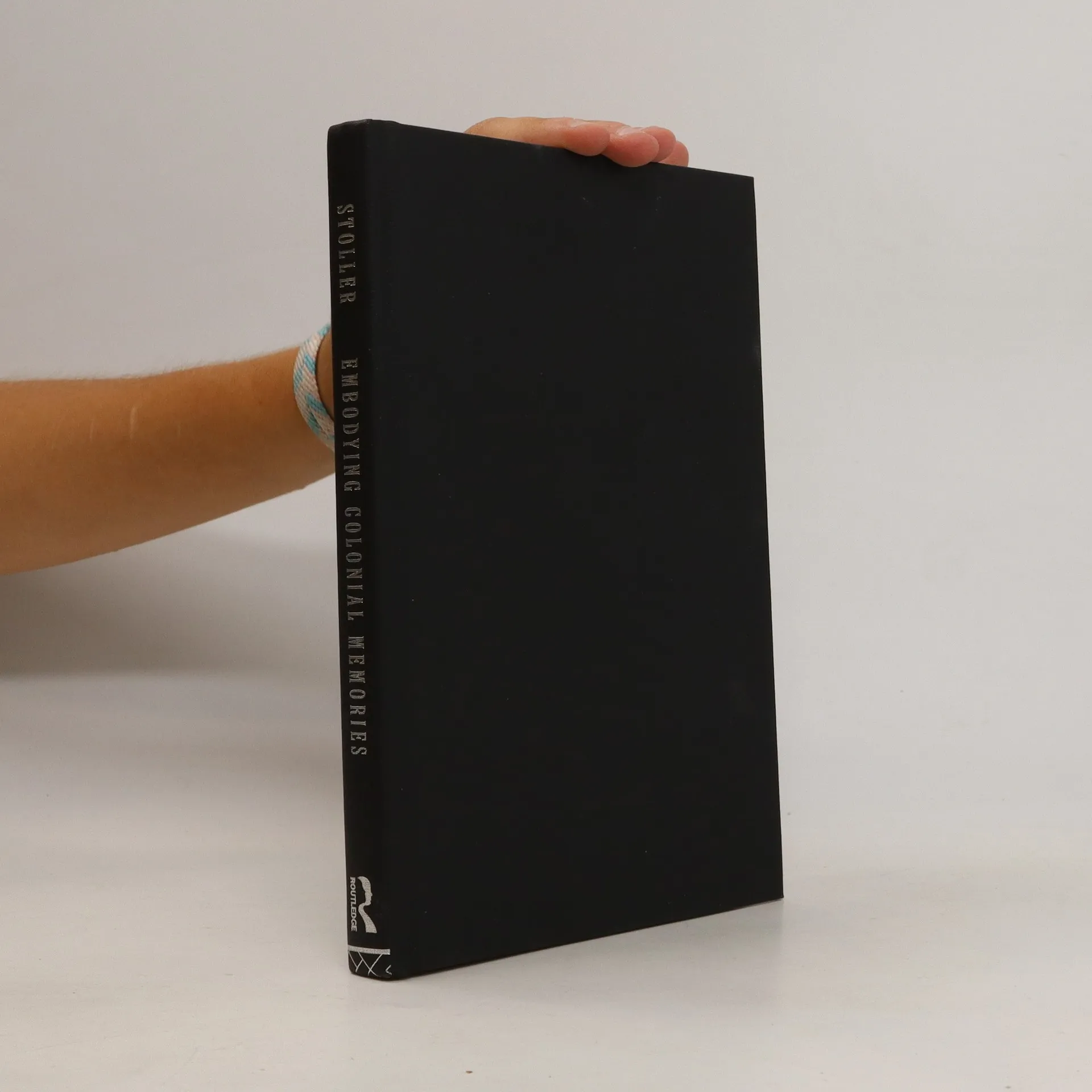
Embodying Colonial Memories is the first in-depth study of the West African Hauka, spirits in the body of (human) mediums which mimic and mock Europeans of the colonial epoch. Paul Stoller, who was initiated into a spirit possession troupe, recounts an insider's tale of the Hauka with respect and "brotherly" deference. He combines narrative description, historical analysis, and reflections on the importance of embodiment and mimesis to social theory, with particular reference to the Songhay peoples of the Republic of Niger. Why have the Hauka mimicked white men and their colonial behaviors? In this innovative book, Stoller argues that mimicry is about power. To copy something is to master it. Through the Hauka, the Songhay try to divert the power of the Europeans. Embodying Colonial Memories not only desribes a spirit possession cult; it considers such significant subjects as the cultural sentience of the body, the dynamics of colonial movements of resistance, and the particularly poignant political discourses of West African postcolonies. -- Back cover.
Paul Stoller Ordre des livres (chronologique)
1 janvier 1947
Paul Stoller est un anthropologue et romancier dont les œuvres s'efforcent de transmettre la sagesse inhérente aux systèmes de pensée africains. Ses recherches ethnographiques au Niger et parmi les immigrés d'Afrique de l'Ouest à New York éclairent son écriture, où il explore des vies familiales complexes et la résilience mondiale. La prose de Stoller sert de pont entre les mondes culturels, offrant aux lecteurs des aperçus profonds sur des philosophies et des modes de vie distincts. Ses écrits invitent à comprendre les complexités de l'expérience humaine à travers une lentille anthropologique.