A revealing new examination of the men in the dock at Nuremberg - who they
were, what they did, and their thoughts and attitudes towards the Third Reich
and other senior Nazis as the trial progressed.
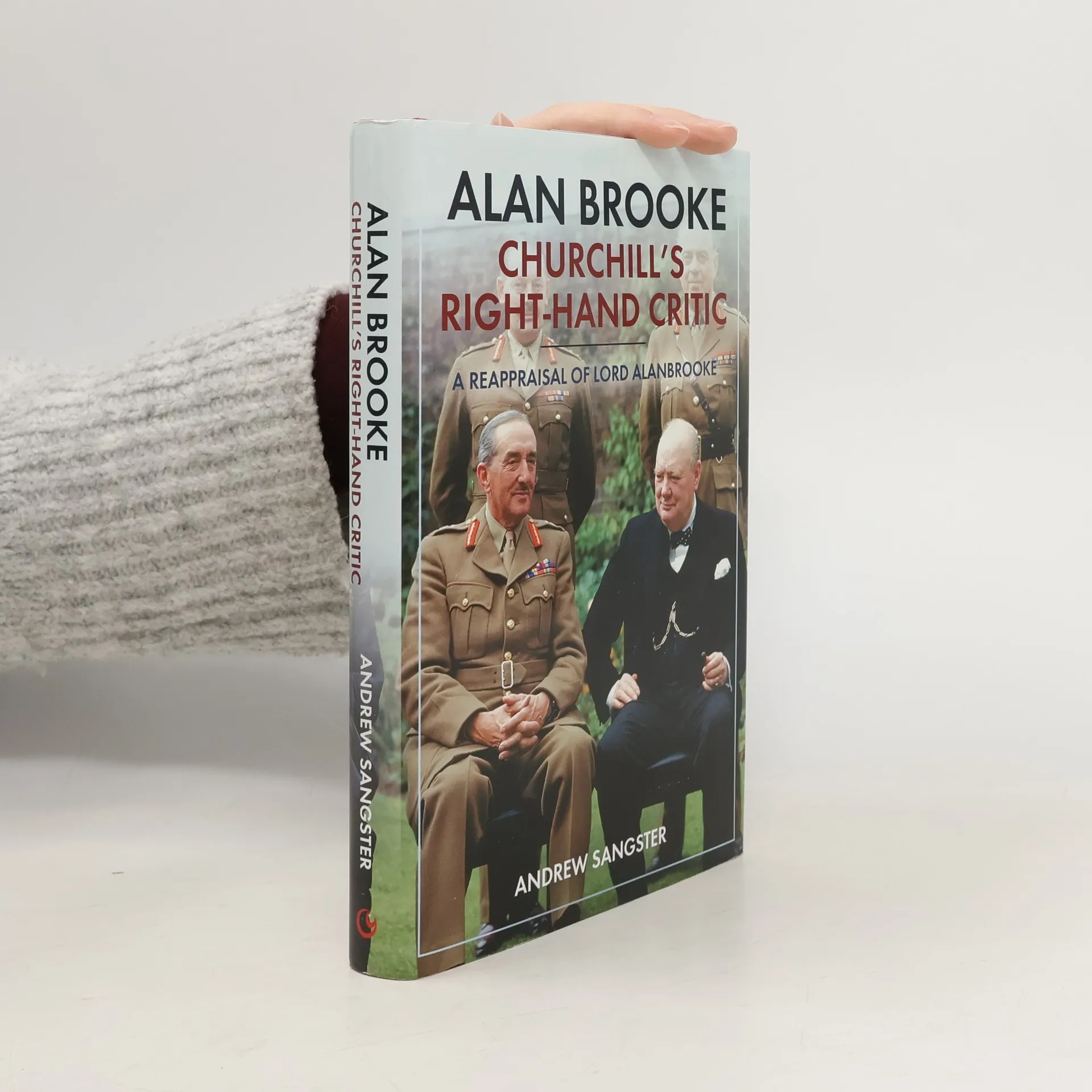
A new biography of Lord Alanbrooke, following his life from childhood through
to his role as Chief Imperial General Staff, shaping Allied strategy in World
War II.
The book delves into critical errors and blunders during the Second World War, highlighting lesser-known incidents and their serious consequences. It examines events like an American destroyer's misfire at a battleship carrying Roosevelt and an officer's inadvertent intelligence leak to Rommel. The narrative also addresses overconfidence leading to tragic outcomes, such as civilian casualties from Luftwaffe raids and failed rescue missions. Controversial topics like the sinking of the French Fleet and the actions of King Edward are explored, questioning the nature of these blunders and their implications.
A Study through Field Marshals Kesselring, Rommel and Model
256pages
9 heures de lecture
The book delves into the lives and careers of three distinguished German field marshals during World War II: Kesselring, Rommel, and Model. Kesselring, known as "Smiling Albert," was a skilled defensive strategist in Italy but was later convicted as a war criminal. Rommel, often shrouded in myth, displayed remarkable leadership but struggled with ambition and self-criticism. Model, a master of defensive battles, was less recognized due to his tough demeanor and challenges to Hitler's authority. Together, they illustrate the complexities of military leadership amid the war's chaos.
Focusing on the ethical dimensions of warfare, this study is designed for students and researchers in moral philosophy, conflict studies, and peace studies. It offers a clear and concise examination of war, exploring its implications and moral considerations, making it a valuable resource for those interested in understanding the complexities of conflict and peace.
The book delves into the complexities of resistance against the Nazi regime in Germany during World War II, challenging the notion of 'collective guilt' among the German populace. It highlights various forms of opposition, from youth to high-ranking officials, and examines the moral dilemmas faced by individuals in a repressive society under constant surveillance. Through authentic diaries written during the war, it captures the essence of passive resistance and the public's varied reactions, prompting readers to reflect on their own potential responses in such dire circumstances.
The narrative follows Victor Klemperer, a German-Jewish professor who navigates the harrowing challenges of surviving the Nazi regime. His resilience is tested further as he faces the oppressive realities of post-war Soviet control. Through Klemperer's experiences, the book explores themes of survival, identity, and the impact of totalitarian regimes on individual lives.
This overdue biography describes how an officer who fought tribesmen in India
and Dervishes in North-East Africa, thereby playing no significant role in The
Great War, found himself as Winston Churchill's Chief of Staff throughout the
Second World War.
An insight into life under Mussolini in fascist Italy. Provides fresh analysis
of Ciano's diaries illuminating Italy's history relating to the Second World
War and exposes the sheer corruption in Italy during this period; a strange
mix of personal scandal with national ramifications.