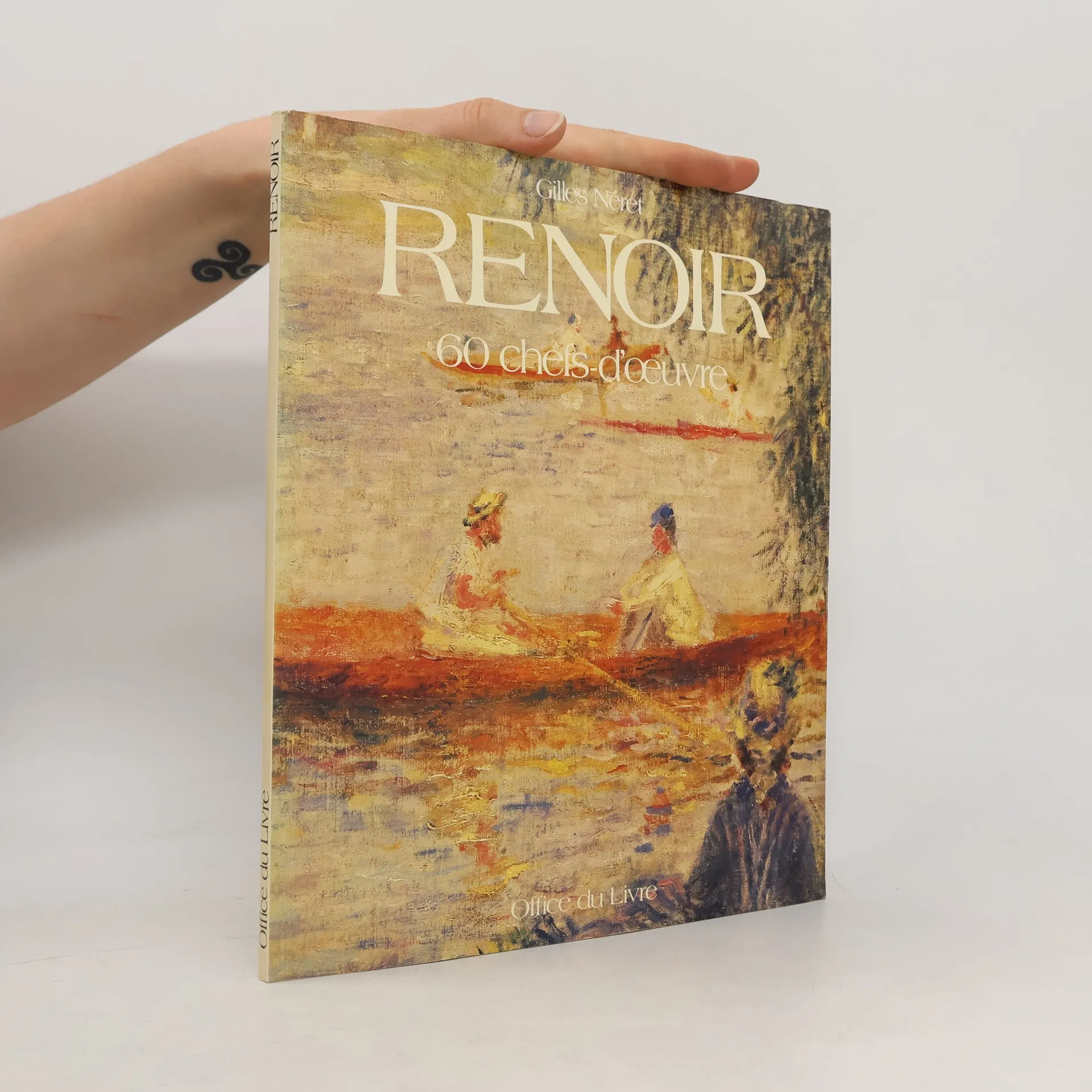
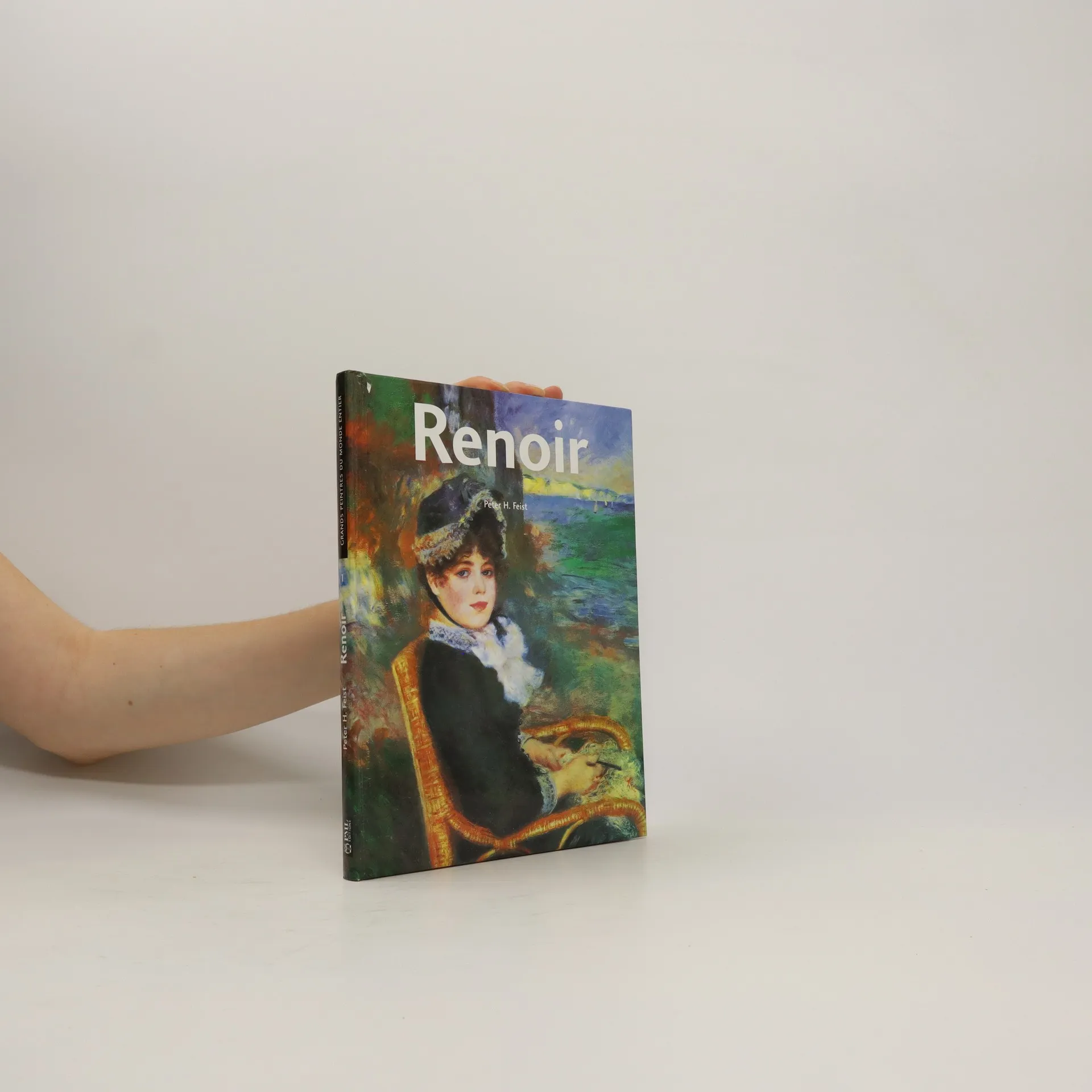
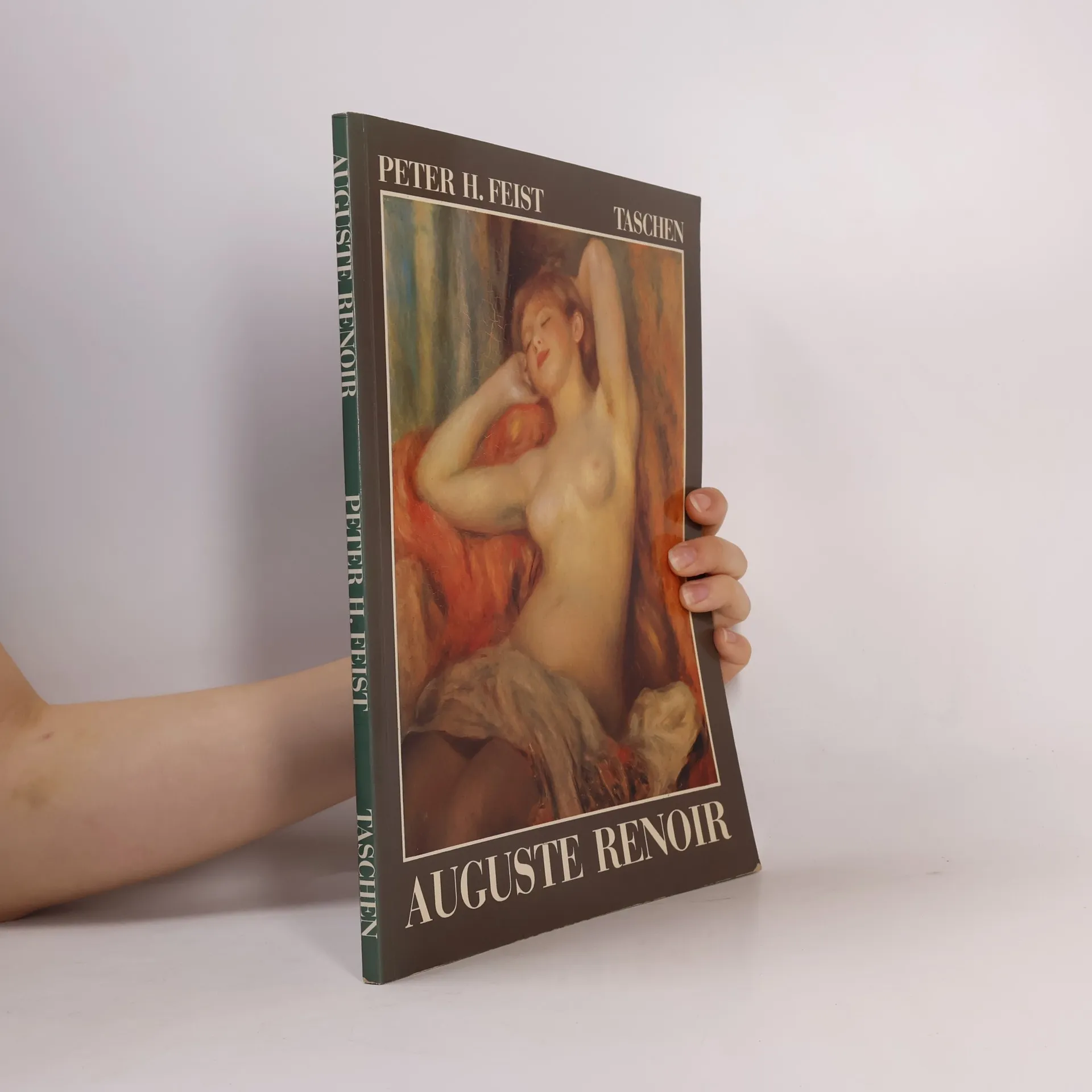
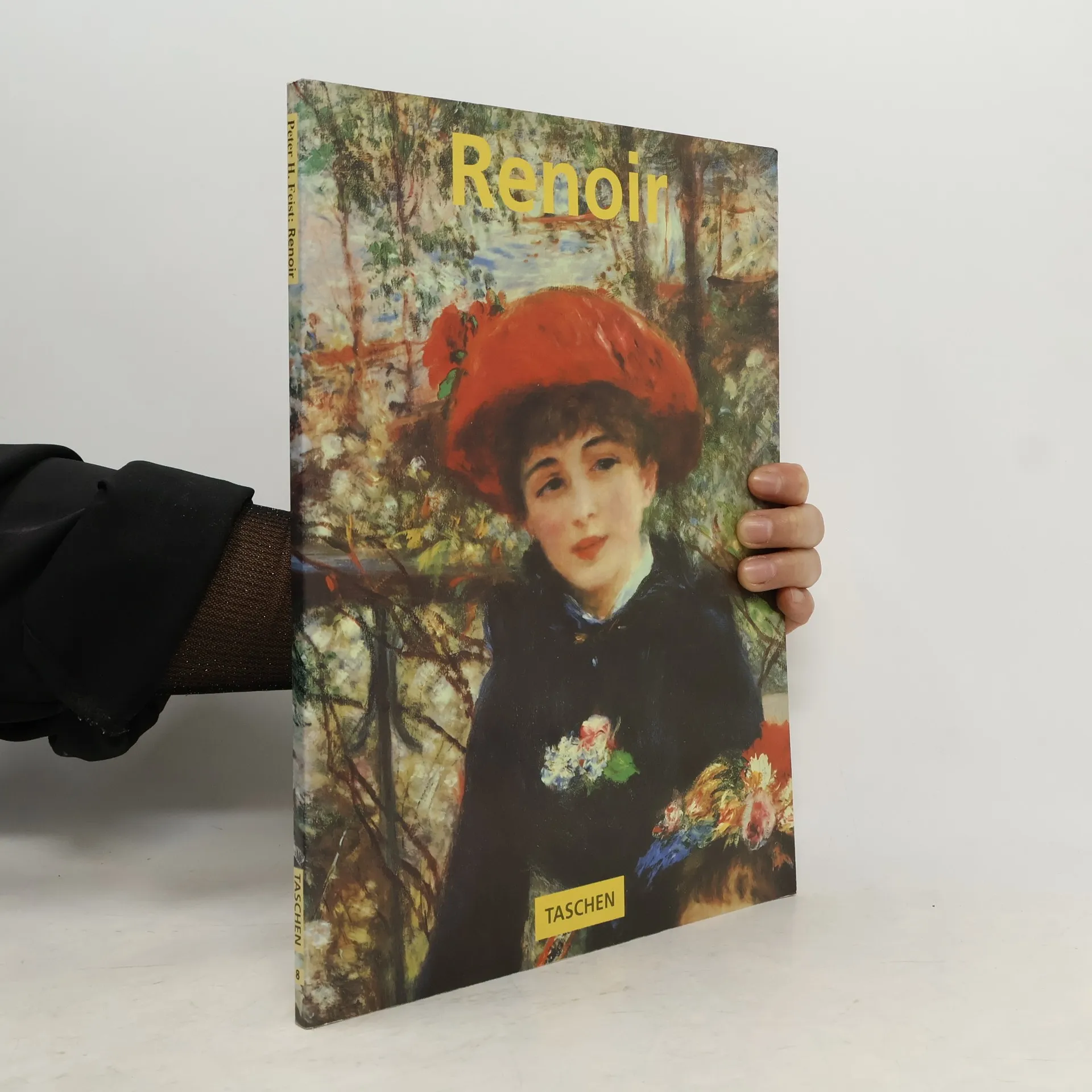
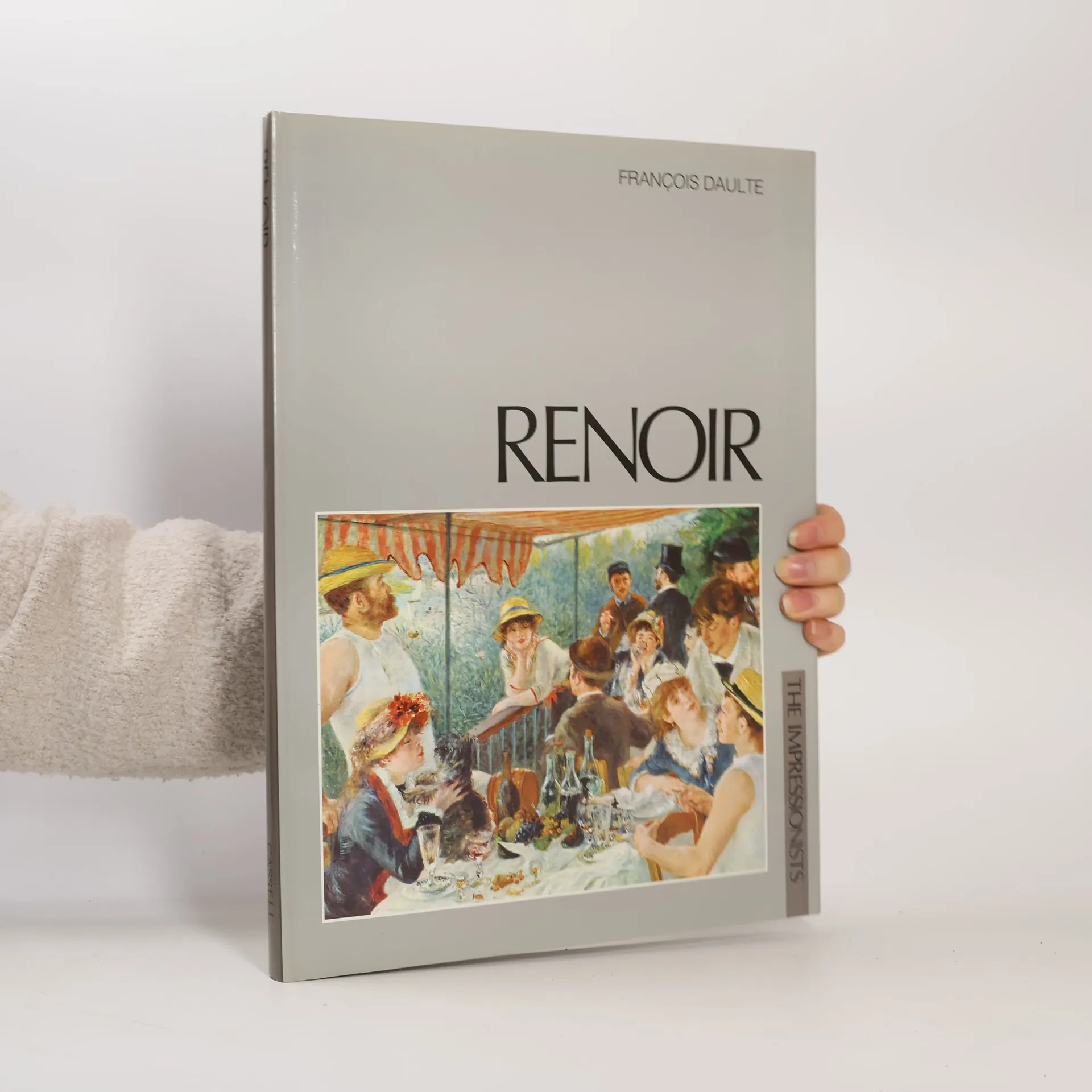
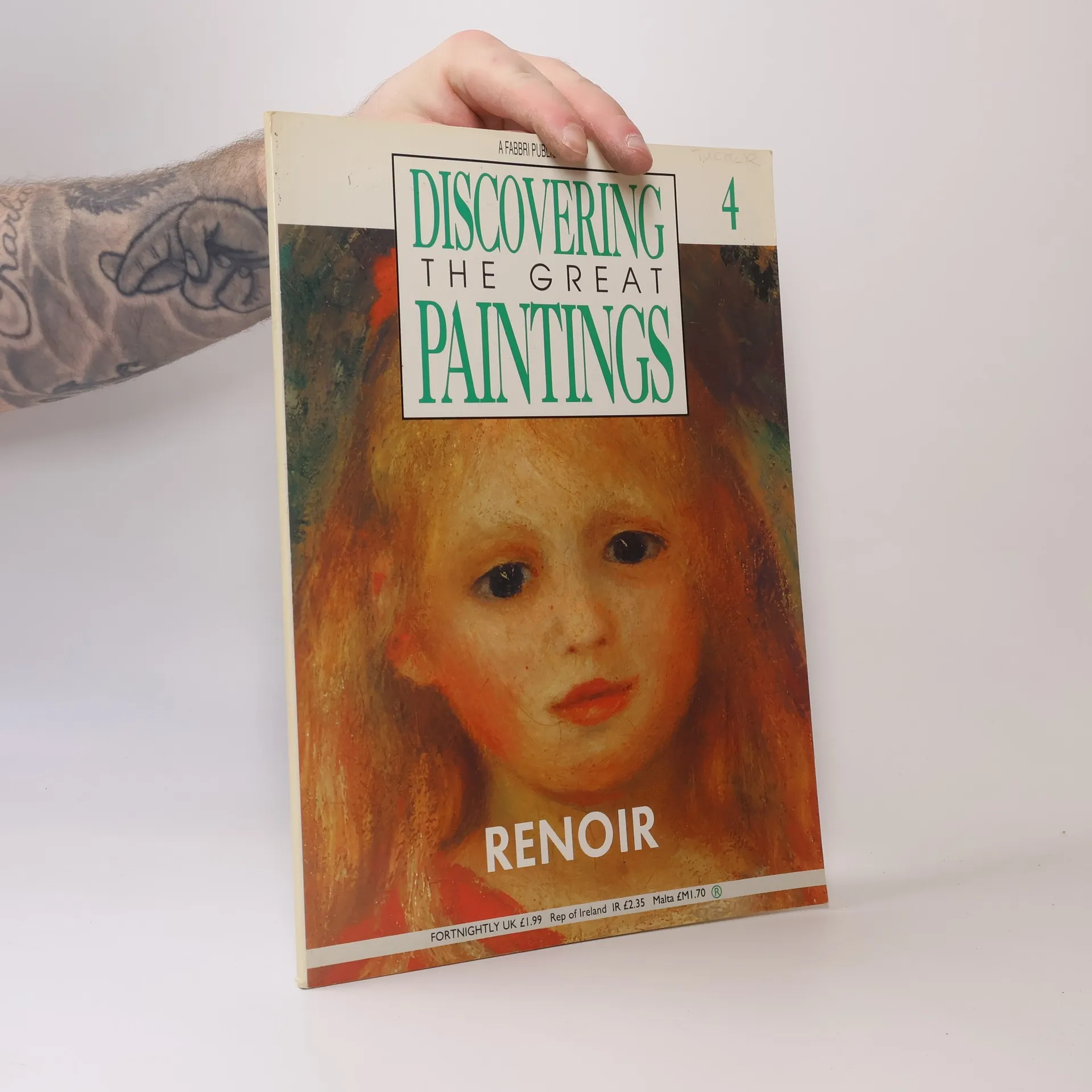
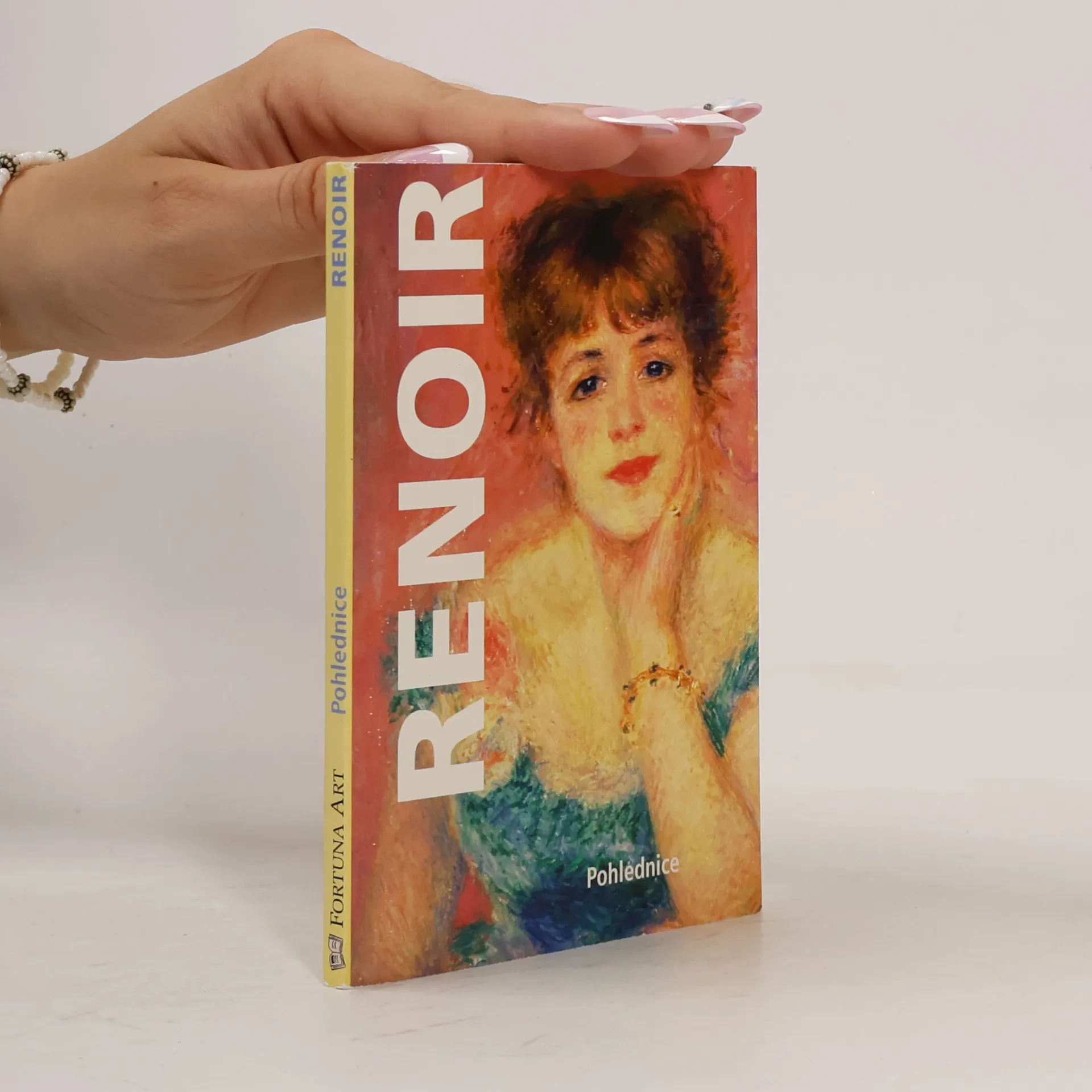
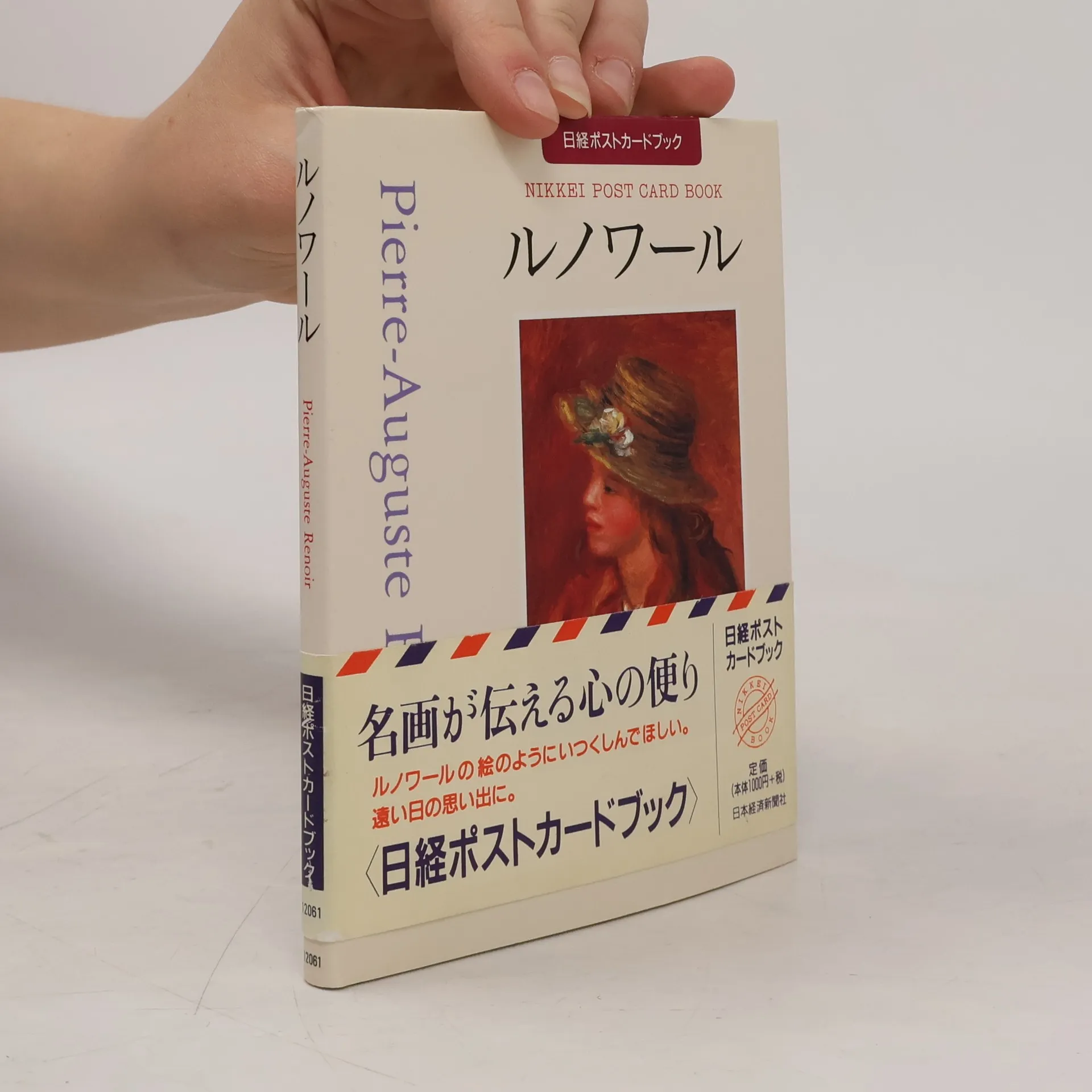
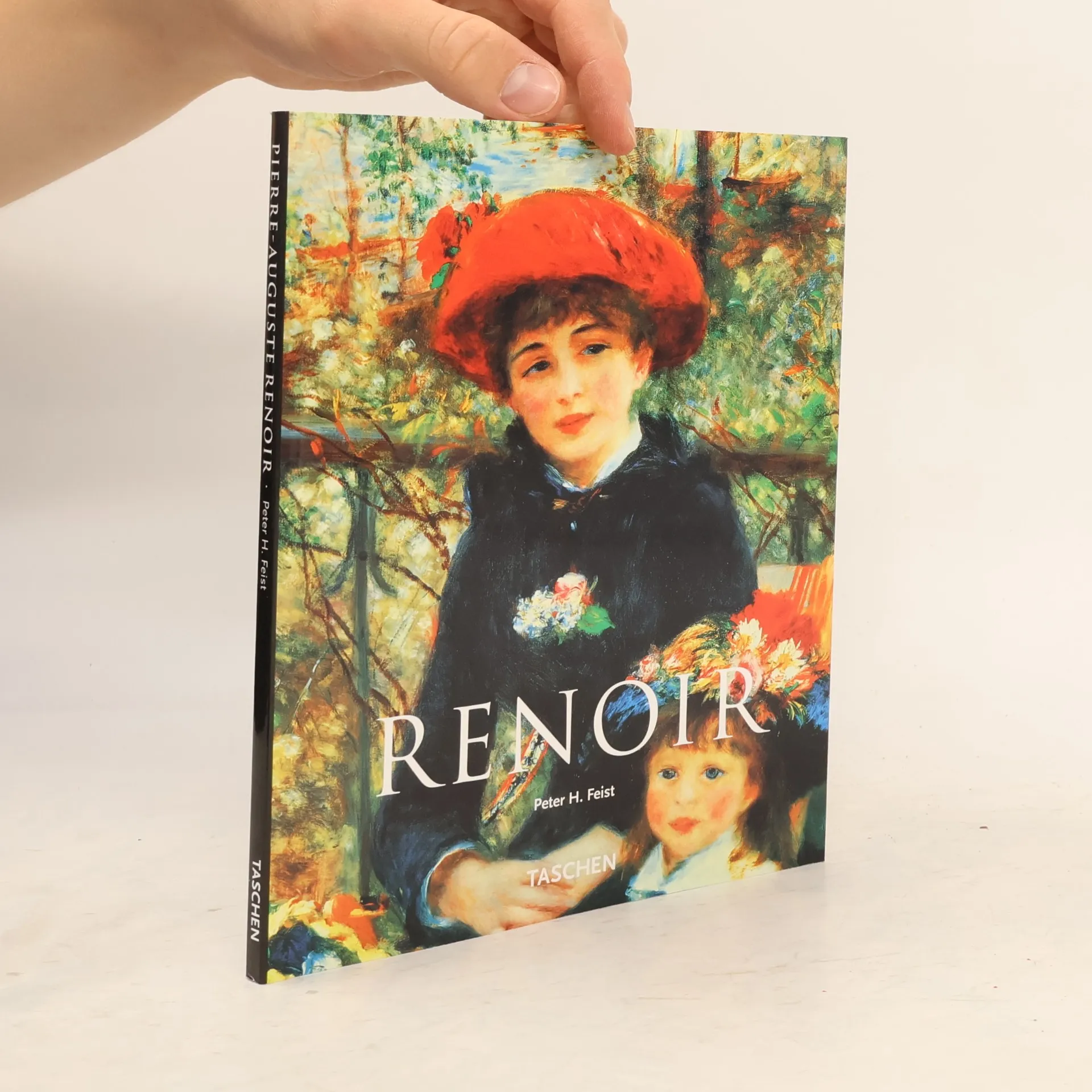
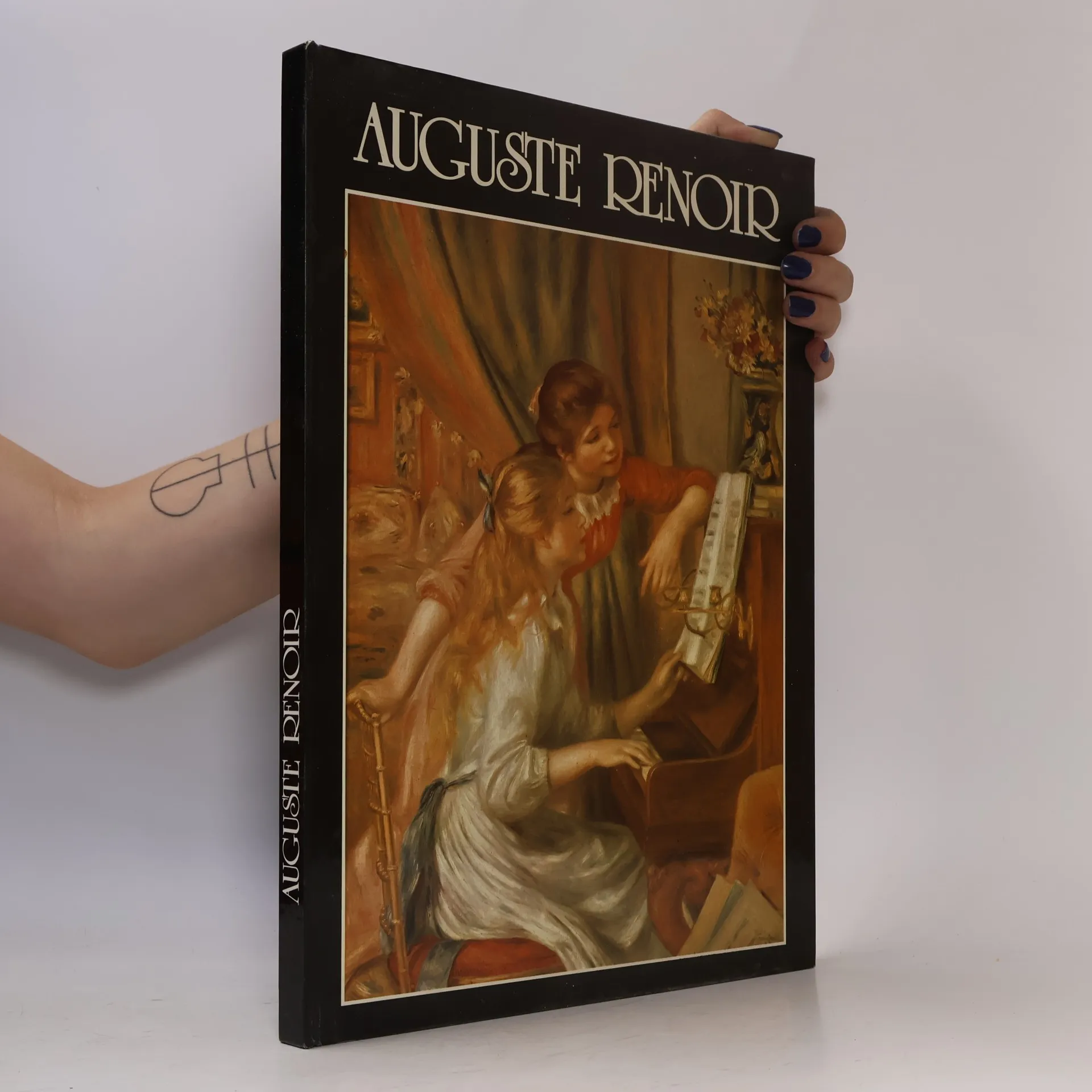
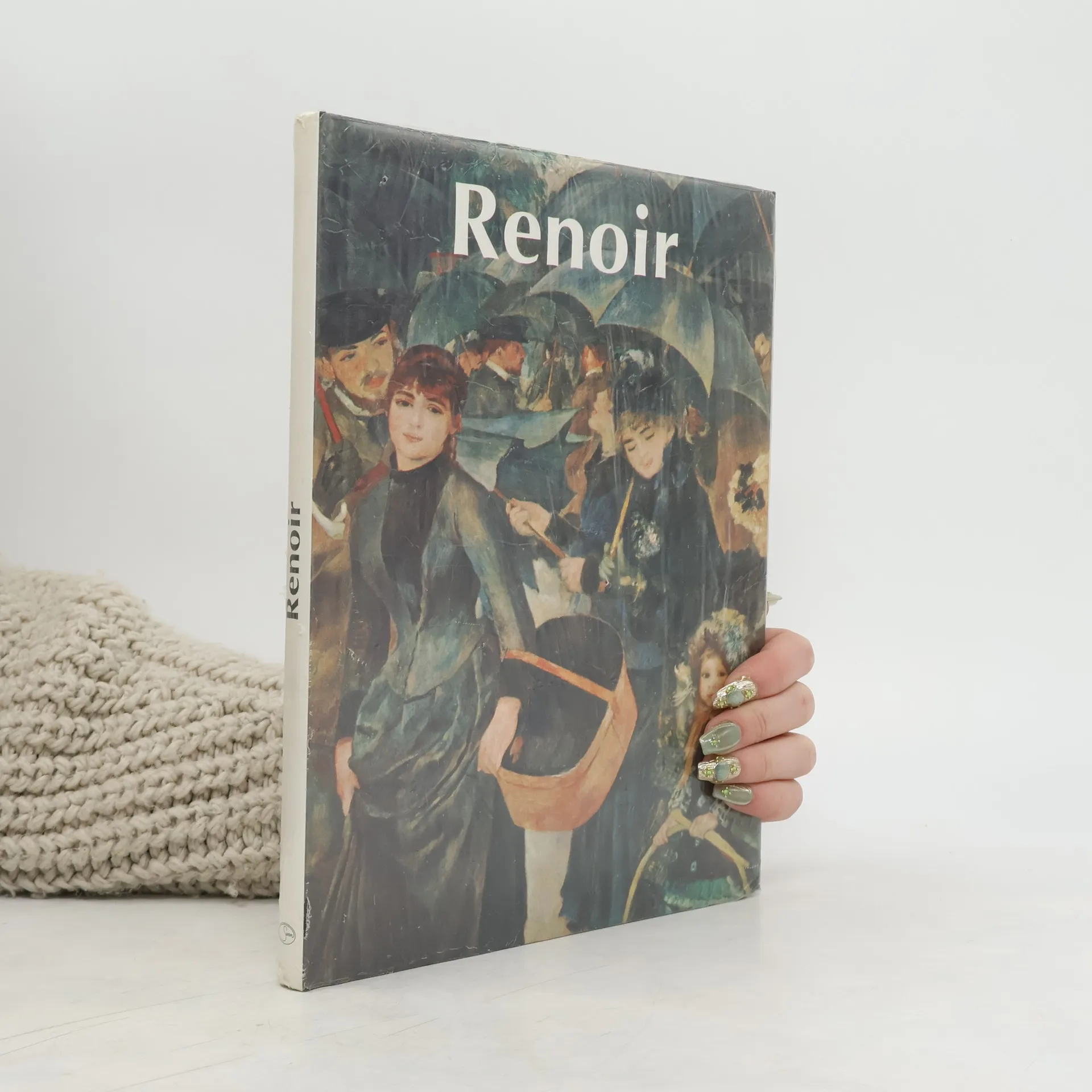
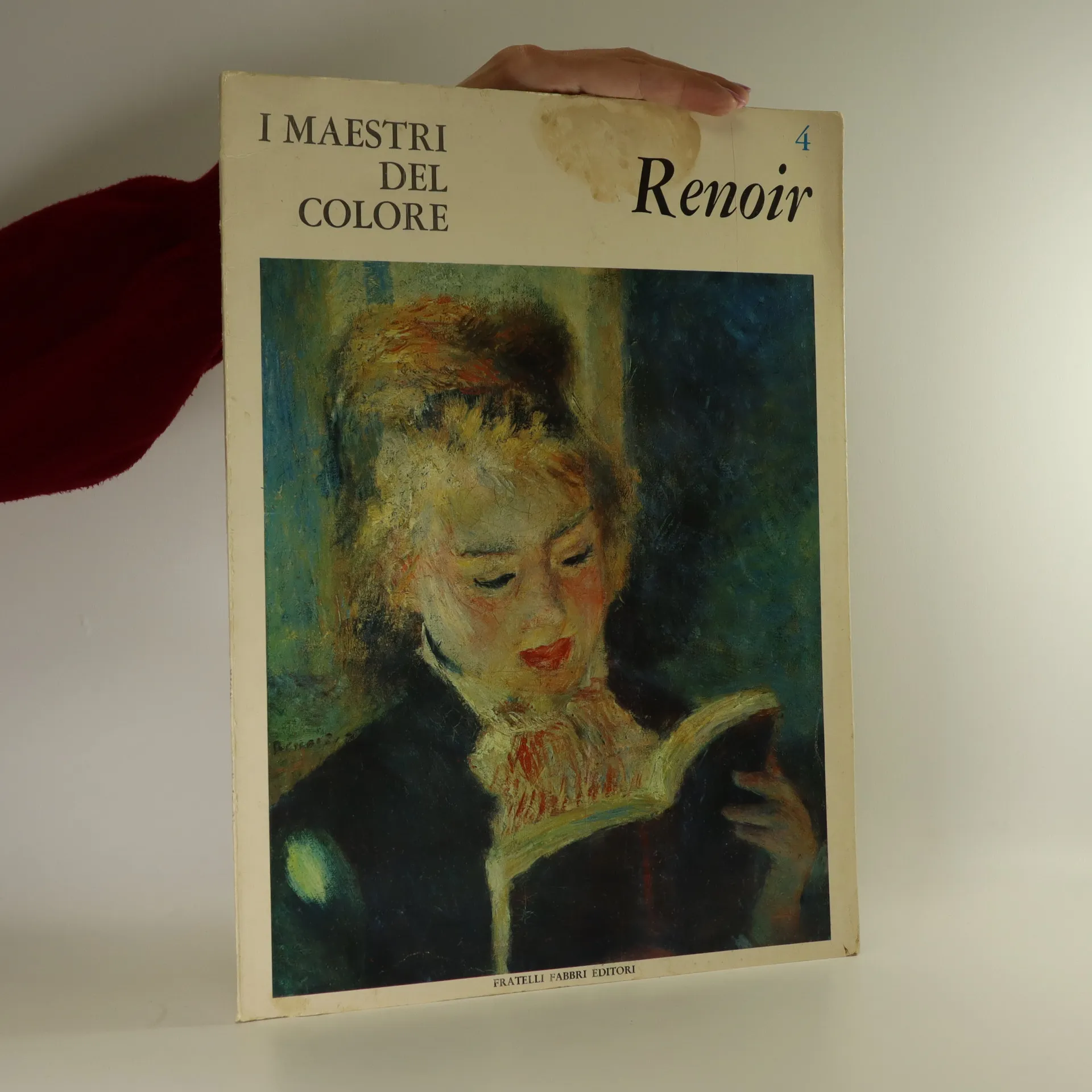
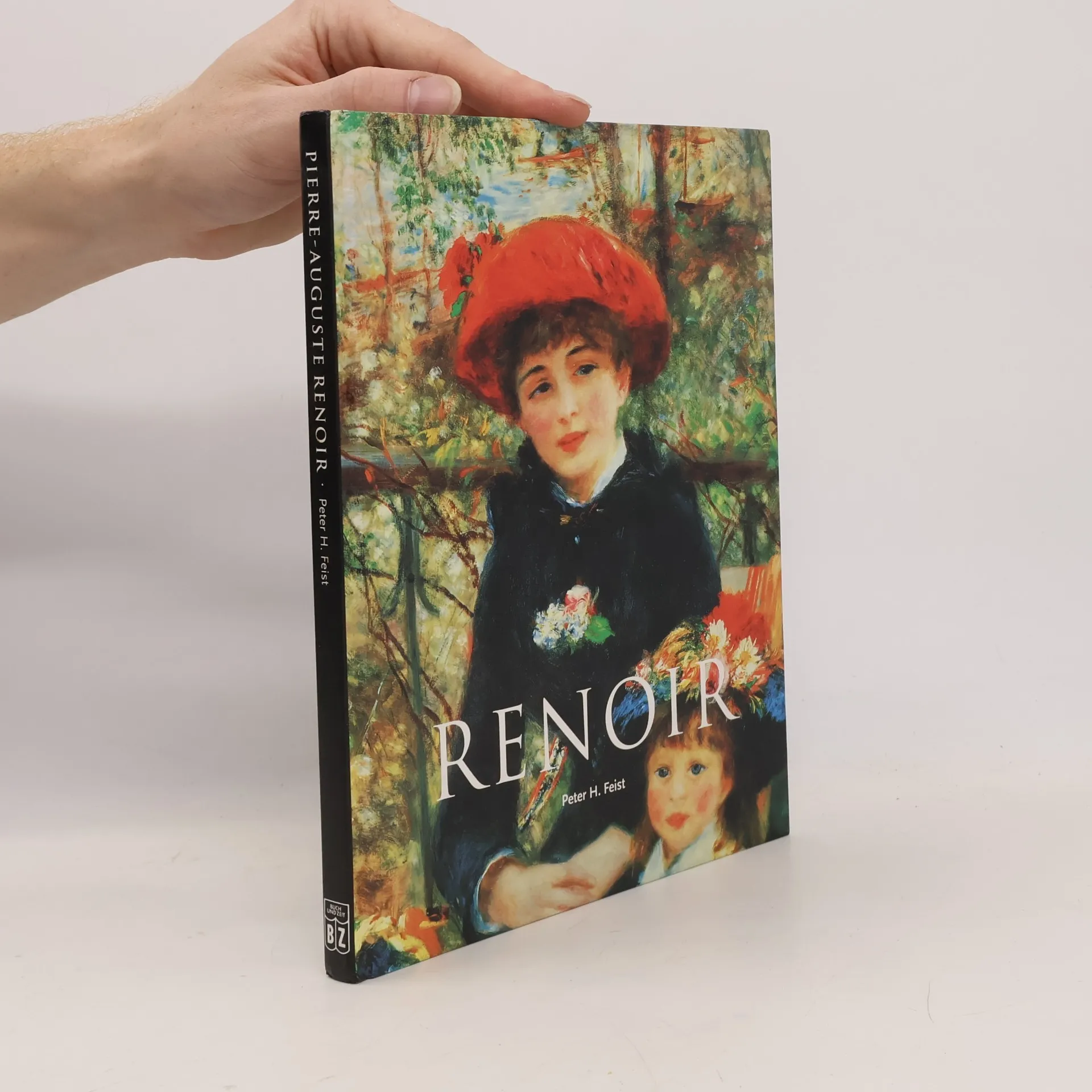
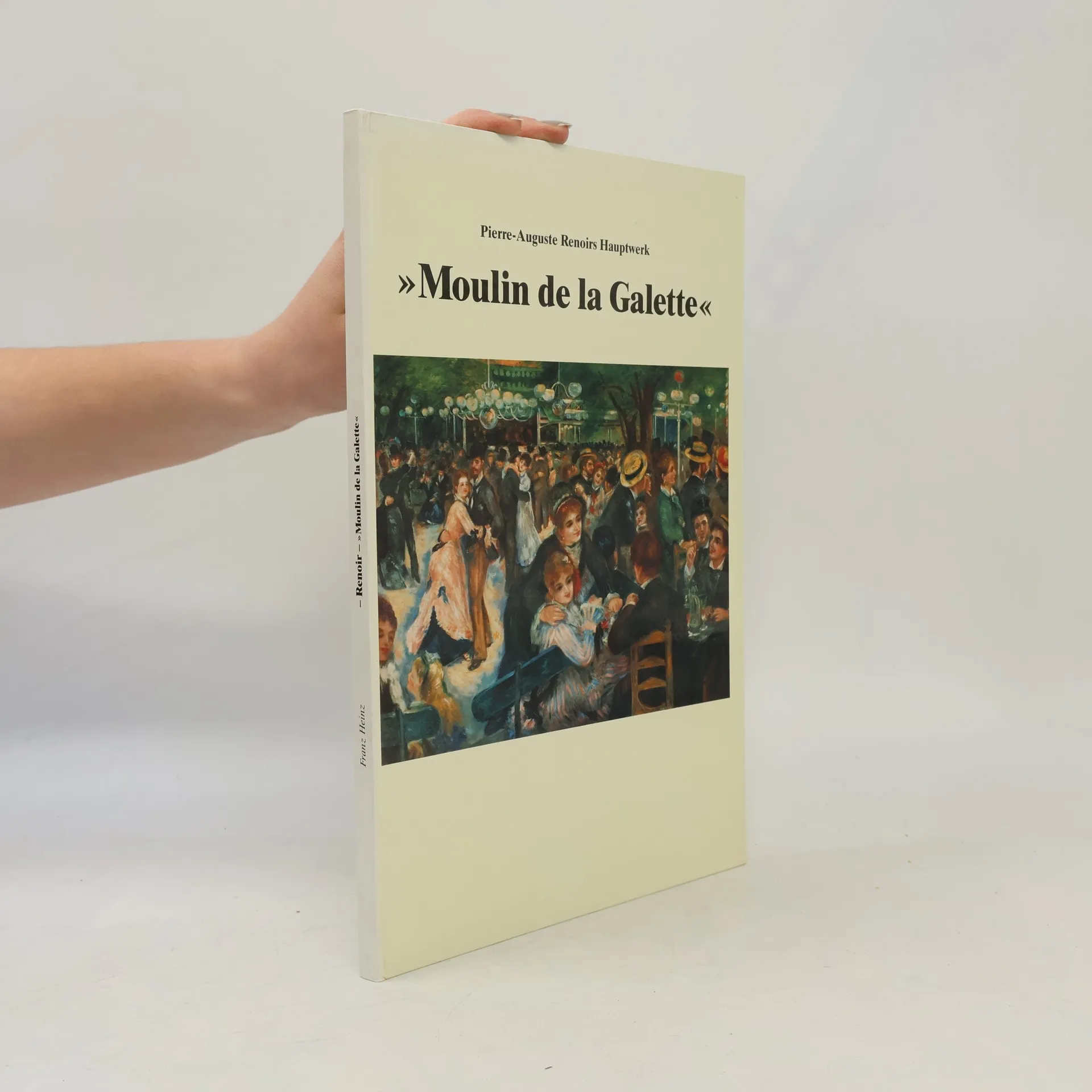
Ensoleillé, charmant et sensuel, l'œuvre de Pierre-Auguste Renoir célèbre la peinture dans sa forme la plus légère et lumineuse. Cette introduction essentielle à l'artiste sélectionne des œuvres clés de son vaste répertoire pour explorer ses innovations impressionnistes ainsi que ses traditions dans la quête de la beauté, de l'harmonie et de la forme féminine.
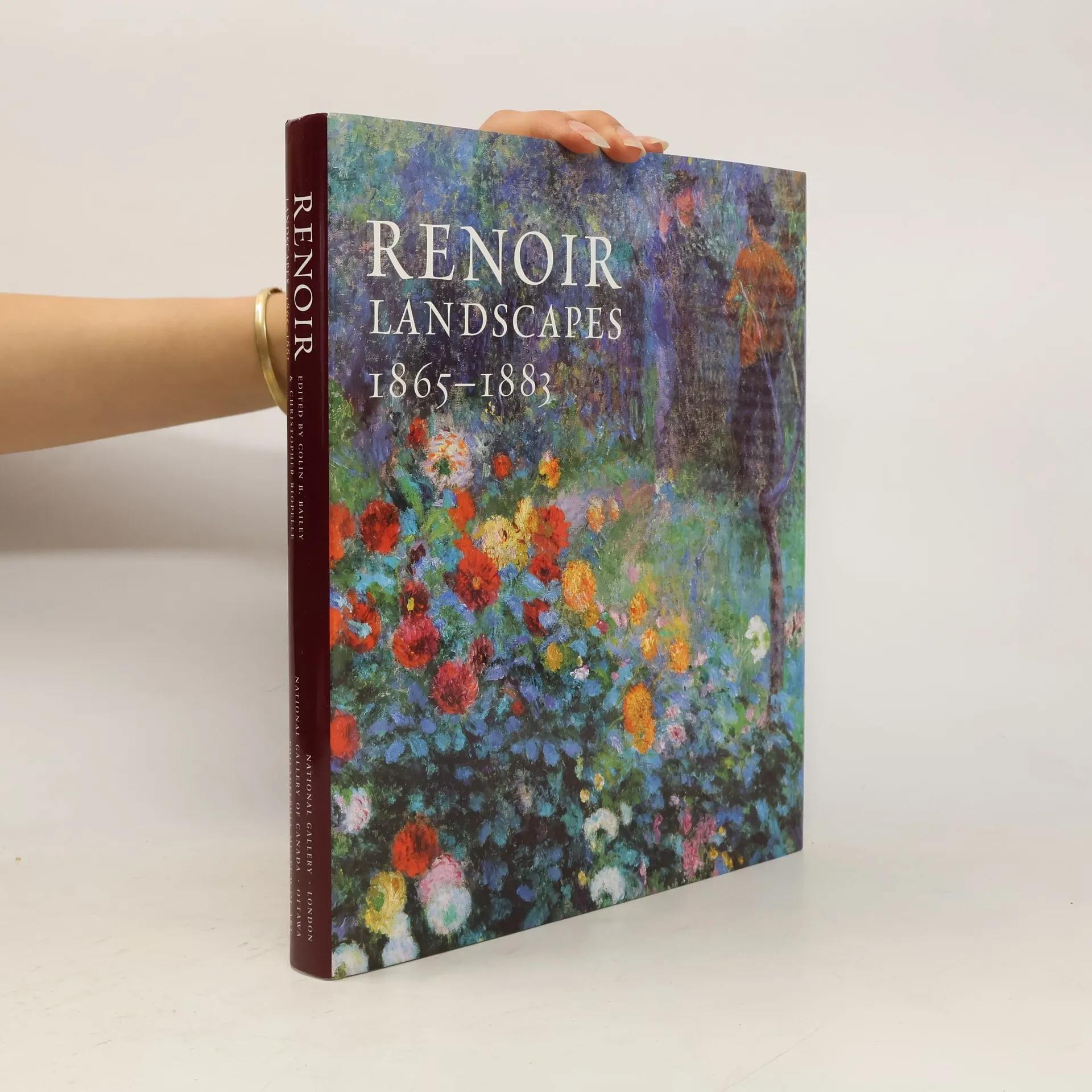
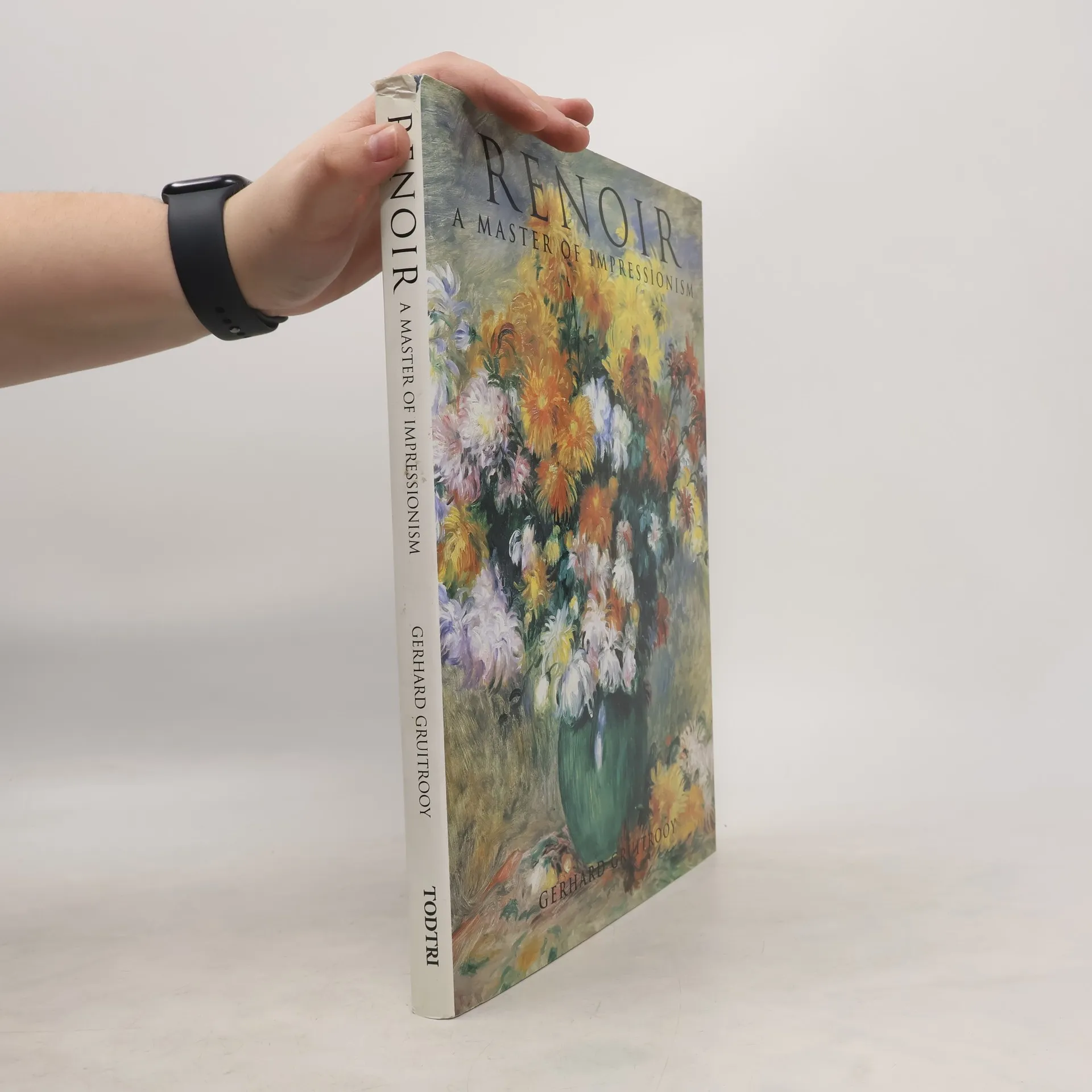
This stunning book, published to accompany a major touring exhibition, examines Renoir's landscape art in depth, demonstrating that he was one of the most audacious and original landscape artists of his age.
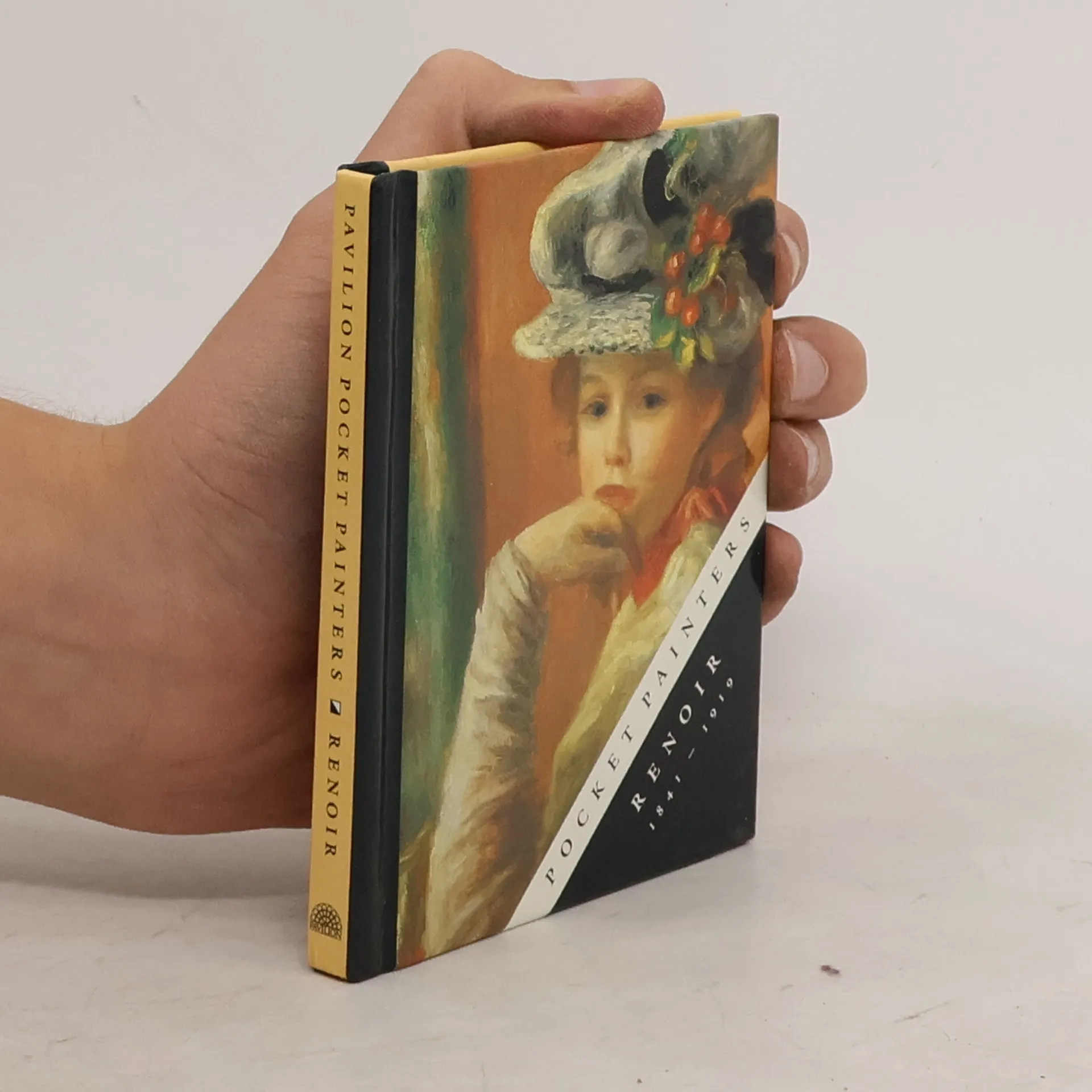
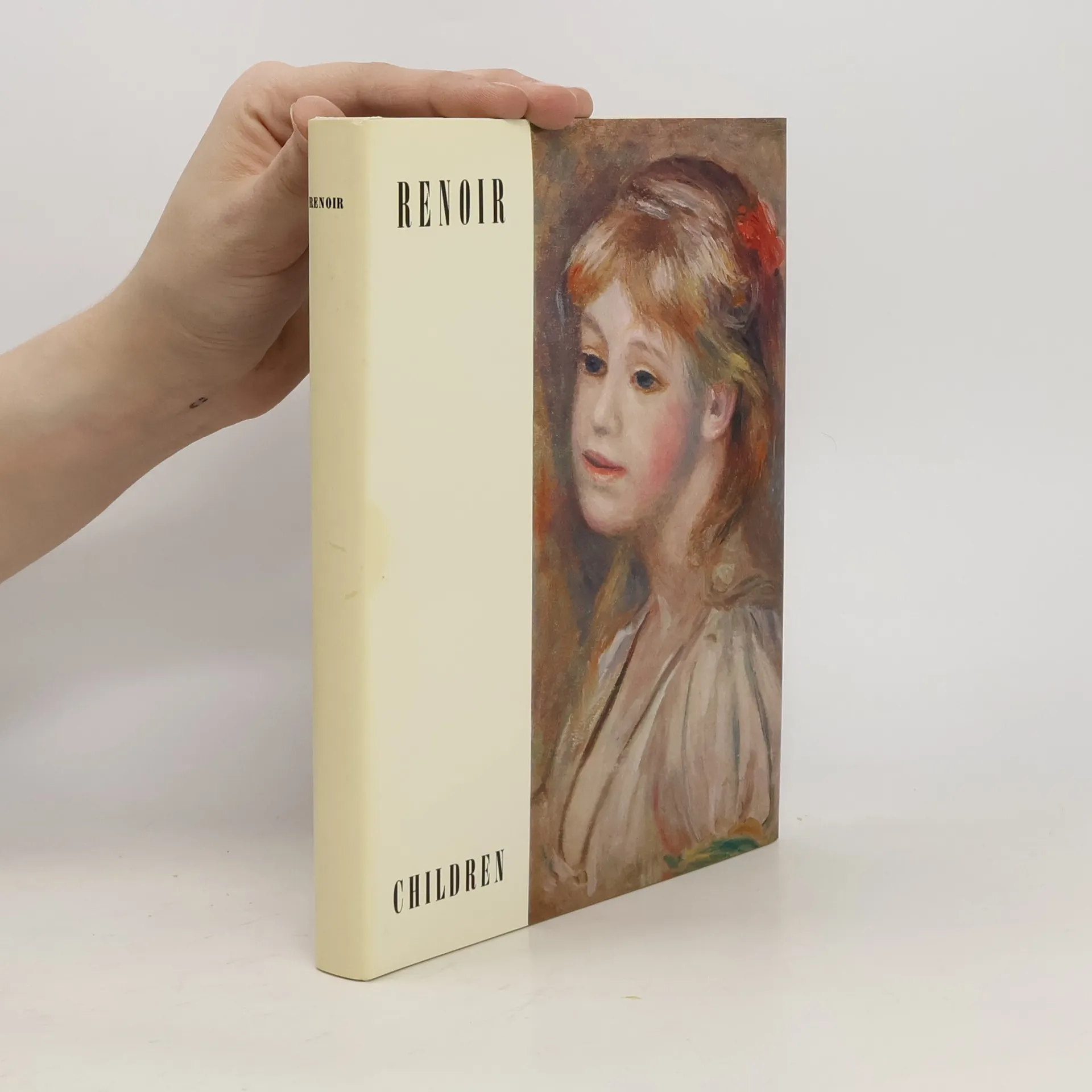
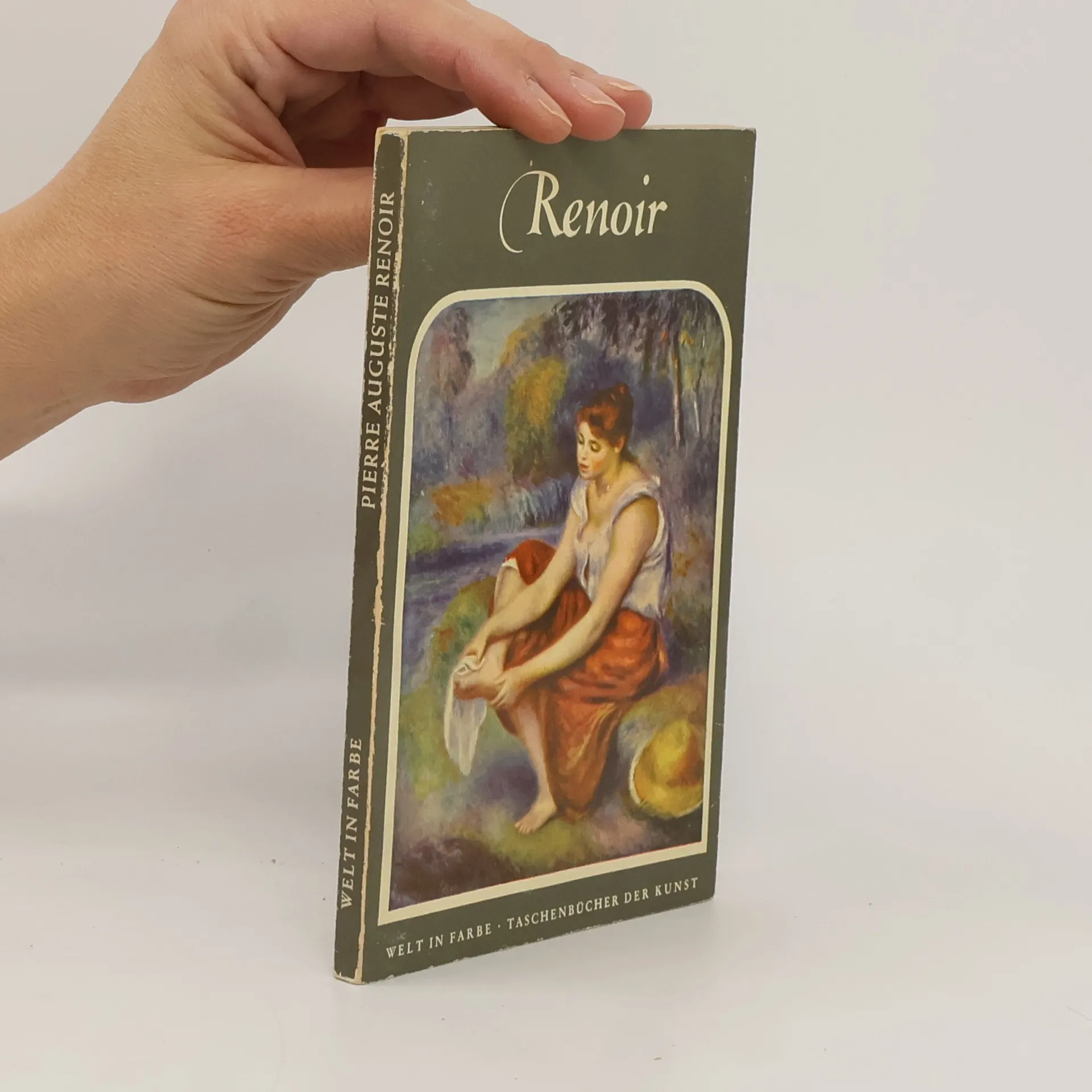
The Pocket Painters series is beautifully designed to build up into a library of the world's best loved painters. Each volume contains a selection of twenty of the finest examples of the artist's work, carefully reproduced in miniature size. The paintings, obviously by Renoir, are the illustrations within the book.
French painter Pierre-Auguste Renoir (1841-1919) enjoyed life to a degree seemingly denied most artists, and this joie de vivre is reflected in the lighthearted, sensual, and luminous elements of his work. Full-color reproductions and thorough text provide a quick yet solid introduction to this master.
French painter Pierre-Auguste Renoir (1841-1919) enjoyed life to a degree seemingly denied most artists, and this joie de vivre is reflected in the lighthearted, sensual, and luminous elements of his work. Full-color reproductions and thorough text provide a quick yet solid introduction to this master.
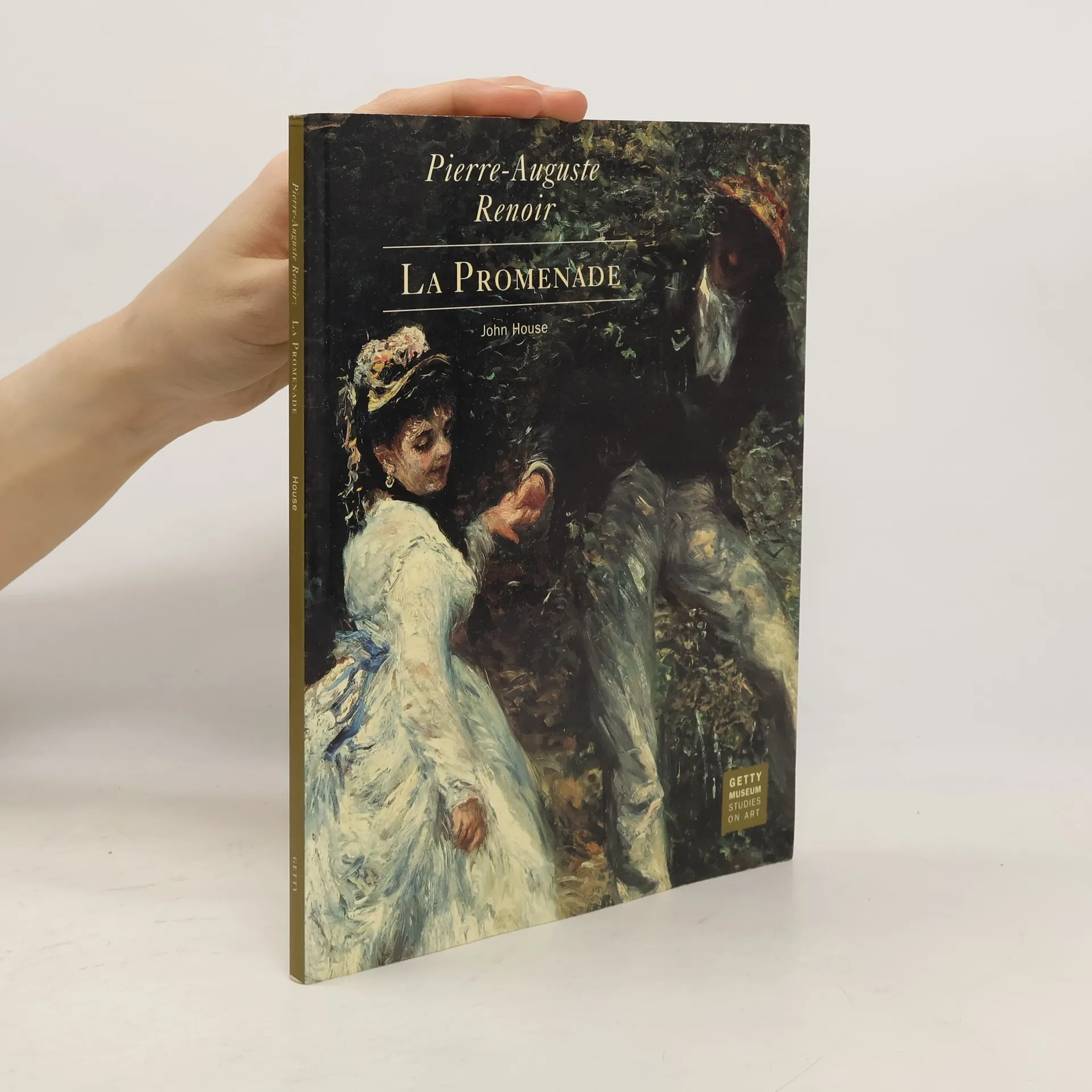
John House examines the many facets of the work and what it reveals about Renoir as a man and artist. He asks, "What did it mean to paint a picture like La Promenade in France in 1870, in the final months of Napoleon III's Second Empire?" The reader is invited to look at the canvas - and Impressionism - as a rejection of the idealist world of academic art and as a challenge to contemporary social norms.
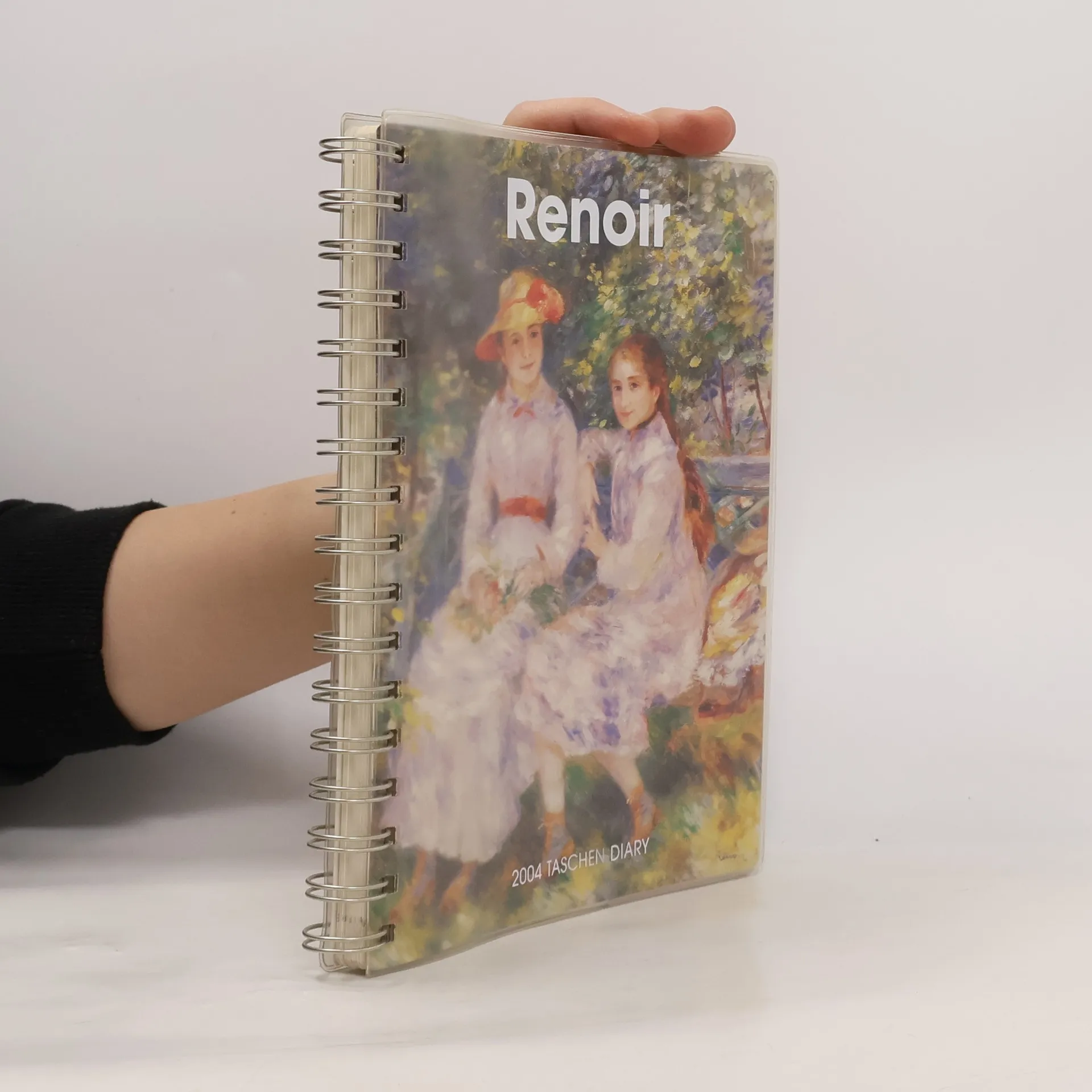
The perfect diary for the year you make it happen. TASCHEN's Diary Renoir 2004- beautiful to look at and easy to use. A new picture every week, every week a new page. With year planners, and all national holidays. Spiral-bound, it opens flat. The perfect diary for the year you make it happen. La vie en rose! Renoir - the world's happiest paintings, the embodiment of happiness, love and beauty. Pierre Auguste Renoir (1841-1919) is now universally acclaimed: museums pride themselves on his paintings, crowds flock to his retrospectives. His work shows art at its most light-hearted, sensual and luminous.
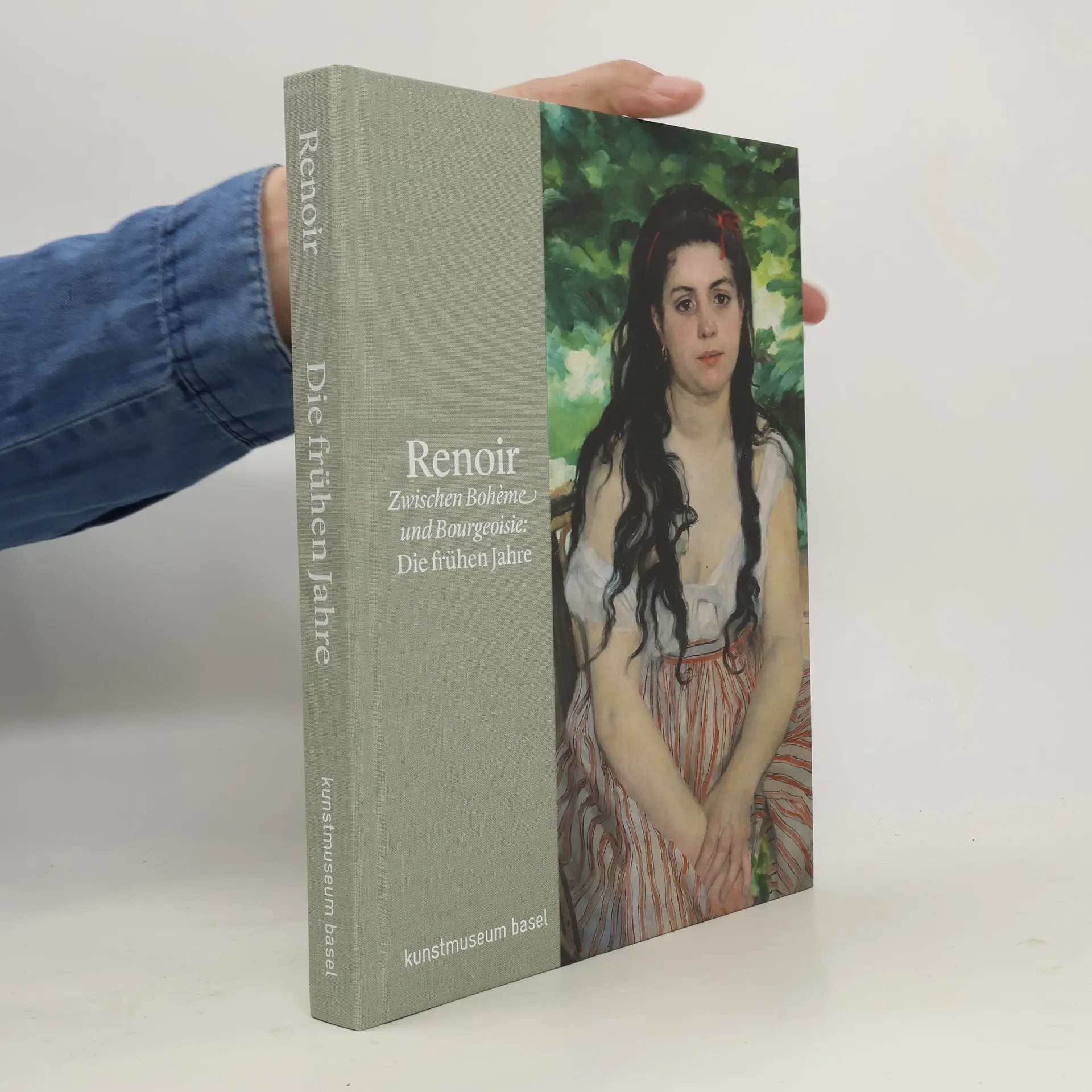
Pierre-Auguste Renoir (1841–1919) wird so sehr mit der Malerei des Impressionismus in Verbindung gebracht, dass die überraschende Vielfalt seines Frühwerks aus dem Blick gerät. Das wichtigste Modell der frühen Jahre des Künstlers war seine Geliebte Lise Tréhot, mit der er zwischen 1865 und 1872 ein Verhältnis pflegte. Nachdem sie für eine umfangreiche Gruppe wichtiger Frühwerke, darunter Die Dame mit dem Möwenhütchen und Im Sommer, beide aus dem Jahr 1868, posiert hatte, verabschiedete sich Lise vom Bohèmeleben zugunsten einer bürgerlichen Heirat. Die ab 1864 bis Ende der 1870er Jahre entstanden Bildern zeigen Renoirs künstlerisches Spektrum – die Entwicklung seiner Malsprache einschließlich der impressionistischen Phase. Die Publikation widmet sich erstmals ausführlich Renoirs frühem Œuvre und verdeutlicht die prägenden Einflüsse enger Künstlerfreundschaften mit Édouard Manet, Claude Monet, Fréderic Bazille und Alfred Sisley. Ausstellung: Kunstmuseum Basel 1.4.–12.8.2012
Kdo se v některé z velkých sbírek francouzského malířství 19. století dostane před obrazy Pierra-Augusta Renoira, snadno pocítí, že ho zde vítá to nejradostnější a nejslavnostnější z dlouhých dějin malířství. Malířské umění jako obšťastňování, jako svátek pro oko - tak je možno popsat velikost i meze jeho malířství. Profesionálně provedená obrazová publikace velmi kvalitního vydavatelství Taschen představuje tohoto impresionistického malíře a zasvěceně přibližuje jeho život, mistrovská díla i pozdní styl.
Malerei aus Leidenschaft. Pierre-Auguste Renoir (1841-1919) schuf nicht nur Figurenbilder voller Heiterkeit und natürlicher Anmut, sondern hat mit seinen manchmal poetisch-verträumten, manchmal kraftvoll-sinnlichen Landschaften eine führende Rolle bei der Entwicklung der impressionistischen Landschaftsmalerei gespielt. Beim gemeinsamen Malen in der Natur entwickelte er im kreativen Austausch mit befreundeten Künstlern wie Claude Monet seine bis heute faszinierende, schnelle Malweise, die das Gesehene unmittelbar auf die Leinwand bannt. Im Laufe der Zeit entdeckte Renoir den Eigenwert der Farben, was ihn zu einem wichtigen Vorläufer der modernen Malerei werden ließ. Zahlreiche brillante Farbabbildungen und fesselnde Texte führender Renoir-Experten erschließen nun auf spannende Weise diese bedeutende Facette dieses allseits beliebten Künstlers. - Auguste Renoirs epochaler Beitrag zur impressionistischen Landschaftsmalerei, zum ersten Mal umfassend dargelegt! - Überraschend neue Einblicke in das Werk des allseits beliebten Künstlers - Die Entwicklung seiner revolutionären Malweise wird anschaulich dargestellt - Renoir als Wegbereiter der modernen Malerei