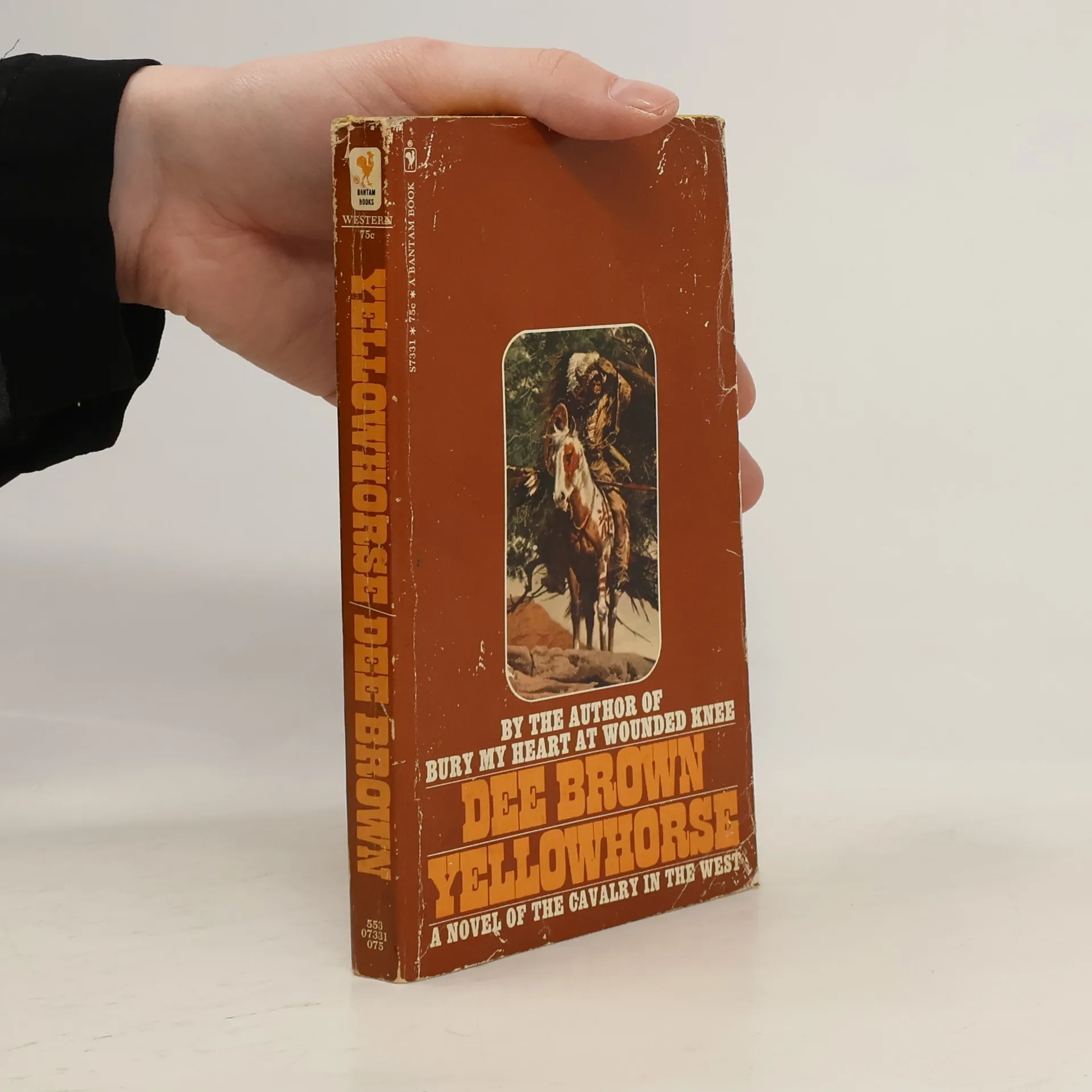

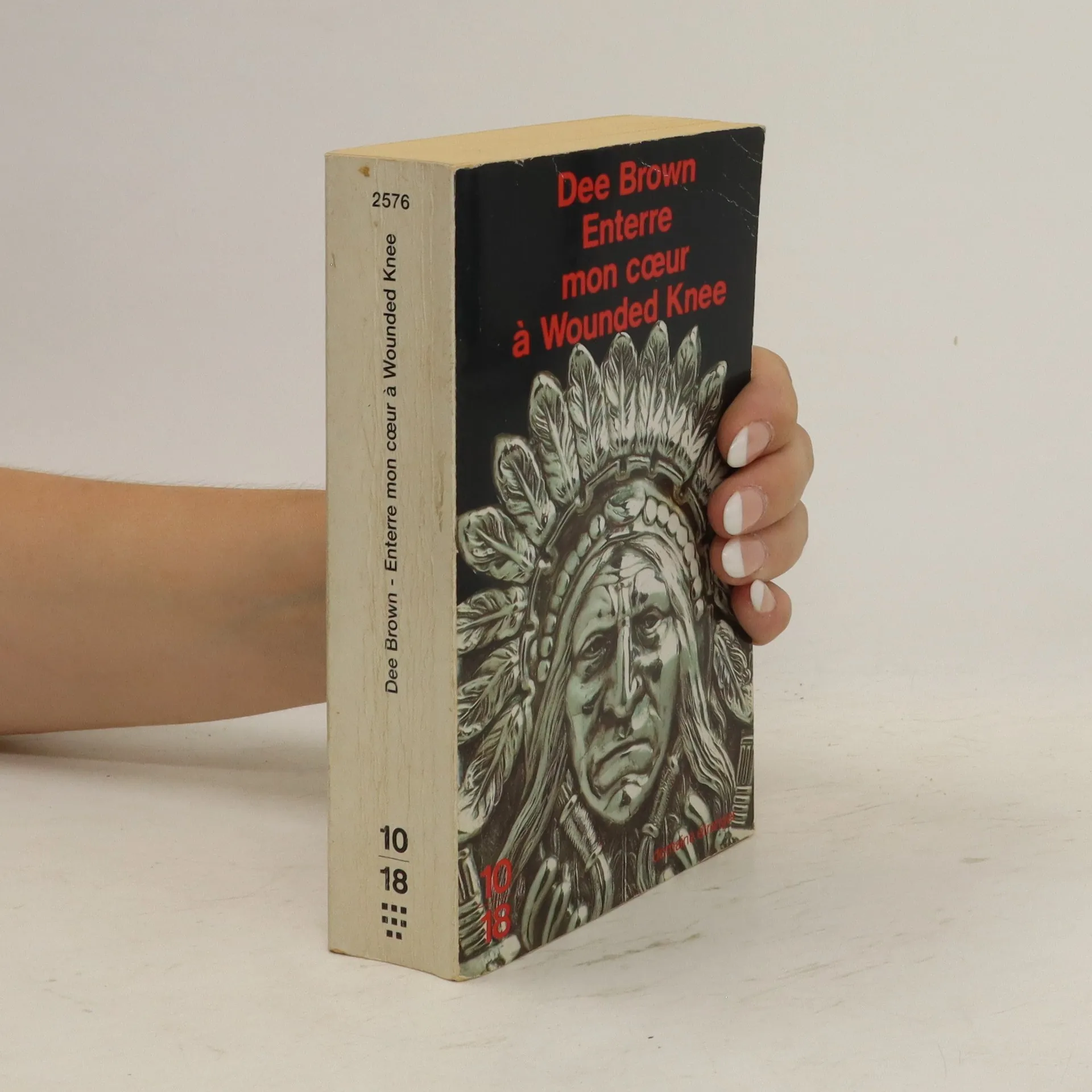
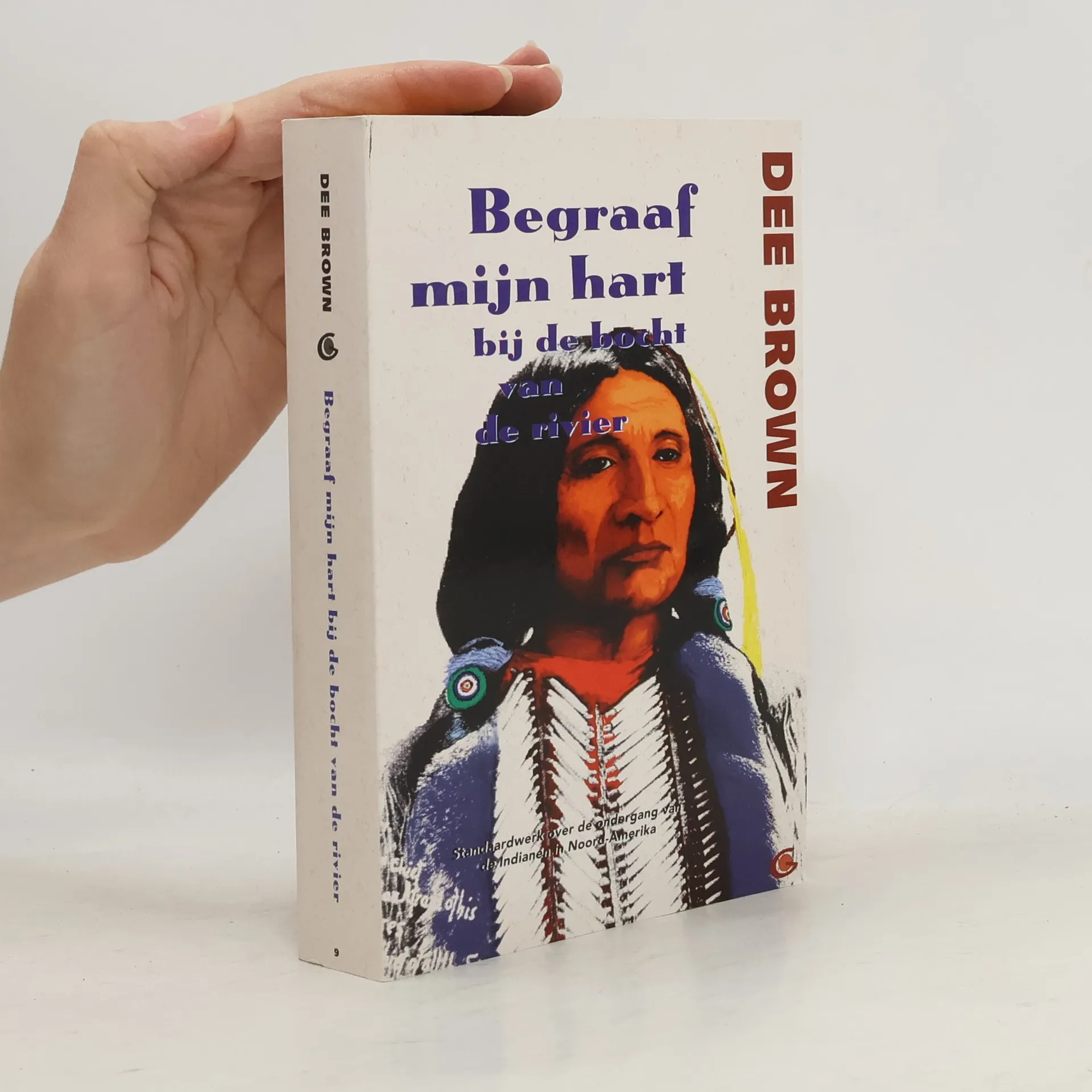
Du massacre des Navahos en 1861 à l'extermination des Sioux trente ans plus tard, c'est le catalogue effrayant d'un génocide organisé, où disparurent des centaines de tribus ayant pour seul tort d'habiter leur pays, que dresse Dee Brown dans ce récit de la conquête de l'Ouest américain qui, vue du côté indien, perd ses airs d'épopée de pionniers, pour devenir le drame d'un peuple. Les documents d'époque, les rapports compilant les entretiens des chefs indiens avec les hauts fonctionnaires et les généraux américains mettent à jour de nouveaux aspects de l'histoire. Un libre " culte ".
Dee Alexander Brown Livres
Dee Brown fut un auteur célébré dont les œuvres exploraient l'histoire américaine, se concentrant souvent sur la vie de la frontière et sur des moments oubliés de la guerre civile. Son étude fondamentale est largement reconnue pour avoir exposé la destruction systématique des tribus amérindiennes à un public mondial, modifiant fondamentalement la perception mondiale. Brown a également mené une carrière de bibliothécaire, développant sa vaste carrière d'écrivain en parallèle.


When it comes to demystifying spiritual warfare and standing boldly in victory, no one has mentored me more than Dee Brown. The principles of lasting spiritual growth and strength are encompassed in each life-transforming chapter.--Pastor Diane Altman. (Practical Life)
On Sunday afternoon, June 25, 1876, Gen. George Custer and 264 members of the U.S. Seventh Cavalry engaged more than 3,000 warriors of the Lakota Sioux, Arapaho, and Cheyenne nations and were killed in the ensuing battle. Acclaimed historian Dee Brown traces the events of that day and of the weeks before, through the eyes and ears of seventeen participants from both sides, including Natives, scouts, soldiers, and civilians. Why did Custer divide his forces? Why did he not take his regiment’s Gatling guns? Why did he expect Sitting Bull to surrender without a fight? How did Sitting Bull’s vision at the sun dance on the Rosebud foretell the occasion and the outcome of the battle? How did war chiefs Crazy Horse and Gall take advantage of Custer’s tactical errors? And why did they preserve Custer’s body from mutilation? Showdown at Little Big Horn answers these and other questions, telling the story of the fight from many points of view, based on reports, diaries, letters, and testimony of the participants themselves. Together the accounts provide a gripping narrative of a punitive expedition gone badly awry and an assemblage of Native peoples who forestalled for a while the army’s domination of the northern plains.
The American West
- 464pages
- 17 heures de lecture
A definitive, illustrated, single-volume history of the American West, from the bestselling author of BURY MY HEART AT WOUNDED KNEE, Dee Brown.
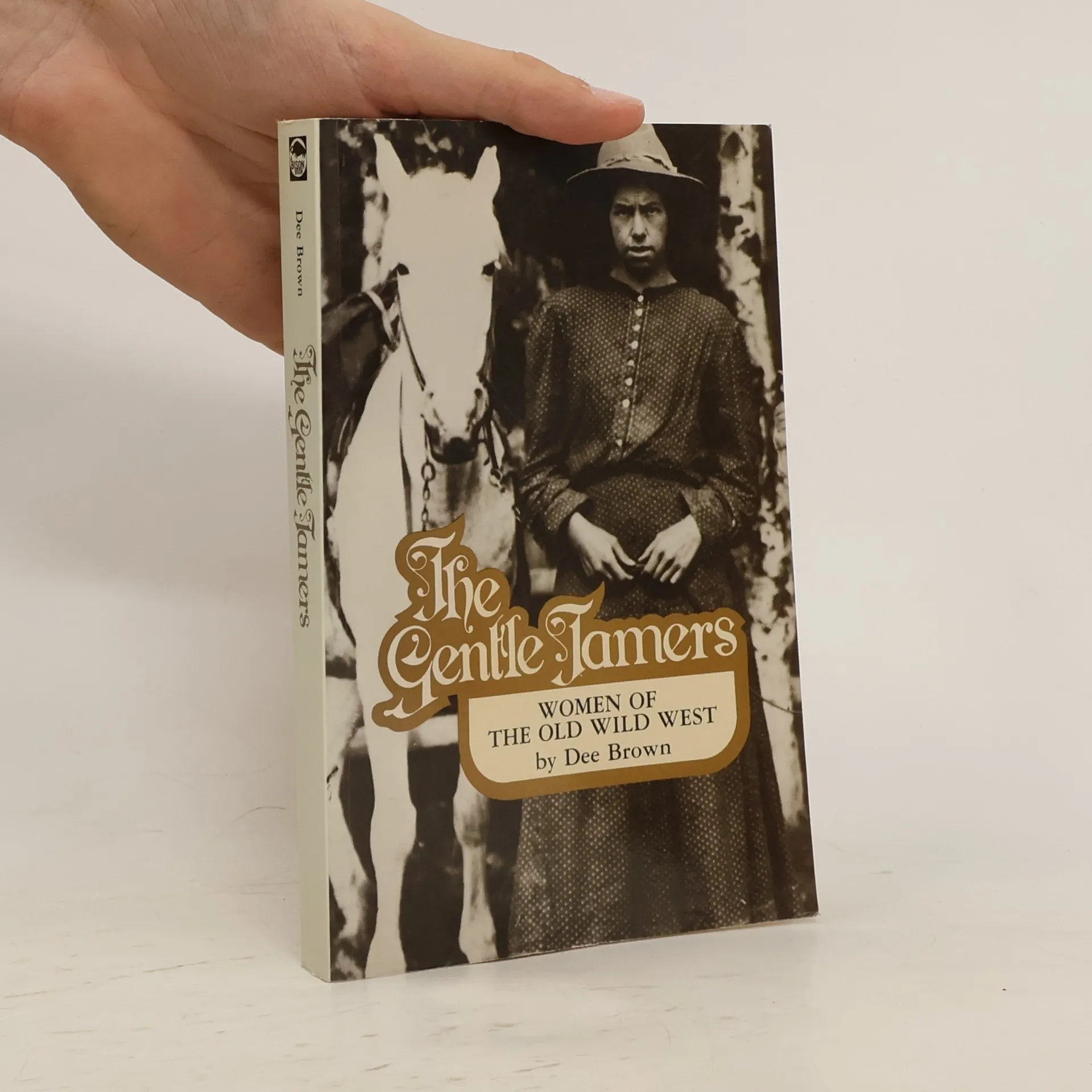
All aspects of western feminine life, which include a good deal about the western male, are covered in this lively, informal but soundly factual account of the women who built the West. Among those whose stories are included are Elizabeth Custer; Lola Montez, Ann Eliza Young, Josephine Meeker, Carry Nation, Esther Morris, and Virginia Reed.
Sam Morrison, ein Zeitungsreporter, bemüht sich um 1866, die Identität und die Ereignisse um den Tod des legendären Kämpfers Major Rawley aufzuklären.
Das Feuerroß erreicht das Grosse Wasser im Westen - Der Bau der amerikanischen Eisenbahn - bk1561; Droemer Knaur Verlag; Dee Brown; pocket_book; 1981