

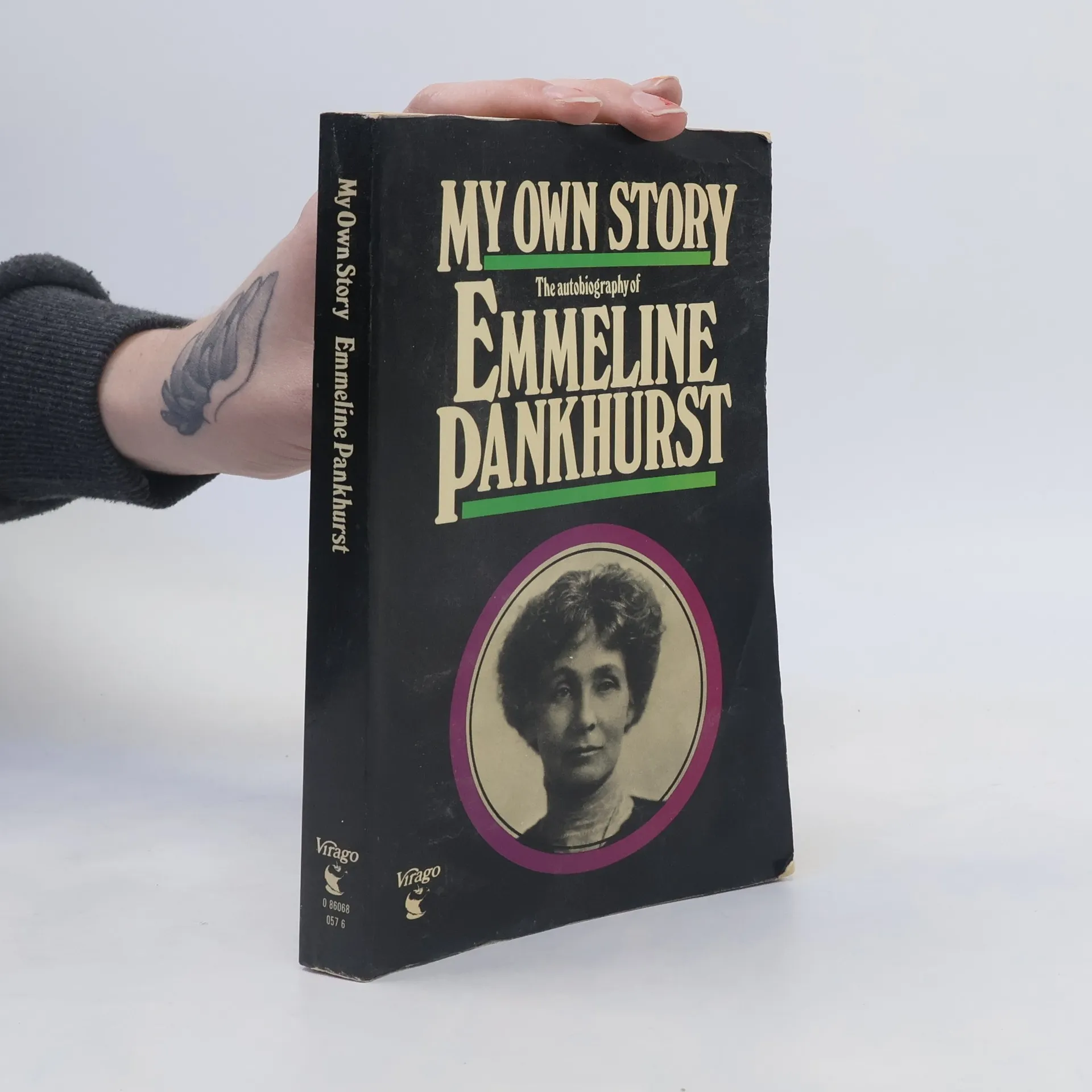
Emmeline Pankhurst fut une militante politique britannique redoutable et une leader du mouvement suffragette, jouant un rôle essentiel pour que les femmes obtiennent le droit de vote. Son travail a fondamentalement remodelé les structures sociales, laissant une marque indélébile dans la lutte pour l'égalité. Pankhurst a profondément influencé la perception de la féminité de notre époque, secouant la société dans un nouveau schéma dont il n'y avait pas de retour possible. Sa détermination inébranlable et son leadership continuent d'inspirer les générations dans la quête de justice sociale.
Vintage Feminism: classic feminist texts in short formWITH AN INTRODUCTION BY
JESS PHILLIPSSoldier, criminal, militant, hooligan, revolutionary: these
labels Emmeline Pankhurst took up and wore proudly in her long struggle for
women's suffrage.
The closing paragraphs of this work were penned in the summer of 1914, as the great powers of Europe prepared for brutal warfare against each other and innocent nations. In contrast to the grim news of the time, this narrative highlights women's militant struggle against political and social injustice in a small part of Europe. It stands as a testament to heroism rarely seen, set against the backdrop of so-called peace and civilization. While men's militarism has historically resulted in bloodshed and destruction, women’s militancy has only sought to uphold righteousness. As Europe faces its darkest hour, men are increasingly looking to women to help sustain civilization. Women are working tirelessly in fields, orchards, and cities, ensuring the survival of the nation while caring for those left behind. However, the government has largely overlooked their sacrifices, focusing instead on male unemployment. The militants had declared a truce at the war's onset, which was met with a half-hearted response from the government regarding suffrage prisoners. Ultimately, the government agreed to release all suffrage prisoners unconditionally. While the struggle for women's full enfranchisement may be temporarily paused, it is far from over. When peace returns, the demand for equality will resurface, and if ignored, women will once again rise to claim their rightful place in society. True peace cannot exist until women are granted a voi
The memoirs of Emmeline Pankhurst provide a powerful firsthand account of her pivotal role in the UK suffragette movement. Through her reflections, readers gain insight into the struggles and triumphs of the fight for women's rights, as well as Pankhurst's unwavering determination and leadership. Her narrative highlights the social and political challenges faced by women in her time, making it a significant contribution to both feminist literature and historical understanding.
Dies ist die Geschichte eines behüteten Mädchens, das unbequeme Fragen stellt, die Geschichte einer mutigen, tapferen Frau, die früh verwitwet ihre fünf Kinder allein durchbringt. Es ist die Geschichte von Emmeline Pankhurst (1858–1928), die sich so gründlich über die Verhältnisse in ihrem Land empörte, dass sie zur bekanntesten und radikalsten der »Suffragetten« wurde. Diese Frauen kämpften vor dem Ersten Weltkrieg für ihr Wahlrecht und versetzten damit nicht nur die englischen Männer in Angst und Schrecken. 1903 gründete Pankhurst die radikal-bürgerliche Woman’s Social and Political Union (WSPU) und schlug von da an in der bisher so friedlichen wie erfolglosen Frauenbewegung neue Töne an. Frauen organisieren Blockaden, ketten sich an Zäune und Gebäude, und die Obrigkeit reagiert mit Gewalt: Demonstrantinnen werden verprügelt und verhaftet, es kommt zu Hungerstreiks und Zwangsernährung, im Gegenzug werfen die Anhängerinnen Pankhursts Bomben und legen Brände.