Bookbot

Paul Robert Wilson

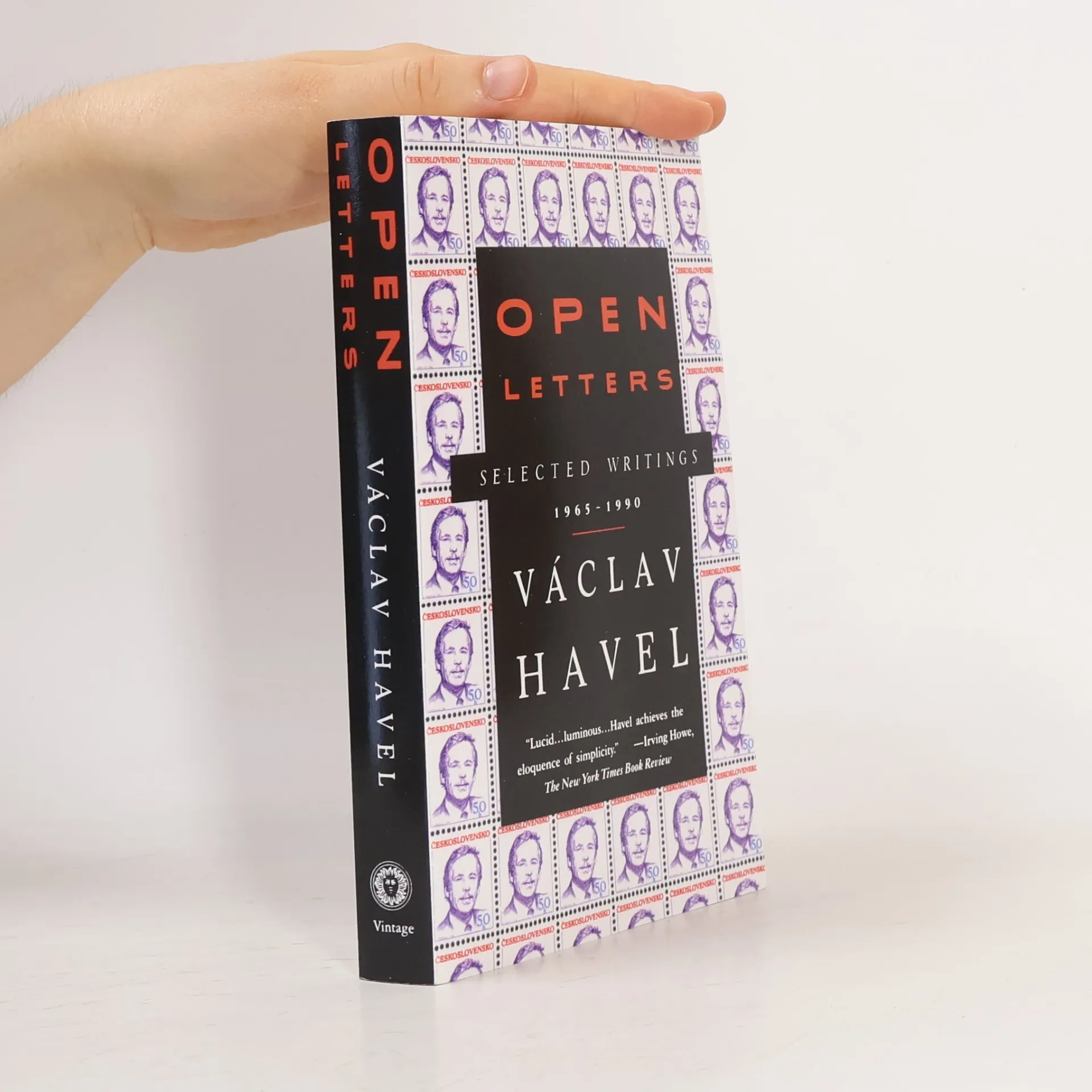
    Toward a civil society. Selected speeches and writings 1990-1994
    My golden trades
    Interrogatoire à distance. Entretien avec Karel Hvížďala
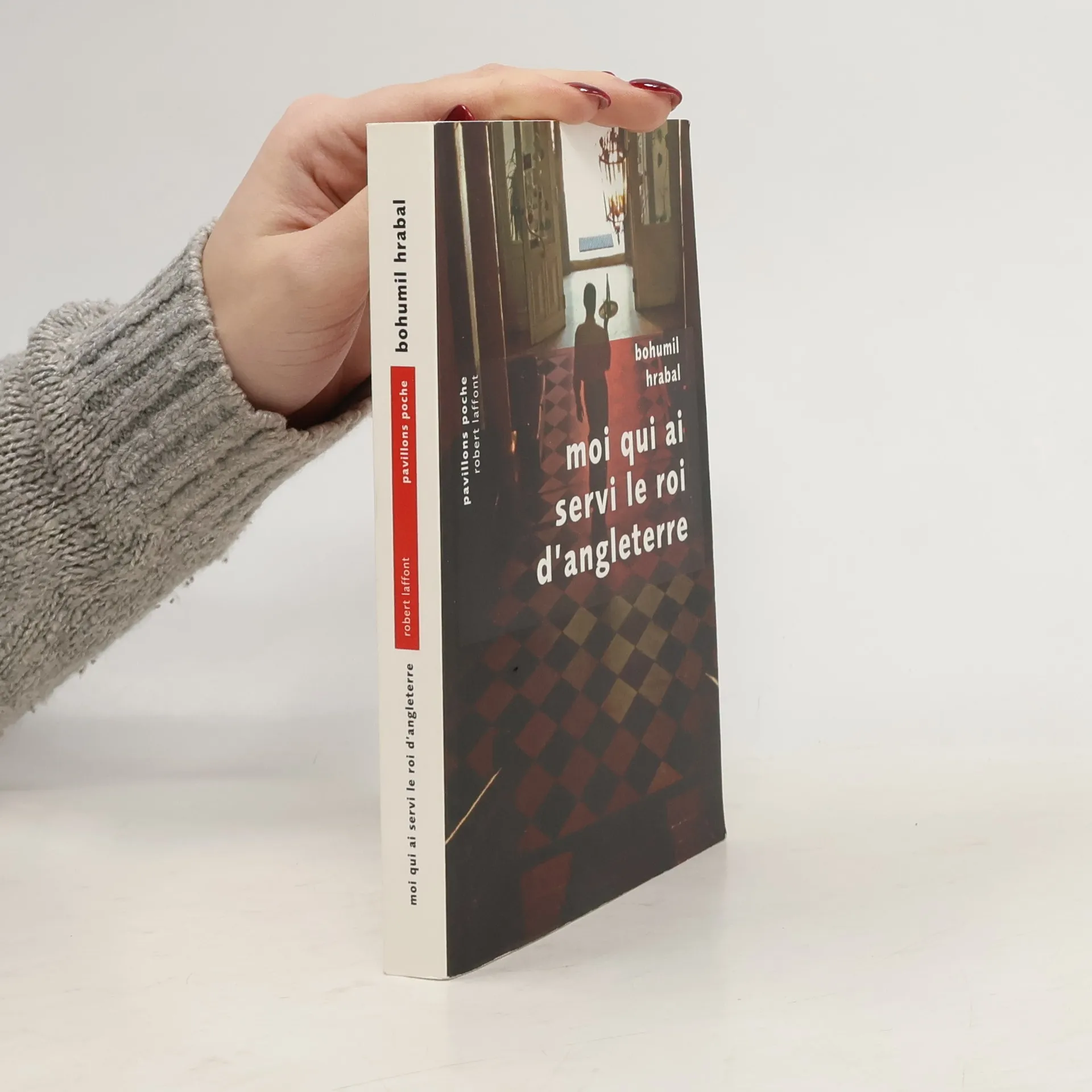
    Moi qui ai servi le roi d'Angleterre
    • Des années vingt jusqu'aux purges staliniennes, l'irrésistible ascension et la chute d'un garçon de café tchèque devenu richissime, telle est la trame du plus ébouriffant des romans de Hrabal. Enfant bâtard, de petite taille, animé d'une ambition à la mesure de ses complexes, le narrateur raconte ici, avec une candeur et un amoralisme déconcertants, son incroyable trajectoire. Grandeur et décadence, ce destin s'écroulera après le coup d'État communiste, en 1948, où le héros se trouvera dans un camp pour millionnaires déchus!

      Moi qui ai servi le roi d'Angleterre
    • Autoportrait d'un dissident en carbonaro de l'esprit - selon la formule heureuse de Bernard-Henri Levy - cet Interrogatoire à distance, la confession d'un honnête homme de ce temps qui rend un sens à la morale et dont le destin a fait en quelques mois un Président de la République tchécoslovaque. Entretien avec Karel Hvízdála

      Interrogatoire à distance. Entretien avec Karel Hvížďala
    • My golden trades

      • 284pages
      • 10 heures de lecture
      4,0(166)Évaluer

      One of the last artistic expressions of life under communism, this novel captures the atmosphere in Prague between 1983 and 1987, where a dance could be broken up by the secret police, a traffic offense could lead to surveillance, and where contraband books were the currency of the underworld.

      My golden trades
    • Václav Havel was born in Prague on October 5, 1936, but faced limited educational opportunities due to his "bourgeois" background. He studied at the Economics Faculty of the Czech Technical University from 1955 to 1957, then began working in theater after compulsory military service. Havel joined Prague's Theater on the Balustrade in 1960, where his plays gained international acclaim. From 1962 to 1966, he studied dramaturgy at the Academy of Performing Arts in Prague and became involved in the Prague Spring reforms, which ended with the Warsaw Pact invasion in August 1968. Opposing the invasion and subsequent hard-line Communist policies, Havel's work was banned in Czechoslovakia in 1969. In 1977, he co-founded the Charter 77 human rights initiative, facing house arrest in 1978-79 and multiple incarcerations for his beliefs. In November 1989, he emerged as a leader of Civic Forum, the movement that helped end Communist rule, and was elected president of Czechoslovakia on December 9, 1989. He was re-elected on July 5, 1990, but resigned on July 20, 1992, as the country approached dissolution. On January 26, 1993, he became the first president of the Czech Republic. Havel's plays, essays, and speeches have been globally performed and translated, earning him numerous international awards.

      Toward a civil society. Selected speeches and writings 1990-1994