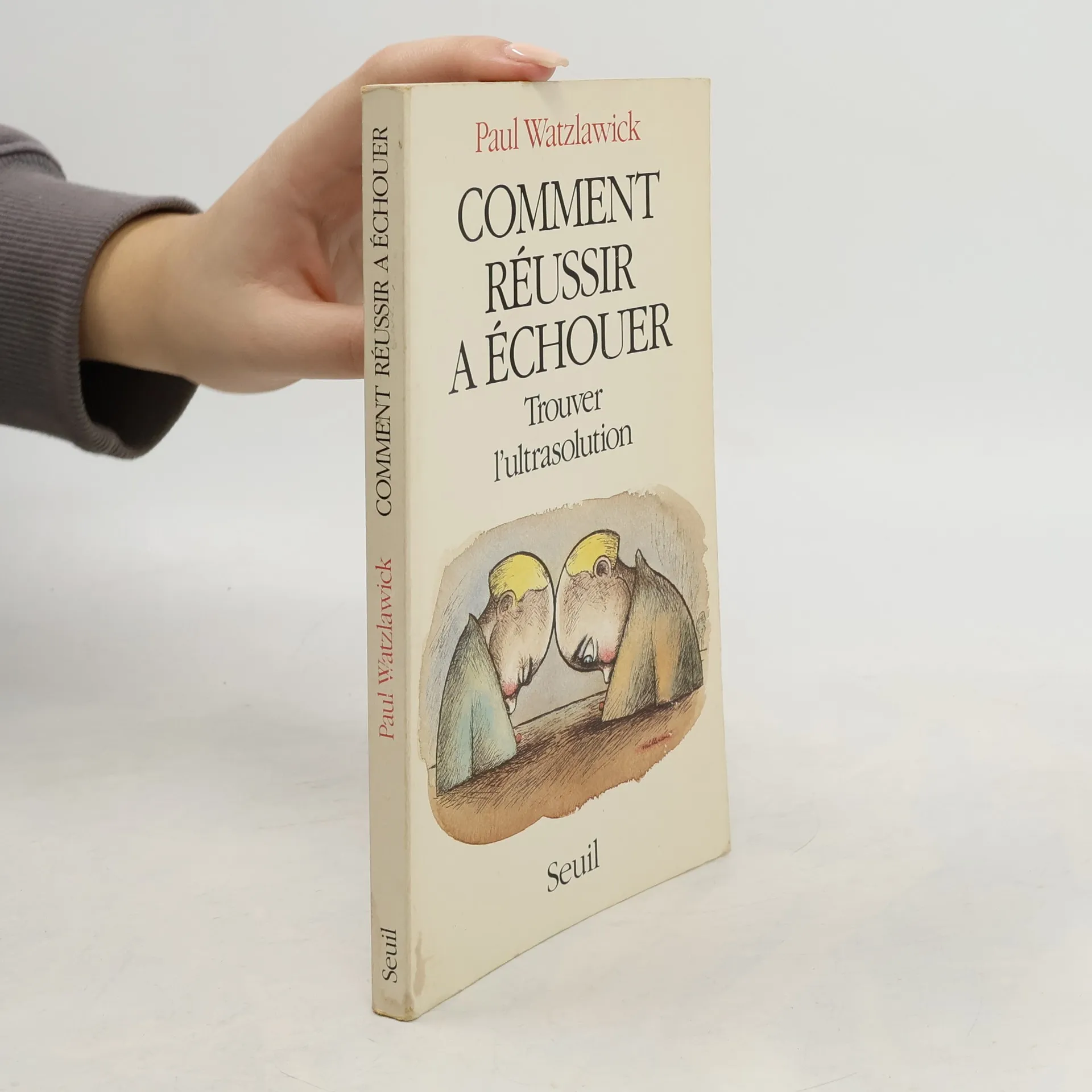
Ouvrage à caractère humoristique, de lecture pas très facile à cause des nombreuses allusions à la mythologie et à des oeuvres littéraires. "Ultrasolution" est le nom donné par l'auteur à l'utilisation d'une solution extrémiste ou à la persistance à utiliser une solution jusqu'à l'extrême. Le résultat est toujours l'échec. L'auteur présente treize cas oáu l'ultrasolution mène à l'échec.
Paul Watzlawick Livres
25 juillet 1921 – 31 mars 2007
Ce psychologue et philosophe était un théoricien de la théorie de la communication et du constructivisme radical. Ses idées ont influencé la thérapie familiale et la psychothérapie générale. Il fut l'une des figures les plus influentes du Mental Research Institute.

Si l'on admet que l'hémisphère gauche du cerveau est celui du découpage rationnel et analytique, le droit est celui de la saisie globale, " poétique ", figurative : c'est donc là que se constitue, pour un sujet, son image du monde, cette mosaïque qui s'élabore à partir de myriades d'expériences, de convictions, d'influences et d'interprétations. Or, selon Paul Watzlawick, tout changement thérapeutique est, en fait, un changement dans cette image. Quels sont les moyens concrets de ce changement ? C'est ce qui est examiné ici.
De la réalité chacun se fait son idée. Dans les discours scientifique et politique, nous renvoyons en dernière instance au référent suprême : le réel. Mais où est donc ce réel ? Et surtout, existe-t-il réellement ? "De toutes les illusions, la plus périlleuse consiste à penser qu'il n'existe qu'une seule réalité. En fait, ce qui existe, ce sont différentes versions de la réalité [...]". La réalité n'est, selon Paul Watzlawick, que la résultante des compromis, détours et aveuglements réciproques, à travers quoi passe l'information : la somme des confusions, désinformations et communications qui surgissent entre êtres parlants, et dont l'auteur donne un éventail d'illustrations aussi diverses qu'étonnantes.
Ce livre collectif marque une étape importante dans la réflextion de l'école dite de Palo Alto, car il élabore de façon rigoureuse et systématique l'épistémologie constructiviste sous-jacente à sa pratique thérapeutique
Bárki lehet boldogtalan, de különös erőfeszítést igényel, hogy tehetjük magunkat boldogtalanná. A szerző, a neves szociálpszichológus, elmeélről, hozzáértésről és humorérzékről tanúskodó munkájában a mindennapi viselkedést, magatartásmintákat elemzi. Ebben az „ellenlelkitanácsadó”-ban a neves pszichiáter lelki gubancaink, kommunikációs zavaraink Parkinson-törvényeit vagy Murphy-törvényeit fogalmazza meg, azzal a nem titkolt szándékkal, hogy a humor, az irónia ráébreszthet bennünket, miként tehetjük harmonikussá saját életünket.
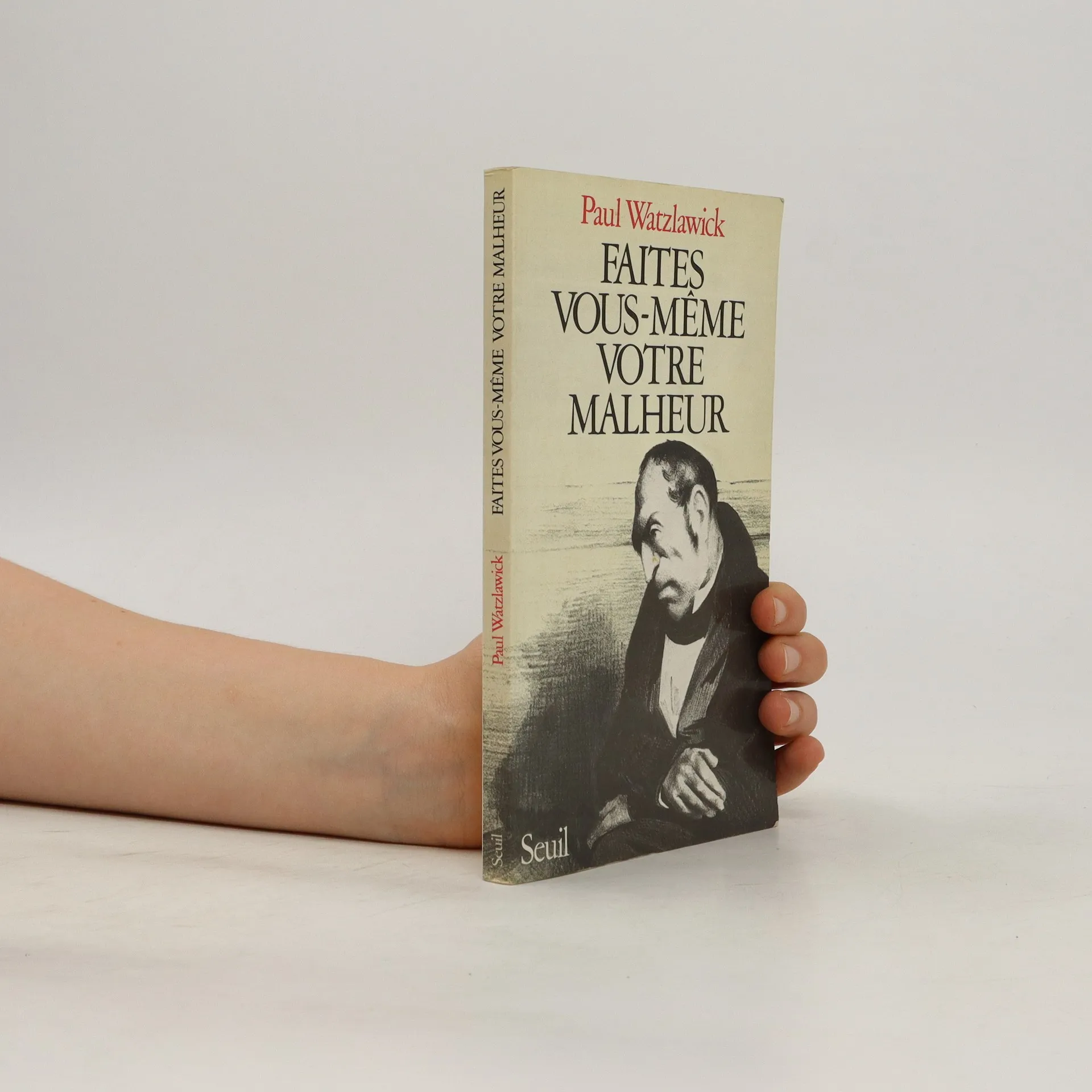
Paul Watzlawick remet en question l'idée que la quête du bonheur soit le but de l'existence humaine. Avec humour et ironie, il utilise des métaphores, des aphorismes et des anecdotes pour montrer comment rendre le quotidien insupportable et accorder une importance excessive à des événements triviaux. Son approche s'appuie sur la théorie de la communication de l'école de Palo-Alto, dont il a été l'un des contributeurs, axée sur l'étude des paradoxes et des perturbations dans la communication humaine. Alors que les librairies regorgent de guides sur la recherche du bonheur, Watzlawick propose un manuel pour cultiver son propre malheur. Une des méthodes consiste à glorifier des événements passés et à les comparer à un présent décevant. Si cela ne suffit pas, il reste la tendance à s'accrocher à d'anciennes solutions qui, bien qu'efficaces autrefois, ne conviennent plus aujourd'hui. Le livre évoque également de nombreuses sources de malheur dans le présent, telles que les conflits de voisinage ou les difficultés relationnelles. Considéré comme une parodie réussie de la littérature de développement personnel, il a rapidement connu un grand succès, dépassant le million d'exemplaires.
Change
- 200pages
- 7 heures de lecture
Why some problems persist while others are resolved.
Pragmatics of Human Communication
A Study of Interactional Patterns, Pathologies and Paradoxes
- 304pages
- 11 heures de lecture
Called “one of the best books ever about human communication,” and a perennial bestseller, Pragmatics of Human Communication has formed the foundation of much contemporary research into interpersonal communication, in addition to laying the groundwork for context-based approaches to psychotherapy. The authors present the simple but radical idea that problems in life often arise from issues of communication, rather than from deep psychological disorders, reinforcing their conceptual explorations with case studies and well-known literary examples. Written with humor and for a variety of readers, this book identifies simple properties and axioms of human communication and demonstrates how all communications are actually a function of their contexts. Topics covered in this wide-ranging book include: the origins of communication; the idea that all behavior is communication; meta-communication; the properties of an open system; the family as a system of communication; the nature of paradox in psychotherapy; existentialism and human communication.
Alle, die Paul Watzlawick persönlich erlebt haben, sind sich einig: Er war nicht nur ein begnadeter und erfolgreicher Autor, sondern auch ein witziger und brillanter Redner. So ist er neben seiner Ratgeberparodie Anleitung zum Unglücklichsein auch für seine Arbeiten, Vorlesungen und Interviews zum radikalen Konstruktivismus und nicht zuletzt für seinen Satz „Man kann nicht nicht kommunizieren“ bekannt. Die menschliche Kommunikation und deren Fallstricke waren Lebensthemen, denen er sich fundiert widmete. Zu seinem 100. Geburtstag in diesem Jahr veröffentlichen wir daher einen erstmals verschriftlichten Vortrag aus dem Jahre 1995, den er beim Europäischen Kongress für Hypnose und Hypnotherapie nach Milton H. Erickson in München gehalten hat. Watzlawick spickte ihn mit lebensnahen Begebenheiten und Fallbeispielen aus seiner therapeutischen Praxis, aber auch mit Aphorismen und witzigen Geschichten im Umgang mit anderen Menschen. Die direkte Aufdeckung scheinbar auswegloser Kommunikationsparadoxien macht Spaß, lässt schmunzeln und manch einer entdeckt sich (oder eine nahestehende Person) nur zu gut darin wieder.
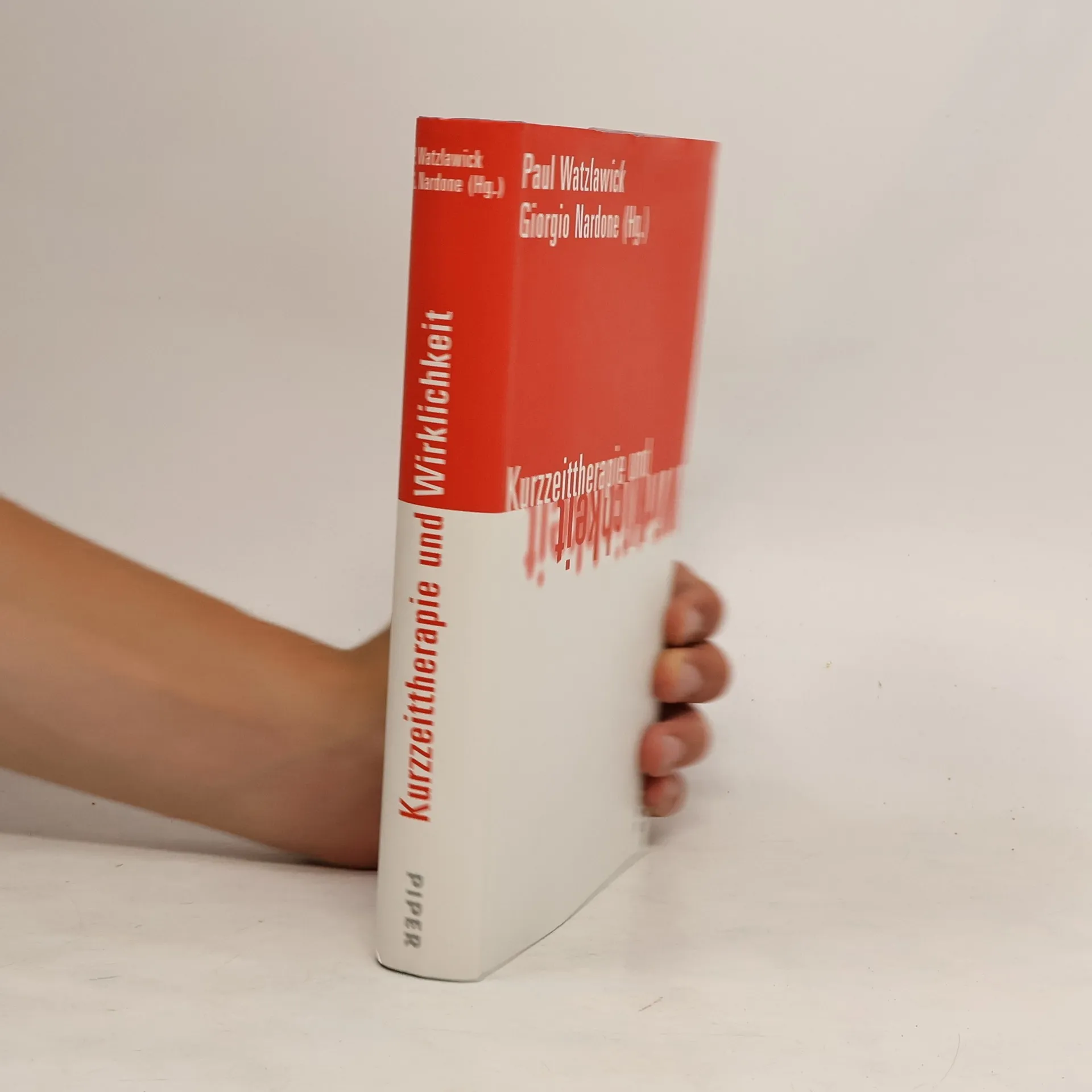
Kurzzeittherapie und Wirklichkeit
- 328pages
- 12 heures de lecture
Über Theorie und Praxis der Kurzzeittherapie geben die Herausgeber mit führenden Experten erstmals einen umfassenden Überblick. Es ist eine Einführung in die Kunst, komplizierte Probleme mit Hilfe einfacher Lösungen in kurzer Zeit zu bewältigen - basierend auf komplexen modernen Theorien
Das Auge des Betrachters
- 278pages
- 10 heures de lecture
Der Psychologe Paul Watzlawick und der Dokumentarfilmer Peter Krieg haben unter dem Motto „Das Auge des Betrachters“ Wissenschaftler von Rang eingeladen, den Einfluss des radikalen Konstruktivismus Heinz von Foersters nachzuzeichnen. Dabei entstand ein faszinierender Einblick in den Stand konstruktivistischen Denkens in Soziologie, Biologie, Literaturwissenschaft und Psychologie bis hin zum Journalismus. Die Beiträge erhellen die Fruchtbarkeit der konstruktivistischen Erkenntnistheorie und das Geheimnis ihres Erfolges.
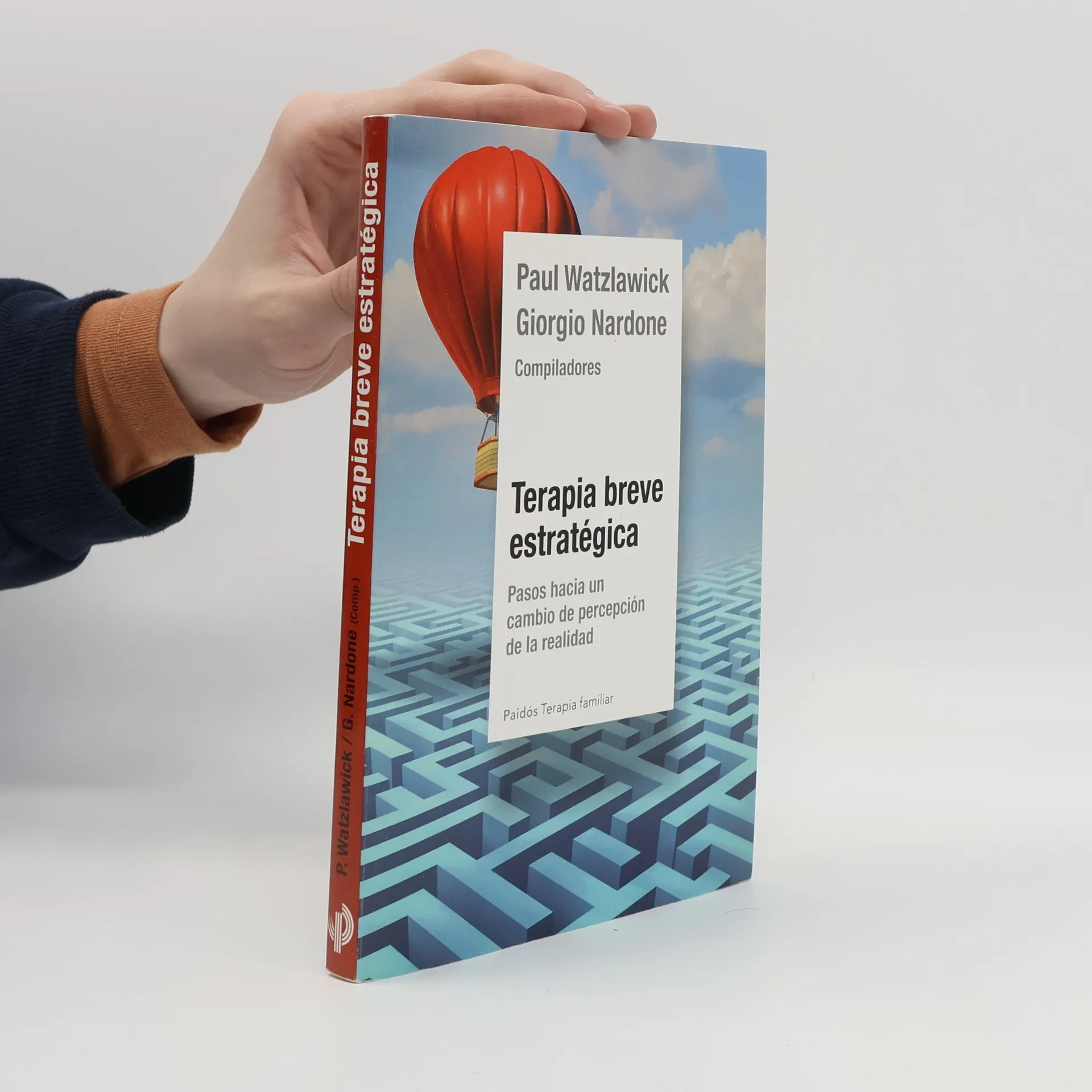
Terapia familiar: Terapia breve estratégica
Pasos hacia un cambio de percepción de la realidad
- 240pages
- 9 heures de lecture
En el ámbito de la psicoterapia, la aproximación estratégica demuestra cómo los sufrimientos y los problemas humanos, por complejos que sean y aunque persistan durante años, no tienen por qué requerir largas hospitalizaciones o soluciones complicadas. Los resultados obtenidos gracias a los tratamientos basados en intervenciones estratégicas demuestran que es posible resolver de forma efi caz y en muy poco tiempo la mayor parte de los problemas de orden psicológico.Este volumen incluye colaboraciones de relieve internacional y ofrece por primera vez un panorama completo de los aspectos teóricos y técnicos de la terapia breve estratégica. Algunos artículos son ya verdaderos clásicos de la terapia breve y de su filosofía. Otros son colaboraciones innovadoras que exponen los resultados de las más recientes investigaciones empírico-experimentales en el ámbito clínico.
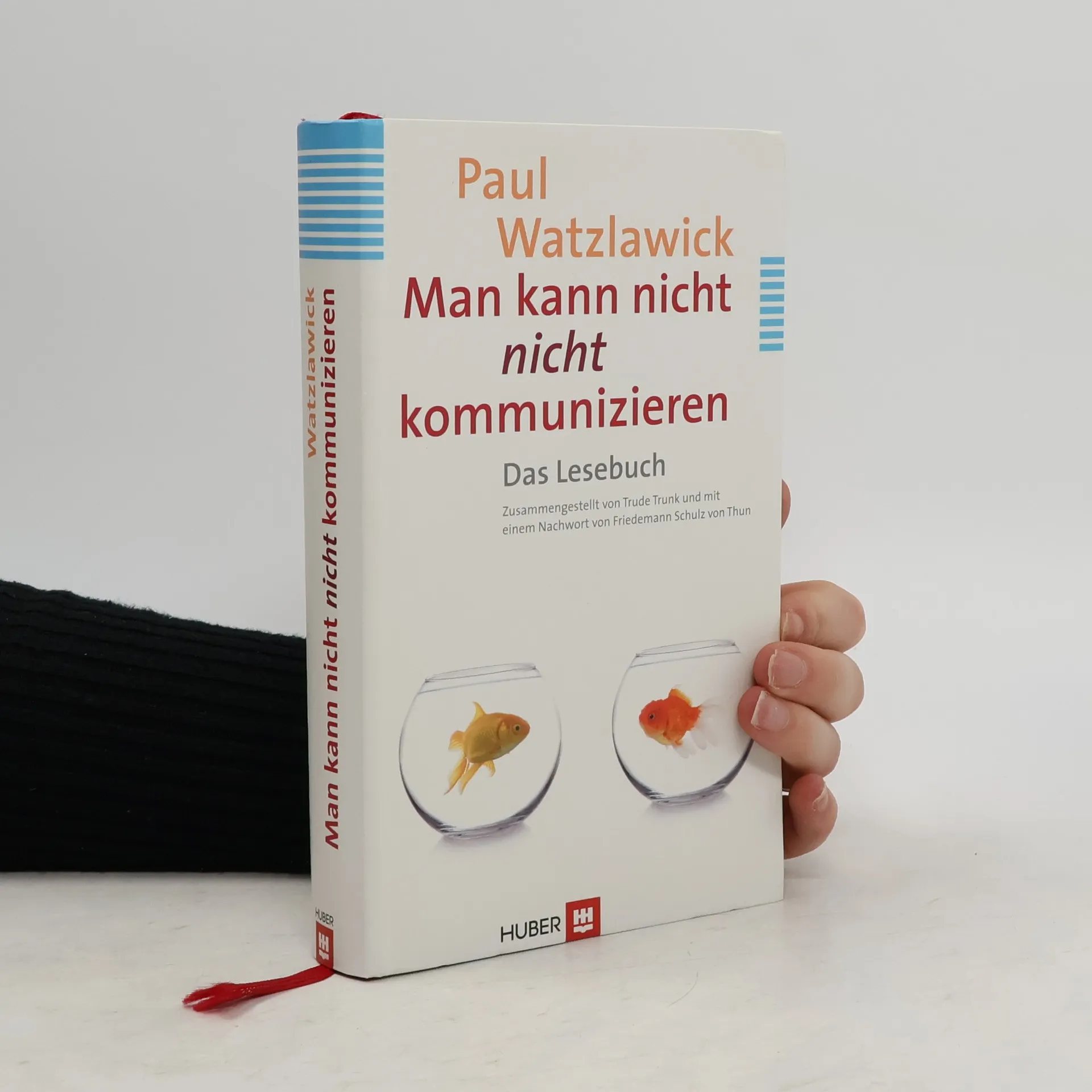
Man kann nicht nicht kommunizieren
- 374pages
- 14 heures de lecture
Man kann nicht nicht kommunizieren. Auch ohne Worte stehen wir jederzeit im Austausch mit unseren Mitmenschen - ob wir wollen oder nicht. Der Philosoph und Psychoanalytiker Paul Watzlawick hat mit seinen Axiomen und Theorien unser Verständnis über Kommunikation radikal und nachhaltig verändert. Auf unerreichte Weise verbindet Watzlawick dabei die Vermittlung wissenschaftlicher Erkenntnisse mit einem großen schriftstellerischen Talent. Viele seiner beispielhaften Geschichten sind ebenso ins kollektive Bewusstein übergegangen wie jener Satz über die Unmöglichkeit des Nichtkommunizierens. Das Watzlawick-Lesebuch mit den besten Ansichten und Einsichten des radikalen Konstruktivisten und Kommunikationsphilosophen, ergänzt durch ein Nachwort von Friedemann Schulz von Thun sowie durch ein ausführliches Gespräch mit dem Meister, geführt von Bernhard Pörksen.
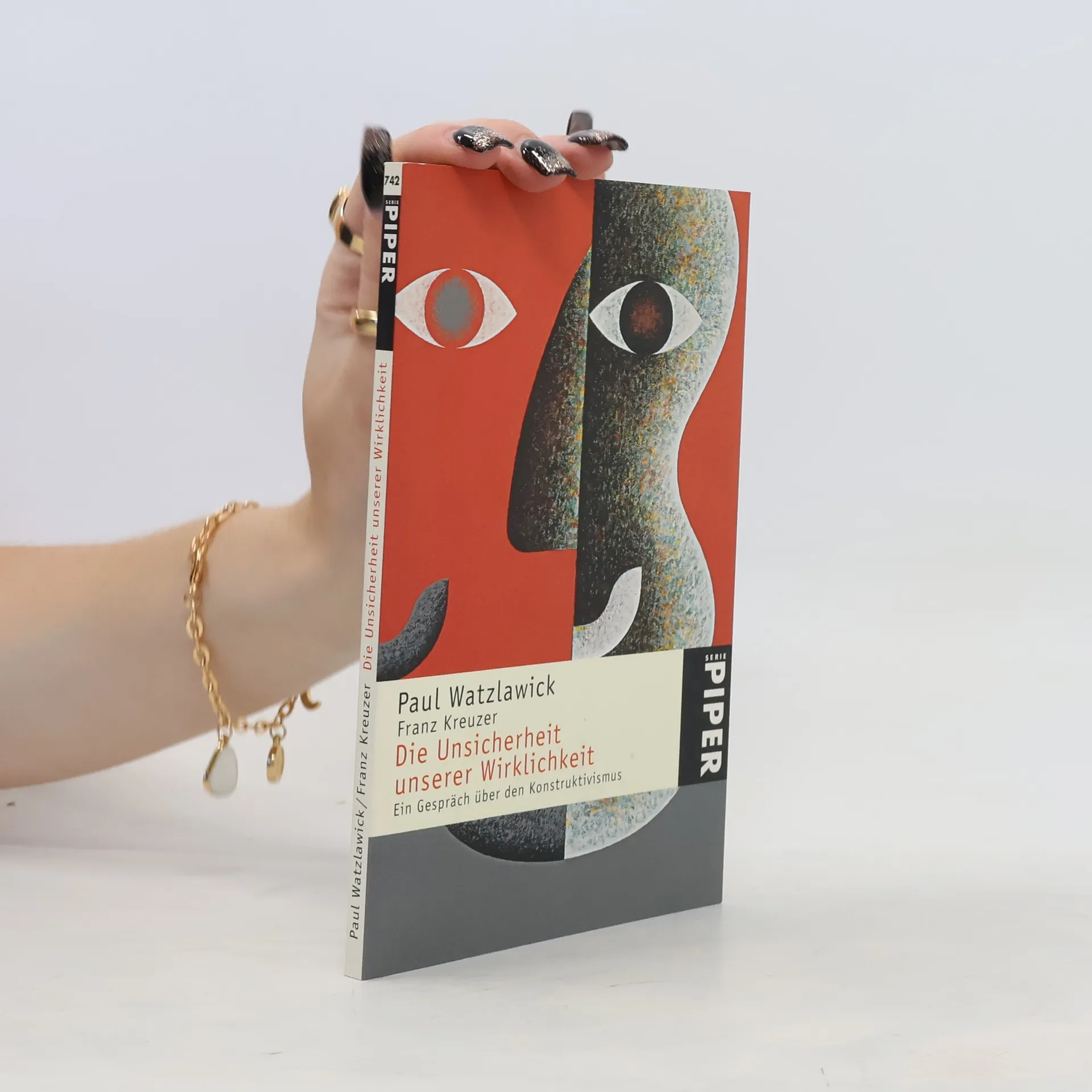
Paul Watzlawick erklärt im Gespräch mit Franz Kreuzer humorvoll die Thesen des Konstruktivismus, wonach Wirklichkeit eine subjektive Konstruktion ist. Er fordert den Leser auf, verantwortungsvoll mit seiner persönlichen Freiheit umzugehen, ähnlich wie in seiner "Anleitung zum Unglücklichsein".
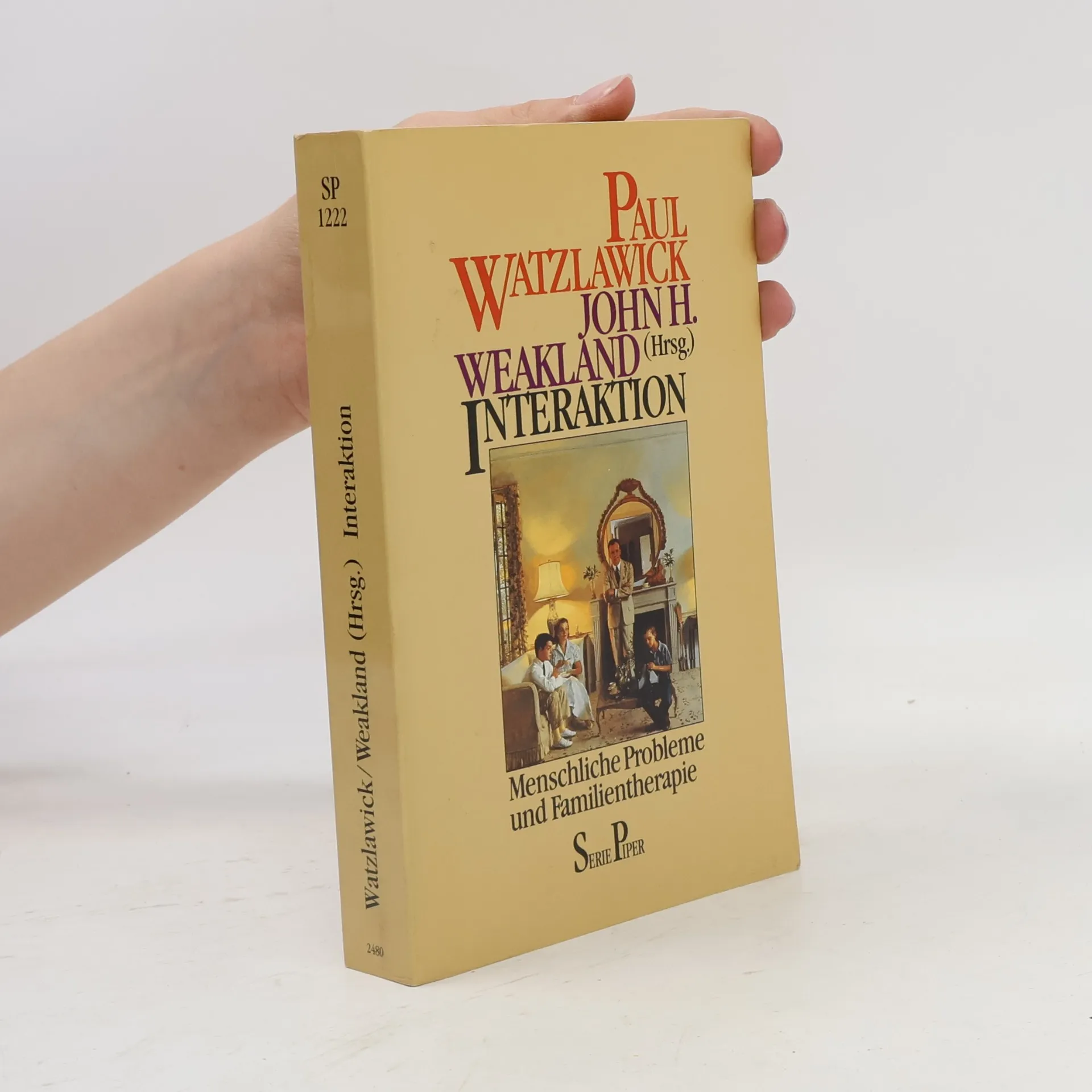
Interaktion
- 526pages
- 19 heures de lecture
Das Buch ist in sechs Abschnitte gegliedert: Theorie (beinhaltet Artikel zur Familien- und menschlichen Kommunikationsforschung); Forschung (Berichte über Forschungsprojekte); Training (Einsatz von Videomaterial, Ausbildung von Laien); Normalität, Neurose und Psychose; Veränderung (der therapeutische Prozess); und Familienmedizin (der Einfluss somatischer Erkrankungen auf die Interaktion in der Familie). Im Laufe der Jahre hat das MRI Familientherapie nicht als neue, zusätzliche Behandlungsmethode betrachtet, sondern erstens als neue Art, menschliche Probleme zu konzipieren, und zweitens als einen anderen therapeutischen Ansatz, der auf dieser Konzeption basiert. Diese Form der Therapie betrachtet nicht, warum etwas passiert (was in der Vergangenheit eines Individuums ein emotionales Problem verursacht), sondern was gerade passiert (was im Moment zwischen den Individuen geschieht; gibt es ein Interaktionsmuster und was sind die versuchten Lösungen). Dies ist der gemeinsame Nenner der in diesem Band zusammengefassten Arbeiten, da diese Perspektive und das daraus resultierende Verfahren die Grundlage der meisten Arbeiten am MRI bilden.
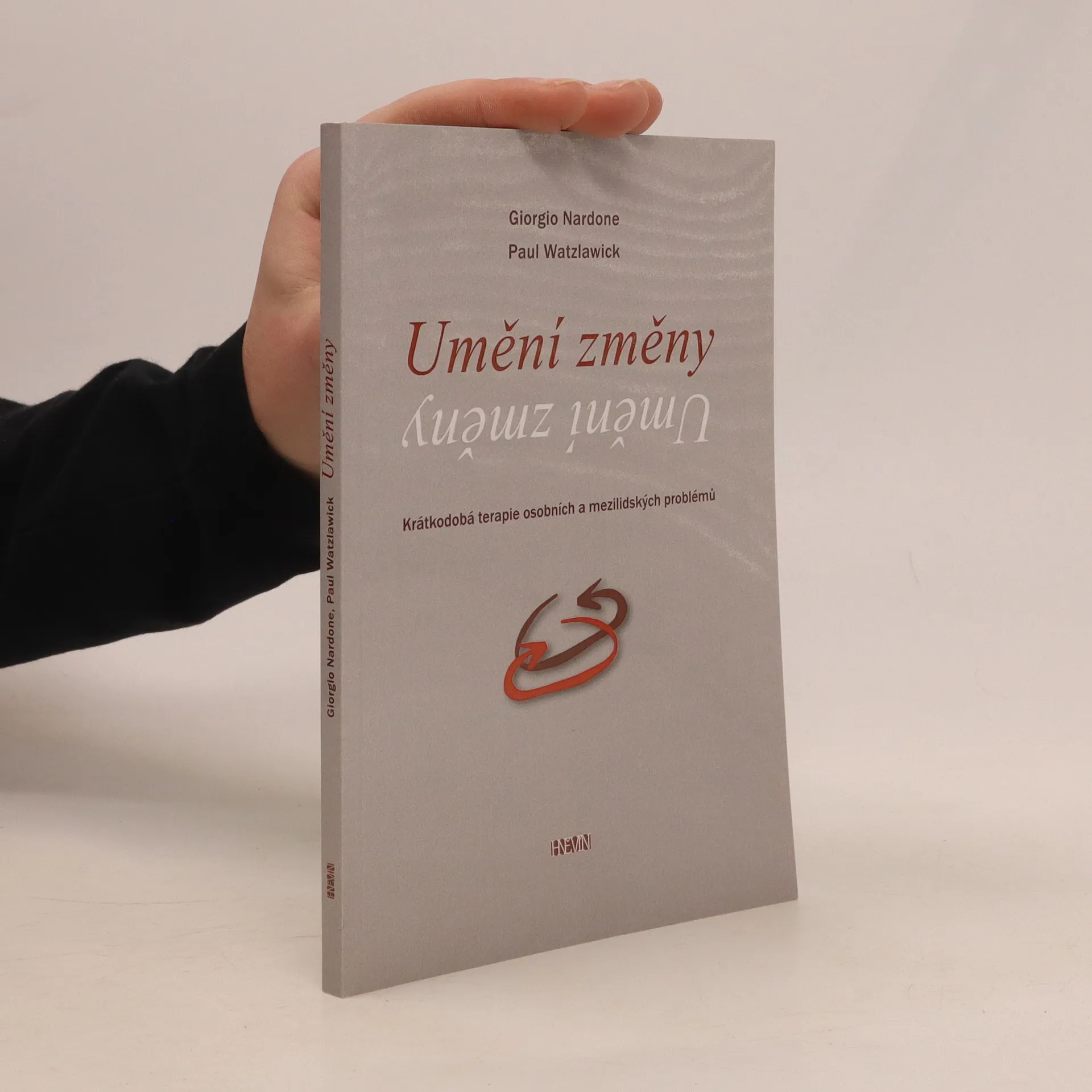
Umění změny
- 133pages
- 5 heures de lecture
První knížka o krátkodobé strategické psychoterapii, která je výsledkem společné práce Giorgia Nardona – známého terapeuta a italského badatele v oblasti krátkodobé strategické terapie – a Paula Watzlawicka – jednoho z nejvýznamnějších a světově nejznámějších badatelů v oblasti komunikace a psychoterapie. Kniha představuje systematickou formou model krátkodobé strategické terapie a strategický problem solving, který našel široké pole uplatnění jak v psychologii, tak v jiných kontextech, například v managementu, pedagogice a společenských vědách.
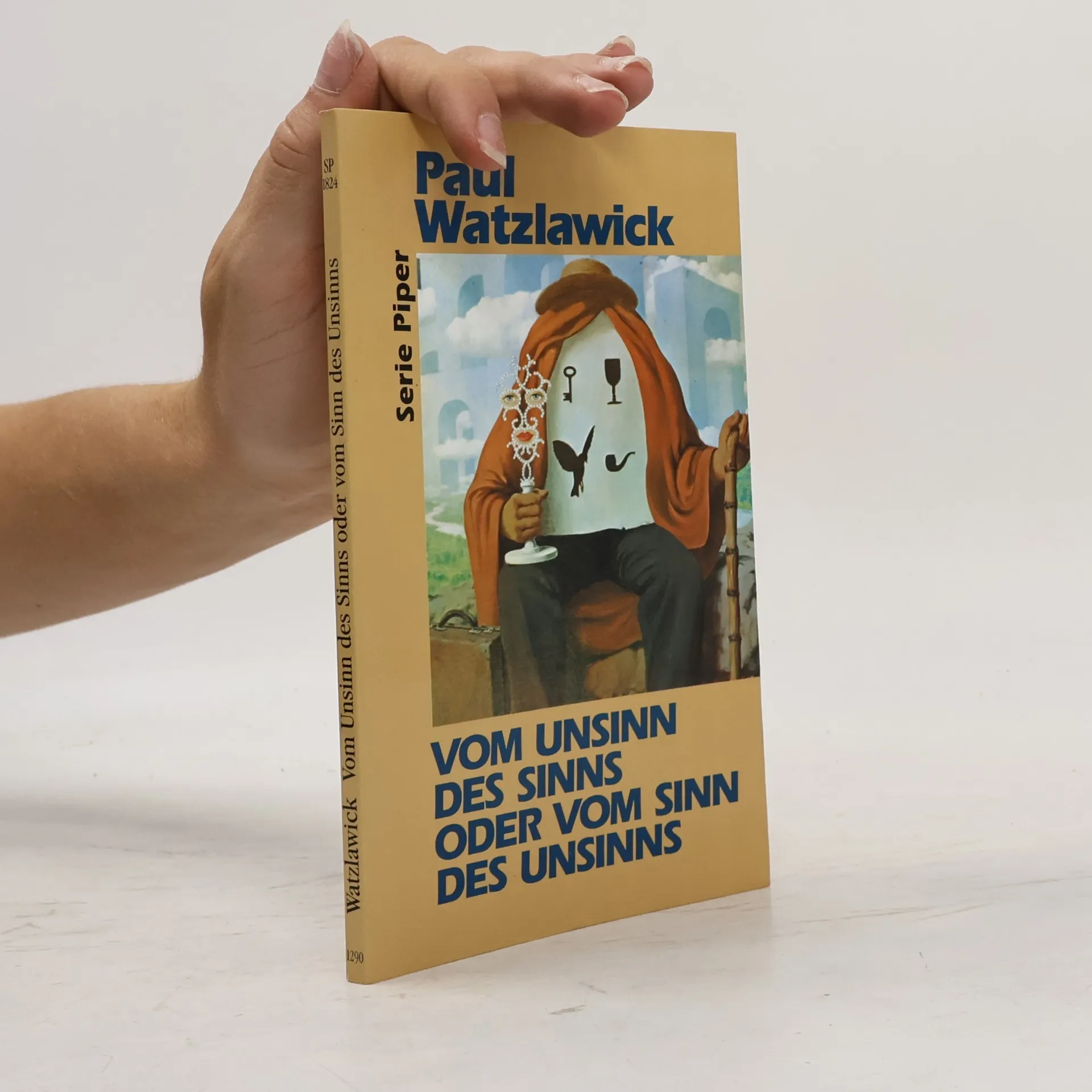
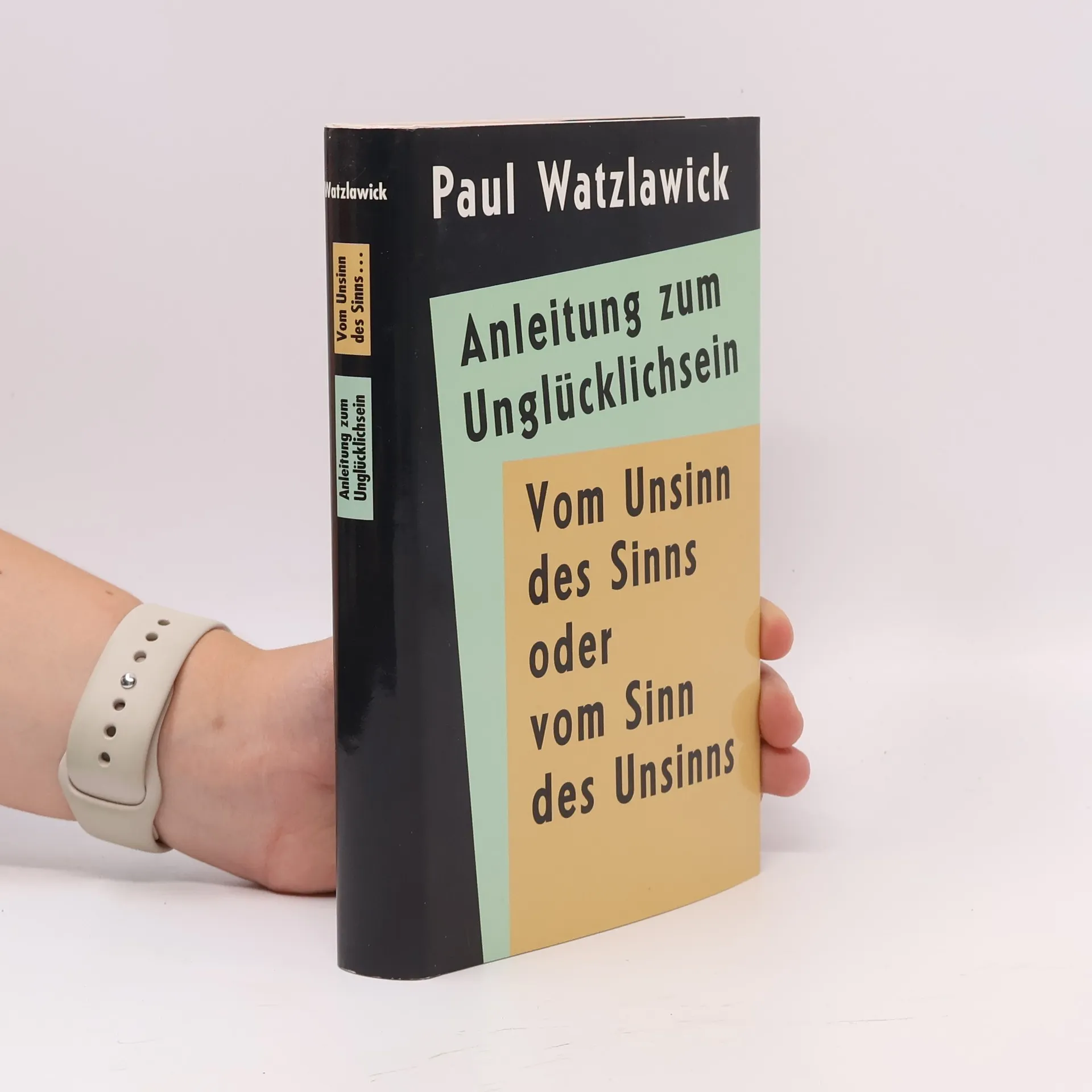
Vom Unsinn des Sinns oder vom Sinn des Unsinns
- 84pages
- 3 heures de lecture
der Text basiert auf zwei aufeinander bezugnehmenden Vorträgen im Wiener Rathaus, am 17. Mai 1989 und am 5. November 1991
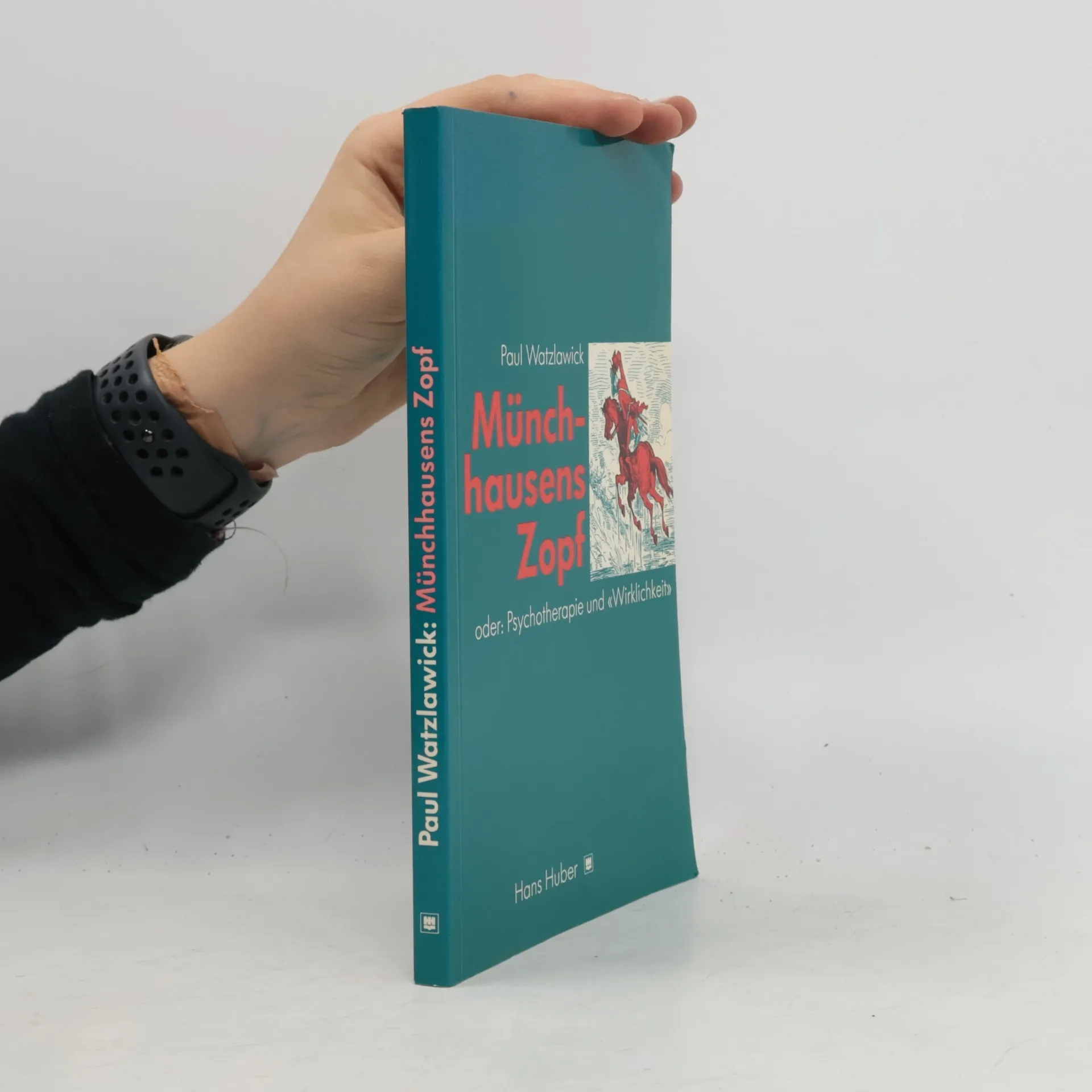
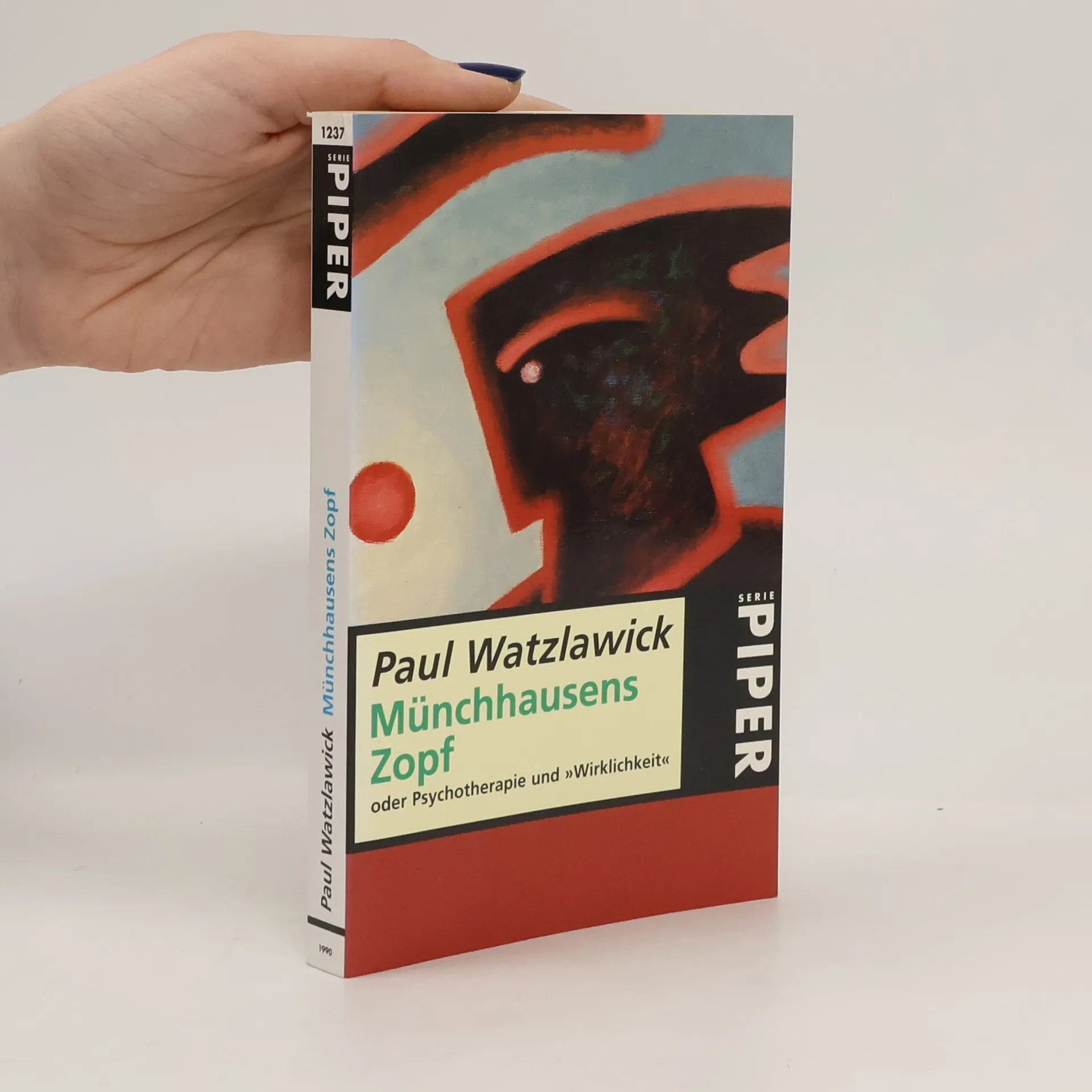
Münchhausens Zopf oder Psychotherapie und "Wirklichkeit"
- 208pages
- 8 heures de lecture
Aufsätze und Vorträge über menschliche Probleme in systemisch konstruktivistischer Sicht
Die Unsicherheit unserer Wirklichkeit
- 76pages
- 3 heures de lecture
Questa summa del pensiero di Paul Watzlawick è la sua ultima e preziosa eredità, destinata a chi conosce il suo approccio alla soluzione dei problemi umani e anche a tutti quegli "spiriti liberi" che semplicemente cercano di migliorare la propria vita. Controcorrente e anticonformista, tra i fondatori della Scuola di Palo Alto è stato una delle figure più importanti della psicologia e della psicoterapia contemporanea e uno dei pochi autori in grado di parlare di tematiche complesse in modo semplice e lineare. Di più, spesso l'esposizione è ironica e graffiante e quindi funzionale allo scopo ultimo: cambiare l'immagine del mondo che produce dolore nel paziente. Le teorie della pragmatica della comunicazione, le strategie della terapia breve (problem solving, prospettiva interazionale, psicoterapia del "come se") e la scelta del costruttivismo radicale tendono proprio a questo. Tutto ciò che appare immodificabile può essere cambiato. Ma la svolta non origina da un percorso di introspezione che scopra le cause di un problema nel passato. Si tratta piuttosto di lavorare sui disturbi nel presente utilizzando il linguaggio come mezzo di suggestione e persuasione al cambiamento. Sfruttando le enormi potenzialità della comunicazione umana è possibile dare fiducia a chi è in difficoltà. Una volta abolite le etichette che condannano per sempre un paziente alla sua malattia sarà possibile costruire una realtà migliore.
Als Psychotherapeut und Konstruktivist ist Paul Watzlawick weltberühmt, seine »Anleitung zum Unglücklichsein« ist Kult. Ob es um Glück, Liebe, schwierige Beziehungen zwischen Menschen, die wirkliche Wirklichkeit oder die Mentalität der Amerikaner geht: Es lohnt immer, Watzlawicks Denken kennenzulernen. Dieses Buch bietet seine wichtigsten und unterhaltsamsten Texte.
La ricerca di soluzioni radicali e definitive, seppure nata con le migliori intenzioni, è alla fine un modo di affrontare i problemi che ha inevitabilmente effetti controproducenti. C'è in questo approccio alla vita qualcosa di eccessivo, che può rasentare il fanatismo. "Di bene in peggio" mette in guardia gli adolescenti come gli anziani, i sadici come i masochisti, da questa estrema ed erronea ricerca di totalità, e dall'intransigenza dell'alternativa radicale, del tertium non datur. Suggerisce la saggezza dell'adesione alla concretezza del presente e dei piccoli passi, e tuttavia, con il suo gusto ironico e paradossale, non manca di ricordare che anche tale condizione di saggezza può celare in sé il virus di un nuovo fanatismo: può trattarsi di un'altra ipersoluzione, quella del "giusto mezzo."
Nehmen Sie nie, wirklich nie die Hand aus der Hosentasche. Allenfalls zur Begrüßung. Rechnen Sie damit, sowohl von links als auch von rechts überholt zu werden. Denken Sie bei Verabredungen stets daran, auf das »a.m.« oder »p.m.« zu achten. Vergessen Sie bloß Ihre Kreditkarte nicht. Seien Sie überhaupt kreditwürdig! Drehen Sie immer die Heizung auf volle Pulle, und schalten Sie gleichzeitig die Klimaanlage ein. Üben Sie buchstabieren. Machen Sie sich mit Yards, Zoll und Feet vertraut. Fragen Sie keinesfalls nach dem Klo – ein Amerikaner geht höchstens mal »to the bath-room«. Seien Sie auch sonst auf einige Tabus gefasst. Und vertrauen Sie blind Paul Watzlawicks Anleitung, die uns Amerika seit 30 Jahren unvergleichlich nahebringt.
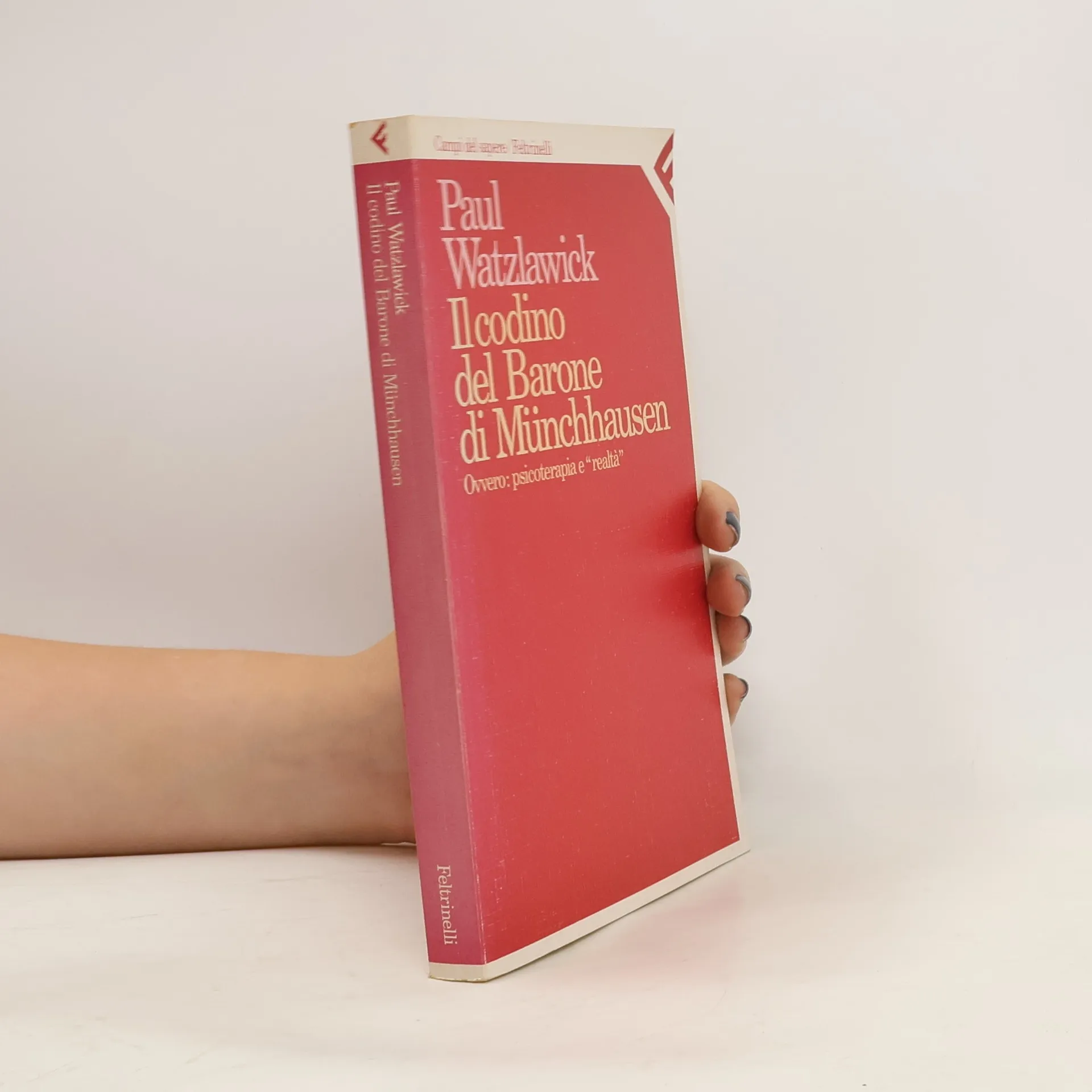
Il codino del barone di Münchhausen
- 224pages
- 8 heures de lecture
Evolutionäres Management
Antworten auf die Management- und Führungsherausforderungen im 21. Jahrhundert. Mit Beiträgen u.a. von Humberto Maturana, Peter Senge, Paul Watzlawick und Meg Wheatley
- 368pages
- 13 heures de lecture
Die Möglichkeit des Andersseins
Zur Technik der therapeutischen Kommunikation
- 131pages
- 5 heures de lecture
Alpha-boek: Therapie, communicatie en verandering
Over dubbele binding, schizofrenie en gezinsrelaties
- 308pages
- 11 heures de lecture