Bookbot

Terry P. Pinkard

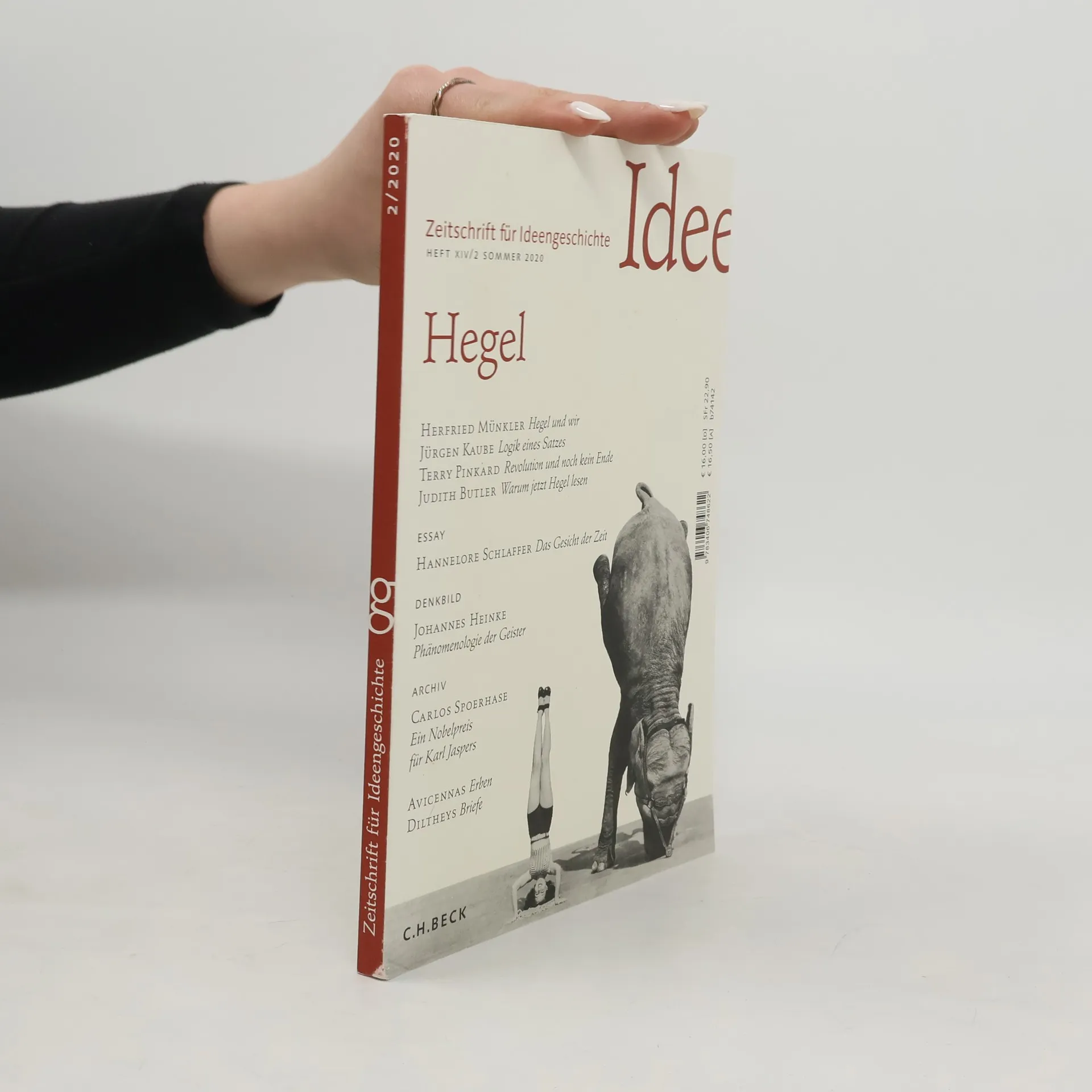
    Zeitschrift für Ideengeschichte Heft XIV/2 Sommer 2020
    Hegel's Phenomenology of Spirit
    Practice, Power, and Forms of Life
    • "In Practice, Power, and Forms of Life, philosopher Terry Pinkard interprets Sartre's late work as a fundamental reworking of his earlier work, especially in terms of his understanding of the possibility of communal action as genuinely free, which the French philosopher had previously argued was impossible. Pinkard shows how Sartre figured in contemporary debates about the use of the first-person and how this informed his theory of action. Pinkard reveals how Sartre was led back to Hegel, which itself was spurred on by his newfound interest in Marxism in the 1950s. Pinkard also argues that Sartre took up Heidegger's critique of existentialism, developing a new post-Marxist theory of the way actors exhibit the class relations of their form of life in their actions, and showing how genuine freedom is present only in certain types of "we" relationships. Pinkard argues that Sartre constructed a novel position on freedom that has yet to be adequately taken up and thought through in philosophy and political theory. Through Sartre, Pinkard advances an argument that contributes to the history of philosophy as well as contemporary and future debates on action and freedom"--

      Practice, Power, and Forms of Life
      4,0
    • Pinkard here provides a much-needed guide to Hegel's notoriously difficult text Phenomenology of Spirit. He walks a reader unfamiliar with Hegel's style through this canonical text paragraph-by-paragraph using accessible and approachable language. The Guide is intended for both students and instructors unfamiliar with the text.

      Hegel's Phenomenology of Spirit
    • Die "Zeitschrift für Ideengeschichte" fragt nach der veränderlichen Natur von Ideen, seien sie philosophischer, religiöser, politischer oder literarischer Art. Herausragende Fachleute aus allen Geisteswissenschaften gehen in originalbeiträgen der Entstehung, den zahlreichen Metamorphosen, aber auch dem Altern von Ideen nach. Dabei erweist sich manch scheinbar neue Idee als alter Hut. Und umgekehrt gilt es, in Vergessenheit geratene Ideen neu zu entdecken. Die "Zeitschrift für Ideengeschichte" wird von den großen deutschen Forschungsbibliotheken und Archiven in Marbach und Wolfenbüttel, der Klassik Stiftung Weimar, der Stiftung Preußischer Kulturbesitz sowie dem Wissenschaftskolleg zu Berlin gemeinsam getragen. Mögen die Quellen der Zeitschrift im Archiv liegen, so ist ihr intellektueller Zielpunkt die Gegenwart. Sie beschreitet Wege der Überlieferung, um in der Jetztzeit anzukommen; sie stellt Fragen an das Archiv, die uns als Zeitgenossen des 21. Jahrhunderts beschäftigen.

      Zeitschrift für Ideengeschichte Heft XIV/2 Sommer 2020