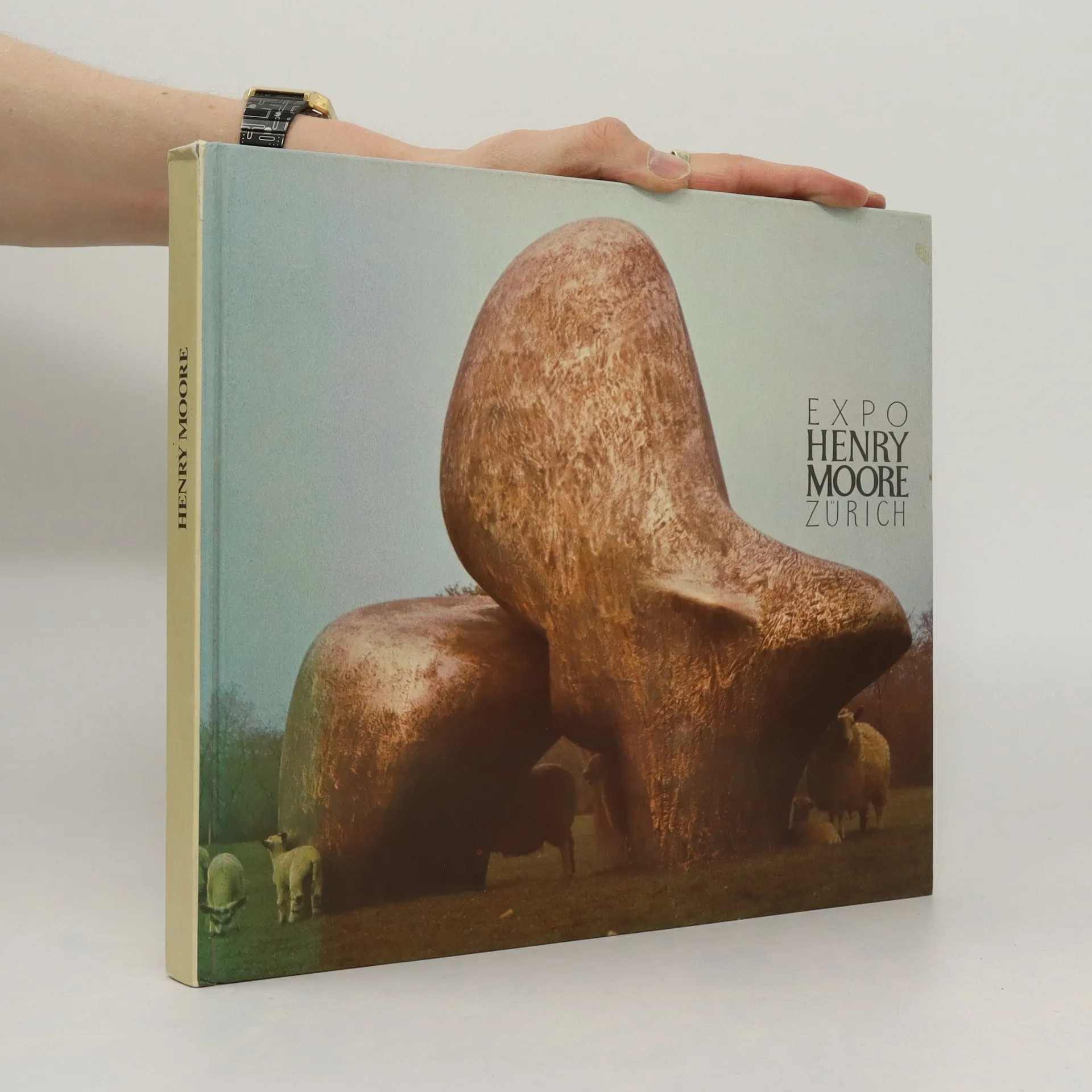
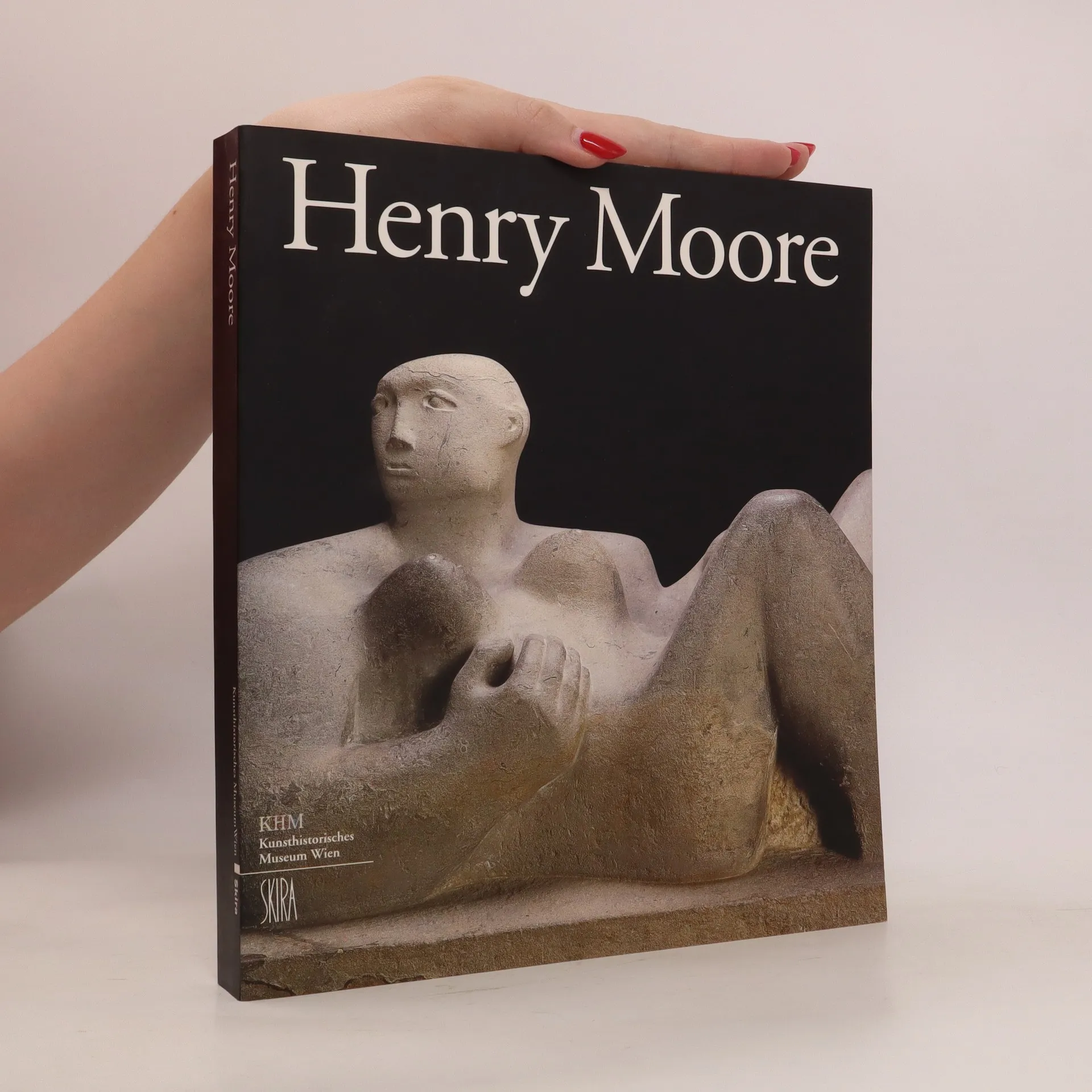
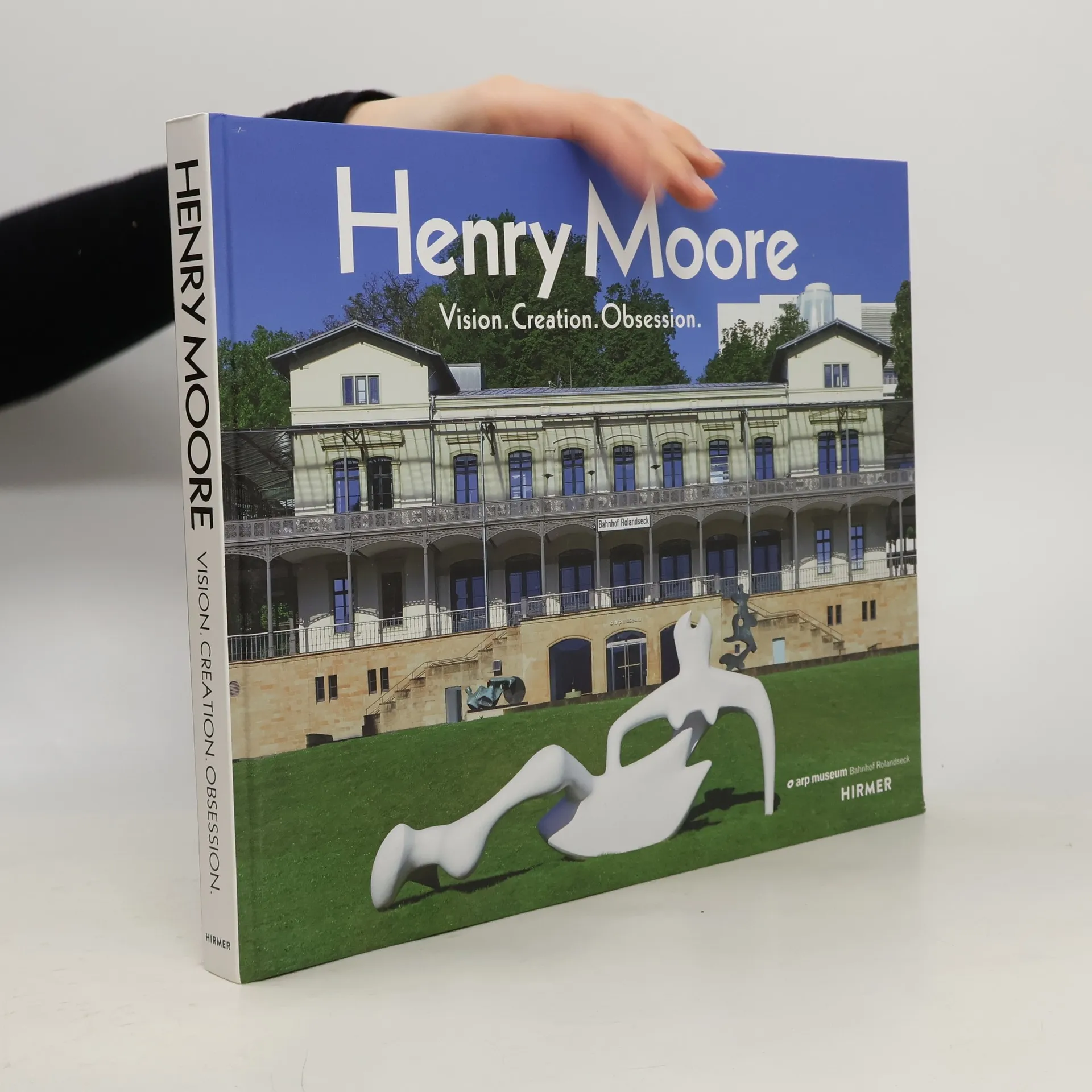
Henry Moore Livres
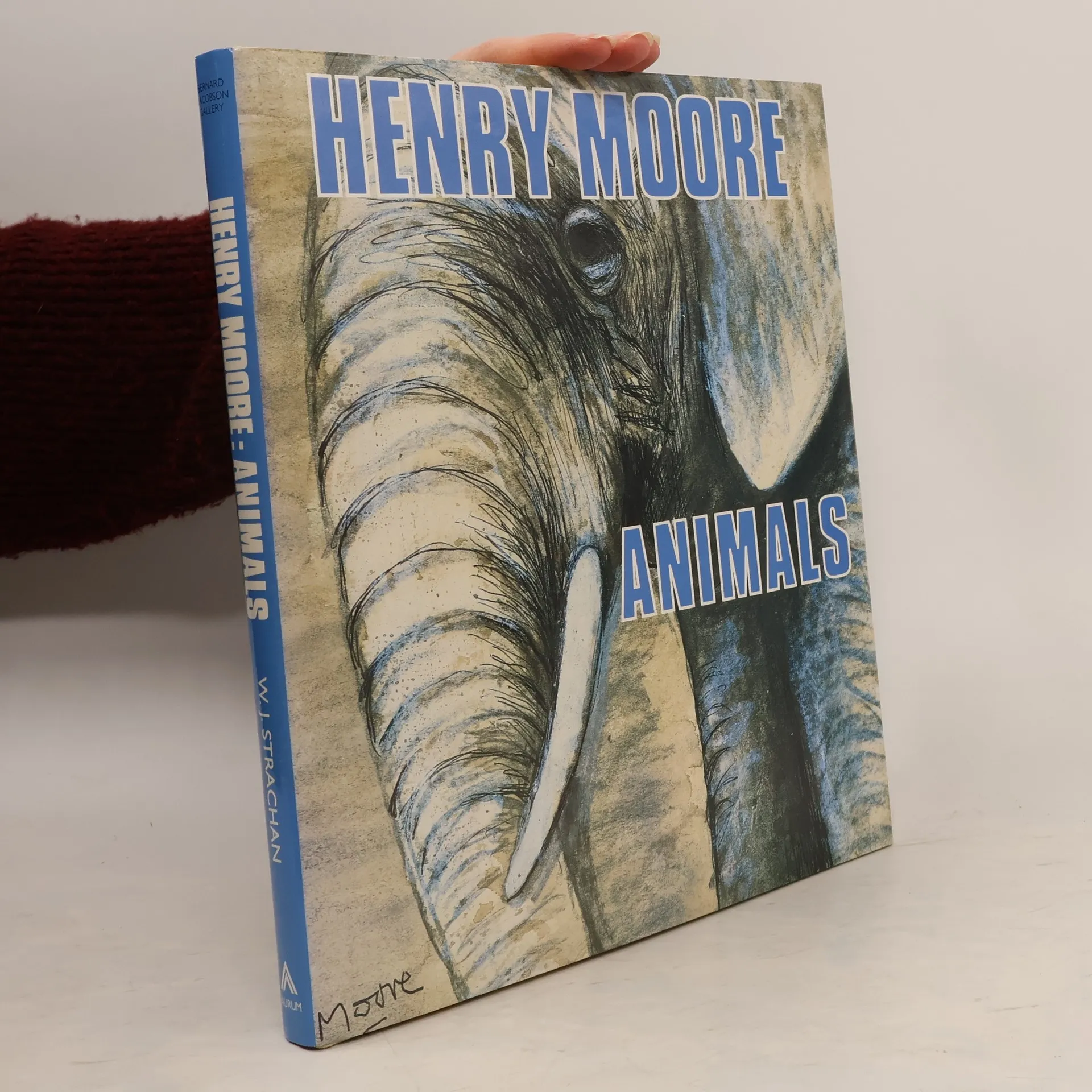
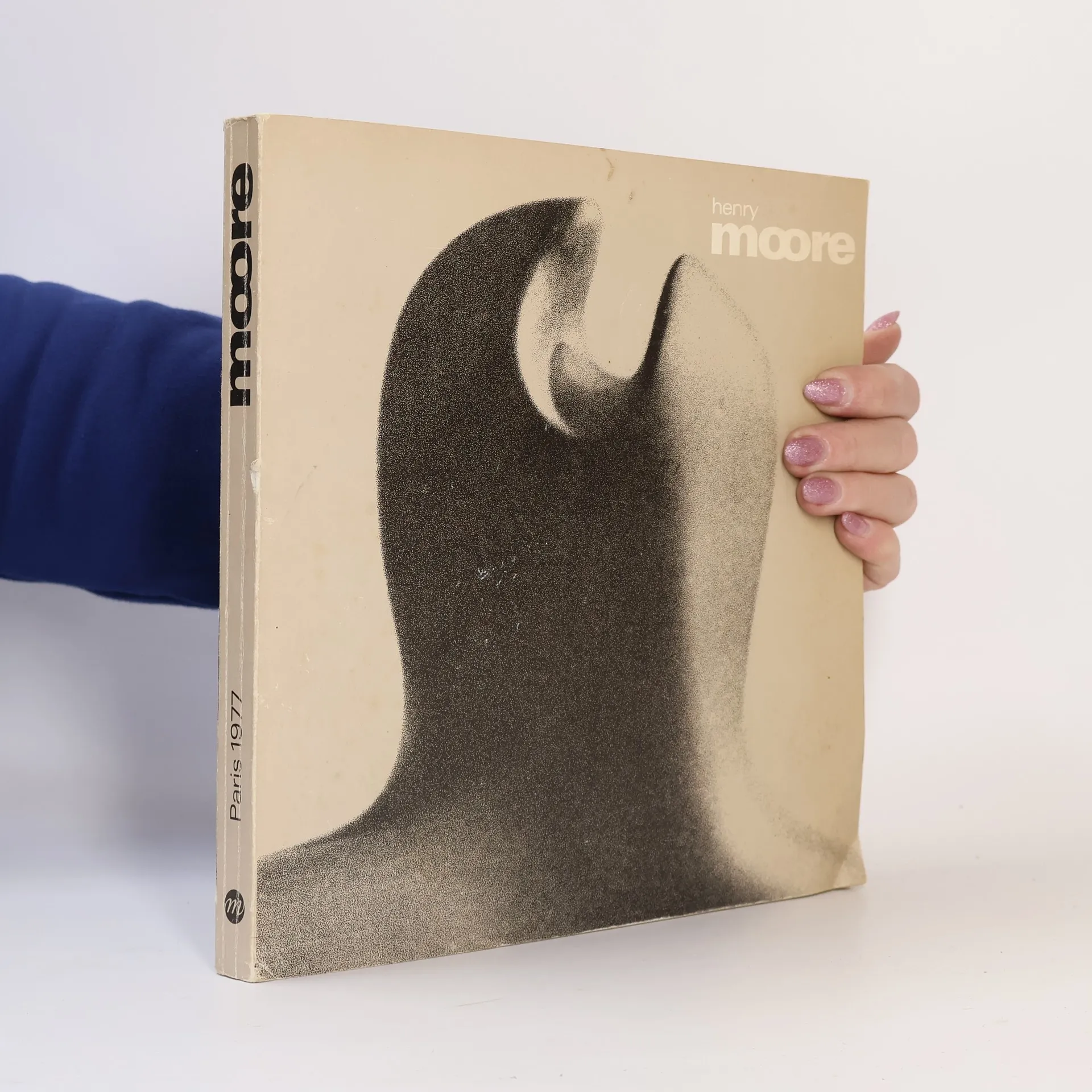

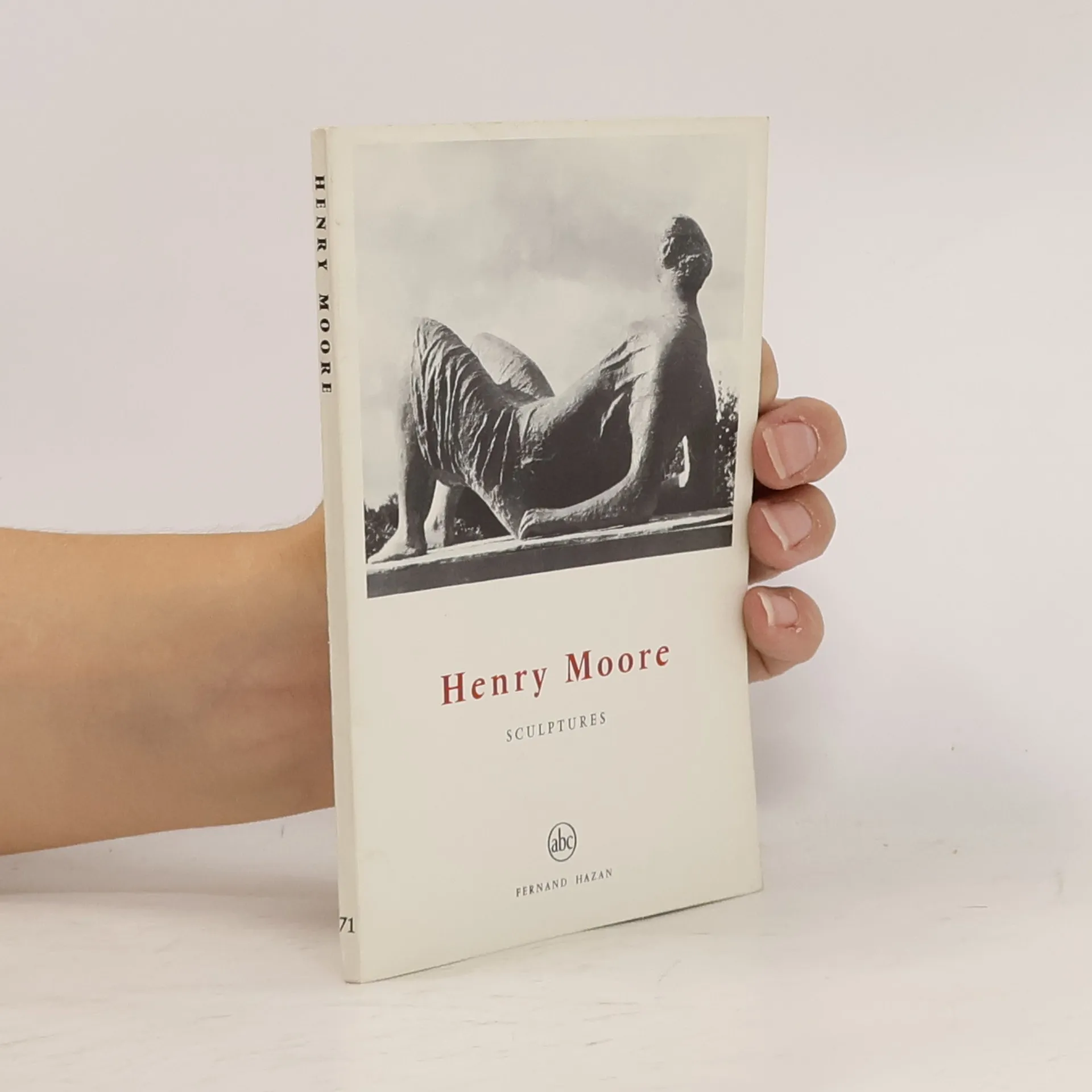
Découvrons l'art du XXe siècle. Moore, 1898-1986
- 63pages
- 3 heures de lecture
Présente les oeuvres du sculpteur Henry Moore.
Henry Moore
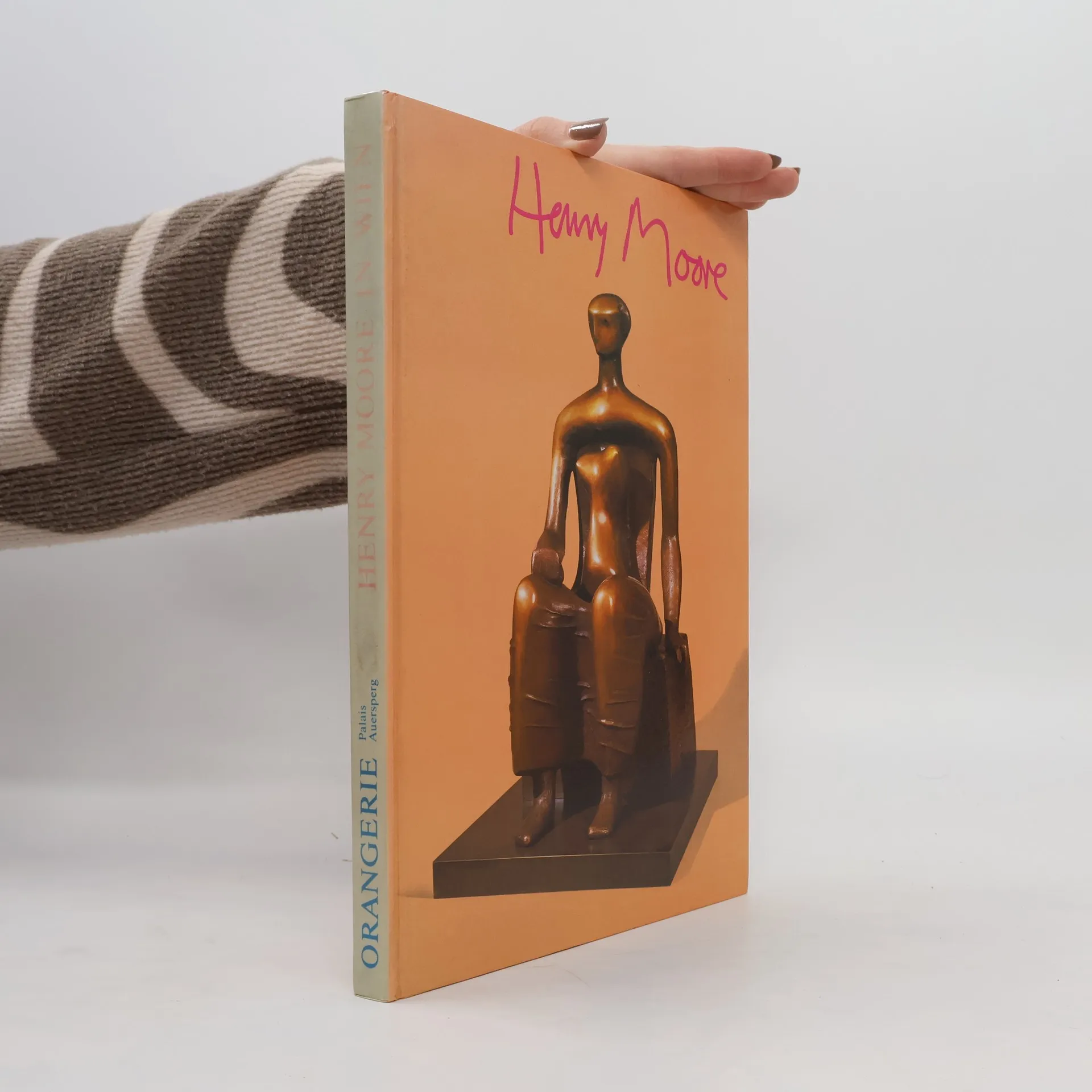
sculptures et dessins; [catalogue d'une exposition à l'] Orangerie des Tuileries, 6 mai-29 août, 1977.
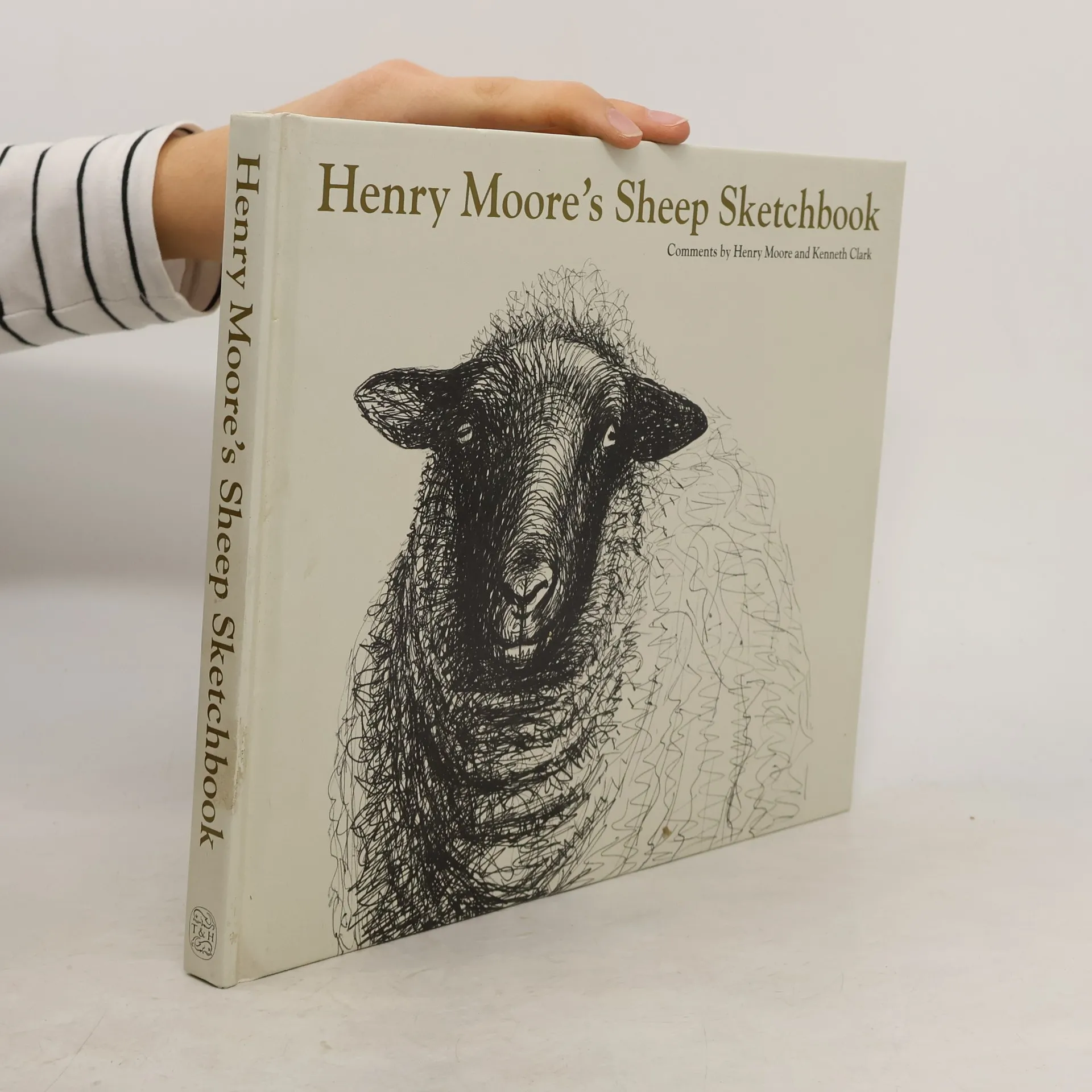
German
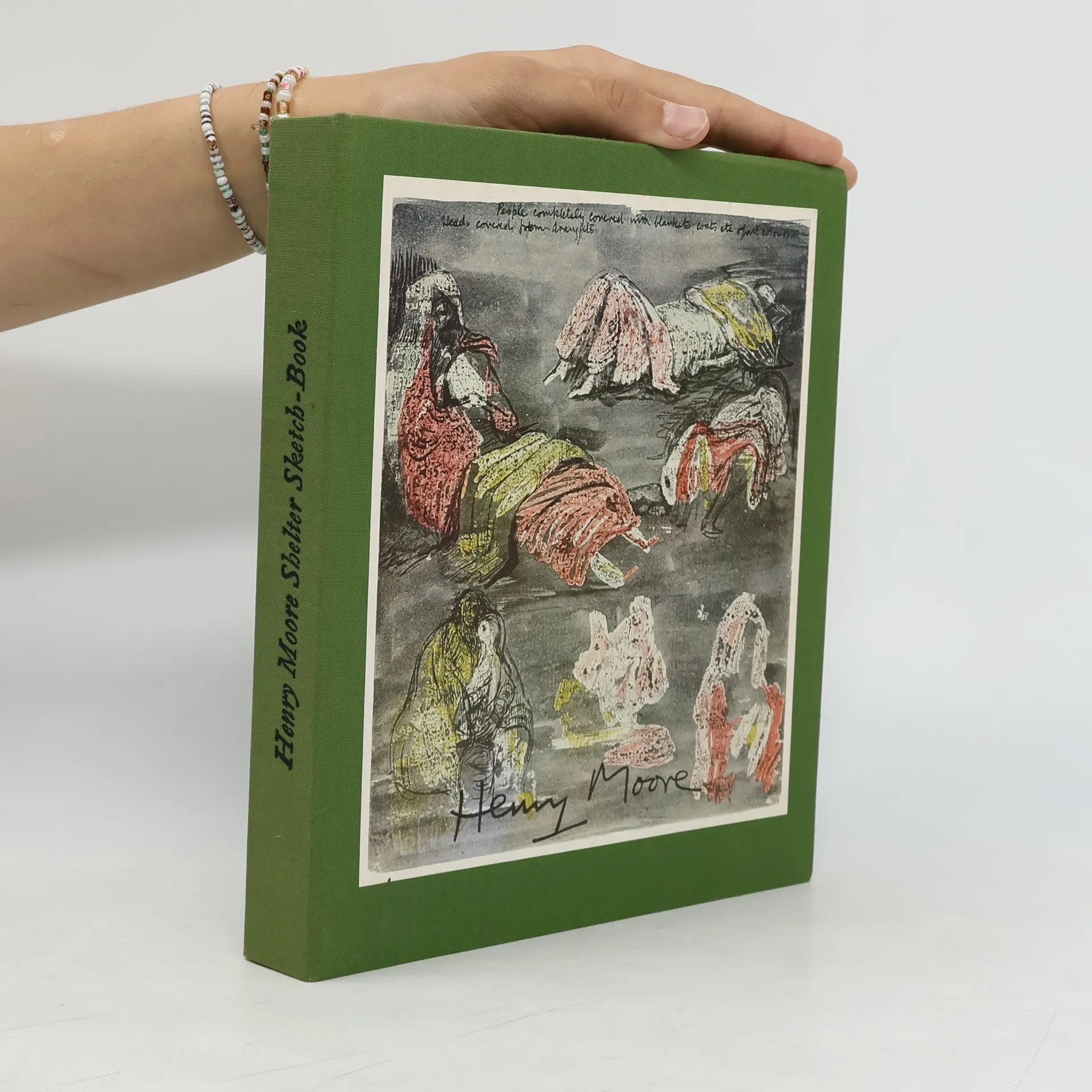
In 1972, when the packing and crating for a major exhibition made it impossible for him to work in his sculpture studios, Henry Moore retreated to a small studio that looks out on a sheep meadow. Over the course of several months, as sheep were suckled and sheared, Moore produced this delightful flock of sketches and drawings. Sheep are as much a commonplace of the English countryside as hedgerows, but Moore looked at them afresh. Here are ewes nurturing their lambs, lambs playing in the meadow, and the swollen stateliness of sheep with full coats of wool. Many of the sketches evoke themes that are important in all Moore's work. The depiction of a ewe and lamb, for instance, suggests the mother-and-child theme often evoked in Moore's sculpture by a large form sheltering a smaller one. Henry Moore presented the sketchbook to his daughter, Mary. In this facsimile edition, first created under Moore's personal supervision, Mary's little lambs will charm anyone who sees these tender, vigorous drawings.
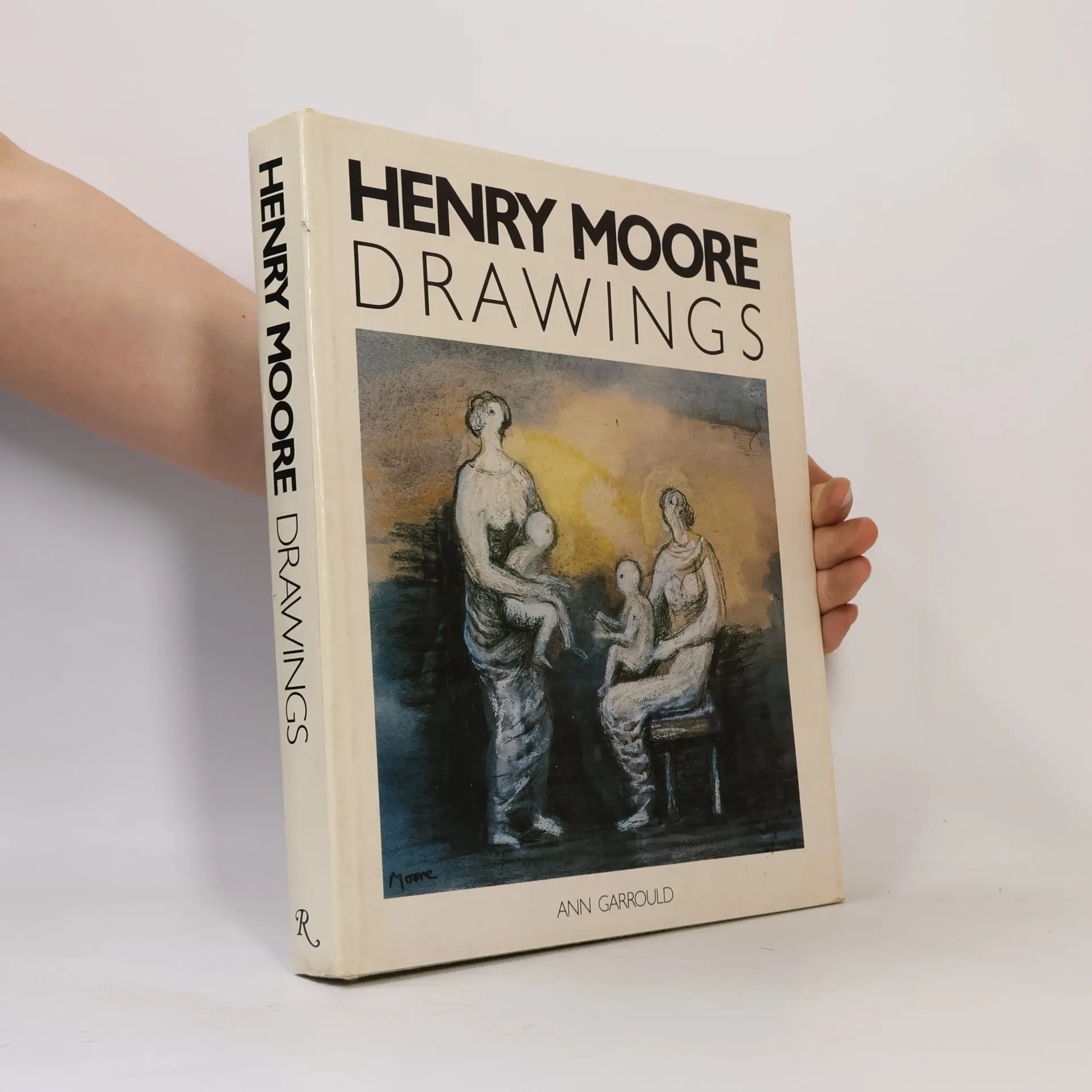
Henry Moore Drawings
- 272pages
- 10 heures de lecture
Though known primarily for his sculpture, these drawings demonstrate Moore's mastery of draftsmanship and his vision of the interrelationship and interdependence of natural and human forms
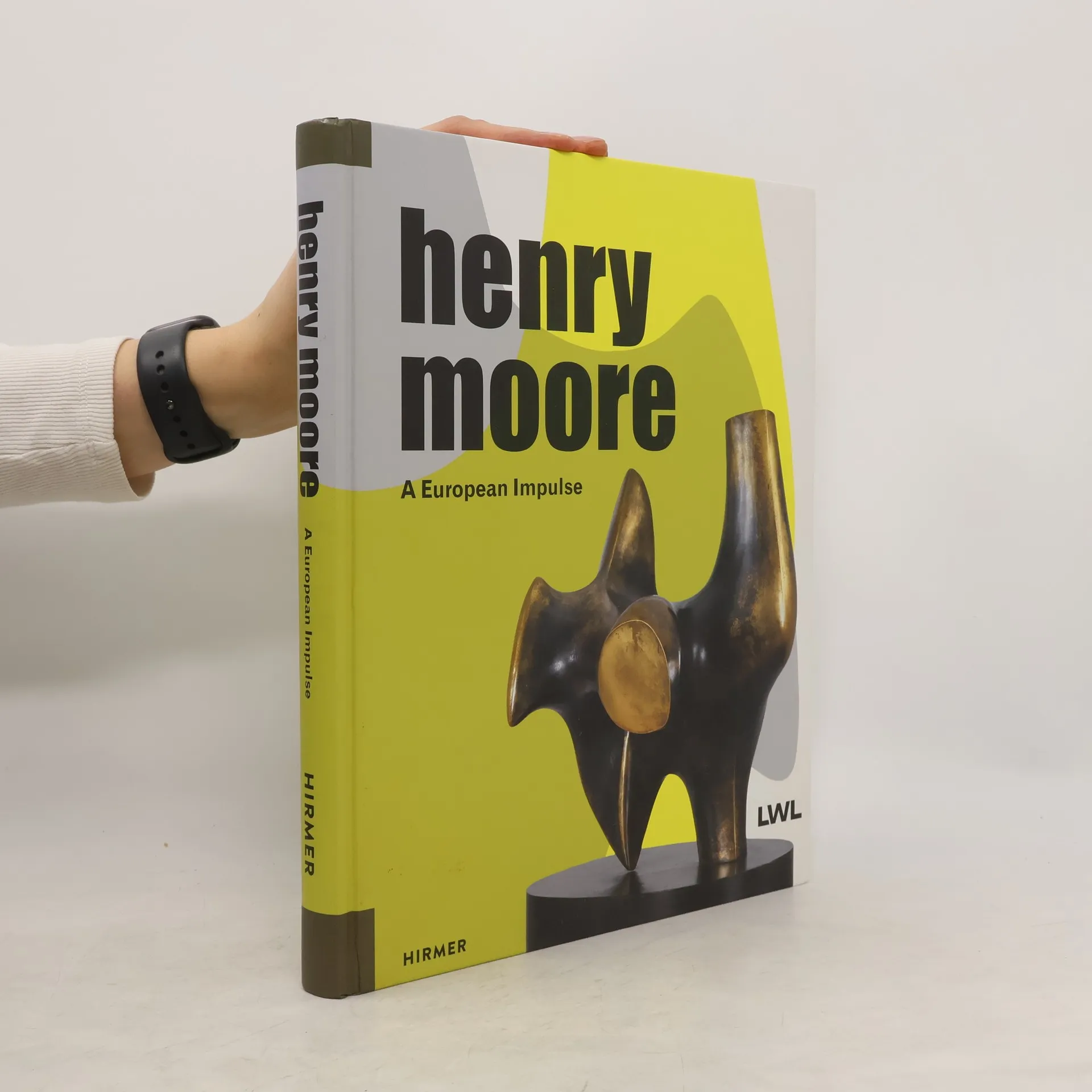
A European impulse
- 280pages
- 10 heures de lecture
Henry Moore has influenced the history of twentieth - century sculpture more decisively than anyone else. He was one of the first contemporary sculptors to realise his ideas in the public space throughout the world. His oeuvre was a lasting source of inspiration for an entire generation of artists - from Hans Arp, Alberto Giacometti and Pablo Picasso to the younger generation of German sculptors. Henry Moore (1898 - 1 986), known as the "Picasso of Sculpture", is regarded as one of the most important sculptors of the twentieth century and the epitome of the modern artist. Typical of his work is the interrelationship between nature and abstraction. He discovered the "voi ds", so - called openings and holes which heighten the sculptural, three - dimensional effect of his works. With this new approach Moore exercised a strong influence on younger sculptors, who gained decisive impulses from his sculptures. This volume presents M oore as the dominant personality of modern sculpture in collaboration with the members of the younger generation of artists.
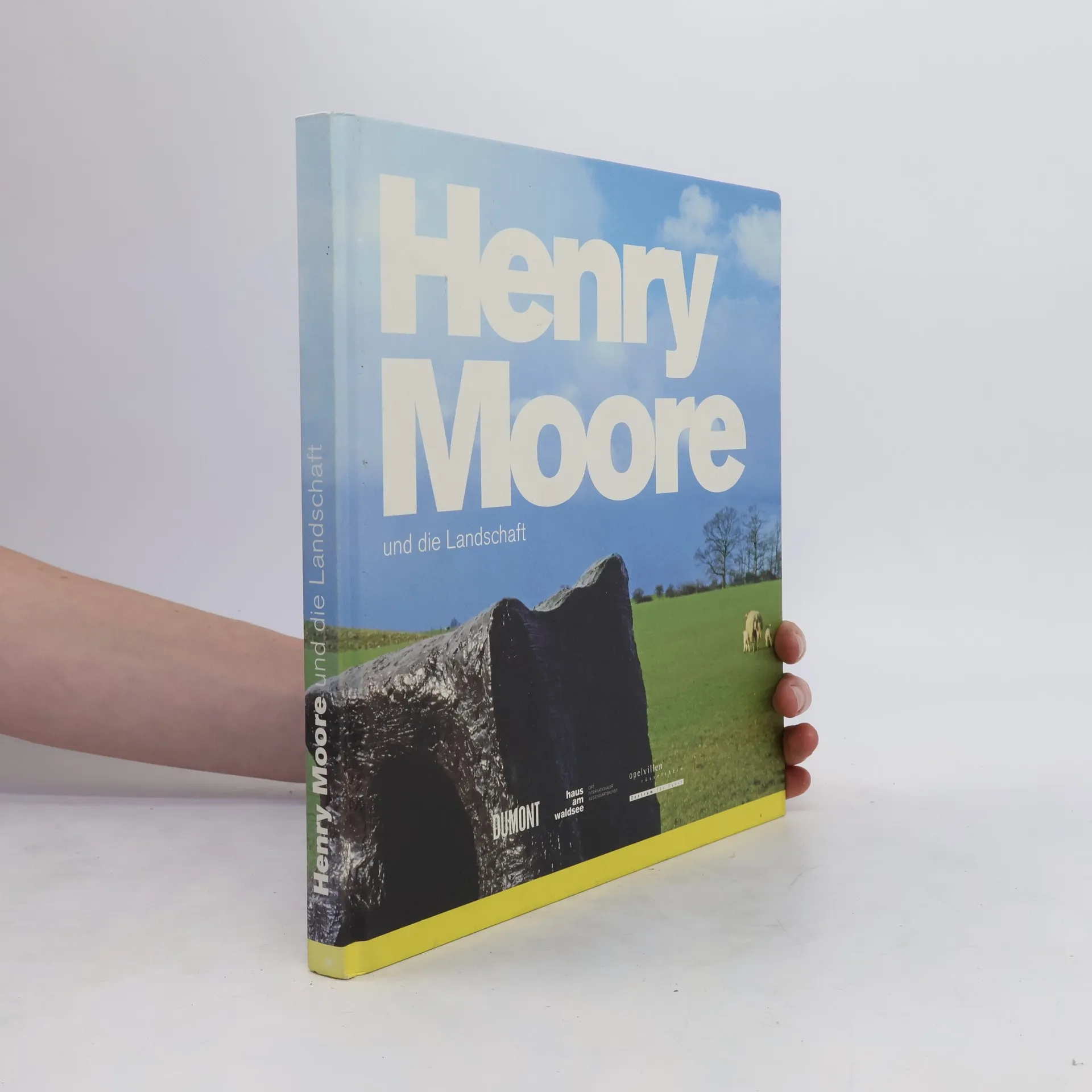
Henry Moore und die Landschaft
- 127pages
- 5 heures de lecture
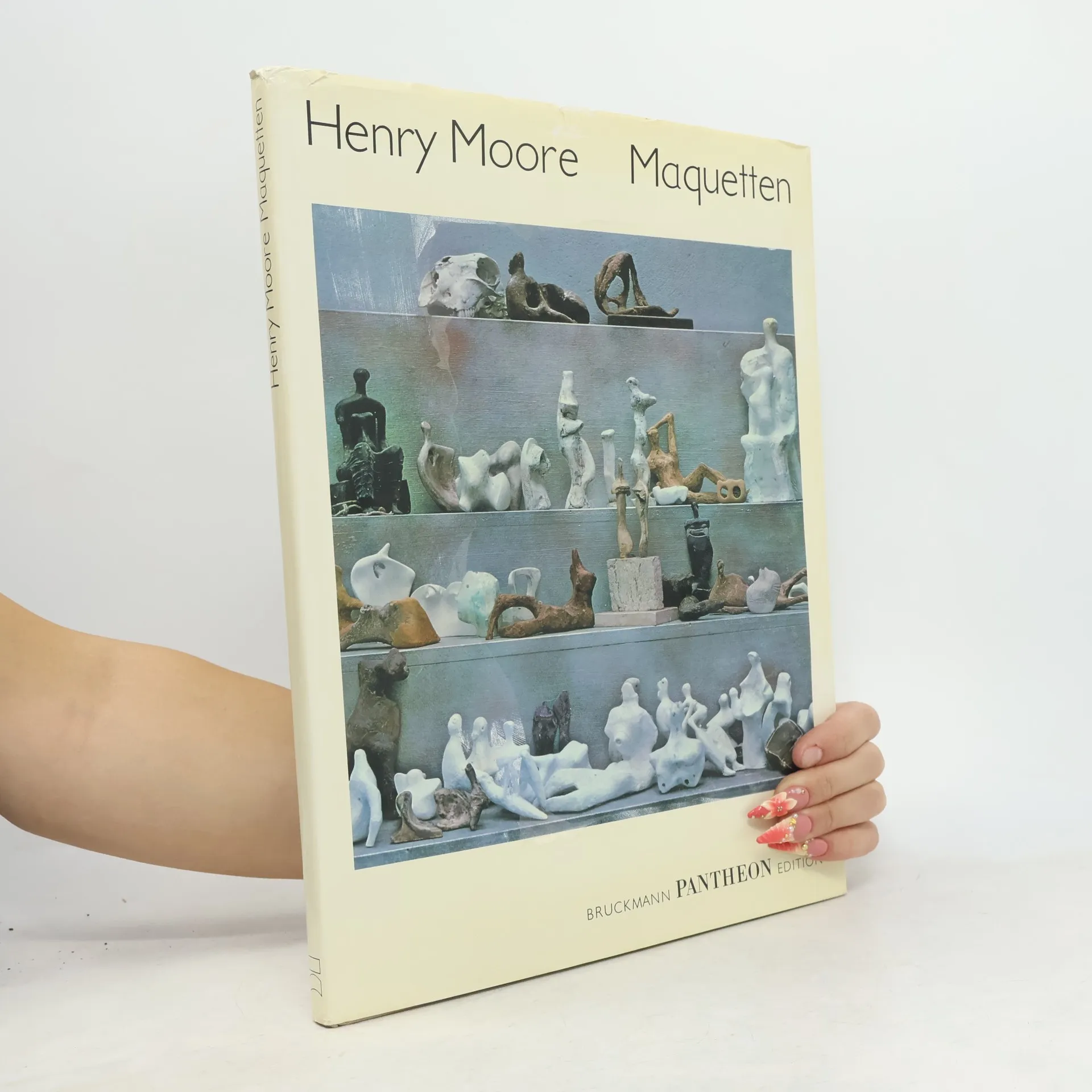
Henry Moore und die Landschaft Als herausragender Bildhauer seiner Zeit hat Henry Moore die Nachkriegsmoderne in Europa wie kein anderer geprägt. Gerade die deutsche Bildhauerei nach 1945 hat in einer Phase der Erneuerung von seinem Genie enorm profitiert. In diesem Band wird erstmals ein umfassender Überblick zum Thema „Henry Moore und die Landschaft“ präsentiert. Vorgestellt werden über 50 Arbeiten auf Papier sowie etwa 30 kleinere und drei Groß-Plastiken, die das Thema Figur und Landschaft im Spätwerk Moores von 1960 bis 1981 verfolgen und zum Teil noch nie außerhalb Englands zu sehen waren. Die Idee des Körpers als Landschaft, die Henry Moore zum ersten Mal in der Moderne konsequent formulierte, wird auf ideale Weise veranschaulicht. Zudem vermitteln Abbildungen des Marketten-Studios, in dem Moore seine Originalgip-se fertigte, sowie Fotografien der Land-schaft Much Hadham, wo Moore von 1940 bis zu seinem Tode 1986 lebte und arbeitete, die einzigartige Arbeitsatmosphäre des Landsitzes vor den Toren von London.
This unique anthology brings together material from 38 well-known writers, artists, and scientists who attempt to describe the process by which original ideas come to them. Contributors include Albert Einstein, Wolfgang Amadeus Mozart, Amy Lowell, Rudyard Kipling, Max Ernst, Katherine Anne Porter, Henry Miller, Carl Gustav Jung, Mary Wigman, Yasuo Kuniyoshi, Henri Poincaré and many others.
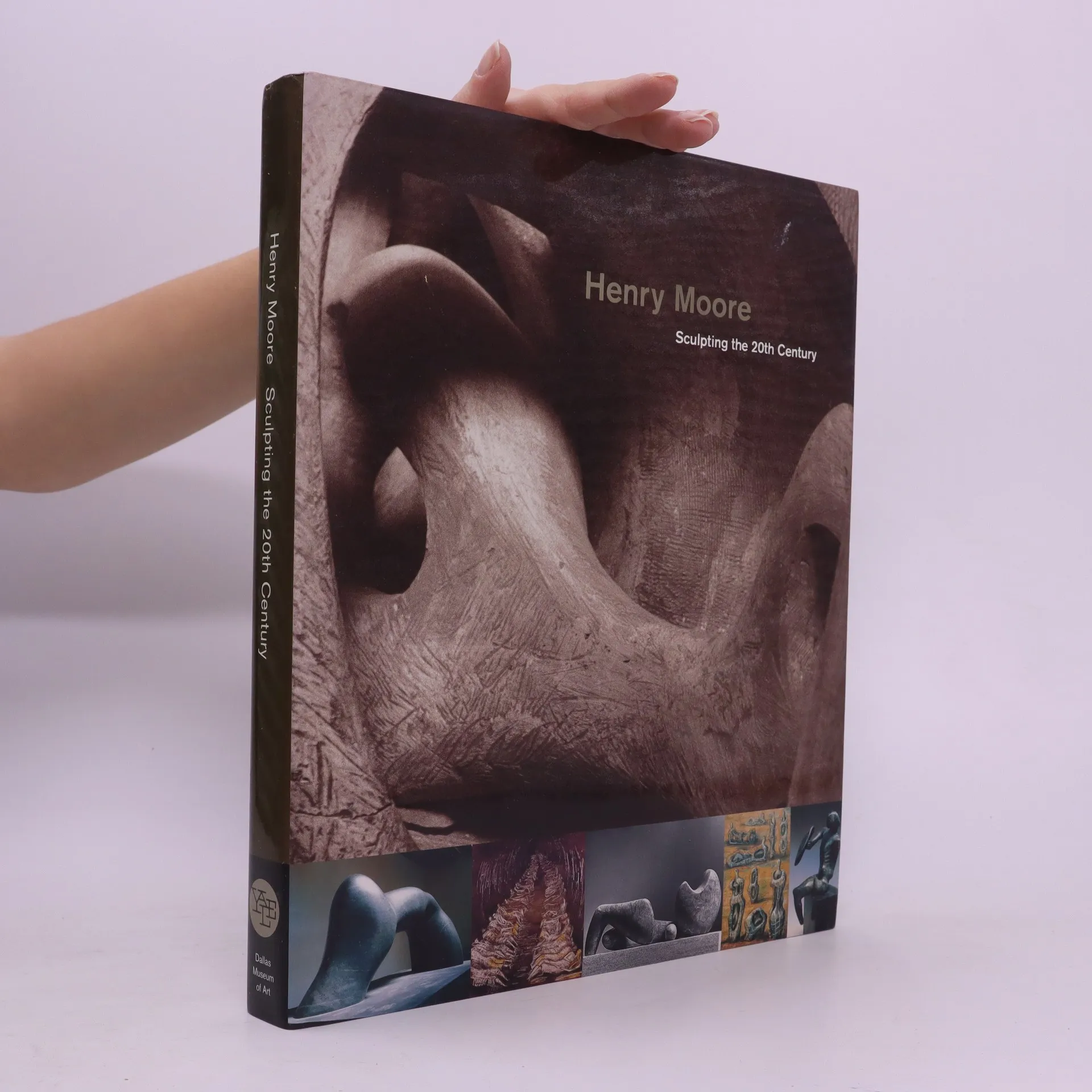
Henry Moore (1898-1986) je pravděpodobně jedním z nejznámějších a nejoblíbenějších sochařů dvacátého století, avšak v posledních desetiletích jeho dílo ztratilo na oblibě ve světě současné umělecké kritiky. Tato kniha zkoumá tuto fascinující kontradikci a snaží se přehodnotit Mooreův zásadní přínos umění minulého století. Zkoumá Mooreovy rané angažmá s primitivismem, jeho dialog s abstrakcí a surrealismem ve třicátých letech a jeho poválečný zájem o velkoformátové veřejné sochy. Autoři ukazují, jak sochař pomohl definovat některé z nejvýznamnějších aspektů modernismu. Také kontextualizují Mooreův důraz na přímé vyřezávání místo modelování a nezbytnou rovnováhu mezi abstrakcí a tím, co nazýval „psychologickým lidským prvkem“, v polemikách raného modernismu. Rané sochy Moorea – většinou veřejnosti neznámé – jsou věnovány zvláštní pozornosti, což umožňuje čtenáři prozkoumat vývoj tematických a formálních prvků v jeho díle a jeho neustálou reakci na různé materiály. Kniha obsahuje fotografie, některé od samotného Moorea, více než 120 děl, včetně sádrových odlitků, modelů, řezeb, bronzů a kreseb, z nichž mnohé jsou dosud nepublikované.
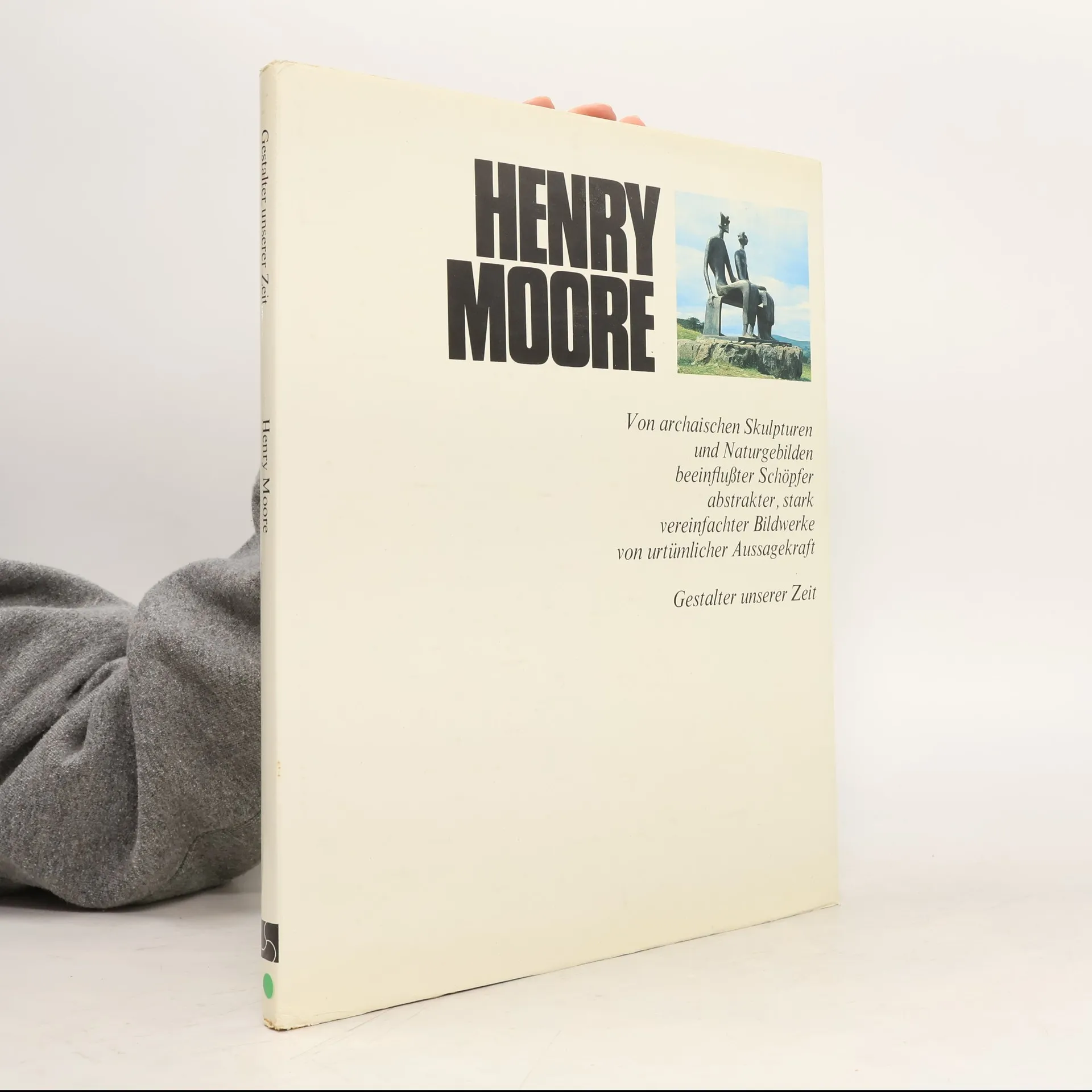
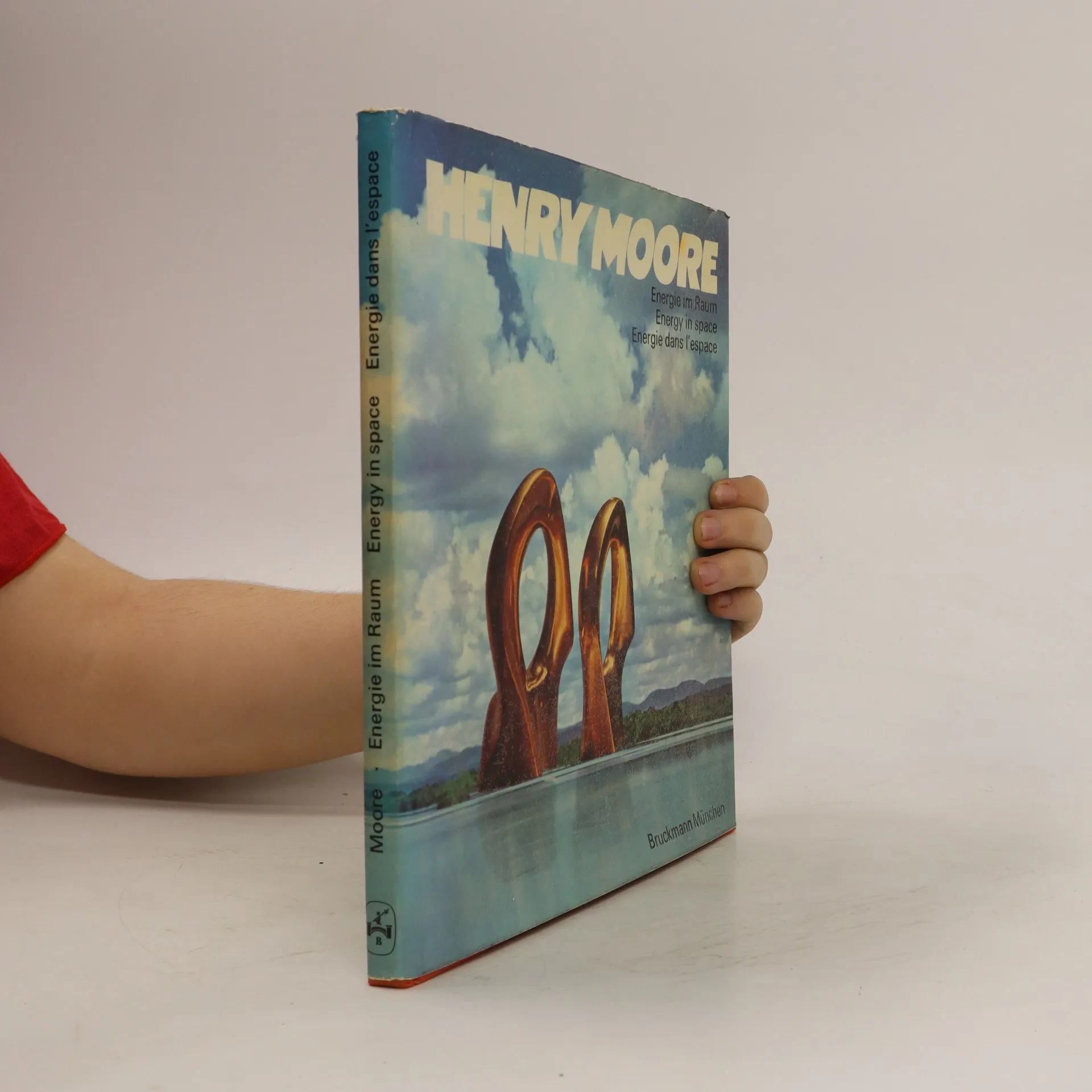
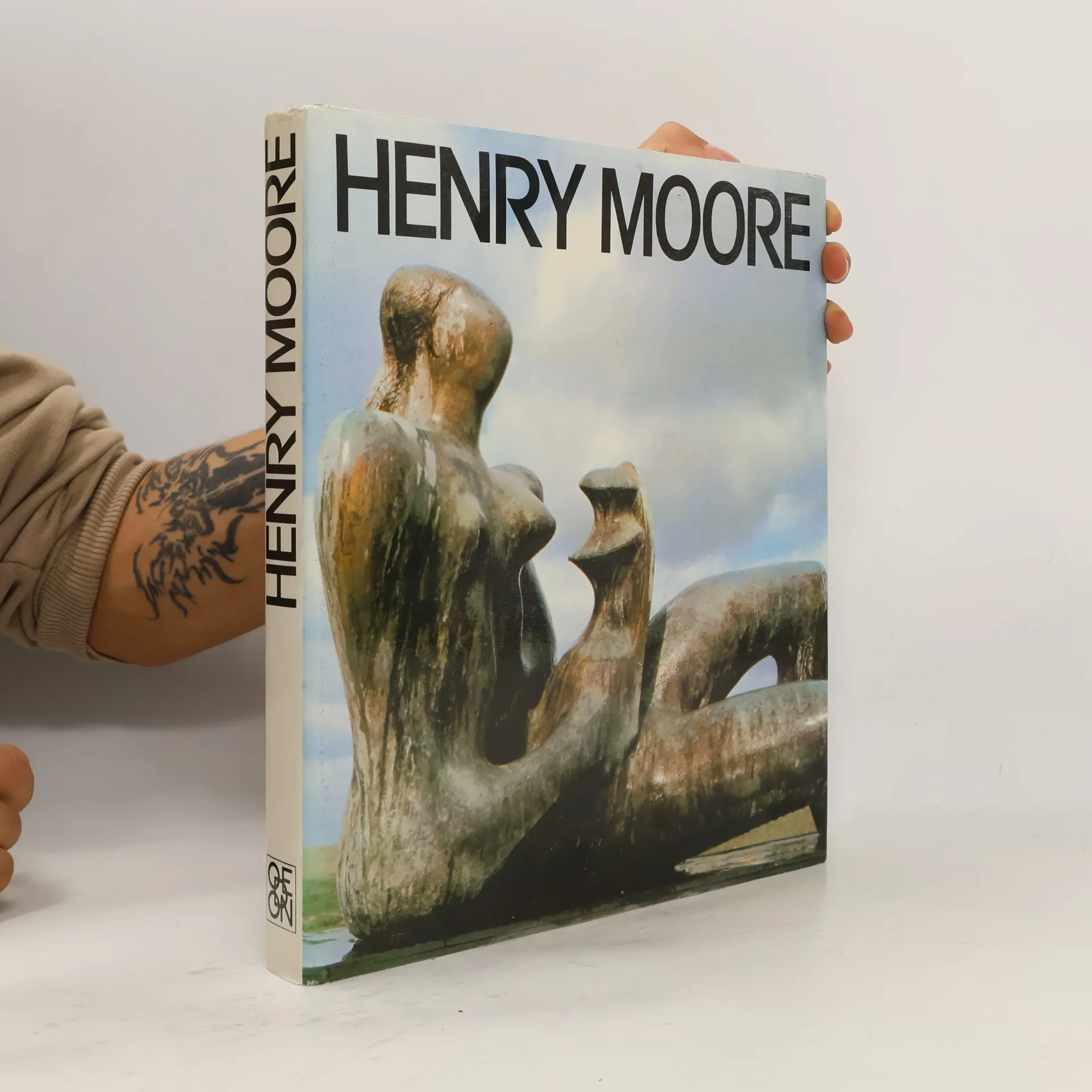
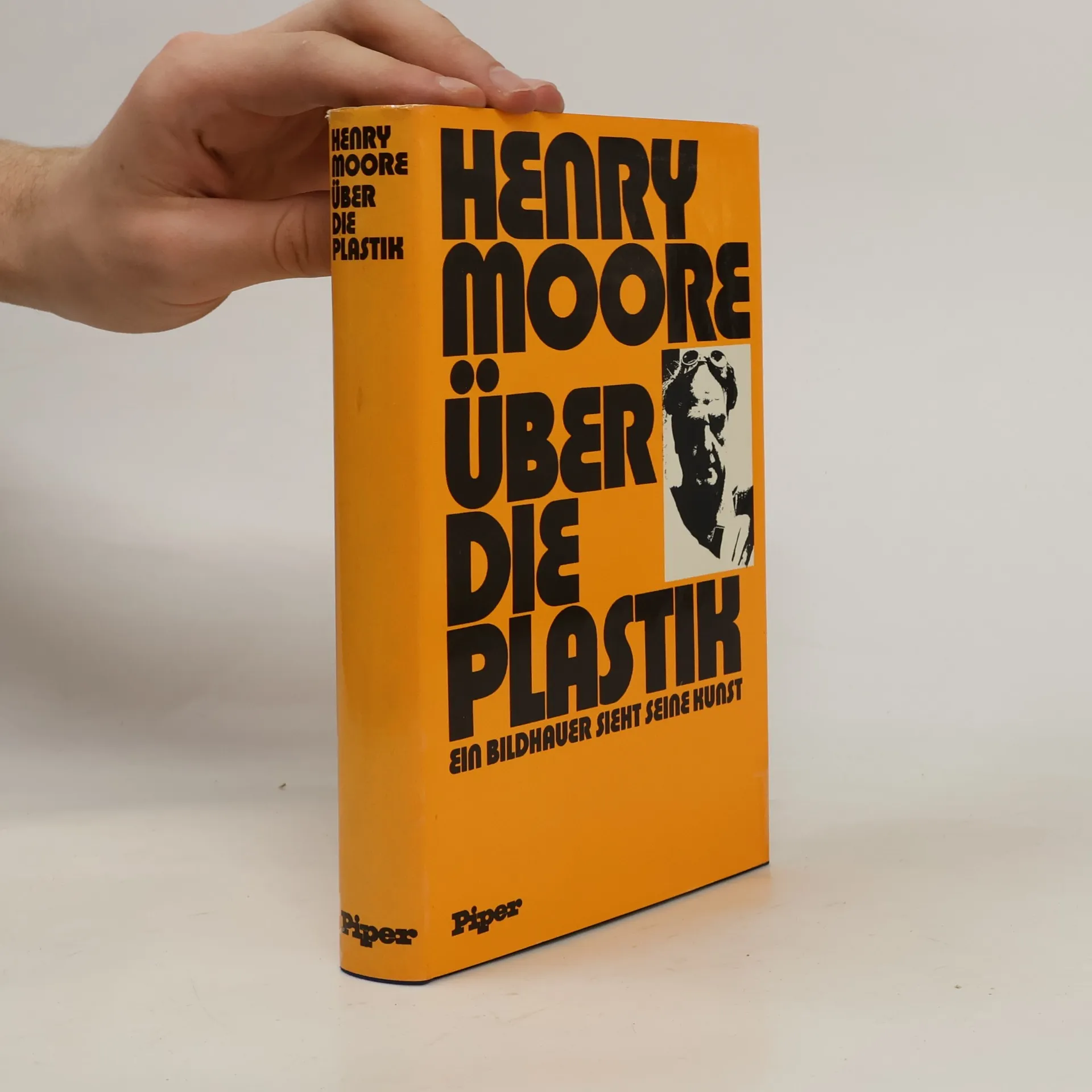
Henry Moore
Gestalter unserer Zeit
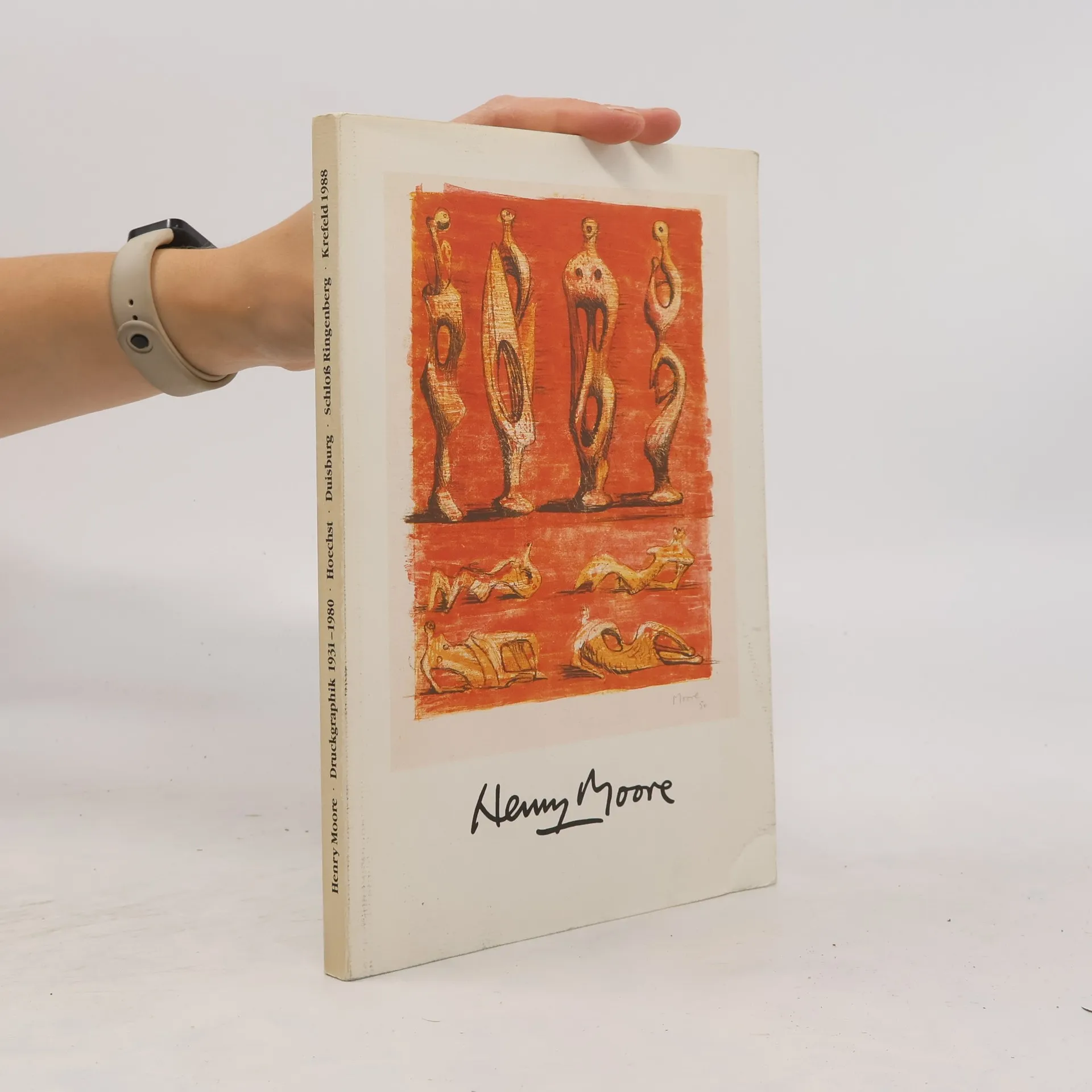
Henry Moore, Druckgraphik 1931 - 1980
- 134pages
- 5 heures de lecture
Uspořádal a umělcovy texty vybral David Mitchinson. Úvod Petr Wittlich. Překlad Klement Benda.
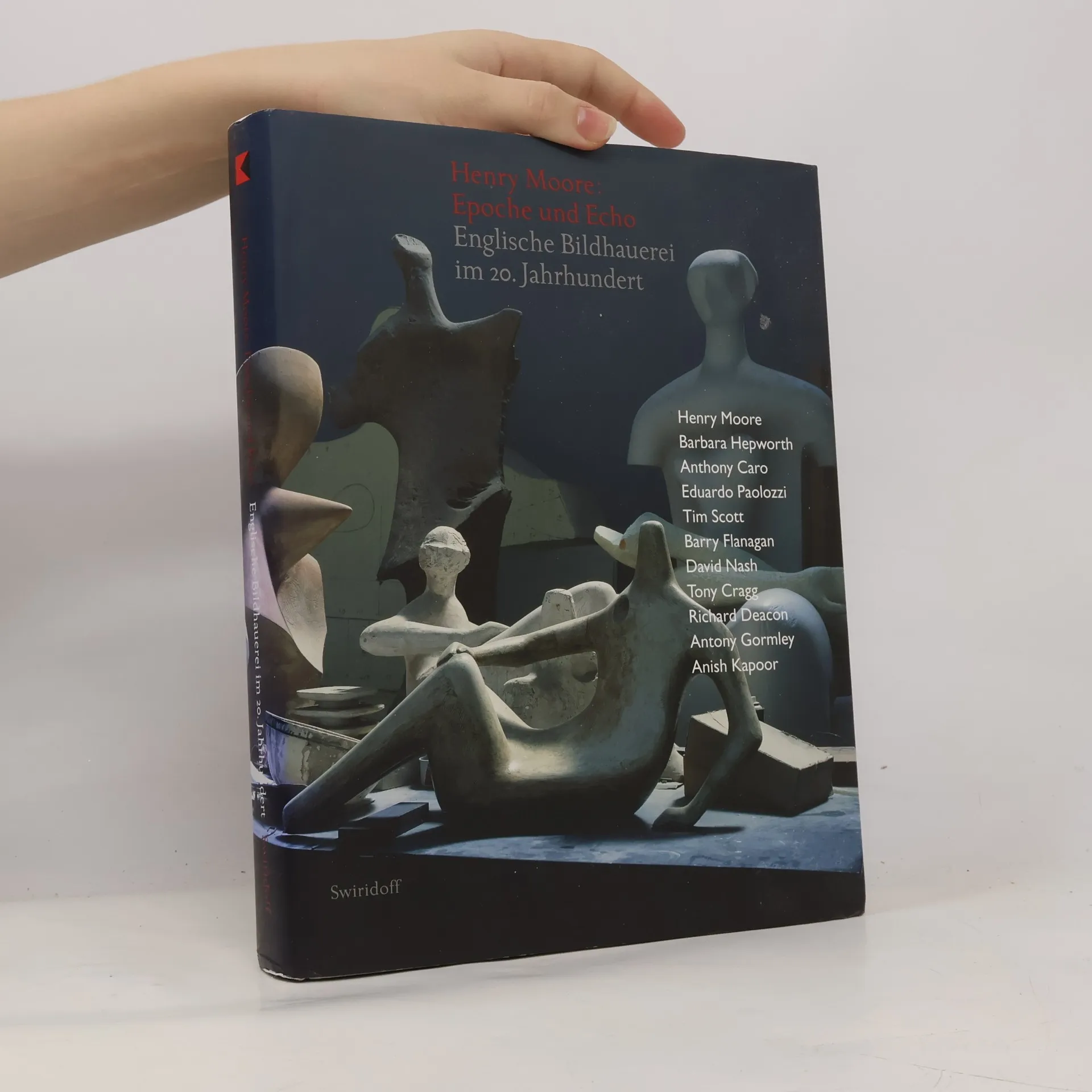
Der Katalog „Henry Moore Epoche und Echo - sechs Jahrzehnte englischer Bildhauerei im 20. Jahrhundert“ schlägt einen Bogen über die vitale und abwechslungsreiche britische Bildhauerszene der Moderne. Der Band nimmt seinen Ausgangspunkt bei Henry Moore (1898-1986), dessen in der Regel monumental und dabei stets klug stilisierte, gesichtslose Menschenbilder in den fünfziger und sechziger Jahren in Europa und den USA zum Inbegriff moderner Skulptur wurden. Dank Moores Einfluss entwickelte sich nach 1945 in Großbritannien eine bis dahin nicht gekannte und immer noch anhaltende Blüte der Bildhauerei. So hat der Band zwar seinen Schwerpunkt in den Werken Moores; er präsentiert aber darüber hinaus ein ganzes Spektrum bildhauerischer Positionen, die von solchen der Moderne, bis hin zu den Meisterleistungen der New British Sculpture reichen. Vertreten sind: Henry Moore (1898-1986), Barbara Hepworth (1903-1975), Anthony Caro (*1924), Eduardo Paolozzi (1924-2005), Tim Scott (*1937), Barry Flanagan (*1941), David Nash (*1945), Tony Cragg (*1949), Richard Deacon (*1949), Antony Gormley (*1950) und Anish Kapoor (*1954).
[Moore, Henrey] Lingen, Charlotte van (Editor). Henry Moore. Sculptuur en architectuur. Arnhem, Terra Lannoo, 2006. 27 cm x 23 cm. 125 pagina's. Met talrijke illustraties in kleur en zwart-wit. Original Softcover. Afkomstig uit de bibliotheek van modeontwerper Frans Molenaar. In zeer goede staat met slechts weinig sporen van slijtage. Met onder andere essays zoals Het probleem van de beeldhouwkunst als oppervlakteversiering, Moore en de integratie van beeldhouwkunst en architectuur, en Vervagende grenzen - de muur van het Bouwcentrum Rotterdam. Henry Spencer Moore (1898-1986) was een Engelse beeldhouwer, beroemd om zijn grote abstracte bronzen en marmeren sculpturen. Hij speelde een cruciale rol in het introduceren van modernisme in het Verenigd Koninkrijk. Zijn werk, vaak abstracties van het menselijk lichaam, omvat veel moeder-en-kind en achteroverleunende figuren, met een korte periode in de jaren '50 waarin hij zich richtte op groepen mensen. Moore's stijl wordt gekenmerkt door organische en natuurlijke vormen, die een suggestieve benadering van de contouren van het (vrouwelijke) lichaam bieden zonder figuratief te zijn. Hij vond veel inspiratie in de natuur en verzamelde objecten zoals botten, stenen en drijfhout in zijn atelier.